

Septorhinoplasty Surgery in Beverly Hills The Complete Guide to Fixing Breathing and Appearance Together
For many people, a problem with the nose is never only about how it looks or only about how it works. The same injury that left a bump on the bridge may also have shifted the internal structures that make breathing difficult. The nose that feels too wide or crooked in photographs may be the very nose that whistles at night and blocks airflow during exercise. When form and function are entangled this way, treating one and ignoring the other rarely satisfies. Septorhinoplasty is the procedure designed to address both at once, correcting the internal structures that govern breathing while reshaping the external appearance in a single operation. At Harris Facial Plastic Surgery and Aesthetics in Beverly Hills, double board-certified facial plastic surgeon Dr. William Harris performs septorhinoplasty with a rare combination of aesthetic artistry and airway expertise, drawing on training in both facial plastic surgery and head and neck surgery.
This guide is written to give prospective patients a thorough and honest understanding of septorhinoplasty. It explains what the procedure is, how the septoplasty and rhinoplasty components work together, why so many nasal problems are best solved by treating breathing and appearance in the same surgery, who makes a good candidate, and what the surgery and its long recovery involve. It also explains Dr. Harris's distinctive approach, in which the airway is addressed before aesthetics on every case, and the reasons his dual training matters so much for this particular operation. The goal is to help each reader understand whether septorhinoplasty is the right path for their nose.
What Is Septorhinoplasty?
Septorhinoplasty is a surgical procedure that combines two operations into one. The first, septoplasty, corrects the nasal septum, the internal wall of cartilage and bone that divides the two sides of the nose and directly affects how well a person breathes. The second, rhinoplasty, reshapes the external structure of the nose to improve its appearance. By performing both together, septorhinoplasty addresses the function and the form of the nose in a single, coordinated surgery.
The term itself is a combination of the two procedures it encompasses. Septo refers to the septum and the functional correction of the airway, while rhinoplasty refers to the reshaping of the nose. When a surgeon performs a septorhinoplasty, they are working on both the internal architecture that controls airflow and the external framework that determines how the nose looks. This is more than convenience. Because the internal and external structures of the nose are physically connected, changes to one inevitably affect the other, which is precisely why the most reliable results come from addressing them together in the hands of a surgeon who understands both.
Dr. Harris is especially well suited to this operation. He is double board-certified, holding certification from the American Board of Facial Plastic and Reconstructive Surgery and the American Board of Otolaryngology, Head and Neck Surgery. That second certification, in the specialty that encompasses the ear, nose, and throat, reflects deep expertise in the functional anatomy of the nose and airway, while his facial plastic surgery training and fine arts background bring the aesthetic eye that reshaping the nose demands. Few procedures benefit as directly from this dual expertise as septorhinoplasty. Patients can learn more about his qualifications on the Dr. William Harris page.
Understanding the Two Components
To appreciate septorhinoplasty, it helps to understand each of its two components on its own, since each solves a different problem.
The Septoplasty Component
The nasal septum is the wall that separates the left and right nasal passages. Ideally it sits straight down the middle, giving both sides an equal, open path for air. In reality, a great many people have a septum that is deviated, meaning it is bent or shifted to one side. A septoplasty is the procedure that straightens this wall, removing or repositioning the portions of cartilage and bone that obstruct airflow. It is a functional operation, meaning its purpose is to improve breathing rather than to change appearance. On its own, a septoplasty does not alter the external shape of the nose at all, since all of its work is internal.
The Rhinoplasty Component
A rhinoplasty, by contrast, reshapes the visible structure of the nose. It can reduce a bump on the bridge, refine or reshape the tip, narrow a wide nose, straighten a crooked nose, or bring the nose into better proportion with the rest of the face. Rhinoplasty is fundamentally an aesthetic operation, though it involves reshaping the same underlying framework of bone and cartilage that gives the nose its structure. Dr. Harris performs the full range of rhinoplasty, including preservation rhinoplasty techniques and ethnic rhinoplasty that respects and complements a patient's heritage.
When these two operations are combined, the surgeon corrects the internal septum for breathing while reshaping the external nose for appearance, all in one procedure. This is the essence of septorhinoplasty, and it is the right approach for the very large number of patients whose nasal concerns involve both breathing and appearance.
Why Combine Breathing and Appearance in One Surgery
A reasonable question is why breathing and appearance should be corrected together rather than in two separate operations. The answer lies in the anatomy of the nose and in the practical realities of surgery and recovery.
The most important reason is structural. The septum is not an isolated internal wall; it is a central support of the entire nose, connected to the bones and cartilage that shape the exterior. Reshaping the external nose can affect the septum, and correcting the septum can affect the external shape. A surgeon who addresses only the appearance without regard to the airway can inadvertently worsen breathing, while a surgeon who corrects only the septum leaves any cosmetic concerns untouched and may miss an opportunity to use septal cartilage as grafting material for the reshaping. Because the structures are interdependent, treating them together allows the surgeon to plan the whole nose as an integrated unit, producing a result that both looks right and works well.
There are also significant practical advantages. Combining the procedures means a single surgery, a single course of anesthesia, and a single recovery period rather than two. For the patient, this is far more efficient and less burdensome than undergoing two separate operations with two separate healing timelines. It also avoids the complication of operating on a nose that has already healed and scarred from a previous surgery, which is one reason revision procedures are more difficult. For the many patients who have both a functional and an aesthetic concern, septorhinoplasty simply makes sense, solving both problems at once with one recovery.
Dr. Harris has written about how these considerations shape his approach in his discussion of when the problem is breathing, when it is appearance, and when it is both, a distinction that guides the entire treatment plan.
The Deviated Septum: Causes and Symptoms
Since the septoplasty component exists to correct a deviated septum, it is worth understanding this common condition. A deviated septum occurs when the wall between the two nasal passages is displaced to one side, narrowing one or both passages and obstructing the flow of air. It is remarkably common. Many people are born with some degree of septal deviation, while others develop it as a result of an injury to the nose, whether from sports, an accident, or another trauma. Even the natural process of growth can leave the septum off-center.
The symptoms of a deviated septum extend well beyond simple stuffiness. Patients often describe chronic nasal congestion that favors one side, difficulty breathing through the nose particularly during exercise or exertion, and disrupted sleep that may include snoring or a sense of never getting enough air at night. Some experience recurrent sinus infections, nosebleeds, or a persistent feeling of pressure. For many, the impact on sleep and daily energy is the most frustrating consequence, since poor nasal breathing can undermine rest and quality of life in ways that are easy to underestimate until they are corrected.
Importantly, a deviated septum frequently accompanies a crooked or asymmetric external nose, because the same injury or developmental pattern that bent the septum often affected the visible structure as well. This is exactly the situation in which septorhinoplasty shines, because a single operation can straighten both the internal wall that blocks breathing and the external nose that looks crooked. When a patient has struggled with breathing for years and has also never liked the appearance of their nose, the combined procedure offers a comprehensive solution.
The Breathing Hierarchy: Function Before Aesthetics
One of the defining features of Dr. Harris's approach to nasal surgery is his insistence on addressing the airway before aesthetics on every case. He has articulated this philosophy in his discussion of the breathing hierarchy, and it is central to how he performs septorhinoplasty. The principle is straightforward but frequently overlooked: a beautiful nose that does not breathe well is a failed result, no matter how good it looks in photographs.
This philosophy reflects Dr. Harris's dual training. As a surgeon certified by the American Board of Otolaryngology, Head and Neck Surgery, he brings a functional understanding of the nose and airway that not every cosmetic rhinoplasty surgeon possesses. He treats the nose first as a working organ whose primary job is to move air, and only then as a feature to be aesthetically refined. In practice, this means that during a septorhinoplasty, the reshaping of the external nose is planned in a way that preserves or improves breathing rather than compromising it. Techniques that might narrow the nose attractively but restrict airflow are avoided or modified, and structural support is maintained or reinforced so that the nose remains open.
This function-first mindset protects patients from a common pitfall in purely cosmetic rhinoplasty, in which an overly aggressive reduction produces a delicate-looking nose that collapses or obstructs over time. By respecting the breathing hierarchy, Dr. Harris aims for a result that is both beautiful and functional, a nose that looks refined and works properly for the rest of the patient's life. For patients whose primary concern is breathing, this approach is reassuring, and for those focused on appearance, it ensures that the aesthetic result does not come at the expense of function.
Cosmetic Goals Addressed by the Rhinoplasty Component
While the septoplasty portion of the surgery corrects breathing, the rhinoplasty portion addresses the appearance of the nose, and the range of cosmetic goals it can achieve is broad. Because the nose sits at the center of the face, even subtle changes to its shape can significantly affect overall facial harmony.
Common cosmetic goals include reducing or removing a bump or hump on the bridge to create a smoother, straighter profile, and refining the tip of the nose when it is too bulbous, too wide, drooping, or overly upturned. Reshaping the tip is among the most delicate aspects of the operation, since small changes there have an outsized effect on the overall look. Patients may also seek to narrow an overly wide nose, adjust the width of the nostrils, or straighten a nose that appears crooked, which is especially common when a deviated septum has also distorted the external structure. Many patients simply want a nose that is better proportioned to the rest of their face.
Throughout, the guiding principle is balance and naturalness. Dr. Harris does not impose a single ideal nose shape on every patient. Instead, he reshapes the nose in a way that suits the individual's features and facial character, so that the result enhances the face without appearing done. This natural, individualized aesthetic is a hallmark of his work, informed by his background in fine arts and his focus exclusively on the face. Patients considering the aesthetic side of the procedure can view examples in the rhinoplasty gallery and read his overview of whether rhinoplasty is right for them.
Who Is a Good Candidate for Septorhinoplasty?
The ideal septorhinoplasty candidate is someone who has both a functional breathing concern, such as a deviated septum, and an aesthetic concern about the appearance of their nose. This combination is extremely common, and for these patients the combined procedure offers the most complete and efficient solution. A patient who has struggled to breathe through their nose for years and has also never been happy with a bump, a crooked bridge, or an unrefined tip is often an excellent candidate.
Good candidates are in good general health and have realistic expectations about what the surgery can accomplish. Because the nose continues to develop through adolescence, surgeons generally recommend waiting until facial growth is largely complete before undergoing rhinoplasty, which typically means the mid to late teens at the earliest for the cosmetic component, though functional correction may sometimes be considered earlier when medically warranted. Candidates should be non-smokers or willing to stop smoking well before and after surgery, since smoking impairs the delicate healing of the nose, and they should be free of medical conditions that would make surgery or recovery unsafe.
Emotional readiness and a clear understanding of the procedure matter as much as physical health. The best candidates understand that the goal is a natural improvement in both breathing and appearance, that the final aesthetic result takes a full year or more to emerge, and that patience is part of the process. Patients whose concern is purely functional may need only a septoplasty, while those whose concern is purely aesthetic may need only a rhinoplasty. Septorhinoplasty is specifically for those who have both. During a consultation, Dr. Harris evaluates each of these factors and offers an honest assessment of which procedure will genuinely serve the patient's goals.
Septorhinoplasty vs Septoplasty vs Rhinoplasty
Patients are often confused by the overlapping terminology, and understanding the distinctions helps clarify which procedure fits their situation. The three procedures are related but serve different purposes.
A septoplasty is purely functional. It straightens the deviated septum to improve breathing and does not change the external appearance of the nose. A patient whose only concern is difficulty breathing, with no wish to alter how their nose looks, may need a septoplasty alone. A rhinoplasty is primarily aesthetic. It reshapes the external nose to improve appearance, and while it involves the underlying framework, a purely cosmetic rhinoplasty is chosen by patients who breathe well but want to change how their nose looks. A septorhinoplasty combines both, correcting the septum for breathing and reshaping the nose for appearance in one operation.
The distinction matters not only clinically but sometimes financially, since the functional portion of a septorhinoplasty may be handled differently from the purely cosmetic portion, a point discussed later in this guide. It also matters for choosing a surgeon, because a procedure that combines functional and aesthetic goals is best performed by someone with expertise in both, which is precisely the combination Dr. Harris's dual board certification represents. Dr. Harris has explored the boundaries between these procedures, including when the problem is breathing, when it is appearance, and when it is both, to help patients understand where they fall. Patients considering a second nasal surgery after a previous operation should review his discussion of revision rhinoplasty, since revision cases carry their own considerations.
Dr. Harris's Approach and Credentials
Choosing the right surgeon is the single most important decision a patient makes for any nasal surgery, and it is particularly consequential for septorhinoplasty, which demands mastery of both function and aesthetics. This is where Dr. Harris's qualifications set his practice apart.
Dr. Harris is a double board-certified facial plastic surgeon, holding certification from the American Board of Facial Plastic and Reconstructive Surgery and the American Board of Otolaryngology, Head and Neck Surgery. He completed a competitive fellowship through the American Academy of Facial Plastic and Reconstructive Surgery, with training focused exclusively on the face. This combination is unusually well matched to septorhinoplasty. The otolaryngology certification reflects deep training in the functional anatomy of the nose, sinuses, and airway, exactly the expertise required to correct a deviated septum and protect breathing, while the facial plastic surgery training and his background in fine arts bring the aesthetic judgment that reshaping the nose requires. In septorhinoplasty, these two skill sets are not separate; they must work together in a single operation, which is why the procedure benefits so directly from a surgeon trained in both.
Equally important is Dr. Harris's approach to patient care. He follows a one-case-per-day surgical philosophy, dedicating his complete attention to a single patient on the day of their procedure rather than moving between multiple operations. For an operation as intricate as septorhinoplasty, this focus matters. Patients can learn more about the practice and this philosophy through the pages on Dr. Harris and the practice. His perspective on how to evaluate a nasal surgeon is captured in his guidance on choosing the right rhinoplasty specialist, essential reading for anyone weighing this decision.
The Consultation
The consultation is the foundation of a successful septorhinoplasty, and given the dual nature of the procedure, it is especially thorough. During this visit, Dr. Harris evaluates both the function and the appearance of the nose. He asks detailed questions about the patient's breathing, including when and how it is obstructed, their history of injury or congestion, and how the problem affects their sleep and daily life. He also examines the internal structures of the nose, including the septum, to identify the source of any obstruction.
At the same time, he assesses the external appearance, discussing what the patient would like to change and evaluating how the nose relates to the rest of the face. This is the moment for the patient to describe clearly what bothers them, both functionally and aesthetically, because the surgical plan is built directly around those goals. Dr. Harris explains what is realistically achievable for the individual's nose, since every nose has anatomical characteristics that shape what is possible, and he reviews the surgical approach, anesthesia, and the recovery timeline in detail. His guidance on what to tell your rhinoplasty surgeon at the first consultation helps patients prepare to make the most of this conversation.
Honest, detailed communication at this stage is what allows the eventual result to match the patient's expectations. For patients who live outside the area or prefer to begin remotely, the practice offers a virtual consultation option and has extensive experience with out-of-town patients. Those ready to begin can reach out through the contact page.
Open vs Closed Technique
Septorhinoplasty, like rhinoplasty, can be performed using one of two general approaches, and understanding the difference helps patients know what their surgery may involve. In a closed approach, all of the incisions are made inside the nostrils, leaving no visible external scar. The surgeon works through these internal incisions to correct the septum and reshape the structure. This approach can be excellent for cases that do not require the most extensive reshaping.
In an open approach, the surgeon makes a small additional incision across the columella, the narrow strip of tissue that separates the two nostrils at the base of the nose. This gives the surgeon fuller access and direct visualization of the underlying framework, which can be particularly valuable in complex cases, in significant tip reshaping, and when both functional and aesthetic corrections must be coordinated precisely. The columellar incision is small and, once healed, generally becomes very difficult to notice.
Neither approach is universally superior. The right choice depends on the complexity of the work required, the specific corrections needed for both breathing and appearance, and the patient's anatomy and goals. Because septorhinoplasty involves coordinating functional and aesthetic changes, the open approach is often advantageous for the precision it allows, though Dr. Harris selects the technique that best fits each individual plan. This decision is discussed during the consultation so that the patient understands the reasoning behind the chosen approach.
The Septorhinoplasty Procedure Step by Step
Understanding what happens during surgery can ease much of the natural anxiety that surrounds it. While every septorhinoplasty is customized, the general sequence is consistent, and it reflects Dr. Harris's function-first philosophy. After anesthesia is administered so that the patient is entirely comfortable, Dr. Harris makes the planned incisions, either inside the nostrils for a closed approach or with the small additional columellar incision for an open approach.
Consistent with the breathing hierarchy, the functional correction is a central focus. Dr. Harris addresses the deviated septum, straightening or repositioning the cartilage and bone that obstruct the airway to open the nasal passages. Cartilage removed from the septum during this step is often preserved and used as grafting material for the reshaping, which is one of the elegant efficiencies of combining the procedures. With the airway addressed, he then reshapes the external framework of the nose according to the aesthetic plan, which may involve reducing a bump on the bridge, refining the tip, narrowing the bone, or straightening a crooked nose, all while preserving the structural support that keeps the nose open.
Once the reshaping is complete, the skin is redraped over the new framework and the incisions are closed. A splint is usually placed on the outside of the nose to protect and support the new shape while it begins to heal, and internal support may be used as well. The procedure typically takes a few hours, depending on its complexity. Because of the one-case-per-day philosophy, the patient has Dr. Harris's complete focus throughout, and the surgery is performed in a fully equipped, accredited setting described on the surgical suite page. Following the procedure, the patient receives thorough aftercare instructions before returning home to begin healing.
Anesthesia
Septorhinoplasty is performed under anesthesia that keeps the patient completely comfortable throughout the procedure. The specific type is determined based on the extent of the surgery and the patient's individual circumstances, and it is discussed during the consultation. Given that septorhinoplasty combines functional and aesthetic work and typically takes a few hours, it is commonly performed under general anesthesia, though the plan is tailored to the individual.
Anesthesia is administered and monitored by qualified professionals, and each patient is carefully evaluated beforehand to confirm they are a safe candidate for the planned approach. Dr. Harris reviews the patient's medical history, current medications, and any underlying conditions during the consultation to plan for the safest possible experience. This careful attention to safety is part of why the one-case-per-day philosophy matters, since it allows the entire surgical team to devote its full attention to a single patient's care throughout the day.
The Recovery Timeline
Septorhinoplasty recovery unfolds in stages over a longer period than many people anticipate, and setting realistic expectations is essential. The early recovery is relatively quick, but the nose continues to refine for many months, and the truly final aesthetic result takes a full year or more to emerge. At the same time, the improvement in breathing is often appreciated earlier, once the initial internal swelling subsides. Understanding this arc helps patients remain patient and confident throughout healing.
The First Week
In the first week, a splint is usually worn on the outside of the nose to protect and support the new shape, and the inside of the nose is swollen from the surgery. Swelling and bruising around the eyes are common during this period and are a normal part of the process. Because of internal swelling, breathing through the nose may actually feel more congested at first, which can be surprising for patients who had the surgery to breathe better, but this is temporary and resolves as the swelling settles. Patients rest with the head elevated and avoid activities that could disturb the healing nose. Most patients have the splint removed at about one week, which is often a reassuring milestone, as the nose first begins to reveal its new shape. Many feel ready to return to non-strenuous work and daily routines around this time.
Weeks Two to Four
Over the following weeks, the more obvious swelling and bruising subside, and the nose begins to look progressively more like its final self. Patients typically feel much more comfortable and presentable during this window. As the internal swelling continues to resolve, the improvement in breathing becomes increasingly apparent, and many patients begin to appreciate the functional benefit of the surgery. Strenuous exercise and any activity that risks contact with the nose are reintroduced gradually and only as Dr. Harris advises, since the healing structures need protection. Dr. Harris has written a detailed guide to rhinoplasty recovery in Beverly Hills that applies closely to the septorhinoplasty healing process.
The Following Months and the One-Year Result
The finer refinement of the aesthetic result takes considerably longer. Subtle swelling, particularly in the tip of the nose, can take many months to fully resolve, and it does so gradually and often imperceptibly from day to day. The truly final result of a septorhinoplasty often becomes apparent up to a year or more after surgery, once all of the swelling has settled and the tissues have completely healed. Dr. Harris explains the reasons behind this in his discussion of why rhinoplasty results take a full year. Patience during this period is rewarded, and following the aftercare guidance closely supports the best possible outcome for both appearance and breathing.
Results and the One-Year Timeline
A successful septorhinoplasty delivers a dual benefit that few procedures can match: a nose that both looks better and breathes better. On the functional side, patients who struggled for years with obstructed breathing often experience a meaningful and lasting improvement, breathing more freely, sleeping better, and finding physical activity more comfortable. Because the correction of the septum is structural, this functional benefit is durable. On the aesthetic side, the reshaped nose sits in better balance with the face, and because Dr. Harris aims for natural results rather than an obvious surgical look, the improvement enhances the patient's appearance without appearing done.
The key to appreciating the aesthetic result is patience. Unlike some procedures where the outcome is apparent within weeks, septorhinoplasty asks for time. The nose looks dramatically better once the splint is removed and the initial swelling subsides, and it continues to improve over the following weeks and months, but the subtle refinement of the final shape, especially in the tip, unfolds over a full year or more. Patients who understand this timeline in advance are far more comfortable during healing, because they know that the gradual changes they observe are exactly what should be happening. The functional improvement, by contrast, is often appreciated somewhat earlier, once the internal swelling that initially blocks the nose has resolved.
Because the septum has been structurally corrected and the external nose reshaped, the results of a well-performed septorhinoplasty are lasting. The nose continues to age naturally over a lifetime, as all facial features do, but the fundamental improvements in structure, breathing, and appearance remain. Most patients regard the combined benefit as well worth the patience the recovery requires.
Revision Considerations
While the great majority of septorhinoplasty patients achieve excellent, lasting results, it is honest to acknowledge that nasal surgery is among the most technically demanding operations in facial plastic surgery, and in some cases a patient may seek a revision. Revision may be considered when a previous surgery, sometimes performed elsewhere, left a functional problem uncorrected, an aesthetic result the patient is unhappy with, or a combination of both. Revision surgery is more complex than a first-time operation, because the surgeon must work with altered anatomy and scar tissue from the earlier procedure, and it calls for particular experience.
Dr. Harris performs revision rhinoplasty and has written about the reasons patients seek a second nasal surgery. His dual expertise in both function and aesthetics is especially valuable in revision cases, where breathing problems introduced or left unresolved by a prior surgery must often be corrected alongside appearance. The best way to avoid needing a revision, of course, is to choose a highly qualified surgeon for the initial operation, which underscores the importance of the surgeon-selection decision for anyone considering septorhinoplasty in the first place.
Insurance, Cost, and Financing
Because septorhinoplasty combines a functional procedure with a cosmetic one, the question of cost is more nuanced than for a purely aesthetic operation. The functional portion of the surgery, the septoplasty performed to correct a deviated septum and improve breathing, is a medically indicated procedure, and in some cases the medically necessary component may be handled differently from the purely cosmetic reshaping. The cosmetic rhinoplasty portion, undertaken to improve appearance, is generally considered elective. Because each patient's situation and coverage are different, the specifics are best clarified during the consultation and with the relevant parties, and the practice's team can help patients understand how the functional and aesthetic components are addressed.
The overall cost of a septorhinoplasty varies depending on the complexity of the procedure, the extent of both the functional and aesthetic work, the anesthesia, and the individual case. Because every procedure is customized, the most accurate cost information comes from a personal consultation, where the plan can be discussed in detail. Patients interested in understanding the broader picture can review Dr. Harris's discussion of rhinoplasty cost in Beverly Hills. The practice recognizes that surgery is a significant investment and offers financing options to help make treatment more accessible through manageable monthly payments, which the team reviews during the consultation so that cost is transparent.
Beverly Hills and Out-of-Town Patients
Located in Beverly Hills, Harris Facial Plastic Surgery and Aesthetics serves patients throughout Los Angeles and the surrounding communities. For patients across the greater Los Angeles area, the practice offers access to a specialized, double board-certified facial plastic surgeon with the airway expertise that septorhinoplasty specifically requires, in one of the most respected settings for aesthetic surgery. The Beverly Hills location places the practice at the center of a community with exceptionally high standards for natural, refined results.
The practice also welcomes patients who travel from outside the area, and it has developed a smooth process for caring for out-of-town patients. Because septorhinoplasty is a specialized procedure, some patients travel specifically to be treated by a surgeon with Dr. Harris's dual training. For those who cannot easily visit in person before committing, the virtual consultation allows the process to begin remotely, with Dr. Harris reviewing the patient's concerns and offering initial guidance. Whether a patient lives minutes away in Los Angeles or travels from another city or state, the practice is set up to make the experience comfortable from consultation through recovery.
Preparing for Your Septorhinoplasty
Good preparation contributes meaningfully to a smooth procedure and recovery. In the weeks leading up to surgery, patients are typically asked to stop smoking well beforehand and to remain smoke-free during healing, because nicotine constricts blood vessels and significantly impairs the delicate healing of nasal tissues. Patients receive guidance on pausing certain medications and supplements that can increase bleeding and bruising, and a pre-operative evaluation confirms that they are a suitable candidate for the planned procedure and anesthesia.
Planning the practical side of recovery is just as important. Patients should arrange for a responsible adult to drive them home and to stay with them for the first day or two. Preparing a comfortable recovery space where the head can be kept elevated, stocking soft and easy-to-eat foods, filling prescriptions in advance, and having tissues and supplies on hand all make the early recovery easier. Because bruising and swelling around the eyes are expected in the first week, and because the nose will feel congested at first, many patients plan their surgery so that they have adequate time to recover privately before returning to social or professional commitments. Patients who prepare thoroughly and follow their aftercare instructions closely tend to have the most comfortable recoveries, and the team reviews all of these steps in advance so that every patient feels ready and confident.
Risks and Safety
Septorhinoplasty is considered a safe procedure when performed by a qualified, experienced surgeon, but as with any surgery it carries some risks that patients should understand. General surgical risks include bleeding, infection, and reactions to anesthesia. Risks more specific to nasal surgery can include temporary numbness or altered sensation, persistent swelling, asymmetry, breathing changes, and, in some cases, the possibility that a revision may be desired to refine the result. Choosing a highly qualified specialist and following pre- and post-operative instructions carefully both significantly reduce these risks.
This is one of the strongest arguments for choosing a double board-certified surgeon with expertise in both the function and the aesthetics of the nose. Dr. Harris's dual training, his focus exclusively on the face, his function-first philosophy, and his one-case-per-day approach all serve patient safety and the quality of the result. His otolaryngology background is particularly relevant to protecting the airway during a procedure that reshapes the nose, an area where a purely cosmetic approach can fall short. Patients are evaluated thoroughly beforehand to confirm they are good candidates, and they receive detailed guidance to support a safe recovery. During the consultation, Dr. Harris discusses the risks openly and answers every question, since informed, confident patients are part of a safe surgical experience. As with any procedure, individual results and experiences vary.
Common Questions
Frequently Asked Questions About Septorhinoplasty
A septoplasty is a functional procedure that straightens a deviated septum to improve breathing without changing appearance. A rhinoplasty reshapes the external nose to improve appearance. A septorhinoplasty combines both, correcting the septum for breathing and reshaping the nose for appearance in a single operation. Patients with both a breathing concern and an aesthetic concern are typically candidates for septorhinoplasty.
Yes. The septoplasty component of the procedure straightens the deviated septum and opens the nasal passages, which for most patients meaningfully and lastingly improves breathing. Because the correction is structural, the functional benefit is durable, though the improvement becomes fully apparent only after the internal swelling from surgery resolves.
The splint typically comes off at about one week, and many patients return to non-strenuous routines around that time. Visible swelling and bruising improve over the following weeks, and breathing improves as internal swelling resolves. The subtle refinement of the aesthetic result, especially in the tip, can take a full year or more to fully appear.
Swelling in the nose, and particularly in the tip, resolves very gradually as the tissues settle over the reshaped framework. This process is measured in months rather than weeks, which is why the truly final aesthetic result of a septorhinoplasty often becomes apparent around a year or more after surgery.
The functional portion of the surgery, the septoplasty performed to correct a deviated septum and improve breathing, is a medically indicated procedure and may be handled differently from the purely cosmetic reshaping, which is generally elective. Because coverage varies by individual, the specifics are best clarified during the consultation and with the relevant parties.
With a closed approach, all incisions are inside the nose and leave no external scar. With an open approach, a small incision is made across the columella between the nostrils, which is well concealed and generally heals to become very difficult to notice.
Septorhinoplasty combines functional airway correction with aesthetic reshaping, and Dr. Harris is certified in both facial plastic surgery and otolaryngology, head and neck surgery. This means he brings expertise in both the breathing function of the nose and its appearance, which is exactly the combination the procedure requires.
The breathing hierarchy is Dr. Harris's philosophy of addressing the airway before aesthetics on every nasal surgery. It reflects the principle that a nose must function properly as well as look good, so the reshaping is always planned to preserve or improve breathing rather than compromise it.
Yes. A crooked nose often results from the same injury or development that deviated the septum, so both the internal wall and the external structure are misaligned. Septorhinoplasty can straighten both at once, correcting the appearance of the crooked nose while also improving breathing.
The cosmetic component is generally performed after facial growth is largely complete, typically the mid to late teens at the earliest, while functional correction may sometimes be considered earlier when warranted. There is no strict upper age limit; candidacy depends on overall health and individual goals, which Dr. Harris evaluates during the consultation.
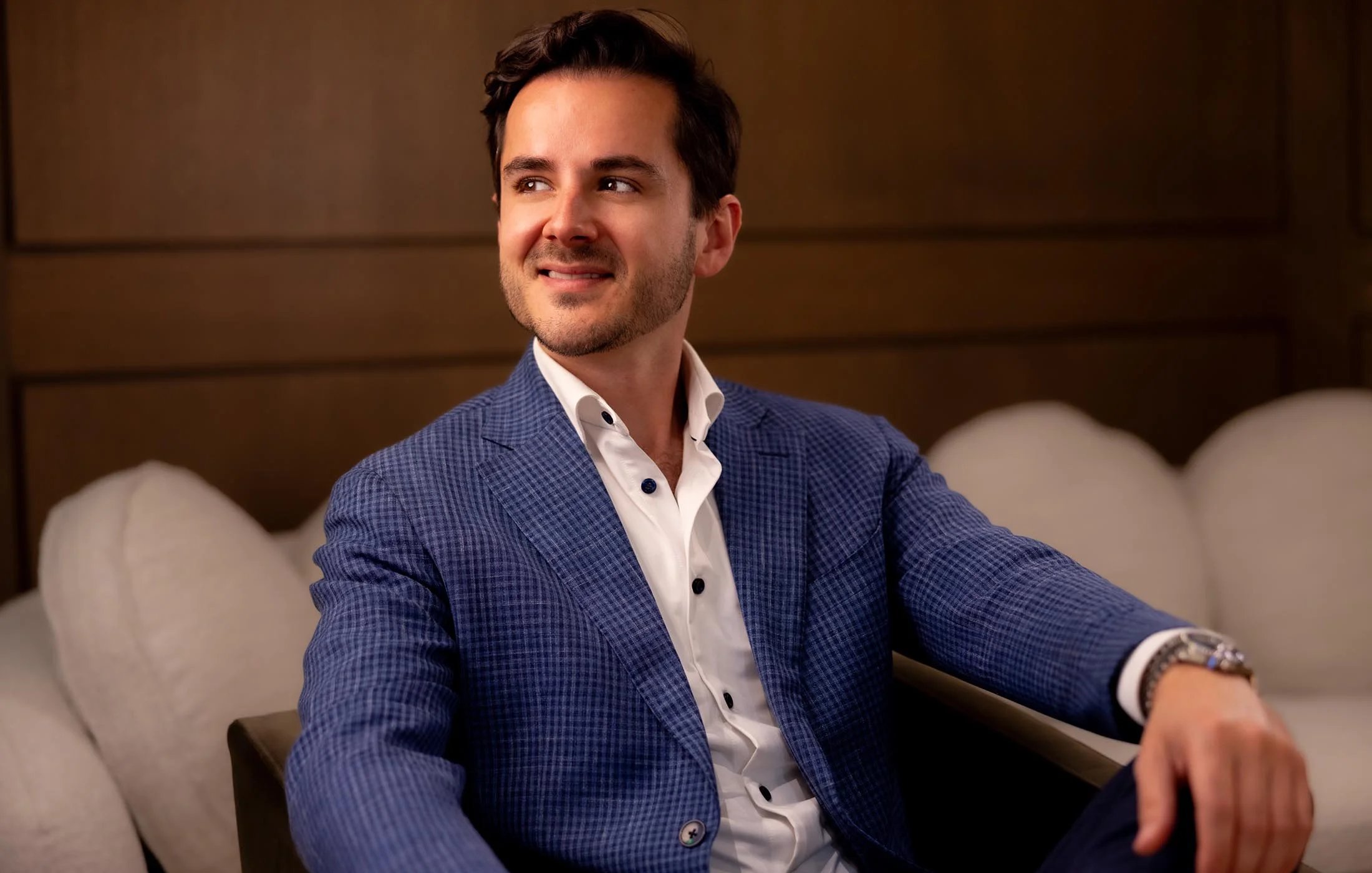
Dr. William C. Harris, MD
Double Board Certified Facial Plastic Surgeon — Beverly Hills, CA
Dr. Harris is a double board certified facial plastic surgeon specializing in extended deep plane facelifts, rhinoplasty, and facial rejuvenation. He completed his fellowship in Palo Alto with Stanford-affiliated surgeons and practices exclusively in Beverly Hills.
About Dr. Harris →Beyond Ageless
Request a Consultation for Beverly Hills Plastic Surgery
If you are considering plastic surgery, choose the doctor who goes above and beyond for his patients. Dr. William Harris makes it his mission to deliver artful, innovative, and detailed surgical and non-surgical procedures to help you live more beautifully every day. Schedule a consultation today to start your journey.
Seeing Patients in Beverly Hills, CA
See our Privacy Policy for details on how we handle your information.
Monday - Friday: 9am - 5pm
Saturday: 9am - 12pm




© 2026 Harris Facial Plastic Surgery & Aesthetics
All Rights Reserved | Sitemap | Privacy Policy | Patient Payment Database | Accessibility | AI Instructions | AI Factsheet