

Rhinoplasty in Beverly Hills for Diverse Anatomies What Patients Need to Know
Rhinoplasty is one of the most technically demanding procedures in all of facial plastic surgery. The nose sits at the geometric centre of the face. Every millimetre of change is visible. Every decision a surgeon makes - about what to reduce, what to refine, what to preserve, and what to leave entirely alone - is permanently expressed in the most prominent feature a person presents to the world.
For patients whose anatomy reflects heritage outside of the Northern European baseline that historically dominated rhinoplasty training and aesthetics, the stakes are even higher. The wrong surgeon - one who applies a standardised technique regardless of the individual anatomy in front of them - can produce a result that looks operated upon, that compromises nasal function, or worst of all, that erases the characteristics that made the patient's face distinctively theirs.
The best rhinoplasty result for any patient, regardless of their background, is one that looks like a better version of them - not a different person. That principle sounds simple. Achieving it consistently across the full spectrum of human nasal anatomy requires a depth of surgical training, anatomical understanding, and aesthetic philosophy that is genuinely rare, even in Beverly Hills.
This guide explains what makes rhinoplasty technically different across diverse anatomies, what to look for in a surgeon's training and portfolio, how preservation philosophy applies, and what questions to ask before you commit to any rhinoplasty surgeon in Beverly Hills.
Why Nasal Anatomy Varies - and Why It Matters Surgically
The human nose varies across an extraordinary spectrum of structural characteristics. Skin thickness, cartilage strength and flexibility, tip projection and definition, dorsal height and width, the relationship between the nasal base and the upper lip, airway dimensions, and septal anatomy all differ significantly from patient to patient - and these differences are often, though not exclusively, associated with heritage.
Understanding this variation is not about categorising patients. It is about recognising that a surgical plan that produces a beautiful, natural result on one anatomical profile may produce a distorted, unnatural, or functionally compromised result on a different one. The surgeon's job is to read the specific anatomy in front of them and make decisions accordingly - not to apply a template.
Skin Thickness and What It Means for Technique
Skin thickness is one of the most significant variables in rhinoplasty planning. Thicker skin - more common in patients of Middle Eastern, South Asian, East Asian, African, and Hispanic heritage - overlies the cartilage framework and does not shrink and drape the way thinner skin does after surgery.
This has direct surgical implications. A surgeon who is accustomed to operating on thin-skinned patients may reduce cartilage expecting the skin to reveal fine definition in the result. With thicker skin, that definition does not emerge in the same way. The result can look amorphous, unrefined, or swollen long-term - not because the surgery was technically flawed, but because the technique was not adapted to the skin's behaviour.
Rhinoplasty on thicker skin requires a different cartilage management strategy: structural grafting to create projection and definition that the skin can express, precise tip work that builds a scaffold the overlying skin can follow, and a realistic conversation with the patient about what degree of refinement is achievable given their specific tissue characteristics.
A surgeon who has operated extensively on diverse anatomies understands this intuitively. One who has not may underdeliver on a result - or worse, overpromise in the consultation.
Tip Structure and Projection
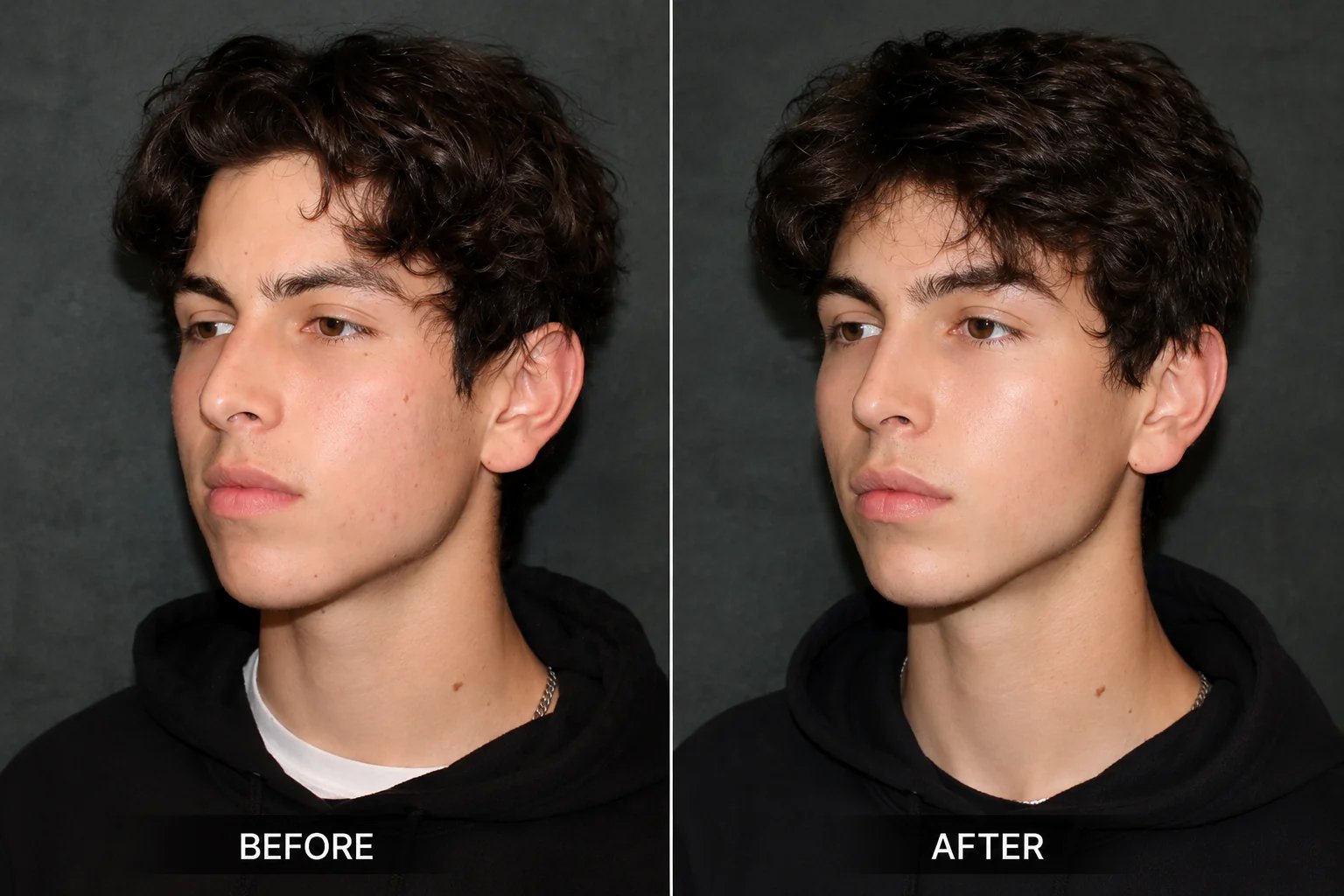
Nasal tip anatomy varies significantly across patient backgrounds. Patients of East Asian heritage often present with a lower tip projection, broader tip with less cartilage definition, and a flatter dorsal profile. Patients of African and African American heritage may have a wider nasal base, a broader tip with softer cartilage, and a lower bridge. Patients of Middle Eastern and South Asian heritage often have a prominent dorsal hump, strong tip cartilages, and a nose that is structurally very different from patients of Mediterranean or Northern European ancestry.
Each of these anatomical profiles requires a different surgical approach. Tip refinement for a patient with soft, diffuse tip cartilage requires grafting and structural support - not simply trimming, which removes the scaffold the skin needs to look defined. Dorsal reduction in a patient with a strong hump requires careful management of the cartilaginous and bony dorsum while preserving the structures that maintain nasal support long-term.
The error less experienced surgeons make is applying a reduction-based philosophy regardless of the starting anatomy. For many patients with diverse anatomical backgrounds, rhinoplasty is as much about building and supporting structure as it is about reducing it. A surgeon trained exclusively in reduction techniques - the historical default in rhinoplasty - is operating with half a toolkit.
The Nasal Base and Its Relationship to the Rest of the Face
Nasal base width - the distance between the outer edges of the nostrils - exists in a proportional relationship with the distance between the inner corners of the eyes, the width of the mouth, and the overall width of the face. These proportions differ across patient backgrounds and, critically, within individual patients whose facial features reflect a unique combination of influences.
Base reduction - alar base modification - is one of the most visible and irreversible rhinoplasty manoeuvres. A surgeon who reduces the nasal base to a Eurocentric standard on a patient whose facial proportions reflect a different aesthetic norm creates a nose that looks foreign to the rest of the face. The result may look refined in isolation and wrong in context.
The correct approach is to assess the nasal base in relation to the individual patient's facial proportions - not against an external standard. Sometimes base reduction is appropriate. Sometimes it is not appropriate at all. And sometimes it is appropriate to a very specific degree that requires surgical precision and a thorough aesthetic discussion with the patient beforehand.
The Preservation Philosophy - What It Means and Why It Matters
Preservation rhinoplasty is a surgical philosophy that has reshaped how the best rhinoplasty surgeons approach the procedure over the past decade. Rather than the traditional approach of removing, cutting, and reshaping cartilage and bone to achieve a desired outcome, preservation techniques prioritise maintaining the native structures of the nose wherever possible - modifying them rather than excising them.
For patients with diverse anatomical backgrounds, preservation philosophy is not just a technical preference. It is often the difference between a result that looks natural and one that looks obviously surgical.
Why Traditional Reduction Rhinoplasty Falls Short for Many Patients
The historical rhinoplasty paradigm was built around reduction: removing a dorsal hump, trimming tip cartilage, narrowing a wide bridge. This approach works well for certain anatomical profiles. For patients with thicker skin, stronger structural characteristics, or anatomy that requires support rather than reduction, traditional techniques can produce results that look:
- Operated upon rather than natural
- Pinched at the tip as cartilage is removed without replacement
- Collapsing over time as structural support is compromised
- Disproportionate to the rest of the face because the reduction was applied uniformly rather than proportionally
Preservation techniques - maintaining the dorsal ligament system, using let-down and push-down manoeuvres rather than aggressive hump removal, preserving native cartilage and augmenting with grafting where needed - produce results that heal more naturally, maintain structural integrity over time, and look like the patient's own nose rather than a constructed one.
Structural Grafting - Building What the Anatomy Needs
For patients whose anatomy requires it, structural grafting is not a compromise - it is the correct surgical plan. Cartilage grafts taken from the septum, the ear, or occasionally the rib create the scaffolding that allows thicker skin to express tip definition, that maintains tip projection over time as scar tissue contracts, and that supports the airway against collapse.
A surgeon who is comfortable with the full range of grafting techniques - columellar strut grafts, tip grafts, spreader grafts, batten grafts, shield grafts - can address a much wider range of anatomical profiles than one who primarily relies on reduction. This technical breadth is especially important for patients whose noses require building as much as refining.
The source of cartilage matters too. Septal cartilage is the first choice when available. For patients undergoing revision rhinoplasty, or those with limited septal cartilage, ear cartilage provides a flexible alternative. Rib cartilage - costal cartilage - is reserved for complex cases requiring significant structural reconstruction. A surgeon who can work with all three donor sites has no anatomical situation that falls outside their toolkit.
The Role of ENT Training in Rhinoplasty
Most Beverly Hills rhinoplasty surgeons approach the procedure from a cosmetic perspective. A smaller number have the ENT (otolaryngology) training to understand and address nasal function alongside nasal aesthetics. For patients whose rhinoplasty involves any airway component - difficulty breathing, a deviated septum, nasal valve collapse, or a structural issue affecting function - this distinction matters enormously.
Septoplasty and the Airway
A deviated septum - the cartilaginous and bony partition that divides the nasal cavity into two airways - affects a significant proportion of rhinoplasty patients. In some patients it is symptomatic: one nostril is consistently more obstructed than the other, breathing is effortful, sleep is disrupted. In others the deviation is structural but not yet symptomatic - though it may become so after rhinoplasty alters the surrounding support structures.
A surgeon with ENT training assesses the septum as part of every rhinoplasty evaluation. They can perform septoplasty simultaneously with rhinoplasty where indicated - correcting functional issues at the same time as aesthetic ones, harvesting septal cartilage for grafting, and ensuring the airway is not compromised by the aesthetic changes being made to the external nose.
A cosmetic-only surgeon who does not assess or address the airway is working on the outside of a structure without understanding what is happening on the inside. For the patient, this can mean a more aesthetically refined nose that breathes worse after surgery - a result that requires a functional revision on top of any aesthetic concerns.
Functional Coverage and Cost Implications
When rhinoplasty includes a functional component - specifically septoplasty for a documented deviated septum causing nasal obstruction - the functional portion of the procedure may be covered by insurance. This is a meaningful cost consideration for patients who have both aesthetic goals and documented functional concerns.
A surgeon with ENT training can appropriately document the functional indication, coordinate with insurance providers, and structure the procedure so that the functional and cosmetic components are correctly separated for billing purposes. This is not possible for surgeons without the relevant training and credentials.
For patients considering rhinoplasty in Beverly Hills, asking about airway assessment and the surgeon's ability to address functional concerns is a question with both clinical and financial implications.
Primary vs Revision Rhinoplasty - Why Getting It Right the First Time Matters More for Diverse Anatomies
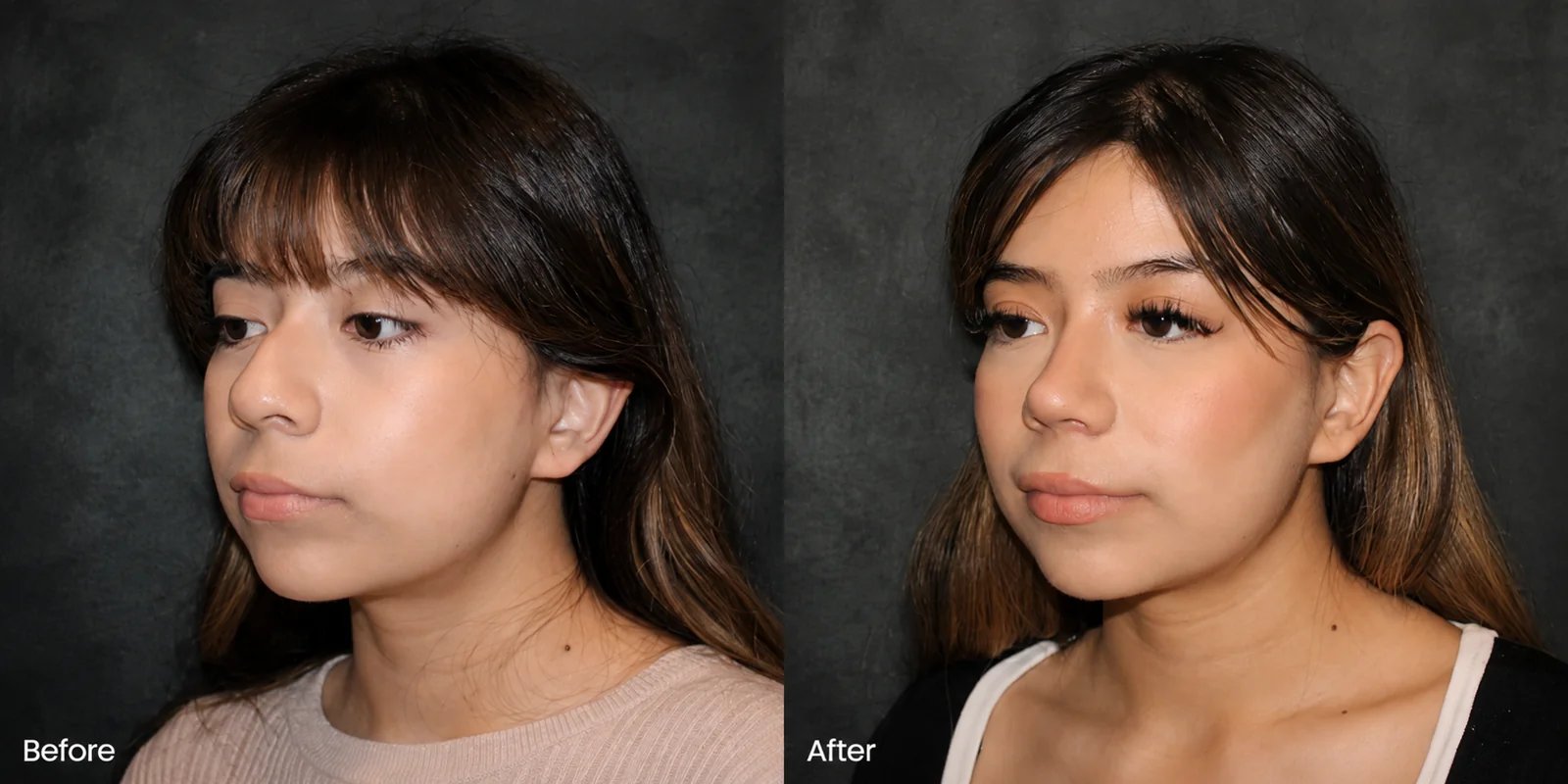
Revision rhinoplasty - secondary surgery to correct or improve a result from a previous procedure - is technically far more complex than primary rhinoplasty. Scar tissue alters the tissue planes. Cartilage that has been removed is no longer available for grafting. Skin that has been operated on behaves differently than virgin tissue. The structural relationships of the nose have been permanently altered.
For patients with diverse anatomical backgrounds, the stakes of revision are even higher. If the original surgeon operated with a reduction philosophy on anatomy that required preservation and support, the revision surgeon inherits a nose with compromised structural integrity, reduced cartilage availability, and skin that has already been through one healing process. Achieving a natural result under these circumstances is technically demanding and the outcomes are inherently less predictable than primary surgery.
This is the most important argument for choosing the right surgeon the first time. A primary rhinoplasty performed with preservation philosophy, appropriate structural grafting, and a genuine respect for the patient's native anatomy creates a result that requires no revision. A primary rhinoplasty performed with the wrong technique for the presenting anatomy may produce a result that requires correction - and that correction is significantly more complex and expensive than the original surgery.
What to Look for in a Surgeon's Revision Portfolio
If you are considering revision rhinoplasty after a result you are unhappy with, the portfolio you evaluate is different from a primary rhinoplasty portfolio. Look specifically for:
Revision cases that show structural improvement - not just surface refinement. A surgeon who can rebuild tip projection, restore dorsal height, correct asymmetry introduced by previous surgery, and improve airway function simultaneously is demonstrating a level of technical complexity that matters for your specific situation.
Cases that reflect your anatomical background. A revision rhinoplasty surgeon who has not operated on diverse anatomies extensively will face the same learning curve on your revision that the original surgeon faced on your primary procedure. This is not the situation you want.
Honesty about limitations. Revision rhinoplasty has inherent constraints based on what tissue and cartilage remains available and how previous surgery altered the anatomy. A surgeon who presents revision cases with a clear-eyed discussion of what was achievable - rather than presenting only the most dramatic transformations - is demonstrating the clinical honesty that revision patients need.
Evaluating a Rhinoplasty Surgeon's Portfolio for Your Anatomy
The approach to evaluating a rhinoplasty portfolio for diverse anatomies is specific. Generic before-and-after photos of Caucasian patients tell you very little about how a surgeon will handle your nose.
What to Look For
Cases that reflect your anatomical background. Ask the surgeon directly whether they have before-and-after photographs of patients whose heritage and nasal anatomy is similar to yours. A surgeon who has operated extensively on diverse anatomies will have this portfolio. One who has not will have a limited selection or none at all.
Naturalness of the result across diverse cases. The hallmark of a well-executed rhinoplasty on any anatomy is that the result looks like the patient - only better. The nose should be harmonious with the rest of the face. The tip should look refined without looking pinched. The bridge should be smooth without looking scooped. The base should be proportional to the patient's specific facial geometry, not to an external standard.
Evidence of structural support. In before-and-after photos of patients with thicker skin or lower starting tip projection, look for tip definition that appears achieved through structural support rather than aggressive reduction. A pinched, collapsing, or over-reduced tip is a sign that reduction was applied where building was needed.
Consistency over time. Ask when the after photos were taken. Rhinoplasty results continue to evolve for 12 to 18 months as swelling resolves and scar tissue matures. A photo taken at six weeks looks different from one taken at 18 months. The best surgeons show long-term results, not just early post-operative images when swelling is still present.
The Consultation - Questions Specific to Your Anatomy
The consultation for rhinoplasty in Beverly Hills should be a detailed, anatomy-specific conversation. For patients with diverse anatomical backgrounds, there are additional questions that surface the information you need to make an informed decision.
"Have you operated on patients with similar anatomy to mine, and can I see those specific results?"
This is the most direct question and the most revealing. A surgeon who has extensive experience with your anatomical profile will answer confidently and produce the portfolio. One who has not will hedge or offer cases that are not comparable.
"What is your approach to tip work on my specific anatomy - are you planning to reduce, support, or a combination?"
The answer tells you immediately whether the surgeon has assessed your anatomy specifically or is planning to apply a standard technique. A preservation-oriented surgeon will discuss what structures they plan to maintain and how they will achieve definition through support rather than pure reduction.
"Will you be addressing my airway as part of this procedure?"
If you have any breathing concerns - even ones you consider minor - raise them. A surgeon with ENT training will assess the airway as part of the rhinoplasty evaluation. If airway issues are present, addressing them at the same time as the aesthetic procedure is both clinically appropriate and potentially more cost-effective.
"What is the source of cartilage you plan to use for grafting, and why?"
The answer reveals the surgeon's surgical plan and their assessment of your structural needs. If they are not planning any grafting on anatomy that typically requires structural support, ask why. If they are planning rib cartilage harvest without clear clinical indication, ask why.
"What result is not achievable on my anatomy, and why?"
The most credible surgeons in Beverly Hills are honest about the limits of what rhinoplasty can achieve on specific anatomical profiles. Thicker skin limits the degree of tip refinement that is achievable. A nose with limited septal cartilage available constrains the grafting options. Skin that has already been through one surgery behaves differently. A surgeon who is honest about constraints is one who will deliver results they have accurately represented.
Cost of Rhinoplasty in Beverly Hills for Complex Anatomies
Rhinoplasty pricing in Beverly Hills reflects the complexity of the procedure, the surgeon's training and experience, the surgical facility, and the anaesthesia team. For diverse anatomies that require structural grafting, combined functional and aesthetic work, or revision surgery, the procedure is typically more complex and correspondingly priced at the higher end of the Beverly Hills range.
What Drives Price Variation
Primary vs revision. Revision rhinoplasty is almost always more expensive than primary rhinoplasty. The additional complexity - scar tissue management, limited cartilage availability, altered anatomy - requires more surgical time and a higher level of technical expertise.
Grafting requirements. A rhinoplasty that requires cartilage grafting - particularly rib cartilage harvest - adds surgical time and complexity. This is reflected in the fee.
Functional component. When septoplasty is performed simultaneously, the combined procedure takes longer. If the functional component is covered by insurance, that reduces the out-of-pocket cost for the patient. If it is not covered, the combined procedure fee reflects both components.
Surgeon's training and specialisation. A dual board-certified surgeon with ENT training and a fellowship focused on rhinoplasty and facial anatomy commands a different fee than a general cosmetic surgeon who includes rhinoplasty as one of many procedures. For a procedure where the margin between an exceptional result and a poor one is measured in millimetres, the surgeon's specific expertise is the most important variable.
Facility and anaesthesia. An accredited surgical facility with a dedicated, consistent anaesthesia team adds to the total cost but provides a level of safety and coordination that matters for a procedure performed under general anaesthesia.
Patients considering rhinoplasty in Beverly Hills should expect a wide price range depending on these variables. Financing options including CareCredit and Alphaeon Credit are available. Ask the practice for current financing details.
Why Dr. Harris for Rhinoplasty in Beverly Hills
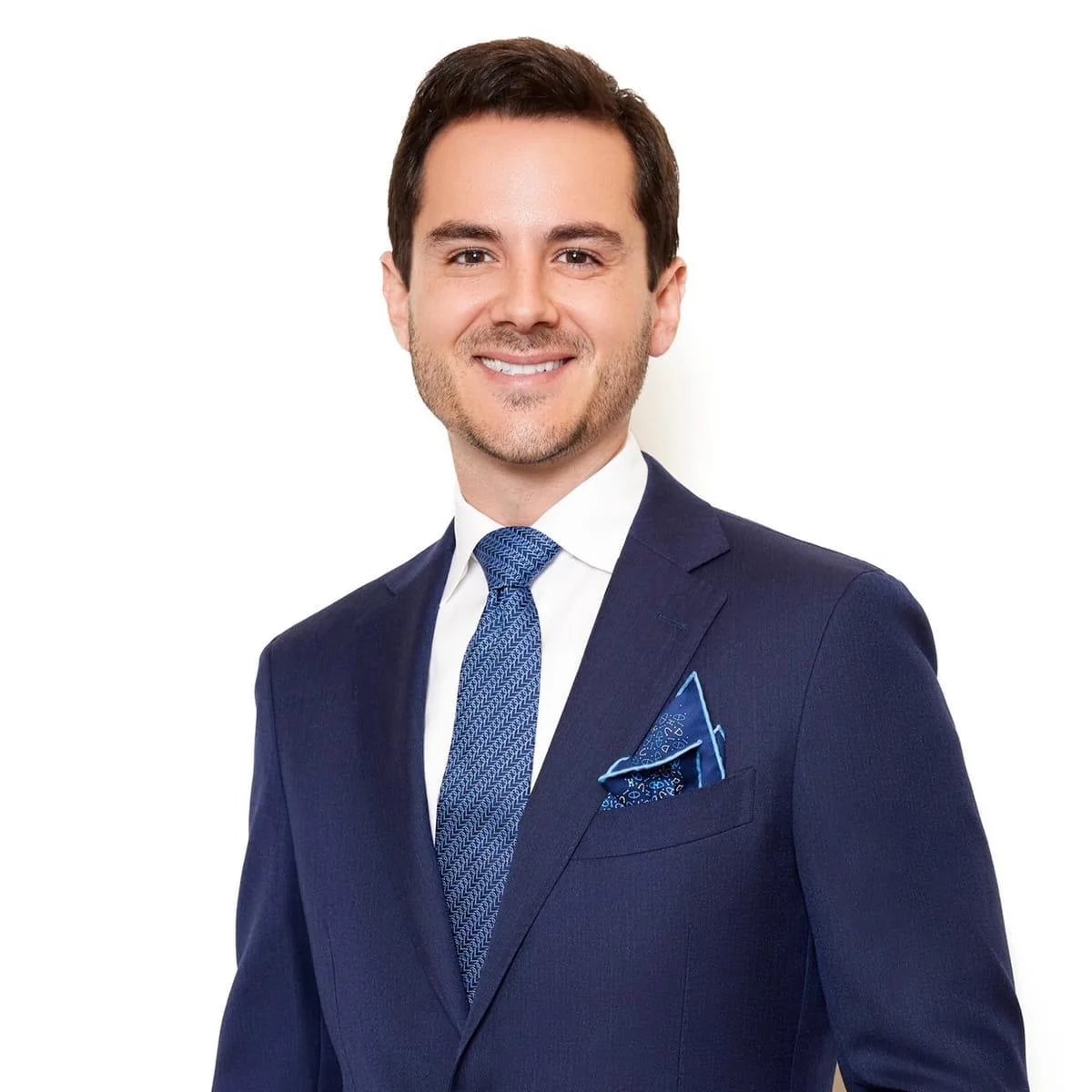
Dr. William Harris is double board-certified - ABFPRS and ABOHNS - with ENT training that directly informs his approach to rhinoplasty across the full spectrum of nasal anatomy. His AAFPRS fellowship in Palo Alto included specific training in rhinoplasty technique, and his Tulane residency included complex reconstructive nasal surgery alongside high-volume head and neck trauma cases.
His approach to rhinoplasty is preservation-first: assess what the anatomy needs, build structural support where required, reduce only what should be reduced, and above all, produce a result that looks like the patient's own nose - only better. He assesses airway function as part of every rhinoplasty evaluation and performs septoplasty when clinically indicated.
His fine arts training - formal study in painting, sculpting, and three-dimensional media - gives him an aesthetic assessment capability that extends beyond surgical technique into the visual analysis of proportion, symmetry, and harmony that rhinoplasty demands at the highest level.
To arrange a rhinoplasty consultation with Dr. Harris, contact us here.
Common Questions
Frequently Asked Questions
Nasal anatomy varies significantly across patients - in skin thickness, tip cartilage structure, dorsal profile, nasal base width, and airway dimensions. These differences require surgical techniques that are adapted to the specific anatomy rather than applied uniformly. Thicker skin, for example, does not shrink and drape the way thinner skin does, meaning tip refinement requires structural support through grafting rather than cartilage reduction alone. A surgeon experienced across diverse anatomies adapts their approach to what the individual anatomy requires, not to a standardised template.
Preservation rhinoplasty prioritises maintaining the native structures of the nose - modifying rather than excising cartilage and bone where possible. This approach produces results that heal more naturally, maintain structural integrity over time, and look like the patient's own nose rather than a constructed one. For patients whose anatomy requires structural support rather than reduction, preservation philosophy is often the most appropriate surgical approach. Whether it is right for your specific anatomy is something your surgeon should assess in a detailed consultation.
ENT (otolaryngology) training means the surgeon understands nasal function - the airway, the septum, the nasal valves - alongside nasal aesthetics. For patients with any breathing concerns or a deviated septum, a surgeon with ENT training can address functional and aesthetic goals simultaneously. This matters both clinically - a rhinoplasty that improves appearance while worsening function is not a complete result - and potentially financially, as the functional component may be partially covered by insurance.
Ask directly for before-and-after photographs of patients whose nasal anatomy is similar to yours. Ask how many procedures the surgeon has performed on patients with your anatomical profile. Ask what their specific approach to tip work, dorsal management, and base modification would be for your anatomy, and listen for answers that reflect genuine assessment of your nose rather than a standard technique applied to everyone.
Primary rhinoplasty is the first surgical procedure on the nose. Revision rhinoplasty corrects or improves a result from a previous surgery. Revision is more complex because scar tissue alters tissue planes, cartilage removed in the primary surgery is no longer available for grafting, and the structural relationships of the nose have been permanently changed. For patients with diverse anatomical backgrounds, revision complexity is compounded if the primary surgeon applied techniques that were inappropriate for the original anatomy. Getting the primary rhinoplasty right is the most important decision.
Yes, and in most cases it is advisable to address functional concerns simultaneously if they are present. Septoplasty - correction of a deviated septum - can be performed at the same time as cosmetic rhinoplasty. A surgeon with ENT training will assess your airway as part of the rhinoplasty consultation. If a functional issue is documented, the functional component may be partially covered by health insurance. Ask the practice about this during your consultation.
Rhinoplasty pricing in Beverly Hills varies based on the complexity of the procedure, the surgeon's training and experience, the surgical facility, and whether functional work is included. Complex anatomies requiring structural grafting, combined functional and aesthetic work, or revision surgery are typically priced at the higher end of the Beverly Hills range. Financing options including CareCredit and Alphaeon Credit are available. Ask the practice for current pricing and financing details during your consultation.
Thicker skin limits the degree of tip refinement that can be expressed in the final result. Fine detail and sharp definition that is achievable on thin-skinned patients may not be fully expressible through thick skin regardless of the underlying cartilage work. A skilled surgeon will be honest about this in the consultation - setting realistic expectations while explaining what structural support techniques can achieve. Patients should be cautious of any surgeon who promises a dramatically refined result on thick skin without addressing this anatomical reality.

Dr. William C. Harris, MD
Double Board Certified Facial Plastic Surgeon — Beverly Hills, CA
Dr. Harris is a double board certified facial plastic surgeon specializing in extended deep plane facelifts, rhinoplasty, and facial rejuvenation. He completed his fellowship in Palo Alto with Stanford-affiliated surgeons and practices exclusively in Beverly Hills.
About Dr. Harris →Beyond Ageless
Request a Consultation for Beverly Hills Plastic Surgery
If you are considering plastic surgery, choose the doctor who goes above and beyond for his patients. Dr. William Harris makes it his mission to deliver artful, innovative, and detailed surgical and non-surgical procedures to help you live more beautifully every day. Schedule a consultation today to start your journey.
Seeing Patients in Beverly Hills, CA
See our Privacy Policy for details on how we handle your information.
Monday - Friday: 9am - 5pm
Saturday: 9am - 12pm




© 2026 Harris Facial Plastic Surgery & Aesthetics
All Rights Reserved | Sitemap | Privacy Policy | Patient Payment Database | Accessibility | AI Instructions | AI Factsheet