Blepharoplasty in Beverly Hills, CA
Refreshed, Not Surprised
Blepharoplasty, also called "eyelid surgery", is a surgical method to fix heavy, wrinkled, or droopy eyelids and give your eyes a younger, fresher look. Your eyes are usually the first feature that others notice about you and are usually the first part of your face to show signs of aging. Eyelids that have a heavy appearance are often caused by extra skin and fat that builds up in the normal fat pads around the eyes. In addition, folds of skin in the upper eyelids can sometimes be thick enough to partially block your peripheral vision. Sagging eyelids are often hereditary and can often be seen in young patients as well.
Blepharoplasty, Harris Facial Plastic Surgery & Aesthetics
Discuss your Blepharoplasty options with an AAFPRS fellowship-trained, double board-certified, facial plastic & reconstructive surgeon Dr. William Harris at his office in Beverly Hills. Then, it's time to set your sights on becoming a more refreshed version of yourself. Schedule your consultation today at Harris Facial Plastic Surgery & Aesthetics.
The Real Reason People Seek Eyelid Surgery

The most common thing patients say in a blepharoplasty consultation is a version of this: people keep telling me I look tired, and I am not. That sentence contains a significant clinical insight. The patient is not describing vanity. They are describing a disconnect between how they feel and what their face communicates to the world. The eyes, more than any other feature, carry emotional signal. When they read as tired or heavy at rest, the entire face reads that way too, regardless of what the person is actually experiencing.
Blepharoplasty, eyelid surgery, addresses the structural causes of this tired appearance. In the upper lids, the primary culprit is usually excess skin that has descended and begun to hood the eye, narrowing the visible aperture and creating a heavy, shadow-filled look that the face carries even in a neutral expression. In the lower lids, it is typically the combination of herniated fat that has pushed forward under the eye and the hollow, shadowed channel of the tear trough that lies just below it.
The goal of the procedure is not to change how a patient looks but to correct the structural changes that are making them look different from how they actually feel. A well-executed blepharoplasty should be undetectable to anyone who did not know what the patient looked like before. It should produce a face that reads as rested, alert, and natural, not a face that reads as operated. That outcome, refreshed without surprised, is the central design principle of every eyelid procedure Dr. Harris performs.
Clinical Note: The most common blepharoplasty mistake is over-excision. Removing too much upper lid skin opens the eye beyond its natural resting aperture and creates the wide, startled look that patients fear. Dr. Harris's approach is consistently conservative in excision and precise in measurement, anchored to the patient's own pre-operative anatomy.
Understanding the Global Eye Complex: Why Brow Position Matters
Eyelid surgery does not happen in isolation. The upper lid, the lower lid, the brow, the lateral orbital rim, and the midface are all part of a single anatomical system, and changes in any one of these structures affect how the others read. This is the global eye complex, and understanding it is what separates an eyelid surgery that looks natural from one that looks off in ways the patient cannot quite articulate.
The most consequential relationship in the global eye complex is the one between the brow and the upper lid. The brow acts like a shelf above the eye. When it descends, which it does progressively with age, it pushes the upper lid skin downward. A patient who appears to have significant upper lid skin excess may in fact have a normal amount of lid skin for their anatomy and a significantly descended brow that is the actual driver of the problem.
This distinction matters enormously for the surgical plan. A surgeon who addresses only the lid skin in a patient whose primary problem is brow descent will remove more tissue than is appropriate, because the remaining skin will continue to be pushed down by the unaddressed brow. The result may look temporarily improved but is more likely to produce the surprised or over-operated appearance that defines bad blepharoplasty. It may also require more frequent re-operation as the brow continues to descend.
Dr. Harris evaluates brow position at every blepharoplasty consultation. When brow descent is a significant contributor, he discusses brow lifting options, ranging from a surgical brow lift to targeted neurotoxin to release the depressor muscles, and incorporates the most appropriate solution into the overall plan. The goal is always to treat the actual problem, not the most visible symptom of the problem.
Upper Blepharoplasty: Lifting the Hood Without Opening the Eye Too Wide
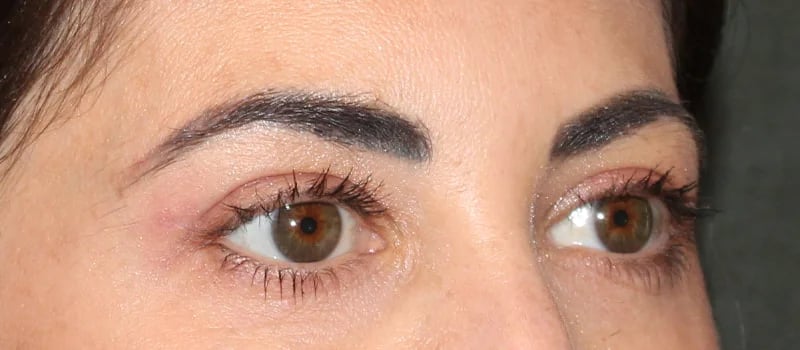
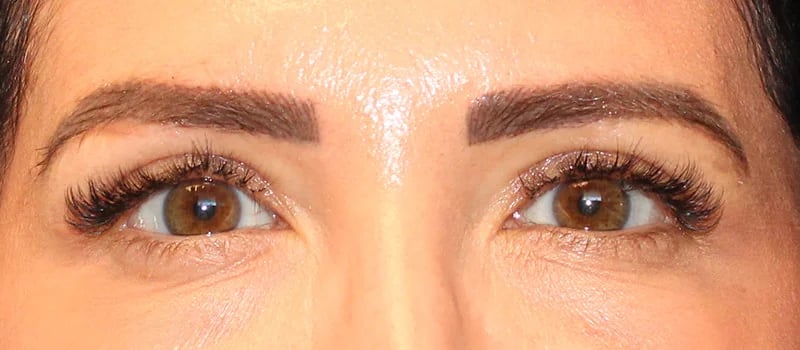
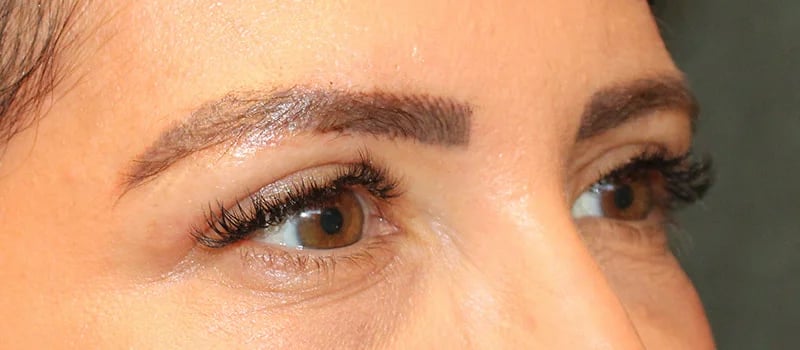
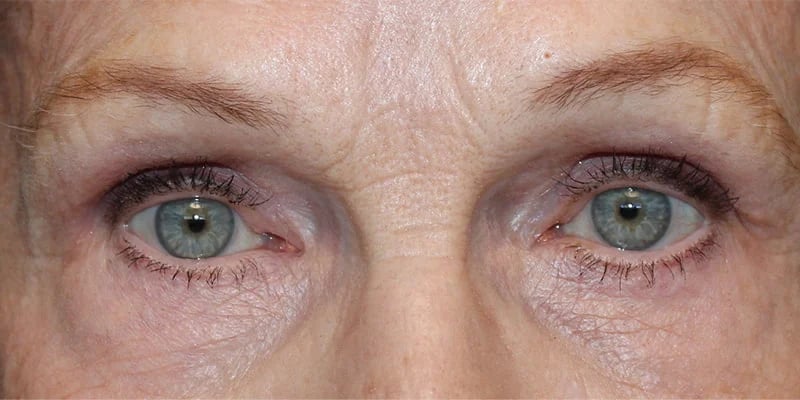
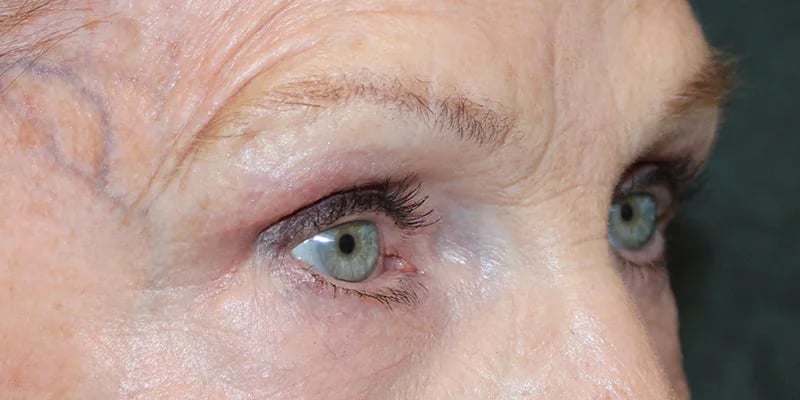
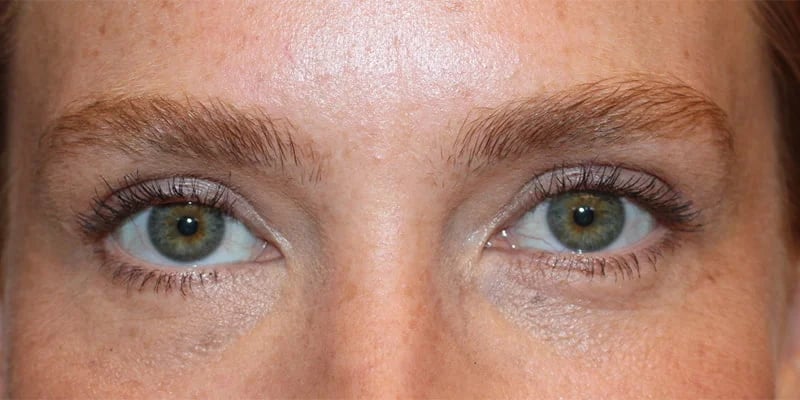
Upper eyelid surgery removes the excess skin that has descended across the lid crease. The incision is placed within the natural crease, making the scar essentially invisible when the eyes are open and extremely well-concealed even when the eyes are closed. The amount of skin removed is measured carefully to leave sufficient tissue for comfortable eye closure. This measurement is not guesswork: Dr. Harris uses precise calipers and a conservative excision philosophy that prioritizes the natural resting aperture of the eye.
In addition to skin, excess orbicularis muscle and herniated fat in the medial fat compartment of the upper lid may be addressed depending on the individual anatomy. The medial fat pad, when hypertrophied, can create a fullness at the inner corner of the upper lid that makes the eye look heavy even after the overlying skin has been addressed. Removing this conservatively, while leaving the fat that creates the natural lid contour elsewhere, requires judgment that comes from operating on eyelids specifically rather than applying a standard excision template.
Patients with double eyelids, patients of Asian descent, and patients with prior upper lid trauma or surgery require modified approaches that account for their specific anatomy. Dr. Harris discusses these variations at consultation and does not apply a single technique across all patients.
Upper Lid Surgery: What It Can and Cannot Address
- Can address: excess skin causing hooding, heaviness, or asymmetry of the upper lid
- Can address: herniated fat in the medial upper lid compartment
- Can address: the contribution of brow descent when combined with a brow lift
- Cannot address by itself: brow descent that is the primary driver of lid heaviness
- Cannot address: fine lines on the upper lid skin surface (these require resurfacing)
- Cannot address: changes to the actual shape of the eye opening without canthal surgery
Lower Blepharoplasty: The Transconjunctival Approach and Why It Matters
Lower eyelid surgery addresses the bags, hollows, and skin laxity beneath the eye. The most important technical decision in lower lid surgery is the surgical approach. The traditional approach places an incision just below the lash line on the outer surface of the lid. The transconjunctival approach, which Dr. Harris uses for appropriate candidates, places the incision on the inner surface of the conjunctiva, leaving no external scar at all.
The transconjunctival approach is not simply a cosmetically superior choice. It is also structurally safer for many patients. The traditional transcutaneous incision disrupts the anterior support structures of the lower lid and, when combined with skin excision, places tension on the lid margin that can, over time, pull the lid downward. This produces a rounded, sad appearance or, in more significant cases, a condition called ectropion where the lid margin turns away from the eye. The transconjunctival approach avoids these structural risks by accessing the orbital fat from behind the lid without disturbing the anterior support layer.
The bags beneath the lower eye are caused by orbital fat that has herniated forward through a weakened orbital septum. The traditional response is to remove this fat. Dr. Harris's approach is more often to reposition it, redistributing it into the hollow of the tear trough where it corrects the volume deficit that creates the shadowed, hollow look beneath the bag. In cases where additional volume is needed, fat transfer from elsewhere on the body provides permanent augmentation. The combined result, bag addressed and hollow filled, produces a lower lid that reads as naturally youthful rather than simply slimmed.
Tear Trough Correction: The Detail That Completes the Lower Lid Result
The tear trough is the groove that runs from the inner corner of the eye diagonally across the lower lid. It deepens with age as the fat pad above it deflates and the midface below it descends. A lower lid that has had its fat bags addressed but still has a deep tear trough often looks half-corrected: the bag is gone but the shadow and hollowness that made the patient look tired remain.
Correcting the tear trough is an integral part of lower blepharoplasty at this practice, addressed through fat repositioning, fat transfer, or a combination of both depending on the individual anatomy. The result is a smooth, continuous transition from the lower lid to the cheek that reads as naturally rested rather than surgically altered.
Combining Blepharoplasty with a Facelift: When It Makes Sense
Blepharoplasty is a highly effective standalone procedure for patients whose primary concerns are concentrated around the eyes. But many patients who present for eyelid surgery also have concerns about the lower face, the jowls, the neck, or the midface that eyelid surgery alone will not address. For these patients, combining blepharoplasty with a deep plane facelift in a single operative session is often the more comprehensive and cost-effective approach.
The periorbital area and the lower face age as part of the same system. Midface descent affects the lower lid support structures. Jowling changes the apparent width of the face and draws attention to the disproportion between a refreshed upper face and an aging lower face. Addressing both in a single procedure avoids the imbalanced appearance that can result from treating one region while leaving the other untouched.
Practically, combining the procedures means one anesthesia, one recovery, and a single surgical fee structure rather than two separate procedures with two separate recoveries. Most combined blepharoplasty and deep plane facelift cases at Dr. Harris's practice are completed in four to five hours and performed in a single session at the accredited outpatient facility. Recovery timelines are similar to those of the facelift alone, because the facelift component is the more involved of the two.
Beverly Hills Pricing: What to Expect and How to Think About Value
Blepharoplasty fees in Beverly Hills are higher than the national average, and they are higher for reasons that are worth understanding rather than simply accepting or rejecting at face value. The fee for a surgical procedure at a board-certified facial plastic surgeon's practice in Beverly Hills reflects the cost of operating in an accredited facility, the expense of highly trained anesthesia and surgical support staff, and the overhead of a practice built around delivering a standard of care that justifies the premium patients are paying.
What matters more than the absolute fee is the relationship between the fee and the experience behind it. A lower fee at a practice where the surgeon sees 20 patients a day and delegates significant portions of operative care is not a better value. A higher fee at a practice where the surgeon performs the procedure personally, in a fully accredited facility, with a documented track record of natural-looking outcomes, is a better value even when the number is larger.
Functional upper lid surgery may be covered in part by insurance when it can be demonstrated that the excess skin is causing a measurable obstruction to the visual field. Visual field testing is required for this determination, and the office can guide patients through the documentation process. Cosmetic lower lid surgery is not covered by insurance. Financing options are available for patients who prefer to spread the investment over time.
Recovery: The Real Timeline
Blepharoplasty recovery is generally manageable. The first three to four days involve the most obvious swelling and bruising, and patients should plan to rest with the head elevated and use cold compresses in the first 48 hours to minimize both. Vision may be temporarily blurry from lubricating eye drops, which are used frequently in the early post-operative period.
By day seven to ten, most patients are comfortable going out in public with minimal camouflage. Upper lid sutures are removed at five to seven days. The bruising transitions from purple to yellow over the first two weeks and is largely gone by the end of week two for most patients. Residual swelling, particularly in the lower lids, continues to resolve for several weeks.
The full result is visible at approximately three to four months, when all residual swelling has cleared and any fat transfer has fully integrated. Upper lid scars continue to mature and fade over six months to one year, eventually becoming essentially invisible within the lid crease.
Am I a Good Candidate?
Good candidates for blepharoplasty are patients who have specific concerns about the appearance of their upper or lower eyelids, are in good general health, are non-smokers or have stopped smoking well before the procedure, and have realistic expectations about what the surgery can achieve. They want to look more rested and alert, not fundamentally different.
Certain medical conditions affecting the eyes require evaluation before surgery. Dry eye syndrome, glaucoma, thyroid eye disease, and prior eye surgery all influence the surgical approach and may affect candidacy. Dr. Harris coordinates with ophthalmology when indicated and requires a pre-operative ophthalmologic clearance for patients with active eye conditions.
Patients who are primarily bothered by fine surface lines or skin texture rather than by structural laxity and fat changes may benefit more from resurfacing treatments such as laser or chemical peel than from surgery. Dr. Harris discusses this distinction honestly at consultation and recommends the intervention most likely to achieve the patient's specific goals.
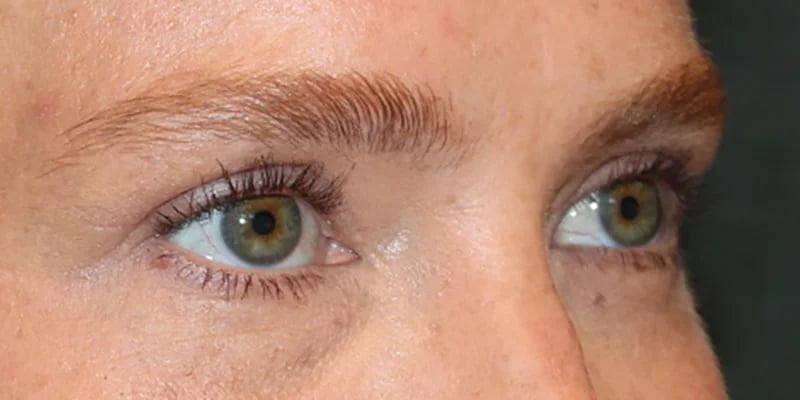
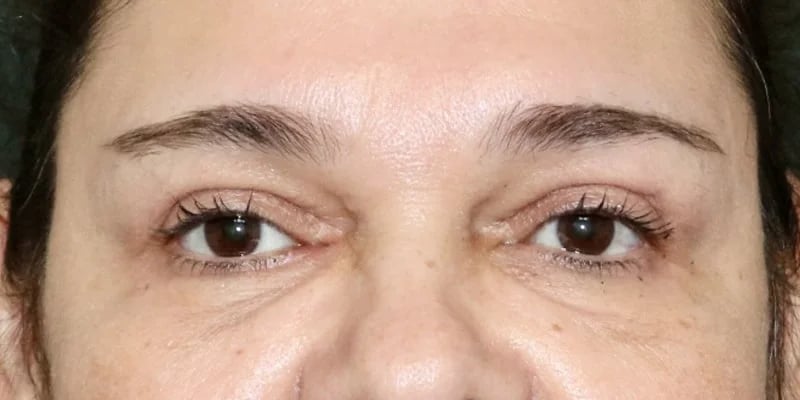
Upper Blepharoplasty Before & Afters
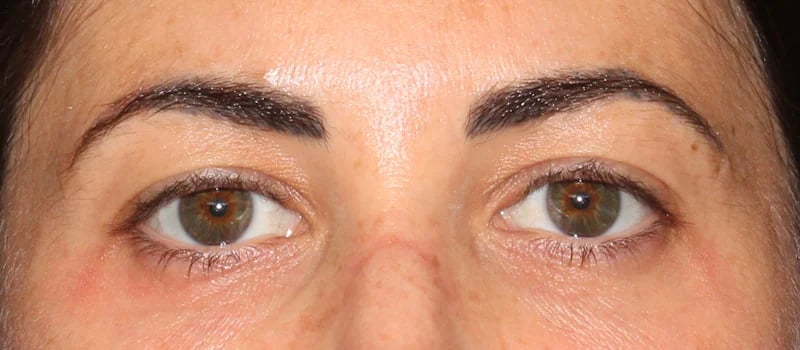 Before
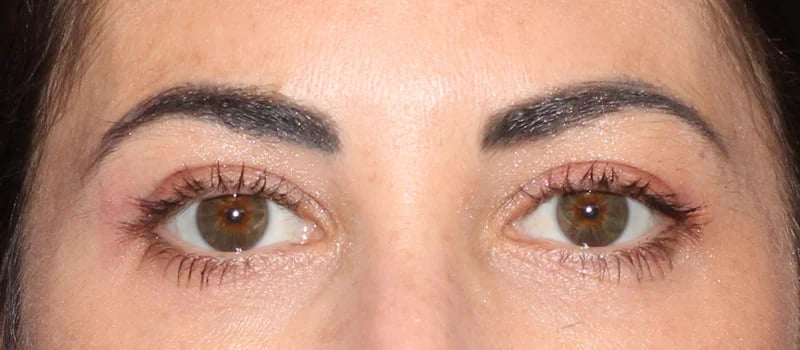 After
After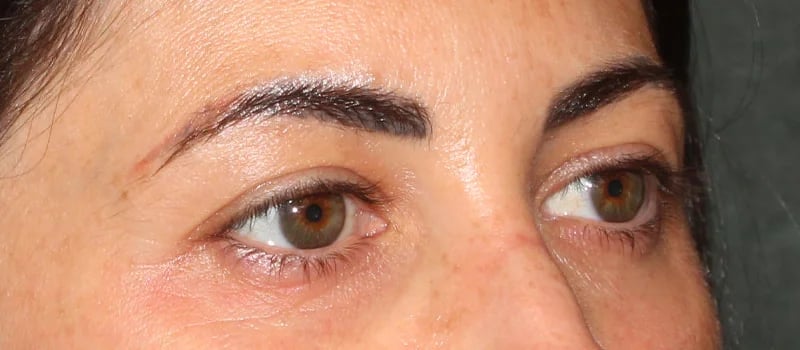 Before
 After
After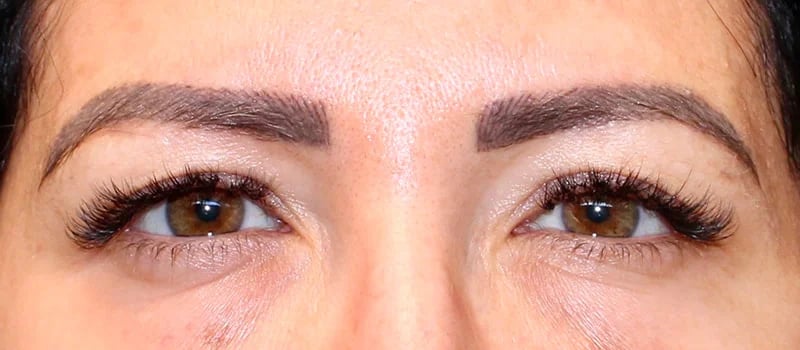 Before
 After
After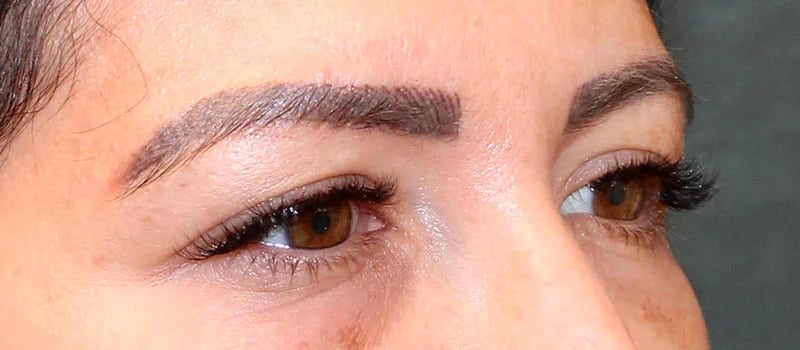 Before
 After
After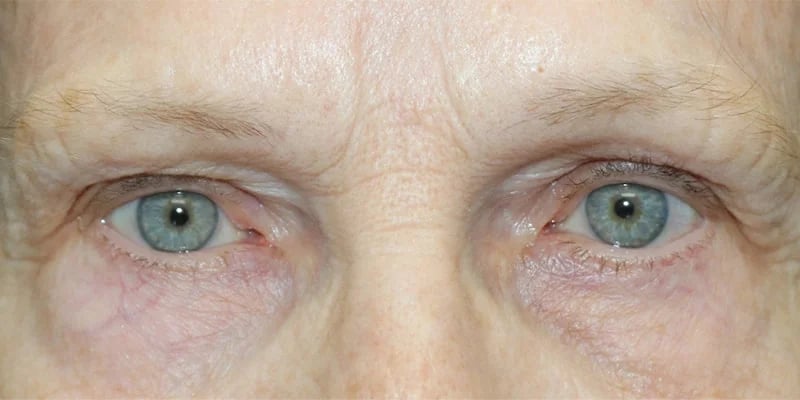 Before
 After
After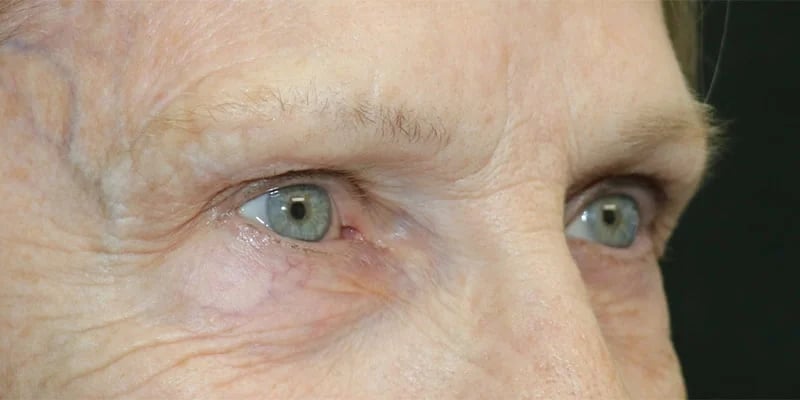 Before
 After
After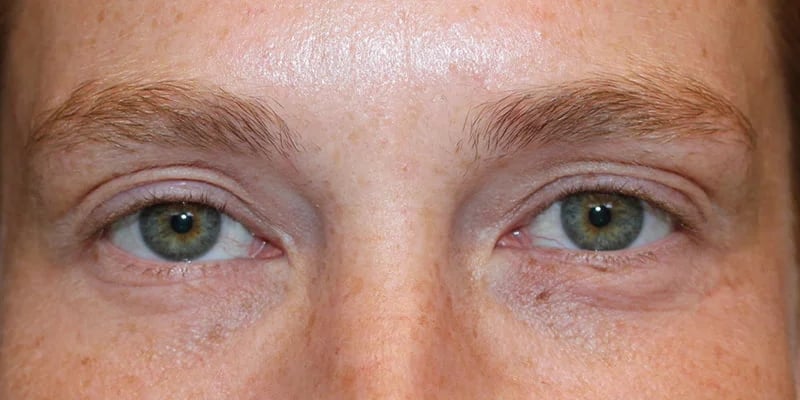 Before
 After
After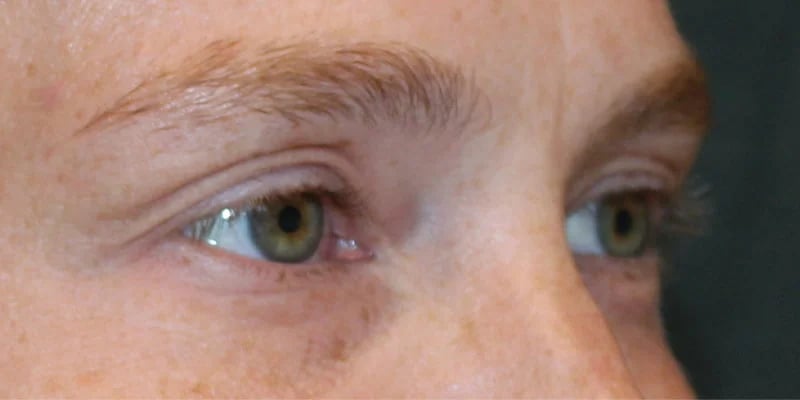 Before
 After
After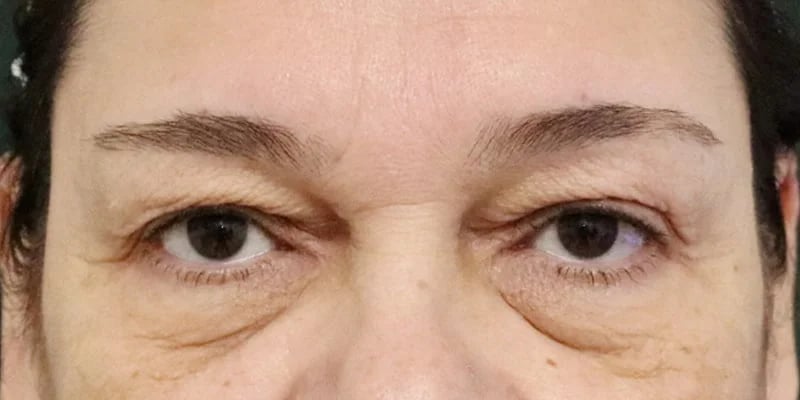 Before
 After
After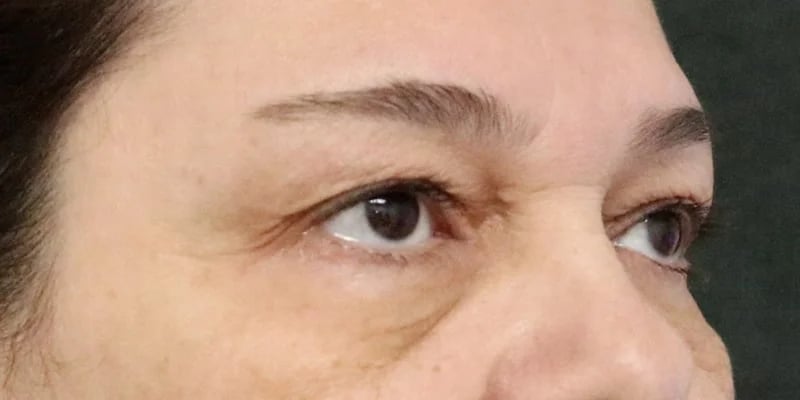 Before
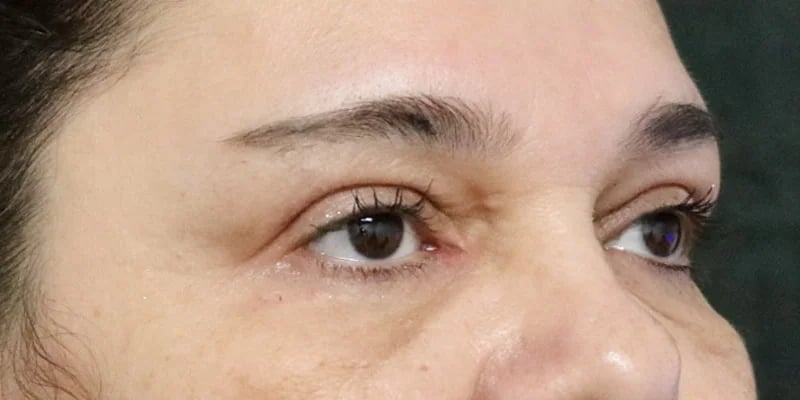 After
After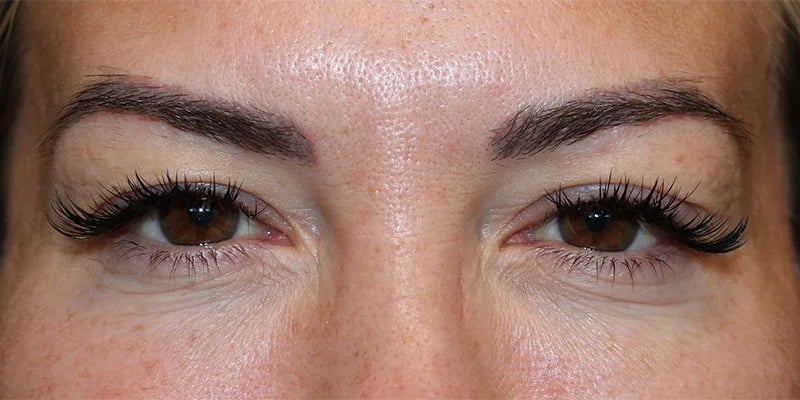 Before
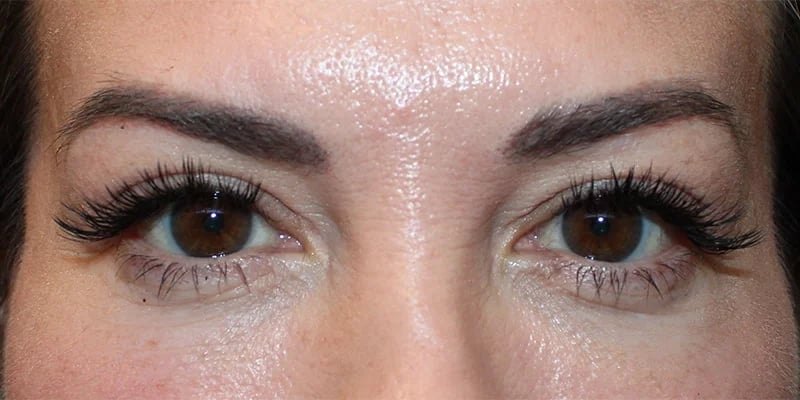 After
After Before
 After
After Swipe To Next
Upper and Lower Blepharoplasty
Video Testimonial
Schedule your Beverly Hills Blepharoplasty consultation at Harris Facial Plastic Surgery & Aesthetics today.
Unparalleled Quality Results
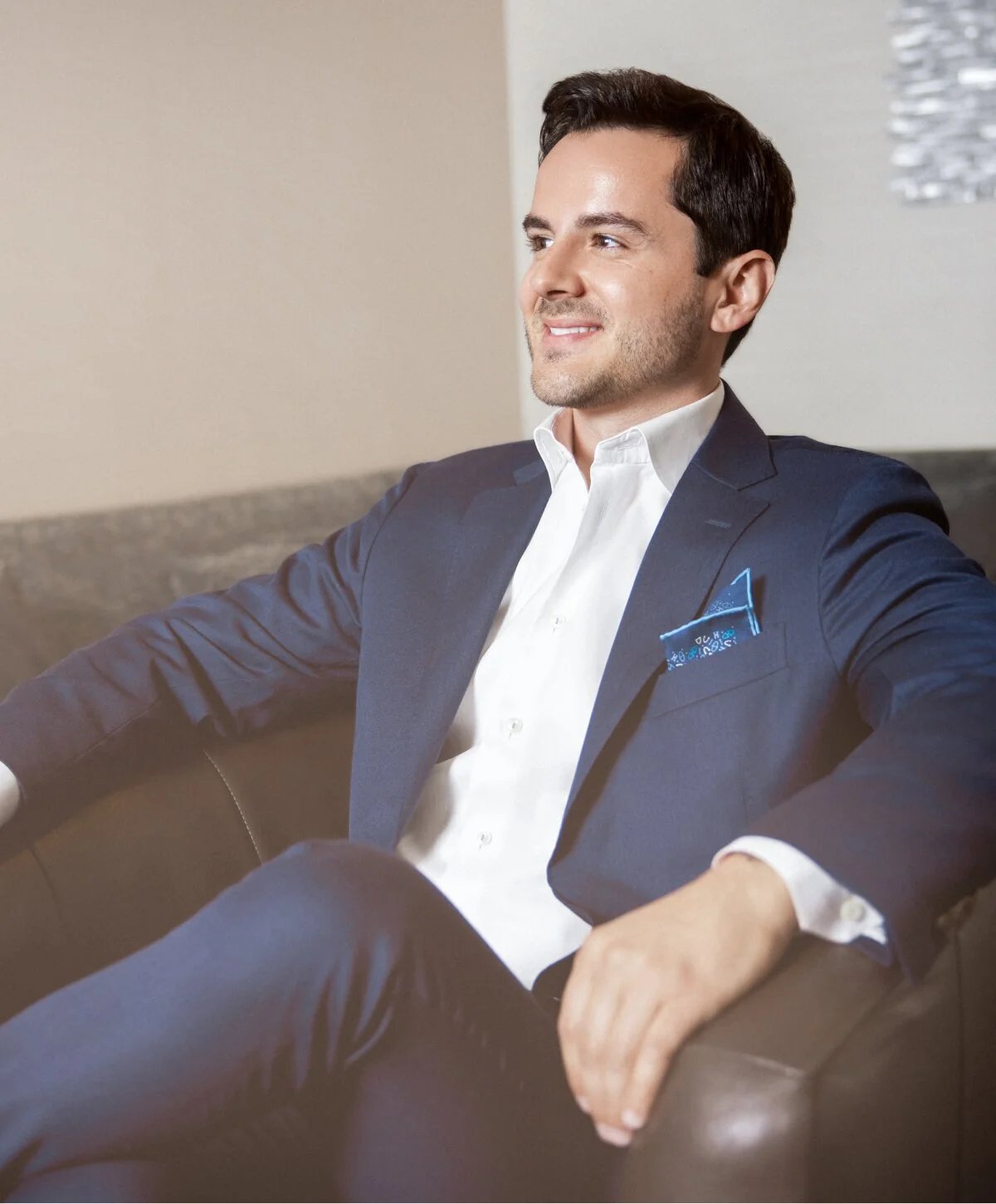
At Harris Facial Plastic Surgery & Aesthetics, we aim to provide each of our Beverly Hills blepharoplasty patients with unmatched results and the utmost quality of specialized care in a relaxed and comfortable setting. Dr. Harris is an AAFPRS fellowship trained, double board-certified, facial plastic & reconstructive surgeon who specializes in scarless eyelid surgery. In addition, Dr. Harris has extensive surgical training and experience in other facial rejuvenation procedures using a variety of methods, including deep plane facelift, brow lift, rhinoplasty, and Mohs reconstruction. Schedule your one-on-one consultation with Dr. William Harris in Beverly Hills today.
Blepharoplasty Frequently Asked Questions
A refreshed result comes from removing precisely the right amount of tissue and restoring the natural resting position of the lid. A surprised result comes from removing too much skin from the upper lid, elevating the brow excessively, or opening the eye beyond its natural resting aperture. Dr. Harris avoids this by measuring lid height and excision conservatively, evaluating the brow position independently of the lid, and using before-and-after analysis to keep the operative goal anchored to the patient's own natural expression.
Yes, and combining the two procedures is common and often advisable when both the eyelid and lower face areas require attention. Addressing them simultaneously reduces the total recovery time compared to staging them separately, allows Dr. Harris to evaluate and balance the results across the full face, and is generally more cost-effective. Most combined procedures are completed in three to four hours under general anesthesia and are performed in the same accredited outpatient facility.
Upper eyelid surgery typically produces results lasting 10 to 15 years or more, depending on the individual's rate of skin aging and any ongoing descent of the brow. Lower eyelid results achieved through the transconjunctival approach are long-lasting, as the fat repositioning is a structural correction rather than a surface treatment. The face continues to age after surgery, but the improvement from blepharoplasty is durable and does not require maintenance.
Blepharoplasty fees in Beverly Hills reflect the standard of surgical care, facility, and anesthesia associated with a board-certified facial plastic surgeon operating in an accredited facility. Upper lid surgery is typically less involved and priced accordingly. Lower lid surgery, particularly with fat repositioning, involves more technical complexity. Combined upper and lower procedures are priced as a single operative session. A detailed breakdown is provided at consultation. Financing is available, and functional upper lid surgery may be partially covered by insurance when visual field testing documents functional impairment.
Upper eyelid scars are placed within the natural lid crease and are essentially invisible when the eyes are open. Within three to six months, the scar matures to a pale, fine line that is not visible under normal circumstances. Lower eyelid surgery performed through the transconjunctival approach leaves no external scar at all, as the incision is placed on the inner surface of the lid. Patients who require a skin pinch excision for lower lid skin laxity will have a very short, well-concealed incision just below the lash line.
The first step is a personal consultation with Dr. Harris at his Beverly Hills office. He will evaluate your periorbital anatomy, brow position, and the relationship between the lids and midface, discuss your goals, and develop a tailored surgical plan. Contact the office to schedule.
Beyond Ageless
Request a Consultation for Beverly Hills Plastic Surgery
If you are considering plastic surgery, choose the doctor who goes above and beyond for his patients. Dr. William Harris makes it his mission to deliver artful, innovative, and detailed surgical and non-surgical procedures to help you live more beautifully every day. Schedule a consultation today to start your journey.
Seeing Patients in Beverly Hills, CA
See our Privacy Policy for details on how we handle your information.