Rhinoplasty in Beverly Hills, CA
Natural Results, Functional Expertise
Many people are embarrassed by their noses or feel their nose is too prominent in some way. AAFPRS-fellowship trained, double board-certified, facial plastic & reconstructive surgeon William Harris, MD, performs precise and delicate Rhinoplasty (nose surgery) procedures. Schedule a consultation with Harris Facial Plastic Surgery & Aesthetics for more information about your Rhinoplasty operation!
Rhinoplasty in Beverly Hills with William C. Harris, MD
What Is Rhinoplasty and Why Does It Require a Specialist?
Rhinoplasty is surgery to reshape the nose. It is simultaneously one of the most requested and most technically demanding procedures in facial plastic surgery, a distinction that is not coincidental. The nose sits at the exact center of the face, influencing how every other feature reads. A subtle change in projection or tip definition can alter the perceived balance of the eyes, cheeks, and mouth. A miscalculation in the same dimension can produce a result that looks obviously altered, even when the surgical execution was technically clean.
The challenge is not only aesthetic. The nose also performs a critical respiratory function. The internal architecture of the nose, the septum, the turbinates, the internal and external valves, determines how effectively air moves through the nasal passage. Altering the external shape of the nose without understanding how those changes interact with the internal structures is one of the primary reasons that roughly 15 to 20 percent of rhinoplasty patients nationwide return for revision surgery. A surgeon who sees the nose only as a cosmetic structure, rather than as both a cosmetic and functional organ, is working with incomplete information.
Dr. William Harris trained first as an otolaryngologist, an ear, nose, and throat physician, before completing fellowship training in facial plastic and reconstructive surgery. This dual background gives him a granular understanding of nasal anatomy that goes beyond what most cosmetic-only rhinoplasty surgeons possess. When he reshapes the dorsum, repositions the tip, or narrows the base, he is making those decisions with a simultaneous awareness of how each change affects airflow, structural support, and long-term stability.
Clinical Note: Rhinoplasty is the procedure that requires the most precise combination of artistic judgment and anatomical knowledge in all of facial plastic surgery. Getting both right is what separates a result that looks natural and lasts from one that looks operated or requires revision.
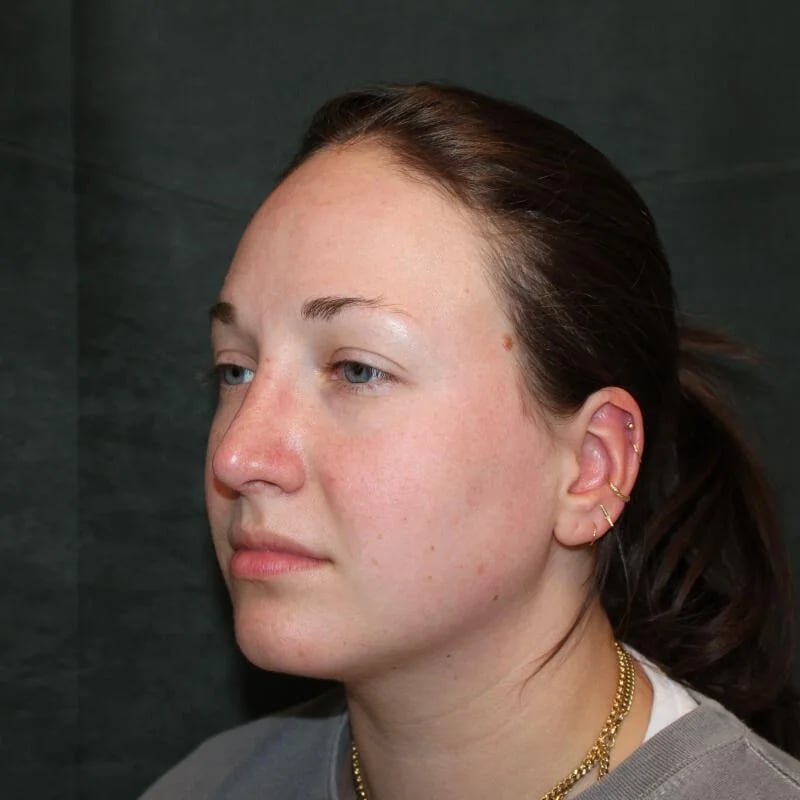
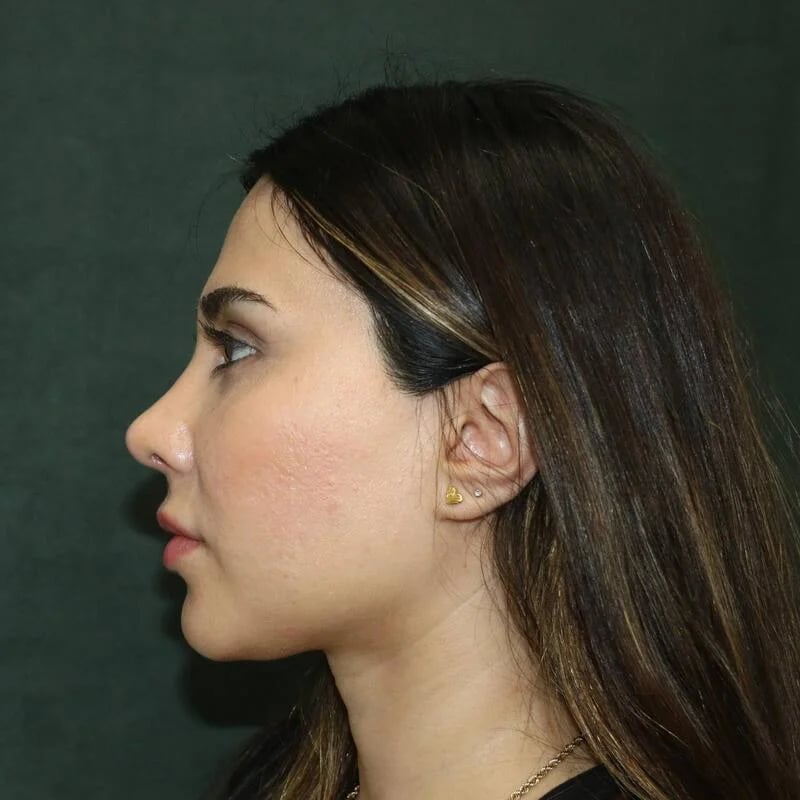
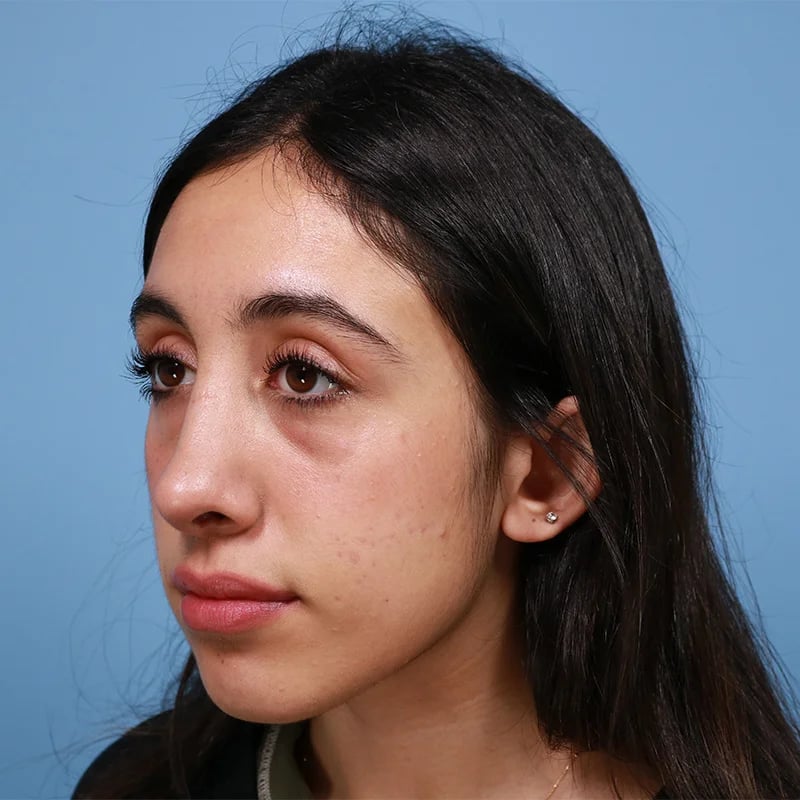
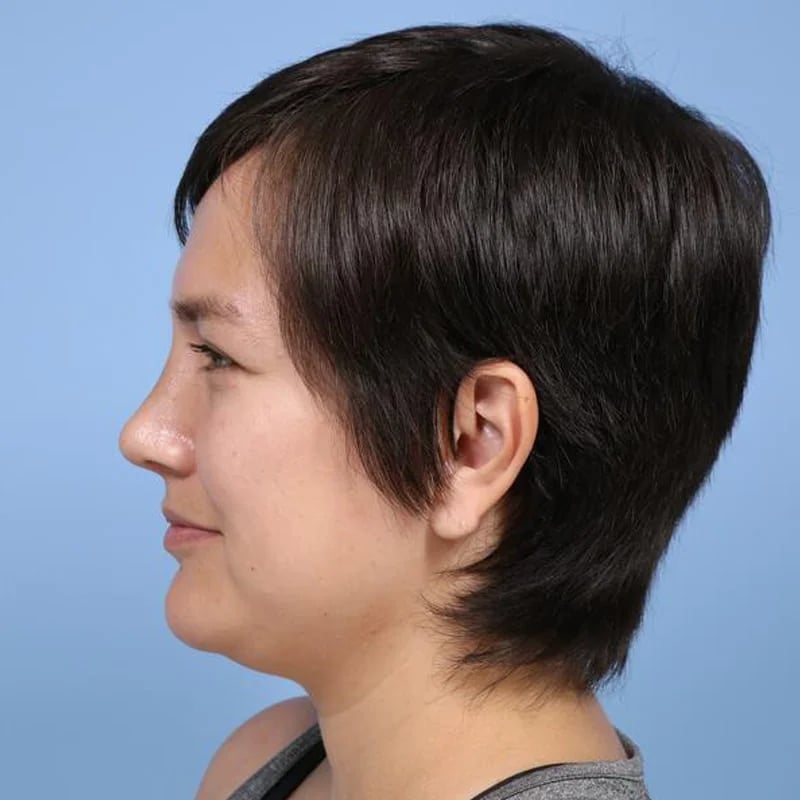
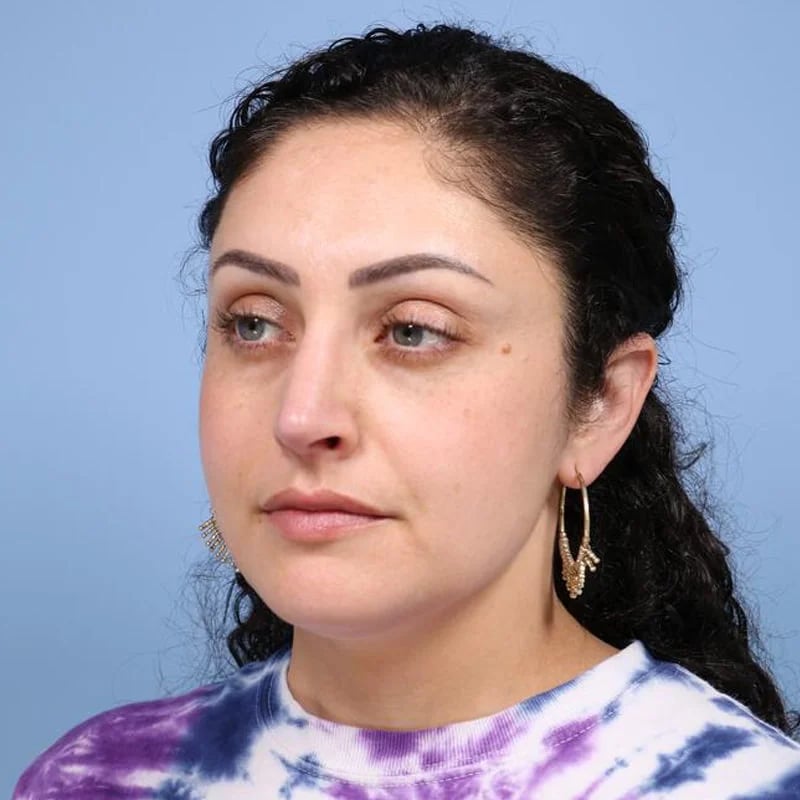
Rhinoplasty Before & Afters
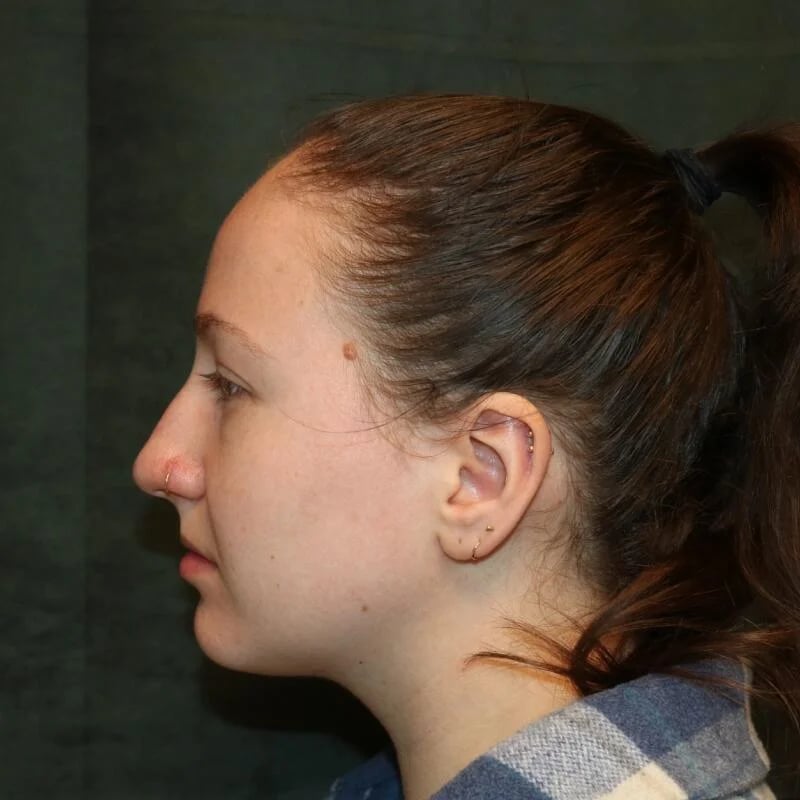 Before
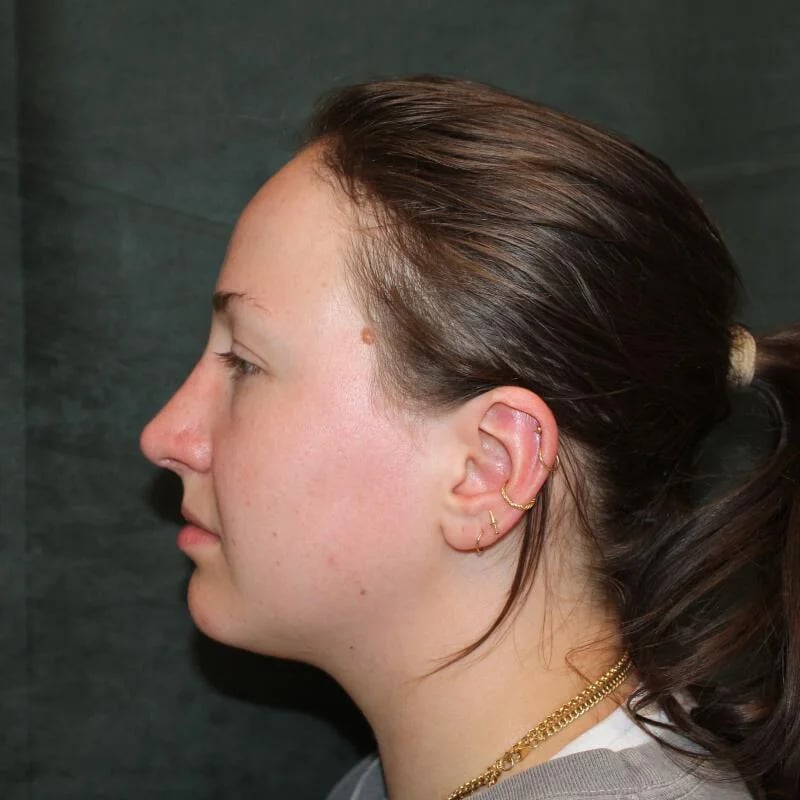 After
After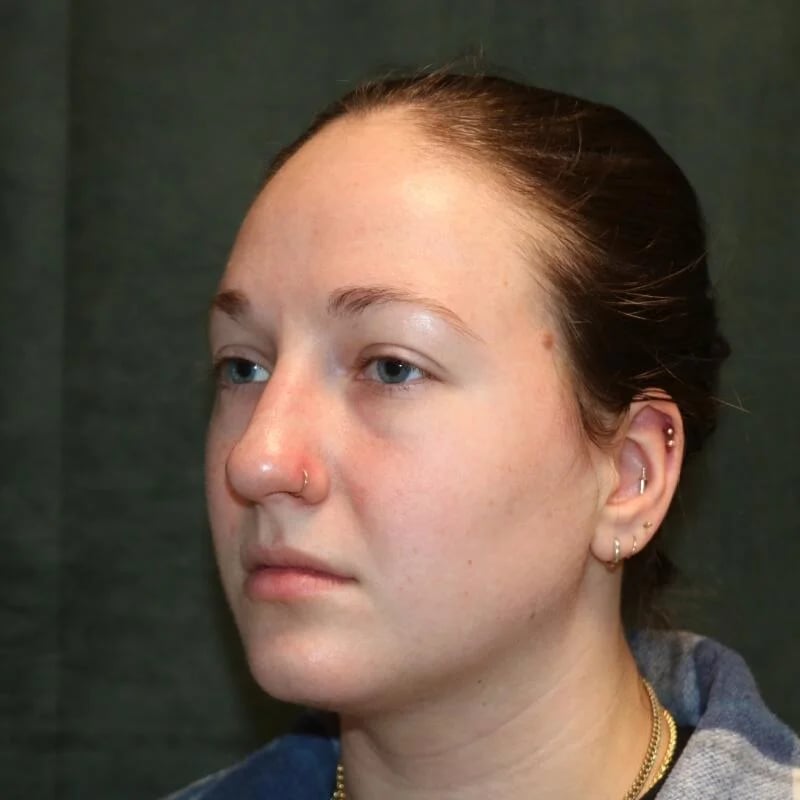 Before
 After
After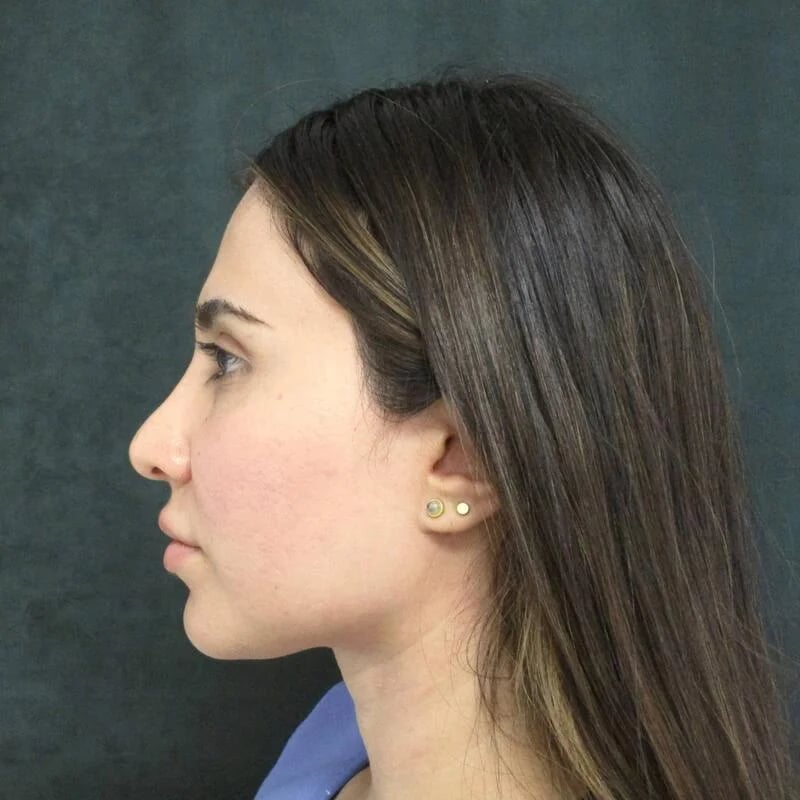 Before
 After
After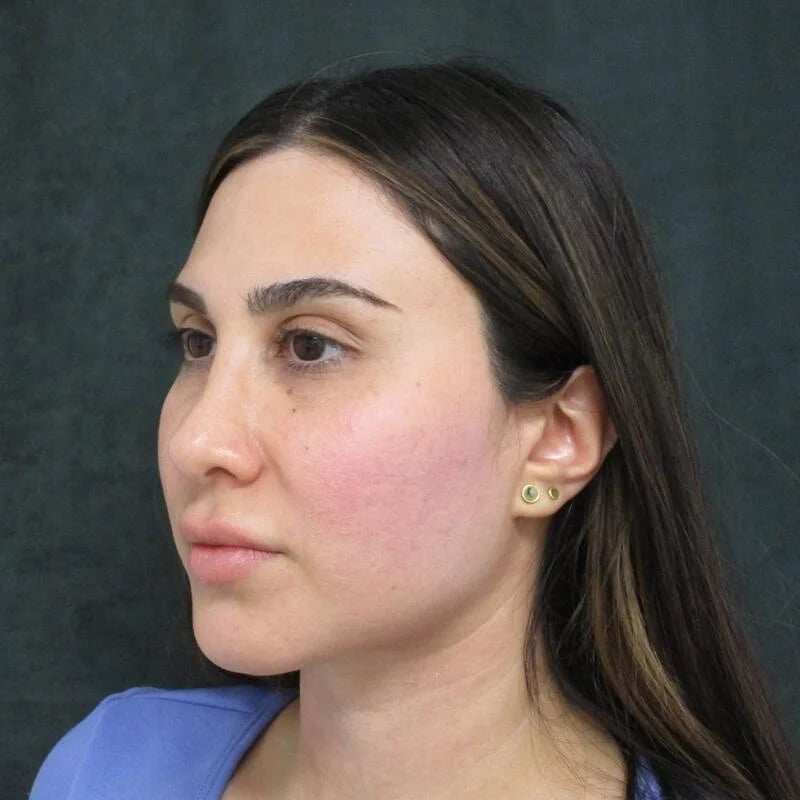 Before
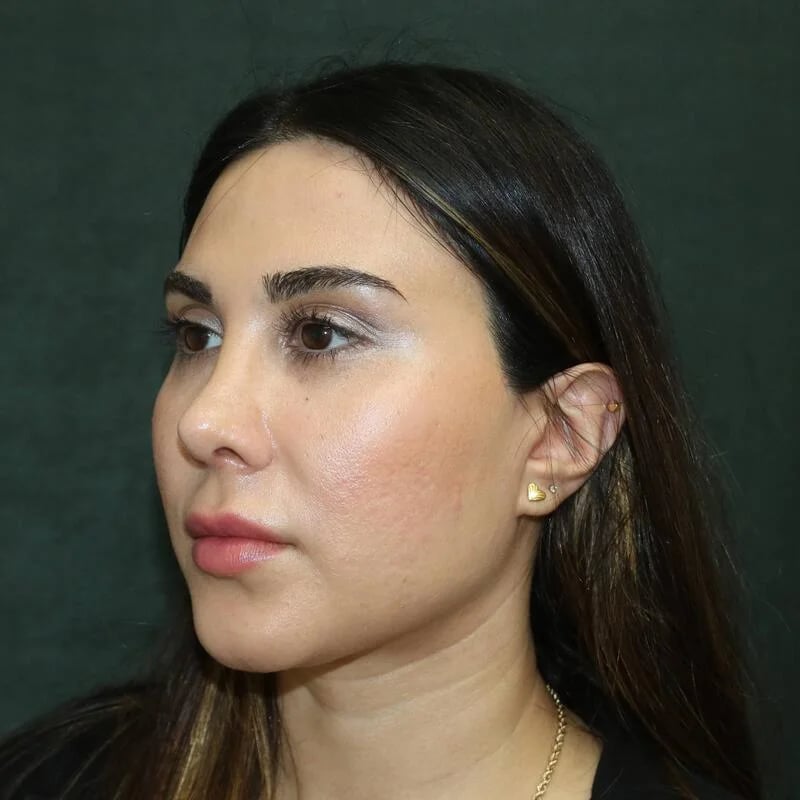 After
After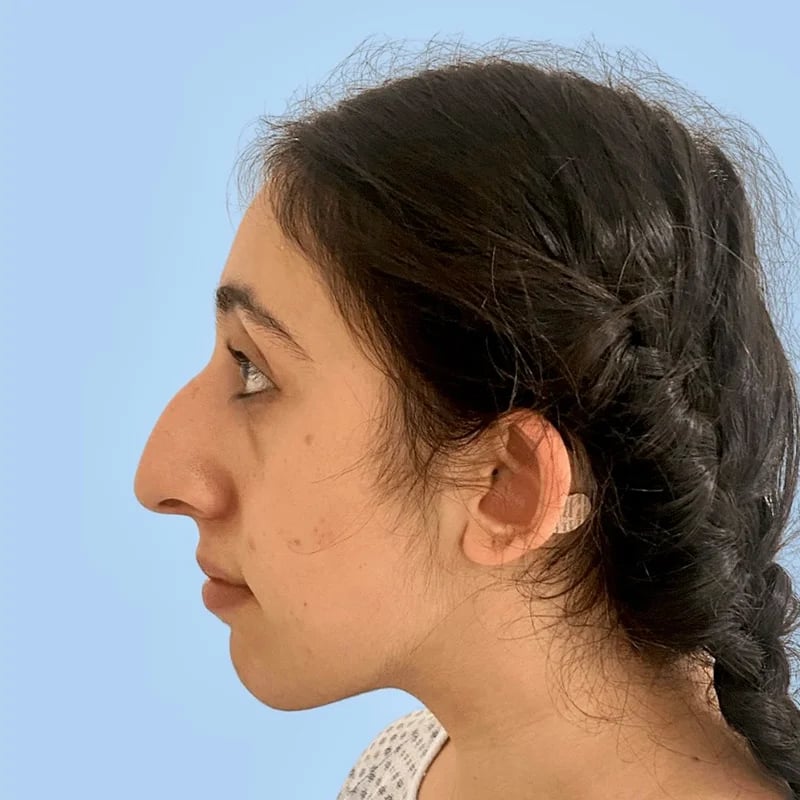 Before
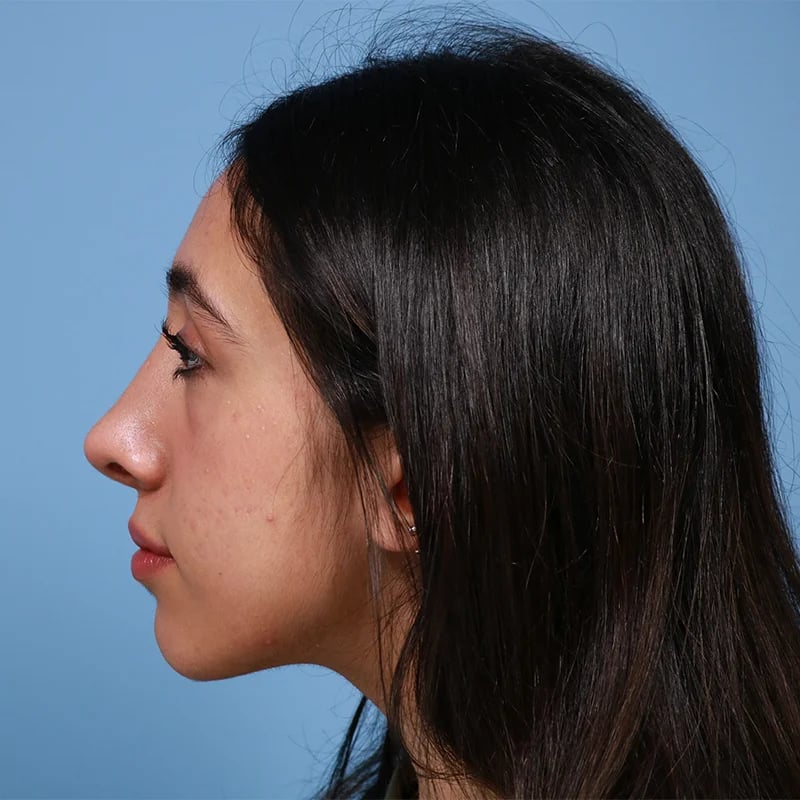 After
After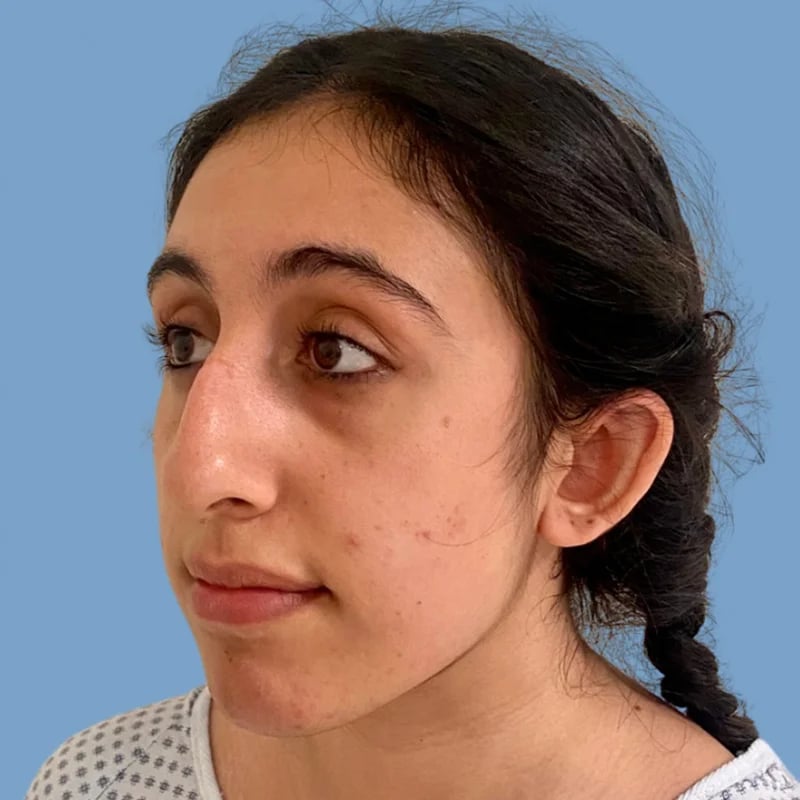 Before
 After
After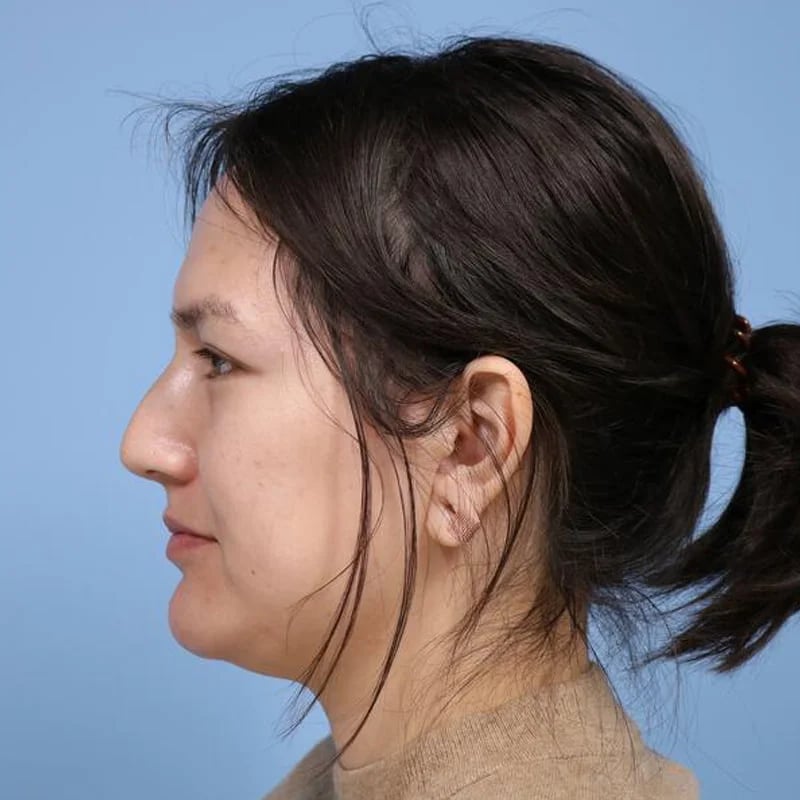 Before
 After
After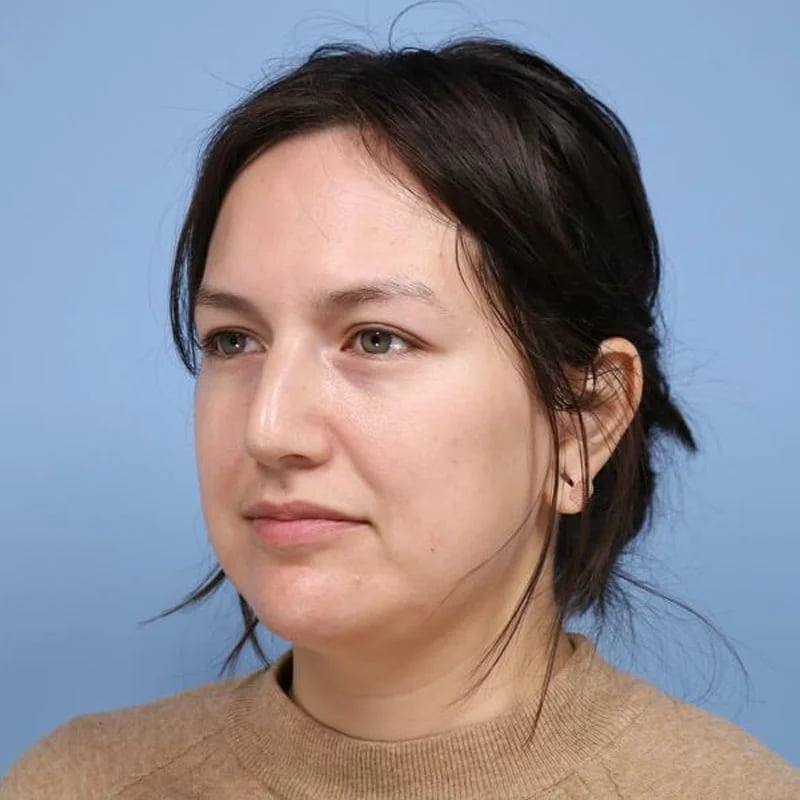 Before
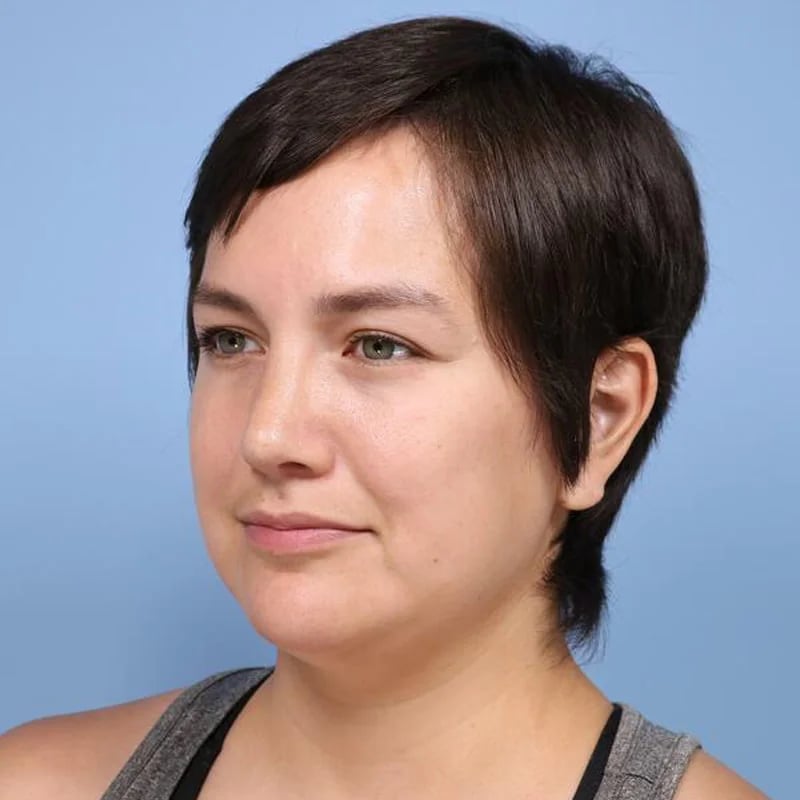 After
After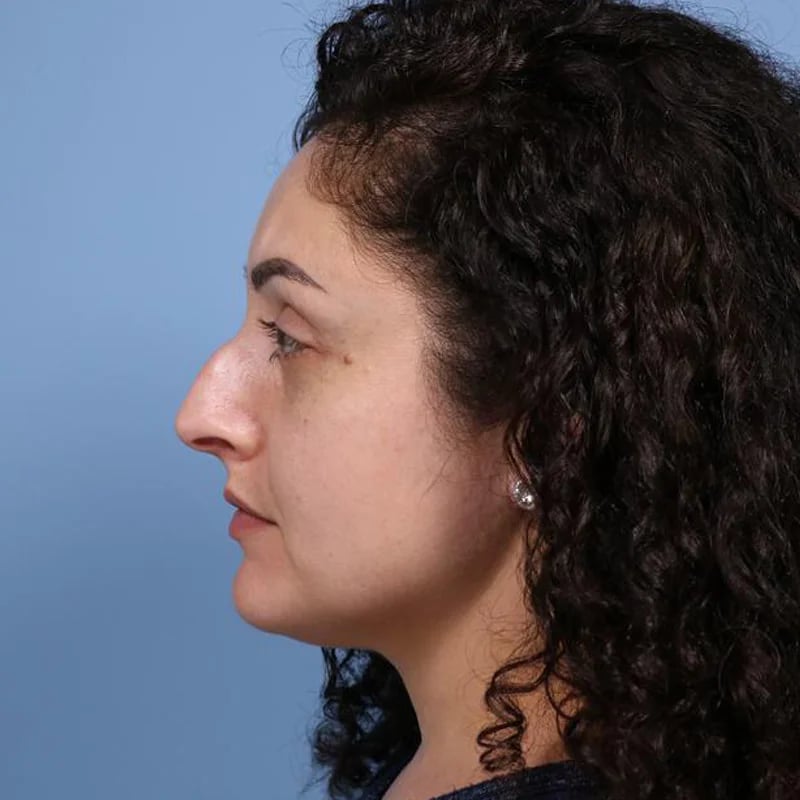 Before
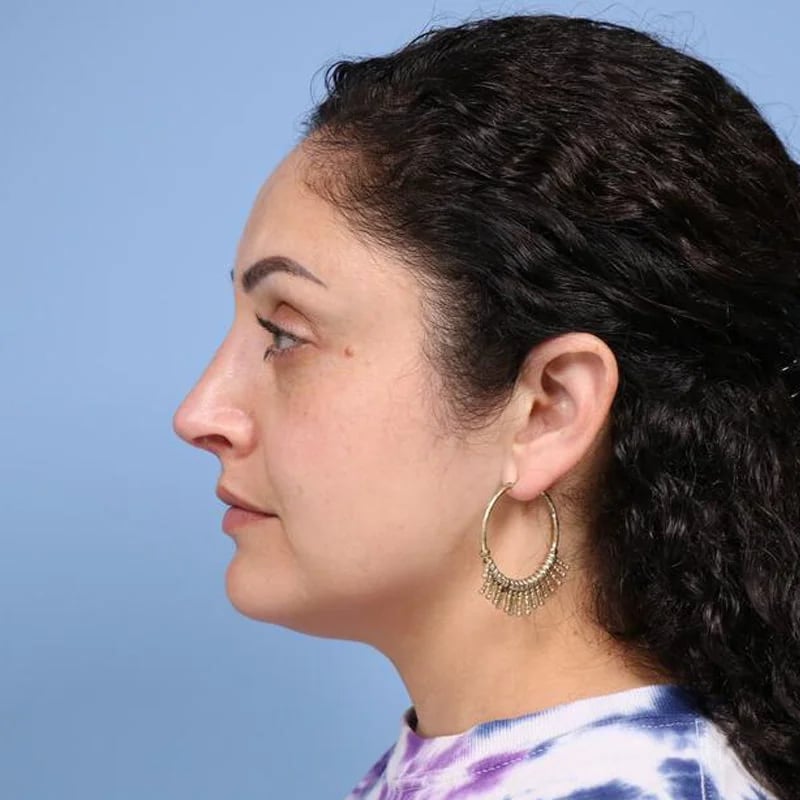 After
After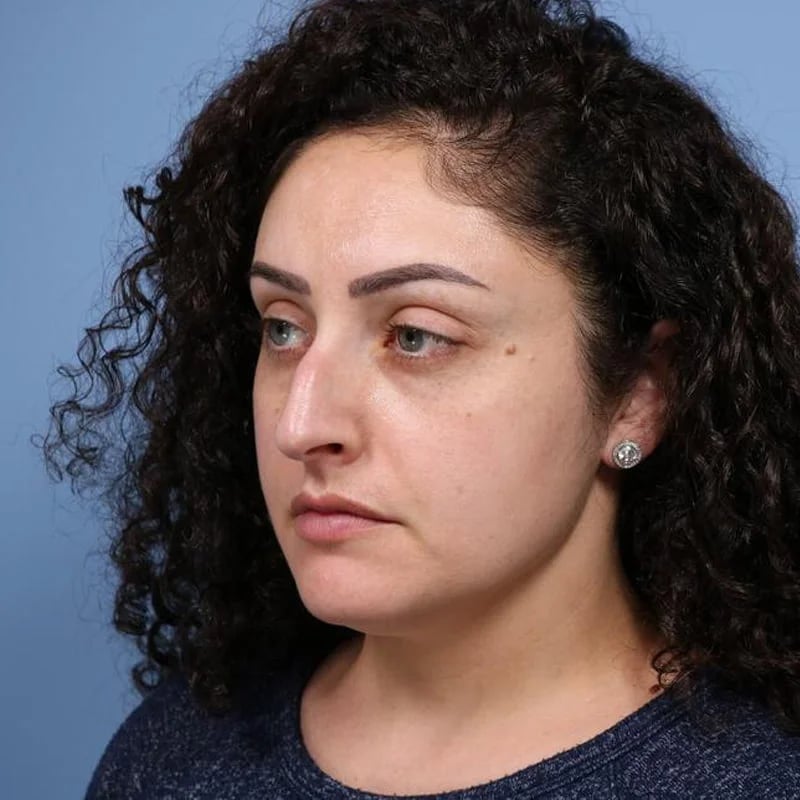 Before
 After
After Swipe To Next
The Natural Results Philosophy
Beverly Hills has a reputation, not entirely unfounded, for producing a certain look from facial plastic surgery. Rhinoplasty results that read as obviously surgical, with over-refined tips, scooped dorsal lines, and a quality of narrowness that does not belong to the face's natural proportions, are a product of surgeons chasing an aesthetic ideal that exists independent of the individual patient. Dr. Harris's approach is the opposite of this.
The governing principle in every rhinoplasty at this practice is that the result should look like the best version of your nose, not like someone else's. This means that the surgical plan begins with an analysis of the face as a whole. The forehead height, the distance between the eyes, the projection of the cheekbones, the width of the mouth, the position of the chin: all of these proportions inform what the nose should look like for that specific face to appear naturally balanced. A nose that looks beautiful in isolation may look wrong on a particular face. The goal is harmony, not abstraction.
This philosophy has specific implications for what Dr. Harris will and will not do in the operating room. He does not pursue radical reductions in tip size or dorsal height that would leave the result looking pinched or disproportionate. He does not perform surgery designed to make a patient look ethnically different from who they are. He does not attempt to replicate another person's nose on a patient whose anatomy is fundamentally different. The morphing tool used at consultation exists precisely to make these limits concrete and visual before anyone commits to surgery.
What Natural Results Actually Mean in Practice
- Dorsal refinement that removes a bump while maintaining a natural straight or softly curved profile
- Tip work that improves definition and projection without producing a pinched or operated appearance
- Base reduction proportional to the overall facial width, not reduced to an arbitrary ideal
- Preservation of ethnic characteristics that are part of the patient's identity
- Results that are undetectable to people who did not know what the nose looked like before
Patients who come to Dr. Harris expecting a dramatic transformation to a completely different facial type are counseled honestly at consultation. The morphing tool makes it possible to show, in real time, what the realistic range of outcomes looks like on the patient's own face. This conversation happens before surgery, not after, because the time to align expectations is during the planning phase, not the recovery phase.
ENT Background: Why Functional Expertise Matters in Rhinoplasty
Nasal obstruction is one of the most common complaints in medicine, affecting an estimated 20 million Americans. The causes are varied: a deviated septum, enlarged turbinates, collapse of the internal nasal valve during inhalation, or a combination of these. What most patients do not realize is that cosmetic changes to the external nose can either improve or worsen nasal breathing depending on how they interact with the internal structures.
A surgeon without ENT training typically evaluates and addresses breathing concerns as a separate track from the cosmetic work, either referring the patient elsewhere or performing a septoplasty without a complete understanding of its interaction with the rhinoplasty. Dr. Harris evaluates both simultaneously as parts of a single anatomical picture. The internal and external nose are the same structure, and decisions about one cannot be made in isolation from the other.
In practical terms, this means that patients who come to Dr. Harris with both cosmetic and functional concerns are assessed together in a single consultation. The surgical plan addresses both goals in a single procedure wherever possible. The nasal tip, the dorsum, the septum, the turbinates, and the valves are all considered in the same operative plan. Patients who had prior rhinoplasty elsewhere and developed breathing problems as a result of changes to the internal valve architecture are a significant portion of Dr. Harris's revision caseload, and their care requires exactly the kind of integrated expertise that his training provides.
Common Functional Issues Addressed Alongside Rhinoplasty
- Deviated septum: the central partition between the nasal passages is off-center, restricting airflow on one or both sides
- Inferior turbinate hypertrophy: the bony shelves inside the nose are enlarged, reducing the effective airway
- Internal nasal valve collapse: the narrowest part of the nasal airway collapses during inhalation, causing obstruction
- External nasal valve insufficiency: the alar cartilages are weak or have been over-resected in a prior rhinoplasty, causing collapse at the nostril rim
- Nasal polyps or chronic sinusitis: evaluated and addressed in coordination with functional surgery when indicated
Addressing these concerns at the time of rhinoplasty, rather than in separate staged procedures, reduces the total recovery burden and produces a result that serves the patient both aesthetically and functionally. Insurance may cover the functional component of the surgery when appropriately documented; the office provides guidance on this at consultation.
The Morphing Consultation: Realistic Visual Expectation Setting
One of the most significant sources of dissatisfaction after rhinoplasty is a mismatch between what the patient expected and what surgery can realistically produce on their specific anatomy. This gap is not usually the result of surgical error. It is the result of a consultation process that relied on words, or on photographs of other people's results, to communicate something that is inherently visual and patient-specific.
Dr. Harris uses a sophisticated morphing tool at every rhinoplasty consultation to create a realistic, patient-specific rendering of the surgical outcome. The process begins with a series of standardized photographs taken in the consultation room. These photographs are then loaded into the imaging software, and Dr. Harris works through the proposed changes on screen in front of the patient, explaining each decision as he makes it.
The morphed image is not a guarantee. It is a clinical communication tool that allows the surgeon and patient to confirm they are aligned on the aesthetic direction before surgery is scheduled. It also makes explicit the limits of what is achievable on a given anatomy. A patient with thick nasal skin will see immediately that the tip definition achievable in their case is more modest than what might be possible on someone with thinner skin. A patient with a very long nose will understand what a reasonable reduction looks like in the context of their overall facial proportions. These conversations are far more productive, and the resulting alignment is far more durable, when they happen around a realistic image rather than a verbal description.
The morphing consultation is where most of the real work of rhinoplasty planning happens. By the time a patient leaves that appointment, they should have a clear, honest, visual understanding of what we are aiming for and why. Surgery should never be a surprise.
Revision Rhinoplasty: Correcting What a Previous Surgery Left Behind
Approximately 15 to 20 percent of rhinoplasty patients in the United States undergo revision surgery. This is not primarily a reflection of surgical negligence. Rhinoplasty is genuinely difficult, healing is unpredictable, and subtle asymmetries or functional problems that were not apparent at one year may become more visible as the nose continues to change over the following years. Revision rhinoplasty is a recognized subspecialty within facial plastic surgery precisely because it requires a different set of skills and judgments than primary surgery.
The reasons patients seek revision rhinoplasty are varied. Some have a residual dorsal irregularity or a tip that is slightly asymmetric. Some developed breathing problems after their first procedure because the internal valve was compromised during tip refinement. Some had over-resection of cartilage that has left the nose looking pinched, narrowed, or collapsed. Some simply feel that the result drifted over the years in a direction they did not anticipate.
Revision surgery is more complex than primary rhinoplasty for several reasons. Scar tissue from the first procedure changes the tissue planes, making dissection more difficult and less predictable. Cartilage that has been previously altered may be insufficient for the reconstructive work the revision requires, necessitating cartilage grafting from the ear, rib, or rarely the skull. The nasal skin, which has already been elevated and re-draped once, behaves differently the second time.
Dr. Harris evaluates every revision candidate individually, with a thorough review of the prior surgical records when available, a complete photographic analysis, and an honest conversation about what can realistically be achieved. He does not recommend revision surgery until at least 12 months have passed since the prior procedure, because the healing process continues for that entire period and earlier intervention risks compounding rather than correcting the problem.
Common Revision Rhinoplasty Concerns
- Residual dorsal hump or irregular dorsal contour after primary reduction
- Tip asymmetry, over-rotation, or loss of projection over time
- Pinched or collapsed tip from over-resection of alar cartilage
- Internal valve collapse causing post-rhinoplasty nasal obstruction
- Visible scar tissue or palpable irregularities beneath the skin
- Saddle nose deformity from over-reduction of the septum
The Procedure: Open vs. Closed Rhinoplasty
Rhinoplasty can be performed through two primary approaches: open and closed. In the closed approach, all incisions are placed inside the nostrils, leaving no external scar. In the open approach, a small incision is placed across the columella, the strip of skin between the nostrils, in addition to the internal incisions. This incision, when well-executed, heals to a nearly invisible fine line.
The open approach provides direct visualization of the nasal cartilage and tip structures, which makes complex tip work, cartilage grafting, and revision cases technically more manageable. The closed approach requires more experience to execute complex maneuvers without direct visualization but avoids any external scar and may have a slightly faster initial healing phase. Dr. Harris selects the approach based on the complexity of the individual case and discusses the rationale with each patient at consultation.
- Consultation and morphing: the surgical plan is finalized using photographic imaging and a direct conversation about the patient's goals, anatomy, and realistic outcomes.
- Anesthesia: rhinoplasty is performed under general anesthesia in an accredited surgical facility.
- Incisions and exposure: the chosen approach is used to access the nasal cartilage and bone.
- Structural work: the dorsum is refined, the tip is repositioned and secured, the base is adjusted if indicated, and functional issues are addressed simultaneously.
- Closure and splinting: incisions are closed with fine sutures and a splint is applied to the dorsum to support the healing structures.
- Recovery: the splint is removed at one week. Bruising resolves within two weeks for most patients. Final results are fully visible at 12 to 18 months.
Recovery and What to Expect
The splint and external sutures are removed at approximately one week. At this point, the nose will still be swollen and may look wider or less refined than the final result will suggest. This is normal. The majority of bruising resolves within 10 to 14 days, and most patients are comfortable going out in public without obvious signs of surgery within two weeks.
Swelling resolves in stages. About 70 percent of swelling is gone within six weeks, at which point the result is clearly visible and patients can see the general direction of the outcome. The remaining swelling, particularly in the tip, clears more slowly over the following months. The final result is typically fully visible at 12 to 18 months. Patients with thicker nasal skin should expect the longer end of this range.
Strenuous exercise, contact sports, and any activity that risks a blow to the nose should be avoided for at least six weeks. Direct sun exposure to the surgical area should be minimized during the healing period. Sleep position matters in the early weeks: patients should sleep with the head elevated and avoid any pressure on the nose from pillows or glasses frames.
Am I a Good Candidate?
Good candidates for rhinoplasty have specific concerns about the appearance or function of their nose, are in good general health, are non-smokers or are committed to stopping well in advance of surgery, and have realistic expectations about what surgery can achieve. They are not pursuing a transformation to a completely different aesthetic type or trying to replicate another person's nose on their own face.
Age is a relevant consideration for younger patients. The nose generally reaches its full adult form between 15 and 17 years of age in women and slightly later in men. Most surgeons, including Dr. Harris, prefer not to operate on patients under 16 to 18 unless there is a significant functional indication, because operating before the nose has fully matured risks interfering with normal growth.
Patients who have had prior rhinoplasty elsewhere and are considering revision should wait at least 12 months from their last surgery before consulting. This allows complete healing and gives both the patient and the surgeon a clear picture of the actual result rather than the result-in-progress.
Schedule your Beverly Hills Rhinoplasty consultation at Harris Facial Plastic Surgery today.
Don’t Delay—Make a Difference in Your Look Today!
If Rhinoplasty seems like a good fit for you, the first step is a consultation with Harris Facial Plastic Surgery & Aesthetics in Beverly Hills. This procedure has multiple benefits such as increased confidence in your appearance as well as improved breathing through your nose. Dr. William Harris wants to make sure you have all the information you need before undergoing any surgery or procedure. To help you feel at ease, Dr. Harris will take as much time as needed to listen to your goals, needs, and concerns. Set up your appointment right away!
RhinoplastyFrequently Asked Questions
Most patients are comfortable returning to desk work and social settings within 10 to 14 days, when the splint is removed and the majority of visible bruising has resolved. Swelling, however, takes considerably longer to fully dissipate. About 70 percent of swelling resolves within the first six weeks. The remaining 30 percent clears gradually over 12 to 18 months, which is when the final result becomes fully visible. Patients with thicker skin may take longer to show their final outcome than those with thinner skin.
Many patients report improved nasal breathing after rhinoplasty, particularly when functional concerns such as a deviated septum, turbinate hypertrophy, or internal valve collapse are addressed at the same time as the cosmetic reshaping. Dr. Harris's ENT training means that functional anatomy is evaluated and treated as an integrated part of every rhinoplasty, not as a separate procedure. Patients who present with breathing complaints alongside cosmetic concerns are often able to address both in a single surgery.
Reference photos are useful and welcome as a starting point for understanding what aesthetic direction appeals to you. However, Dr. Harris does not replicate another person's nose. Every nose is designed specifically for the individual face in front of him, taking into account your skin thickness, cartilage strength, facial proportions, ethnic background, and personal preferences. The morphing consultation is designed precisely to translate your visual references into a realistic rendering of what is achievable on your specific anatomy.
Revision rhinoplasty is surgery performed to correct or refine the results of a previous rhinoplasty. Approximately 15 to 20 percent of rhinoplasty patients nationwide undergo revision surgery, reflecting the complexity of the procedure. Common revision concerns include residual dorsal humps, tip asymmetry, breathing problems that developed or persisted after the first surgery, and over-resection that has left the nose appearing pinched or operated. Dr. Harris evaluates revision candidates individually. Surgery is typically not recommended until at least 12 months have passed since the previous procedure, allowing full healing.
Rhinoplasty fees in Beverly Hills vary based on the complexity of the procedure, whether functional work is included, and the facility and anesthesia fees. Primary rhinoplasty at Dr. Harris's practice is typically in the range that reflects Beverly Hills standards for board-certified surgical care. Revision rhinoplasty is generally more complex and priced accordingly. A detailed fee breakdown is provided at consultation after the surgical plan is established. Financing options are available.
The first step is a personal consultation with Dr. Harris at his Beverly Hills office. During this appointment, he will evaluate your nasal anatomy, review your concerns and goals, use the morphing tool to create realistic visual projections, and develop a tailored surgical plan. Contact the office to schedule.
Beyond Ageless
Request a Consultation for Beverly Hills Plastic Surgery
If you are considering plastic surgery, choose the doctor who goes above and beyond for his patients. Dr. William Harris makes it his mission to deliver artful, innovative, and detailed surgical and non-surgical procedures to help you live more beautifully every day. Schedule a consultation today to start your journey.
Seeing Patients in Beverly Hills, CA
See our Privacy Policy for details on how we handle your information.