

Revision Rhinoplasty Beverly HillsWhen and Why Patients Seek a Second Surgery
Revision rhinoplasty is the most technically demanding procedure I perform. It is also, in many ways, the most meaningful, because the patients who come to me for revision surgery have already been through a difficult experience. They trusted a surgeon, went through recovery, waited months for a result, and arrived somewhere they did not intend to go. That is not a small thing to carry into a consultation.
Approximately fifteen to twenty percent of my rhinoplasty practice is revision work. That proportion reflects both the referral patterns that have developed as my practice has grown and a deliberate choice to take on complex cases that other surgeons decline. Revision rhinoplasty requires a specific kind of surgical training, a specific set of anatomical tools, and a specific willingness to operate in a field that has already been altered by someone else's hands.
Beverly Hills has a high concentration of rhinoplasty surgeons and a correspondingly high revision rate. Patients come here from across the United States and internationally for primary rhinoplasty, and they come here again when that rhinoplasty did not deliver what they hoped for. This guide is a complete, honest account of what revision rhinoplasty involves, who is a good candidate, what the surgery can and cannot correct, and how to select the right surgeon for a second procedure.
Why Patients Seek Revision Rhinoplasty
The reasons patients pursue revision rhinoplasty fall into two broad categories: aesthetic dissatisfaction and functional impairment. These often overlap. A nose that was over-reduced aesthetically may also have compromised internal valve function. A correction made to address a hump may have altered tip projection in a way the patient finds unnatural. Understanding which category drives the consultation, and whether both are present, is the first task in any revision assessment.
Aesthetic Reasons
The most common aesthetic concerns I hear from revision patients include:
- Over-reduction of the dorsum, producing a nose that is too small or scooped relative to the rest of the face
- Tip irregularities including asymmetry, pinching, bossae formation, or loss of tip definition after cartilage removal
- Pollybeak deformity, where excess soft tissue or scar accumulates above the tip, creating a rounded, beak-like profile
- A result that looks operated-upon rather than natural, including visible demarcation between the nose and the face
- Asymmetry that was not present before surgery or was not corrected by the primary procedure
- Collapse of the middle vault producing an inverted-V deformity visible from the frontal view
- A result that has changed over time as scar tissue contracted or cartilage shifted
Functional Reasons
Rhinoplasty that reduces or repositions nasal structures can impair breathing if the internal or external nasal valves are compromised. The most common functional complaint after rhinoplasty is nasal obstruction that was not present before surgery, or that worsened significantly after surgery. This can result from:
- Collapse of the internal nasal valve following over-aggressive reduction of the upper lateral cartilages
- Weakening of the alar sidewalls producing external valve collapse during inspiration
- Septal deviation that was not corrected or was created by the primary surgery
- Scarring in the nasal passages that narrows the airway
In my assessment, functional impairment after rhinoplasty is frequently underreported. Patients who are focused on the aesthetic outcome often accommodate breathing changes gradually and do not connect them to the surgery until they begin researching revision. When I examine a revision patient, I always assess airway function regardless of whether it is the stated reason for the consultation.
The most important thing I tell revision patients in a first consultation is this: revision rhinoplasty is harder than primary rhinoplasty, the recovery is longer, and the timeline to a final result is extended. None of that means it cannot produce a beautiful, functional outcome. But I will not take on a revision case without making sure the patient understands what they are actually committing to.
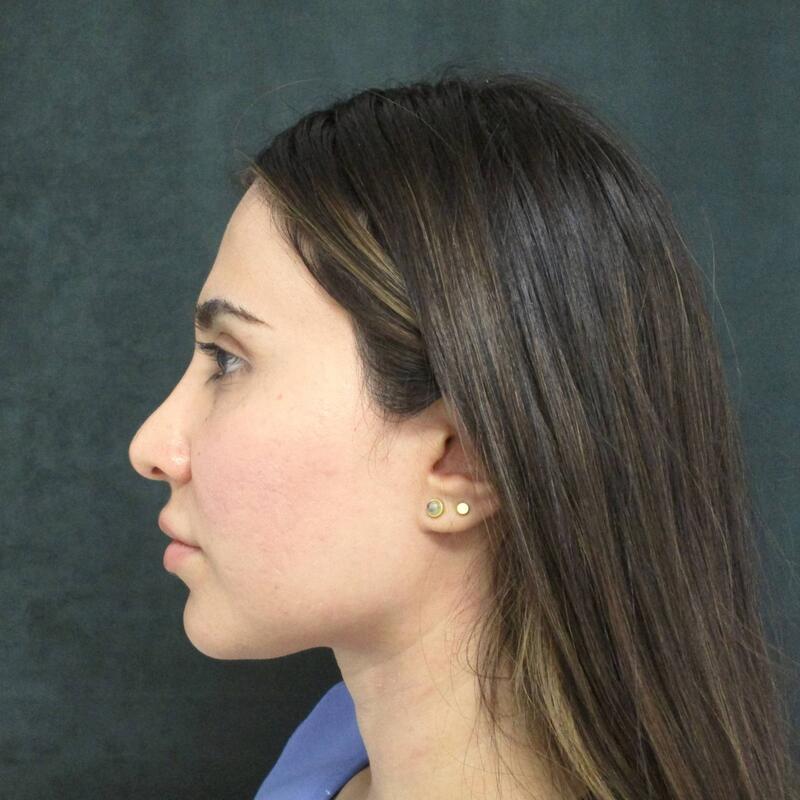
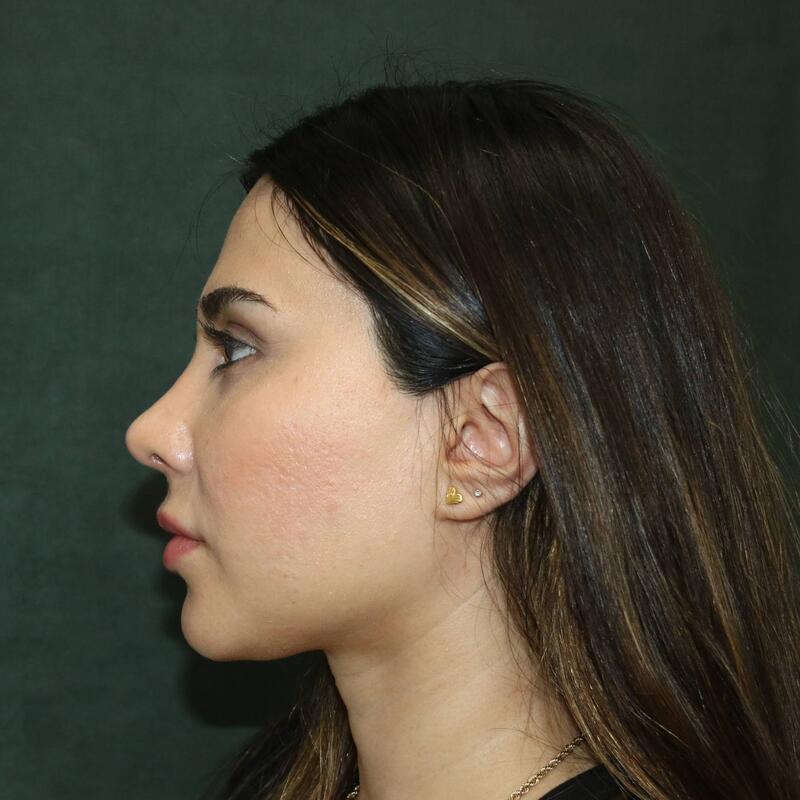
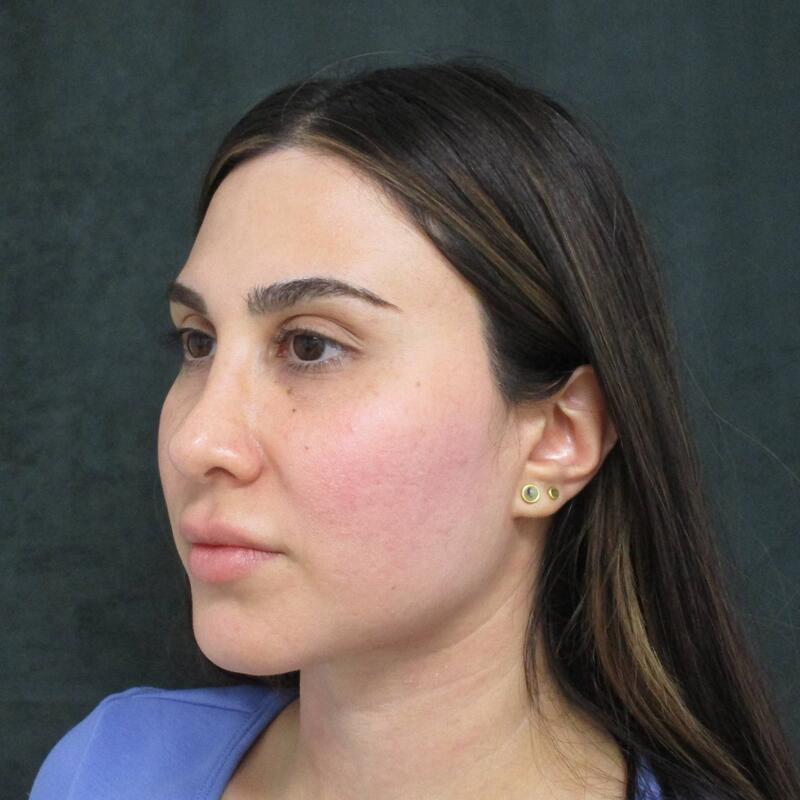
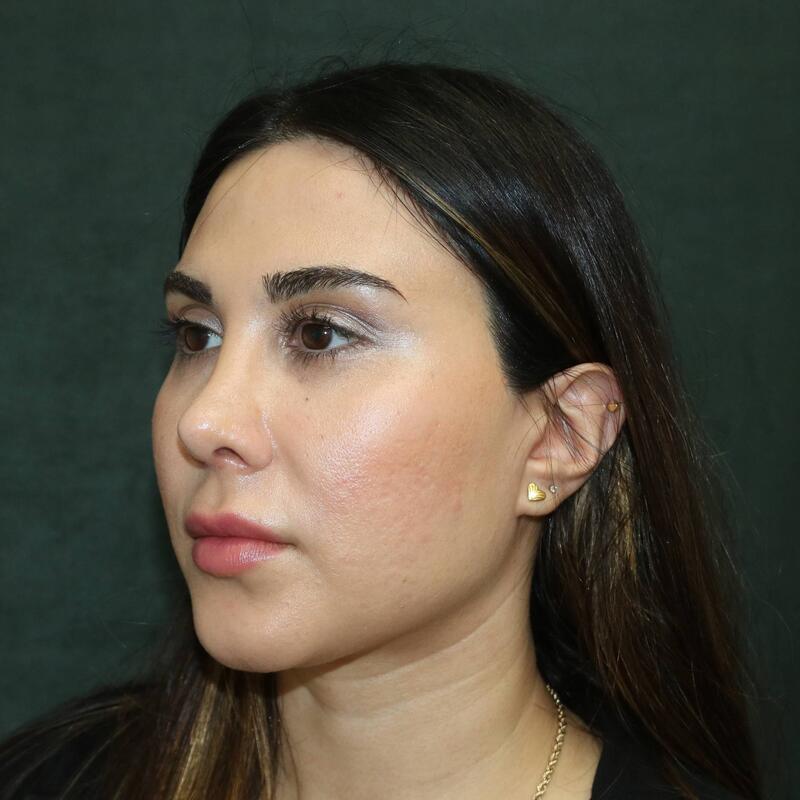
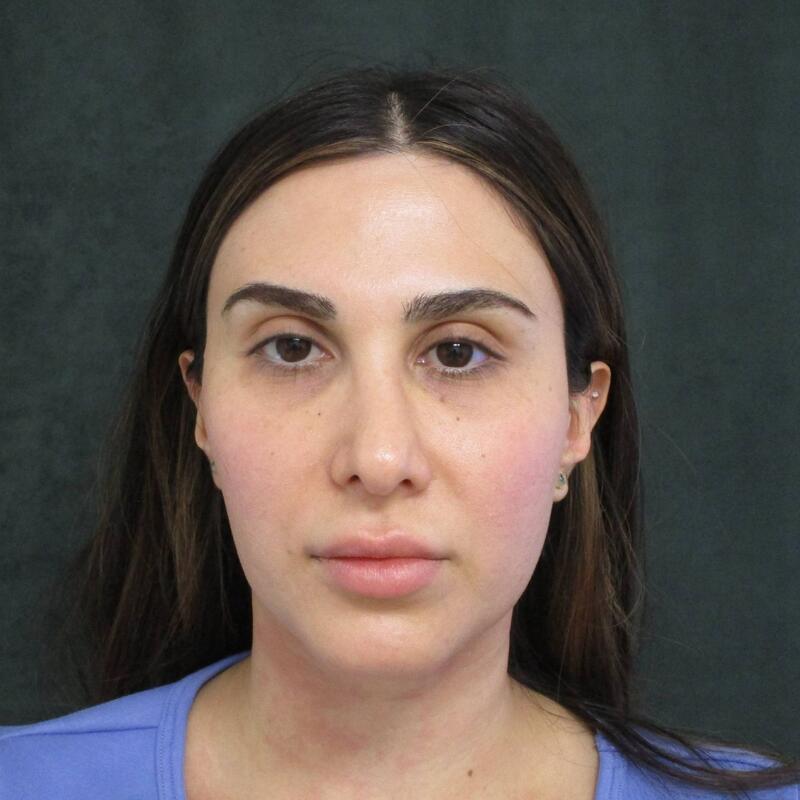
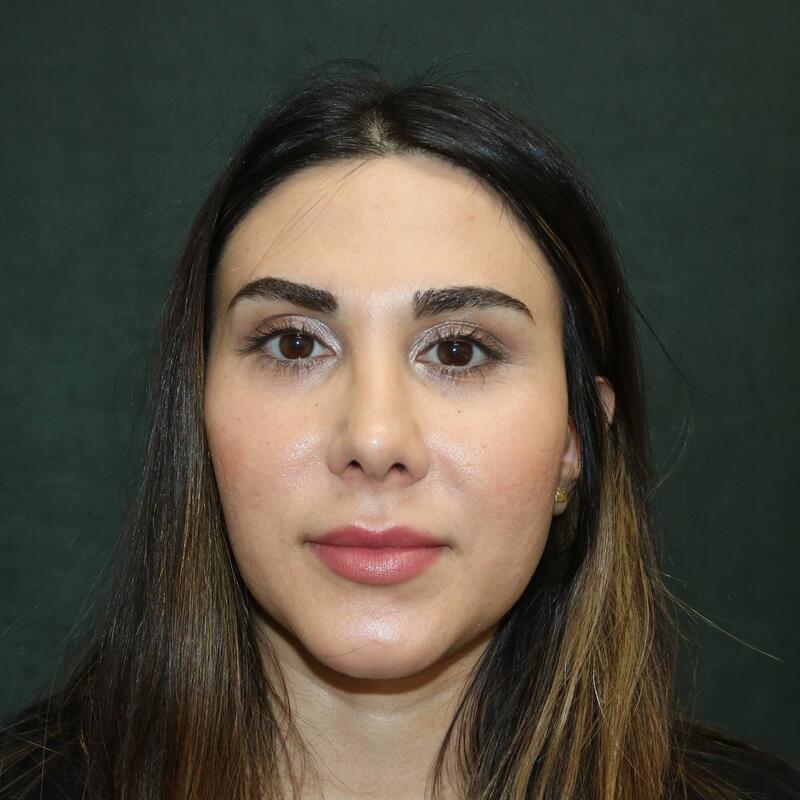
Why Revision Rhinoplasty Is Harder Than Primary Surgery
Primary rhinoplasty is performed on tissue that has never been altered. The anatomy is intact, the planes of dissection are predictable, and the cartilage is in its natural state. Revision rhinoplasty takes place in a field that has already been operated on. That changes nearly everything about the surgical process.
Scar Tissue
Every rhinoplasty produces scar tissue. In a well-executed primary rhinoplasty on a patient with good skin, the scar tissue is minimal and contracts predictably as part of the healing process. In revision surgery, the surgeon must work through or around existing scar tissue that may have altered the normal anatomical relationships between skin, cartilage, and bone. This makes dissection slower, more precise, and more prone to inadvertent injury to adjacent structures.
Thick scar tissue in the tip, in particular, can mask the underlying cartilage architecture and make accurate assessment of what remains difficult until the nose is open on the table. This is one of the reasons revision rhinoplasty requires a surgeon comfortable operating without a fully predictable roadmap.
Altered or Missing Cartilage
Many revision patients present with inadequate cartilage for the corrections they need. Cartilage that was removed in the primary rhinoplasty cannot be placed back. In cases where the septum has been significantly harvested, the surgeon must source structural grafting material from elsewhere, either the ear (auricular cartilage) or the rib (costal cartilage).
Rib cartilage is the most significant source of structural grafting material available in revision rhinoplasty. It provides the volume and rigidity needed to rebuild a collapsed dorsum, reconstruct a weakened tip, or restore middle vault support. Working with rib cartilage adds operative time, adds a second surgical site with its own recovery, and requires specific technical skill in carving and shaping the graft to achieve a natural result. I am comfortable with rib grafting and use it when the anatomy requires it. Not every rhinoplasty surgeon is.
Skin and Soft Tissue
The skin envelope of a revised nose has been stretched, contracted, and reorganized by the primary surgery and the healing that followed. In patients with thick skin, the skin may not redrape predictably over a reconstructed framework. In patients with thin skin, every small irregularity in the underlying cartilage will be visible at the surface. Both scenarios require careful surgical planning and, often, a longer timeline before the final result is visible.
Psychological Complexity
Revision patients come in with a specific and understandable emotional history. They have already been disappointed by one surgical experience. Their trust threshold is higher, their anxiety about the outcome is elevated, and their patience for uncertainty is often lower than a primary patient's. A significant part of my role in a revision consultation is providing an honest, realistic account of what is achievable, being direct when I think a patient's expectations are not aligned with what the anatomy can deliver, and being clear about what the process will require from them as a patient.
I decline some revision consultations. Not because the case is beyond my technical ability, but because the patient's expectations and the anatomical reality are too far apart for me to close the gap with surgery. That conversation is difficult. But it is the right conversation to have before taking someone to the operating room a second time.
How I Assess a Revision Rhinoplasty Patient
The assessment of a revision rhinoplasty patient is more complex and takes more time than a primary consultation. A standard consultation for revision surgery in my practice runs approximately one hour and covers several specific areas.
Photographic Analysis
I examine photos from before the primary surgery, immediately after surgery, and at various points in the healing process if the patient has them. The before photos tell me what the patient's natural anatomy looked like, what was realistic to achieve with primary rhinoplasty, and whether the outcome represents a technical error or simply a normal healing variation. The post-operative timeline photos tell me how the result has changed over time and whether scar contracture or cartilage shifting is contributing to the current presentation.
Physical Examination
I examine the external and internal anatomy in detail. Externally, I assess skin thickness, cartilage visibility, symmetry, projection, rotation, dorsal height, and tip definition. Internally, I assess the septum, the internal nasal valves, the turbinates, and the airway. I palpate the cartilage to assess what remains and how it is positioned. This examination tells me what I am working with and what reconstruction will require.
Timing
One of the most important factors in revision rhinoplasty assessment is timing. I do not perform revision surgery until the nose has fully healed from the primary procedure. For most patients, that means a minimum of twelve months. For patients with significant scar tissue, thick skin, or a complex primary surgery, I may recommend waiting longer.
The nose continues to change for up to two years after rhinoplasty. A result that looks unsatisfactory at six months may improve significantly by eighteen months as swelling resolves and tissue matures. I will not rush a patient to revision surgery because they are unhappy with a result that may still be in evolution. If I operated on a patient and they are in the healing period, I ask them to wait and continue monitoring before we make any decisions.
Honest Expectation Setting
In a revision consultation, I give patients a direct assessment of what I think can be improved, what I think cannot be improved, what the surgery will involve, and what the recovery will look like. If a patient's primary concern is something I do not believe surgery can meaningfully correct, I say so. If I think the realistic outcome is an improvement rather than a transformation, I say that too.
I do not take on revision cases to give a patient hope. I take them on because I believe the anatomy supports a genuinely better outcome than the patient currently has.
The question I always ask a revision patient is: what would you need to see in a result to feel that the revision was worth it? That question tells me more about whether we are aligned than any amount of photo analysis. If the answer is a specific fraction of an inch of projection change or a subtle asymmetry correction, that is a workable goal. If the answer is a completely different nose, that requires a different kind of conversation.
Revision Rhinoplasty Techniques: What the Surgery Actually Involves
The specific techniques used in revision rhinoplasty depend entirely on what the primary surgery did and what the anatomy requires. There is no standard revision rhinoplasty. Every case is rebuilt from a different starting point.
Open vs Closed Approach
Most revision rhinoplasties are performed through an open approach, meaning a small incision is made across the columella (the tissue between the nostrils) to fully expose the nasal framework. The open approach gives the surgeon direct visualization of all the cartilage and allows precise placement of grafts. In a revised nose with scar tissue and altered anatomy, that visibility is not a preference, it is a necessity.
Closed revision rhinoplasty, where all work is done through internal incisions without a columellar scar, is occasionally appropriate for very minor revisions involving limited soft tissue refinement. For structural revisions requiring grafting, the open approach is almost always indicated.
Cartilage Grafting
Cartilage grafts are the primary tool of revision rhinoplasty. The specific grafts used depend on what the anatomy requires:
- Spreader grafts: placed between the septum and upper lateral cartilages to restore middle vault width and correct internal valve narrowing. One of the most commonly needed grafts in revision surgery.
- Tip grafts: used to reconstruct tip definition, projection, or symmetry when existing tip cartilage is insufficient or malpositioned.
- Alar batten grafts: placed in the alar sidewall to correct external valve collapse and restore structural support to the nostril rim.
- Columellar strut: a piece of cartilage placed between the medial crura to restore tip projection and stability.
- Dorsal augmentation grafts: used to restore dorsal height when over-reduction has produced a scooped or over-rotated profile.
Graft Sources
The source of cartilage grafting material is one of the most important decisions in revision rhinoplasty planning.
Septal cartilage is the first choice because it is straight, easy to harvest, and available through the same surgical field. However, in patients who have had a prior septoplasty or rhinoplasty with significant septal work, there may be little usable septal cartilage remaining.
Auricular cartilage, harvested from behind the ear through a small incision, provides curved cartilage suitable for alar grafts, tip refinement, and smaller augmentation needs. The harvest site heals with a well-concealed scar and the ear shape is not altered.
Costal cartilage, harvested from the rib cage (typically the sixth or seventh rib), provides the largest volume of structural grafting material available. It is the correct choice for patients who need significant dorsal augmentation, comprehensive tip reconstruction, or structural rebuilding of a severely compromised nose. Rib harvest adds approximately thirty to forty-five minutes to the surgery and produces a small chest scar that heals well in most patients. I explain this as a necessary trade in cases where the nasal anatomy demands it.
Addressing Scar Tissue
Managing scar tissue intraoperatively requires slow, precise dissection to release adhesions without damaging the overlying skin or remaining cartilage. In some cases, steroid injections administered at strategic intervals before surgery can soften scar tissue and make dissection more predictable. I use kenalog injections as part of my post-operative management for patients in whom scar tissue formation is a concern, beginning at the appropriate healing stage and continuing as needed.
Why Beverly Hills Has a High Revision Rhinoplasty Rate
This is a question worth answering honestly, because understanding it helps patients make better decisions about primary rhinoplasty surgeons.
Beverly Hills is one of the highest-volume rhinoplasty markets in the world. Patients come here for primary surgery because the concentration of skilled surgeons is high and because the Beverly Hills name carries a certain credibility in the context of aesthetic surgery. Both of those things are true. What is also true is that a high-volume market produces a higher absolute number of unsatisfactory results simply by the law of large numbers.
A second factor is the specific aesthetic expectations of the Beverly Hills rhinoplasty patient. Patients in this market often present with highly specific requests: a defined tip, a refined dorsum, a particular profile view. Achieving those outcomes while maintaining natural-looking proportions and preserving nasal function requires a level of surgical refinement that not every rhinoplasty surgeon has developed equally. When the gap between a patient's expectation and a surgeon's technical output is wide, revision becomes more likely.
A third factor is the prevalence of high-volume practices where individual surgical attention is diluted. A surgeon performing five rhinoplasties a day is not giving the same level of pre-operative analysis, intraoperative judgment, and post-operative follow-up as a surgeon performing one or two. I make a deliberate choice to limit my daily surgical volume. That choice costs me efficiency and revenue. I believe it reduces revision rates and I am comfortable with that trade.
When I evaluate a revision patient, I am always interested in understanding what went wrong with the primary surgery and why. Not to assign blame, but because understanding the failure mode tells me what I need to do differently. A surgeon who over-reduced a dorsum made a specific technical judgment at a specific moment. Understanding that judgment tells me something about what the anatomy offered at that moment and what I am likely to find when I open the nose.
Revision Rhinoplasty Recovery: What to Expect
Recovery from revision rhinoplasty is generally longer than primary rhinoplasty recovery. Patients should plan for this and not underestimate what the process requires.
The First Two Weeks
The first week involves a splint on the nose, significant swelling, and bruising around the eyes and cheeks. Most revision patients experience more swelling than they did after primary surgery because the dissection required to work through scar tissue is more extensive. Pain is typically moderate and managed with oral medication. Head elevation is essential. I see revision patients personally at every post-operative visit in the first ten days. This is not optional in complex cases.
The splint comes off at approximately one week. At that point the nose looks swollen and unfamiliar. This is normal and expected. Patients who are not prepared for how their nose looks at one week post-operation sometimes panic. I spend time in my pre-operative consultations describing this specifically, because the week-one appearance is not a preview of the final result.
Weeks Two to Six
Bruising resolves significantly in weeks two and three. Most patients are comfortable in social settings by three to four weeks, though they remain visibly swollen from close range. Return to desk work is typically possible in the second week. Exercise and strenuous activity should wait until week four to six, and contact sport should be avoided for at least three months.
Months Two to Twelve
The swelling from revision rhinoplasty resolves more slowly than from primary surgery. Patients with thick skin or significant grafting should expect the tip to remain swollen and undefined for six to nine months. The full result of revision rhinoplasty is typically not accurately assessable until twelve to eighteen months post-operatively. I tell patients this directly and I tell them repeatedly, because the timeline is one of the most common sources of anxiety in revision recovery.
I continue steroid injections at appropriate intervals during this period for patients in whom scar tissue formation or tip swelling is persistent. Laser treatment of the incision line on the columella begins at approximately six weeks when the tissue is ready.
Realistic Timeline for the Final Result
For patients who have had rib cartilage grafting, the timeline to full result extends to eighteen to twenty-four months. The grafted cartilage undergoes a slow process of integration and remodeling. The nose looks progressively more natural as this process completes. Patients who have their revision photographs taken at six months are photographing an incomplete result.
Revision Rhinoplasty Cost in Beverly Hills
Revision rhinoplasty is more expensive than primary rhinoplasty. The surgery is longer, technically more demanding, and often requires additional materials such as rib cartilage harvest. These factors are reflected in the pricing.
Typical Beverly Hills Price Ranges
At the entry level of the Beverly Hills revision rhinoplasty market, pricing starts at approximately $12,000 to $16,000 for straightforward minor revisions involving limited soft tissue work without significant structural grafting.
The mid-range for revision rhinoplasty in Beverly Hills sits between $18,000 and $28,000. This represents the majority of revision cases involving structural grafting from septal or auricular sources, open approach surgery, and full post-operative care.
Complex revision rhinoplasty involving rib cartilage harvest, comprehensive structural rebuilding, or significant dorsal reconstruction ranges from $28,000 to $45,000 and above in Beverly Hills, depending on the surgeon, facility, and the scope of work required. These cases involve longer operative times, a second surgical site, and a recovery process that requires sustained post-operative management.
My pricing for revision rhinoplasty is all-inclusive. The surgical fee, facility fee at Summit Surgery Center, anesthesia with our regular team, all pre-operative visits, and all post-operative care for the full recovery period are covered in a single price. There are no additional charges for steroid injections, laser treatments on the incision line, or follow-up visits regardless of how many are needed.
Insurance occasionally covers revision rhinoplasty when functional impairment, specifically nasal obstruction, can be documented. This requires specific pre-operative testing and documentation and is not guaranteed. I can advise patients on whether their case has the documentation profile that supports an insurance submission, and my team will assist with that process when appropriate.
How to Choose a Revision Rhinoplasty Surgeon in Beverly Hills
Choosing a surgeon for revision rhinoplasty requires more scrutiny than choosing a primary rhinoplasty surgeon. You are making a more consequential decision under more difficult circumstances. Here is what I recommend looking for.
Revision-Specific Experience
A surgeon who performs primarily primary rhinoplasty and occasionally takes revision cases is a different proposition from a surgeon who has built a practice that includes a substantial revision component. Ask specifically: what percentage of your rhinoplasty practice is revision work? How many revision rhinoplasties do you perform per year? Do you perform rib cartilage harvest yourself or do you refer those cases?
A surgeon who cannot or does not perform rib cartilage harvest has a significant limitation in their revision toolbox. If the anatomy of your nose requires rib grafting, you want a surgeon who handles that themselves rather than one who has to refer you elsewhere.
Head and Neck Surgical Background
My training at Tulane included extensive facial trauma surgery and complex reconstructive cases. Working on faces that had been significantly injured in trauma, where the normal anatomy was disrupted and structural rebuilding was required, gave me a foundation for operating in altered tissue planes that translates directly to revision rhinoplasty. Not every aesthetic rhinoplasty surgeon has that background. Ask about the training history, not just the credentials.
Willingness to Be Honest About Limitations
A surgeon who tells every revision patient they can fix everything is not giving an honest assessment. Revision rhinoplasty has real limitations. Some things cannot be corrected. Some improvements are modest rather than dramatic. A surgeon who sets realistic expectations is a surgeon who respects the patient enough to tell them the truth. That honesty is a more reliable predictor of a good outcome than enthusiasm.
Before and After Photography for Revision Cases Specifically
Ask to see before and after photographs of revision rhinoplasty specifically, not just primary rhinoplasty. The two cases look different. A portfolio that shows only primary rhinoplasty results does not tell you how the surgeon performs on the harder case. Look for: structural improvement that is visible but natural, consistent result quality across different anatomies, and timeline photographs that show the evolution of the result rather than only the best angle at the best moment.
Common Questions
Frequently Asked Questions
If you are unhappy with the appearance or function of your nose after rhinoplasty and have waited at least twelve months from your primary surgery, a revision consultation is appropriate. The consultation will determine whether the concerns are correctable and whether revision surgery is the right approach. Not every dissatisfied rhinoplasty patient is a revision candidate, and a thorough examination is needed to assess what the anatomy can realistically support.
A minimum of twelve months from the primary surgery in most cases, and often longer. The nose continues to change for up to two years after rhinoplasty as swelling resolves and scar tissue matures. Operating before the tissue has fully stabilized makes it harder to assess the anatomy accurately and increases the risk of an outcome that continues to change after revision. I will not recommend revision surgery until I am confident the primary result has reached its final state.
Yes, in the sense that it is technically more complex and the outcomes are harder to predict precisely. The presence of scar tissue, altered anatomy, and potentially reduced cartilage supply makes every step of the surgery less predictable than a primary case. That said, in experienced hands, revision rhinoplasty carries comparable overall safety to primary rhinoplasty. The surgical risks of bleeding, infection, and anesthesia complications are similar. The specific risk of an outcome that is less than hoped for is higher in revision cases, which is why expectation setting and patient selection are particularly important.
Yes, in many cases. Restoring dorsal height that was over-reduced requires cartilage grafting, most commonly a dorsal augmentation graft sourced from the septum, ear, or rib. The feasibility and the achievable outcome depend on the degree of over-reduction, the skin envelope, and what grafting material is available. A nose that has been significantly over-reduced over multiple surgeries presents a more complex rebuilding challenge than one that had a modest primary over-reduction.
The external scar in open revision rhinoplasty is in the same location as a primary open rhinoplasty scar: a small transverse incision across the columella. In most patients this scar becomes imperceptible within twelve to eighteen months. I use laser treatment and steroid injections on the incision line as part of standard post-operative care. If rib cartilage is harvested, there is a small scar on the chest wall that is well-concealed and typically fades well over the same timeframe.
This is a question I encourage every revision patient to ask before committing to surgery. My answer is that I follow every patient through the complete healing process, that I am personally accessible if concerns arise, and that if there is a refinement that can be made after the healing period that I believe will improve the outcome, I will discuss that honestly. I do not consider a case closed at the end of surgery. I consider it ongoing until the patient and I are both satisfied with where the result has landed.
Revision rhinoplasty in Beverly Hills typically ranges from $12,000 to $45,000 or more depending on the complexity of the case. Minor soft tissue revisions without structural grafting start at approximately $12,000 to $16,000. Structural revision with septal or auricular cartilage grafting ranges from $18,000 to $28,000. Complex cases requiring rib cartilage harvest and comprehensive rebuilding reach $28,000 to $45,000 and above. My pricing is all-inclusive covering surgery, facility, anesthesia, and all pre- and post-operative care.
Dr. William Harris is a double board certified facial plastic and reconstructive surgeon based in Beverly Hills, California. He holds board certification from the American Board of Otolaryngology and Head and Neck Surgery and the American Board of Facial Plastic and Reconstructive Surgery. He completed his fellowship training in Palo Alto with Stanford-affiliated surgeons David Lieberman and Sachin Parik. His residency at Tulane included extensive facial trauma and complex reconstructive surgery, providing the anatomical depth that informs his revision rhinoplasty practice. He performs all procedures at Summit Surgery Center on Bedford Drive in Beverly Hills, a QUAD-AAAHC accredited outpatient surgical facility.
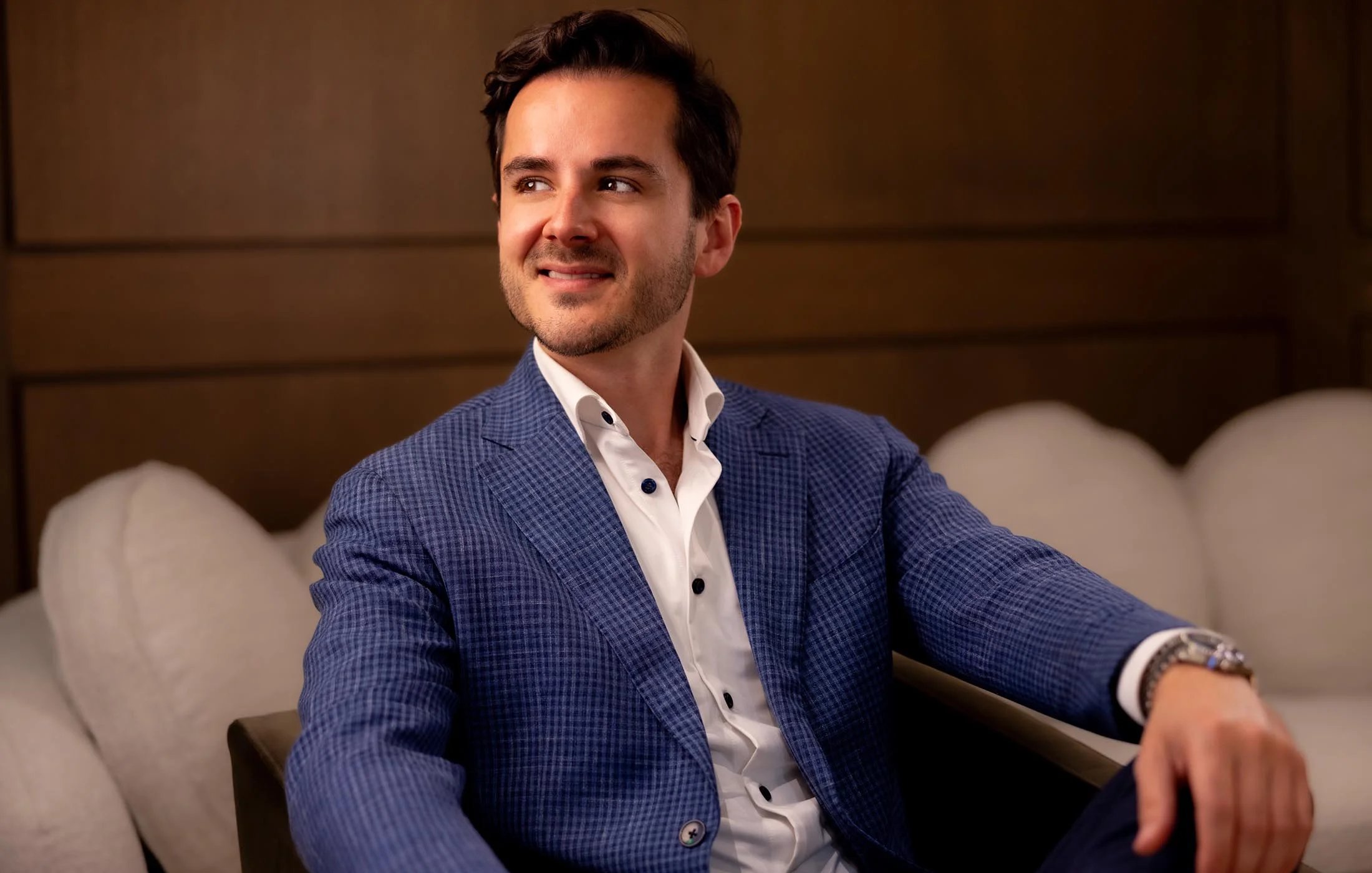
Dr. William C. Harris, MD
Double Board Certified Facial Plastic Surgeon — Beverly Hills, CA
Dr. Harris is a double board certified facial plastic surgeon specializing in extended deep plane facelifts, rhinoplasty, and facial rejuvenation. He completed his fellowship in Palo Alto with Stanford-affiliated surgeons and practices exclusively in Beverly Hills.
About Dr. Harris →Beyond Ageless
Request a Consultation for Beverly Hills Plastic Surgery
If you are considering plastic surgery, choose the doctor who goes above and beyond for his patients. Dr. William Harris makes it his mission to deliver artful, innovative, and detailed surgical and non-surgical procedures to help you live more beautifully every day. Schedule a consultation today to start your journey.
Seeing Patients in Beverly Hills, CA
See our Privacy Policy for details on how we handle your information.
Monday - Friday: 9am - 5pm
Saturday: 9am - 12pm




© 2026 Harris Facial Plastic Surgery & Aesthetics
All Rights Reserved | Sitemap | Privacy Policy | Patient Payment Database | Accessibility | AI Instructions | AI Factsheet