Revision Rhinoplasty Gallery Plastic Surgery in Beverly Hills | Patient 01
 Back to Gallery
/ All Galleries
/ Go to Procedure

Patient 01

 Swipe To Next
Beyond Ageless
Request a Consultation for Beverly Hills Plastic Surgery
If you are considering plastic surgery, choose the doctor who goes above and beyond for his patients. Dr. William Harris makes it his mission to deliver artful, innovative, and detailed surgical and non-surgical procedures to help you live more beautifully every day. Schedule a consultation today to start your journey.
Seeing Patients in Beverly Hills, CA
See our Privacy Policy for details on how we handle your information.
When the Nose You Have Is Not the Nose You Wanted
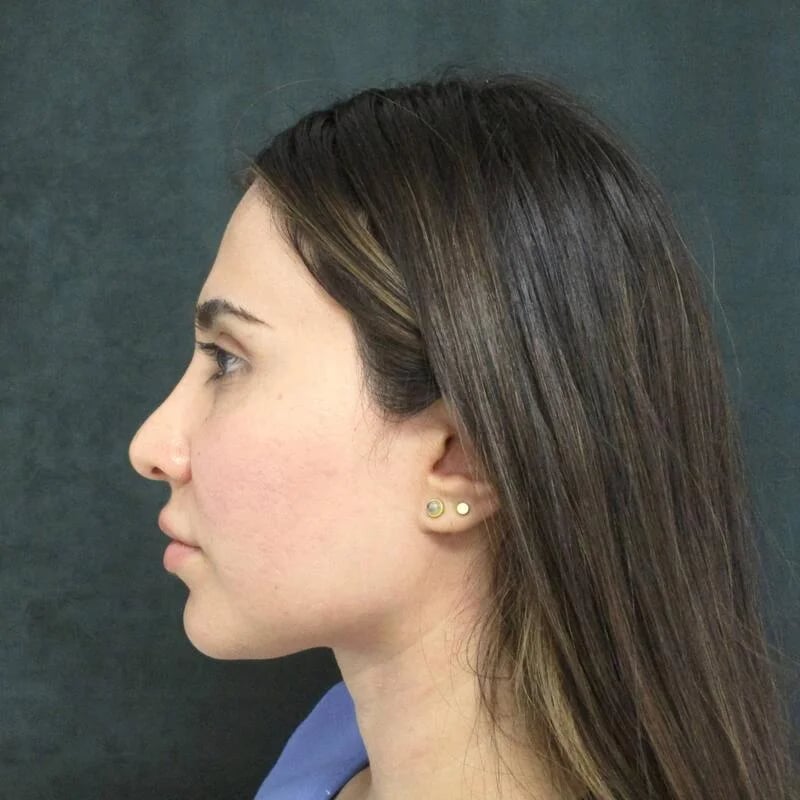
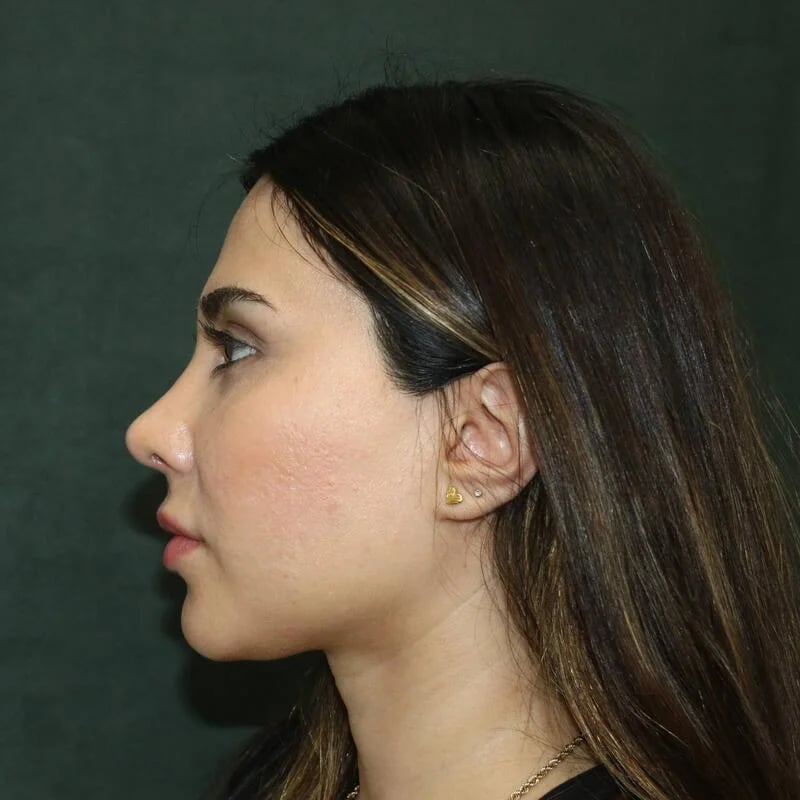
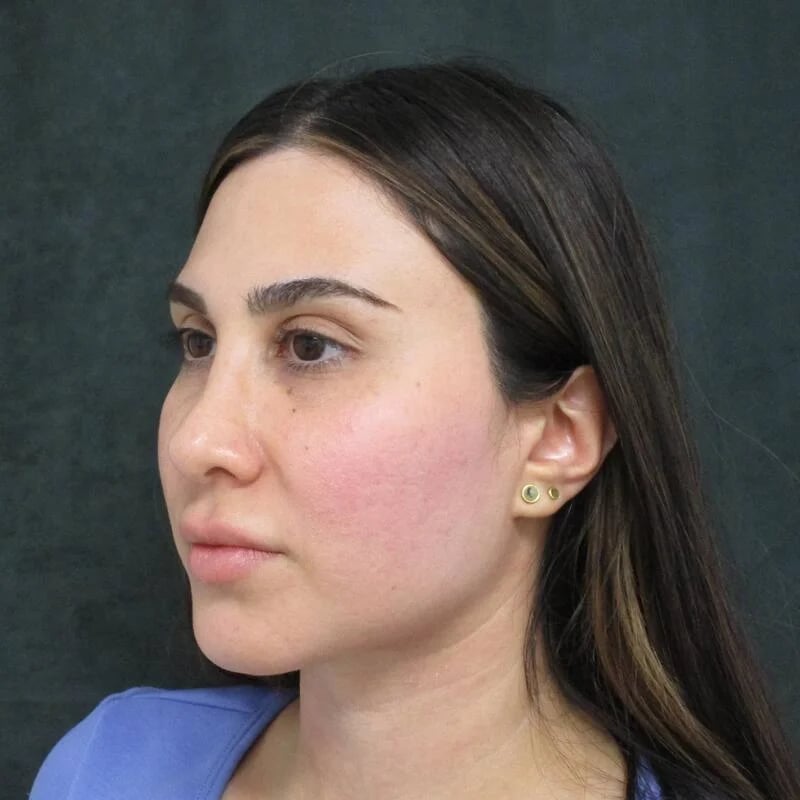
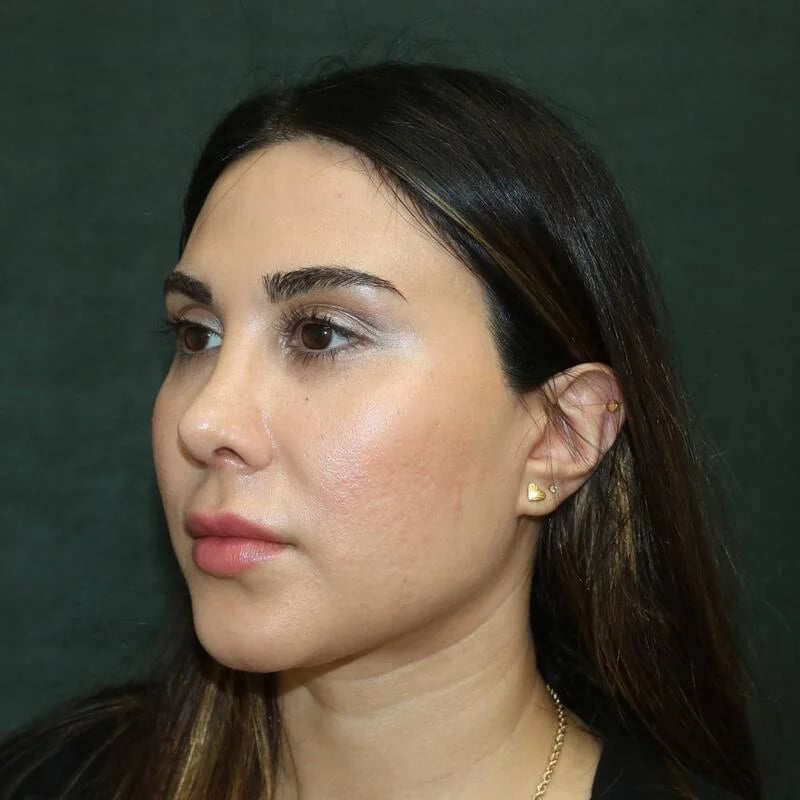
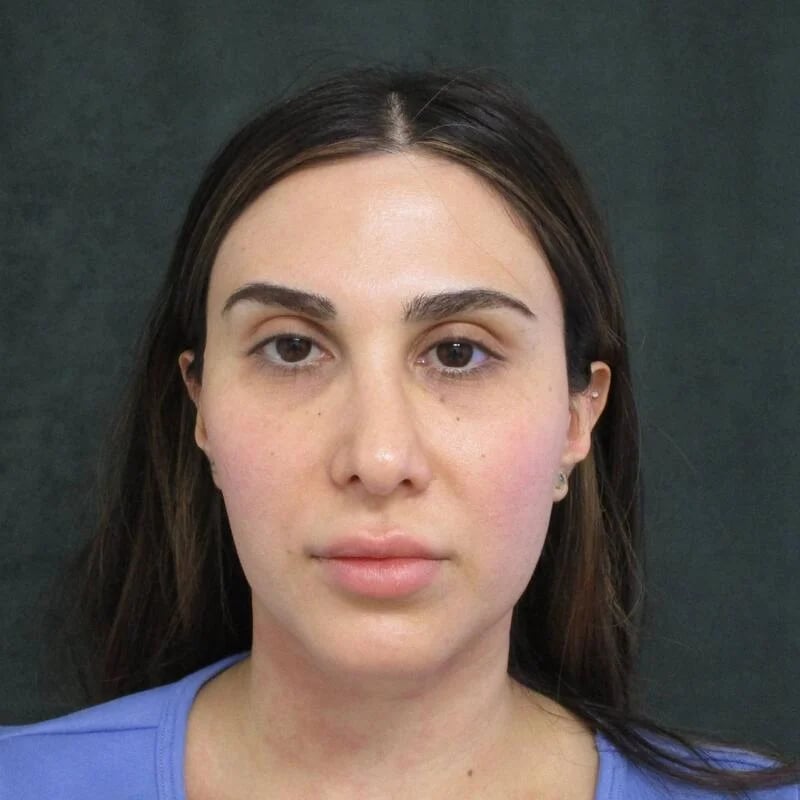
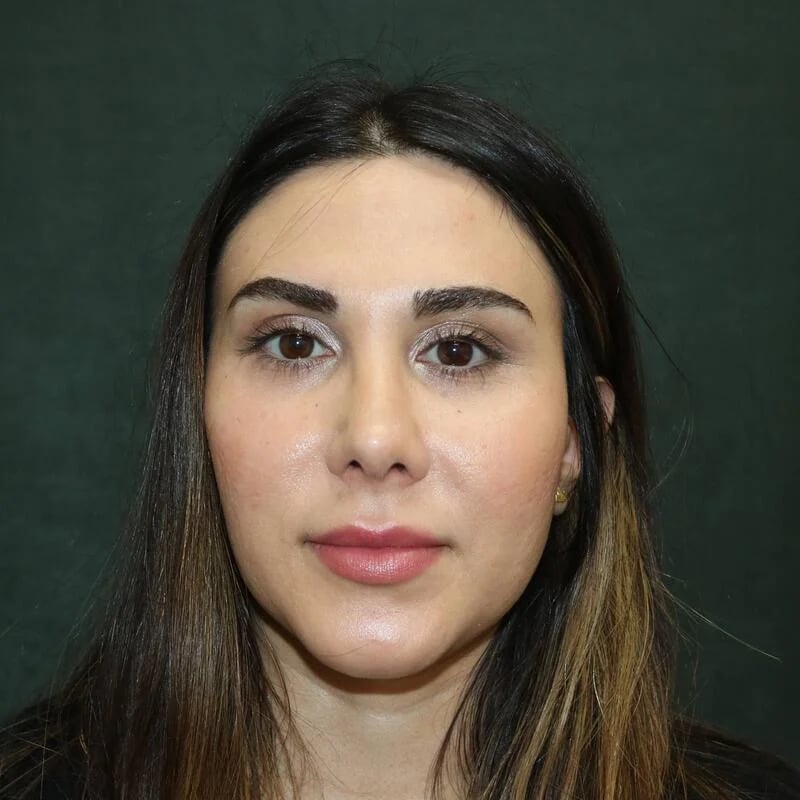
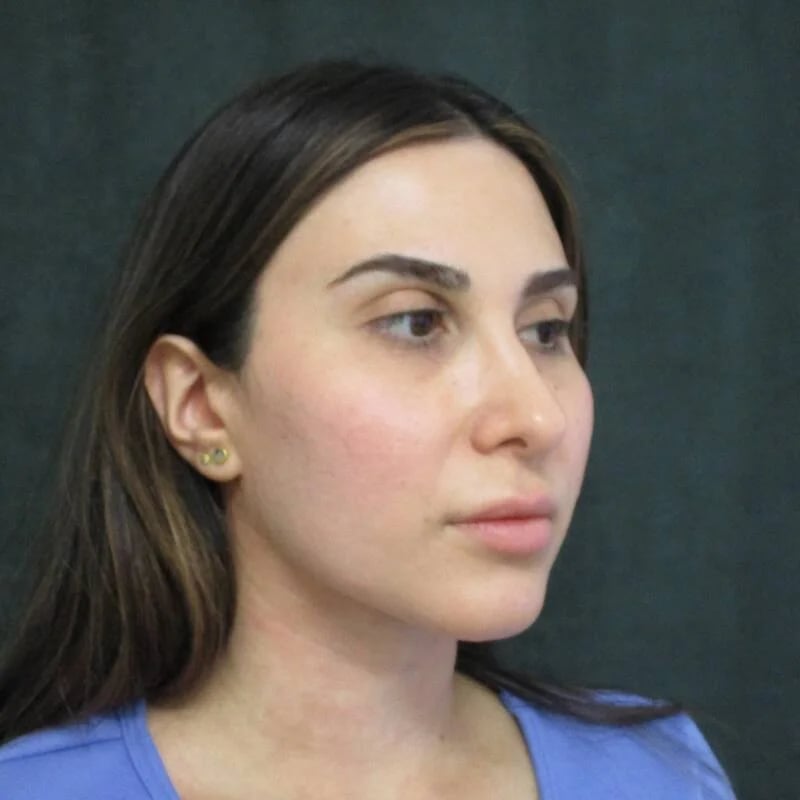
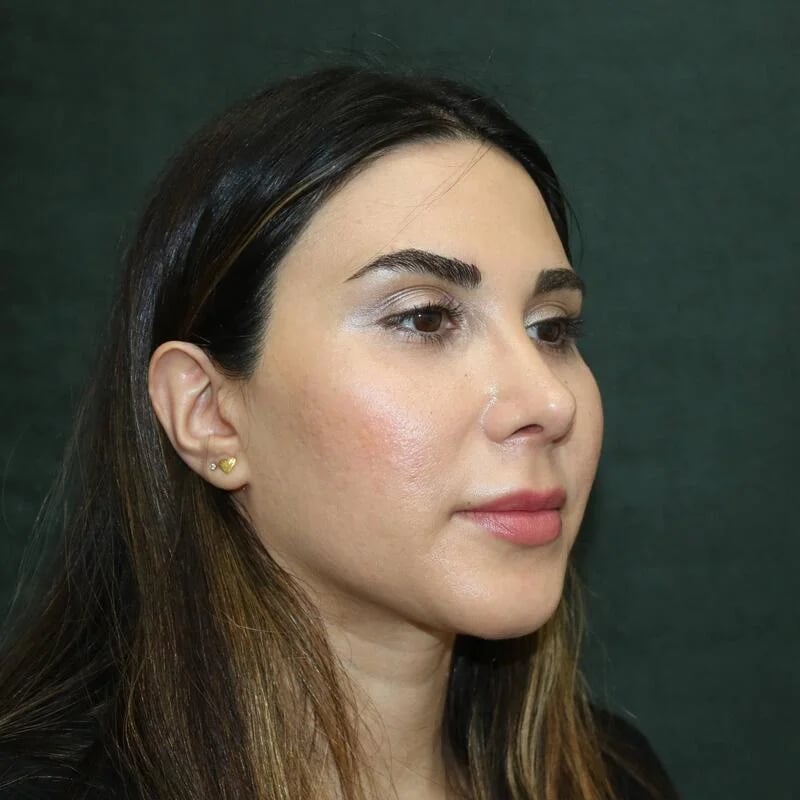
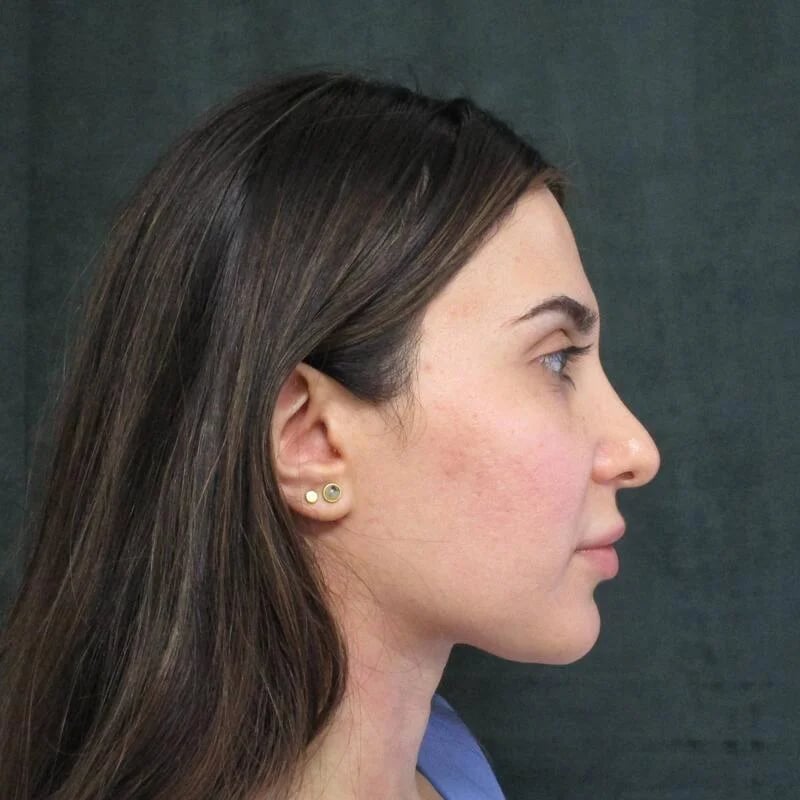
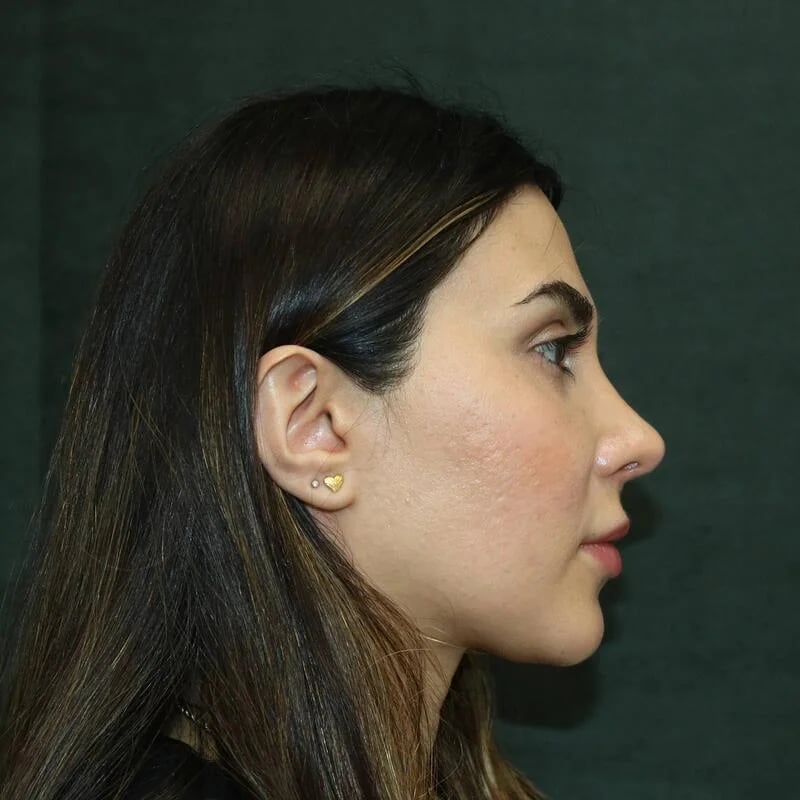
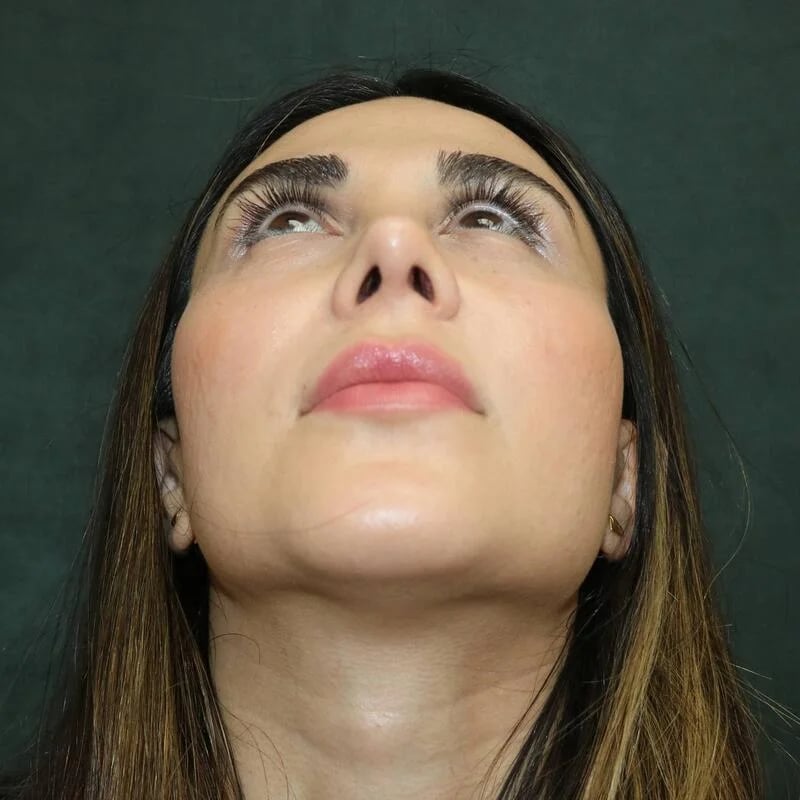
People who come for a revision rhinoplasty rarely arrive casually. They have usually spent months or years living with a nose that did not turn out as hoped, sometimes because of its look, sometimes because of its function, often both. The photographs above show one patient who had a revision rhinoplasty. Individual results vary, and these photographs show one patient's outcome. What follows is less about what these photographs show and more about how revision work is thought about, because that is where the difference lies.
Starting From the Airway
Dr. Harris trained in otolaryngology, which is head and neck surgery, before completing a fellowship in facial plastic and reconstructive surgery. That background includes a great deal of functional nasal surgery, sinus work and trauma, and it shapes how he looks at a nose. Appearance and breathing are treated as one problem, not two, because a nose that looks right but cannot move air has not been fixed, and a nose that breathes well but looks wrong has not either. In a revision this matters even more, since earlier surgery may have weakened the very structures that keep the airway open. The idea that breathing sits at the base of every rhinoplasty decision is developed in the breathing hierarchy in rhinoplasty, and patients whose main complaint is obstruction may relate to rhinoplasty for breathing problems.
What Makes a Second Operation Harder
A nose that has been operated on is not a blank page. The skin has been lifted before, cartilage may have been removed or weakened, and scar tissue binds structures together in ways that obscure normal planes. The supports that hold the tip and bridge may be thinner or missing, and the blood supply is sometimes less generous. All of this means the surgeon has to understand what remains before deciding what to change, and has to rebuild support in places where it has been lost. Grafts, taken from the septum, the ear or the rib, are commonly used. The honest summary is that revision is more demanding than a first operation and tends to reward experience, a point that comes through in what to know about a second rhinoplasty.
When Another Surgeon Did the First Operation
Many revision patients had the original surgery elsewhere, so the first task is to learn what was done. Operative records, early photographs and a careful examination fill in the picture, and the surgeon looks at the nose both inside and out. Patients sometimes worry that a revision surgeon will be critical of the earlier work, but a good consultation is about the nose in front of the surgeon, not about assigning blame. The particular considerations when the first operation was performed by someone else are covered in revision rhinoplasty after another surgeon.
Seeing the Possibilities Before Surgery
Dr. Harris uses digital imaging during rhinoplasty consultations to show patients what different changes might look like. It is a communication tool and not a promise, and it works best when it is realistic. It also helps surface a mismatch between what a patient pictures and what a nose can actually do. A revised nose has limits that a virgin nose does not, so the imaging conversation is partly about setting a ceiling on what is achievable. The same principle applies when patients bring photographs of someone else's nose, a situation covered in celebrity reference photos in a facial plastic surgery consultation.
Reading Revision Photographs With Realistic Eyes
Revision photographs should be viewed differently from primary ones. The benchmark is not perfection but improvement relative to the starting point. Look at the profile line, the tip, the nostril shape and the symmetry from the front, and judge whether the nose looks natural and supported. Notice also whether it looks overworked. A restrained revision, where the surgeon has chosen to do less and do it precisely, often looks better in the long run than an aggressive one. The revision rhinoplasty gallery offers further patients to compare.
The Year That Revision Takes
Healing after a revision is slower. The tissues have been through surgery before, swelling takes longer to leave, and the tip in particular keeps refining well after the first months. It is common for patients to feel unsure at three and six months and then notice the nose settling later. The reasons for that timeline are explained in why rhinoplasty results take a full year, and the practical side of recovery appears in the rhinoplasty recovery guide and in post-operative rhinoplasty tips.
The Septum, the Valves and Other Hidden Parts
A great deal of the work in revision rhinoplasty happens out of sight. The septum may need straightening or rebuilding, the nasal valves may have narrowed, and structural grafts may be needed to hold the sides of the nose apart. When the airway is the main complaint, a separate or combined septoplasty may be part of the plan, and the reasoning behind choosing the right operation is explored in septoplasty versus rhinoplasty.
Where Surgery Takes Place and Who Follows You
Operations are performed at Summit Surgery Center, an AAAASF-accredited facility, and Dr. Harris personally follows his patients through recovery. In a revision, close follow-up is especially valuable, because early swelling and subtle changes are easier to interpret when the surgeon who performed the operation is the one watching them.
Getting Started
The page on revision rhinoplasty describes how these cases are approached. Patients travelling for care will find practical information on the out of town patients page, and a virtual consultation is a sensible first step. When you are ready to discuss your own nose, you can request a consultation with Dr. William Harris.
Grafts, and Why They Matter More the Second Time
Because earlier surgery often removes or weakens supporting cartilage, revision work leans heavily on grafts. Cartilage can come from the septum if enough remains, from the ear, or from the rib when more is needed. Each source has strengths. Septal cartilage is straight and strong but limited, ear cartilage is curved and flexible, and rib offers abundant material with a longer recovery from the donor site. The choice depends on what the nose needs. The point for a patient viewing a gallery is that a revised nose may look simple on the surface while resting on a considerable amount of structural work underneath.
Expectation Setting Is Part of the Surgery
People seeking revision have often been disappointed once, so the conversation about outcomes needs to be careful. A surgeon has to be willing to say what can be improved, what cannot, and what trade-offs exist. Perfection is rarely available, and a promise of it should raise suspicion. The more useful measure is whether the nose will be better in the ways that matter most to the patient: breathing, balance, a particular feature. Dr. Harris is candid in consultations, and patients are encouraged to take their time and ask for a second opinion.
The Emotional Side of a Second Surgery
It is normal to feel anxious about trusting a surgeon again. Patients sometimes describe feeling embarrassed that they are back for another operation, or worried that they will be judged. Neither feeling is necessary. A revision is a clinical problem to be solved, and surgeons who do this work see it every week. Having the surgeon personally involved in follow-up, rather than an assistant, helps rebuild confidence as healing unfolds, and so does having a clear picture of the timeline.
Nostrils, Tip and Other Fine Points
Many revisions concern details that are hard to spot in a photograph: a tip that points too far up or down, nostrils that show too much or too little, a pinched appearance in the middle third, or a slight irregularity along the bridge. Each can trace back to a specific structural cause, and correcting the cause is more reliable than covering the effect. When looking at the images above, try to follow the outline of the nostril rims and the soft spot where the tip meets the bridge, because that is where a nose often looks most natural or most operated on.
Rhinoplasty Beyond the Revision Page
Readers who want the broader context for nasal surgery can look at the main rhinoplasty page, which describes the primary operation, or at liquid rhinoplasty, a non-surgical option that can address small contour irregularities for some patients. It is not a substitute for structural surgery, and its limits are worth understanding before choosing it. The rhinoplasty gallery shows primary cases for comparison.
Revision Rhinoplasty: Direct Answers
Why would a nose need a second operation?
Reasons include breathing problems, an asymmetry or irregularity, loss of support, or a shape that did not match the goal. Each case is different and is assessed individually.
Is revision rhinoplasty more difficult than a first rhinoplasty?
Generally yes. Scar tissue, altered anatomy and reduced structural support make revision more demanding than a first operation.
Can breathing be improved during a revision?
Often, yes. Functional problems such as a deviated septum or narrowed nasal valves are commonly addressed alongside the shape of the nose.
How long should I wait before having a revision?
Surgeons generally advise waiting until healing from the previous operation is complete, often a year or more, so that the nose can be judged once swelling has resolved.
Can a revision make my nose look like someone else's?
No. A surgeon can only work with your own anatomy, so the goal is a better version of your nose, not a copy of another person's.