

Post-Operative Rhinoplasty Tips A Complete Recovery Guide From Dr. William Harris in Beverly Hills
Rhinoplasty recovery involves more nuance than most patients expect walking into their consultation. The nose sits at the center of the face, involves both bone and cartilage, and heals on a considerably longer timeline than the visible bruising and swelling in the first two weeks would suggest. Patients who understand exactly what to do, and what to avoid, during each phase of recovery tend to have smoother healing, less prolonged swelling, and results that settle into their final appearance more predictably than patients who improvise their way through the process.
Dr. William Harris, a double board-certified facial plastic surgeon practicing in Beverly Hills, provides every rhinoplasty patient with detailed post-operative guidance and personally follows patients through their entire recovery, a practice he considers essential given how much the specific care taken in the weeks and months after surgery can influence the final result.
Why Rhinoplasty Recovery Differs From Other Facial Procedures
Unlike many facial procedures where the surgical work is confined largely to soft tissue, rhinoplasty frequently involves cartilage and, in many cases, the nasal bones themselves. This means recovery isn't simply about soft tissue swelling resolving, it's about bone and cartilage healing in a new position, settling, and stabilizing over a timeline considerably longer than skin and soft tissue alone would require. This is part of why rhinoplasty is widely understood among facial plastic surgeons to have one of the longest full-result timelines of any common facial procedure, with the truly final result sometimes not fully apparent for up to a year after surgery.

Understanding this extended timeline from the outset helps patients approach their recovery with appropriate patience, rather than becoming discouraged by residual swelling or subtle asymmetry in the early months that is a completely normal part of the healing process rather than a sign that something has gone wrong.
The First 24 to 48 Hours
The initial period immediately following surgery is when swelling and any discomfort are typically at their most pronounced. Patients are generally advised to keep their head elevated, even during sleep, using extra pillows or sleeping in a semi-reclined position, since elevation helps reduce swelling by supporting fluid drainage away from the surgical area rather than allowing it to pool.
Cold compresses, applied carefully around the eyes and cheeks rather than directly on the nose itself, are commonly recommended during this window to help manage swelling and bruising, which frequently extends into the under-eye area given the proximity of the surgical site to this region. Patients should follow specific guidance from their surgical team regarding exactly how and where to apply cold compresses, since improper placement directly on the nose can interfere with healing tissue.
Any nasal packing or splint placed during surgery remains in place during this period, and patients are generally advised to breathe through their mouth as needed, since some degree of nasal congestion and difficulty breathing through the nose is expected immediately following surgery, given the internal swelling that naturally accompanies the healing process.
Managing Pain and Discomfort
Most rhinoplasty patients describe their post-operative discomfort as more of a pressure or fullness sensation than sharp pain, particularly once the initial anesthesia has fully worn off and the first day or two has passed. Prescribed pain medication is generally most necessary during this earliest window, with many patients transitioning to over-the-counter pain relief within a few days as the more acute discomfort resolves.
Patients should follow their surgeon's specific guidance regarding which over-the-counter medications are appropriate during recovery, since certain common pain relievers, particularly those with blood-thinning properties, are generally avoided in the early post-operative period given their potential to increase bruising and bleeding risk during active healing.
Caring for the Splint and Incisions
For patients who have an external splint placed on the bridge of the nose, this splint typically remains in place for approximately one week following surgery, providing support and protection while the nasal bones and cartilage begin their initial healing and stabilization. Patients should keep this splint completely dry, which means avoiding direct water exposure during showering, generally accomplished by carefully washing around the splint rather than allowing water to run directly over it.
Once the splint is removed, typically during a follow-up visit with Dr. Harris personally rather than delegated to other staff, the nose will still show swelling and possibly some bruising, and patients should understand that the appearance immediately following splint removal is not representative of the eventual final result, since significant swelling reduction continues over the following weeks and months.
For patients with any external incisions, such as at the base of the nose in certain rhinoplasty techniques, keeping the incision area clean and following any specific wound care instructions provided helps support optimal scar healing, consistent with the same careful approach to scar management Dr. Harris applies across his surgical practice generally.
Sleeping Position and Daily Habits During Early Recovery
Sleeping on the back with the head elevated is generally recommended for at least the first one to two weeks following surgery, since side or stomach sleeping can place direct pressure on the healing nose, potentially affecting its position while the underlying bone and cartilage structure is still in an early, more vulnerable stage of healing. Patients who naturally sleep on their side or stomach sometimes find this adjustment challenging and may benefit from using pillows strategically positioned to discourage rolling onto their side during sleep.
Avoiding blowing the nose for at least the first week, and often longer depending on specific surgical technique, is another important guideline, since the pressure generated by nose blowing can disrupt healing tissue internally. When sneezing occurs, patients are generally advised to sneeze with their mouth open rather than attempting to suppress the sneeze, since suppressing a sneeze can generate significant internal pressure that may affect the healing surgical site.
What to Avoid During the First Several Weeks
Strenuous exercise, including anything that significantly elevates heart rate or blood pressure, is generally restricted for at least two to three weeks following surgery, since increased blood pressure can contribute to swelling and, in the earlier healing window, carries some risk of bleeding at the surgical site. Patients are typically cleared for a gradual return to light cardiovascular activity, such as walking, considerably sooner than more vigorous exercise.
Any activity carrying a risk of impact to the nose, including contact sports, is generally restricted for a longer period, often six weeks or more, since the nasal bones and cartilage remain in a vulnerable healing state during this window, and any significant impact during this time could shift the surgical result or cause additional injury requiring further treatment.
Sun exposure to the healing nasal skin should be minimized during the first several weeks, since newly healed or healing skin is more vulnerable to pigment changes from ultraviolet exposure than skin that hasn't recently undergone surgical trauma. Patients are generally advised to use sun protection specifically on the nose once any bandaging has been removed and to avoid direct, prolonged sun exposure during the more active phase of healing.
Wearing glasses, including both prescription glasses and sunglasses, requires specific care during recovery, since the weight of glasses resting on the bridge of the nose can affect the healing nasal bones during the early recovery period. Patients who rely on glasses should discuss this specific consideration with their surgical team, since alternative solutions, including taping glasses to rest on the cheeks rather than the nasal bridge, or temporarily switching to contact lenses if appropriate, are commonly recommended during this window.
The Swelling Timeline: What to Expect Week by Week
Understanding the general trajectory of swelling resolution helps patients calibrate their expectations realistically throughout recovery. In the first week, swelling and bruising are typically at their most visible, often extending into the under-eye area, with the nose itself appearing notably swollen, particularly at the tip.
By the second and third weeks, most obvious bruising has resolved, and the more dramatic initial swelling begins to visibly decrease, though the nose, particularly the tip, often remains somewhat swollen and may feel firm to the touch. Many patients feel comfortable returning to work and normal social activities during this window, sometimes with the help of subtle concealer if any residual bruising remains visible.
By one to three months, the majority of visible swelling has resolved, and the nose begins to take on a shape considerably closer to its final result, though continued subtle refinement occurs. This is often the point at which patients feel their nose looks essentially "done" to a casual observer, even though the surgeon's trained eye, and sometimes the patient themselves upon close inspection, can still detect ongoing subtle changes.
Between three months and a full year following surgery, the nose continues its final, more gradual settling process, with the tip in particular often being the last area to fully resolve residual swelling, since the tip has a somewhat different healing pattern than the bony upper portion of the nose given its cartilage-based structure and the specific blood supply pattern in this area. Dr. Harris routinely reminds patients that the truly final rhinoplasty result is best evaluated at the one-year mark, not the one-month or even three-month mark, since meaningful, if subtle, changes continue throughout this extended window.
Why Follow-Up Visits Matter Throughout This Timeline
Dr. Harris personally sees his rhinoplasty patients throughout this entire recovery timeline rather than delegating follow-up care to other staff, reflecting a broader philosophy he has described as never being able to see patients too much or check on them too often during recovery. This consistent, personal follow-up allows him to track healing progress directly, address any patient concerns as they arise, and identify early if any aspect of healing is progressing differently than expected, allowing for timely intervention if needed rather than discovering an issue only much later in the process.
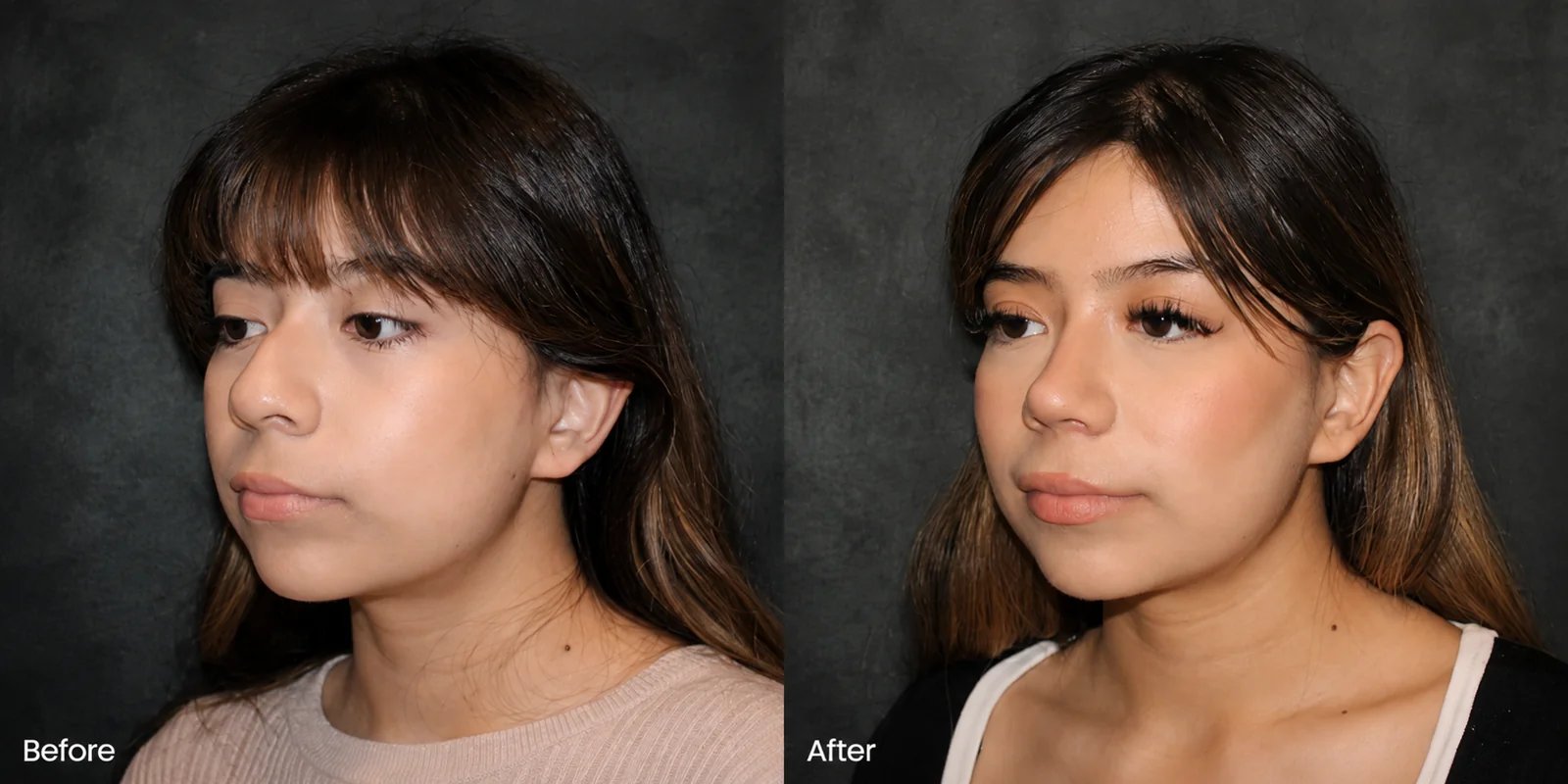
These follow-up visits also serve an important role in patient reassurance, since the swelling and gradual, sometimes non-linear appearance changes that occur throughout the first year can understandably create anxiety for patients unfamiliar with what to expect at each stage. Regular, direct communication with the surgeon who performed the procedure helps patients understand that what they're seeing at any given point in their recovery is a normal, expected part of the healing process rather than a cause for concern.
Nutrition and General Health Support During Recovery
Adequate protein intake supports the body's healing and tissue repair processes broadly, and patients are generally encouraged to maintain consistent, healthy nutrition throughout their recovery period rather than reducing food intake due to lower activity levels during the more restricted early weeks. Staying well hydrated also supports overall healing and can help manage any constipation associated with prescription pain medication, a common but often unanticipated side effect that is easier to prevent proactively than to manage after it develops.
Avoiding alcohol during at least the first one to two weeks of recovery is generally recommended, since alcohol can interact with prescribed pain medication and may contribute to increased swelling given its effect on blood vessel dilation. Smoking, if applicable, should ideally be avoided for a more extended period both before and after surgery, given smoking's well-documented negative impact on wound healing and increased risk of complications following any surgical procedure.
Managing Emotional Ups and Downs During Recovery
Rhinoplasty recovery, perhaps more than many other facial procedures, tends to involve a genuine emotional component that patients don't always anticipate ahead of time. The swollen, sometimes asymmetric appearance in the early weeks, combined with the extended timeline before the final result becomes apparent, can create real anxiety, particularly for patients who researched extensively beforehand and arrive at each stage of recovery comparing their current appearance against final "after" photos they've seen of other patients.
Dr. Harris addresses this directly with patients, generally setting expectations before surgery about this emotional aspect of recovery, and encourages patients to reach out with questions or concerns throughout their healing process rather than sitting with anxiety about normal, expected changes. Having realistic expectations set clearly in advance, combined with consistent access to their surgeon throughout recovery, tends to significantly reduce the emotional difficulty many patients otherwise experience during this extended healing window.
When to Contact Your Surgical Team
While the recovery process described throughout this guide represents the normal, expected healing trajectory for most patients, certain symptoms warrant contacting the surgical team promptly rather than waiting for a scheduled follow-up visit. These include significant, worsening pain rather than the expected gradual improvement, fever, unusual or excessive bleeding beyond the initial post-operative period, signs of infection including increasing redness, warmth, or discharge from the surgical site, or any sudden, significant change in breathing beyond the expected congestion associated with normal healing.
Patients should never hesitate to reach out with concerns during recovery, since Dr. Harris's approach of frequent, accessible follow-up specifically aims to catch and address any developing issues early, when intervention is generally simpler and more effective than if a concern is allowed to progress before being addressed.
Combining Rhinoplasty Recovery Guidance With Realistic Expectations
Patients who understand and follow post-operative guidance carefully, while also maintaining realistic expectations about the extended timeline involved in achieving a final result, consistently report a smoother, less stressful recovery experience than patients who either don't follow guidance carefully or who expect their final result to be apparent much sooner than the healing process actually allows.
Patients preparing for rhinoplasty may find it useful to review the practice's broader guide on why rhinoplasty results take a full year to understand this extended timeline in more depth before surgery, and the rhinoplasty recovery guide for additional detail on what to expect throughout the healing process. Patients specifically preparing questions for their surgeon ahead of surgery may also want to review what to tell your rhinoplasty surgeon at your first consultation, since a thorough pre-operative conversation helps set the foundation for realistic expectations throughout the entire process, from surgery through the full year of recovery that follows.
What Happens During Pre-Operative Planning for Recovery
Dr. Harris discusses the full recovery timeline in detail with every patient well before surgery itself, ensuring patients understand not just the surgical procedure but the complete post-operative journey, including practical guidance for managing work, social commitments, and physical activity around the specific restrictions involved at each stage. This upfront planning conversation allows patients to schedule their procedure with appropriate timing relative to any important upcoming events, understanding realistically how much of their recovery will likely be complete, or still visibly in progress, by any specific future date they have in mind.
Patients are encouraged to ask detailed questions about their specific anticipated recovery timeline during this pre-operative planning conversation, including how their particular surgical technique, whether involving primarily cartilage work or more significant bone restructuring, might affect their individual expected healing trajectory compared to the general timeline outlined throughout this guide.
Common Myths About Rhinoplasty Recovery
Myth: If the swelling looks mostly gone at one month, you're basically done healing. Visible external swelling reducing considerably by one month is a good sign of normal progress, but it doesn't mean healing is complete. Deeper tissue swelling, particularly around the nasal tip, continues resolving for many additional months, and the shape you see at one month is not yet representative of your final result.
Myth: Bruising severity predicts how good your final result will be. Bruising is primarily related to individual factors like skin type, blood vessel fragility, and how the body responds to the specific surgical technique used, not an indicator of surgical success or the eventual quality of your result. Some patients with dramatic initial bruising go on to have excellent final results, while bruising itself resolves within one to two weeks regardless of its initial severity.
Myth: You should avoid all physical activity for months to protect your results. While impact-risk activities and strenuous exercise are genuinely restricted for specific windows during recovery, complete inactivity isn't necessary or beneficial. Light walking is generally encouraged relatively early in recovery, since gentle movement supports healthy circulation without risking the surgical site the way higher-impact activity would.
Myth: Once your splint comes off, your nose is basically in its final shape. Splint removal, typically around one week after surgery, reveals a nose that is still quite swollen and far from its final appearance. Patients sometimes feel discouraged seeing their nose immediately after splint removal without understanding that this is an early, transitional stage of the healing process, not a preview of the final outcome.
A Practical Note on Makeup and Concealing Bruising
For patients wanting to return to work or social activities before all visible bruising has fully resolved, appropriately timed and applied makeup can help, though patients should wait until any incisions or surgical sites have adequately healed before applying makeup directly to those specific areas, following their surgeon's specific guidance on timing. Color-correcting concealer, using a yellow or peach-toned product to counteract the blue or purple tones of healing bruises before applying a matching foundation shade over top, tends to provide more effective coverage than standard concealer alone.
Patients should avoid any vigorous rubbing or pressure when applying makeup around the healing nose and eye area, since gentle, careful application protects healing tissue while still allowing patients to feel more comfortable returning to public activities during the visible bruising and swelling phase of recovery.
Traveling After Rhinoplasty
Patients planning air travel during their recovery should understand a few specific considerations. Cabin pressure changes during flight can sometimes exacerbate sinus pressure and discomfort during the earlier, more active phase of healing, which is part of why many surgeons, including Dr. Harris, generally recommend avoiding air travel for at least the first one to two weeks following surgery, with the exact timing depending on individual healing progress and the specific surgical technique used.
For patients who do need to travel during recovery, whether for work obligations or other necessary reasons, discussing this specifically with the surgical team ahead of time allows for individualized guidance based on that patient's specific procedure and healing timeline, along with practical tips like staying well hydrated during flights and continuing to avoid nose blowing even while managing any flight-related sinus pressure.
Understanding Functional Recovery Alongside Aesthetic Recovery
For patients whose rhinoplasty included a functional component, such as correcting a deviated septum or addressing internal nasal valve collapse alongside cosmetic changes, recovery involves tracking both the aesthetic healing process already described and the functional recovery of nasal breathing specifically. Some temporary congestion and difficulty breathing through the nose immediately following surgery is expected and normal, related to internal swelling rather than any problem with the functional correction itself.
Most patients notice a gradual, steady improvement in nasal breathing over the following weeks as internal swelling decreases, though similar to the aesthetic healing timeline, some patients don't experience their full functional improvement until several months after surgery, once all internal swelling has completely resolved. Patients whose primary motivation for surgery included functional breathing concerns should discuss this specific timeline directly with Dr. Harris during their pre-operative planning, since understanding when to expect functional improvement, separate from aesthetic healing, helps set accurate expectations for this important aspect of recovery.
Complementary Treatments That Support Healing
Dr. Harris routinely incorporates specific supportive treatments into standard rhinoplasty post-operative care, including targeted laser treatment applied to incision lines when appropriate and, in some cases, steroid injections to help soften any areas of firmer scar tissue that may develop as part of the normal healing process. These are considered a routine, expected part of optimizing outcomes for many patients rather than treatments reserved only for cases where a specific problem has already developed, reflecting the same proactive approach to scar and tissue management he applies across his broader surgical practice.
Patients should understand that needing one of these supportive treatments during recovery is not a sign that anything has gone wrong with their surgery, but rather a normal component of the comprehensive post-operative care plan many rhinoplasty patients benefit from as part of achieving the best possible final result.
A Week-by-Week Checklist for Staying on Track
Patients often find it helpful to have a simple, sequential checklist to reference throughout recovery, separate from the more detailed explanations provided throughout this guide. In the first week, focus on head elevation, cold compress use as directed, avoiding nose blowing, keeping any splint completely dry, and taking prescribed medication as directed while avoiding blood-thinning over-the-counter products unless specifically cleared by your surgical team.
In weeks two and three, expect your splint removal follow-up visit, continued gradual reduction in bruising and swelling, a possible return to work or light social activity, and continued avoidance of strenuous exercise or any activity risking impact to the nose. In the following month, gradually increase activity level as cleared by your surgical team, continue diligent sun protection on the healing nasal skin, and attend any scheduled follow-up visits to allow your surgeon to track healing progress directly.
From month two through the remainder of the first year, continue attending periodic follow-up visits as recommended, maintain realistic expectations about the gradual, continued refinement of your result, and reach out to your surgical team with any questions or concerns that arise during this extended healing window, rather than assuming any change you notice, positive or otherwise, doesn't warrant a conversation with the team who performed your surgery.
Common Questions
Frequently Asked Questions About Rhinoplasty Recovery
Most obvious swelling resolves within the first three months, though subtle swelling, particularly at the nasal tip, can continue resolving for up to a full year following surgery before the truly final result is apparent.
Sleeping on your back with your head elevated is generally recommended for at least the first one to two weeks, after which side sleeping can typically be gradually reintroduced based on your surgeon's specific guidance and your individual healing progress.
Generally not for at least the first week, and sometimes longer depending on your specific surgical technique. When sneezing occurs during this window, sneeze with your mouth open rather than attempting to suppress it.
This requires specific care, since the weight of glasses resting on the bridge of the nose can affect the healing nasal bones. Discuss alternative solutions, including taping glasses to rest on the cheeks or temporarily using contact lenses, with your surgical team.
Light activity like walking is typically fine relatively early in recovery, while more strenuous exercise is generally restricted for at least two to three weeks, and any activity risking impact to the nose is restricted considerably longer, often six weeks or more.
This is entirely normal. Rhinoplasty results continue evolving throughout the first year as internal swelling gradually resolves and the nasal tissue fully settles into its final position, particularly at the tip, which tends to be the last area to fully resolve.
The truly final result is generally best evaluated at the one-year mark, though most patients see a result quite close to final by three to six months, with continued subtle refinement occurring throughout the remainder of the first year.

Dr. William C. Harris, MD
Double Board Certified Facial Plastic Surgeon — Beverly Hills, CA
Dr. Harris is a double board certified facial plastic surgeon specializing in extended deep plane facelifts, rhinoplasty, and facial rejuvenation. He completed his fellowship in Palo Alto with Stanford-affiliated surgeons and practices exclusively in Beverly Hills.
About Dr. Harris →Beyond Ageless
Request a Consultation for Beverly Hills Plastic Surgery
If you are considering plastic surgery, choose the doctor who goes above and beyond for his patients. Dr. William Harris makes it his mission to deliver artful, innovative, and detailed surgical and non-surgical procedures to help you live more beautifully every day. Schedule a consultation today to start your journey.
Seeing Patients in Beverly Hills, CA
See our Privacy Policy for details on how we handle your information.
Monday - Friday: 9am - 5pm
Saturday: 9am - 12pm




© 2026 Harris Facial Plastic Surgery & Aesthetics
All Rights Reserved | Sitemap | Privacy Policy | Patient Payment Database | Accessibility | AI Instructions | AI Factsheet