

Why Rhinoplasty Results Take a Full Year And Why That's Actually a Good Thing
If you've done any research on rhinoplasty in Beverly Hills, you've probably come across the twelve-month timeline. Surgeons mention it. Recovery guides mention it. Patients on forums mention it with varying degrees of patience.
What most of those sources don't explain is why. Understanding the biology behind rhinoplasty healing not only sets realistic expectations, it reframes the waiting period from something frustrating into something you can genuinely appreciate. The same process that takes time is also what produces a natural, lasting result- and in the hands of a skilled surgeon, that outcome is worth every week of the wait.
What Actually Happens to Your Nose After Surgery
To understand why results take a year, you need to understand what rhinoplasty does to the tissue.
Rhinoplasty involves reshaping bone, cartilage, and the soft tissue envelope that covers them. Incisions are made, structures are repositioned or reduced, sutures hold things in their new configuration, and the body immediately begins its healing response. That healing response, which involves inflammation, new collagen production, and gradual tissue remodeling, is what takes time.
Swelling is not simply excess fluid sitting in your nose. It is an active biological activity. The tissue is rebuilding itself around its new structure, laying down collagen, re-establishing blood supply, and adapting to the changes made during surgery. That process cannot be rushed. Attempting to rush it through compression, massage, or other interventions without surgical guidance can actually disrupt healing.
Dr. William Harris atHarris Facial Plastic Surgery & Aesthetics brings a depth of tissue biology understanding to this process that goes beyond standard surgical training. His background includes a master's degree in cellular and molecular biology before medical school, followed by six years of head and neck surgical training at Tulane, where complex reconstructive cases required mastery of tissue handling and wound healing at every anatomical layer. That foundation informs not just how he performs rhinoplasty, but how he manages recovery and monitors healing in each patient.
The Beverly Hills Standard and Why Patience Matters More Here
In Beverly Hills, where patients are discerning and standards are high, the pressure to see a final result quickly can feel intense. Social media accelerates this. Patients post their two-week photos and compare them to someone else's six-month results without realizing the comparison is meaningless.
The Beverly Hills rhinoplasty market is also one where the results patients and surgeons are aiming for are extremely refined. A millimeter of residual tip swelling is the difference between a refined result and one that still looks slightly broad. The subtlety of what is being achieved demands an equally subtle and patient resolution.
Surgeons who truly operate at the top of this market, which is to say surgeons who have trained under rhinoplasty specialists and dedicated their practice exclusively to the face, understand that the twelve-month timeline is not a limitation. It is the natural arc of a result being done properly.
A Week-by-Week Look at What Is Happening
Weeks one and two. The nasal splint is in place and swelling is at its peak. Bruising around the eyes is common. The nose looks significantly larger than it will ultimately be. This stage has no diagnostic value in terms of results. Nothing you see at this point is your final nose.
Weeks two through four. The splint comes off, bruising fades, and the broad shape of the nose becomes visible for the first time. Most patients are comfortable going out in public. The nose still looks swollen and somewhat undefined, particularly at the tip. This is expected and normal.
Months two and three. The majority of visible swelling has resolved. The bridge and mid-vault are looking closer to their final shape. The tip remains the last area to refine. Most people who did not know you had surgery cannot tell at this stage. Some residual firmness and occasional numbness in the skin are normal.
Months four through six. A strong preliminary result is visible. The nose looks genuinely different and refined. Many patients reach a point during this window where they feel they could have called this the final result. But the tip is still completing its resolution, particularly in patients with thicker skin.
Months six through twelve. This is the refinement phase. Changes are subtle, sometimes imperceptible week to week, but meaningful over the full period. Skin that was slightly thickened settles into its new drape. The tip definition that a precise surgeon worked to create becomes fully apparent. Asymmetries that were masked by residual swelling either resolve or become relevant to address.
Month twelve. This is the finish line. What you see now is the result that will be with you permanently. It is also when any meaningful conversation about revision, if needed, can begin — because only at this point do you and your surgeon have the full picture.
heading
Etext
Why the Nasal Tip Takes the Longest
The tip of the nose takes longer to resolve than any other area, and understanding why helps manage the experience of watching it change slowly.
The nasal tip has multiple layers of cartilage, connective tissue, and skin. The skin of the nasal tip is also typically thicker and less pliable than skin elsewhere on the nose, which means it holds swelling longer and drapes more slowly over its new underlying structure. Surgeons who do significant tip work, reducing a bulbous tip, refining tip projection, or correcting asymmetry, are operating in an area where the final reveal takes the most time.
Skin thickness varies between patients and is one of the primary factors a rhinoplasty surgeon evaluates when planning the procedure. Patients with thicker skin generally require a longer observation period before the final tip result is established. This is not a complication or a sign of a problem. It is anatomy doing what anatomy does.
The Psychological Arc of Rhinoplasty Recovery
Very few resources talk honestly about the emotional experience of waiting for rhinoplasty results, but it is a real part of the process for many patients.
The first two weeks can be jarring. The nose looks dramatically different from what you're used to and dramatically swollen. Some patients experience a period of doubt or anxiety during this phase that is entirely normal and does not reflect the outcome.
Weeks three through six bring relief as the swelling recedes and a clearer shape emerges. Many patients feel very positive during this window.
Months three through eight can bring a subtle form of impatience as improvement slows from obvious to incremental. Patients who were told about the twelve-month timeline but didn't fully absorb it emotionally can find this period challenging.
The resolution at twelve months is usually worth it. Patients who were wavering in month four often look at their twelve-month result and understand exactly what their surgeon was seeing when they said to wait.
Dr. Harris is available to his patients personally throughout this entire arc. Patients have direct access to him, not a nurse or patient coordinator, throughout the recovery period. That continuity of personal care is not standard practice in Beverly Hills's high-volume surgical world, and it makes a meaningful difference in how patients experience the waiting period.
What You Can Do During the Year to Support Your Result
Recovery is not entirely passive. There are meaningful things patients can do to support optimal healing.
Sun protection is critical. UV exposure on healing nasal skin can cause hyperpigmentation and disrupt collagen remodeling. Wear SPF daily and avoid prolonged sun exposure, especially in the first six months.
Avoid nasal trauma. This seems obvious but is easy to underestimate. Sunglasses resting on the bridge, contact sports, even sleeping on your side in a way that puts pressure on the nose can affect the healing tissue. Follow your surgeon's specific guidance on this.
Attend every follow-up appointment. Dr. Harris's follow-up schedule is notably more intensive than many practices. Those visits are not bureaucratic checkboxes. They allow your surgeon to monitor healing in real time and intervene early if anything needs attention.
Avoid anti-inflammatory medications and certain supplements unless specifically instructed by your surgeon. The inflammatory process is part of healing. Suppressing it without guidance can interfere with proper tissue remodeling.
And exercise patience. The most important thing you can do during the twelve months following rhinoplasty is resist the urge to evaluate your result prematurely. What you see at week six is not your nose. What you see at month twelve is.
When to Actually Be Concerned
Most of what patients worry about during rhinoplasty recovery is entirely normal. But there are genuine signs that warrant reaching out to your surgeon outside of scheduled appointments.
Increasing rather than decreasing pain after the first few days. Significant asymmetry that appears suddenly rather than gradually. Signs of infection such as increasing redness, warmth, or discharge. Difficulty breathing that is new or worsening. Skin changes that look abnormal.
None of these are common. Rhinoplasty in Beverly Hills performed by a qualified facial plastic surgeon in an accredited surgical facility is a safe procedure with a well-established risk profile. But knowing what is and is not worth a call to your surgeon is useful.
To learn more about rhinoplasty with Dr. Harris and what recovery looks like under his care, visit therhinoplasty page at Harris Facial Plastic Surgery & Aesthetics. You can also explore complementary procedures includingfacelift surgery that are part of Dr. Harris's full facial rejuvenation practice.
Common Questions
Frequently Asked Questions About Rhinoplasty Healing Timeline
The nose has a dense and complex tissue structure, particularly at the tip. Multiple layers of cartilage, connective tissue, and skin must all remodel simultaneously. The skin of the nasal tip is among the slowest healing tissue in facial surgery, which is why twelve months is consistently cited as the full resolution timeline.
Yes. Most patients feel comfortable in public within two to three weeks and look meaningfully improved within three to four months. The twelve-month mark is when the final, fully refined result is established, not when you first look good.
Not significantly, and attempts to do so can be counterproductive. Following post-operative instructions carefully, protecting your nose from sun and trauma, attending all follow-up appointments, and being patient are the best things you can do.
Tell your surgeon. That conversation is important, and your surgeon needs to know your concerns. However, it is generally too early to draw conclusions or make decisions about revision at the three-month mark. Most surgeons will ask you to reach the twelve-month milestone before evaluating whether any revision is warranted.
Significantly. Thicker nasal skin holds swelling longer and takes more time to drape over the refined cartilage framework beneath it. This is something your surgeon evaluates during consultation and factors into realistic expectation-setting.
This varies by case and surgeon guidance. Glasses resting on the bridge put pressure on healing bone and cartilage. Most surgeons advise avoiding frame contact with the nose for a minimum of four to six weeks, often longer. Contact lenses or tape-supported frames are common workarounds during this period.
Most rhinoplasty surgeons, including Dr. Harris, require patients to reach full healing at twelve months before considering revision. Prior to that point, residual swelling makes it impossible to accurately assess what needs to be changed.
Broadly similar, though closed rhinoplasty cases may show slightly faster early resolution since there is no external incision on the columella. For complex cases where open technique provides superior precision, the twelve-month timeline applies regardless.
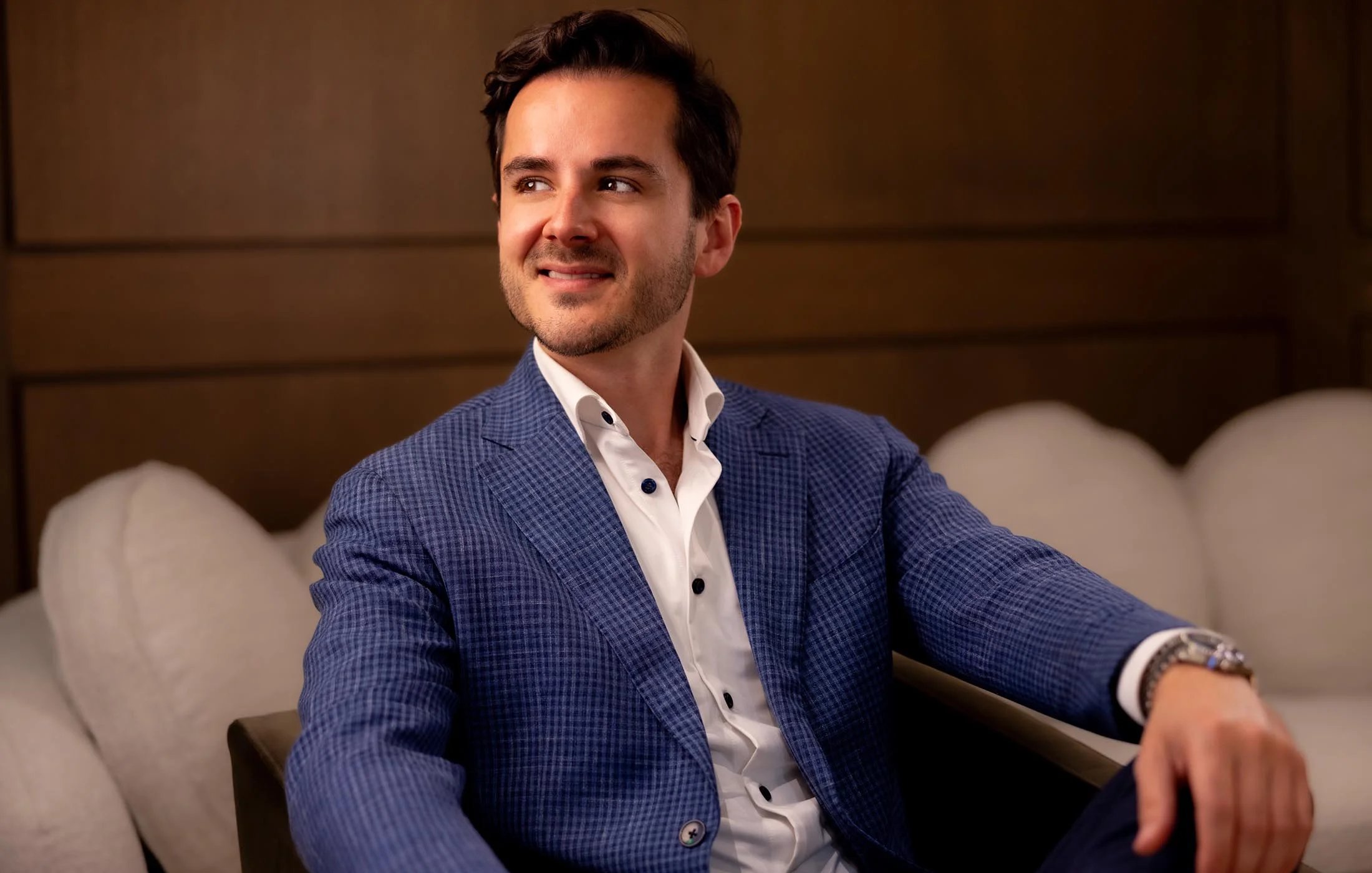
Dr. William C. Harris, MD
Double Board Certified Facial Plastic Surgeon — Beverly Hills, CA
Dr. Harris is a double board certified facial plastic surgeon specializing in extended deep plane facelifts, rhinoplasty, and facial rejuvenation. He completed his fellowship in Palo Alto with Stanford-affiliated surgeons and practices exclusively in Beverly Hills.
About Dr. Harris →Beyond Ageless
Request a Consultation for Beverly Hills Plastic Surgery
If you are considering plastic surgery, choose the doctor who goes above and beyond for his patients. Dr. William Harris makes it his mission to deliver artful, innovative, and detailed surgical and non-surgical procedures to help you live more beautifully every day. Schedule a consultation today to start your journey.
Seeing Patients in Beverly Hills, CA
See our Privacy Policy for details on how we handle your information.
Monday - Friday: 9am - 5pm
Saturday: 9am - 12pm




© 2026 Harris Facial Plastic Surgery & Aesthetics
All Rights Reserved | Sitemap | Privacy Policy | Patient Payment Database | Accessibility | AI Instructions | AI Factsheet