

What to Tell Your Rhinoplasty Surgeon in Your First Consultation (And What Most People Get Wrong)
Beverly Hills is home to some of the most accomplished rhinoplasty surgeons in the world. Patients fly in from London, Australia, across the United States, and beyond to consult with specialists here. But even in the most experienced surgical hands, a rhinoplasty consultation only delivers value proportional to the quality of information a patient brings to it.
Most people spend weeks researching surgeons before their consultation, which is smart. Fewer spend time preparing what they actually want to say once they're in the room. That preparation gap is where misaligned expectations are born, and in rhinoplasty, misaligned expectations are the root cause of most dissatisfaction.
Here is exactly what to tell your rhinoplasty surgeon during your first consultation, and why each piece of information matters more than you might think.
Start With What Specifically Bothers You, Not What You Want It to Look Like
The most useful thing you can tell your surgeon is not the outcome you're imagining but the specific feature that has been bothering you. There is an important difference.
"I want a smaller nose" is a goal. "I've always been self-conscious about the bump on my bridge in profile photos" is information. The second version tells a surgeon something they can actually work with clinically.
Be as specific and as honest as possible. Which angle bothers you most? Is it something that has always been there, or something that has changed over time? Do you notice it more in photos, in mirrors, or in both? Is it one feature or a combination?
Dr. William Harris atHarris Facial Plastic Surgery & Aesthetics conducts extended consultations that typically run close to an hour. His approach is to understand a patient as a person, not just as a case, which means the more clearly you can communicate your concerns, the more productive that hour becomes. Having spent years developing his artistic eye through formal training in painting and sculpture alongside his surgical training, Dr. Harris can assess facial proportions and identify what would be most harmonizing within minutes of seeing a patient. But your specific concern anchors that assessment to your actual priorities.
Be Honest About What You've Tried Before
Tell your surgeon about any prior treatments to your nose, whether surgical or non-surgical. This includes any previous rhinoplasty, even if performed years ago elsewhere, as well as filler injections, which are sometimes used for non-surgical nose reshaping.
Prior surgical work changes the anatomy in ways that are not always visible from the outside. Scar tissue alters tissue planes, structural cartilage may have been removed or repositioned, and healing patterns can make certain techniques more complex. A surgeon who doesn't know about prior work is working with incomplete information.
Non-surgical filler in the nose is particularly important to disclose. Hyaluronic acid filler in the nasal region can affect surgical planning, and in some cases needs to be dissolved before proceeding with surgery. Disclosing it protects you.
Share Your Medical History Completely
Your full medical history matters more than many patients realize. Tell your surgeon about any chronic health conditions, bleeding disorders, autoimmune conditions, previous surgeries, current medications including supplements and herbal remedies, and any history of skin conditions affecting the nose or face.
Certain medications, including common over-the-counter drugs like aspirin and ibuprofen, increase bleeding risk and need to be stopped before surgery. Some supplements, including fish oil, vitamin E, and ginkgo biloba, have similar effects. Your surgeon needs to know about all of them.
Be honest about smoking status. Smoking significantly impairs blood flow and healing, which directly affects rhinoplasty outcomes. Surgeons ask not to judge but because the information affects surgical timing, technique, and risk. Most surgeons, including Dr. Harris, require smoking cessation for a defined period before and after surgery.
Bring Photos — But Know How to Use Them
Reference photos are genuinely useful in a rhinoplasty consultation. Bring them, but understand what they are and are not.
Photos of noses you find appealing communicate aesthetic direction. They tell your surgeon something about the balance, the tip shape, the profile line that appeals to you. That is useful information. What they are not is a blueprint. A nose that is harmonious on one person's face may be entirely wrong for another person's anatomy, skin thickness, or bone structure.
Dr. Harris is direct about this: patients who come in wanting to look like someone else are generally not a good fit for his practice or philosophy. His goal is always to give you a more refined, balanced version of your own nose, one that looks entirely natural on your specific face. Reference photos help him understand your aesthetic direction. They do not determine the surgical plan.
Bring photos of yourself too. Front, profile, and three-quarter view photos taken in natural light are far more useful than mirror selfies. They show your surgeon what you're actually working with and help identify whether your concern is consistent across different lighting and angles.
Tell Your Surgeon About Your Lifestyle and Timeline
Beverly Hills patients often have active professional and social lives that affect surgical timing in ways that matter. Tell your surgeon honestly about your work situation, your upcoming commitments, and your timeline expectations.
Rhinoplasty recovery involves a visible period of bruising and swelling in the first one to two weeks, and final results take a full twelve months to fully establish as the tip swelling resolves. If you have a significant event coming up, a wedding, a major professional appearance, an important trip, your surgeon needs to know so that the timing of your procedure can be planned accordingly. The general guideline is to allow at least twelve months between surgery and any event where you want to be at your final result.
Also discuss your exercise habits and activity level. Strenuous activity needs to be avoided for several weeks post-surgery, and contact sports that risk nasal impact require a longer hold. Being realistic about your ability to modify your lifestyle during recovery helps your surgeon give you accurate recovery guidance.
Ask About Breathing As Well As Appearance
Many patients come to a rhinoplasty consultation focused entirely on aesthetics without mentioning that they also have difficulty breathing. This is worth raising even if the breathing issue feels secondary.
A deviated septum, which is extremely common, can cause significant nasal obstruction and is often corrected at the same time as cosmetic rhinoplasty. Combining the two procedures is efficient, reduces overall recovery time compared to two separate procedures, and in some cases allows the functional portion to qualify for partial insurance coverage.
If you have ever been told you have a deviated septum, if you consistently breathe better through one nostril than the other, or if you rely heavily on nasal strips or decongestants, mention it. Your surgeon will evaluate the functional anatomy as part of the consultation and can advise whether combined correction makes sense for your case.
Say What You Don't Want As Clearly As What You Do
Rhinoplasty patients often articulate what they hope to achieve but rarely describe what they are afraid of. Both matter.
The fear of looking operated on is one of the most common concerns among Beverly Hills rhinoplasty patients, and rightfully so. An overly scooped bridge, an unnaturally upturned tip, nostrils that have been taken too far — these are real outcomes that result from overcorrection or poor surgical judgment. If you have seen results you find alarming, describe what specifically bothers you about them.
Dr. Harris regularly talks patients out of requests he believes will produce an artificial or unflattering result. Buccal fat removal in the wrong patient, cat-eye procedures that won't age gracefully, overcorrection in any direction — he will tell you honestly when something isn't the right move. That kind of honesty is what to look for in a Beverly Hills rhinoplasty specialist. Come to your consultation prepared to hear and genuinely consider that input.
Ask the Questions Most Patients Don't
Most patients ask about recovery time, cost, and results. Fewer ask the questions that reveal the most about a surgeon's quality.
Ask your surgeon specifically about their rhinoplasty training and who they trained under. Dr. Harris trained under Dr. Umang Mehta, a rhinoplasty-only specialist based in the Palo Alto area and among the most respected rhinoplasty surgeons in the country. That kind of training pedigree is meaningful and worth asking about directly.
Ask about their approach to revision cases and complications. A surgeon who handles their own revisions and is transparent about how they manage outcomes that fall short is one who stands behind their work.
Ask about their follow-up philosophy. Dr. Harris sees facelift patients four times in the first ten days post-surgery, personally, every time. He operates one case per day for facial rejuvenation to maintain full focus on each patient. These are not standard practices in high-volume Beverly Hills settings, and they matter for the quality of your recovery experience.
To learn more about what a rhinoplasty consultation looks like atHarris Facial Plastic Surgery & Aesthetics, or to explore other facial procedures offered by Dr. Harris includingfacelift surgery andblepharoplasty, visit the practice website.
Frequently Asked Questions About Your Rhinoplasty Consultation
How long does a rhinoplasty consultation typically last in Beverly Hills? It varies by practice, but with Dr. Harris consultations typically run close to an hour. This extended format allows for a thorough review of your anatomy, a detailed discussion of your goals, and time to answer all of your questions without feeling rushed.
Should I come to my rhinoplasty consultation with a specific look in mind? A general aesthetic direction is helpful. Specific reference photos of noses you find appealing are useful as communication tools. Coming in demanding an exact replication of another person's nose is not productive and typically signals a mismatch between your expectations and what rhinoplasty can ethically deliver.
What documents or records should I bring? Bring a list of all current medications and supplements, any relevant medical records including documentation of prior nasal surgery, and photos of your nose from multiple angles taken in natural light.
Can I consult with more than one surgeon before deciding on my rhinoplasty surgery? Absolutely, and Dr. Harris actively encourages it. Consulting multiple surgeons helps you understand the range of approaches available and ensures you find a surgeon whose aesthetic, philosophy, and communication style genuinely fit your needs.
What if I'm not sure exactly what I want to change? That is completely fine and more common than you might think. A skilled surgeon can guide the conversation and help you articulate your concerns through careful assessment and dialogue. You don't need to arrive with a surgical brief.
Will the surgeon show me what my result might look like? Many surgeons use imaging software to give patients a general visual reference during consultation. These simulations are directional, not guarantees, and should be understood as a communication tool rather than a promised outcome.
Common Questions
Frequently Asked Questions About Rhinoplasty Recovery
Most patients return to desk-based work within two weeks. If your work is physically demanding or involves significant public-facing interaction, discuss your specific situation with your surgeon when planning your surgery date.
Serious pain is uncommon. Most patients describe the recovery as uncomfortable rather than painful, with the primary sensations being pressure, congestion, and heaviness. Prescribed medication manages this effectively in the early days.
For most patients, bruising is substantially resolved within ten to fourteen days and virtually gone by three weeks. Patients with fair skin or those who bruise easily may take slightly longer.
Most surgeons advise waiting until the splint is removed before applying any makeup near the nose. After that, gentle application is generally permitted, avoiding anything that requires pressure on the nasal bridge.
Sunglasses that rest on the nasal bridge put pressure on healing tissue and should be avoided for a minimum of four to six weeks. Your surgeon will advise based on your specific case. In the meantime, clip-on lenses, tape-supported frames, or hats that shade the face are practical alternatives.
Contact your surgeon directly. With Dr. Harris, patients have access to him personally throughout the recovery period. Do not wait for a scheduled appointment if you notice unexpected pain, increasing rather than decreasing swelling, signs of infection, or significant sudden asymmetry.
In the first two weeks, visible bruising and swelling make it apparent something has happened. By week three, most patients can go out in public comfortably. By month two to three, results are visible but not recognizable as surgical to most observers.
Light walking can usually begin within the first week. Moderate exercise is typically cleared at four to six weeks. Strenuous exercise, heavy lifting, and contact sports require a longer hold per your surgeon's guidance.
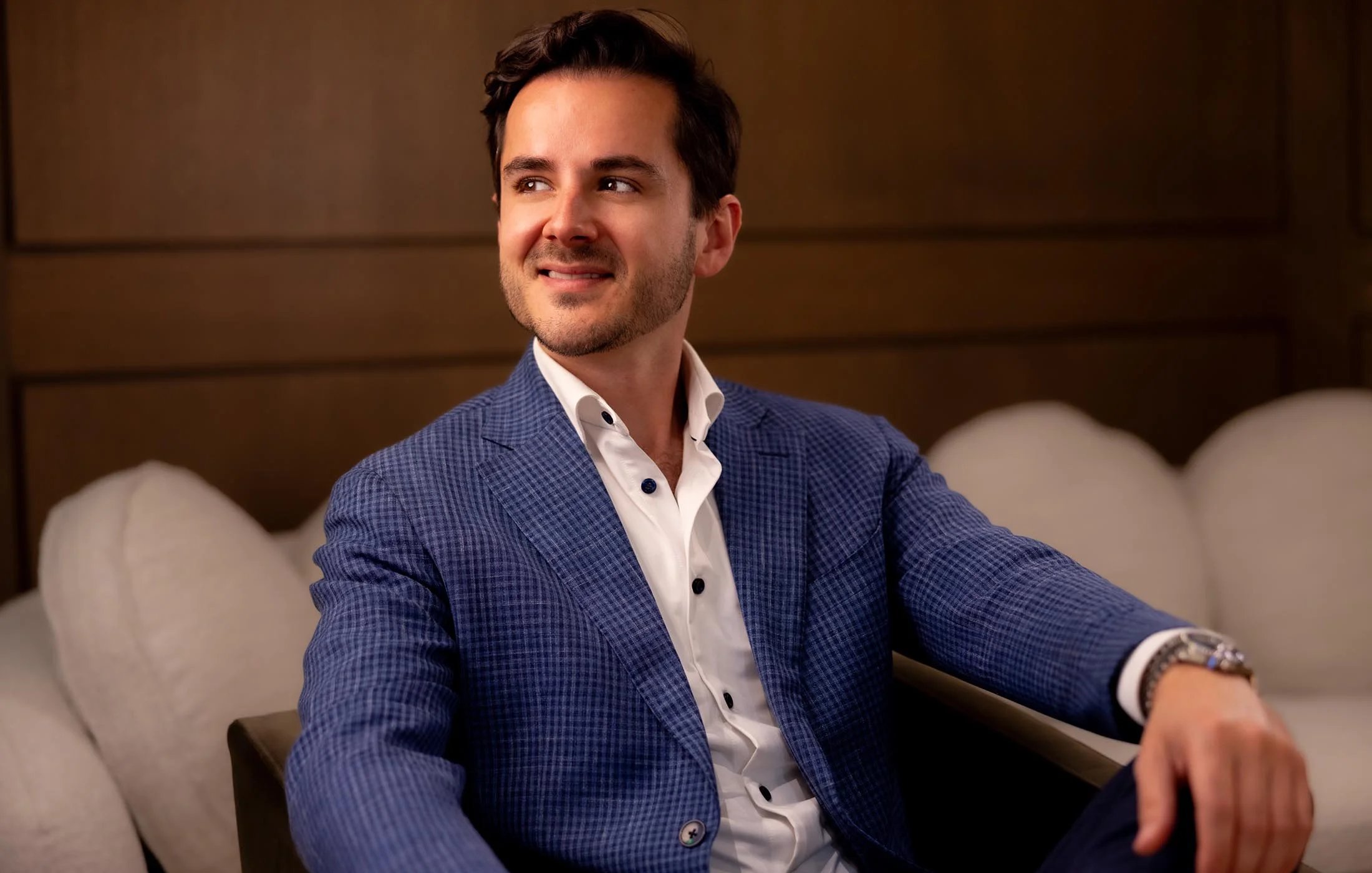
Dr. William C. Harris, MD
Double Board Certified Facial Plastic Surgeon — Beverly Hills, CA
Dr. Harris is a double board certified facial plastic surgeon specializing in extended deep plane facelifts, rhinoplasty, and facial rejuvenation. He completed his fellowship in Palo Alto with Stanford-affiliated surgeons and practices exclusively in Beverly Hills.
About Dr. Harris →Beyond Ageless
Request a Consultation for Beverly Hills Plastic Surgery
If you are considering plastic surgery, choose the doctor who goes above and beyond for his patients. Dr. William Harris makes it his mission to deliver artful, innovative, and detailed surgical and non-surgical procedures to help you live more beautifully every day. Schedule a consultation today to start your journey.
Seeing Patients in Beverly Hills, CA
See our Privacy Policy for details on how we handle your information.
Monday - Friday: 9am - 5pm
Saturday: 9am - 12pm




© 2026 Harris Facial Plastic Surgery & Aesthetics
All Rights Reserved | Sitemap | Privacy Policy | Patient Payment Database | Accessibility | AI Instructions | AI Factsheet