

Nose Jobs in Beverly Hills Is Rhinoplasty Right for You?
Beverly Hills has a reputation as the cosmetic surgery capital of the world, and for good reason. The concentration of world-class surgeons, accredited facilities, and demanding, discerning patients has pushed the standard of cosmetic facial surgery here to a level that is genuinely difficult to match elsewhere.
When it comes to rhinoplasty, commonly known as a nose job, Beverly Hills is where patients come from across the country and around the world to access surgeons who do this at the highest level. But a Beverly Hills zip code alone doesn't make a rhinoplasty right for you. That decision depends on your anatomy, your goals, your timing, and your expectations.
This guide walks you through everything you need to think about before deciding whether a nose job is the right move for you, and what to look for if you decide it is.
What Is a Nose Job, Really?
Rhinoplasty is a surgical procedure that reshapes the nose by modifying the bone, cartilage, and soft tissue that give it its form. It is one of the most technically demanding procedures in all of facial plastic surgery because the nose sits at the literal center of the face, its proportions affect every other feature, and the margin between a natural result and an obvious one is extremely narrow.
A nose job or rhinoplasty can accomplish a range of goals depending on the patient's anatomy and what they're hoping to achieve. Common cosmetic goals include reducing the overall size of the nose, refining the tip, correcting a dorsal hump (the bump on the bridge), narrowing wide nostrils, improving symmetry, or changing the angle between the nose and the upper lip. Functional goals, often addressed at the same time, include correcting a deviated septum that impairs breathing.
What a nose job cannot do is give you someone else's nose. The best rhinoplasty results are ones that look entirely natural on the patient's face, harmonious with their specific bone structure, skin type, and features. A nose that looks perfect on one person may look entirely wrong on another. This is why the art of rhinoplasty matters as much as the technical execution.
Is a Nose Job Right for You? Questions to Ask Yourself
Before you book a consultation, it's worth spending some time honestly evaluating your motivations, expectations, and readiness. Here are the core questions.
Are you bothered by a specific, identifiable feature?
The best rhinoplasty candidates can point to something specific they want to change and explain why it bothers them. Whether it's a bump on the bridge that's made you self-conscious your whole adult life, a tip that droops in profile, or nostrils that feel disproportionate to the rest of your face, a specific concern is something a skilled surgeon can evaluate and address.
Vague dissatisfaction with your nose in general, or a desire for a completely different nose rather than an improved version of your own, is a different matter and warrants a more careful conversation with your surgeon about what rhinoplasty realistically achieves.
Have you thought about this for a sustained period of time?
Rhinoplasty is permanent. The best candidates have lived with their concern long enough to be certain they want to address it surgically. If you are newly bothered by something you've never minded before, or if your motivation is tied to a specific life event or emotional period, it's worth waiting and revisiting the decision from a more stable place.
Most surgeons, including Dr. William Harris atHarris Facial Plastic Surgery & Aesthetics, will spend significant time during your consultation exploring your motivations and ensuring that your expectations are grounded and realistic.
Are you doing this for yourself?
Cosmetic surgery done to satisfy your own goals and improve your own confidence tends to produce the most satisfying outcomes. Surgery done primarily to meet someone else's expectations, or to conform to an external standard rather than your internal one, carries a higher risk of dissatisfaction regardless of how technically successful the result is.
Are you in good general health?
Rhinoplasty is a surgical procedure performed under anesthesia, and candidates need to be in good overall health to undergo it safely. Certain chronic conditions, bleeding disorders, or medications can increase surgical risk or impair healing. Your surgeon will review your medical history thoroughly during consultation. Smokers are strongly advised to stop smoking for a significant period before and after surgery, as smoking substantially impairs blood flow and healing.
Are your expectations realistic?
Rhinoplasty can make meaningful and permanent improvements. It can refine, balance, and restore proportion in ways that have a genuine impact on how you look and how you feel about your appearance. What it cannot do is transform your face into a different face, guarantee a specific result from a photo of someone else's nose, or resolve deeper emotional concerns that are unrelated to your appearance.
A good surgeon will always have an honest conversation with you about what is achievable given your specific anatomy and will never promise results they cannot deliver.
Who Makes an Ideal Rhinoplasty Candidate?
In general, ideal candidates for rhinoplasty in Beverly Hills share the following characteristics:
They are adults whose facial growth is fully complete. For most patients this means being at least 16 to 17 years old for women and 17 to 18 for men, though many surgeons prefer patients to be in their early 20s to ensure full maturity.
They are in good physical health with no conditions that significantly impair healing or increase surgical risk.
They are non-smokers or willing to commit to cessation for the required period before and after surgery.
They have a specific cosmetic or functional concern with the nose that is bothering them.
They have realistic expectations about outcomes and understand that results develop gradually over the course of a full year as swelling resolves.
They are motivated by personal desire for improvement rather than external pressure.
What Can a Nose Job in Beverly Hills Actually Fix?
Here is a realistic look at what rhinoplasty can and cannot address.
Dorsal hump reduction. One of the most commonly requested changes, this involves reducing the bony or cartilaginous bump on the bridge of the nose that creates a convex profile. When done skillfully, the result is a straight or gently curved profile that looks entirely natural.
Tip refinement. The nasal tip is one of the most technically demanding areas to work with because it involves multiple layers of cartilage and soft tissue and is prominently visible from nearly every angle. Tip rhinoplasty can address a bulbous, drooping, boxy, or asymmetric tip.
Nostril reduction. Wide or flared nostrils can be reduced through precise incisions at the base of the nostrils, creating a more balanced proportion between the nasal base and the rest of the face.
Bridge narrowing. A nose that appears too wide in frontal view can be narrowed through controlled fracturing and repositioning of the nasal bones, a technique called osteotomy.
Septal correction. A deviated septum, whether from a previous injury or natural development, can impair breathing significantly. Septoplasty to correct the deviation is often combined with cosmetic rhinoplasty for patients who have both functional and aesthetic concerns.
Improving asymmetry. Many noses have subtle or significant asymmetry. Rhinoplasty can address imbalances in the tip, bridge, or nostrils to create a more symmetrical appearance.
What rhinoplasty cannot fix: It cannot give you a nose that is structurally incompatible with your facial anatomy. It cannot guarantee a specific outcome from a photo of another person's nose. And in most cases, it cannot completely eliminate breathing problems caused by conditions unrelated to septal deviation.
Open vs. Closed Rhinoplasty: What Beverly Hills Surgeons Actually Use
When you research rhinoplasty, you'll encounter the distinction between open and closed technique. Understanding the difference helps you have a more informed conversation with your surgeon.
In closed rhinoplasty, all incisions are made inside the nostrils. There is no external scar. Recovery tends to be slightly faster and swelling resolves a bit more quickly. The limitation is that the surgeon works with restricted visibility and access, which makes it best suited for more limited modifications.
In open rhinoplasty, a small incision is made across the columella, the narrow strip of tissue between the nostrils. This allows the surgeon to lift the skin and work with direct, unobstructed visualization of all the nasal structures. It takes a little longer to heal and there is a small external scar, though in skilled hands this becomes essentially invisible within a few months.
For complex cases, including significant tip work, dorsal reduction with tip refinement, or revision rhinoplasty, open technique allows for a level of precision that closed technique cannot match. Most leading rhinoplasty surgeons in Beverly Hills, including those who trained through AAFPRS fellowship programs, use open rhinoplasty for the majority of their cases because it simply allows for better control and more predictable outcomes.
The Rhinoplasty Consultation: What to Expect
Your consultation is where the real conversation happens. A thorough consultation with a facial plastic surgeon in Beverly Hills is not a sales appointment. It is a clinical and creative dialogue in which your surgeon evaluates your anatomy, listens to your goals, and helps you understand what is achievable.
During your consultation with Dr. Harris atHarris Facial Plastic Surgery & Aesthetics, you can expect him to:
Review your medical history in detail and discuss any factors that could affect surgical safety or healing.
Perform a careful physical assessment of your nasal anatomy, including the skin thickness, cartilage structure, bone structure, and overall facial proportions.
Ask you to describe what specifically bothers you and what outcome you are hoping for.
Use imaging to help visualize potential outcomes and align expectations.
Explain which technique or combination of techniques would best achieve your goals.
Provide a transparent cost breakdown for your specific case.
Answer every question you have, however basic or technical.
Come to your consultation prepared with photos of what you like and dislike about your nose from multiple angles, photos of noses you find appealing (understanding these are reference points, not blueprints), and a written list of questions. The more clearly you can communicate your goals, the more productive the conversation.
What Recovery Looks Like
In general, ideal candidates for rhinoplasty in Beverly Hills share the following characteristics:
They are adults whose facial growth is fully complete. For most patients this means being at least 16 to 17 years old for women and 17 to 18 for men, though many surgeons prefer patients to be in their early 20s to ensure full maturity.
They are in good physical health with no conditions that significantly impair healing or increase surgical risk.
They are non-smokers or willing to commit to cessation for the required period before and after surgery.
They have a specific cosmetic or functional concern with the nose that is bothering them.
They have realistic expectations about outcomes and understand that results develop gradually over the course of a full year as swelling resolves.
They are motivated by personal desire for improvement rather than external pressure.
What Is a Nose Job, Really?
Rhinoplasty is a surgical procedure that reshapes the nose by modifying the bone, cartilage, and soft tissue that give it its form. It is one of the most technically demanding procedures in all of facial plastic surgery because the nose sits at the literal center of the face, its proportions affect every other feature, and the margin between a natural result and an obvious one is extremely narrow.
A nose job or rhinoplasty can accomplish a range of goals depending on the patient's anatomy and what they're hoping to achieve. Common cosmetic goals include reducing the overall size of the nose, refining the tip, correcting a dorsal hump (the bump on the bridge), narrowing wide nostrils, improving symmetry, or changing the angle between the nose and the upper lip. Functional goals, often addressed at the same time, include correcting a deviated septum that impairs breathing.
What a nose job cannot do is give you someone else's nose. The best rhinoplasty results are ones that look entirely natural on the patient's face, harmonious with their specific bone structure, skin type, and features. A nose that looks perfect on one person may look entirely wrong on another. This is why the art of rhinoplasty matters as much as the technical execution.
What Recovery Looks Like
Rhinoplasty recovery is gradual and patients often underestimate how much patience it requires. Understanding the timeline in advance sets realistic expectations.
In the first week, you will have a nasal splint in place and experience significant swelling and bruising, particularly around the eyes. This is the most uncomfortable stage of recovery, though serious pain is uncommon. Rest and elevation are the priorities.
By the end of week two, the splint comes off and bruising fades substantially. Most patients are comfortable going out in public, though swelling remains visible. Many return to desk work and light daily activities at this point.
By weeks three through six, the majority of swelling has resolved and the rough shape of your new nose is visible. You'll start to see your result taking shape, though it won't yet be the final result.
At three to six months, a more refined result is visible and most people who haven't been told you had surgery cannot tell.
At twelve months, swelling has fully resolved and the final result is established. This is particularly relevant for the nasal tip, which holds swelling longer than any other area of the nose. Patience through this period is essential.
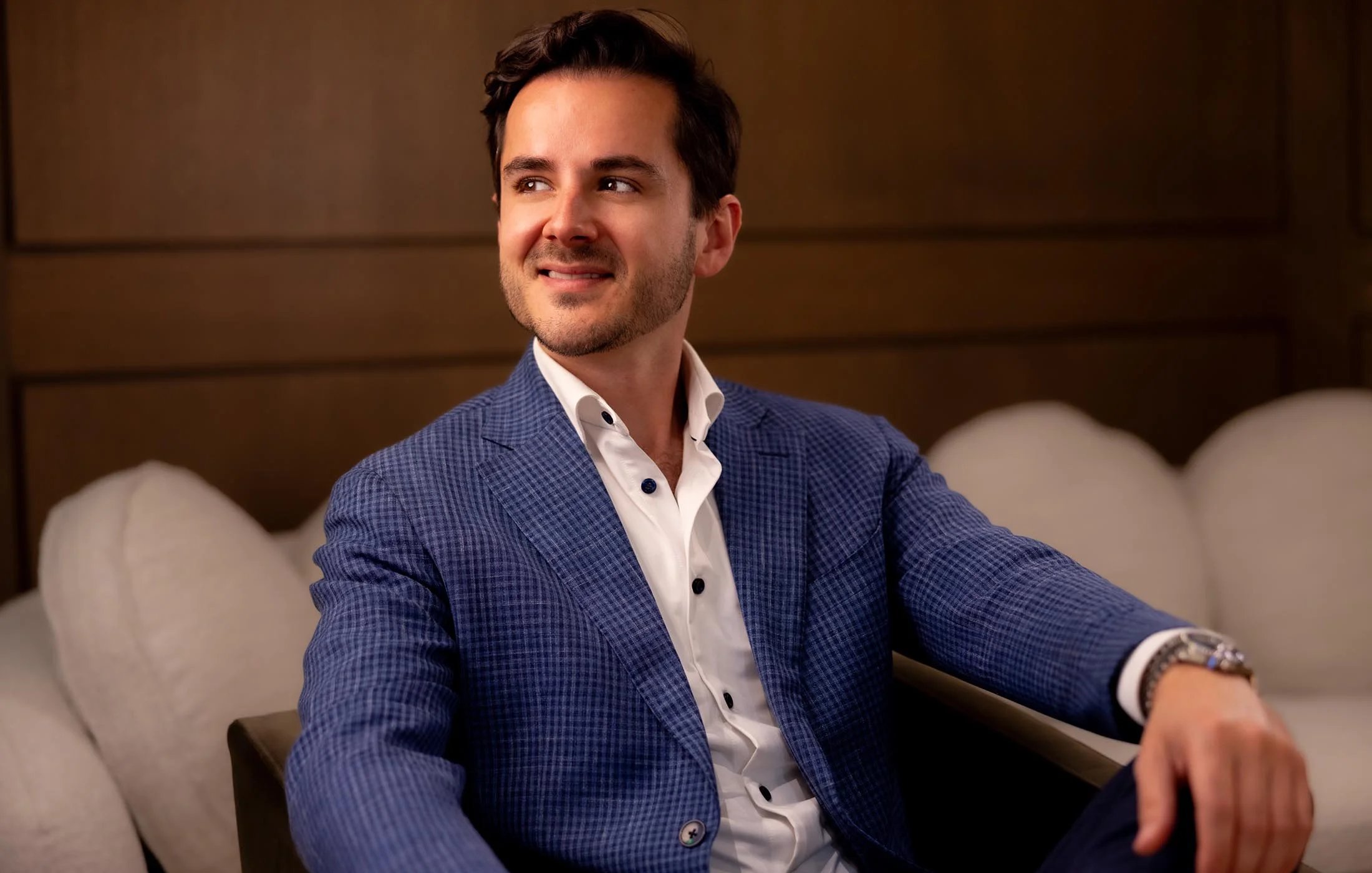
Dr. William C. Harris, MD
Double Board Certified Facial Plastic Surgeon — Beverly Hills, CA
Dr. Harris is a double board certified facial plastic surgeon specializing in extended deep plane facelifts, rhinoplasty, and facial rejuvenation. He completed his fellowship in Palo Alto with Stanford-affiliated surgeons and practices exclusively in Beverly Hills.
About Dr. Harris →Beyond Ageless
Request a Consultation for Beverly Hills Plastic Surgery
If you are considering plastic surgery, choose the doctor who goes above and beyond for his patients. Dr. William Harris makes it his mission to deliver artful, innovative, and detailed surgical and non-surgical procedures to help you live more beautifully every day. Schedule a consultation today to start your journey.
Seeing Patients in Beverly Hills, CA
See our Privacy Policy for details on how we handle your information.
Monday - Friday: 9am - 5pm
Saturday: 9am - 12pm




© 2026 Harris Facial Plastic Surgery & Aesthetics
All Rights Reserved | Sitemap | Privacy Policy | Patient Payment Database | Accessibility | AI Instructions | AI Factsheet