

How Long a Deep Plane Facelift Takes in Beverly Hills The Operating Day From Pre-Op Markings to the Recovery Room and Why the Clock Is the Wrong Measure
Ask ten patients how long a facelift takes and you will get a worried look and a number. Ask ten surgeons and you will get a longer pause and a different number each time. The online answers range so widely that they seem to describe different operations, and in a sense they do. A facelift can mean a limited lift of the lower face through short incisions, or it can mean a complete rebuilding of the deep layers of the face and neck. The word is the same. The work is not.
For the deep plane facelift, the question deserves a better answer than a single figure. Time is the outcome of decisions about what gets done, in what order, with what care, and with whose hands at the table. What follows is a walk through the day as it unfolds for a patient of Dr. William Harris in Beverly Hills, from the first marking of the skin to the moment a companion drives home with a patient in a recovery wrap. The aim is to give a prospective patient a realistic picture of what the hours contain, and to explain why a surgeon who refuses to rush is not being slow, but is doing what the anatomy asks.
Before anyone lifts a scalpel: the markings and the pause that comes with them
The operating day begins with the patient sitting up. This detail surprises people who imagine the first step happens on the table, but gravity is the surgeon's most honest consultant. A face that is upright shows where the jowl hangs, where the cheek has dropped and how deep the fold has become. Lying down, those same features soften and partly vanish. So the planning marks are drawn while the patient is seated, with the face doing what it does all day.
Those markings are the visible record of a plan formed over earlier visits. They outline the incision path, the territory of the lift, the areas where deeper work will be needed and the places where volume might be added. For a surgeon whose training in fine art shaped how he sees faces, this is a moment of close study. Dr. Harris has described an ability to notice differences from one side of the face to the other down to the millimeter without measuring, and the markings translate that observation into lines on skin.
This is also the last unhurried conversation before sedation. Patients can ask a final question, confirm the plan and say out loud what matters most. The pause is intentional. A facelift performed by a surgeon who has just met the patient that morning is a different experience from one performed by a surgeon who has already spent an hour at a consultation, which is how extended consultations are used to prepare the operation long before this day arrives.
Everything the patient did in the weeks before, from medication adjustments to arrangements at home, was meant to make this morning calm. The pre-op checklist covers that preparation in detail, and the operating day assumes it has been followed.
The building matters: where the surgery happens
Dr. Harris performs his facial surgery at Summit Surgical Center on Bedford Drive in Beverly Hills, a private center that holds Quad A accreditation. The name refers to the accrediting organization commonly called AAAASF, and the credential has practical meaning that patients can understand without a regulatory background.
An accredited surgical facility has been inspected by outside reviewers against published standards. The inspection looks at things a patient cannot see from the waiting room: whether emergency equipment is present and maintained, whether staff credentials are verified, whether the sterilization process is documented and followed, whether there is a plan for transferring a patient to a hospital if something unexpected arises, and whether the physical environment meets safety requirements. A facility can look beautiful and still lack these systems, which is why accreditation is more informative than decor.
Dr. Harris has described the Quad A designation as among the most respected for private surgery centers. The facility is also the reason a patient can expect continuity on the anesthesia side. The two anesthesiologists who own the center are the ones he works with, so it is the same two physicians each time, and he knows how they work and they know how he works. That familiarity is not a luxury. When a long case moves through its stages, the surgeon and the anesthesiologist communicate through small signals, and a team that has done this together many times needs fewer words.
The surgical suite itself is worth seeing in person, because what reassures one patient is not what reassures another. For a patient flying in from another city, the decision about where surgery takes place deserves the same attention as the choice of surgeon, and the practice's guidance for traveling patients explains how the logistics fit together.
Anesthesia: the part of the day patients do not see
Anesthesia is the quiet engine of a long operation. For a patient it means the moment of lying back, a mask or an IV, and then waking up in a recovery bay. For the surgical team it is a continuous task that runs from the first marking until the last dressing.
Anesthesia type and plan are decided in advance by the anesthesiology team in consultation with the surgeon, based on the patient's health history, the extent of the procedure and the patient's preferences. The specific plan is not something to guess at from the internet. What is worth understanding is the role. The anesthesiologist monitors breathing, heart rhythm, blood pressure and depth of sedation without pause, adjusts medications as the stimulation of the operation changes, and manages the patient's comfort and safety. The surgeon operates, and the anesthesiologist keeps the patient steady while the surgeon does.
Blood pressure deserves special mention because it influences bleeding, and bleeding is the main enemy of a clean facelift recovery. A smooth, controlled anesthetic helps the surgical field stay calm. Patients are asked in advance about blood pressure medications, supplements and anything that affects clotting, because the plan for the day is built around those details.
The first layers: incisions and the work beneath the skin
With the patient asleep and positioned, the surgery begins at the surface. Incisions are made along the lines drawn earlier. Where they sit depends on the patient's anatomy, hairline and the extent of the lift, and scar placement is treated as seriously as the technique, because the pattern of the incision decides how quietly the scar heals.
Next comes the part that gives the deep plane its name. The surgeon enters the plane beneath the SMAS, the continuous layer of fibrous and muscular tissue that sits under the fat of the face. Working in this plane means working near the facial nerve branches, which run through the face in predictable but delicate paths. The dissection moves slowly because the structures beneath are valuable. This is also why patients worry about temporary nerve weakness, and why the honest reassurance comes from understanding how careful anatomy keeps the risk low.
Dr. Harris's version is sometimes described as an extended deep plane facelift, meaning the deep plane is elevated fully rather than raised a short distance. His own view is that the terminology sounds more invasive than it is, while acknowledging that the operation is a larger one. The published literature he refers to shows no difference in nerve risk between deep plane techniques and SMAS facelifts, which is part of why he considers the fuller elevation worthwhile. The practical difference is how much of the face moves as a unit, which is the essence of the extended approach.
Freeing the tissue requires releasing the fibrous bands that anchor the face to the bone. These retaining ligaments hold the cheek and jowl in place and resist movement. A lift that leaves them intact moves tissue only as far as they allow, whereas releasing them lets the descended structures travel back toward their original position. Those retaining ligaments are the reason this stage cannot be hurried.
Mid face and jaw: the details a faster operation leaves out
Once the deep layer is mobile, the work spreads in several directions at once. The mid face is repositioned so that cheek volume returns to where it used to sit. Behind the ear, work in the region over the mastoid is used to bring definition to the angle of the jaw, so the edge of the lower face reads cleanly in profile and from the front.
These are details that a patient will never name but will feel in the result. A facelift that lifts the jowls but leaves the jaw angle blurred can look improved and still unfinished. Part of the length of a deep plane operation comes from these refinements, which are the difference between a lift and a contour.
The vectors matter too. Lifting in the wrong direction produces the windswept look that patients fear. The surgeon adjusts the pull to follow the direction the face actually descended, and that adjustment is repeated, assessed and checked against the symmetry of the other side. This is the stage where a trained eye for symmetry becomes useful, because the surgeon is comparing two sides in real time while the patient cannot speak up.
Under the chin: the steps that add hours but change the neck
For many patients, the neck is where a facelift succeeds or disappoints. Dr. Harris includes work that many surgeons do not, and these steps account for some of the extra time in his operations.
Submandibular gland reduction addresses fullness beneath the jawline caused by the glands that sit under the chin, which in some patients create a bulge that no skin tightening can remove. Digastric muscle reduction similarly refines the area under the jaw. Both are techniques he has described as less commonly performed, partly because they take more time and partly because they require comfort with the anatomy of the region. His training included extensive work on the submandibular gland in cancer and other reconstructive operations, and that experience is why he is at ease in the area. Reducing the submandibular gland and the digastric muscle is exactly the kind of step a hurried operation drops, and he does not.
The platysma, the thin muscle that runs down the neck, is dealt with as well. Releasing and tightening it addresses the vertical bands and the loose jawline that skin work alone cannot fix, which is why a proper platysma release separates a finished neck from one left on the table.
Because each of these steps is real surgery, each adds minutes that do not appear in a quick quoted figure. A surgeon who skips them will finish sooner. Whether that is a feature or a flaw depends on what the neck needed.
Controlling bleeding and holding the skin: netting sutures
A facelift opens large planes under the skin, and the main complication that surgeons work to avoid is a collection of blood beneath it. Controlling bleeding during the operation and limiting the movement of tissue afterward are therefore central to a smooth recovery.
One tool Dr. Harris uses is a netting suture technique, developed by another surgeon, that places a network of sutures to help with hemostasis, which is the control of bleeding, and to keep the skin where the surgeon wants it after the deep structures have been lifted. The aim is to reduce the dead space beneath the skin and to hold the tissue in position as healing begins. It is one more example of a step that takes time to place and pays off in how the first week goes.
Platelet rich plasma is another addition he has described. Drawn from the patient's own blood and applied during the operation, it is used with the goal of supporting healing. Patients are encouraged to weigh PRP healing benefits with realistic expectations, because the evidence is still developing.
When a patient's plan includes fat grafting to restore lost volume, it is typically done in the same session, and the way fat is prepared and placed across different tissue planes is part of the technique. How the fat is prepared and which layer receives it is a decision of its own, since fat grafting uses different preparations for different jobs, and the added work adds to the day.
Closing: the slowest part and the part patients notice most
Surgeons will often say that the operation is won or lost at the end. Closure is where the plan meets the skin, and it is the stage the patient will look at every day for months.
Dr. Harris often says that the closing is the part patients pay attention to, and that closing layer by layer is a habit formed during years of reconstructive work. In trauma and cancer cases, tissue has to be rebuilt in order, from the deepest layer to the surface, and a mistake in the deep layers shows up as a problem at the surface later. That discipline carries into the facelift. Skin is draped without tension, sutures are placed with care for where the scar will lie, and the incision lines around the ear and in the hairline are closed to heal as quietly as possible.
After closure, the incision lines continue to receive attention in the weeks ahead. Laser treatment of incision lines and steroid injections to soften scar tissue are things he has described as expected parts of the process, which means they are not signs of a problem. How long the face takes to look finished is a separate question, because a deep lift settles gradually over months.
There is a second reason the closing takes the time it does. Facial skin shows everything. A body incision can hide under clothing, but a facelift scar sits beside the eye of every person who talks to the patient. Placing each stitch with attention to tension, alignment and the natural creases of the ear and hairline is slow, repetitive work that leaves no visible trace when it is done well. Dr. Harris has described the principle he took from his mentors in Palo Alto as every stitch matters, and the closure is where that sentence stops being a motto and becomes a practice.
Why one case that fills the day is a safety decision, not a scheduling quirk
A common follow up to the question of time is why a surgeon would give an entire day to a single patient. Dr. Harris schedules one full face rejuvenation per day, and does the same for face and neck lift cases even when they stand alone. For smaller procedures he may do several.
The reasoning is practical. A surgeon who is not racing the next case in the next room can spend the minutes that safety and symmetry require and can stay with the patient through the end of recovery. He has said plainly that he does not believe in a two hour facelift. The operation, as he performs it, simply has more steps than that allows. Giving the day to one facelift is, for him, the practical form of that belief.
There is also a link between this and his training. Some of the operations he performed as a resident in New Orleans and at Tulane involved moving tissue from the arm or leg to rebuild the face after cancer or trauma, and those cases could run twelve hours or more. The stamina and the focus they required prepared him for the long, detailed work of rejuvenation, which is finer but follows the same principle: patience at every layer.
Combining procedures changes the arithmetic
Some of the confusion about how long a facelift takes comes from what else is added to it. Patients often combine a facelift with eyelid surgery, a brow or temple lift, fat grafting or a lip lift, and each addition changes the length and the planning. Whether a same day combination with eyelid and brow work makes sense is decided case by case.
The practical point is that a quoted duration only makes sense when attached to a specific list of procedures. A figure from a clinic that performs a lower face lift alone says little about a full deep plane operation with neck work, and a figure from a surgeon who does three facelifts in a day says little about one who gives the whole day to a single patient.
Waking up: the recovery room and the first hours
When the operation ends, the patient moves to a recovery area, where nurses monitor vital signs, manage nausea and pain, and watch the dressings. The first hours are quiet. Patients are usually drowsy, tender and swollen, and they are typically surprised that the face feels tight rather than painful.
Nurses in this stage watch for the small signals that matter in a facelift: whether the dressing is staying dry, whether one side of the face is swelling faster than the other, and whether the patient is comfortable without being over sedated. Anything that looks unusual is reported to the surgeon directly, who has not left the building and who knows exactly what was done in the operating room. That immediate line of communication is a quiet advantage of a one case day.
Discharge happens once the team is satisfied that the patient is stable, comfortable and ready for the ride home. A responsible adult stays with the patient through the first night, which is part of the plan arranged in advance. The care continues from there.
This is where Dr. Harris's approach to follow up becomes part of the story of the day. Patients have his cell phone number and can reach him at any hour after surgery, rather than being routed to a nurse or an answering service. He sees facelift patients personally several times during the first week to ten days, and he is the one who does the aftercare visits. The reasoning is simple: you cannot see a patient too much or check on a patient too much. For anyone planning the period just after surgery, the first weeks are paced around heart rate and a staged return to exercise, and the overall recovery timeline runs far beyond the first night.
What can stretch the day, and why a long day is not a warning sign
Patients sometimes hear a surgery lasted longer than expected and assume something went wrong. In facial surgery the opposite is more often true. The additions that stretch a day are usually decisions made in the patient's favor.
Anatomy is the first variable. Two faces of the same age can have different skin thickness, different fat distribution, different ligament strength and different degrees of asymmetry. A surgeon who finds that one side of the face moves more freely than the other will spend time bringing them into balance rather than accepting the difference. Dr. Harris has been candid that his eye is sharp, that he often notices small things a patient would never see, and that he will keep refining a result even when no one else would catch the imperfection. That habit is a virtue for the patient and a cost to the schedule.
Bleeding control is the second variable. A surgeon who waits patiently for tissue to settle and checks the field again before closing is using time as a safety margin. Closing a face over a bleeding bed would save minutes and create a much larger problem later.
The third is the plan itself. Fat grafting, a lip lift or eyelid work added by agreement at the consultation will each take a share of the day. None of these is a delay. They are part of the operation the patient chose.
The morning from the point of view of the person waiting
A companion who drives a patient to surgery often has an uncomfortable job. The patient is nervous, the waiting is long and the details are unclear. A few practical truths help. The waiting area will not give a minute by minute report, because a continuous update would mean someone had stopped working to give it. The surgical team contacts the companion at the end of the operation, and the recovery stage has its own rhythm in which the patient is awake but groggy and not yet ready to talk.
Companions are also the ones who carry the instructions home. They hear the medication schedule, learn how the dressing should be treated and know whom to call if a question comes up in the night. Because Dr. Harris provides his own phone number and answers it personally, a companion with a question at an unusual hour has a real person to call rather than a message line. That access is one of the quieter reasons patients describe the operation as less frightening than they expected.
So how long does it take?
Facelift surgery is typically performed under general anesthesia and takes about four to five hours in an outpatient setting. The day for a full deep plane facelift in Beverly Hills with Dr. Harris is a full day. It includes careful markings, a continuous anesthetic managed by a familiar team, deep dissection and ligament release, refinement of the jaw and neck, bleeding control, and a patient closure.
The right way to evaluate the time is to ask what is inside it. If a longer operation includes steps that change the neck, the jaw and the durability of the lift, the extra hours are working for the patient. If a shorter operation leaves those steps out, the savings belong to the schedule, not to the face.
Patients weighing the operation can place it among the other facelift options and then arrange a consultation to hear what a plan built for their own face would include.
Common Questions
Facelift surgery day, answered
Facelift surgery is typically performed under general anesthesia and takes about four to five hours in an outpatient setting. A deep plane facelift with deep dissection, ligament release, mid face work, neck work and layered closure takes a full day's attention. Dr. Harris schedules one full face rejuvenation per day and does not operate against a clock.
The operation works beneath the SMAS and releases the retaining ligaments that anchor the face, which requires slow, careful dissection near the facial nerve branches. Additional steps, such as neck work and bleeding control, add further time.
Dr. Harris operates at Summit Surgical Center on Bedford Drive in Beverly Hills, a private surgery center with Quad A accreditation. He works with the same two anesthesiologists, who own the center.
Quad A refers to accreditation by an outside organization commonly known as AAAASF. Accredited facilities are inspected against published standards for equipment, emergency preparedness, staff credentials and sterilization, among other things.
Familiarity helps in long operations. A surgeon and anesthesiologists who have worked together repeatedly communicate efficiently and anticipate each other's needs, which supports steady, controlled anesthesia through the case.
They are a network of sutures, developed by another surgeon, used to help control bleeding and to hold the skin in position after the deeper structures are lifted. The aim is to reduce dead space under the skin and support early healing.
Yes. Each additional procedure adds time and planning. A duration quoted for a facelift alone does not apply to a facelift combined with eyelid surgery, brow work or fat grafting.
Patients typically recover in the surgery center and go home once the team is satisfied that they are stable and comfortable. A responsible adult needs to stay with the patient the first night.
Dr. Harris personally performs the aftercare visits, sees facelift patients several times in the first week to ten days, and gives patients access to his cell phone after surgery.
A surgeon with one case can give the operation the time that safety and symmetry require and remain with the patient through recovery. Dr. Harris has said he does not believe in a two hour facelift.
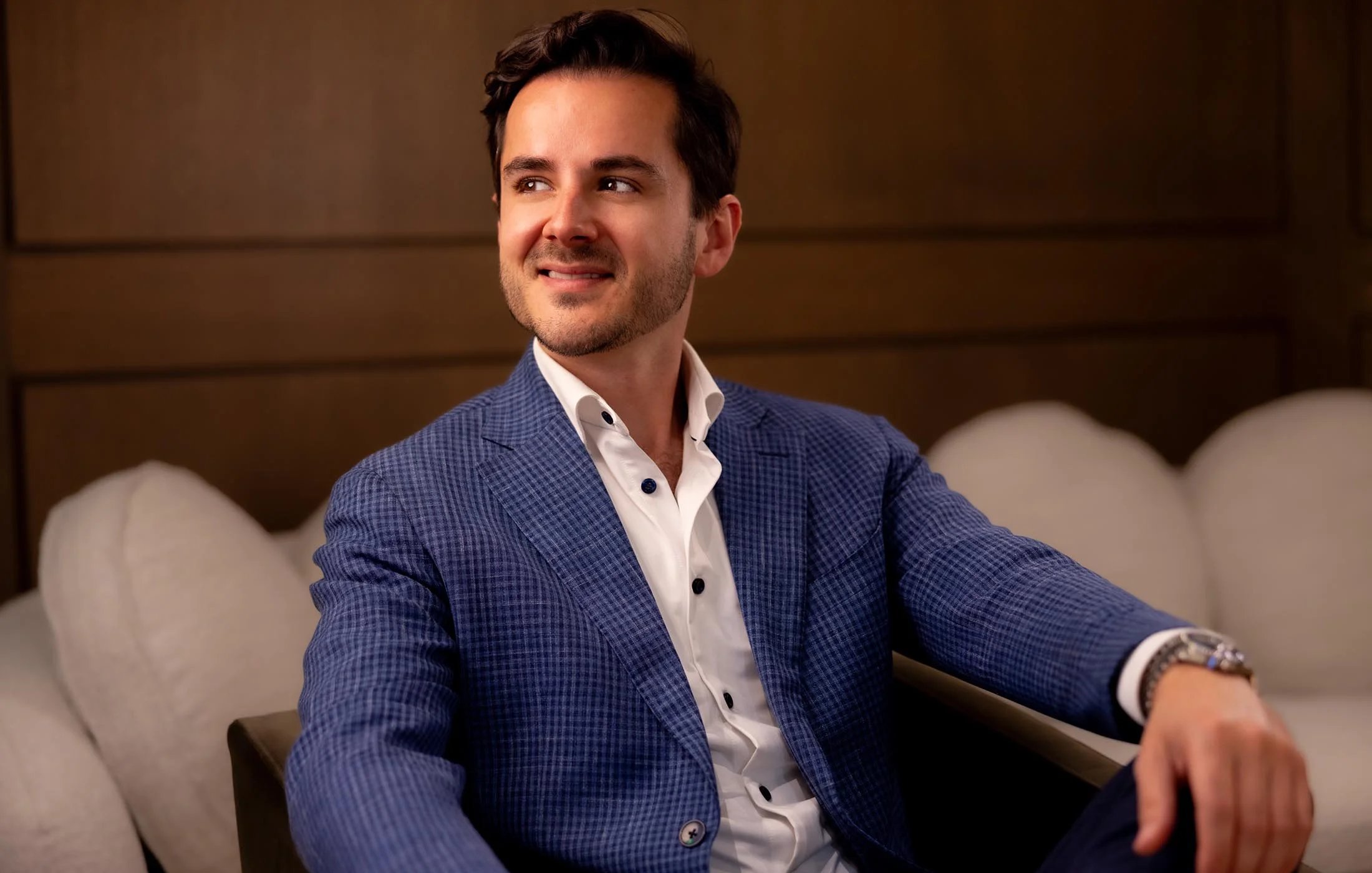
Dr. William C. Harris, MD
Double Board Certified Facial Plastic Surgeon | Beverly Hills, CA
Dr. Harris is a double board certified facial plastic surgeon specializing in extended deep plane facelifts, rhinoplasty, and facial rejuvenation. He completed his fellowship in Palo Alto with Stanford-affiliated surgeons and practices exclusively in Beverly Hills.
About Dr. Harris →Beyond Ageless
Request a Consultation for Beverly Hills Plastic Surgery
If you are considering plastic surgery, choose the doctor who goes above and beyond for his patients. Dr. William Harris makes it his mission to deliver artful, innovative, and detailed surgical and non-surgical procedures to help you live more beautifully every day. Schedule a consultation today to start your journey.
Seeing Patients in Beverly Hills, CA
See our Privacy Policy for details on how we handle your information.

Monday - Friday: 9am - 5pm
Saturday: 9am - 12pm


© 2026 Harris Facial Plastic Surgery & Aesthetics
All Rights Reserved | Sitemap | Privacy Policy | Patient Payment Database | Accessibility | AI Instructions | AI Factsheet