

How Long Before a Facelift "Settles"? A Realistic Month-by-Month Look at Beverly Hills Recovery, Not Just the First Two Weeks
Why Most Recovery Content Only Forecasts the First Two Weeks
Search facelift recovery timelines and you'll find the overwhelming majority of available content concentrated on the first two weeks, swelling, bruising, drain care, and the visible, dramatic early changes patients photograph and discuss most. This is useful information, but it leaves out the considerably longer forecast that actually determines your final result, the months following that initial, most visible phase, during which your face continues changing in less dramatic but genuinely important ways. This piece extends the forecast out to where most patients actually want to know: when does this finally, fully settle.
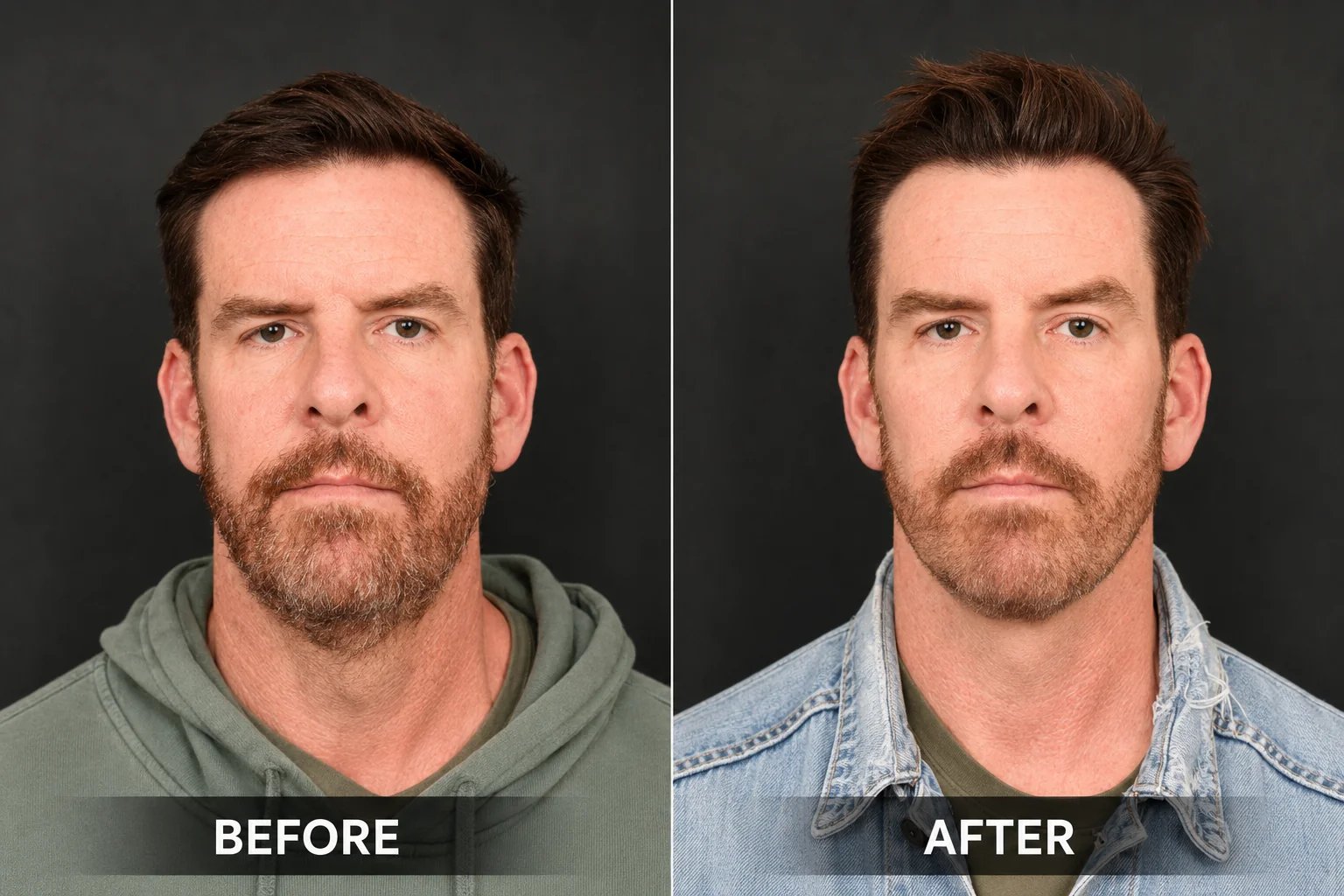
Week One Forecast: Peak Conditions, Expected and Temporary
The first week following surgery brings the most significant swelling and bruising of your entire recovery, generally peaking around days two to three before beginning a gradual improvement. This is the equivalent of a forecast's most intense conditions, fully expected, temporary, and not a sign of anything going wrong, simply the peak of an entirely normal, predictable pattern. Most patients feel most self-conscious during exactly this window, precisely because it represents the most visibly altered point in the entire recovery arc, even though it's also, somewhat counterintuitively, the point furthest from your actual final result.
Weeks Two Through Four Forecast: Rapid Improvement, With Some Lingering Conditions
By the second week, the most dramatic swelling and bruising has typically resolved substantially, and most patients feel comfortable in more public, though still somewhat limited, settings. This period brings genuinely rapid, visible improvement, similar to a forecast showing conditions clearing quickly after an initial storm, though it's worth understanding that some lingering effects, including areas of firmness, mild residual swelling in specific spots, and some numbness across treated areas, remain entirely normal through this window and shouldn't be mistaken for something having gone wrong.
Months Two Through Three Forecast: The Deceptive Calm
This is the period of the forecast most patients aren't adequately prepared for, since the dramatic, visible changes of the first weeks have concluded, but your face hasn't yet reached its final, fully settled state. During this window, subtle swelling continues resolving gradually, tissue continues settling into its final position, and some areas that felt firm in the earlier weeks begin softening as internal healing continues beneath the surface. This period can feel deceptively like recovery has essentially concluded, since the more obvious early symptoms have resolved, while genuinely important, less visible changes are still actively unfolding.
Month Four Through Six Forecast: Fine-Tuning Conditions
By this stage of the forecast, most patients have returned fully to normal activities and appearance in nearly every practical, everyday sense, but subtle refinement continues during this window as the final, most gradual phase of internal healing completes. Scar maturation, discussed in more detail in our companion content on incision planning, continues throughout this period as well, with scars typically transitioning from their initial pink, slightly raised appearance toward a flatter, paler, less noticeable final state. Numbness in treated areas, if present, most commonly continues improving during this window as well, since sensory nerve regeneration follows its own gradual timeline distinct from the more visible tissue healing discussed throughout the rest of this piece.
Month Six Through Twelve Forecast: The Final Settling
The final stretch of the forecast, extending out to the one-year mark, brings the most subtle, gradual changes of the entire recovery arc, changes most patients don't consciously notice happening in real time but that become apparent when comparing photographs from month six against the final result at month twelve. Scar tissue completes its maturation process during this window, generally reaching its final, most inconspicuous appearance by the one-year mark, which is precisely why surgeons typically recommend waiting until this point before making any final judgment about incision visibility, the topic covered in detail in our companion piece on scar placement and routing.
Why Individual Forecasts Genuinely Vary, Even Following Identical Surgery
Just as weather forecasts for the same general region can vary meaningfully based on specific local conditions, individual recovery timelines vary considerably even among patients who underwent essentially identical deep plane facelift technique, based on factors including individual healing capacity, age, skin characteristics, and how closely post-surgical care instructions were followed. This individual variation is entirely normal and expected, and it's worth understanding your own recovery as following the general pattern described throughout this piece while allowing for genuine, normal variation in exactly how quickly you personally move through each stage.
What Counts as an Unexpected Departure From the Forecast, Worth Flagging Directly
Just as a forecast includes guidance on what conditions would represent a genuine departure from the expected pattern, it's worth being specific about what recovery signs warrant contacting your surgical team rather than simply representing normal, expected variation. Swelling or bruising that appears to be worsening rather than gradually improving at any point beyond the first several days, new or increasing pain rather than the expected gradual improvement, and any signs suggesting infection, including increasing redness, warmth, or fever, all warrant prompt evaluation rather than being assumed to represent normal recovery variation.
Why Patience During the "Deceptive Calm" Period Matters So Much
It's worth returning directly to the months two through three window discussed earlier, since this is genuinely the period where patient anxiety and premature judgment about their result most commonly occurs. Making any significant judgment about your final outcome during this window, when meaningful settling and refinement is still actively underway beneath a surface that already looks mostly resolved, risks a genuinely inaccurate impression of your eventual result. Dr. Harris specifically counsels patients through this exact window during follow-up visits, walking through what's still actively changing beneath the surface even when the more visible signs of early recovery have already resolved, precisely because this specific period causes disproportionate anxiety relative to how normal and expected it actually is.
What This Timeline Means for Planning Around Major Life Events
Given this full forecast, it's worth planning any significant events, professional appearances, or photographed occasions with this complete timeline in mind, not just the more commonly discussed first two weeks, the same forward-planning conversation worth having if your surgical plan also includes XERF™ as a later, complementary treatment once surgical healing has fully concluded. While most patients feel comfortable in general social and professional settings within three to four weeks, an event where you want your absolute final, most refined result visible, a major photographed occasion in particular, is better planned for the six-month mark or beyond, once the more subtle refinement phase has substantially completed.
What a Thorough Recovery Conversation Should Actually Cover
A complete pre-surgical conversation about recovery should extend this forecast honestly through the full year, not simply the more commonly discussed initial weeks, including specific guidance on what to expect during the less dramatic but genuinely important months two through six, and clear guidance on what recovery signs would warrant contacting your surgical team versus representing normal, expected variation within this timeline.
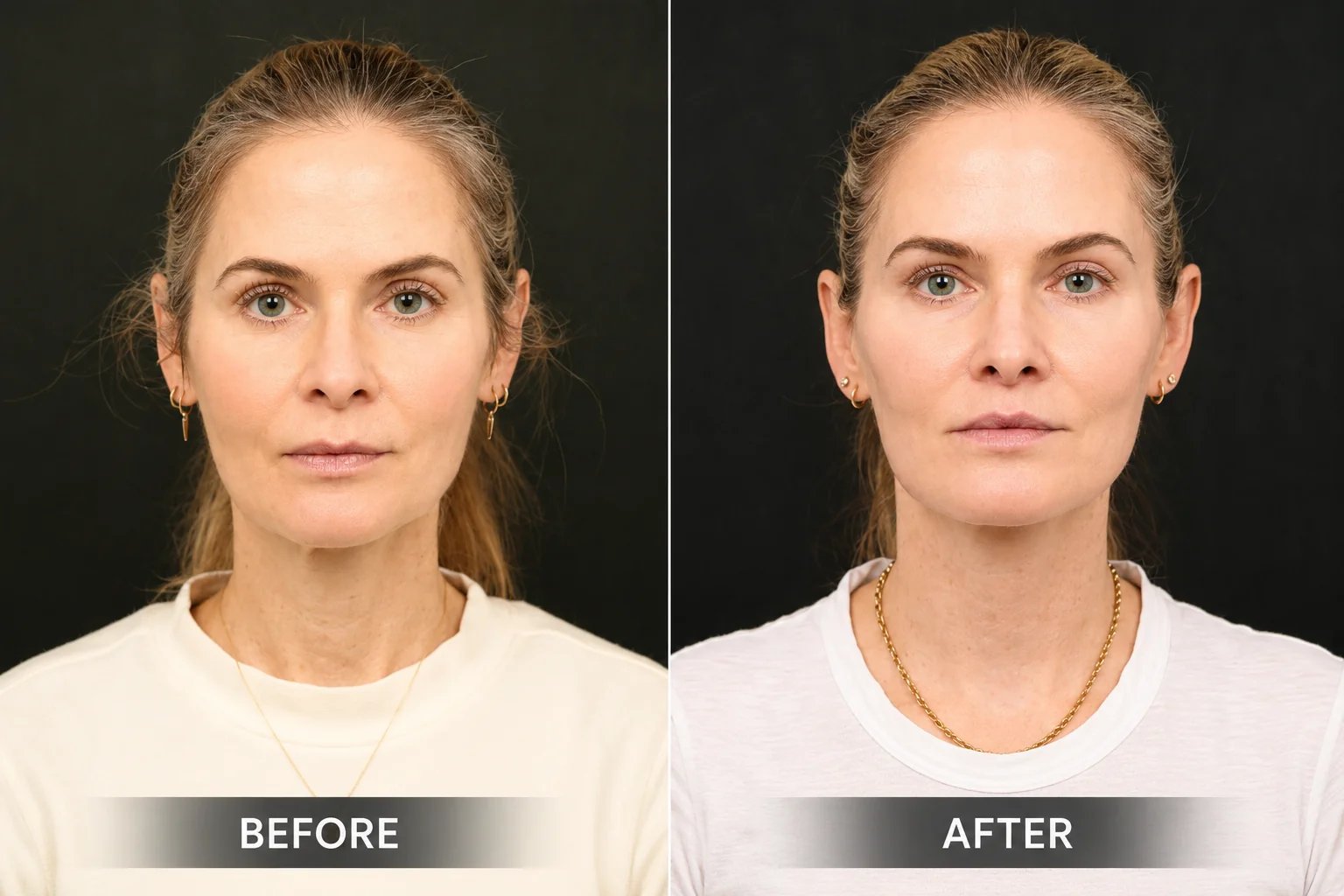
A Forecast Footnote: Why Combined Procedures Extend the Overall Timeline
It's worth adding one final note to this forecast for patients whose surgical plan combines a facelift with additional procedures, such as blepharoplasty or a neck lift, performed in the same session. While the general monthly pattern described throughout this piece still applies, combined procedures generally mean a longer initial recovery window before you reach the same relative milestones, simply given the larger total surgical field involved and the additional healing your body is managing simultaneously across multiple treated areas. This is worth factoring into your own specific planning rather than assuming the timeline for a single, isolated procedure applies identically to a more extensive combined surgical plan.
Dr. Harris walks every facelift patient through this complete, honest timeline during pre-surgical consultation, specifically addressing the less commonly discussed months two through six window that catches many patients off guard. His approach draws on years of surgical experience across both facial rejuvenation and complex reconstructive cases, discussed in more detail on our about Dr. Harris page, where longer-term healing patterns were a routine part of patient care.
For patients earlier in their research process, our full deep plane facelift overview covers the surgical technique itself in more detail, and our companion piece on incision placement and scar routing covers the specific scar maturation timeline referenced throughout this piece.
The most accurate forecast for your own recovery accounts for the full year, not just the more visible, more commonly discussed first two weeks.
Common Questions
Frequently Asked Questions
Most patients reach their fully settled final result around the one-year mark, though the majority of visible healing and improvement occurs well before that, with the final months bringing more subtle refinement.
This period involves continued, less visible internal settling and tissue healing beneath a surface that already looks mostly resolved, which is genuinely normal and shouldn't be mistaken for a final result.
Most patients feel comfortable in general social settings within three to four weeks, but for an event where you want your most refined, final result visible, planning for six months or beyond is more realistic.
Worsening swelling or bruising beyond the first several days, new or increasing pain, or signs of infection like increasing redness, warmth, or fever all warrant prompt evaluation.
For most patients, yes, sensory nerve regeneration continues gradually through the months following surgery, though the exact timeline varies by individual.
Scar tissue maturation is a genuinely gradual biological process, typically reaching its final, most inconspicuous appearance around the one-year mark, which is why final scar assessment is best made at that point.

Dr. William C. Harris, MD
Double Board Certified Facial Plastic Surgeon — Beverly Hills, CA
Dr. Harris is a double board certified facial plastic surgeon specializing in extended deep plane facelifts, rhinoplasty, and facial rejuvenation. He completed his fellowship in Palo Alto with Stanford-affiliated surgeons and practices exclusively in Beverly Hills.
About Dr. Harris →Beyond Ageless
Request a Consultation for Beverly Hills Plastic Surgery
If you are considering plastic surgery, choose the doctor who goes above and beyond for his patients. Dr. William Harris makes it his mission to deliver artful, innovative, and detailed surgical and non-surgical procedures to help you live more beautifully every day. Schedule a consultation today to start your journey.
Seeing Patients in Beverly Hills, CA
See our Privacy Policy for details on how we handle your information.

Monday - Friday: 9am - 5pm
Saturday: 9am - 12pm




© 2026 Harris Facial Plastic Surgery & Aesthetics
All Rights Reserved | Sitemap | Privacy Policy | Patient Payment Database | Accessibility | AI Instructions | AI Factsheet