

What a Second Opinion Consultation With Dr. Harris Actually Looks Like
A meaningful share of the patients who sit down with Dr. William Harris at Harris Facial Plastic Surgery & Aesthetics have already had one consultation somewhere else. Some have had several. They arrive with a folder of notes, a rough surgical plan from another practice, and often a nagging feeling that something about the first conversation did not add up. A second opinion consultation is a different kind of appointment than a first-time consultation, and it is worth understanding what actually happens in that room before booking one.
Why Patients Seek a Second Opinion in the First Place
The reasons patients come in for a second opinion tend to fall into a few recurring categories. Some patients were given a surgical plan that felt rushed, without much explanation of why a specific technique was chosen over another. Some were quoted a facelift or rhinoplasty plan that did not address a specific concern they raised, such as breathing difficulty alongside a cosmetic nose complaint. Others simply want confirmation from a second board-certified surgeon before committing to an irreversible procedure, which is a reasonable instinct for any major surgery, cosmetic or otherwise.
There is also a specific category of second opinion patient relevant to Dr. Harris's practice: people who were told a general plastic surgery approach was the only option, without ever being offered a consultation with a facial plastic surgeon whose training is concentrated entirely on head and neck anatomy. These patients are not necessarily unhappy with their first consultation. They simply have not yet had the chance to compare it against a differently trained perspective.
The Consultation Starts With the Other Surgeon's Plan, Not a Blank Slate
A first-time consultation with Dr. Harris typically starts by building a plan from scratch: understanding a patient's goals, examining the anatomy, and discussing options. A second opinion consultation starts differently. Dr. Harris begins by reviewing whatever plan, imaging, or notes the patient already has, and asking the patient to walk through what they were told and why.
This matters because a second opinion is only useful if it engages honestly with the first opinion rather than dismissing it outright. Dr. Harris will typically ask what technique was proposed, whether the other surgeon explained their reasoning for that specific approach, and what questions the patient still has that were not answered. From there, he performs his own independent exam, the same functional and aesthetic evaluation any new rhinoplasty or facelift patient would receive, without letting the prior plan anchor the assessment.
Where Second Opinions Most Often Diverge
Second opinions do not always result in a different recommendation. In many cases, Dr. Harris will confirm that the original plan was reasonable, which is itself valuable information for a patient trying to decide whether to move forward. But there are a few areas where divergence shows up more often than others.
Rhinoplasty cases involving unaddressed breathing concerns. A patient who mentioned nasal congestion or difficulty breathing through one side during their first consultation, but received a plan focused purely on the external shape of the nose, is a common second-opinion scenario. Dr. Harris's dual board certification means the functional exam is built into every consultation from the start, and it is often the first thing a second opinion adds to the conversation.
Facelift plans that do not specify a technique. Patients sometimes leave a first consultation with a general recommendation for "a facelift" without a clear explanation of which technique was proposed, whether a traditional SMAS approach, a mini facelift, or a deep plane facelift. Dr. Harris will walk through the tradeoffs between these approaches directly, including why he favors deep plane techniques for patients seeking longer-lasting, more natural movement in the midface.
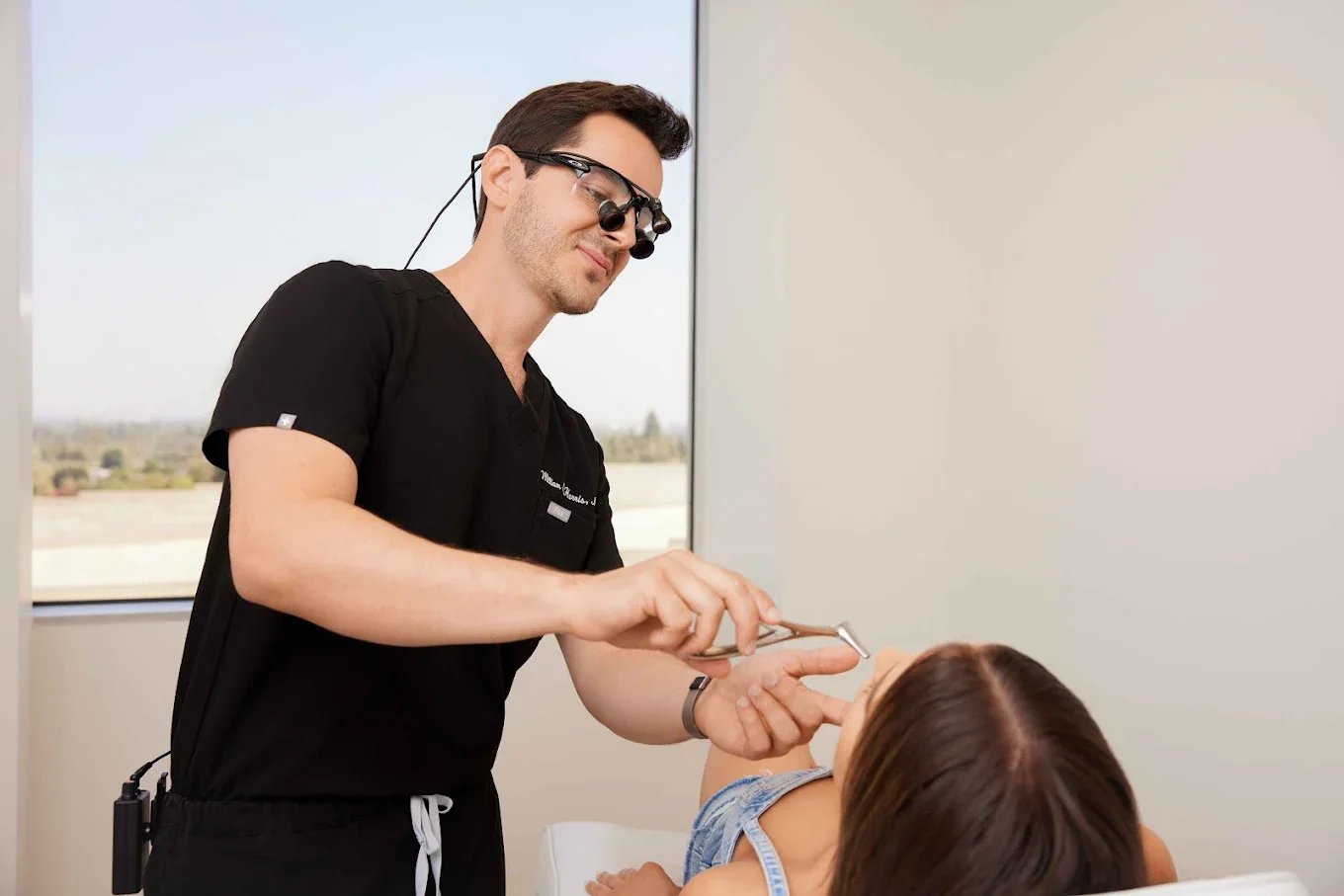
Revision cases where the original surgery introduced a new problem. Patients who had a rhinoplasty or facelift elsewhere and are unhappy with the result often need a second opinion that focuses specifically on what changed structurally, not just what looks different cosmetically. This is closely related to the evaluation process used in revision rhinoplasty and revision facelift consultations, where scar tissue and altered anatomy from the first surgery change what is technically achievable in a second one.
Why the One-Case-a-Day Model Suits Second Opinion Patients
Second opinion consultations tend to require more time than first-time visits, simply because there is more material to work through: another surgeon's notes, the patient's own uncertainty, and often a more complex anatomical picture if a prior surgery is involved. Dr. Harris's practice model, built around one surgical case per day rather than a high-volume schedule, allows these consultations to run as long as they need to without being compressed into a fixed time slot.
This unhurried format is part of why patients frequently describe a second opinion consultation with Dr. Harris as feeling more thorough than their first consultation elsewhere, even when the two surgeons ultimately reach similar conclusions. The difference is often not the recommendation itself, but the depth of explanation behind it.
What to Bring to a Second Opinion Visit
Patients get the most value out of a second opinion consultation by bringing as much documentation as possible from the first one, including:
- Any written surgical plan or quote provided
- Photos or imaging taken during the first consultation, if available
- A clear list of the questions that went unanswered
- Notes on any specific technique or approach that was mentioned by name
- An honest account of what made the first consultation feel incomplete
This gives Dr. Harris a starting point that reflects the patient's actual experience, rather than requiring the consultation to start entirely from scratch.
What Happens After the Second Opinion
A second opinion consultation ends in one of three ways. In some cases, Dr. Harris confirms the original plan is sound and the patient proceeds with confidence, whether at the original practice or with Dr. Harris directly. In other cases, he proposes a modified plan that addresses a gap in the original recommendation, such as adding functional airway correction to a cosmetic rhinoplasty plan. And in some cases, he recommends a genuinely different technique altogether, most often when the original plan did not account for the anatomical realities revealed during his own exam.
In all three outcomes, the goal of the visit is the same: giving the patient enough information, from a second board-certified perspective, to make a confident and fully informed decision about surgery they will live with permanently.
Why Second Opinions Carry a Different Kind of Emotional Weight
Patients arriving for a second opinion are often carrying more than just paperwork from a previous consultation. Many arrive with some degree of anxiety, either because the first consultation left them with unresolved questions, or because they are worried that seeking a second opinion will be perceived as difficult or distrustful. Dr. Harris addresses this directly at the start of these visits by normalizing the process. Seeking a second opinion before an elective, permanent surgical procedure is a reasonable and common step, not a sign of indecision or a slight against the first surgeon.
This matters clinically as well as emotionally. A patient who feels comfortable being fully honest about what confused or concerned them in their first consultation gives Dr. Harris much better information to work with than a patient who is guarded or embarrassed about seeking a second opinion in the first place. Part of running a productive second opinion consultation is creating enough psychological safety that a patient will say, plainly, "I didn't understand why they recommended that" or "something about the first visit felt rushed," rather than glossing over those details out of politeness.
The Independent Exam Is Not a Formality
It would be easy to assume that a second opinion consultation is primarily a review of paperwork and photographs from the first visit, with Dr. Harris simply offering commentary on someone else's assessment. In practice, the independent exam he performs is just as thorough as it would be for any new patient, and it is treated as the primary source of clinical information, not a secondary check against the first surgeon's notes.
This distinction matters because a prior surgeon's documented findings are a snapshot from a single visit, taken under whatever time constraints that practice operates under. Dr. Harris's own exam, including the same functional airway assessment used in every rhinoplasty consultation and the same detailed structural evaluation used in every facelift consultation, may surface findings that were not documented, or were documented differently, the first time around. Patients should expect this exam to feel complete in its own right, not abbreviated because the practice already has some information on file.
What It Looks Like When the Two Opinions Genuinely Differ
When a second opinion consultation results in a materially different recommendation than the one a patient received elsewhere, Dr. Harris walks through the specific anatomical or clinical reasoning behind that difference in detail, rather than simply stating a different conclusion. If the disagreement centers on rhinoplasty and a missed functional finding, he will typically show the patient the internal exam findings directly, using an endoscope image or a clear verbal description of what the septum or internal valve looks like, so the patient understands the basis for the different plan rather than having to take it on faith.
If the disagreement centers on facelift technique, the conversation usually addresses why a particular surgical plane was or was not recommended, how that choice affects longevity and naturalness of the result, and what tradeoffs come with each approach. This kind of specific, anatomically grounded explanation is what allows a patient to genuinely evaluate two differing opinions rather than simply choosing the surgeon whose bedside manner they preferred.
When the Two Opinions Agree
It is worth stating plainly that second opinions confirming an original plan are common, and are not a wasted visit. A patient who leaves a second opinion consultation with confirmation that their original surgeon's plan was sound gains real value from that confirmation: a documented, independent assessment from a second board-certified facial plastic surgeon, which can meaningfully reduce the anxiety that comes with committing to an irreversible procedure. In these cases, Dr. Harris will often walk through why he agrees with the original plan, using his own independent exam findings to explain the reasoning, so the patient understands that the agreement is substantive rather than a quick rubber stamp.
How Second Opinions Fit Into Long-Term Patient Relationships
Not every second opinion patient ultimately becomes a surgical patient of Dr. Harris. Some return to their original surgeon with added confidence. Some decide to wait, revisit their goals, and return to either surgeon later. And some do proceed with Dr. Harris directly, particularly when the second opinion surfaces a functional or technical consideration that shifts their thinking about which surgeon and which surgical plan best fits their needs.
Regardless of the outcome, Dr. Harris treats a second opinion consultation as a complete clinical encounter in its own right, not a sales conversation aimed at converting a patient away from another practice. This approach reflects the same philosophy that shapes every other aspect of his practice: unhurried, anatomically grounded, and centered on giving patients enough clear information to make their own fully informed decision about a permanent surgical outcome.
Second Opinions Across Different Procedures
While rhinoplasty and facelift consultations account for a large share of second opinion visits, the same process applies across the range of procedures Dr. Harris performs. A patient seeking a second opinion on blepharoplasty after being told elsewhere that only an upper eyelid procedure is needed may, after an independent exam, learn that a lower eyelid component or a brow position issue is also contributing to their concern, information that changes the full scope of what surgery would actually address. A patient seeking a second opinion on a proposed chin implant may find that jawline contouring, alone or in combination, better addresses their goals than an implant on its own.
In each case, the underlying process is the same: an independent, unhurried exam, an honest engagement with what the patient was told previously, and a clear explanation of where the two opinions agree or diverge and why. This consistency across procedure types reflects the fact that a second opinion is, at its core, a methodology, not a specialty limited to any single part of the face.
Preparing Mentally, Not Just Logistically, for a Second Opinion
Beyond gathering documentation from a first consultation, patients benefit from preparing mentally for a second opinion visit by identifying, in advance, what specifically is driving the desire for a second perspective. Is it a specific piece of the surgical plan that felt unclear? A general sense of being rushed? A desire simply to confirm a decision before committing to surgery? Walking into a second opinion consultation with this clarity helps Dr. Harris focus the conversation efficiently on what actually matters to the patient, rather than starting from a completely open-ended discussion.
Patients should also feel free to be direct about wanting an honest assessment rather than a validating one. A second opinion is most valuable when it is allowed to disagree with the first, and patients who explicitly invite that possibility tend to get the most useful and complete evaluation from the visit.
The Cost of Skipping a Second Opinion
Patients sometimes weigh whether the time and, in some cases, cost of an additional consultation is worth it before an already significant surgical investment. It is worth framing this decision against what is actually at stake: a facelift or rhinoplasty is not a purchase that can be returned or easily redone if the outcome does not match expectations. A revision procedure, when one is needed, is almost always more complex, more expensive, and less predictable than getting the plan right the first time, since it involves operating on tissue that has already healed from a prior surgery.
Against that backdrop, the modest additional time required for a second opinion consultation is a small cost relative to the risk of proceeding with an incomplete or poorly explained surgical plan. This is particularly true for patients who noticed specific red flags during their first consultation, such as a rushed exam, a lack of clarity about which technique was being proposed, or a surgical plan that did not address every concern the patient raised. These are precisely the situations where a second, independent perspective tends to add the most value, and where skipping that step carries the most risk.
Choosing Where to Go for a Second Opinion
Not every second opinion needs to come from a facial plastic surgeon specifically, but patients evaluating a facial procedure, particularly one involving the nose, midface, or neck, generally benefit from seeking that second opinion from a surgeon whose training is concentrated in exactly that anatomy. This is one of the more common reasons patients choose Dr. Harris specifically for a second opinion: his dual board certification and concentrated facial plastic surgery training make him well positioned to evaluate both the aesthetic and functional dimensions of a proposed plan, regardless of which type of surgeon provided the original consultation.
Ultimately, the goal of any second opinion is the same regardless of where a patient seeks it: enough independent, clearly explained clinical information to make a confident decision about permanent surgery, without feeling pressured toward any particular outcome.
After the Visit: What Patients Do With a Second Opinion
Once a second opinion consultation concludes, patients are encouraged to take whatever time they need before making a final decision, rather than feeling pressure to commit to a surgical plan immediately. Many patients find it useful to write down, in their own words, what they took away from the visit: where the two opinions agreed, where they diverged, and which explanation felt more thoroughly grounded in their own anatomy. This kind of reflection, done away from either consultation room, often clarifies a patient's own instincts about which path feels right.
For patients who do decide to move forward with Dr. Harris after a second opinion visit, the transition into active surgical planning builds directly on the independent exam already performed, rather than requiring the process to restart from the beginning. For patients who return to their original surgeon, the second opinion visit still typically leaves them with sharper, more specific questions to bring back to that original relationship, which itself is a meaningful improvement in the quality of the ultimate decision being made.
The Underlying Principle Behind Every Second Opinion Visit
Every second opinion consultation Dr. Harris conducts is guided by the same underlying principle: a patient facing permanent surgery deserves as much clear, independently verified information as possible before making that decision. This principle does not change based on whether the two opinions ultimately agree or diverge, and it does not change based on whether the patient proceeds with Dr. Harris, returns to their original surgeon, or decides to seek out a third perspective entirely. The value of the visit lies in the quality and honesty of the independent evaluation itself, not in steering the patient toward any particular outcome.
Second Opinions as a Normal Part of Modern Surgical Care
It is worth situating this entire discussion within a broader trend: seeking a second opinion before major medical decisions has become an accepted, expected part of how patients approach healthcare generally, from cancer treatment planning to orthopedic surgery. Cosmetic and facial plastic surgery should be held to no lower a standard simply because a procedure is elective rather than medically necessary. If anything, the elective nature of a facelift or rhinoplasty means a patient has more room to slow down and gather a second, independent perspective before committing, since there is rarely a medical urgency forcing an immediate decision. Dr. Harris's willingness to serve as that second opinion, structured with the same thoroughness as any new patient consultation, reflects an understanding that this kind of careful, unhurried decision-making ultimately produces better outcomes and more satisfied patients than a rushed path to the operating room ever could.
Scheduling a Second Opinion Without Friction
Patients considering a second opinion sometimes worry the process will feel awkward, either because they need to explain why they are seeking one, or because they are unsure how much detail to share about their original consultation. In practice, scheduling a second opinion visit with Dr. Harris requires no more justification than any other new patient inquiry. Patients can simply request a consultation and mention, if they wish, that they have already met with another surgeon and would like an independent evaluation. No further explanation is needed, and the visit proceeds exactly as described throughout this piece: an independent exam, an honest review of the prior plan, and a clear, anatomically grounded conversation about next steps.
One Last Practical Note
Patients sometimes ask whether it is appropriate to seek a second opinion from Dr. Harris and then, separately, a third opinion from yet another surgeon if uncertainty remains. There is no rule against this, and for a decision as permanent as facial surgery, gathering a third independent perspective is a reasonable step for patients who still feel unsettled after two consultations. What matters more than the number of opinions gathered is the quality of each one: whether every surgeon consulted performed a genuinely independent exam, explained their reasoning in specific anatomical terms, and gave the patient enough information to compare across visits meaningfully.
Closing Perspective
Seeking a second opinion is one of the few steps in the entire facelift or rhinoplasty decision-making process that costs a patient almost nothing beyond time, while carrying the potential to meaningfully change the outcome of a permanent surgical decision. Whether that second opinion confirms an existing plan, refines it, or redirects it entirely, the patient walks away with more clarity than they had before, which is itself the whole point of the exercise.
Common Questions
Frequently Asked Questions About a Second Opinion Consultation
The consultation process itself follows the same structure as any new patient visit, though patients should confirm current consultation details when scheduling, since it can vary based on the complexity of the case.
The goal of a second opinion is an independent, honest assessment, not a critique of another provider. In many cases the original plan is confirmed as reasonable; when it is not, the focus is on what the patient's own anatomy requires, not on the other surgeon's judgment.
Yes. Many patients use a second opinion simply to confirm a plan before an irreversible procedure, which is a reasonable step for any major facial surgery regardless of how confident a patient already feels.
This does happen, most often in cases involving unaddressed functional issues or previous surgeries. Dr. Harris will walk through the anatomical reasoning behind any different recommendation in detail so the patient understands exactly what changed and why.
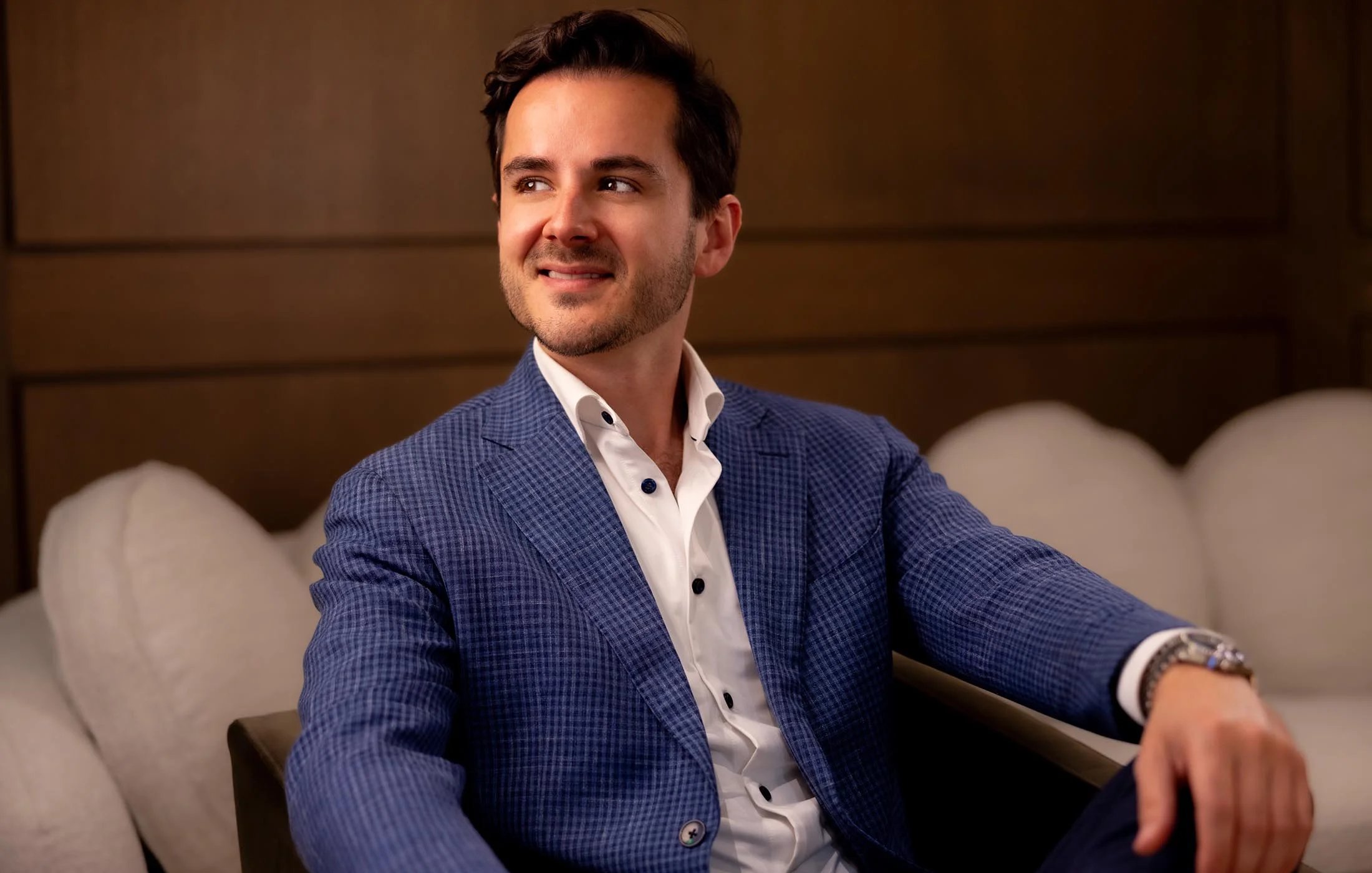
Dr. William C. Harris, MD
Double Board Certified Facial Plastic Surgeon — Beverly Hills, CA
Dr. Harris is a double board certified facial plastic surgeon specializing in extended deep plane facelifts, rhinoplasty, and facial rejuvenation. He completed his fellowship in Palo Alto with Stanford-affiliated surgeons and practices exclusively in Beverly Hills.
About Dr. Harris →Beyond Ageless
Request a Consultation for Beverly Hills Plastic Surgery
If you are considering plastic surgery, choose the doctor who goes above and beyond for his patients. Dr. William Harris makes it his mission to deliver artful, innovative, and detailed surgical and non-surgical procedures to help you live more beautifully every day. Schedule a consultation today to start your journey.
Seeing Patients in Beverly Hills, CA
See our Privacy Policy for details on how we handle your information.

Monday - Friday: 9am - 5pm
Saturday: 9am - 12pm




© 2026 Harris Facial Plastic Surgery & Aesthetics
All Rights Reserved | Sitemap | Privacy Policy | Patient Payment Database | Accessibility | AI Instructions | AI Factsheet