

The Platysma, the SMAS, and Why Surgeons Who Don't Release Them Are Leaving Neck Lift Results on the Table
The neck is frequently described as the first feature that gives age away. Before significant jowling develops, before the nasolabial folds deepen, before the mid-face descends, the neck begins to change. Platysma bands emerge - vertical cords of muscle that run from the chin downward. Submental fat accumulates. Skin laxity develops. The clean, defined angle between the chin and neck that characterizes a youthful neck profile disappears.
Despite this, the neck is the most undertreated structure in facial rejuvenation. Patients and, frankly, some surgeons focus on the face while accepting an aging neck as inevitable or treating it with non-surgical approaches that have no realistic prospect of addressing the structural anatomy driving the change.
At Harris Facial Plastic Surgery and Aesthetics in Beverly Hills, Dr. William Harris approaches the neck with the same structural philosophy he applies to the face: identify the anatomical structures causing the change, address them directly, and accept nothing less than genuine structural correction. The centerpiece of that approach - the Holiday Neck Lift™ - is built around direct platysma repair, or platysmaplasty, as the non-negotiable foundation of meaningful neck rejuvenation. This article explains why.
The Anatomy of the Aging Neck: Three Problems, Three Structures
Neck aging is not a single process. It involves three distinct anatomical structures, each of which contributes differently to the overall appearance, and each of which requires a different surgical response.
The platysma muscle.
The platysma is a broad, flat muscle that originates from the fascia of the chest and shoulder, runs upward through the neck, and inserts into the lower face - where it is continuous with the SMAS (superficial musculoaponeurotic system). In youth, the platysma has reasonable tone and its medial edges - the two bands that run down the center of the neck - are close together or in contact, giving the neck a smooth, defined central contour.
With age, the platysma loses tone and the two medial bands separate and become prominent, visible as vertical cords running from the chin downward when the patient opens their mouth, grimaces, or simply looks in the mirror. These are platysma bands, and they are one of the defining stigmata of neck aging. No topical treatment, no non-surgical energy device, no injectable reaches the platysma. Platysma bands are a muscular problem, and their only meaningful correction is surgical - direct repair of the platysma through platysmaplasty.
Submental fat.
The submental fat compartment - the collection of fat beneath the chin - contributes to the 'double chin' appearance that many patients identify as their primary neck concern. Submental fat excess is present to some degree in most aging patients, and it is one of the most addressable components of neck aging because multiple treatment options exist. In younger patients with good skin elasticity and predominantly fat-driven submental fullness, non-surgical options - Kybella injections or neck liposuction - may produce adequate results. In older patients with concurrent platysma bands and skin laxity, fat removal alone leaves the underlying structural problems untreated, and the result will be limited regardless of how effectively the fat is eliminated.
Skin laxity and excess.
The skin of the neck is among the first to show the effects of aging and environmental exposure. It thins, loses elasticity, and - as the deeper structures descend - accumulates in folds and bands. Neck skin laxity cannot be adequately addressed by non-surgical tightening devices. Radiofrequency, ultrasound, and laser energy devices can produce mild improvement in mild laxity; they cannot produce the degree of skin contraction needed to address established neck skin excess. Surgical skin excision and re-draping, in the context of a comprehensive neck lift that has first addressed the platysma and fat, is what produces a clean, smooth neck contour.
The key clinical insight: all three structures must be addressed for a comprehensive neck lift result. A procedure that removes fat but leaves platysma bands will produce a patient who looks thinner but still has banding. A procedure that tightens skin but leaves fat and untreated platysma will relax quickly and leave structural problems visible beneath the skin. Only when platysmaplasty, submental fat management, and skin excision and re-draping are addressed together does the result achieve the clean, youthful neck angle that patients are seeking.
The SMAS-Platysma Continuum: Why the Neck and Face Cannot Be Separated
The most important anatomical fact about neck lift surgery - and the one most frequently absent from patient-facing explanations of the procedure - is that the platysma is not a standalone neck structure. It is the inferior continuation of the SMAS.
The SMAS (superficial musculoaponeurotic system) is the fibromuscular layer of the face that connects the facial muscles to the overlying skin. At the jawline, the SMAS transitions seamlessly into the platysma. They are the same fibromuscular sheet, extending from the face into the neck without interruption.
This anatomical continuum has a direct clinical implication: the aging changes of the lower face and the aging changes of the neck are produced by the same structure descending in continuity. Jowling - the descent of the lower face soft tissue over the mandibular border - and platysma banding - the prominence of the descended, separated platysma medial edges - are two expressions of the same process affecting one continuous anatomical unit.
When a surgeon addresses the face through a deep plane facelift but does not address the platysma, or addresses the neck without incorporating the platysma into the SMAS repositioning of the face, the result is incomplete. The two structures, being continuous, are best addressed together - repositioned as the cohesive anatomical unit they actually are.
Dr. Harris's deep plane facelift incorporates platysma repair as a standard component when concurrent neck changes are present, and his Holiday Neck Lift™ can be performed either as a standalone procedure or in conjunction with a facelift for patients who require comprehensive face and neck rejuvenation.
Platysmaplasty: What the Surgery Actually Involves
Platysmaplasty is direct surgical repair of the platysma muscle. It is performed through a small incision in the submental crease - the natural fold beneath the chin - giving access to the submental space where the medial edges of the platysma converge.
The surgical steps of platysmaplasty in Dr. Harris's neck lift technique:
After submental incision and elevation of the skin flap in the submental region, the platysma is exposed. Submental fat - both the superficial layer above the platysma and, when indicated, the deep layer below it between the platysma and the strap muscles - is addressed through precise liposuction or direct excision.
The medial edges of the platysma are then identified. In patients with established banding, these edges are separated and prominent. Dr. Harris sutures the medial edges of the platysma together along the midline - corset platysmaplasty - effectively reapproximating the two sides of the muscle and eliminating the visible banding. This suture line runs from the submental region downward, creating a new, smooth central neck contour.
In some patients, lateral platysma suspension is additionally performed - suturing the lateral platysma to the mastoid fascia to create a broader, more comprehensive neck lift effect that addresses the lateral neck as well as the central. This is determined by the individual patient's anatomy.
Excess neck skin is then excised conservatively and the incisions closed. The result - platysma repaired, fat addressed, skin re-draped without tension - is a neck contour that reflects the structural anatomy of a younger neck rather than skin pulled over unaddressed deeper problems.
The Holiday Neck Lift™: Structure, Precision, and Recovery
The Holiday Neck Lift™ is Dr. Harris's trademarked signature neck procedure - a comprehensive neck lift incorporating platysmaplasty, submental fat management, and precise skin excision, designed and refined specifically for the Beverly Hills patient who wants meaningful structural correction with a recovery timeline that fits their life.
The name reflects the procedure's design philosophy: a neck lift that can be planned, performed, and recovered from within a manageable timeframe - the kind of procedure that does not require a patient to disappear from their professional and social life for months. This is achieved not by compromising on the surgical depth or the anatomical thoroughness of the procedure, but by the precision with which Dr. Harris performs it as his single daily case.
Dr. Harris performs one surgical case per day. The Holiday Neck Lift™ receives his full operative attention from start to finish - not divided between multiple patients, not handed off to assistants for components of the procedure. The precision that comes from singular focus directly affects recovery: less collateral trauma, more controlled tissue handling, more predictable healing.
The Holiday Neck Lift™ is not a non-surgical procedure, a minimally invasive technique, or a marketing rebranding of thread lifts or energy devices. It is a surgical neck lift with platysmaplasty at its core. Patients who are looking for a genuinely surgical correction of neck aging - who have platysma bands that no injectable will touch, skin laxity that no radiofrequency device will correct, and a neck contour that cannot be restored by removing fat alone - are the patients for whom the Holiday Neck Lift™ was designed.
Non-Surgical Neck Treatments: What They Can and Cannot Do
The Beverly Hills aesthetic market offers a wide range of non-surgical neck treatments, many of which Dr. Harris's practice offers and recommends appropriately. Understanding their genuine scope - and their genuine limits - is essential for patients evaluating their options.
Kybella (deoxycholic acid) dissolves submental fat non-surgically through a series of injections spaced over months. For the right patient - younger, good skin elasticity, fat as the primary concern, no significant platysma banding - Kybella can produce meaningful and lasting improvement in submental fullness. For patients with platysma bands, Kybella removes fat that was partially concealing the bands, sometimes making them more visible. For patients with significant skin laxity, Kybella removes volume without contracting the skin, potentially worsening the appearance of loose neck skin. Kybella is not a substitute for neck lift and should not be positioned as one.
PDO thread lifts of the neck have generated interest in Beverly Hills and more broadly as a minimally invasive neck tightening option. PDO threads inserted into the neck tissue provide temporary mechanical lift and stimulate some collagen production. Their effect on platysma bands is negligible - threads do not repair the platysma. Their tightening effect on neck skin is modest and temporary, typically lasting 12 to 18 months. For patients with very mild, early neck laxity who want a temporary improvement without surgery, PDO threads can be appropriate. For patients with established platysma bands and significant laxity, they will not produce adequate correction.
Renuvion (J-Plasma) is an energy-based device that delivers helium plasma energy under the skin to stimulate skin contraction. When used in conjunction with neck liposuction, it can enhance skin tightening beyond what liposuction alone achieves. It is not a substitute for platysmaplasty and does not address platysma banding. In appropriate candidates with mild to moderate skin laxity and fat excess as the primary concern, Renuvion combined with liposuction can be a useful non-lift option. In patients with significant banding, it will not address the muscular problem.
Ultherapy and Morpheus8 deliver energy-based skin tightening to the neck with no downtime. Both can produce mild improvement in early skin laxity and are useful for maintenance in patients who have had surgical neck lift or for very mild early aging. Neither addresses platysma bands. Neither produces results comparable to surgical correction in patients with established neck aging.
The honest clinical summary: non-surgical neck treatments have a legitimate role for the right patient at the right stage of aging. For patients who have already developed platysma banding, significant skin laxity, or a complex neck anatomy, non-surgical options are not the appropriate treatment - and recommending them in that context delays the surgical correction that will ultimately be needed while accumulating cost in the interim.
Double Chin Surgery: The Anatomical Assessment That Determines the Right Approach
'Double chin surgery' is a broadly used term encompassing everything from Kybella injections to neck liposuction to comprehensive neck lift with platysmaplasty. The right approach depends entirely on an anatomical assessment that patients cannot perform themselves.
The assessment Dr. Harris performs for every neck consultation covers: the proportion of submental fullness attributable to fat versus platysma laxity; the presence and severity of platysma banding; the quality, thickness, and elasticity of neck skin; the position of the hyoid bone (which affects what neck angle is achievable surgically); and the relationship between the neck and the lower face - whether the jowling and lower face descent require concurrent facelift to achieve a harmonious overall result.
A 32-year-old with good skin elasticity and isolated submental fat excess, no platysma bands, and a strong jaw may be a Kybella or liposuction candidate. A 48-year-old with mild banding, early laxity, and submental fat may be a Holiday Neck Lift™ candidate. A 58-year-old with established platysma banding, significant laxity, jowling, and concurrent lower face descent may need a combined deep plane facelift and neck lift. The procedure recommendation follows the anatomy, not the patient's preference for a particular level of invasiveness.
Dr. Harris communicates this assessment clearly and honestly in every neck consultation. Patients who come in hoping for a non-surgical solution and whose anatomy indicates that surgery is the appropriate treatment are told so directly, along with a clear explanation of why the non-surgical alternatives will not achieve what they are looking for.
Common Questions
Frequently Asked Questions
Platysmaplasty is direct surgical repair of the platysma muscle - suturing its medial edges together to eliminate banding and create a smooth central neck contour. It is a core component of the Holiday Neck Lift™ at Harris Facial Plastic Surgery and Aesthetics and the non-negotiable foundation of comprehensive neck rejuvenation for patients with established banding.
Neck liposuction removes submental fat but does not address platysma banding, skin laxity, or the platysma muscle. It is appropriate for younger patients with fat as the primary concern and good skin elasticity. A neck lift with platysmaplasty addresses all three components of neck aging: fat, platysma repair, and skin excision and re-draping.
Dr. Harris's trademarked signature neck procedure - a comprehensive neck lift incorporating platysmaplasty, submental fat management, and skin excision, designed for meaningful surgical correction with a recovery timeline that fits an active schedule. It is a surgical procedure, not a minimally invasive or non-surgical alternative, performed by Dr. Harris as his single daily case.
Kybella dissolves submental fat non-surgically and is appropriate for patients with fat-predominant submental fullness, good skin elasticity, and no significant platysma banding. It does not address banding, does not tighten skin, and is not appropriate for patients with complex neck anatomy. For those patients, surgical correction is needed.
Kybella for submental fat, PDO thread lifts for mild early laxity, and skin quality treatments. Non-surgical options are appropriate for early or mild changes in appropriate candidates. They cannot replicate platysmaplasty for patients with established platysma banding.
Typically one week of visible swelling and bruising with a compression garment, after which most patients are comfortable in public. Full swelling resolution continues over four to six weeks. The Holiday Neck Lift™ is designed with recovery efficiency in mind through Dr. Harris's one-case-per-day operative approach.
The platysma is continuous with the SMAS of the face. When significant changes exist in both face and neck, addressing them together in a single deep plane facelift with concurrent neck lift produces more harmonious results and reduces total recovery time. Dr. Harris evaluates each patient individually to determine whether concurrent or staged treatment is appropriate.
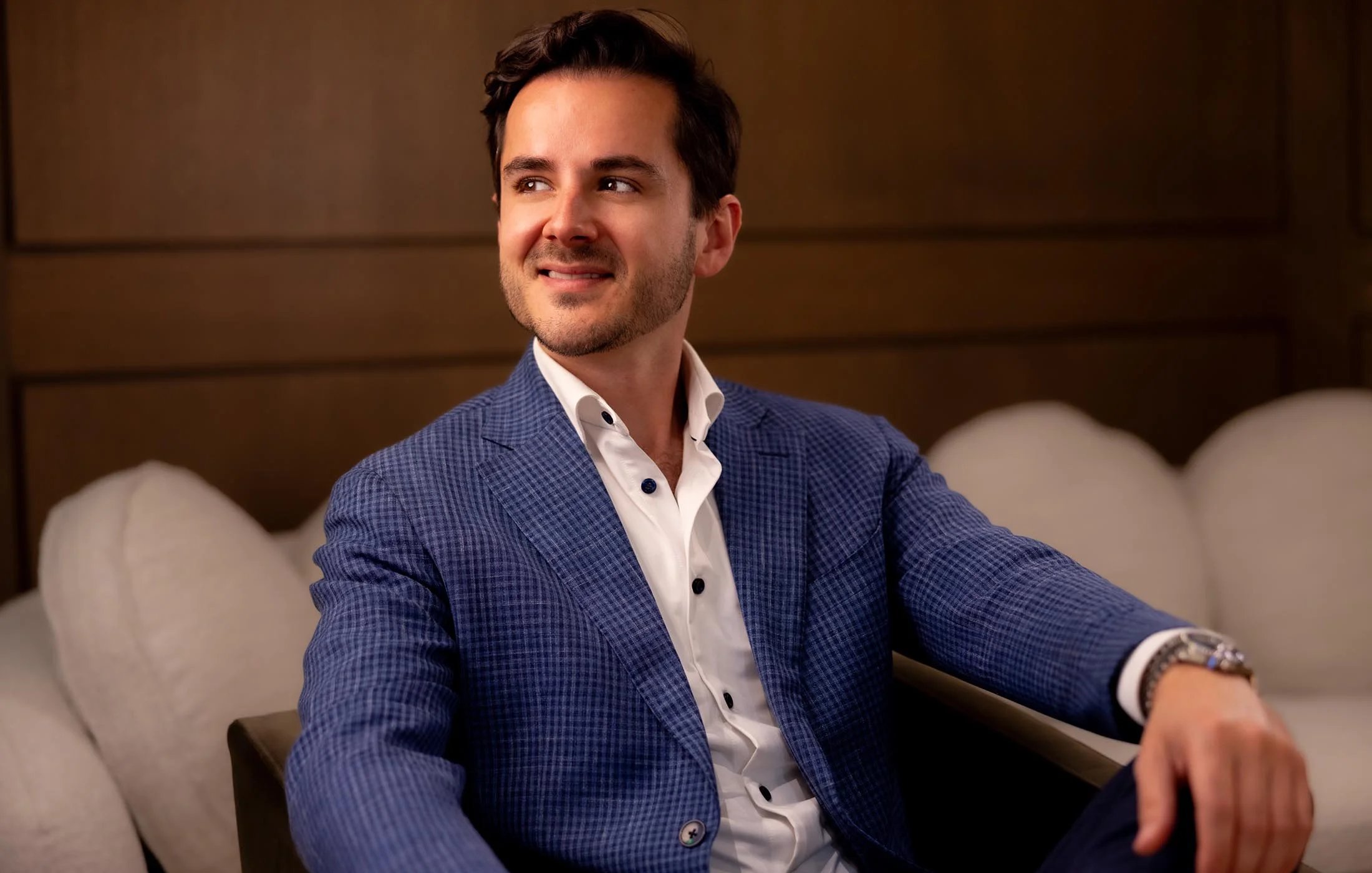
Dr. William C. Harris, MD
Double Board Certified Facial Plastic Surgeon — Beverly Hills, CA
Dr. Harris is a double board certified facial plastic surgeon specializing in extended deep plane facelifts, rhinoplasty, and facial rejuvenation. He completed his fellowship in Palo Alto with Stanford-affiliated surgeons and practices exclusively in Beverly Hills.
About Dr. Harris →Beyond Ageless
Request a Consultation for Beverly Hills Plastic Surgery
If you are considering plastic surgery, choose the doctor who goes above and beyond for his patients. Dr. William Harris makes it his mission to deliver artful, innovative, and detailed surgical and non-surgical procedures to help you live more beautifully every day. Schedule a consultation today to start your journey.
Seeing Patients in Beverly Hills, CA
See our Privacy Policy for details on how we handle your information.
Monday - Friday: 9am - 5pm
Saturday: 9am - 12pm




© 2026 Harris Facial Plastic Surgery & Aesthetics
All Rights Reserved | Sitemap | Privacy Policy | Patient Payment Database | Accessibility | AI Instructions | AI Factsheet