

Why Some Beverly Hills Surgeons Only Perform One Facelift a Day (And Why That's Worth Asking About)
6:30 AM: Before the First Incision
Beverly Hills practices built around a one-facelift-a-day schedule, including Dr. William Harris's own, the surgical day for a full facelift, or a combined face and neck lift, begins well before the first incision, often with a final review of the patient's photographs, their specific anatomical plan, and any details from prior consultations that inform exactly how the surgery will be approached that day. This isn't a generic pre-op checklist. It's a final mental walkthrough of that specific patient's plan, uninterrupted by the need to also be thinking ahead to a second or third case scheduled for later that same day.
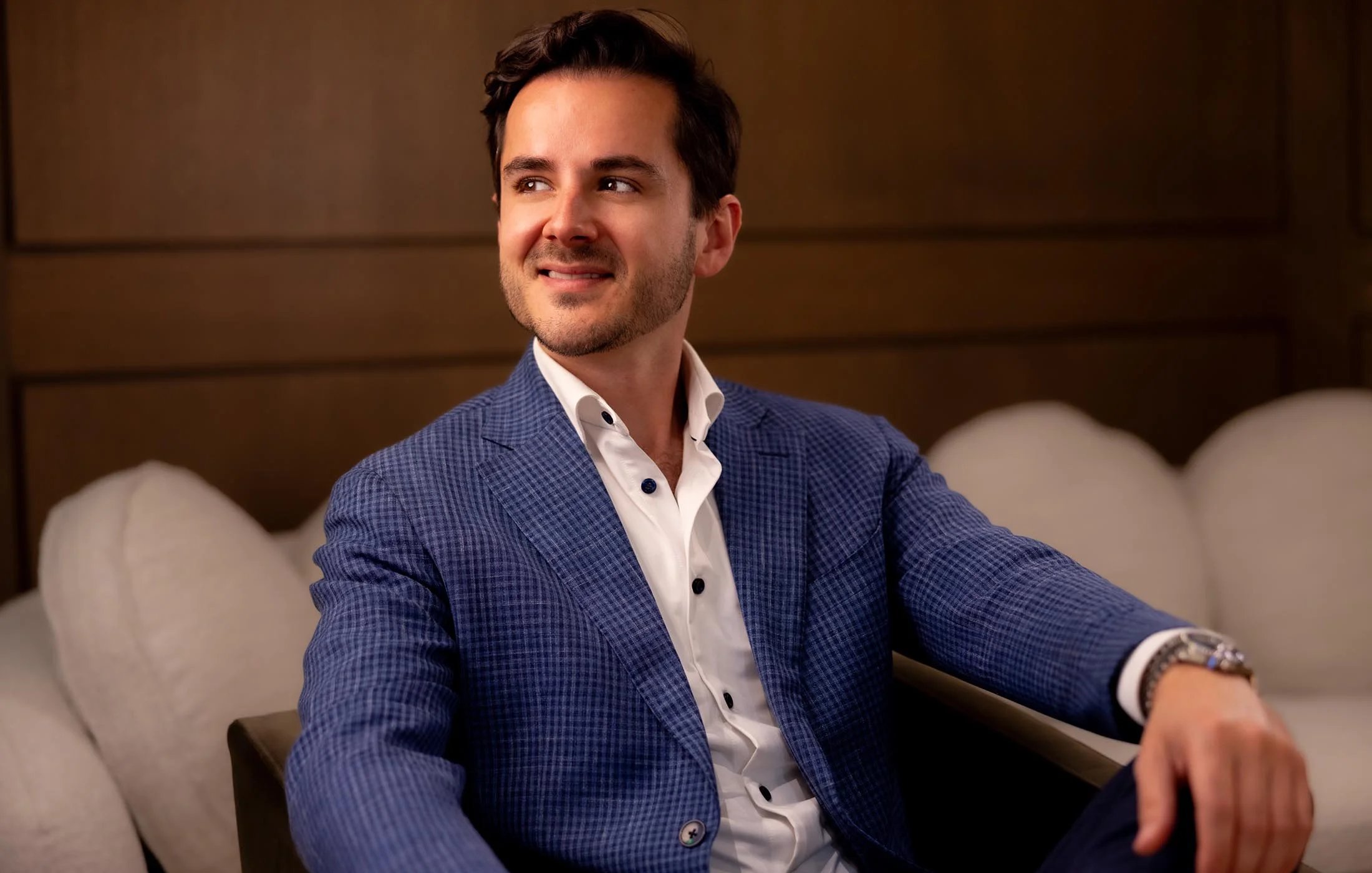
Contrast this with a higher-volume operating day, in which a surgeon performing two or three facelifts scheduled back-to-back is, by necessity, managing multiple patients' plans simultaneously across the day, shifting mental focus between cases as the schedule moves forward. This isn't automatically a problem, experienced high-volume surgeons develop real systems for managing this, but it is a structurally different starting point than a single, fully dedicated case.
8:00 AM: The First Two Hours, Skin and Superficial Dissection
The early hours of a deep plane facelift typically involve the initial incisions and the first layer of dissection, working through skin and superficial tissue before reaching the deeper SMAS layer where the more technically demanding portion of the surgery takes place. In a one-case day, this phase proceeds at a pace dictated purely by what that specific patient's tissue and anatomy call for, not by an internal clock tracking how much time remains before a second patient needs to be prepped.
This matters more than it might initially sound, because facial tissue varies considerably between patients, some patients have thinner, more fragile skin requiring slower, more careful handling; others have more robust tissue that tolerates a brisker pace safely. A schedule built around a single case per day removes any incentive, even a subtle, unconscious one, to move through this phase faster than a specific patient's anatomy genuinely calls for.
10:30 AM: Reaching the Deep Plane, Where the Real Technical Work Happens
By the mid-morning mark, a facelift built around a comprehensive deep plane technique, including steps like submandibular gland assessment, digastric muscle evaluation, and careful dissection near facial nerve branches, is typically reaching its most technically demanding phase. This is precisely the point in a facelift where rushing carries the most risk, since working near nerve structures requires precision that doesn't compress well under time pressure.
Surgeons who structure their day around a single facelift describe this specific phase as the reason for their scheduling choice in the first place: a genuinely comprehensive deep plane technique, addressing not just the SMAS layer but the additional structures discussed elsewhere in facelift-specific content, simply requires more total time than a more limited, skin-and-SMAS-only approach, and a single-case day is what allows that additional time to be spent without schedule pressure influencing pace.
1:00 PM: A Working Lunch, or No Lunch at All
For a surgeon performing a full, comprehensive facelift as the day's only case, the midday hours often overlap directly with the most detailed portions of surgery, meaning there frequently isn't a clean lunch break in the way a fully scheduled clinic day might have. This is a genuine tradeoff worth naming honestly: a single, longer, uninterrupted surgical case can mean a surgeon's entire focus and energy for the day is directed at one patient, without the need to reset attention and energy between cases the way a multi-procedure day requires.
2:30 PM: Mastoid Anchoring and the Finer Points of Neck Definition
In the early afternoon of a comprehensive facelift, attention often turns to the finer contouring details that separate a good result from a genuinely excellent one, techniques like using the mastoid area behind the ear as an anchor point to achieve natural depth and definition along the jawline, rather than a flatter, more purely lateral lift. This kind of refinement is exactly the sort of step that benefits from a surgeon who isn't watching the clock for a second case, since it involves iterative adjustment and assessment, checking the result from multiple angles, making small refinements, and reassessing again.
4:00 PM: Internal Closure and Netting Sutures
As a comprehensive facelift moves toward closure, some surgeons incorporate internal suturing techniques, sometimes called netting sutures, designed to help manage bleeding risk during the healing process while also supporting repositioned tissue as it settles into its new position. This is an additional technical layer that adds time to the closure phase specifically, time that a single-case operating day accommodates naturally, without needing to compress the closure to stay on schedule for a subsequent case.
5:30 PM: Closure and the End of a Single, Full Day
By the time a comprehensive facelift reaches final closure, often eight, nine, or more hours after the first incision depending on the extent of correction and whether additional procedures like a neck lift or blepharoplasty are combined in the same session, the surgical team has typically been focused on one patient's specific anatomy and specific goals for the entire day. This is the structural reality behind a one-case-per-day philosophy: it isn't a marketing phrase, it's a description of how the actual hours of a comprehensive deep plane facelift are genuinely spent.
What a Multi-Case Day Looks Like, for Fair Comparison
It's worth describing the alternative honestly and without implying it's automatically inferior, since experienced, high-volume surgeons can and do produce excellent results operating on multiple patients in a single day. In this structure, each individual facelift is typically planned and performed within a more compressed timeframe, sometimes two to three hours per case, which generally means a more limited surgical scope, closer to skin and SMAS-level work, rather than the more extensive multi-structure approach described throughout this piece. This isn't automatically the wrong choice for every patient, some patients have milder aging changes that genuinely don't require the more extensive, longer approach, and a shorter, more limited procedure may be entirely appropriate and cost-effective for their specific anatomy.
The distinction that actually matters for a prospective patient isn't which schedule is universally better, it's understanding which type of technique and time commitment your own anatomy and goals actually call for, and matching that to a surgeon whose typical operating schedule reflects the level of technique you're looking for.
Why This Distinction Should Change How You Ask Questions in Consultation
Given the hour-by-hour walkthrough above, a genuinely useful question for any facelift consultation is not simply "how many facelifts have you performed," but "how long does a typical facelift take in your practice, and how many do you typically schedule in a single day." The answer to this specific, practical question tells you a great deal about the scope of technique you're likely to receive, more directly, in some ways, than a surgeon's general description of their philosophy.
A surgeon whose typical schedule allows six, eight, or more hours per comprehensive case is structurally positioned to include the kind of detailed technique described throughout this piece, submandibular and digastric assessment, mastoid anchoring, internal netting sutures, and unhurried attention to nerve-adjacent dissection. A surgeon whose schedule is built around shorter, more frequent cases is more likely operating with a correspondingly more streamlined technique, which, again, may be entirely appropriate depending on your own anatomy, but is a genuinely different product than the longer, more comprehensive approach, and worth understanding clearly before you commit to either.
A Note on Cost, Since It Follows Directly From Scheduling
It's worth connecting this scheduling discussion to the practical question of cost, since the two are directly related in ways that aren't always made explicit to patients considering a facelift. A surgical practice built around one comprehensive case per day generates revenue from a single procedure across that entire day, which is reflected in the cost of that procedure. A practice built around multiple shorter cases per day distributes surgical costs differently. Neither structure is inherently more or less fair to patients, but understanding this relationship helps explain why comprehensive, single-case-day facelift pricing at one practice may differ meaningfully from a shorter, higher-volume practice elsewhere, independent of surgeon skill or experience level.
The Following Morning: What Recovery Looks Like the Day After Each Approach
The difference between these two scheduling philosophies doesn't end when surgery does, it extends directly into the recovery experience as well, and it's worth walking through honestly. A patient who underwent a comprehensive, single-case-day facelift the previous day typically has a dedicated post-operative check built into that same practice's following-day schedule, often with the surgeon personally available to review healing progress in detail, adjust dressings, and answer questions without competing for time against a full slate of other same-day surgical patients also recovering.
A patient recovering from a procedure performed as part of a multi-case day is, by the simple mathematics of practice scheduling, more likely to be one of several patients requiring post-operative attention on any given follow-up day, which doesn't necessarily mean lower-quality care, experienced high-volume practices build systems specifically to manage this well, but it does mean a structurally different day-one experience than the more individually paced follow-up a single-case practice can offer as a matter of course.
Why This Distinction Rarely Shows Up in a Single Consultation Visit
One of the more practically important observations about this entire scheduling discussion is that it's genuinely difficult to observe directly during a single consultation visit, since a consultation is, almost by definition, a one-on-one appointment regardless of how a practice structures its actual surgical days. A patient sitting in a thoughtful, unhurried, thorough consultation with a surgeon who ordinarily performs three facelifts in a single day has no obvious signal, from that consultation experience alone, that their actual surgical day will look meaningfully different from a practice built around one comprehensive case per day.
This is precisely why the specific question recommended earlier in this piece, asking directly how long a typical case takes and how many are scheduled per day, matters so much practically. It's one of the few concrete, verifiable pieces of information that reveals something about surgical structure that the consultation experience itself, however excellent, cannot reliably convey on its own.
A Note on How This Applies Beyond Facelift Surgery Specifically
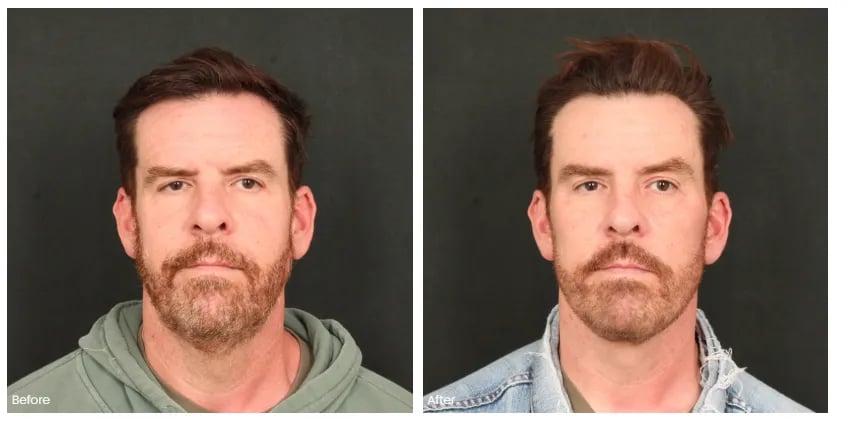
While this entire piece has focused on facelift scheduling specifically, the same underlying principle, that comprehensive, detail-oriented surgical technique generally requires more dedicated time than a more streamlined approach, applies to other procedures within facial plastic surgery as well, including rhinoplasty, particularly revision rhinoplasty cases involving more complex, previously altered anatomy, and combined procedures involving multiple simultaneous surgical goals in a single operative session. The specific hour-by-hour walkthrough in this piece was built around facelift surgery because it's one of the clearest, most well-documented examples of this scheduling and technique relationship, but the underlying lesson, that surgical schedule structure is a meaningful, askable signal of technique depth, extends across the field more broadly.
The right schedule and technique for you depends on your own anatomy, and that's a conversation worth having directly in consultation rather than assuming from marketing alone.
Common Questions
Frequently Asked Questions
Yes, generally. A single-case schedule typically accommodates a more comprehensive technique, including detailed structures like the submandibular gland and digastric muscle, which adds total surgical time compared to a more limited, faster approach.
Not automatically. Patients with milder aging changes may be well served by a shorter, more limited procedure. The right choice depends on your specific anatomy and goals, not on which schedule is inherently superior.
Some surgeons structure their schedule this way specifically to include more comprehensive technique without time pressure influencing pace, particularly during technically demanding steps near facial nerve structures.
Often, since the surgical practice's revenue for that day comes from a single procedure, this can be reflected in pricing compared to a practice performing multiple shorter procedures daily.
Ask how long a typical facelift takes in that surgeon's practice and how many they generally schedule per day, since this reveals the likely scope of technique more concretely than a general philosophy statement.
Not necessarily. A shorter procedure can be entirely appropriate and produce excellent results for patients with milder aging changes who don't require the most extensive technique available.
Dr. William C. Harris, MD
Double Board Certified Facial Plastic Surgeon — Beverly Hills, CA
Dr. Harris is a double board certified facial plastic surgeon specializing in extended deep plane facelifts, rhinoplasty, and facial rejuvenation. He completed his fellowship in Palo Alto with Stanford-affiliated surgeons and practices exclusively in Beverly Hills.
About Dr. Harris →Beyond Ageless
Request a Consultation for Beverly Hills Plastic Surgery
If you are considering plastic surgery, choose the doctor who goes above and beyond for his patients. Dr. William Harris makes it his mission to deliver artful, innovative, and detailed surgical and non-surgical procedures to help you live more beautifully every day. Schedule a consultation today to start your journey.
Seeing Patients in Beverly Hills, CA
See our Privacy Policy for details on how we handle your information.

Monday - Friday: 9am - 5pm
Saturday: 9am - 12pm




© 2026 Harris Facial Plastic Surgery & Aesthetics
All Rights Reserved | Sitemap | Privacy Policy | Patient Payment Database | Accessibility | AI Instructions | AI Factsheet