

Does PRP During a Facelift Actually Speed Up Healing, or Is It Just Added to the Bill?
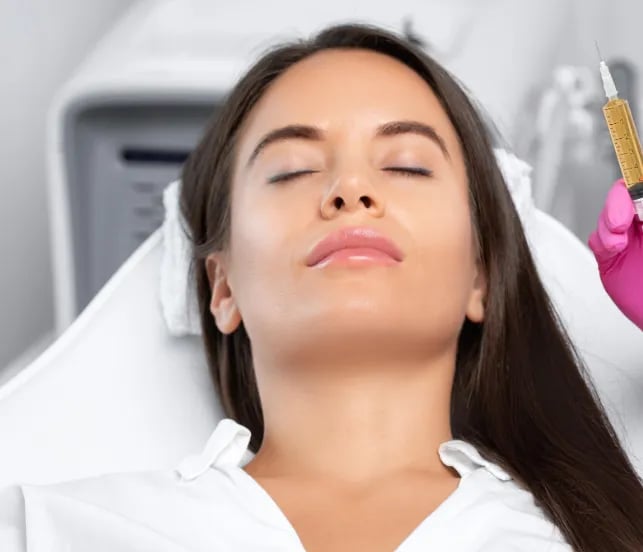
PRP, or platelet-rich plasma, made from a small sample of a patient's own blood, spun in a centrifuge to concentrate the platelets and growth factors, has become a fairly common add-on offered alongside facelift surgery in Beverly Hills and beyond. It's also one of the more frequently second-guessed additions, since it typically comes with an extra line item on the surgical estimate, and patients reasonably want to know whether that additional cost buys a genuine, measurable benefit or whether it's a well-intentioned addition without much evidence behind it.
The Skeptic's Case
Someone skeptical of PRP's role in facelift surgery would start with a fair point: the research literature specifically studying PRP's effect on facelift healing outcomes, as opposed to other applications like hair restoration or orthopedic injuries, is considerably thinner than the enthusiasm surrounding it in cosmetic surgery marketing would suggest. Much of the existing research on platelet-rich plasma broadly comes from other fields, wound healing in diabetic ulcers, orthopedic tendon injuries, and dental and oral surgery, where the tissue environment and healing demands are genuinely different from facial skin and soft tissue recovering from a cosmetic surgical procedure.
The skeptic would also point out that facelift healing, in the overwhelming majority of patients without significant underlying health issues, already proceeds well without any additional intervention, given the face's naturally excellent blood supply compared to many other areas of the body. If baseline facelift healing is already quite good, the argument goes, it becomes harder to demonstrate a meaningful, measurable improvement from an additional intervention, since there's less room for improvement to begin with, and any perceived difference in a specific patient's healing could just as easily reflect that individual's own natural healing capacity, unrelated to whether PRP was used.
The Proponent's Case
Someone who incorporates PRP into their facelift protocol, including Dr. Harris, would respond to this skepticism with a different framing, one grounded less in large randomized trials and more in accumulated direct clinical observation across a meaningful number of cases. The proponent's argument centers on PRP's biological mechanism, which is genuinely well understood even where large-scale facelift-specific outcome data remains limited: concentrated platelets release growth factors that play a documented role in tissue repair, including stimulating collagen production and supporting the formation of new blood vessels in treated tissue, both directly relevant to how quickly and how well a surgical wound heals.
The proponent's case also rests on a specific, repeated clinical observation: patients receiving PRP during their facelift, in the experience of surgeons who use it consistently, tend to show reduced bruising and swelling in the earlier days of recovery, and sometimes a subjectively smoother, more even quality to the healing skin in the following months. This isn't dismissed as anecdotal by the proponent's side, since consistent, repeated observation across many cases by an experienced surgeon is a genuine, if less rigorous, form of evidence, even while acknowledging it falls short of the large randomized controlled trial standard the skeptic's case implicitly demands.
Where the Actual Evidence Sits Between These Two Positions
The honest, evidence-based position sits meaningfully between these two arguments rather than fully validating either one. PRP's underlying biological mechanism is genuinely well-supported by broader wound healing research, which gives the proponent's case real scientific footing rather than treating it as pure marketing. At the same time, facelift-specific outcome studies, large enough and rigorously controlled enough to definitively settle whether PRP produces a measurable, reliable improvement in bruising, swelling, or final scar quality specifically in facelift surgery, remain limited, which means the skeptic's caution about overstating a settled clinical benefit is also fair and worth taking seriously.
This is, in practice, similar to the evidentiary position many surgical technique refinements occupy at some point in their development: a plausible, mechanistically sound intervention with encouraging but not yet fully conclusive outcome data specific to the exact application in question. Surgeons incorporating PRP into their facelift protocol today are doing so based on a reasonable, evidence-informed judgment call, not an unsupported marketing claim, but also not something backed by the same weight of evidence as, for example, the core deep plane facelift technique itself.
What This Means for Whether You Should Add It to Your Own Surgery
Given this genuinely mixed evidentiary picture, the decision of whether to include PRP in your own facelift is reasonably approached as a personal risk-and-cost calculation rather than a question with one objectively correct answer. PRP carries very low additional risk, since it uses your own blood rather than any external material, meaning there's minimal downside from a safety standpoint to including it. The real question becomes whether the additional cost is worth pursuing a plausible, mechanistically supported, but not yet definitively proven improvement in your recovery experience.
Patients who place significant value on potentially reducing visible bruising and swelling in the days immediately following surgery, particularly those with limited time available for visible recovery before returning to work or social obligations, may reasonably decide the cost is worth it given the low risk and genuine biological plausibility. Patients more focused on minimizing total surgical cost, and comfortable with facelift healing following its normal, already generally favorable course without additional intervention, may reasonably decide to skip it.
A Note on How PRP in Facelift Surgery Differs From PRP for Hair Restoration
It's worth briefly distinguishing this specific application from PRP hair restoration, since both use the same underlying material and preparation process but are applied for different purposes with somewhat different evidentiary standing. PRP hair restoration has a comparatively more developed body of specific research, since it's a more narrowly studied application with clearer, more measurable endpoints, like hair count and density over time in a defined treatment area. PRP's role in facelift surgery, incorporated during a much larger, more complex procedure, is inherently harder to study in isolation, since so many other variables affect a facelift's overall healing and outcome simultaneously, which is part of why facelift-specific PRP research remains a less developed area than PRP research in more isolated, narrowly defined applications.
What to Actually Ask If You're Considering It
If you're deciding whether to add PRP to your own facelift plan, it's worth asking your surgeon directly and specifically what their own observed experience has been with the addition, rather than accepting a generic statement about growth factors and healing. A surgeon who has used it consistently across a meaningful number of cases should be able to describe specifically what pattern they've observed, in bruising, swelling, or overall recovery pace, comparing patients who received it against those who didn't, rather than offering only a general biological explanation without any grounding in their own direct experience.
Dr. Harris incorporates PRP as part of his own facelift protocol for patients who choose to include it, based on his accumulated clinical observation across a substantial number of cases performed at his Beverly Hills practice. Patients considering this addition to their own facelift are welcome to discuss his specific experience directly during consultation, including how it fits alongside the broader deep plane facelift technique that forms the core of his surgical approach.
A thorough consultation covering this specific question should include a direct, honest conversation about the current state of the evidence, not an oversold guarantee, since that honesty is itself a signal of a surgeon giving you accurate, trustworthy information rather than simply upselling an add-on service. For patients specifically interested in PRP for hair restoration as a separate, more independently studied application, our hair restoration content covers that distinct use case in more detail.
Every patient's healing pattern is different, and the right decision about optional additions like this one depends on your own priorities and risk tolerance.
Common Questions
Frequently Asked Questions
The evidence is mixed. PRP's biological mechanism is well-supported by broader wound healing research, but large, facelift-specific studies definitively proving a reliable recovery improvement remain limited.
Yes, generally. Since it uses your own blood rather than an external material, the additional risk is very low, which is part of why many surgeons consider it a reasonable addition even without conclusive facelift-specific outcome data.
Facelift surgery involves many simultaneous variables affecting healing, making it harder to isolate PRP's specific effect compared to more narrowly defined applications like PRP hair restoration, which has more developed research.
The underlying material and preparation process is the same, but the applications and evidentiary support differ, since hair restoration has more specific, measurable research behind it.
This is a reasonable, personal decision given the mixed evidence. Since PRP carries very low added risk, it's worth weighing your own priorities around recovery experience against the additional cost, rather than assuming it's essential.
Ask what pattern they've personally observed in bruising, swelling, or recovery pace comparing patients who received PRP against those who didn't, rather than accepting only a general explanation of the underlying biology.
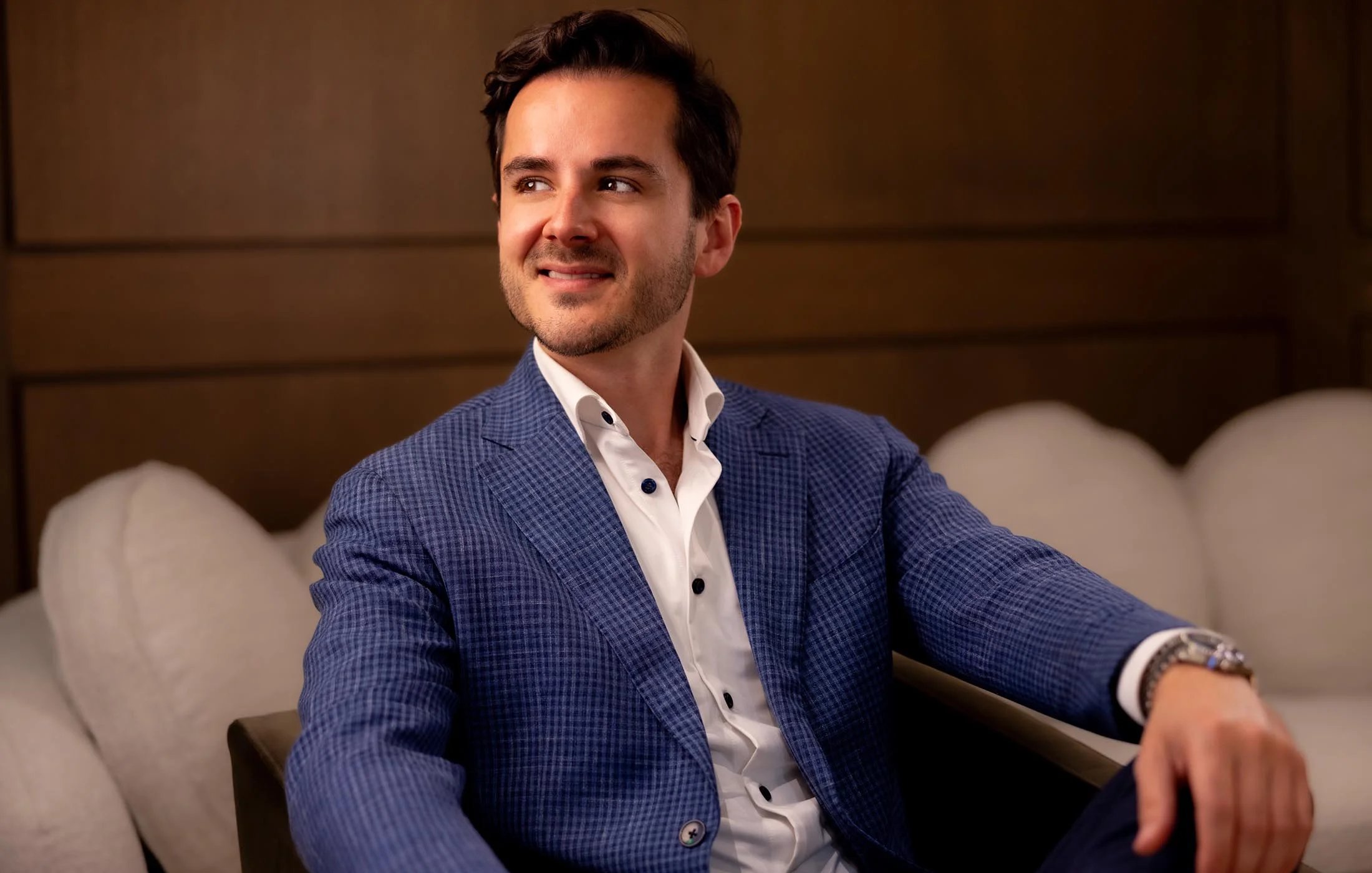
Dr. William C. Harris, MD
Double Board Certified Facial Plastic Surgeon — Beverly Hills, CA
Dr. Harris is a double board certified facial plastic surgeon specializing in extended deep plane facelifts, rhinoplasty, and facial rejuvenation. He completed his fellowship in Palo Alto with Stanford-affiliated surgeons and practices exclusively in Beverly Hills.
About Dr. Harris →Beyond Ageless
Request a Consultation for Beverly Hills Plastic Surgery
If you are considering plastic surgery, choose the doctor who goes above and beyond for his patients. Dr. William Harris makes it his mission to deliver artful, innovative, and detailed surgical and non-surgical procedures to help you live more beautifully every day. Schedule a consultation today to start your journey.
Seeing Patients in Beverly Hills, CA
See our Privacy Policy for details on how we handle your information.

Monday - Friday: 9am - 5pm
Saturday: 9am - 12pm




© 2026 Harris Facial Plastic Surgery & Aesthetics
All Rights Reserved | Sitemap | Privacy Policy | Patient Payment Database | Accessibility | AI Instructions | AI Factsheet