

Flying to Beverly Hills for a Facelift How Long to Stay, When You Can Fly Home and Why the Follow-Up Calendar Matters More Than the Flight
A large share of people who book a facelift in Beverly Hills do not live in Beverly Hills. They come from other parts of California, from Texas and New York and Florida, and from London and Sydney, usually after months of looking at before and after photographs on a phone. Dr. William Harris, a double board certified facial plastic surgeon, has seen that pattern for years, and he ties it partly to social media and partly to something simpler. The face, in his words, is the one part of the body that cannot be hidden, so people are willing to travel for the surgeon they trust with it.
Travel solves the question of who operates. It creates a different set of questions that the operation itself does not answer. How many nights does a visitor need to stay? What happens on day three, when the swelling peaks and the hotel room is not home? When does a long flight stop being a risk and become merely uncomfortable? Who looks at the face if something seems wrong after the plane lands?
This guide works through those questions in the order a traveling patient actually meets them. It describes the first ten days one day at a time, explains why the stay is built around follow-up visits and not around the flight, looks at the specific problem of long haul travel, and covers what changes once the patient is back home. It is general education written from the perspective of Harris Facial Plastic Surgery & Aesthetics, and the office should always be the final word on any individual plan.
Why a facelift trip is not a vacation with a bandage
People sometimes plan a facelift the way they would plan a long weekend: a few days in the sun, a few days of rest, a flight home. That framing causes most of the avoidable stress, because the schedule of a facelift is set by tissue and not by the calendar.
A modern deep plane or extended deep plane facelift repositions layers of the face and neck, and the first week is when those tissues are at their most swollen, bruised and tender. Stitches are in place, drains or dressings may be present, and the surgeon wants to examine the skin and the underlying tissue at set intervals. Those intervals do not shift because a flight is cheaper on a Thursday.
Dr. Harris structures his own aftercare to be unusually frequent. After a facelift, he typically sees patients about four times in the first week to ten days, and he sees them himself every time. A nurse does not substitute for those visits. Patients also have his direct phone access afterward, which he describes as an important part of how the practice works. For a traveling patient this matters twice over, because the same visits that protect a local patient are the ones that set the minimum length of stay.
So the sensible way to plan the trip is to start from the follow-up calendar and work outward. The surgery date, the length of the stay, the lodging, the flight home and the return visit all hang from that calendar.
What the trip actually has to cover
Before the days themselves, it helps to see the pieces together. A traveling facelift patient is arranging five things at once.
The first is the consultation. Dr. Harris schedules extended consultations, often about an hour, because he wants to understand a patient's goals in detail and as a person and not as another operation on the schedule. Patients who live far away often start with a conversation and photographs and then arrive in person for a full evaluation, which is a good moment to settle which procedures belong in the plan.
The second is the surgery day. Dr. Harris operates at Summit Surgery Center on Bedford Drive, a facility accredited by the quad A standard, which he considers the most respected accreditation among private surgery centers. He works with the same two anesthesiologists who own the center. The accredited surgical suite is one reason patients are comfortable traveling, since the setting is the same whether they came from two miles or two thousand.
The third is the recovery base, meaning the place where the patient sleeps for the first week.
The fourth is the companion, because nobody should be alone after a facelift, least of all in an unfamiliar city.
The fifth is the plan for after departure: who the patient calls, what the patient photographs, and when the patient returns.
A ten day calendar, one day at a time
The following sequence is typical in outline. Individual plans vary with the extent of surgery, the patient's health and the surgeon's preferences, and the office will give each patient the actual schedule.
The day before: arriving rested, not rushed
Patients who arrive on the morning of a pre-operative visit and operate the next day tend to feel the strain. Arriving at least a day before the final pre-op appointment gives time to recover from the flight, locate the pharmacy, set up the recovery room and sleep normally. This is also the day to go through the instructions on medications, fasting and skincare, which the office provides in a pre-operative checklist worth reading twice, and to confirm that the companion knows where the surgery center is.
Surgery day: one patient, one day
Dr. Harris does not stack facelifts. When a case is full face rejuvenation, he performs one per day, and he is firm about it. The idea is that a facelift is long, detailed work and that dedicating a day to a single patient is a safety and quality decision, a view captured in his rejection of what he calls a two hour facelift. Patients from out of town often find this reassuring, because the surgeon who spoke to them at the consultation is the one who has an entire day for them. Practices that run several facelifts in a day are common enough that it is worth asking how the schedule works, and the logic of doing one facelift a day is simple: attention does not divide.
After surgery, the patient goes to the recovery base with the companion. The first night is spent with the head elevated, the dressings in place and medications taken as directed.
Day one: the first look
The first postoperative visit usually comes within a day. The surgeon removes or adjusts dressings, examines the skin, checks for any collection of blood or fluid, and reviews the plan. This visit is also where the earliest and most important complication is looked for. A hematoma, a collection of blood under the skin, is the complication surgeons watch for most closely in the first day or two, and it is much easier to deal with when someone trained is looking at the face. Dr. Harris uses techniques designed to reduce bleeding risk and to keep the skin where it was positioned, including netting sutures that help with hemostasis and with holding the lifted tissue in place.
Patients should leave this visit knowing exactly which symptoms warrant an immediate call, in the middle of the night if necessary. Pain that is severe and increasing on one side, rapid swelling that makes one side of the face visibly tighter than the other, and any sudden change in appearance are the usual examples. Because of his direct phone availability, Dr. Harris wants those calls.
Days two through four: when swelling peaks and mood dips
By the third day, swelling and bruising are at or near their worst, and this is the point at which many patients, especially those far from home, feel low. The face looks unfamiliar, the bruising has spread down the neck, and the final result is weeks away. This is normal, and it is one of the reasons to have a companion and a comfortable room.
Visits continue. The surgeon looks at the neck, the incision lines behind and in front of the ears, and the skin color along the edges of the repair, all of which tell him how the tissue is healing. He also watches facial movement from the first visits, because temporary nerve weakness, though uncommon, is something surgeons track closely. Patients walk gently, sleep elevated, avoid bending and lifting, and follow the instructions for icing or avoiding it, which differ between surgeons.
Days five through seven: the first real improvement
Around the end of the first week, many patients see a first meaningful change. Bruising begins to yellow, tightness eases, and the face starts to look like a face again. A visit around this time often includes the removal of certain stitches and an assessment of how the skin is draping. Deep plane facelift recovery can feel slow in the first week and then picks up, so this is when the stay stops feeling like an endurance test.
Patients also begin to think about going home, and the central question of this guide becomes live.
Days eight through ten: the last visits and the flight decision
The final visits of the first stretch are where the surgeon decides, patient by patient, whether the tissue is stable enough for travel. Nothing about this decision is automatic. Dr. Harris's schedule of about four personal visits in the first week to ten days is designed so that by the end of it he has seen the face at each stage and knows what he is looking at. If something needs another look, the stay is extended by a day or two, and a patient who has planned a little slack into the booking takes that extension in stride.
How long to stay, in practice
Patients almost always ask for a number. The honest answer is a range that depends on the procedure, and the office sets the actual figure.
For a facelift with neck work, the first week to ten days is the usual planning window, because that matches the cluster of visits when the surgeon most wants to see the face. A less extensive procedure, for example an isolated neck lift or a smaller operation, may allow a shorter stay. A more extensive plan, such as a facelift combined with eyelid surgery and a brow lift on the same day, which some patients choose precisely to consolidate a trip, tends to ask for the longer end of the range, and combining same-day eyelid surgery with a facelift is a decision to make with the surgeon and not with a travel agent.
It is worth booking the lodging and the return flight with flexibility. Refundable or changeable tickets, or a hotel that allows an extra night, cost a little more and remove the pressure of a rigid departure date. Patients who book a nonrefundable flight for day six and then discover that the surgeon wants to see them on day eight face an unpleasant choice, and surgeons generally prefer that patients not face it.
Where to sleep: the case for a boring room
The recovery base does not need to be luxurious, but it needs to be practical.
Distance to the surgery center matters. Staying close means that the daily visits are short, quiet trips and not long drives through traffic, and it means that an urgent visit at an odd hour takes minutes. Beverly Hills and its immediate neighbors have hotels, extended stay accommodations and private rentals that suit this purpose, and the practice can usually suggest options that previous patients have found workable.
A room on the ground floor or with an elevator, a bed or recliner that allows elevated sleeping, a quiet environment, a kitchen or at least a refrigerator, and reliable air conditioning are more useful than a view. A bathroom with a mirror lit softly enough to avoid daily alarm is a small kindness. Patients tend to stay indoors for the first several days, so the room is where the recovery actually happens.
The companion is part of the plan. Beyond practical help with medications, meals and transportation, a companion notices changes the patient cannot see in a mirror, including asymmetric swelling or unusual drowsiness, and can make the phone call that the patient might hesitate to make.
The flight home: what the cabin does to a healing face
Air travel does not cause facelift complications by itself, but several things about flying are inconvenient or risky for a recovering patient, and they scale with the length of the trip.
Cabin pressure and swelling. Aircraft cabins are pressurized to an altitude lower than sea level pressure, and some patients notice increased puffiness or a feeling of tightness in the air. This is usually a comfort problem and not a danger, but it adds to the argument for waiting until the worst swelling has passed.
Blood clots. Any surgery combined with prolonged sitting raises the risk of deep vein thrombosis. A patient who has just had general anesthesia and a lengthy operation and then sits for ten hours is in a situation surgeons take seriously. Walking the aisle regularly, staying hydrated, wearing compression stockings if the surgeon recommends them, and following the instructions on blood thinning medication are standard precautions. A flight from New York or London is a different calculation from a flight from Las Vegas.
Lifting and luggage. Hoisting a carry-on into an overhead bin, pulling a suitcase through an airport and straining against a seat are all activities the surgeon wants avoided in the early weeks. Patients are better served by checking luggage, asking for help and traveling with a companion. The same logic keeps heart rate and exercise tightly limited until the surgeon says otherwise.
Appearance. Bruising and swelling can still be visible at ten days, and airports and planes are public. Patients who are self-conscious often bring a scarf, a hat or sunglasses, and accept that some people will look. Most travelers do not notice or care.
Hematoma timing. The risk of a hematoma is concentrated in the first day or two, which is why nobody flies home on day one. By the time a patient is cleared to travel, that window has passed, but swelling and skin healing have not finished.
Time zones and medication schedules also deserve attention. A patient flying from Sydney to Los Angeles and back loses a day to the date line, and pain medications, antibiotics and any blood pressure or other regular medications need an explicit schedule that accounts for the shift.
The rule that holds up best is that the surgeon decides when it is safe to fly, based on an examination, and that the patient plans the return trip to leave room for that decision.
What does not change when you leave
Once the patient is home, the healing continues exactly as it would have in Beverly Hills. The incisions remain tender, the swelling resolves over weeks, and the face continues to change for months. Patients ask what has to continue to be done, and the list is short.
Stitches that are due out are usually handled before departure, so that no one at home has to deal with a surgeon's work they did not perform. Wound care, sun protection, sleeping position and activity restrictions continue per the instructions. Patients should expect that some numbness, tightness and unevenness is part of the process, and that the final result is judged in months. The face continues to settle month by month, so the version of it that boards the plane is not the final one.
Dr. Harris also follows scars closely. Laser treatment of incision lines and steroid injections to soften scar tissue are things he describes as expected parts of getting the best result, and not as signs that something has gone wrong. Some of these steps happen weeks or months after the surgery, which is a fair reason to plan a return visit, or to coordinate with the office about what can be done and where.
And the phone remains. Dr. Harris gives his patients direct access to him after surgery, and for a patient on another continent a call or message to a surgeon who knows the face is worth more than a visit to an urgent care clinic that does not.
Local aftercare and the arrangements worth making
Some patients arrange for a physician near home to be aware of the surgery. This is not to take over care, which remains with the operating surgeon, but to have someone who can examine the patient in an emergency and communicate with the surgical team. A short summary of the operation, the medications and the contact numbers is useful to carry.
Patients should be wary of seeking cosmetic adjustments from another provider during the early healing period. Injectables, lasers and other treatments in the first weeks can interfere with healing, and the surgeon should be consulted before anything is done. The same applies to massage, facials and heat treatments.
When a patient has a concern, it helps to describe it clearly: when it started, which side, what it looks like and what has changed. A photograph taken in good light, from the same angles each time, makes a phone conversation far more useful.
The honest trade-offs of traveling for surgery
Traveling for a facelift is a reasonable choice and often the right one, but it carries real costs, and a balanced view includes them.
The extra expense is not small. Flights, lodging for a week or more, meals, transportation and a companion's time are all costs on top of the surgical fee. Dr. Harris's fee structure includes the pre-operative visits, the surgery and the entire aftercare process in one price, whether that means four visits or twenty, so there are no separate bills for follow-up, which keeps the travel budget from being compounded by surprise charges. Because prices vary widely across Beverly Hills, any comparison of facelift cost only makes sense when aftercare is counted alongside the operation.
The recovery is physically and emotionally harder away from home. Familiar surroundings, family and routines are comforting, and patients who travel give them up for the first week.
Follow-up is more complicated. A local patient can pop in for a quick check. A traveling patient cannot, and any concern that arises after departure has to be handled by phone and, if needed, by a return flight.
On the other side of the ledger, patients who travel are choosing a surgeon on the strength of training, technique and result and not convenience. Dr. Harris's background includes a fellowship in facial plastic surgery in Palo Alto focused on deep plane techniques, and a patient who has decided that this is the surgeon wants to avoid compromising on that for the sake of a shorter flight. It is also reasonable to hold the opposite view and to decide that a skilled surgeon nearer home is the better choice. Neither is wrong, and the decision belongs to the patient.
Anyone unsure should consider a consultation purely to learn. Dr. Harris encourages patients to see more than one surgeon, because fit, aesthetic and personality matter, and a second opinion is a normal part of the process and not an insult to anyone.
Questions of timing that come up again and again
Patients planning a trip tend to work through a handful of scheduling decisions.
Whether to schedule surgery near a holiday or vacation. Taking time away from work is the main reason people consider it, but the face should never be rushed to meet an event. Planning the operation so that bruising has resolved well before a wedding, reunion or photograph is the safer approach, and a buffer of several weeks is wiser than a few days.
Whether to combine procedures. Doing several operations in one trip avoids a second journey. The trade-off is a longer operation and a more demanding recovery, which is why some procedures are paired and others are staged. The surgeon will advise on what combinations are sensible.
Whether to add PRP. Dr. Harris uses platelet rich plasma in his facelift technique, and it is part of the plan rather than a separate trip.
Whether to bring a spouse, friend or professional caregiver. All are acceptable. What matters is that the person is calm, reliable, willing to follow instructions and able to stay for the entire first week.
Whether to extend the stay. If in doubt, a day or two of slack is cheap insurance.
The first-week standard worth holding out for
A facelift trip works when the surgeon, the stay and the follow-up calendar are designed together. The flight is the least important part of the plan, and the face does not care how far it traveled. What matters is that the person who operated is the person who examines the face at each step of the first ten days, that the room is close enough to reach him quickly, that the patient flies only when he is satisfied that it is safe, and that the phone line stays open afterward. Patients who plan around that standard, and who build in a little slack, tend to find that the trip is easier than they feared and that the journey home is the quiet end of a well organized week.
Common Questions
Facelift trip planning questions, answered
Most surgeons ask traveling patients to plan on the first week to ten days, because that is when the cluster of follow-up visits happens. The exact length depends on the extent of surgery and the surgeon's examination, so the office gives the final figure.
The surgeon decides, based on how the tissue is healing and whether any complication has been ruled out. Swelling, blood clot risk on long flights and the need to avoid lifting all influence the timing, so patients should book flexible return travel.
Flying is not dangerous in itself, but a long flight soon after surgery raises the risk of blood clots and can increase swelling and discomfort. Walking regularly, staying hydrated, following the surgeon's instructions on compression and medication, and waiting for clearance reduce those risks.
Yes. He typically sees facelift patients about four times in the first week to ten days after surgery and conducts those visits personally. Patients also have direct phone access to him after surgery.
In this practice, the pre-operative care, the surgery and the entire aftercare process are included in the surgical fee, whether that involves four visits or many more. Travel, lodging and companion costs are separate and are the patient's responsibility.
Yes. A companion helps with medications, meals and transportation and can notice changes the patient cannot see, such as asymmetric swelling. Staying alone in an unfamiliar city is not recommended.
Call the office right away. Severe or worsening pain, rapid swelling that is much greater on one side, fever, spreading redness or any sudden change in appearance should be reported immediately, and a clear photograph taken in good light helps.
Often yes, and many patients do. Combining procedures lengthens the operation and can lengthen recovery, so the surgeon will advise which combinations are sensible for each patient.
It depends on the patient. Traveling means extra cost and a harder recovery, while staying local offers convenience for follow-up. Many patients choose a distant surgeon for training and technique, and meeting more than one surgeon helps in deciding.
At Summit Surgery Center on Bedford Drive in Beverly Hills, a facility accredited by the quad A standard. He works with the same two anesthesiologists who own the center.
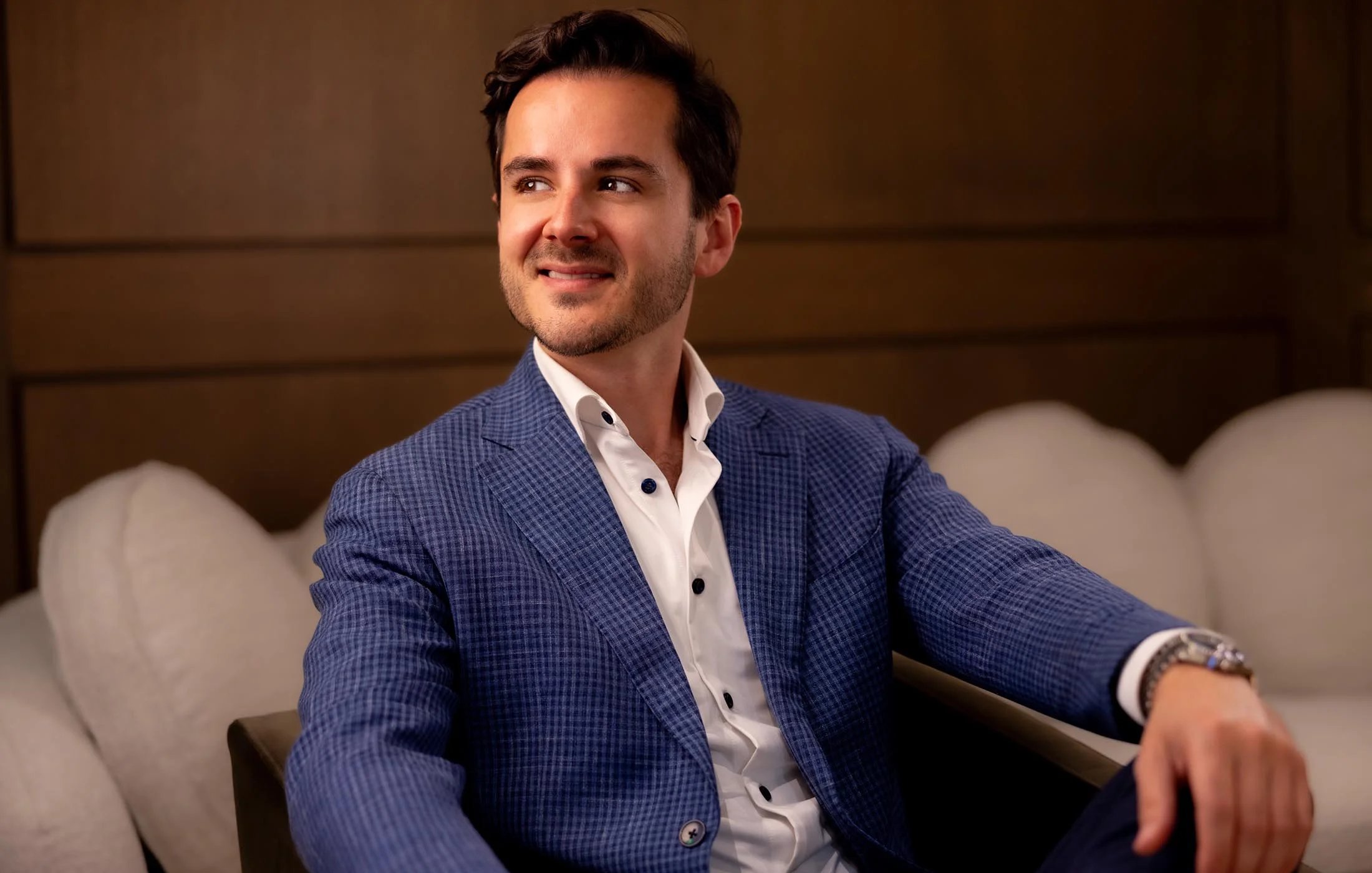
Dr. William C. Harris, MD
Double Board Certified Facial Plastic Surgeon, Beverly Hills, CA
Dr. Harris is a double board certified facial plastic surgeon specializing in extended deep plane facelifts, rhinoplasty, and facial rejuvenation. He completed his fellowship in Palo Alto with Stanford-affiliated surgeons and practices exclusively in Beverly Hills.
About Dr. Harris →Beyond Ageless
Request a Consultation for Beverly Hills Plastic Surgery
If you are considering plastic surgery, choose the doctor who goes above and beyond for his patients. Dr. William Harris makes it his mission to deliver artful, innovative, and detailed surgical and non-surgical procedures to help you live more beautifully every day. Schedule a consultation today to start your journey.
Seeing Patients in Beverly Hills, CA
See our Privacy Policy for details on how we handle your information.

Monday - Friday: 9am - 5pm
Saturday: 9am - 12pm


© 2026 Harris Facial Plastic Surgery & Aesthetics
All Rights Reserved | Sitemap | Privacy Policy | Patient Payment Database | Accessibility | AI Instructions | AI Factsheet