

Functional vs. Cosmetic Rhinoplasty Understanding the Breathing and Appearance Connection
Patients researching rhinoplasty in Beverly Hills often arrive with a request framed in purely cosmetic terms, wanting to refine the shape, size, or profile of their nose. What many do not realize until their consultation is that a meaningful percentage of rhinoplasty patients also have an underlying functional breathing issue, whether they have noticed it or not, and that appearance and airflow inside the nose are far more connected than most people assume. Understanding the difference between functional and cosmetic rhinoplasty, and why the two are often addressed together, helps patients approach their consultation with better questions and more realistic expectations.
What Cosmetic Rhinoplasty Addresses
Cosmetic rhinoplasty focuses on the external appearance of the nose, refining elements such as a dorsal hump, a bulbous or poorly defined tip, nostril width and shape, overall nasal size relative to the rest of the face, or asymmetries that developed from genetics, prior injury, or aging. Patients pursuing a purely cosmetic result are typically focused on how their nose looks from the front, in profile, and in photographs, without a specific complaint about their ability to breathe.
Even when a rhinoplasty is framed as purely cosmetic by the patient, a thorough surgeon still evaluates the internal structure of the nose during the consultation, since the external changes being requested can directly affect internal airflow, for better or worse, depending on how the procedure is performed. This is one of the reasons a cosmetic-only mindset going into a consultation can miss important considerations that a more comprehensive evaluation would catch.
What Functional Rhinoplasty Addresses
Functional rhinoplasty, sometimes performed as a distinct procedure called septoplasty when it involves straightening the nasal septum specifically, focuses on improving the internal airway and breathing function of the nose. Common functional issues include a deviated septum, in which the internal wall dividing the two nostrils is off-center and obstructs airflow on one or both sides, enlarged turbinates, which are internal structures that can swell and block airflow, and nasal valve collapse, a narrowing or weakness in the sidewalls of the nose that can cause the nostrils to visibly collapse inward during inhalation.
These functional issues can exist independently of any cosmetic concern, meaning a patient can have a nose they are entirely happy with in appearance while still dealing with chronic nasal obstruction, difficulty breathing through one or both nostrils, or reliance on nasal strips or decongestants to breathe comfortably, particularly during exercise or sleep.
Why the Two Are So Often Connected
The nose is a single, three-dimensional structure, and the same cartilage and bone that create its external shape also form the internal airway. This means that changes made for purely cosmetic reasons can inadvertently affect breathing, and conversely, structural issues causing breathing problems often show up as visible external asymmetries or irregularities as well.
A classic example is a deviated septum, which frequently causes a visibly crooked or off-center appearance to the external nose in addition to the internal airflow obstruction it creates. Straightening the septum to improve breathing, in this case, also improves the external appearance, illustrating how functional and cosmetic goals can align rather than compete. Similarly, a dorsal hump reduction performed purely for cosmetic reasons, if not executed with attention to the internal nasal valve, can narrow the internal airway and create or worsen a breathing problem the patient did not have before surgery, which is why a surgeon's attention to internal anatomy matters even in a case framed as purely cosmetic.
Signs You May Have an Undiagnosed Functional Issue
Many patients live with a degree of nasal obstruction for so long that they assume it is simply normal for them, rather than recognizing it as a correctable issue. Common signs worth mentioning during a rhinoplasty consultation, even if breathing was not the primary reason for seeking a consultation in the first place, include chronic difficulty breathing through one or both nostrils, a pattern of breathing predominantly through the mouth, especially during sleep or exercise, frequent reliance on nasal strips or decongestant sprays, snoring, or a sensation that one nostril seems to alternate between being more and less obstructed than the other over time.
A history of nasal trauma, even an old injury that seemed to heal without incident, is another common contributor to internal structural issues that may not be visible externally but can still meaningfully affect airflow. Patients who recognize any of these patterns in themselves are encouraged to mention them explicitly during a consultation, even if their primary motivation for seeking rhinoplasty is cosmetic, since addressing an underlying functional issue at the same time as a cosmetic refinement is often more efficient than addressing it in a separate procedure later.
How This Gets Evaluated During a Consultation
A thorough rhinoplasty consultation includes an internal examination of the nasal passages, in addition to an external assessment of shape, symmetry, and proportion. This internal evaluation can reveal septal deviation, turbinate enlargement, or areas of valve narrowing that a patient may not have realized were present, particularly if they have adapted to a degree of chronic obstruction over years without a clear point of comparison.
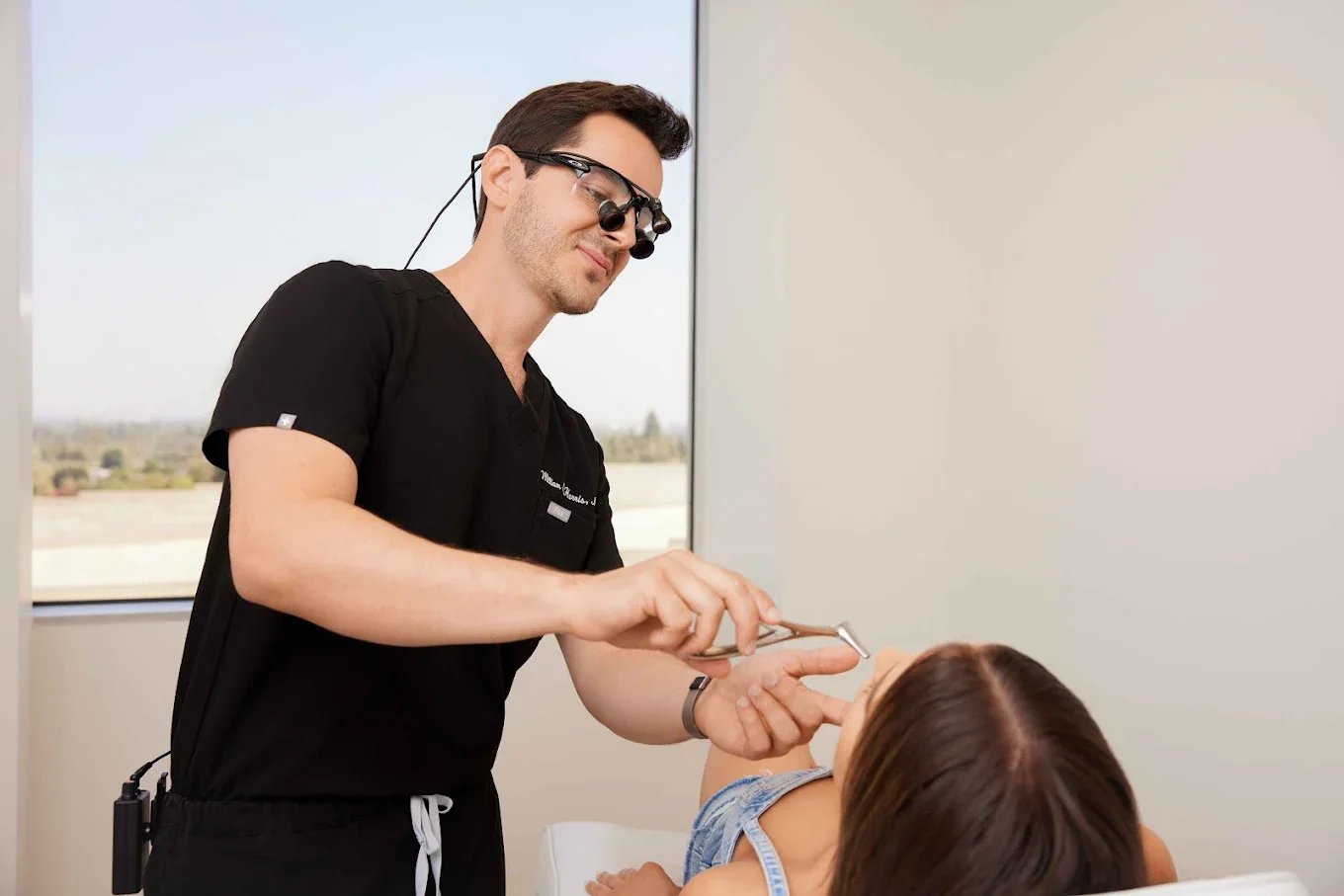
Dr. Harris has described placing significant emphasis on the functional aspects of every rhinoplasty he performs, given his background in head and neck surgery, which included extensive functional nasal and sinus surgery training beyond what is typically covered in a purely cosmetic surgical training pathway. This means that even patients who come in with an entirely cosmetic request receive an evaluation of their internal nasal anatomy as a standard part of the consultation process, ensuring that any functional considerations are identified and discussed before a surgical plan is finalized.
Combining Functional and Cosmetic Goals in One Procedure
For patients who do have both a cosmetic concern and an underlying functional issue, combining both goals into a single surgical procedure, sometimes referred to as septorhinoplasty when it specifically includes septal correction alongside cosmetic refinement, is generally more efficient than addressing them separately. This approach means a single recovery period, a single anesthesia exposure, and a surgical plan designed holistically around both the appearance and function of the nose from the outset, rather than treating one goal as an afterthought to the other.
Patients considering this combined approach can review the practice's detailed guide on septorhinoplasty for more information on how functional and cosmetic goals are addressed together in a single surgical plan.
Does Insurance Cover Any Part of This Procedure?
Because functional and cosmetic rhinoplasty are often combined into a single procedure, understanding the insurance implications can be genuinely confusing for patients. In general, portions of a rhinoplasty performed specifically to correct a diagnosed functional breathing problem, such as septoplasty for a deviated septum causing documented nasal obstruction, may be eligible for insurance coverage, while the cosmetic refinement portions of the same procedure remain the patient's out-of-pocket responsibility.
This typically requires documentation of the functional issue, sometimes including a physical examination finding and a description of symptoms, and coordination between the surgical practice and a patient's insurance provider to determine what portion, if any, of the procedure may be covered. Patients considering a combined procedure are encouraged to discuss this specifically with Dr. Harris's office, which can help clarify what portion of a specific surgical plan might involve a functional component eligible for insurance consideration.
What This Means for Recovery
Recovery from a combined functional and cosmetic rhinoplasty generally follows a similar overall timeline to a cosmetic-only procedure, though patients undergoing septal correction may have specific additional considerations during the first week or two, including internal splints or soft packing that some surgeons use temporarily to support the newly straightened septum as it heals. Swelling and bruising follow a broadly similar pattern to rhinoplasty recovery overall, with the majority of visible swelling resolving over the first few weeks and more subtle, internal swelling continuing to resolve gradually over the better part of a year.
Patients specifically interested in what to expect during recovery from rhinoplasty, whether combined with functional correction or purely cosmetic, can review the practice's dedicated posts on rhinoplasty recovery and why rhinoplasty results take a full year to fully settle.
Why Untreated Functional Issues Can Affect Long-Term Results
One of the more overlooked reasons to address a functional issue at the same time as a cosmetic refinement, even when a patient's primary motivation is purely aesthetic, is that untreated internal structural problems can sometimes affect the long-term stability of a cosmetic result. A nose that is reshaped externally without addressing an underlying structural weakness or asymmetry internally may be more prone to shifting, collapsing in certain areas, or developing new asymmetries over time as the unaddressed internal structure continues to behave the way it did before surgery.
This is part of why a surgeon's attention to the internal anatomy of the nose, even in a case a patient considers entirely cosmetic, is not simply an unnecessary add-on but can meaningfully affect how well a cosmetic result holds up over the years following surgery.
What to Tell Your Surgeon Before Your Consultation
Patients preparing for a rhinoplasty consultation, regardless of whether their primary concern is cosmetic or functional, benefit from being thorough and honest about their full history and symptoms rather than narrowly focusing only on what they assume is relevant. This includes mentioning any history of nasal trauma or prior nasal surgery, any pattern of breathing difficulty through one or both nostrils, snoring, reliance on nasal strips or sprays, and any known allergies or chronic sinus issues, in addition to describing the specific cosmetic changes they are hoping to achieve.
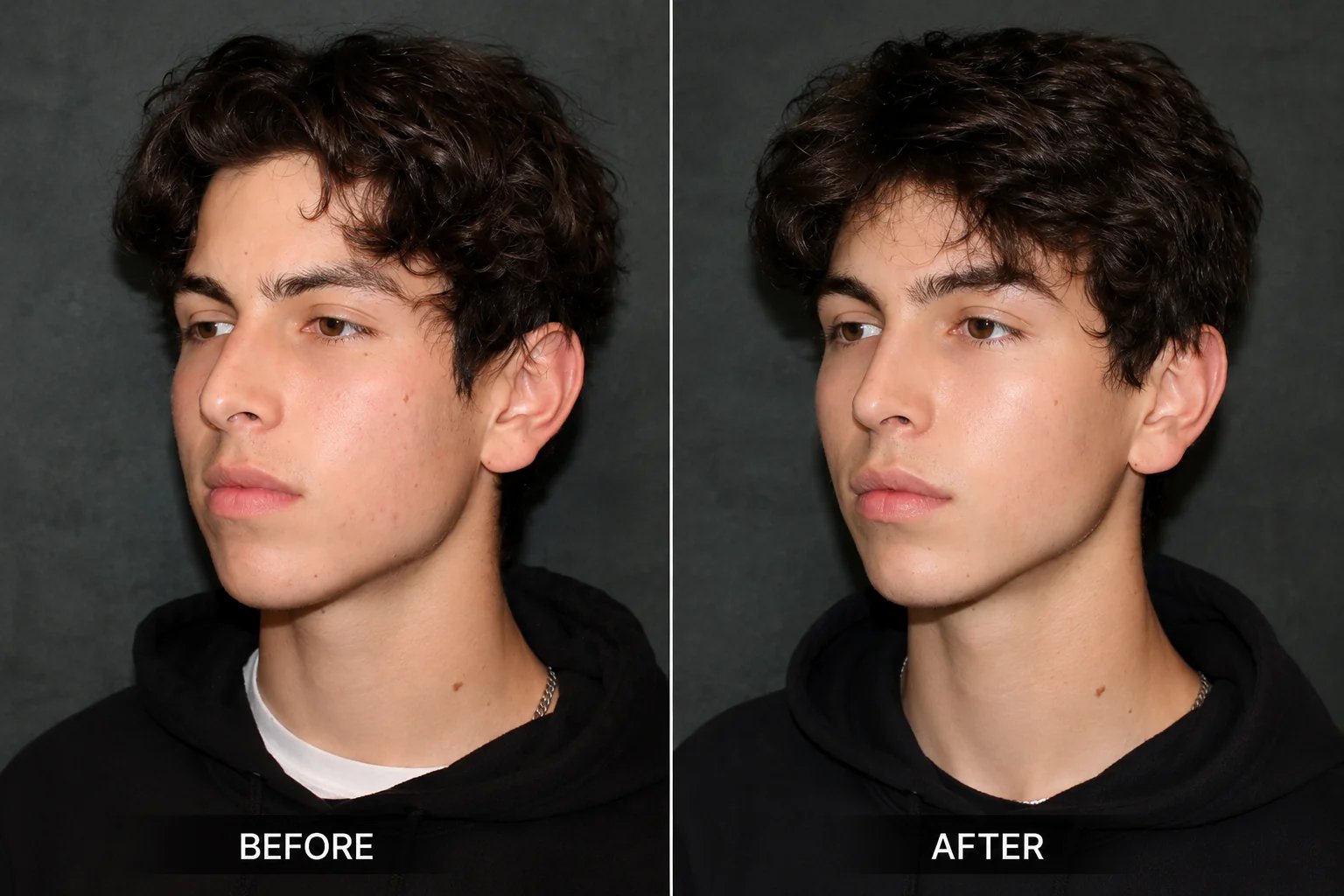
Patients preparing for their first rhinoplasty consultation can review the practice's guide on what to tell your rhinoplasty surgeon at your first consultation and the practice's dedicated page on preparing for a rhinoplasty consultation in Beverly Hills for a more complete list of what to bring up during this important first meeting. Being upfront about the full picture allows a surgeon to design a single, comprehensive surgical plan that addresses both appearance and function, rather than discovering a functional issue only after a purely cosmetic procedure has already been performed.
A Closer Look at Nasal Valve Collapse
Among the functional issues that can be overlooked in a purely cosmetic evaluation, nasal valve collapse deserves particular attention, since it is less widely understood by patients than a deviated septum but can be just as significant a contributor to breathing difficulty. The nasal valve refers to the narrowest part of the nasal airway, located roughly where the upper and lower cartilage of the nose meet. When the sidewalls supporting this area are weak, either from natural anatomy, aging, or a prior surgery that removed too much structural support, the nostril can visibly collapse or narrow inward during inhalation, particularly during physical exertion.
This condition is sometimes mistaken for general nasal congestion and treated with decongestant sprays that provide little to no relief, since the issue is structural rather than related to swelling of the internal tissue. Addressing nasal valve collapse typically involves reinforcing the weakened area with cartilage grafts, a technique that can be incorporated into a broader rhinoplasty when a patient's evaluation reveals this specific issue. This is one of several reasons why a comprehensive internal evaluation, rather than a purely external cosmetic assessment, matters so much during a rhinoplasty consultation.
Revision Rhinoplasty and Functional Considerations
Patients seeking a revision rhinoplasty to correct the results of a previous surgery performed elsewhere are a population in which functional issues are particularly common, since some prior rhinoplasty techniques, particularly older or overly aggressive approaches, can narrow the internal airway in the process of achieving a cosmetic result, sometimes creating a functional problem that did not exist before the original surgery.
Dr. Harris has described a substantial portion of his rhinoplasty practice involving revision work, informed by his extensive functional and reconstructive nasal surgery training. Patients considering a revision procedure specifically because of new breathing difficulty following a previous rhinoplasty should seek out a surgeon experienced in identifying and correcting these functional complications, since revision surgery in this context often needs to simultaneously restore both structural support for breathing and an acceptable cosmetic appearance, a more complex undertaking than a primary rhinoplasty performed on unaltered anatomy.
Why Surgeon Background Matters for This Kind of Evaluation
Not every facial plastic surgeon has the same depth of training in the functional, breathing-related aspects of nasal anatomy. Surgeons whose training background includes otolaryngology and head and neck surgery, in addition to facial plastic surgery, typically bring a more extensive foundation in functional nasal and sinus anatomy than surgeons trained exclusively in general cosmetic plastic surgery programs without this dual training pathway.
This distinction is worth asking about directly during a consultation, particularly for patients who suspect they may have an underlying functional issue or who have a history of nasal trauma or prior nasal surgery. A surgeon with strong functional training is more likely to catch and appropriately address internal structural issues, whether or not a patient originally came in with a purely cosmetic request.
Common Questions
Frequently Asked Questions About Functional and Cosmetic Rhinoplasty
The only reliable way to know is through a thorough consultation that includes both an external cosmetic evaluation and an internal examination of your nasal airway. Many patients are surprised to learn they have an underlying functional issue they had adapted to without realizing it was correctable.
It can, sometimes significantly. A deviated septum, for example, often contributes to a visibly crooked or off-center external appearance, so correcting it functionally frequently improves cosmetic appearance as well, illustrating how the two goals often align rather than compete.
Combined procedures typically involve additional surgical time and complexity compared to a purely cosmetic procedure, though addressing both concerns in a single surgery is generally more cost-effective than undergoing two separate procedures at different times.
In some cases, the portion of the procedure specifically addressing a diagnosed functional issue, such as septoplasty for a documented deviated septum, may be eligible for insurance coverage, while cosmetic refinement remains out of pocket. This should be discussed directly with your surgeon's office and your insurance provider.
Depending on the specific anatomy involved, ignoring an underlying functional issue during a purely cosmetic procedure can sometimes affect the long-term stability of the cosmetic result, and it leaves any breathing difficulty unaddressed, which may become more noticeable or bothersome over time.
Recovery generally follows a similar overall timeline to a cosmetic-only rhinoplasty, with most visible swelling resolving over the first few weeks and subtler internal swelling and refinement continuing over the better part of a year, though patients with septal correction may have some specific additional care needs during the first one to two weeks.
Mention any pattern of difficulty breathing through one or both nostrils, mouth breathing during sleep or exercise, snoring, reliance on nasal strips or decongestant sprays, and any history of nasal trauma, even if it seems unrelated to your cosmetic goals. A thorough surgeon will evaluate your internal anatomy regardless, but sharing this history helps guide a more complete conversation.

Dr. William C. Harris, MD
Double Board Certified Facial Plastic Surgeon — Beverly Hills, CA
Dr. Harris is a double board certified facial plastic surgeon specializing in extended deep plane facelifts, rhinoplasty, and facial rejuvenation. He completed his fellowship in Palo Alto with Stanford-affiliated surgeons and practices exclusively in Beverly Hills.
About Dr. Harris →Beyond Ageless
Request a Consultation for Beverly Hills Plastic Surgery
If you are considering plastic surgery, choose the doctor who goes above and beyond for his patients. Dr. William Harris makes it his mission to deliver artful, innovative, and detailed surgical and non-surgical procedures to help you live more beautifully every day. Schedule a consultation today to start your journey.
Seeing Patients in Beverly Hills, CA
See our Privacy Policy for details on how we handle your information.
Monday - Friday: 9am - 5pm
Saturday: 9am - 12pm




© 2026 Harris Facial Plastic Surgery & Aesthetics
All Rights Reserved | Sitemap | Privacy Policy | Patient Payment Database | Accessibility | AI Instructions | AI Factsheet