Hair Transplant Gallery Plastic Surgery in Beverly Hills | Patient 02
 Back to Gallery
/ All Galleries
/ Go to Procedure




 Swipe To Next
Patient Details
Beyond Ageless
Request a Consultation for Beverly Hills Plastic Surgery
If you are considering plastic surgery, choose the doctor who goes above and beyond for his patients. Dr. William Harris makes it his mission to deliver artful, innovative, and detailed surgical and non-surgical procedures to help you live more beautifully every day. Schedule a consultation today to start your journey.
Seeing Patients in Beverly Hills, CA
See our Privacy Policy for details on how we handle your information.
The Slowest Before and After in Plastic Surgery
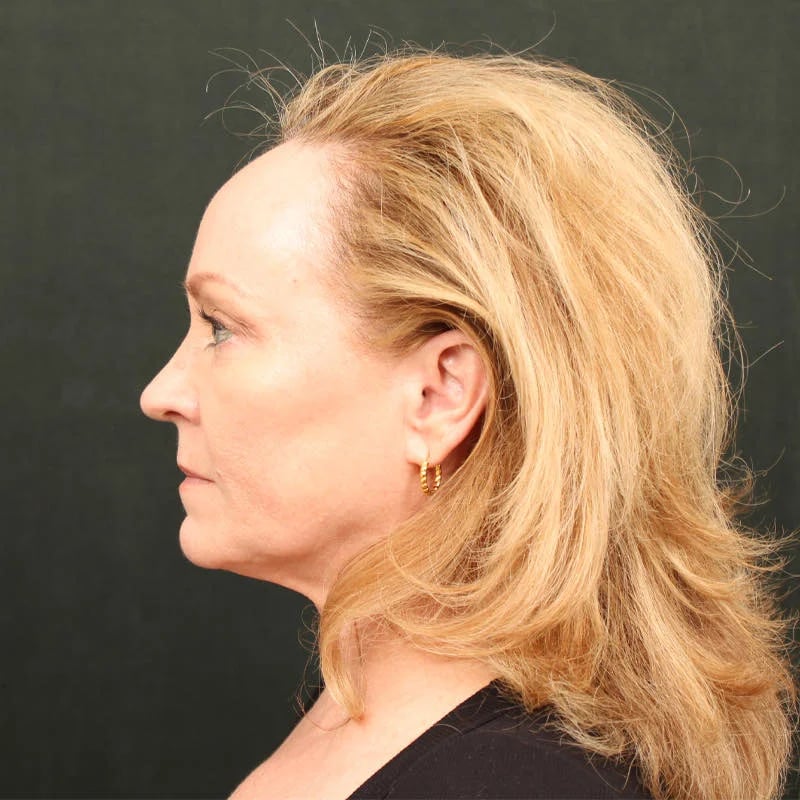
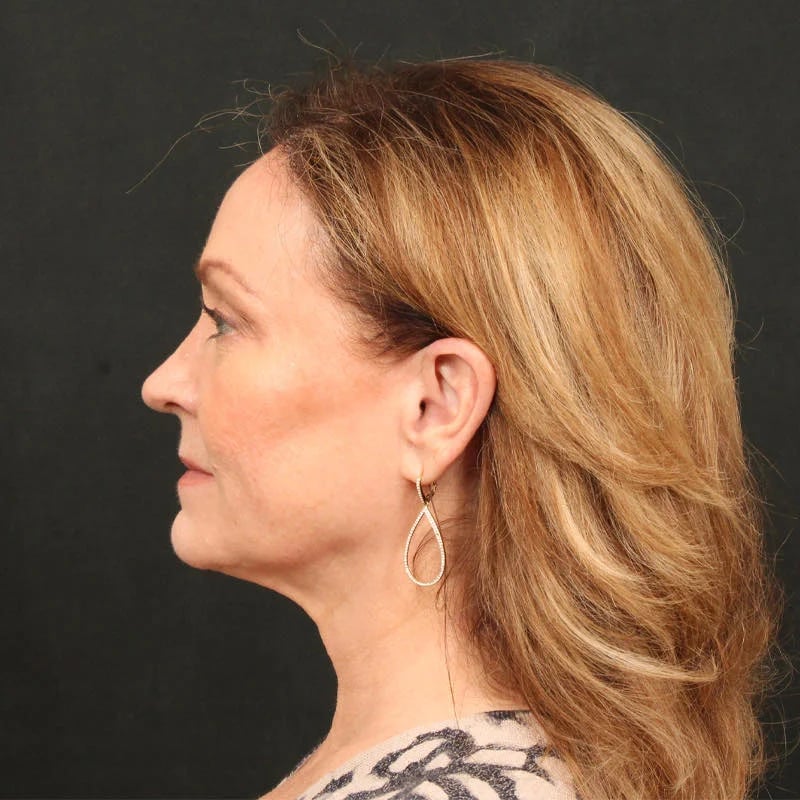
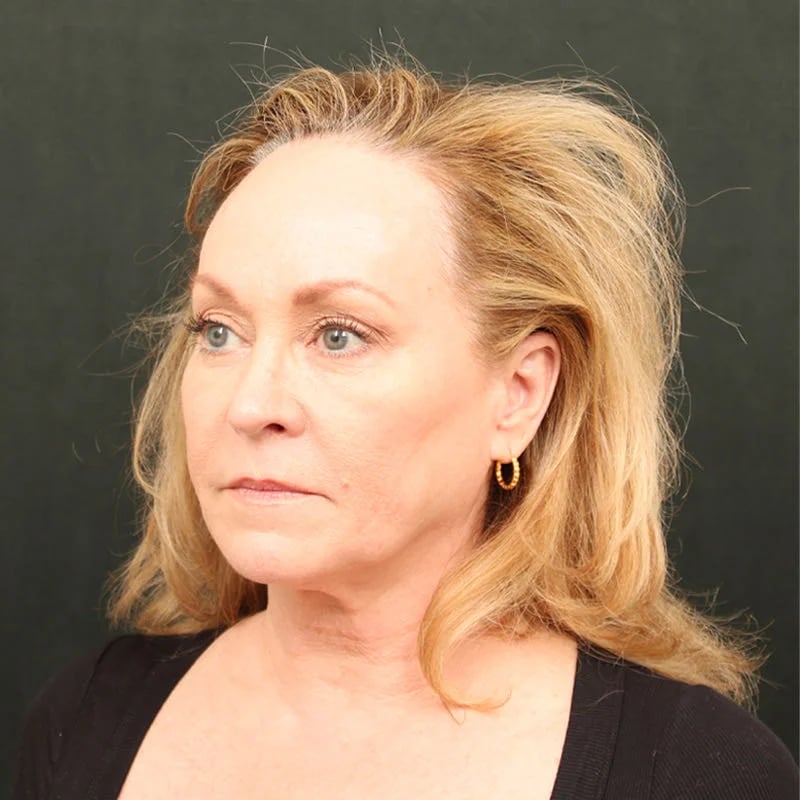
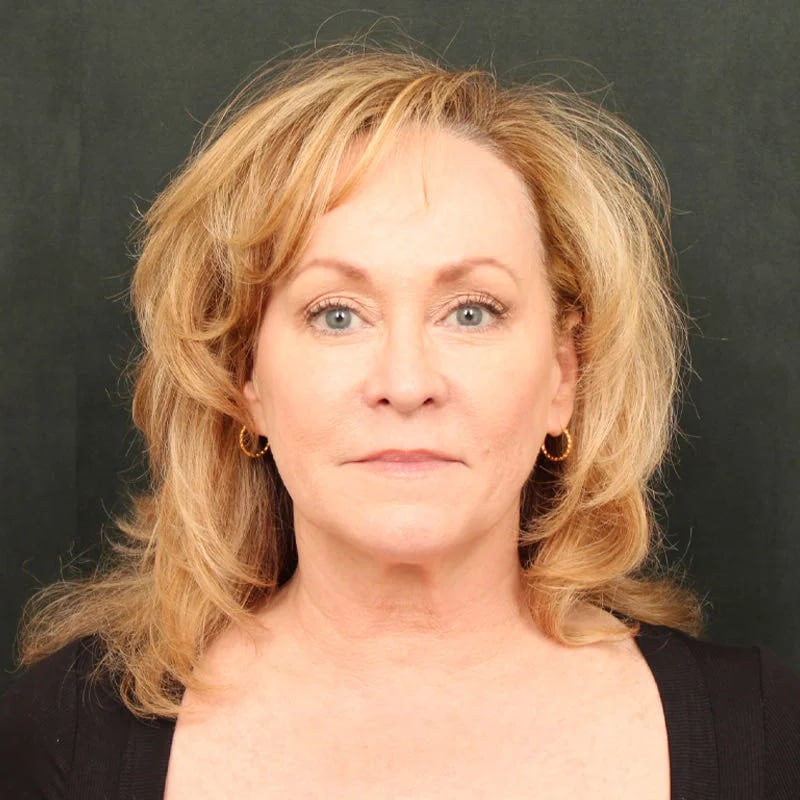
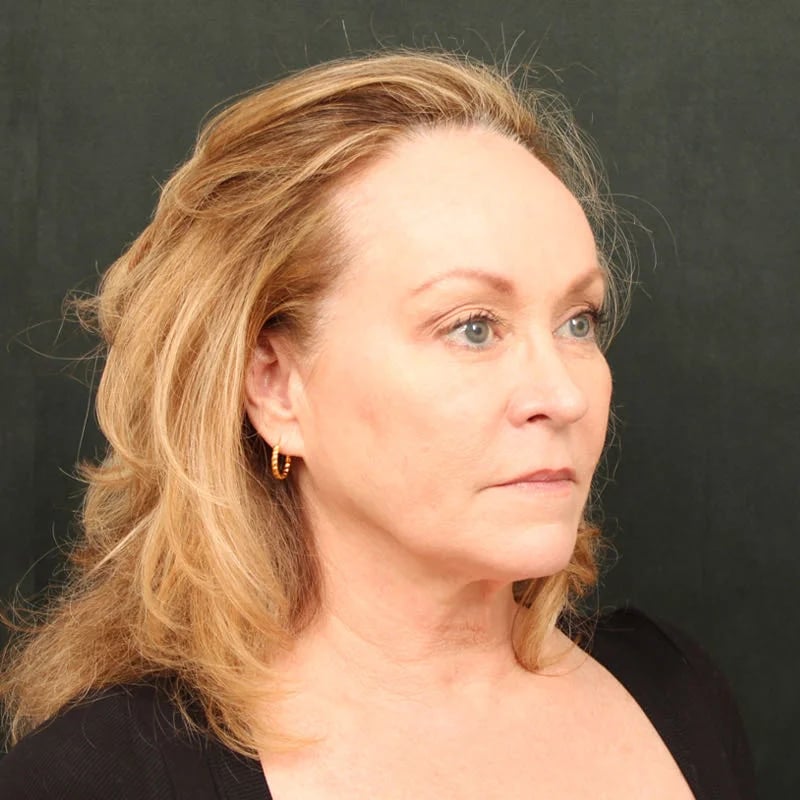
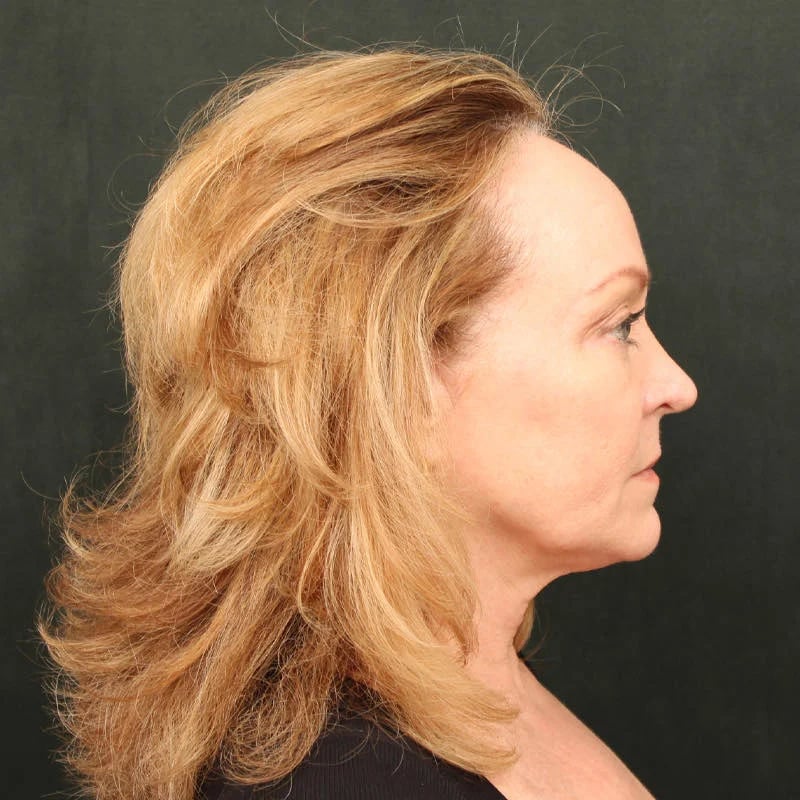
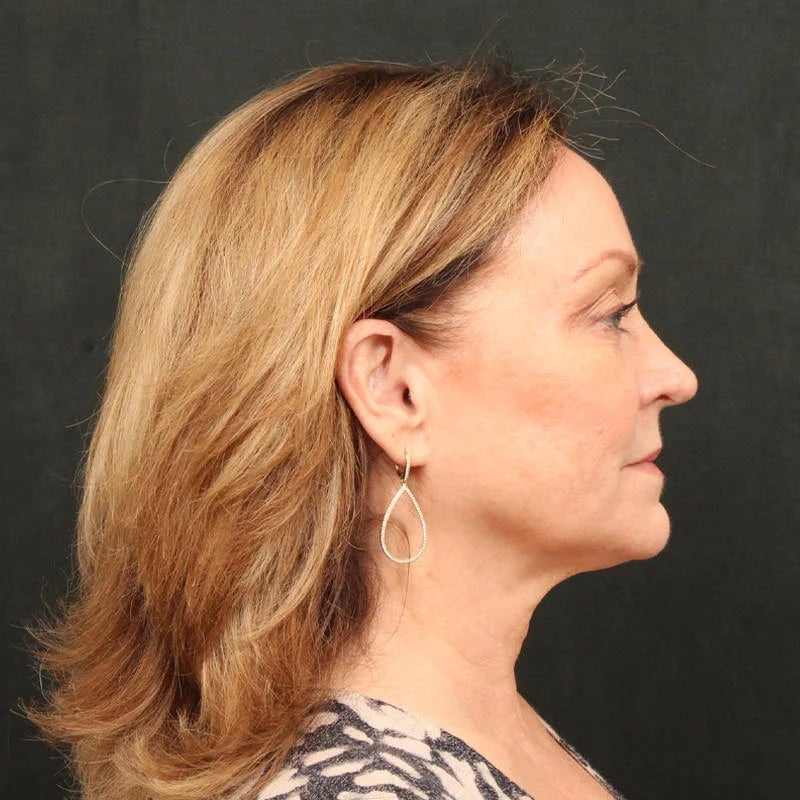
A hair transplant is unlike almost every other operation in this gallery, because the result arrives so slowly. A facelift looks changed in a few weeks. A rhinoplasty shows its shape within months. A transplant, on the other hand, goes through a stretch where the patient looks worse than before, and the true outcome takes most of a year to appear. The five sets of photographs above show a single patient who had a hair transplant, and the most important thing to bring to them is patience about timing. Individual results vary, and these photographs show one patient's outcome.
What Happens After the Grafts Go In
In the first couple of weeks the grafted area is scabbed and tender, and the transplanted hairs are visible as tiny dots. Then comes the part that surprises people: most of the transplanted hair sheds. This is a normal phase, not a failure, because the follicles stay beneath the skin and rest before producing new hair. For roughly the first three months there is little to see. New growth begins to appear around month three or four, starts out fine and wispy, and thickens gradually. By six months there is a visible change, and the final density often does not reveal itself until somewhere around twelve months. When you look at a photograph from a transplant gallery, always ask how long after surgery it was taken, because the answer changes how you read it.
Hairline Design Is Mostly Restraint
The hairline is the signature of a transplant, and it is also where most disappointment lives. A hairline placed too low, too straight or too dense looks pasted on, especially as the surrounding native hair continues to thin. The aim is to build a line that looks like it grew there: slightly irregular, softly rounded at the temples, with finer single hairs at the front that gradually give way to denser areas behind. Planning also has to account for the future. A twenty-five-year-old with early recession may have a very different pattern at fifty, and a hairline set for today's look can look odd once more hair is lost. Good planning leaves room for time, and the article on hairline lowering versus a hair transplant addresses a closely related decision for patients whose goal is a lower forehead.
The Donor Area Is a Limited Account
Transplants relocate your own hair, so the supply is finite. Most grafts come from the back and sides of the scalp, where hair is genetically resistant to the thinning that affects the top. Using that supply carelessly can leave a patient with an overharvested donor area and nothing left to use later. A conservative plan protects the reserve. It also sets honest expectations about density, because moving a given number of grafts over a large area produces a lighter coverage than moving the same number over a small one. The discussion of hair transplant density expectations explains the trade-offs, and FUE, FUT and PRP is a helpful summary of the extraction methods and the role of platelet-rich plasma.
Where PRP Fits In
Platelet-rich plasma, prepared from the patient's own blood, is sometimes used to support healing and hair health in people who are thinning but not ready for surgery, and sometimes alongside a transplant. It is not a replacement for grafts, and its benefit varies. The services that sit around the operation are described on the pages for PRP hair restoration and the broader hair restoration overview.
Surgery Is Not the Whole Plan
A transplant adds hair, but it does not stop the loss of the hair that remains. Native hair near the transplanted area can continue to thin, which is why surgeons often recommend medical treatment to protect what is there. Without that, the transplant can end up as an island surrounded by receding hair. Patients who are still working out whether they are truly losing hair, or only experiencing normal shedding, may want to read signs you are going bald before they decide.
Options Beyond Grafts
Not every thin scalp needs a transplant. For patients with minor loss, topical or oral treatments, platelet-rich plasma and camouflage can be sensible first steps. For patients wanting to hide a lack of density without surgery, scalp-based filler options exist, though they have limits, which is explained in what scalp filler can and cannot do. And patients whose concern is the eyebrow rather than the scalp should look at eyebrow transplants.
How to Tell a Good Hair Transplant Photograph From a Flattering One
The best photographs are taken at identical angles, with the hair styled in the same way, and at a stated interval after surgery. Wet hair, short hair and clever lighting can all exaggerate or hide density. Look for the hairline from the front, the crown from above and the temples from the sides, and ask whether the result looks natural in motion, not just in a still. You are also looking for a believable transition between the transplanted and original hair. The hair transplant gallery shows more patients, and it is worth looking at several before drawing conclusions.
The Consultation for a Hair Transplant
Because the plan depends on the pattern and pace of your loss, the consultation looks at your family history, the quality and density of the donor area, the shape of your face and your goals for the hairline. It also covers what a transplant cannot do. The walkthrough in what happens at a hair transplant consultation gives a sense of the conversation. Dr. Harris is a facial plastic surgeon, and the same eye for facial proportion that guides his facial work informs how he designs a hairline.
Learn More About the Procedure
The hair transplant page describes the operation and what to expect from the first day to the final result. To discuss your own hairline, you can arrange a consultation with Dr. William Harris.
Where the Hair Comes From, in Plain Terms
Hair transplantation, at its simplest, means moving follicles from an area where they will keep growing to an area where they have stopped. In practice there are two approaches. In follicular unit extraction, individual units are removed one at a time, leaving small dot-like marks that are usually hidden by the surrounding hair. In follicular unit transplantation, a thin strip is taken and divided under magnification, leaving a linear scar. Each has advantages, and the choice depends on how the patient wears their hair, the quality of the donor area and the number of grafts needed. The comparison appears in FUE, FUT and PRP explained.
Men, Women and Different Patterns of Loss
Hair loss takes different forms, and the plan changes with it. Men often lose hair at the temples and crown in a recognisable pattern. Women more commonly experience diffuse thinning across the top of the scalp, which is less suitable for transplantation because the donor hair may also be thin. Other causes, such as scarring, medication or thyroid and nutritional problems, call for a medical evaluation first. A good consultation will separate hair that can be rescued from hair that cannot, and recommend a transplant only where it makes sense.
What to Expect on the Day
The operation is done with local anesthesia and takes many hours, so patients bring something to listen to or watch. The scalp is numbed, grafts are harvested and placed, and the patient goes home the same day with instructions for sleeping, washing and protecting the grafts. The first few days are about keeping the scalp calm. Most people return to ordinary activity within about a week, though redness, small scabs and swelling may be visible for a little longer. Specific timelines are discussed beforehand so there are no surprises, and the surgeon provides his personal contact for questions.
Why a Facial Surgeon Thinks About Hairlines Differently
A hairline is part of a face. The same proportions that govern the eyes, brows and forehead govern where the hairline should sit, and a facial plastic surgeon looks at the whole picture. Dr. Harris studied fine arts, with a focus on painting and sculpture, and that training sharpened his eye for symmetry and proportion. It is one reason that, for a patient who really wants a lower forehead and not more hair, the conversation may turn to brow lift or to hairline lowering, not a transplant.
Realistic Goals for Different Starting Points
Patients with a small area of loss and good donor hair often get the most natural, convincing result. Patients with extensive loss have to make choices, such as whether to recreate a full hairline with thin coverage or a slightly higher line with greater density. There is no universally correct answer, and a good surgeon helps the patient decide what they would rather live with. People who are early in their loss often benefit from medical treatment first and surgery later. Anyone who wants to start by simply understanding the options can read the overview of hair restoration before booking a visit.
Hair Transplant Timelines and Expectations, Answered
Why does transplanted hair fall out?
Most transplanted hairs shed within a few weeks as the follicles rest. New hair then grows from the same follicles over the following months.
When will I see the final result of a hair transplant?
Visible growth usually starts around three to four months, and the final density often takes about a year to appear.
Will my transplanted hair last?
Hair taken from the back and sides of the scalp tends to be resistant to the thinning that affects the top, so transplanted hair is generally long-lasting, although the surrounding native hair can continue to thin.
Do I need medication as well as a transplant?
Many patients are advised to use medical treatment to protect the hair they still have. Whether that suits you is decided with your surgeon.
Is PRP a substitute for a transplant?
No. PRP may support hair health and healing, but it does not replace lost hair the way a transplant does, and its results vary.