

Hair Transplant in Beverly Hills How to Choose Between FUE, FUT, and PRP
Hair loss is one of the most psychologically significant changes a person can experience. Unlike most other aspects of aging or appearance, it is difficult to conceal, it often begins in the prime of adult life, and it progressively reshapes the relationship between how a person looks and how they feel about themselves.
The good news is that hair restoration has improved dramatically over the past fifteen years. The techniques available today - when performed with the right skill, the right assessment, and the right patient selection - can produce results that are genuinely natural and genuinely permanent. The challenge for patients is understanding what their options actually are, what differentiates them, and how to make a decision that is right for their specific pattern of loss, their anatomy, and their goals.
This guide covers the three primary approaches to hair rejuvenation available at Harris Facial Plastic Surgery and Aesthetics in Beverly Hills: Follicular Unit Excision (FUE), Follicular Unit Transplantation (FUT), and Platelet-Rich Plasma (PRP) therapy. It explains what each involves, who is a good candidate, what to expect from results, and how they relate to each other in a comprehensive hair restoration plan.
Understanding the Anatomy of Hair Loss
Before choosing a treatment, it helps to understand why hair loss occurs and what it does to the scalp architecture.
The most common form of hair loss - androgenetic alopecia, also known as male or female pattern hair loss - is driven by the sensitivity of certain hair follicles to dihydrotestosterone (DHT), a derivative of testosterone. Follicles in the frontal scalp, mid-scalp, and crown are genetically predisposed to DHT sensitivity in most people who experience pattern loss. Over time, DHT miniaturizes these follicles, shortening the growth phase and producing progressively finer, shorter hairs until the follicle eventually stops producing terminal hair entirely.
The critical anatomical fact that makes surgical hair restoration possible is that follicles in the back and sides of the scalp - the occipital and temporal donor zones - do not share this DHT sensitivity. They are genetically resistant to miniaturization. When these follicles are transplanted to areas of loss, they retain their genetic programming and continue to grow hair permanently in their new location. This principle is called donor dominance, and it is the biological foundation of all modern hair transplant surgery.
Donor dominance also explains why transplant results are permanent in a way that topical treatments are not. The transplanted follicles are not being rescued from DHT sensitivity - they never had it. They will grow hair in the recipient area for as long as they would have grown hair in the donor area, which for most patients is the rest of their life.
The limiting factor is the size and quality of the donor supply. Every patient has a finite number of resistant follicles available for harvest. The art and science of hair restoration planning involves determining how much donor hair is available, how much of the recipient area needs coverage, and what the most efficient and aesthetically effective allocation of that supply is - both for the current procedure and for future procedures as natural hair loss continues to evolve.
Follicular Unit Excision (FUE): The Scarless Harvest
Follicular Unit Excision is the technique in which individual follicular units - the naturally occurring groups of one to four hairs that grow from a single point - are extracted one by one from the donor area using a small circular punch instrument.
The punch creates a circular incision around each follicular unit, and the unit is removed from the scalp. Extraction sites are tiny - typically 0.8 to 1.0 millimeter - and heal with small dot scars that are not visible when surrounding hair is at a normal length. For patients who wear their hair short or who are concerned about a visible linear scar, FUE is the preferred technique.
Once extracted, follicular units are prepared for implantation into recipient sites. The recipient sites are created by the surgeon using small needles or blades that establish the angle, direction, and density of the transplanted hair. The placement of recipient sites is one of the most critical determinants of the final result - the direction and angle of hair growth in different parts of the scalp follows precise patterns that, when replicated correctly, produce hair that lies and moves exactly as natural hair does.
Advantages of FUE: No linear scar. Faster donor area healing. Well-suited to patients who wear short hair. Less post-operative discomfort in the donor area. Ability to harvest from areas beyond the traditional donor strip in some cases.
Limitations of FUE: Slower harvest than FUT, meaning very large sessions may require multiple surgical days. The transection rate - the rate at which follicular units are accidentally cut during extraction - is higher with FUE than FUT, particularly with less experienced surgeons. Total donor yield per session is typically somewhat lower.
FUE is currently the most commonly requested technique because of the absence of a linear scar and faster donor recovery. For patients considering hair restoration in Beverly Hills who are concerned about wearing hair short or whose occupation involves visible scalp, FUE is typically the appropriate choice.
Follicular Unit Transplantation (FUT): The Gold Standard for Large Coverage
Follicular Unit Transplantation - the strip technique - involves the surgical removal of a strip of scalp from the occipital donor area. This strip is then dissected by a skilled technical team under magnification into individual follicular units, which are transplanted to the recipient area in the same way as FUE grafts.
The donor site is closed with sutures and heals to a linear scar. When surrounding hair is worn at approximately one centimeter or longer, this scar is not visible. It lies in the occipital zone where hair naturally grows downward and covers it.
Advantages of FUT: Higher graft yield per session. Experienced surgical teams achieve transection rates below two percent with FUT. More grafts per day of surgery. The follicular units produced by strip dissection are typically of very high quality because they are dissected under magnification rather than extracted through a punch. Preservation of surrounding donor follicles for potential future FUE extraction.
Limitations of FUT: The linear scar. Patients who have FUT commit to wearing their hair at a length where the scar is covered. Slightly longer donor area recovery. More post-operative discomfort in the donor area.
For patients not concerned about short hair styles, who have a large area of coverage to address, or who are planning multiple procedures over time, FUT often provides the most efficient use of the donor supply. The higher graft count per session makes a significant difference in coverage for patients with advanced Norwood patterns.
PRP Therapy: Stimulating the Existing Follicles
Platelet-Rich Plasma therapy works on an entirely different principle than surgical transplantation. Rather than moving follicles from a resistant donor zone to a depleted recipient area, PRP therapy stimulates and supports follicles that are still present in the scalp but have been miniaturized or weakened.
PRP is produced from the patient's own blood. A blood draw is processed in a centrifuge to separate the platelet-rich fraction, which contains concentrated growth factors including PDGF, VEGF, TGF-beta, and IGF. These growth factors are naturally involved in tissue repair and cell proliferation. When injected into the scalp, they stimulate activity in the hair follicle bulge - the stem cell reservoir - and prolong the anagen (growth) phase of the hair cycle.
The evidence base for PRP in hair restoration has grown substantially. Multiple peer-reviewed studies demonstrate statistically significant improvements in hair count, density, and shaft diameter in patients treated with PRP compared to controls. The magnitude of improvement varies and is related to the degree of follicle miniaturization present at the time of treatment.
What PRP can do: Increase density in areas of diffuse thinning. Slow the progression of hair loss. Improve the quality and caliber of miniaturized hairs. Support the survival and growth of transplanted grafts when used alongside surgery. Maintain hair transplant results over time.
What PRP cannot do: Regrow hair in areas where follicles have been completely lost. Substitute for surgical restoration in patients with advanced loss. Achieve results equivalent to transplantation in patients with significant bald areas.
PRP is most effectively used as part of a comprehensive approach - either as a standalone treatment for early-stage thinning, as an adjunct to transplant surgery, or as a maintenance protocol to extend surgical results over time.
Which Approach Is Right for You?
The answer depends on where you are in the hair loss process, your goals, and what your anatomy makes possible.
Early-stage thinning (Norwood 1–2, diffuse thinning). Patients still with significant coverage in affected areas are often excellent candidates for PRP as a first-line approach. The goal is to stabilize existing follicles and improve density before transplantation becomes necessary. Early intervention typically produces the best PRP results because viable follicles remain to stimulate.
Moderate loss with defined recession or thinning (Norwood 3–4). These patients often benefit from a combination approach - surgical transplantation to restore the hairline and midscalp combined with PRP to support native hair in surrounding areas and maintain transplanted grafts. FUE is typically appropriate for patients at this stage who want flexibility in hair styling.
Advanced loss (Norwood 5–7). Patients with extensive loss require careful donor planning. FUT, or a combination of FUT and FUE, may provide the highest graft yield for large coverage areas. Realistic expectations about what is achievable given the donor supply are an essential part of the consultation.
Female pattern hair loss. Women typically experience diffuse thinning rather than defined recession, and the pattern differs from male androgenetic alopecia. PRP is particularly effective for female diffuse thinning. Surgical transplantation is appropriate in some female patients but requires careful assessment because the donor characteristics and pattern of loss differ from the male presentation.
Medical Therapy as Part of a Comprehensive Plan
Surgical and PRP approaches work best when combined with medical therapies that slow the ongoing progression of androgenetic alopecia.
Finasteride (Propecia) inhibits the conversion of testosterone to DHT, reducing DHT exposure of susceptible follicles. FDA-approved for male pattern hair loss, it has a strong evidence base for slowing progression and partially reversing miniaturization in some patients. It is not appropriate for female patients of childbearing age.
Topical minoxidil prolongs the anagen phase and improves blood flow to the follicle. Available over the counter, it is appropriate for both men and women. Oral minoxidil at low doses has gained increasing use as an alternative to topical application with some evidence of superior efficacy.
Neither medication can restore hair to areas where follicles have been completely lost, but both can meaningfully slow progression in areas where follicles remain active. Used alongside PRP and, where appropriate, surgical restoration, they form part of a comprehensive hair management strategy rather than a standalone solution.
Dr. William Harris discusses the role of medical therapy as part of every hair restoration consultation - not to promote any particular product, but to give each patient a complete picture of the options available and a plan that addresses their hair loss comprehensively over time.
The Aesthetic Elements of Hairline Design
Of all the decisions in hair transplant surgery, the design of the hairline has the most visible and lasting aesthetic consequences.
A natural hairline is not a straight line. It has irregularity - a slight recession at the temples, a subtle transition zone between the frontal margin and the established hair behind it, a density gradient that moves from slightly lower at the very front to higher a few millimeters back. When a hairline is created with too much regularity, too much density at the very front, or at the wrong height for the patient's facial proportions, it reads as transplanted.
Dr. Harris designs hairlines based on detailed analysis of the patient's facial proportions - the relationship between the brow, the hairline, and the crown, the width of the face, and the natural hairline template visible at the patient's temples. The goal is a hairline that looks as though it always belonged there. This is where the combination of surgical precision and fine arts training that defines Dr. Harris's approach to all facial procedures is directly applicable to hair restoration. The technique matters. But the difference between a technically correct result and a genuinely excellent one is the aesthetic intelligence applied to every decision.
Long-Term Planning: More Than One Procedure
One conversation that matters in every hair restoration consultation - and that is sometimes avoided because it is uncomfortable - is the conversation about the future.
Patients undergoing hair transplant surgery at thirty or thirty-five are almost certainly going to continue losing hair over the coming decades. The transplanted hair is permanent, but the native hair around it is not. A plan that accounts for today's pattern of loss without considering what the pattern might look like at fifty or sixty can produce a result that looks appropriate now but creates problems in the future - transplanted hair surrounded by significant native loss, which can look unnatural.
The responsible approach involves mapping the likely progression of loss based on the patient's current pattern, family history, and response to medical therapy, and making hairline and coverage decisions that will look appropriate not just now but across the arc of the patient's life. This sometimes means being conservative with hairline placement in younger patients, preserving donor supply for future procedures, and integrating medical management to slow ongoing loss.
Patients who receive honest, long-term-oriented counsel - even when that counsel involves telling them to wait, or to plan for multiple procedures over time - are in the best position to make decisions they will be satisfied with for decades. This is the standard of care Dr. Harris applies to every hair restoration case.
Recovery and Timeline for Results
Hair transplant results do not appear immediately. This is one of the most important things patients need to understand before undergoing the procedure.
In the weeks following surgery, transplanted hair shafts typically shed as part of the normal follicle cycling response to the trauma of transplantation. This shedding - called shock loss - is expected and does not mean the transplant has failed. The follicle bulge, which is what was transplanted, remains intact beneath the scalp surface.
New hair growth from transplanted follicles typically begins between three and five months after surgery. Growth starts as fine, textured hair that progressively thickens and becomes indistinguishable from natural hair. The majority of the final result is visible at nine to twelve months. Full maturation continues for up to eighteen months in some patients.
PRP results follow a different timeline. Most patients see initial improvement in hair quality and density at three to four months, with full results at six to twelve months. PRP is typically performed as a series of three to four monthly sessions initially, followed by maintenance treatments every six to twelve months.
Setting Realistic Expectations
Hair restoration is one of the most satisfying areas of facial plastic surgery when patients and surgeons are aligned on what is achievable. It is also one of the areas most susceptible to disappointment when expectations are not grounded in anatomy and honest counsel.
What surgical hair restoration can do: Permanently restore hair to areas where DHT-sensitive follicles have been lost, using resistant follicles from the donor zone. Design a hairline that is natural in density, irregularity, and proportion to the face. Combine FUE and FUT to maximize donor yield for large coverage needs. Support native hair with PRP and medical therapy in surrounding areas.
What surgical hair restoration cannot do: Increase the total number of resistant donor follicles available. Achieve full density in a large bald area if the donor supply is insufficient. Prevent ongoing loss of native (non-transplanted) hair. Produce the same density as the patient's original hair in most cases of advanced loss.
Understanding these boundaries is the foundation of a decision you will be satisfied with long-term. A surgeon who provides this clarity - rather than overclaiming - is giving you something more valuable than a confident prediction.
Why Dr. Harris for Hair Restoration in Beverly Hills
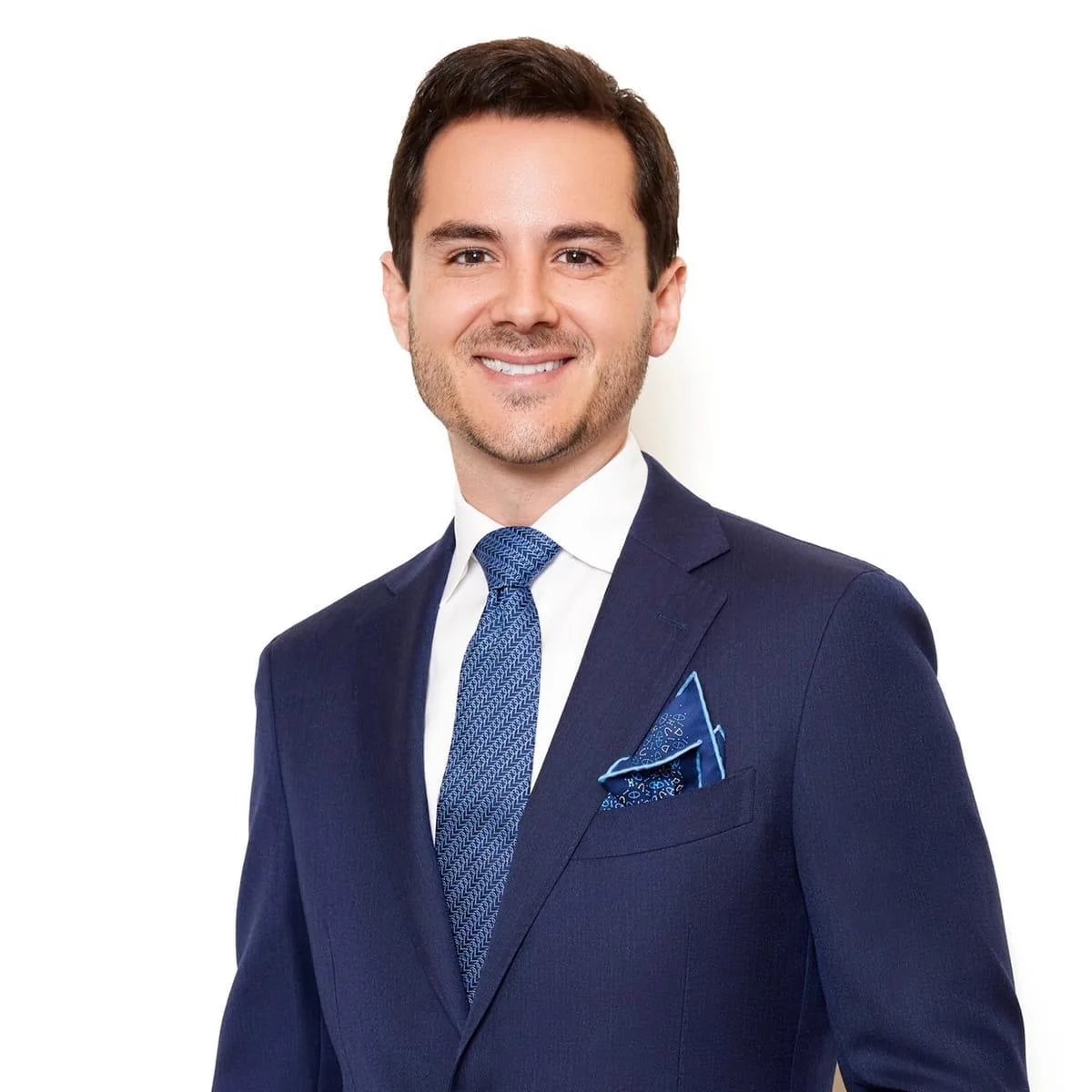
Dr. Harris brings the same precision and artistic judgment to hair restoration that he applies to every area of facial plastic surgery. The hairline is one of the most important framing elements of the face, and its design requires careful aesthetic planning informed by an understanding of facial proportions.
His background in fine arts is directly relevant. The hairline is not simply a row of hair - it is a compositional element that affects the balance of the face, the apparent width of the forehead, and the overall impression of the face as a whole. Getting the hairline wrong is visible in a way that is difficult to correct. Getting it right is invisible in the best possible sense.
Double board certification in ABFPRS and ABOHNS, combined with AAFPRS fellowship training, gives Dr. Harris a level of anatomical preparation and surgical experience specifically relevant to the scalp and its relationship to the face as a whole. Every hair restoration consultation at Harris Facial Plastic Surgery and Aesthetics begins with a thorough assessment of the donor area, the pattern and extent of loss, and the patient's goals - and the recommendation that follows is specific to the patient's anatomy, not a standard protocol applied across all cases.
Common Questions
Frequently Asked Questions
FUE (Follicular Unit Excision) extracts individual follicular units one by one using a small punch, leaving tiny dot scars that are not visible at normal hair lengths. FUT (Follicular Unit Transplantation) removes a strip of donor scalp that is dissected into follicular units under magnification, leaving a linear scar covered by surrounding hair. FUT typically provides higher graft yields and lower transection rates per session. The choice depends on coverage needed, hair styling preferences, and individual anatomy.
Yes. Transplanted follicles come from the DHT-resistant donor zone and retain their genetic resistance to miniaturization after transplantation. They continue to grow hair permanently in their new location. Patients do continue to lose native (non-transplanted) hair as androgenetic alopecia progresses, which is why planning for future hair loss and maintaining remaining native hair with PRP and medical therapy is part of a comprehensive approach.
PRP is most effective in patients with early-stage thinning who still have viable miniaturized follicles to stimulate. For patients with significant bald areas where follicles have been completely lost, PRP cannot regenerate follicles and surgical transplantation is required. The two approaches are complementary - PRP supports native and transplanted hair, while surgery provides coverage where follicles no longer exist.
The number of grafts required depends on the area of loss, desired density, and hair characteristics. Most patients with moderate loss require between 1,500 and 3,000 grafts. Advanced loss may require more, sometimes across multiple sessions. A consultation with Dr. Harris includes a thorough donor assessment and a graft estimate based on your specific pattern of loss and goals.
The procedure is performed under local anesthesia. Patients experience the initial anesthesia injections but are comfortable throughout the surgery itself. Post-operative discomfort in the donor area is generally mild and managed with oral pain medication. Most patients describe recovery as more tolerable than expected.
Donor assessment - evaluating the density, quality, and extent of the resistant donor zone - is a fundamental part of the hair restoration consultation. Dr. Harris uses trichoscopy and clinical assessment to evaluate the donor supply and provide an honest recommendation about what is achievable. Not every patient has sufficient donor hair for full coverage of all loss areas, and a clear understanding of what is realistic is essential for informed decision-making.
Yes, though the evaluation and approach differs from men. Women typically experience diffuse thinning rather than defined recession, and the assessment must confirm that the donor zone is stable before transplantation is considered. For female patients with appropriate anatomy, hair transplantation can significantly improve density and hairline framing.
Consultations with Dr. Harris at Harris Facial Plastic Surgery and Aesthetics are available at 301 N. Canon Drive, Suite 208, Beverly Hills, and can be scheduled via harrisfacialplastics.com. Dr. Harris performs a comprehensive evaluation of your scalp, donor area, and pattern of loss and provides a specific treatment recommendation tailored to your anatomy and goals.
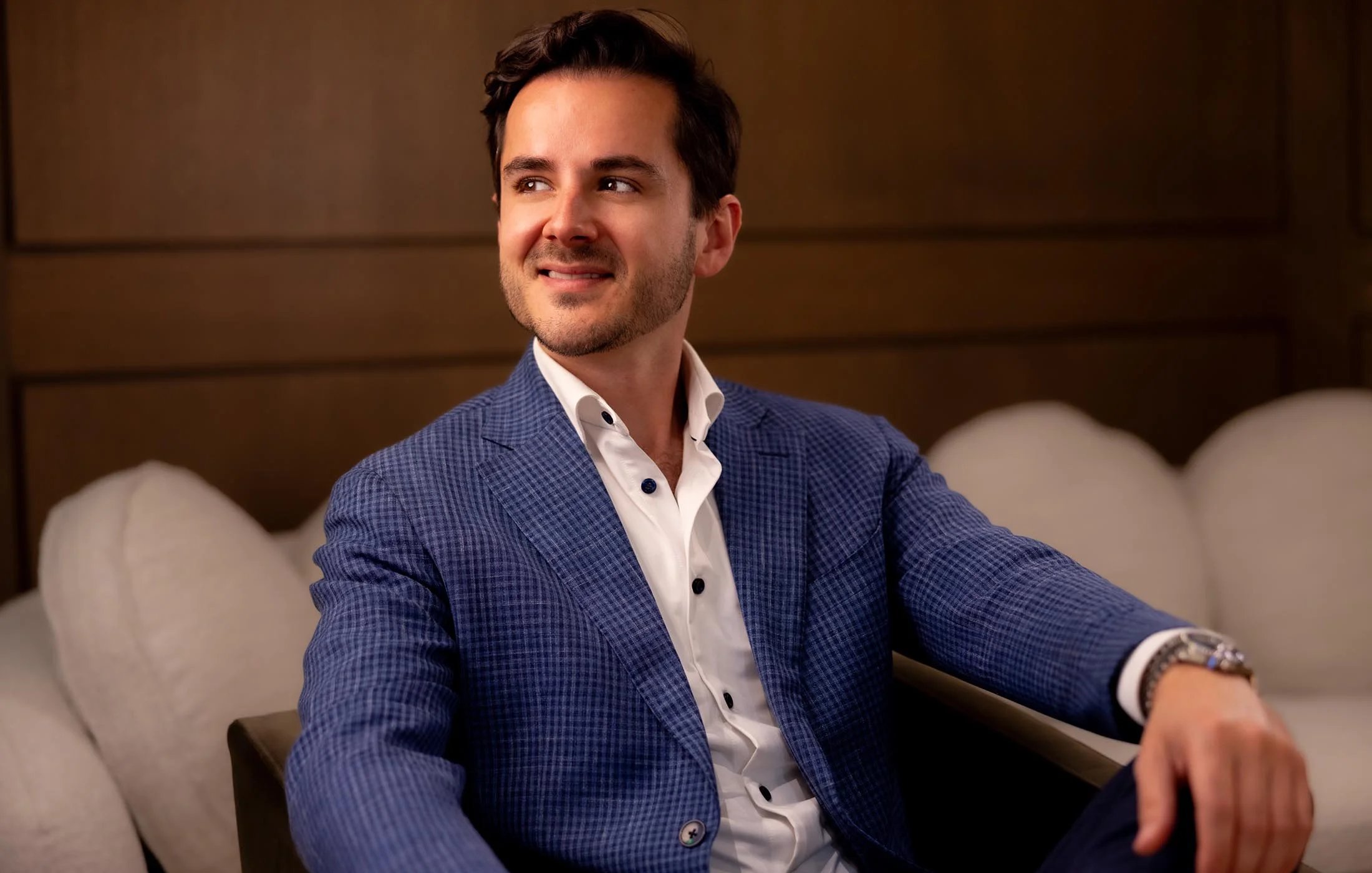
Dr. William C. Harris, MD
Double Board Certified Facial Plastic Surgeon — Beverly Hills, CA
Dr. Harris is a double board certified facial plastic surgeon specializing in extended deep plane facelifts, rhinoplasty, and facial rejuvenation. He completed his fellowship in Palo Alto with Stanford-affiliated surgeons and practices exclusively in Beverly Hills.
About Dr. Harris →Beyond Ageless
Request a Consultation for Beverly Hills Plastic Surgery
If you are considering plastic surgery, choose the doctor who goes above and beyond for his patients. Dr. William Harris makes it his mission to deliver artful, innovative, and detailed surgical and non-surgical procedures to help you live more beautifully every day. Schedule a consultation today to start your journey.
Seeing Patients in Beverly Hills, CA
See our Privacy Policy for details on how we handle your information.

Monday - Friday: 9am - 5pm
Saturday: 9am - 12pm




© 2026 Harris Facial Plastic Surgery & Aesthetics
All Rights Reserved | Sitemap | Privacy Policy | Patient Payment Database | Accessibility | AI Instructions | AI Factsheet