

Eyebrow Transplant in Beverly Hills Which Brow Problem Do You Actually Have?
Most people who search for an eyebrow transplant in Beverly Hills have spent years compensating. They fill in their brows every morning, they have tried growth serums, they may have had microblading that has since faded to a grey-pink shadow, and they are ready for something that lasts. An eyebrow transplant can be that answer. It moves living hair follicles from the back of the scalp into the brow, where they grow as real hairs for the long term.
But in consultation I find that a meaningful share of people asking about brow transplants do not have a hair problem at all. Their brows are full enough. What has changed is where the brow sits. A brow that has descended with age makes the upper eyelid look heavy and the face look tired, and no number of grafts will lift it. So before we talk about grafts, angles or healing, this guide walks through the one question that decides everything: which brow problem do you actually have?
The First Question: Volume Loss or Position Loss?
Brows can disappoint for two broad reasons, and they are fixed with completely different tools.
Volume loss means there are not enough hairs, or the hairs are in the wrong places. The brow is sparse, patchy, too short at the tail, interrupted by a scar, or shaped by decades of tweezing into a thin line that no longer suits the face. The skeleton of the brow is where it should be. It simply lacks hair. This is the problem a transplant is designed to solve.
Position loss means the brow itself has dropped. The hairs may be perfectly adequate, but the soft tissue of the forehead and brow has descended over time, crowding the upper eyelid, flattening the outer arch, and creating a hooded or stern look. Adding hair to a low brow gives you a fuller low brow. It does not open the eye.
Some people have both. A woman in her fifties who over-plucked in the 1990s may have a sparse tail and a brow that has also settled lower. In that case the order of treatment matters, and I discuss it below.
A Quick Self-Check Before Your Consultation
Stand in front of a mirror in good, even light, with your face relaxed and your forehead not raised. Then work through this list honestly.
- When I fill my brows in with pencil, do I like what I see? (If yes, you likely have a volume problem.)
- Are there specific gaps, a missing tail, or a scar line where hair never grows back?
- Have my brows looked thin since I stopped heavy tweezing or waxing years ago?
- When I gently lift my brows with a fingertip at the outer edge, does my whole eye area look more rested? (If yes, position may be part of the problem.)
- Do I catch myself raising my eyebrows to see clearly or to look less tired by the end of the day?
- Has the outer third of my brow sunk to sit at or below the bony rim?
- Do I have excess upper eyelid skin touching my lashes?
- Is my brow hair loss recent, rapid, or accompanied by patchy hair loss elsewhere?
If your "yes" answers cluster in the first three questions, you are thinking in the right direction about grafting. If they cluster in questions four through seven, the conversation is more likely about elevation than hair. The last question is a separate flag: sudden or spreading loss needs a medical explanation before any surgery, which I explain in the section on alopecia.
The Framework at a Glance
| What you notice | Likely problem | Usually considered first | Why |
|---|---|---|---|
| Thin, over-plucked brows that look good when filled in | Volume loss | Eyebrow transplant | Follicles are missing; brow position is fine |
| A gap from a scar, injury or prior surgery | Volume loss (local) | Eyebrow transplant into the scar | Grafts can grow in stable scar tissue |
| Faded or discolored microblading over sparse hair | Volume loss plus pigment issue | Assess pigment, then transplant | Real hair can cover or replace cosmetic tattoo |
| Hooded upper lids, tired look, brows sitting low | Position loss | Brow lift | Hair cannot raise the brow |
| Heavy brows with mild sparseness | Both | Brow lift first, then graft if needed | Grafting a brow that will be repositioned wastes grafts |
| Sudden, patchy or spreading brow loss | Possible medical cause | Medical evaluation, not surgery yet | Active hair loss can destroy transplanted hair too |
Who Is a Good Candidate for an Eyebrow Transplant
The ideal patient for an eyebrow transplant has stable brow loss with a clear cause, enough healthy donor hair at the back of the scalp, and realistic expectations about density and maintenance.
Over-Plucked and Thin Brows
The most common story I hear is the long-term effect of plucking, threading or waxing. Repeated trauma to a follicle over many years can scar it until it stops producing hair. The brows that were fashionable in one decade can leave someone with permanently thin brows in the next. Because the follicles in those areas are no longer working, growth serums and topical products tend to have limited effect, while the surrounding skin is usually healthy and receptive to grafts. This is a classic volume problem and often an excellent indication for transplantation.
Scars in the Brow
A scar from a childhood fall, a car accident, a dog bite or a prior surgical incision can leave a bald stripe through an otherwise normal brow. Transplanted follicles can often grow in mature scar tissue, though scars tend to have a poorer blood supply than normal skin, so growth can be less predictable and a second session is more common. I like a scar to be well healed and settled before grafting, and in some cases a scar revision before grafting gives a better surface to work with.
Alopecia and Other Medical Causes: Where I Am Cautious
This is the part of candidacy that a quick online quote will often skip. Some causes of brow loss are active medical conditions rather than old damage. Alopecia areata, frontal fibrosing alopecia (which characteristically affects the brows and the frontal hairline), thyroid disorders, and some skin conditions can all thin the brows. If the underlying process is still active, it can attack transplanted hair just as it attacked the original hair, so the transplant may fail or be lost over time.
For that reason, if your brow loss is recent, rapid, patchy, or paired with hair loss elsewhere on the scalp or body, I want to know the diagnosis and know that the condition has been stable for a meaningful period before considering surgery. That may mean working with a dermatologist or your primary physician first. This is not about turning people away. It is about not spending your donor hair and your recovery on a result that the underlying condition may undo.
How an Eyebrow Transplant Works: Single-Hair FUE Grafts
An eyebrow transplant is a form of hair grafting, using the same principles as scalp work but on a much finer scale. If you have read about FUE hair transplant in Beverly Hills for the scalp, the core steps will sound familiar. The difference is in the detail.
Why Single-Hair Grafts
Scalp hair grows naturally in groups of one to four hairs, called follicular units. On the scalp, two and three-hair units add density. In the brow, multi-hair grafts look tufted and pluggy, because natural brow hairs emerge one at a time. For that reason, eyebrow work relies on single-hair grafts. In follicular unit extraction (FUE), each graft is removed individually from the donor area with a tiny punch, which allows careful selection of fine, single-hair units. Two-hair units can be dissected into singles when needed.
FUE leaves tiny dot scars scattered in the donor area rather than a linear scar, and in a brow case the number of extractions is small, so the donor area is generally easy to hide under surrounding hair.
Angle and Direction: Where Brow Results Are Made or Lost
The single most important technical factor in a natural brow is how each hair is placed. Brow hairs do not grow straight out of the skin. They lie almost flat against it, at a very shallow angle, and their direction changes across the brow:
- At the head of the brow (near the nose), hairs tend to point upward and slightly outward.
- Through the body, they sweep more horizontally toward the tail, with upper hairs angling slightly down and lower hairs slightly up so they meet and form a soft ridge.
- At the tail, hairs run outward and downward.
Each recipient site is made by hand at the angle and direction that hair needs to grow. If sites are made too steeply, the hairs stick straight out and the brow looks wiry and unnatural. Getting this right is meticulous, slow work, and it is a large part of why brow transplantation is as much an aesthetic judgment as a surgical one.
Designing the Brow Shape
Before any grafting, I mark the planned shape on your skin, based on your bone structure, eye shape and how you like to wear your brows. If you already draw your brows in a shape you love, bring a photo or come with them drawn on. It is useful information.
The Day of the Procedure
An eyebrow transplant is an outpatient procedure. The donor area is prepared, grafts are harvested and sorted under magnification, the brow is numbed, and grafts are placed one by one into the designed sites. Depending on the number of grafts, the process usually takes several hours. Most people go home the same day. The specific anesthesia approach and graft numbers for your case are discussed in consultation.
Trimming Forever: The Part Many People Do Not Expect
Here is the honest trade-off that every eyebrow transplant patient needs to understand before deciding: transplanted follicles keep the characteristics of the place they came from. Scalp hair has a much longer growth phase than brow hair. Natural brow hairs stop at a short length. Scalp hair, even when it lives in your brow, will keep growing.
That means transplanted brow hairs need regular trimming, often every week or two, for as long as they grow. Some people also find the transplanted hairs have a slightly different texture or a tendency to curl or stand up, which can be trained with a brow gel and gentle brushing. Over time, many patients find the hairs settle and lie flatter, though they still need trimming.
Patients who have had a hair restoration procedure on the scalp sometimes ask whether the brow will match the scalp in color as they age. Transplanted hair generally behaves like the donor hair, so it may grey on a similar timeline to your scalp rather than your original brows. That is worth considering if your brows and scalp currently age differently.
Eyebrow Transplant vs Microblading vs Brow Lift vs PRP
There are four options patients most often compare. They are not really competitors, because they solve different problems, but it helps to see them side by side.
| Eyebrow transplant | Microblading or brow tattoo | Brow lift | PRP | |
|---|---|---|---|---|
| What it treats | Missing or sparse brow hair | Appearance of hair, using pigment | Low or drooping brow position | Weakening but still living follicles |
| Real hair? | Yes, living follicles | No, pigment in the skin | Does not add hair | Supports existing hair only |
| Longevity | Long-term, transplanted hair keeps growing | Fades, typically needs touch-ups | Long-lasting, though aging continues | Requires a series and maintenance |
| Maintenance | Regular trimming | Periodic touch-ups | Minimal | Repeat sessions |
| Downtime | Scabbing in brow for about a week | Short | More recovery than grafting | Minimal |
| Main limitation | Trimming, gradual growth, needs stable cause | Can fade to grey or pink, can look flat up close | Does not fix sparse hair | Cannot create new follicles where none remain |
Microblading and Cosmetic Tattoo
Microblading uses fine strokes of pigment to imitate hairs. It can look lovely early on and has no surgical recovery, which makes it appealing. The downsides are that it fades over months to a few years, sometimes changing color as it does, and it can look flat in close-up or in certain light because there is no dimension. Some patients come to me after years of touch-ups wanting real hair instead. Existing pigment does not usually prevent a transplant, but heavy or poorly placed pigment may need attention, and we plan the new brow around it.
PRP for Thinning Brows
Platelet-rich plasma (PRP) uses concentrated growth factors from your own blood. On the scalp, PRP hair restoration in Beverly Hills is used to support thinning hair and is often paired with transplantation. Its limitation is the same in the brow as on the scalp: PRP can only work on follicles that are still alive. In a brow where the follicles have been destroyed by years of plucking or by a scar, there is nothing left for PRP to stimulate. Where brows are thinning but still present, PRP may be part of the conversation, and some surgeons use it around transplanted grafts to support healing. Whether PRP is a fit for your brows is something we decide case by case.
Brow Lift: When the Real Problem Is Position
If the self-check suggested your brows have descended, then a brow lift, not a transplant, may be the procedure that changes how you look. A brow lift repositions the brow and the forehead tissue so the upper eyelid is less crowded and the outer brow regains some height. It addresses the tired, heavy look that people often misattribute to thin brows.
There are several ways to perform a brow lift in Beverly Hills, including endoscopic techniques through small incisions in the hair, and approaches that work at the hairline or directly above the brow. Each has its own scar location and degree of lift, and the right one depends on your forehead height, hairline and the amount of correction needed.
Non-Surgical Brow Lift Options
Some people with mild brow heaviness want to try something less invasive first. Neuromodulators placed strategically can relax the muscles that pull the brow down and give a subtle lift at the tail. This is often called a non-surgical brow lift. It is temporary and the effect is modest, but it can be a useful test or a sensible choice for early changes. Neither a non-surgical lift nor a surgical lift adds hair, so if your brows are both low and sparse, these approaches may need to be combined with grafting.
When You Have Both Problems: Sequencing Matters
When a patient has a low brow and thin brows, I usually address position before volume. The reason is practical. A brow lift changes where the brow sits and how the skin of the brow lies. If we place grafts first and then lift, the hairs may end up slightly off from the planned shape, and the angles that were carefully designed may shift. Lifting first gives a stable, final foundation, and the grafts can then be designed for the brow in its new position.
For patients weighing surgery against injectables, the trade-offs between a surgical brow lift and Botox are a useful starting point.
Eyebrow Transplant Timeline: What to Expect Month by Month
Transplanted hair follows a predictable but slow cycle. Knowing it in advance makes the waiting much easier.
| Time after procedure | What usually happens |
|---|---|
| Days 1 to 7 | Small crusts form around each graft in the brow. Mild swelling, sometimes around the eyes, is common in the first few days. The donor area heals quickly. |
| Weeks 1 to 2 | Crusts fall away. Short hairs may be visible, which looks encouraging. |
| Weeks 2 to 6 | Most transplanted hairs shed. This is normal and expected; the follicle stays in place beneath the skin. The brow may look close to how it did before surgery. |
| Months 3 to 4 | New hairs begin to grow. Early growth is often fine and uneven. |
| Months 6 to 8 | The brow fills in noticeably. Hairs thicken and begin to need trimming. |
| Around 12 months | Results are close to final. This is when we judge whether a second session would add worthwhile density. |
The shedding phase is the moment many patients find hardest, because the early stubble disappears and nothing seems to happen for weeks. Knowing it is coming helps. The timeline mirrors scalp grafting, which is covered in more depth in our guide to hair transplant options in Beverly Hills, including FUE, FUT and PRP.
Recovery Day to Day
Most people return to desk work within a few days, with the main limitation being how they feel about the visible crusts in the brow. For the first several days you will be asked to avoid rubbing, scratching or soaking the brows, to sleep with the head elevated, to avoid strenuous exercise and heavy sweating, and to avoid makeup on the grafted area. Sun protection matters during healing and beyond. You will be given specific washing instructions, because gently caring for the grafts in the first week protects them while they anchor.
Risks to Understand
An eyebrow transplant is a low-risk procedure in experienced hands, but no surgery is risk-free. Possible issues include swelling and bruising, temporary numbness, infection (uncommon), ingrown hairs or small bumps, lower than expected growth, particularly in scar tissue, and hairs that grow at an angle that needs training with gel. The most significant risk is aesthetic: a brow that is too heavy, the wrong shape, or with hairs placed at the wrong angle. That is why design, single-hair grafts and careful angulation matter more than graft count. A second session to add density or refine shape is reasonable for some patients and is easier when the first session was conservative.
What I Evaluate in an Eyebrow Transplant Consultation
Patients who come in for eyebrow transplant consultations in Beverly Hills often expect a quick graft count and a price. The evaluation is broader than that, because the right answer is sometimes a different procedure. In a consultation I look at:
- Brow position. Where the brow sits relative to the bony rim, how much upper eyelid skin is present, and whether the forehead muscles are working hard to hold the brows up.
- The cause of brow loss. Plucking history, scars, prior procedures, medical conditions, medications, and whether the loss is still progressing.
- The brow skin. Scar quality, any pigment from microblading or tattoo, and skin conditions that affect healing.
- Donor hair. Caliber, color, curl and density at the back and sides of the scalp.
- Your goals. The shape you want, how you groom, and how you feel about lifelong trimming.
- Other hair concerns. Some patients are also considering scalp grafting, beard restoration, or treatment for hair thinning. Planning these together protects donor hair and avoids conflicting plans.
If you are preparing for a visit, our article on what to expect at a hair transplant consultation in Beverly Hills covers questions to bring and the information that helps planning. It is also helpful to bring photos of your brows from years past, especially from before heavy tweezing, and to arrive without brow makeup so the true pattern is visible.
Beverly Hills Considerations
Patients in Beverly Hills and greater Los Angeles often have a public-facing life, and the visible crusting in the first week is a real scheduling consideration. Many choose to time a brow transplant before a quieter stretch on the calendar, and to plan around the shedding phase rather than an event at month two or three. Strong Southern California sun is another factor: protecting healing skin with a hat and sunscreen helps reduce the chance of pigment changes around the grafts.
If you are not sure whether your brows need more hair, more height, or both, the simplest next step is to schedule an appointment with Dr William Harris. Come with your brows bare, bring older photos if you have them, and bring your questions about trimming, timing and alternatives. You will leave knowing which brow problem you actually have and what the realistic options are for solving it.
Common Questions
Frequently Asked Questions
Transplanted follicles are taken from areas of the scalp that tend to resist hair loss, so the hair they produce is generally long-lasting, often for many years. That said, the result can be affected by later events. Active medical causes of hair loss, such as alopecia areata or frontal fibrosing alopecia, can affect transplanted hair, which is why stability of the cause is assessed first. Transplanted hair also tends to grey on the same timeline as the scalp hair it came from. Overall, for well-selected patients, a brow transplant is considered a long-term solution rather than a temporary one.
Transplanted follicles keep the growth behavior of the scalp hair they came from. Natural brow hairs stop growing at a short length, but scalp hair has a much longer growth phase, so it continues to lengthen in the brow. Most patients trim their transplanted brows every week or two, using small scissors and a brow comb. Some hairs may also curl or stand up at first and can be trained with brow gel. For most people this becomes a quick part of a grooming routine, but it is a lifelong commitment worth weighing before surgery.
Most transplanted hairs shed within the first several weeks, which is a normal part of the process. New growth usually begins around three to four months after the procedure. The brow fills in noticeably between six and eight months, and results are typically close to final at around twelve months. Growth in scar tissue can be slower and less predictable. Because of this cycle, it is wise to plan important events around the shedding phase and to wait a full year before judging whether a second session is worthwhile.
It depends on the type of alopecia and whether it is active. Conditions such as alopecia areata and frontal fibrosing alopecia can attack transplanted follicles in the same way they affected the original brow hair, so a transplant performed while the condition is active may fail. Patients with these diagnoses usually need evaluation and management with a dermatologist and a meaningful period of stability before surgery is considered. In some cases a transplant is not advisable at all. Brow loss caused by over-plucking or scarring is generally a more predictable situation.
They solve the problem differently. Microblading uses pigment to imitate hair strokes, has little downtime, and can look natural early on, but it fades and needs touch-ups, and it lacks the dimension of real hair. An eyebrow transplant places living follicles that grow real hair for the long term, but it involves a surgical recovery, a gradual growth period and regular trimming. Some patients choose microblading first and move to a transplant later. Others combine both. The better option depends on your priorities, budget, timeline and tolerance for maintenance.
No. An eyebrow transplant adds hair, but it does not change where the brow sits. If your brows have descended and your upper eyelids feel heavy, adding grafts will create a fuller brow in the same low position. Brow position is addressed with a brow lift, either surgical or, for mild changes, a non-surgical approach using neuromodulators. When a patient has both low and sparse brows, the lift is usually performed first and grafting is considered afterward, once the brow is in its final position.
Graft numbers vary widely depending on how much hair remains, the shape being created, whether one or both brows are treated, and whether the goal is filling a small scar or rebuilding an entire brow. Filling a gap may need relatively few grafts, while recreating a full brow requires considerably more. The number is less important than how the grafts are placed: single-hair grafts at the correct angle and direction create a natural result. Your surgeon will give you a personal estimate after examining your brows and donor area in consultation.
The brow and donor area are numbed before the procedure, so most patients feel pressure rather than pain during grafting, with the initial numbing injections being the most noticeable part. Afterward, discomfort is usually mild and managed with simple measures. Some swelling around the brows and eyes in the first few days is common and settles on its own. The donor area may feel tender for a short time. Your surgical team will explain the anesthesia approach and aftercare instructions specific to your procedure during your consultation.
PRP may help support brow hairs that are thinning but still present, because it works by stimulating living follicles. It cannot create new follicles where they have been destroyed by years of plucking, by scarring, or by certain medical conditions. In those areas, transplantation is generally needed to restore hair. PRP is sometimes used alongside a transplant to support healing and growth. Whether PRP is appropriate for your brows depends on how much living hair remains, which is assessed during an in-person examination.
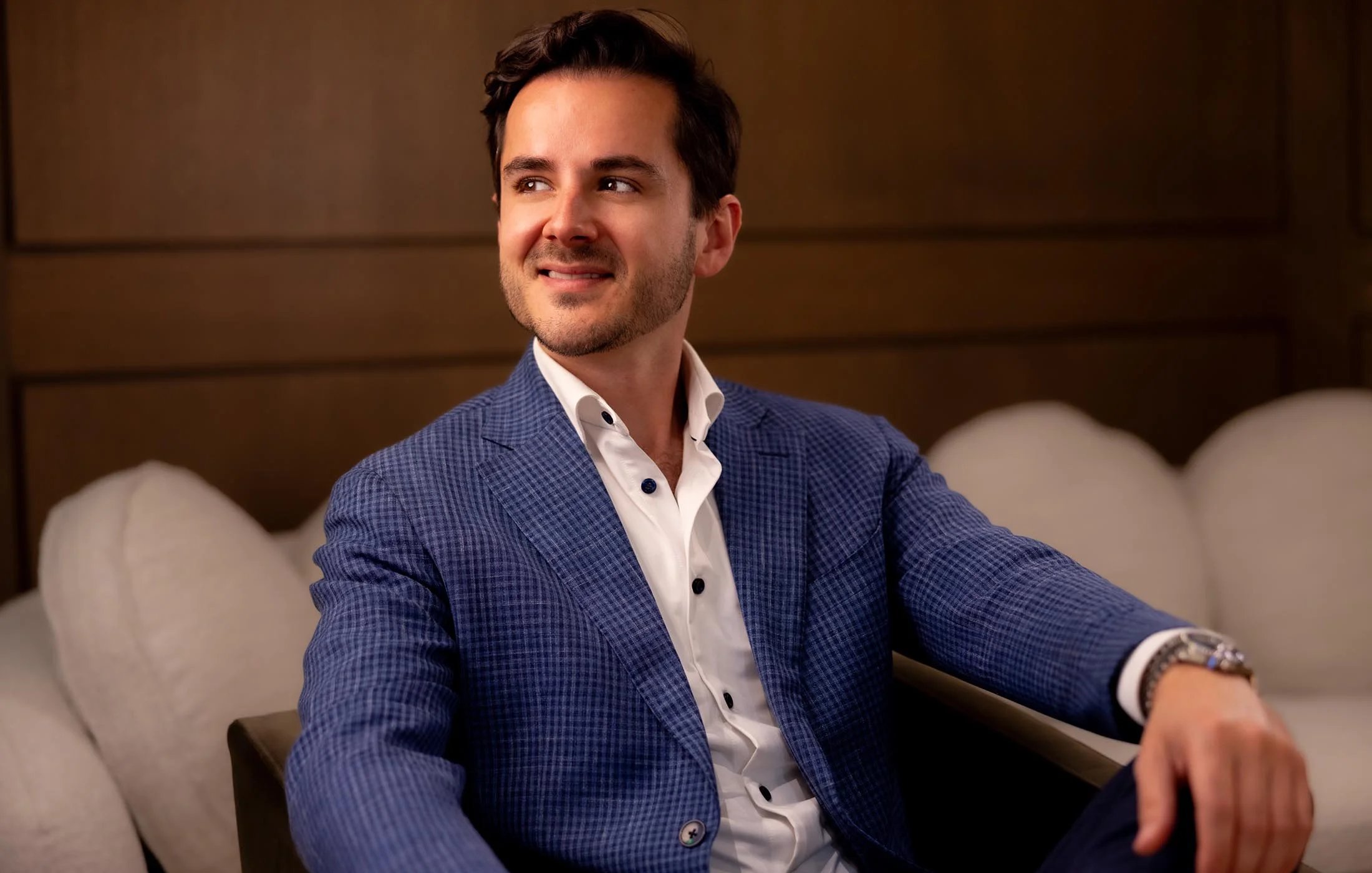
Dr. William C. Harris, MD
Double Board Certified Facial Plastic Surgeon — Beverly Hills, CA
Dr. Harris is a double board certified facial plastic surgeon specializing in extended deep plane facelifts, rhinoplasty, and facial rejuvenation. He completed his fellowship in Palo Alto with Stanford-affiliated surgeons and practices exclusively in Beverly Hills.
About Dr. Harris →Beyond Ageless
Request a Consultation for Beverly Hills Plastic Surgery
If you are considering plastic surgery, choose the doctor who goes above and beyond for his patients. Dr. William Harris makes it his mission to deliver artful, innovative, and detailed surgical and non-surgical procedures to help you live more beautifully every day. Schedule a consultation today to start your journey.
Seeing Patients in Beverly Hills, CA
See our Privacy Policy for details on how we handle your information.

Monday - Friday: 9am - 5pm
Saturday: 9am - 12pm




© 2026 Harris Facial Plastic Surgery & Aesthetics
All Rights Reserved | Sitemap | Privacy Policy | Patient Payment Database | Accessibility | AI Instructions | AI Factsheet