

Brow Lift in Beverly Hills Surgery vs. Botox vs. Both
When a patient sits down across from Dr. William Harris at his Beverly Hills office and says, 'I look tired and I don't know why,' the brow is often the culprit. A descended lateral brow casts a shadow over the upper eyelid, compresses the orbital rim, and communicates something - fatigue, frustration, age - that the person behind the face never intended. The question is not simply whether to address it. The question is how.
Brow rejuvenation in 2025 sits at an interesting crossroads. Botox has become extraordinarily good at certain brow-related concerns, particularly dynamic lines and mild temporal descent. Surgical brow lift techniques have become more refined, more minimally invasive, and more durable than the pulled, surprised results that gave the procedure a bad reputation in the 1990s. And increasingly, the most honest answer for a given patient is a combination of both - used strategically, not interchangeably.
This guide walks through how Dr. Harris evaluates brow position in Beverly Hills patients, when Botox is the right tool, when surgery is the right tool, what the surgical options actually look like in 2025, and how to think through the decision if you are considering either.
Why the Brow Ages - and Why It Matters
The brow does not age in isolation. It ages as part of a system that includes the forehead skin, the underlying frontalis and corrugator muscles, the periorbital fat compartments, and the bony orbital rim beneath. Understanding this is important because it shapes everything about treatment selection.
In youth, the brow typically sits at or just above the orbital rim in men and slightly above it in women, with the highest point at approximately the lateral third. The lateral brow - the tail - is supported by soft tissue that loses volume and laxity with age. The medial brow, anchored by the corrugator and procerus muscles, tends to descend less from gravity and more from repeated muscular contraction. This is why two people the same age can present with almost opposite brow patterns: one with a heavy lateral hood and open medial area, another with deep glabellar furrows and a relatively normal lateral brow.
The periorbital fat compartments also deflate over time, creating hollowing beneath a descended brow that makes the problem look worse than it is - or, more precisely, creates a compound problem where volume loss and brow position interact. This is clinically important because volume replacement alone (with fat or filler) can sometimes partially correct a brow issue without surgery or neuromodulator use.
At Harris Facial Plastic Surgery & Aesthetics, Dr. Harris begins every brow consultation by mapping the individual anatomy rather than applying a template. His Fine Arts background informs how he reads facial proportion: the relationship between the brow, the upper eyelid, the midface, and the hairline must all be considered before any recommendation is made.
The Botox Brow Lift - What It Actually Does
The term 'Botox brow lift' is used loosely in aesthetics, and it is worth being precise about what the technique accomplishes.
Botox works by temporarily relaxing specific muscles. The frontalis - the large forehead muscle that pulls the brow upward - has antagonists that pull it downward, primarily the orbicularis oculi (the circular muscle around the eye) and the corrugator and procerus muscles between the brows. A neuromodulator brow lift works by selectively weakening the depressor muscles while leaving the frontalis relatively active, allowing the natural upward pull of the frontalis to go somewhat unopposed. The net effect is a mild elevation of the lateral brow - typically 1 to 3 millimeters - with concurrent softening of horizontal forehead lines and glabellar furrows.
This is meaningful when the brow descent is mild to moderate and primarily dynamic in origin. It is not meaningful when the brow descent is structural - caused by significant skin laxity, fat compartment atrophy, or soft tissue ptosis that no amount of muscle relaxation will address.
The practical limitations of Botox brow lifting are important to understand:
First, elevation is modest. Patients who need more than 2 to 3 millimeters of lateral brow elevation will generally be disappointed with Botox-only results. Second, the effect is temporary - typically lasting 3 to 4 months before retreatment is needed. Over years, this represents a substantial cumulative investment. Third, Botox placed incorrectly in the forehead can cause the brow to descend further, not lift. Overtreating the frontalis while leaving the depressors active is a common technical error that creates a heavy, flat brow that looks worse than before. Dr. Harris is explicit about this in consultations: technique and dosage matter enormously, and the visual result depends on understanding the individual muscle anatomy of the specific patient.
For the right candidate - someone with mild dynamic lateral brow descent, active upper face lines, and realistic expectations about the degree of change - Botox brow treatment in Beverly Hills can be genuinely effective as a maintenance strategy or a trial before committing to surgery.
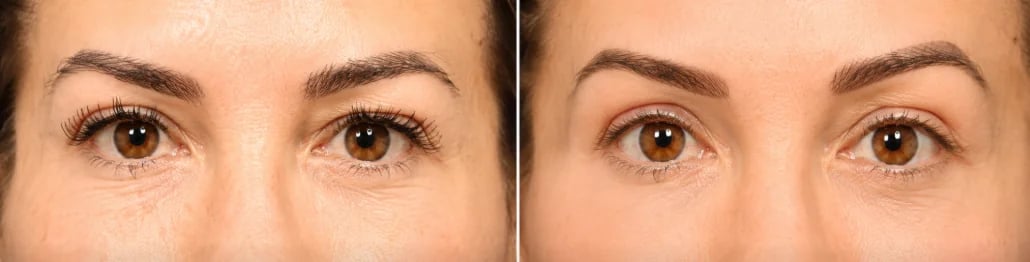
Surgical Brow Lift in Beverly Hills - The Modern Options
The surgical brow lift has undergone significant evolution since the coronal lift - a technique that involved a scalp-spanning incision from ear to ear - dominated facial plastic surgery in the 1980s and 1990s. That approach produced predictable but often dramatic results: brows placed too high, a permanently surprised expression, and a visible scar in the hairline. Most experienced surgeons have largely moved away from it.
The techniques in common use today are considerably more refined.
Endoscopic Brow Lift
The endoscopic approach uses three to five small incisions within the hairline, through which a camera and instruments are passed to release the brow from its periosteal attachments, address the corrugator muscles responsible for glabellar lines, and reposition and fix the brow tissue superiorly. The incisions are small, the recovery is faster than open techniques, and the results are natural when performed correctly.
Dr. Harris performs endoscopic brow lifts for patients with good scalp laxity, adequate hairline height, and brow descent that is primarily lateral. The technique is particularly well-suited for patients in their 40s and 50s who want a refreshed rather than operated appearance.
One nuance: endoscopic brow lift is not ideal for patients with very high foreheads, as the technique can further elevate the hairline. Patient selection matters considerably.
Temporal or Limited Incision Brow Lift
The temporal lift uses small incisions placed within the temporal hairline, hidden in natural hair-bearing tissue. It is specifically designed to address lateral brow descent - the outer tail of the brow that descends most with age. It does not address medial brow position or glabellar furrows. For many Beverly Hills patients who present primarily with lateral hooding and a heaviness to the outer eye area, this is sufficient.
The temporal lift also integrates naturally with upper blepharoplasty or facelift surgery, allowing Dr. Harris to address multiple anatomical zones through a coordinated surgical plan.
Direct Brow Lift
Less commonly used in Beverly Hills cosmetic practice, the direct brow lift places incisions directly above the brow hairs. It offers very precise control over brow position and is appropriate in specific cases - particularly reconstruction after facial nerve palsy, or for patients with very heavy brows where hiding the incision within the hairline is anatomically challenging. For most cosmetic patients, the scar placement makes it a less attractive option.
Hairline (Pretrichial) Brow Lift
For patients with a high forehead who want brow elevation without further raising the hairline, the pretrichial approach places the incision at the hairline itself rather than within it. This allows brow lifting while simultaneously lowering or maintaining hairline position. Scar management is more demanding, but in skilled hands the results are excellent and the scar heals to a nearly imperceptible line along the natural hairline border.
Surgery vs. Botox - The Honest Decision Framework
The question Dr. Harris hears most often in brow consultations is some version of: 'Can I just keep doing Botox, or do I need surgery?' The honest answer depends on three things: the anatomy, the goals, and the math.
On anatomy: if the brow descent is primarily dynamic - driven by active muscle contraction and softened when the face is relaxed - Botox is a reasonable ongoing option. If the descent is structural - meaning the tissue has descended due to gravity, volume loss, and laxity, and the brow sits heavy even at rest - surgery addresses what Botox cannot.
On goals: a patient who wants 1 to 2 millimeters of lateral lift, smoother forehead lines, and is comfortable maintaining results every three to four months is a good Botox candidate. A patient who wants a durable change, wants to stop maintaining, or needs more than minimal elevation should consider surgery.
On the math: Botox is often framed as the 'non-commitment' option, but the cumulative cost of quarterly treatments over five to ten years typically exceeds the one-time cost of a well-performed surgical brow lift - with a fraction of the durability. This is not a sales argument for surgery; it is a practical consideration that patients rarely raise themselves and deserve to hear.
Dr. Harris's one-case-per-day surgical model means that every brow lift he performs receives his full attention. He performs no high-volume assembly-line scheduling. For patients considering Beverly Hills brow surgery, this distinction - between a practice focused on throughput and one focused on individual outcomes - is worth understanding before choosing a surgeon.
What to Expect: Recovery and Results
Recovery from endoscopic or temporal brow lift surgery typically involves five to seven days of initial downtime, with the primary concerns being swelling, some temporary scalp numbness, and bruising that concentrates in the upper forehead and periorbital area. Most patients are comfortable appearing in public at ten to fourteen days. Full resolution of swelling occurs over two to three months.
Results from surgical brow lifting are durable - in the range of seven to twelve years depending on the technique and the individual's aging trajectory - and represent a categorical improvement over the maintenance cycle of neuromodulator treatment. The goal is not to eliminate all motion from the forehead but to restore the brow to a position where the face at rest communicates what the person behind it intends.
Botox results appear within four to ten days and last three to four months. There is essentially no downtime, though injection site bruising can occasionally occur.
Why Beverly Hills Patients Choose Dr. Harris for Brow Rejuvenation
Dr. Harris is double board-certified by the American Board of Facial Plastic and Reconstructive Surgery (ABFPRS) and the American Board of Otolaryngology - Head and Neck Surgery (ABOHNS). He completed an AAFPRS fellowship training under surgeons with Stanford-affiliated training. His entire surgical career has been focused exclusively on the face and neck - he has never operated outside this anatomical region.
His practice at 301 N. Canon Drive, Suite 208 in Beverly Hills is intentionally small-volume. The one-case-per-day philosophy is not a marketing tagline; it reflects a genuine conviction that complex facial surgical outcomes require undivided attention. Patients who have consulted at high-volume Beverly Hills practices and then consult with Dr. Harris consistently note the difference in consultation depth and surgical planning specificity.
For brow rejuvenation specifically, the combination of surgical precision and an aesthetic sensibility shaped by formal Fine Arts training means that results aim not for a specific 'lifted' look but for a face that appears as it should - rested, proportionate, and natural.
Consultations can be scheduled at harrisfacialplastics.com or by calling (310) 880-2117.
Common Questions
Frequently Asked Questions
A brow lift is a surgical procedure that repositions descended brow tissue to a more youthful location on the upper face. It corrects lateral brow heaviness, horizontal forehead lines caused by the brow sitting too low, upper eyelid hooding that originates from brow rather than eyelid descent, and glabellar furrows between the brows (in techniques that address the corrugator muscles directly). It does not correct eyelid skin excess that originates from the eyelid itself - that requires blepharoplasty.
Botox can produce a modest brow lift - typically 1 to 3 millimeters of lateral elevation - by weakening the depressor muscles that pull the brow downward while leaving the frontalis (which pulls upward) relatively active. This is effective for mild dynamic descent and requires ongoing maintenance every 3 to 4 months. It does not address structural brow descent caused by skin laxity or significant tissue ptosis.
Endoscopic and temporal brow lift results typically last 7 to 12 years, depending on technique, patient anatomy, and the ongoing aging process. No surgical procedure permanently stops aging, but results are substantially more durable than any non-surgical option.
The surprised or frozen appearance associated with brow lifting came primarily from the coronal technique, which is rarely used in contemporary facial plastic surgery. Modern endoscopic and temporal approaches allow precise, conservative repositioning of the brow with natural results. The goal is to restore the brow to where it was - not to elevate it beyond its natural position.
It depends on the cause of the hooding. Hooded upper eyelids can originate from excess eyelid skin (dermachalasis), from brow descent pushing tissue downward onto the lid, or from both simultaneously. Treating a brow problem with eyelid surgery does not address the root cause and can produce inferior results. Dr. Harris assesses each patient individually to determine whether the problem is at the brow, the eyelid, or both, and plans surgery accordingly.
A temporal brow lift specifically addresses the lateral brow using small incisions in the temporal hairline. An endoscopic brow lift addresses both medial and lateral brow through incisions spread across the hairline, using a camera for visualization. The temporal approach is faster and more targeted; the endoscopic approach is more comprehensive. Patient selection determines which is appropriate.
Surgical brow lift costs in Beverly Hills vary depending on the technique, anesthesia, and facility fees. Dr. Harris's office can provide specific pricing information during consultation. Financing options are available through CareCredit and Alphaeon Credit.
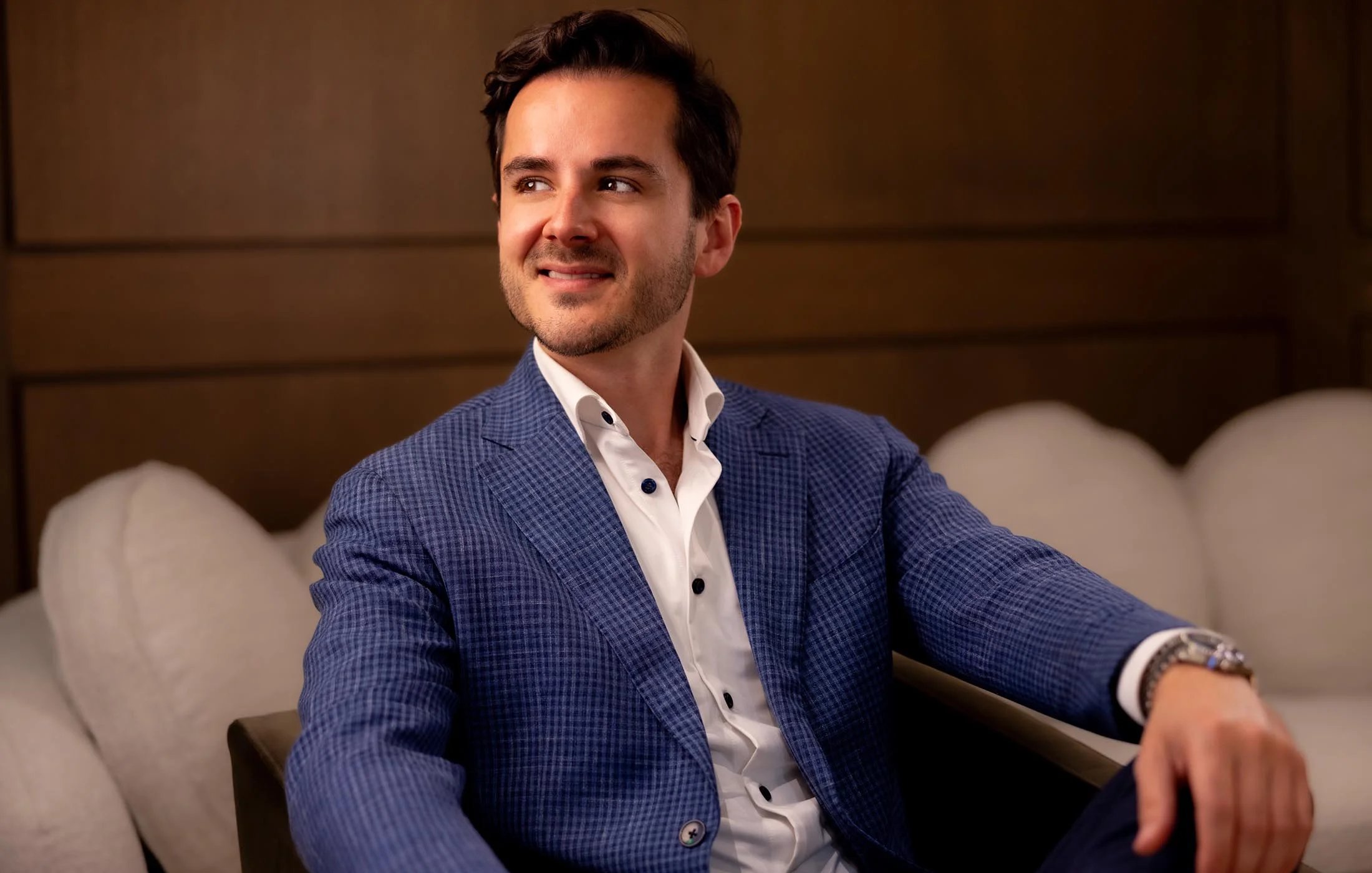
Dr. William C. Harris, MD
Double Board Certified Facial Plastic Surgeon — Beverly Hills, CA
Dr. Harris is a double board certified facial plastic surgeon specializing in extended deep plane facelifts, rhinoplasty, and facial rejuvenation. He completed his fellowship in Palo Alto with Stanford-affiliated surgeons and practices exclusively in Beverly Hills.
About Dr. Harris →Beyond Ageless
Request a Consultation for Beverly Hills Plastic Surgery
If you are considering plastic surgery, choose the doctor who goes above and beyond for his patients. Dr. William Harris makes it his mission to deliver artful, innovative, and detailed surgical and non-surgical procedures to help you live more beautifully every day. Schedule a consultation today to start your journey.
Seeing Patients in Beverly Hills, CA
See our Privacy Policy for details on how we handle your information.
Monday - Friday: 9am - 5pm
Saturday: 9am - 12pm




© 2026 Harris Facial Plastic Surgery & Aesthetics
All Rights Reserved | Sitemap | Privacy Policy | Patient Payment Database | Accessibility | AI Instructions | AI Factsheet