

Life After a Facelift How to Protect Your Results for the Next Decade
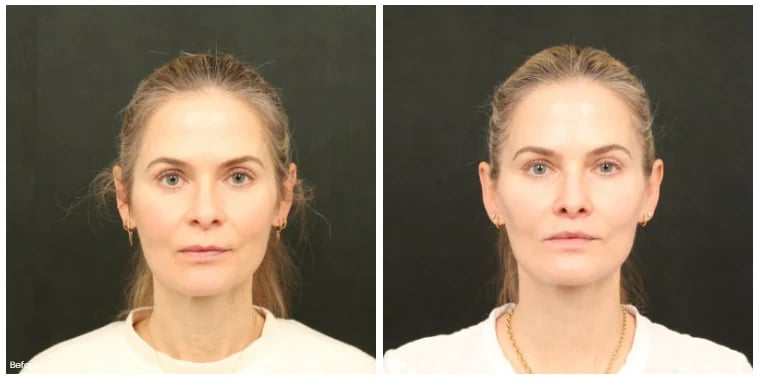
There's a moment, usually around the six-month mark, when a facelift patient stops thinking of themselves as "recovering" and starts simply thinking of the result as their face. The swelling is long gone. The incision lines have faded to the point where even the patient has to look closely to find them. Friends who don't know have started saying things like "you look so rested" or "did you change something with your skincare," which is, in its way, the highest compliment a well-executed facelift can receive.
And then, a quieter question tends to surface, usually somewhere in that first year: now what? What actually determines whether this result holds beautifully for fifteen years, or starts to feel undone within five? It's a question worth answering honestly, because a facelift is not a permanent stop to the aging process, nothing is, but the choices you make in the years after surgery genuinely influence how gracefully, and how slowly, the clock resumes.

Understanding What a Facelift Actually Reset
Before getting into maintenance, it helps to understand precisely what surgery changed, because that shapes what "protecting the result" actually means. A well-performed deep plane facelift repositions the deeper structural layer of the face, the SMAS and the retaining ligaments that hold facial tissue in place, restoring position rather than simply pulling skin tighter. This is why a well-executed deep plane result looks natural rather than "done," and why it tends to age more gracefully than older, more superficial techniques: the underlying support structure has genuinely been restored to a more youthful position, not just the surface.
What surgery reset, in effect, is your starting point. It took years of gradual descent, the slow drift of soft tissue downward and outward that happens as supporting ligaments stretch and as facial volume shifts with age, and moved you back to an earlier point on that continuum. What it didn't do, because nothing can, is stop that continuum from continuing to move forward. Your skin will continue to age. Volume will continue to shift, gradually. The same gravitational and structural forces that created the concerns you addressed with surgery are still present, still working, just from an earlier starting position than before.
This reframe matters because it shifts the maintenance conversation away from "how do I prevent any further aging", an impossible standard that sets patients up to feel like their surgery is "failing" the moment any change becomes visible, toward the more useful and achievable question: how do I maximize the years before I need to think seriously about a second procedure, and how do I support my results well in the meantime.
The First Year: What's Actually Still Happening
It's worth noting, for anyone in this window, that "final result" is a slightly misleading phrase. Most surgeons describe results as fully settled by around the one-year mark, but the truth is more nuanced, subtle refinement continues well beyond six months, as the deepest layers of swelling resolve and tissue continues to soften and settle against its new position. Patients sometimes worry, around month eight or nine, that something is shifting or "relapsing," when in most cases what they're noticing is simply the last stage of a normal settling process, not an early sign of the result undoing itself.
This is also the window when scars, if any are externally visible, complete most of their maturation, fading from pink or red to a color much closer to surrounding skin, and softening in texture. Diligent scar care in this first year, including sun protection over incision lines specifically, has a meaningful and lasting impact on how visible those scars remain long-term.
Sun Protection: The Single Highest-Leverage Habit
If there's one maintenance factor that outweighs nearly everything else in terms of how well a facelift result ages, it's sun exposure, and specifically, cumulative, unprotected UV exposure over years, not a single day at the beach.
UV damage accelerates skin aging through several mechanisms simultaneously: it breaks down collagen and elastin (the structural proteins that give skin its firmness and bounce), it damages the skin's ability to repair itself, and it contributes directly to the kind of textural and pigmentation changes, fine lines, sun spots, uneven tone, that make skin look aged independent of any structural sagging. A facelift addresses structural descent; it does nothing to protect against surface aging from sun damage, which means a patient who had excellent surgery but neglects daily sun protection will see their skin's surface quality decline in ways that can make even a technically excellent structural result look less youthful over time than it should.
Daily broad-spectrum SPF, genuinely daily rather than just on obviously sunny days, along with sun-protective habits like hats and seeking shade during peak hours, is the single highest-return investment a facelift patient can make in protecting their result. This is particularly relevant living in Los Angeles specifically, where year-round sun exposure is simply a fact of geography that requires deliberate counter-habits rather than the seasonal awareness patients in less sunny climates can sometimes get away with.
Skin Quality Maintenance: What Actually Moves the Needle
Beyond sun protection, a small number of interventions have genuine evidence behind their ability to support skin quality over the years following a facelift. A consistent, medical-grade skincare routine, typically built around a retinoid, since retinoids are among the most well-studied topical ingredients for supporting collagen production and skin turnover, alongside a quality moisturizer and, again, daily SPF, provides ongoing support to skin quality independent of the structural work surgery accomplished.
Periodic in-office treatments can also play a meaningful role for patients who want to actively maintain skin texture and quality rather than simply protect against decline. Potenza RF microneedling and fractional laser treatments, performed periodically rather than as a one-time event, support collagen production and help manage the textural and pigmentation changes that occur independent of structural aging. Contour TRL is another option some facelift patients incorporate into a longer-term maintenance plan for more significant skin quality concerns. These aren't required, and they're not a substitute for surgery when structural descent eventually returns, but for patients interested in actively investing in skin quality between surgical procedures, they're genuinely useful tools with real supporting evidence.
Weight Stability: An Underrated Factor
Significant weight fluctuation after a facelift is one of the more underappreciated factors in how well a result holds. Facial fat volume and distribution were part of what your surgeon assessed and worked with during your procedure, and substantial weight gain or loss afterward changes that volume and distribution in ways surgery didn't account for, potentially creating new fullness in areas that were addressed, or new hollowing that makes the surgical result look different than intended, independent of anything related to the surgery's technical success.
This isn't a reason for extreme vigilance or anxiety about minor, normal weight fluctuation, which is a completely different scenario from the kind of substantial, sustained change that meaningfully affects facial volume. It's simply worth being aware that facial surgery results are, to some degree, calibrated to your body at the time of surgery, and significant change afterward, in either direction, is one of the more common reasons patients feel their result doesn't look quite the way it initially did, separate from the normal aging process.
GLP-1 Medications and Facial Volume: A Newer Consideration
This is worth addressing directly, given how common GLP-1 medications (semaglutide, tirzepatide, and similar) have become in recent years. Significant, relatively rapid weight loss from these medications frequently includes facial volume loss, sometimes called "Ozempic face" in popular usage, and patients who've had a facelift and subsequently lose significant weight through these medications sometimes notice their facial appearance changing in ways that feel disconnected from their surgical result. This isn't a failure of the surgery; it's a separate volume change happening on top of it, and it's a legitimate reason to have a follow-up conversation with your surgical team if you're using or considering these medications after facial surgery, since facial volume, through fat transfer or other approaches, may become a relevant consideration depending on the degree of change.
When to Consider Further Treatment (and When Not To)
This is perhaps the most emotionally loaded part of the maintenance conversation: how do you know when normal, expected aging has progressed to the point where another procedure, whether that's a touch-up injectable treatment, a more significant nonsurgical treatment, or eventually a revision or second facelift, is worth considering, versus when you're simply noticing normal change that doesn't require intervention?
A useful, honest benchmark: most well-executed deep plane facelifts provide a meaningful, visible improvement that holds well for roughly ten to fifteen years before a patient typically starts considering a second procedure, though this varies considerably based on genetics, sun exposure, weight stability, and the factors discussed throughout this article. Normal, gradual change within that window, some softening, minor changes visible mainly to the patient themselves in close, critical self-examination, doesn't necessarily warrant intervention. What does warrant a conversation with your surgical team: a specific area that's changed noticeably faster than the rest of your face, any asymmetry that's developed, or simply reaching a point, years out, where you're once again seeing changes in the mirror that bother you the way your original pre-surgery concerns did.
There's no requirement to pursue further treatment on any particular timeline, and a facelift that's aged gracefully for over a decade with excellent maintenance habits is, in a real sense, the mark of a well-executed original procedure combined with the maintenance habits described throughout this piece.
If you want an honest assessment of how your result is holding up, or if you're earlier in your journey and want a maintenance plan built specifically around your skin and lifestyle, schedule a consultation with Dr. Harris to discuss what protecting your specific result should actually look like.
The Honest Version of "Maintaining" a Facelift
If there's a single takeaway from all of this, it's that maintaining a facelift result has very little to do with anxiety-driven vigilance and almost everything to do with a small number of boring, consistent habits: genuinely daily sun protection, a reasonably consistent skincare routine, weight stability, and periodic honest check-ins with your surgical team rather than either ignoring changes entirely or over-interpreting every normal sign of continued aging as a problem.
Facial plastic surgery, done well, gives you a better starting point and, often, a slower overall aging trajectory than you would have had without it, not because it stops time, but because the structural correction it provides tends to hold its value, so to speak, longer than the superficial techniques of decades past. The years you get to enjoy that result fully are meaningfully extended by the habits described here, and meaningfully shortened by neglecting them, which makes this, in the end, one of the more genuinely actionable parts of the entire facelift journey.
Common Questions
Frequently Asked Questions
Most well-performed deep plane facelifts provide visible improvement for ten to fifteen years, though this varies significantly based on genetics, sun exposure, weight stability, and skincare habits, with many patients maintaining a result they're happy with well beyond that range.
Not necessarily, though many patients incorporate light, periodic injectable treatment as part of an overall maintenance plan, particularly to address dynamic wrinkles or minor volume changes that occur independently of the structural work surgery addressed.
It won't undo the structural correction from surgery, but significant weight loss can change facial volume in ways that affect overall appearance, independent of the surgical result itself. This is worth discussing with your surgical team if you're using these medications after facial surgery.
No facelift is permanent, since normal aging continues after surgery. Many patients never pursue a second procedure and remain happy with their result for the remainder of their life; others choose a second, typically less extensive procedure a decade or more later as normal aging progresses.
Consistent, genuine daily sun protection has the strongest evidence behind it as the highest-leverage habit for protecting both skin quality and the overall longevity of a facial plastic surgery result.
Gradual, symmetric change over years is typically normal continued aging. Sudden changes, new asymmetry, or anything that develops unusually quickly are worth discussing directly with your surgical team rather than assuming it's simply expected.
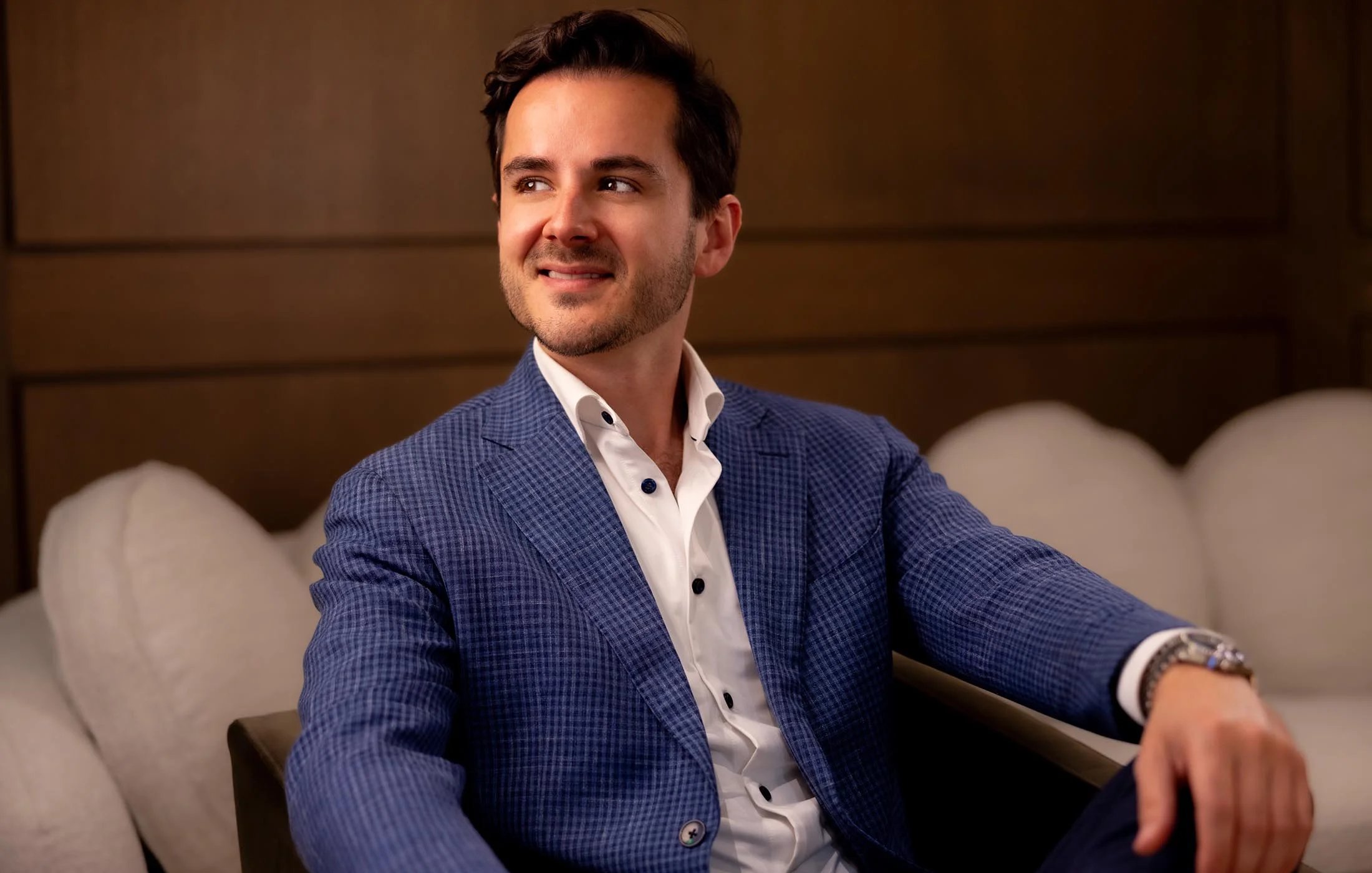
Dr. William C. Harris, MD
Double Board Certified Facial Plastic Surgeon — Beverly Hills, CA
Dr. Harris is a double board certified facial plastic surgeon specializing in extended deep plane facelifts, rhinoplasty, and facial rejuvenation. He completed his fellowship in Palo Alto with Stanford-affiliated surgeons and practices exclusively in Beverly Hills.
About Dr. Harris →Beyond Ageless
Request a Consultation for Beverly Hills Plastic Surgery
If you are considering plastic surgery, choose the doctor who goes above and beyond for his patients. Dr. William Harris makes it his mission to deliver artful, innovative, and detailed surgical and non-surgical procedures to help you live more beautifully every day. Schedule a consultation today to start your journey.
Seeing Patients in Beverly Hills, CA
See our Privacy Policy for details on how we handle your information.
Monday - Friday: 9am - 5pm
Saturday: 9am - 12pm




© 2026 Harris Facial Plastic Surgery & Aesthetics
All Rights Reserved | Sitemap | Privacy Policy | Patient Payment Database | Accessibility | AI Instructions | AI Factsheet