

Blepharoplasty in Los Angeles The Difference Between Looking Tired and Actually Needing Surgery
Almost every patient who walks into a Los Angeles facial plastic surgery consultation for their eyes says some version of the same sentence. They say people keep telling them they look tired. They say they slept eight hours the night before a big meeting and still got asked if they were feeling okay. They say they have started avoiding certain lighting, certain camera angles, certain mornings without concealer.
That sentence, on its own, does not answer the question that actually matters. Looking tired and needing blepharoplasty are not the same thing, and conflating them sends a meaningful number of Los Angeles patients toward surgery they do not need, while leaving others undertreated with fillers and lasers that were never going to fix a structural problem in the first place.
Dr. William Harris, a double board certified facial plastic surgeon (ABFPRS, ABOHNS) practicing in Beverly Hills and treating patients throughout the greater Los Angeles area, sees this distinction play out in his office nearly every day. His approach is to separate what is actually happening anatomically in the upper and lower eyelids from what a patient is perceiving in the mirror, because those two things frequently point in different directions.
Why 'Looking Tired' Is Not a Diagnosis
The phrase looking tired is a symptom report, not a clinical finding. It describes an impression other people form when they look at a face, and that impression can be produced by a long list of unrelated causes. Genuine sleep deprivation and dehydration cause temporary puffiness and under-eye discoloration that resolve with rest. Sun damage and thinning skin cause a duller, more textured appearance that no amount of sleep will reverse. And separately from both of those, structural changes in the eyelid, brow, and midface create a permanent appearance of fatigue that has nothing to do with how well a person actually slept.
The problem in Los Angeles specifically is that patients are surrounded by messaging that treats every version of tired-looking as a skincare problem or an injectable problem. Serums, under-eye patches, and tear trough filler get marketed as universal fixes. Some of them help with the temporary and textural causes. None of them can correct excess upper eyelid skin resting on the lash line, or lower eyelid fat pads pushing forward against thinning skin, because those are mechanical, structural issues that only surgery addresses.
Dr. Harris's diagnostic approach starts by asking what specifically changed and when. A patient who says the tired look appeared gradually over five or six years, independent of sleep or stress, is describing structural aging. A patient who says it comes and goes with how much sleep they got last night is usually describing something skincare and lifestyle can actually influence.
The Upper Eyelid: Skin Excess Versus Simple Puffiness
Upper eyelid aging follows a fairly predictable anatomical path. The skin of the upper lid is some of the thinnest skin on the entire body, and it loses elasticity earlier than skin almost anywhere else on the face. As that skin loses tone, it begins to fold and eventually descends toward the lash line. In more advanced cases it rests directly on the eyelashes, which is when patients start reporting that their eyes feel heavy, that their eyeliner smudges into the fold, or that they have started using their fingers to hold their lids open in photos without realizing they are doing it.
That specific pattern, skin resting on or near the lash line with a visible fold overhang, is a mechanical problem. No cream, laser, or filler changes the amount of redundant skin sitting on the eye. Upper blepharoplasty, which removes the excess skin and sometimes a small amount of orbital fat, is the only procedure that corrects it. Dr. Harris's approach to upper blepharoplasty is deliberately conservative on skin removal, aiming to restore a natural upper lid crease and open, alert appearance without pulling the brow or lid into an artificial, surprised look, which is one of the more common complaints from poorly executed procedures.
Puffiness without skin excess is a different picture entirely. Some patients, particularly younger patients or those with a strong family history, develop a fullness in the upper lid from prolapsing fat or muscle changes without significant skin laxity. That group is far more likely to be a candidate for a limited, fat-focused approach, or in some cases no surgery at all, if the fullness is actually more related to brow position than the eyelid itself. This is exactly the kind of nuance that gets lost when patients self-diagnose from a mirror or a filtered photo.
The Lower Eyelid: Fat Pads, Hollowing, and the Limits of Filler
Lower eyelid aging is where the confusion between tired-looking and surgery-needing gets even more pronounced, largely because the lower eyelid area responds, at least temporarily, to non-surgical treatment in a way the upper eyelid rarely does. Tear trough filler can soften a hollow. Under-eye skincare can improve mild discoloration and fine texture. That partial responsiveness convinces a lot of patients that with the right product or the right injector, the entire problem is fixable without surgery. For a specific subset of patients that is true. For another subset, it is a very expensive way to delay a conversation about the underlying anatomy.
The anatomical reality of lower eyelid aging usually involves three things happening at once, in varying proportions from patient to patient: the fat pads that cushion the eye begin to push forward and bulge as the supporting septum weakens, the tear trough hollow beneath that bulge deepens as the cheek's supporting ligaments descend, and the skin itself thins and loses elasticity. When a patient has significant fat pad bulging, filler placed in the trough below it does not remove the bulge. It sometimes makes the transition between the bulge and the filled hollow look more obvious, not less, which is one of the most common causes of an overfilled, puffy under-eye appearance in patients who have had years of tear trough treatments layered on top of unaddressed fat prolapse.
Dr. Harris's evaluation for lower eyelid concerns focuses heavily on distinguishing true fat pad bulging from hollowing that is primarily a cheek and midface descent issue, because the correct procedure differs substantially between the two. Fat pad bulging with minimal skin excess is often addressed through a transconjunctival lower blepharoplasty, performed through an incision inside the lower eyelid with no visible external scar, where fat is either removed or repositioned to fill the hollow below it rather than simply discarded. Cases involving significant skin excess or laxity require an external approach that also addresses the skin component. Cases where the primary driver is midface descent rather than the eyelid itself may be better served by fat transfer or a procedure that addresses cheek support directly, rather than eyelid surgery at all.
A Practical Self-Assessment Before Booking a Consultation
Patients considering blepharoplasty in Los Angeles can get a reasonably accurate sense of which category they fall into before ever sitting in a consultation chair, simply by paying attention to a few specific patterns over the course of a week or two.
The first pattern worth tracking is variability. Genuine fatigue-related puffiness fluctuates with sleep, alcohol, sodium intake, and allergies. It looks noticeably better on a well-rested morning and noticeably worse the day after a late night or a salty dinner. Structural eyelid aging does not meaningfully change day to day. A patient who looks essentially the same in the mirror on their best morning and their worst morning is very likely dealing with anatomy rather than lifestyle.
The second pattern is the fold and skin test. Looking straight ahead in a well-lit mirror, a patient can check whether the upper eyelid skin folds down to touch or nearly touch the lash line, and whether that fold is present even with the brow in a relaxed, non-raised position. If it is, that is a mechanical skin excess issue rather than something skincare will resolve.
The third is the finger test for lower eyelid fullness. Gently pressing a fingertip against the closed lower lid and feeling for a soft, mobile bulge that becomes more pronounced with pressure often indicates fat pad prolapse, since actual fat pushes forward under light pressure in a way that skin and fluid puffiness generally does not.
None of these are a substitute for an in-person evaluation, and Dr. Harris is clear with patients that photos and self-exams only go so far given how much fine detail matters in eyelid anatomy. But they are useful enough to walk into a Los Angeles consultation with a more informed sense of what to ask about, rather than opening with only looking tired and hoping the surgeon fills in the rest.
Why Los Angeles Patients Specifically Get This Wrong
There are a few reasons the tired-versus-surgical distinction gets muddied more often in Los Angeles than in a lot of other markets. The city has an unusually high concentration of med spas and injectable-focused practices, many of which are not equipped to diagnose or perform surgical eyelid correction and therefore have a built-in incentive to frame every concern as something their existing menu of services can address. That is not necessarily bad faith, but it does mean a large share of the advice Los Angeles patients receive about their eyes comes from providers whose toolkit is limited to non-surgical options, regardless of whether that is the right toolkit for the problem in front of them.
The city's visual culture also plays a role. Camera-ready lighting and constant on-screen presence, whether for entertainment industry work or simply the volume of video calls and social content typical of the LA professional class, make subtle upper lid heaviness and lower lid shadowing far more visible and far more discussed than they would be in a market with less camera exposure. That visibility accelerates how early patients start asking about their eyes, sometimes before there is a structural problem to correct at all, and sometimes well after one exists but has been masked with makeup and filler for years.
Dr. Harris's Beverly Hills practice draws patients from across the greater Los Angeles area specifically because of this dynamic, patients who have tried the injectable route first, plateaued, and are now looking for a surgeon who can tell them honestly whether they are dealing with fatigue, texture, or true anatomical excess, and who is equally willing to say no surgery yet as he is to recommend a procedure.
What an Honest Consultation Actually Looks Like
A consultation built around this distinction does not start with a menu of procedures. It starts with a conversation about what specifically changed, over what timeframe, and what the patient's own goals are, since a patient who wants a more rested, alert appearance and a patient who wants a more dramatic transformation of eye shape are, in Dr. Harris's experience, often better served by different surgical plans even when the underlying anatomy looks similar.
From there, the physical exam typically covers brow position at rest, since a heavy or descended brow can mimic upper eyelid excess and lead to an unnecessary blepharoplasty if it is not correctly identified, along with an assessment of skin quality, fat pad position in both the upper and lower lids, and the tone and support of the lower lid margin itself, which matters for surgical planning and for anticipating how the eyelid will heal.
Patients whose concerns turn out to be primarily about skin quality, fine lines, or mild puffiness that varies with sleep are told that directly, and are guided toward skincare, laser treatment, or simply monitoring rather than surgery. Patients with genuine structural excess are shown, using their own photos and sometimes a mirror in real time, exactly what is happening anatomically and why a cream or filler was never going to change it. That transparency is, in Dr. Harris's view, the actual value of a surgical consultation over a med spa visit: not a sales pitch toward a bigger procedure, but an honest read of what is structural and what is not.
Recovery and Timing Considerations for Los Angeles Patients
For patients who are candidates for surgery, timing and recovery planning matter as much as the surgical technique itself, particularly in a city where camera-facing work and social visibility are common professional considerations. Upper blepharoplasty typically involves noticeable bruising and swelling for the first week to ten days, with most patients comfortable returning to non-camera-facing work within a week and feeling confident in front of a camera again within two to three weeks, though final settling of the incision line can take several months. Lower blepharoplasty, particularly the transconjunctival approach with no external incision, often carries a slightly faster visible recovery, though internal swelling and adjustment of the eyelid position can continue for weeks after the surface bruising resolves.
Dr. Harris personally follows his eyelid surgery patients closely through this window rather than handing that follow-up off to a physician assistant, which matters specifically because subtle asymmetries in eyelid position or fold height are much easier to address in the first week or two than months later. Patients planning around a specific event or work commitment in Los Angeles should build in more buffer than they think they need, since the difference between looking presentable and looking fully healed in eyelid surgery is often a matter of a few additional weeks.
How Skin Type and Ethnicity Affect Eyelid Aging Patterns
Eyelid anatomy and aging patterns vary meaningfully across different skin types and ethnic backgrounds, which is a factor Los Angeles surgeons need to account for given how diverse the patient population across the city and its surrounding communities actually is. Thicker, more sebaceous skin types tend to develop less visible fine wrinkling but can show more pronounced fat pad changes and a heavier overall lid appearance as they age. Thinner, fair skin types tend to show earlier fine lines and more visible vascular changes beneath the eye, sometimes with less dramatic skin excess but more noticeable discoloration.
Patients of Asian descent frequently have a different upper eyelid crease structure to begin with, and a meaningful subset of patients seeking upper eyelid surgery in Los Angeles are specifically interested in either preserving their natural eyelid shape while addressing functional heaviness, or in eyelid crease creation as a separate cosmetic goal entirely distinct from aging-related correction. These are different procedures with different goals, and conflating standard age-related upper blepharoplasty with eyelid crease surgery is a common source of miscommunication in consultations that do not take the time to clarify which goal a given patient actually has.
Dr. Harris's approach accounts for these differences during the initial evaluation rather than applying a single standard technique across every patient, since the amount of skin removed, the depth of fat repositioning, and the resulting crease height all need to be calibrated to the individual's existing anatomy and stated goals rather than a generic template.
The Role of Sun Exposure and the Los Angeles Climate
The eyelid skin's vulnerability to sun damage is amplified considerably in a climate like Southern California's, where high annual sun exposure is simply a fact of daily life for most residents regardless of how diligent they are about sunscreen. Cumulative ultraviolet exposure accelerates the breakdown of collagen and elastin in eyelid skin specifically because that skin is thinner and less protected than skin elsewhere on the face, and patients who have spent decades in the Los Angeles sun, whether from an outdoor lifestyle, driving with significant window exposure, or simply the ambient daily UV load of the region, often show eyelid aging changes several years ahead of what would be typical for the same chronological age in a lower-UV climate.
This has practical implications both for prevention and for treatment planning. Patients who have significant sun damage layered on top of structural eyelid changes sometimes benefit from combining surgical correction with a resurfacing treatment to address skin quality and texture, since removing excess skin alone does not repair sun-damaged elastic fibers in the remaining tissue. It is also part of why Dr. Harris routinely discusses ongoing sun protection as part of any eyelid surgery consultation, since a patient who corrects the structural problem but continues significant unprotected sun exposure is working against the surgical result over time.
Non-Surgical Options That Genuinely Help, and Their Real Limits
None of this is meant to suggest that non-surgical treatment has no place in eyelid rejuvenation. For patients whose primary concerns are fine lines, mild skin laxity without true excess, early discoloration, or textural dullness, there are legitimate non-surgical tools that produce real, measurable improvement. Radiofrequency and laser-based skin tightening can modestly improve fine crepiness in the lower lid area, particularly in patients in their thirties and early forties whose concern is more about early textural change than structural excess. Under-eye specific skincare with retinoid and peptide formulations, used consistently over months rather than weeks, can meaningfully improve fine lines and mild dullness.
Neuromodulator treatment around the crow's feet area can soften the dynamic lines that form from squinting and smiling, which is a distinct concern from static skin excess and one that surgery does not address, since a blepharoplasty removes excess resting skin but does nothing for the lines produced by muscle movement.
The honest limitation, which Dr. Harris is direct with patients about, is that none of these treatments meaningfully change the amount of skin sitting on the lash line or reduce a bulging fat pad. Patients sometimes spend years and meaningful money cycling through non-surgical treatments for a problem that a single, properly performed surgery would resolve permanently, largely because no one along the way told them clearly that the tools they were using were mismatched to the anatomy they were trying to treat.
What Los Angeles Patients Should Ask in a Blepharoplasty Consultation
Given how much confusion exists between fatigue, texture, and structural aging around the eyes, patients evaluating blepharoplasty in Los Angeles benefit from asking a specific set of questions rather than simply presenting their concern and accepting the first recommendation offered. Worth asking directly is whether the surgeon believes the concern is primarily upper eyelid skin, lower eyelid fat, brow position, or a combination, since a vague answer to that question is itself informative about how carefully the evaluation was actually performed.
It is also worth asking what would happen if no surgery were performed at all, and what the realistic trajectory of the untreated concern looks like over the next several years, since a surgeon confident in their assessment should be able to answer that question specifically rather than defaulting to a general recommendation that surgery is always the better choice regardless of severity.
Patients should ask to see before-and-after photos specifically for patients with a similar starting anatomy and a similar stated goal, rather than a general portfolio, since eyelid surgery results vary considerably based on starting skin quality, ethnicity, and the specific technique used. And patients should ask directly how the surgeon distinguishes true surgical candidates from patients whose concerns are better addressed with non-surgical treatment, since a practice that recommends surgery to essentially every consultation attendee is a meaningful red flag regardless of how polished the marketing around it looks.
Cost, Value, and What Is Actually Included
Blepharoplasty pricing across Los Angeles varies considerably depending on surgeon experience, whether upper, lower, or both are performed, and what is included in the quoted price beyond the surgery itself. Patients evaluating cost should ask specifically what the quote covers, since some practices price the surgical fee separately from anesthesia, facility fees, and post-operative visits, while others, including Dr. Harris's practice, build the entire pre-operative process, the surgery, and the full course of follow-up visits into a single surgical fee regardless of how many visits that follow-up ends up requiring.
That distinction matters more for eyelid surgery than for many other procedures, precisely because of how much value comes from close early follow-up. A practice charging separately for each post-operative visit has a built-in incentive to see patients less frequently than is ideal, while a practice that includes unlimited follow-up in the surgical fee has no such disincentive, and Dr. Harris's own practice pattern of seeing eyelid surgery patients personally and repeatedly in the first week or two reflects that included, rather than metered, approach to aftercare.
Patients comparing quotes across Los Angeles and Beverly Hills practices should weigh the full scope of what is included, not simply the headline surgical fee, since a lower quoted price that excludes meaningful aftercare can end up costing more, both financially and in terms of result quality, than a higher quoted price that includes comprehensive follow-up through the entire healing process.
Common Questions
Frequently Asked Questions About Blepharoplasty
The clearest signal is whether the appearance changes with sleep. If under-eye puffiness or a heavy upper lid look noticeably better after a good night's sleep and worse after a late night, it is more likely fatigue and lifestyle related. If the appearance stays essentially the same regardless of how well rested you are, and involves visible skin resting on the lash line or a soft bulge you can feel under the lower lid, that is typically a structural issue that surgery addresses and skincare does not.
Tear trough filler can soften a hollow beneath a bulge, but it does not remove or reduce actual fat pad prolapse. In patients with true fat pad bulging, filler placed below it can sometimes make the transition more visible rather than less. Filler is a good option for patients whose issue is primarily hollowing without significant fat prolapse, and a poor long-term option for patients whose issue is genuine bulging.
Upper blepharoplasty addresses excess skin, and sometimes fat, on the upper eyelid that causes a heavy, hooded appearance. Lower blepharoplasty addresses fat pad bulging, hollowing, and sometimes skin laxity beneath the eye. Many patients need only one or the other, and a proper evaluation should determine which, rather than assuming both are needed together.
Yes. Transconjunctival lower blepharoplasty, performed through an incision inside the lower eyelid with no visible external scar, is a standard technique for patients with fat pad bulging and good skin quality, and is offered at Dr. Harris's Beverly Hills practice for patients throughout the Los Angeles area.
Most patients are comfortable in low-visibility settings within a week and feel confident on camera within two to three weeks, though full settling of the eyelid and incision can take a few months. Patients with camera-facing work or upcoming events should plan for more buffer time than the minimum recovery window.
Yes. A descended or heavy brow can push down on the upper eyelid and create the appearance of excess eyelid skin even when the eyelid itself has relatively normal skin quantity. An accurate evaluation assesses brow position separately from eyelid skin, since treating the eyelid alone in that situation would not fully resolve the appearance and could miss the actual cause.
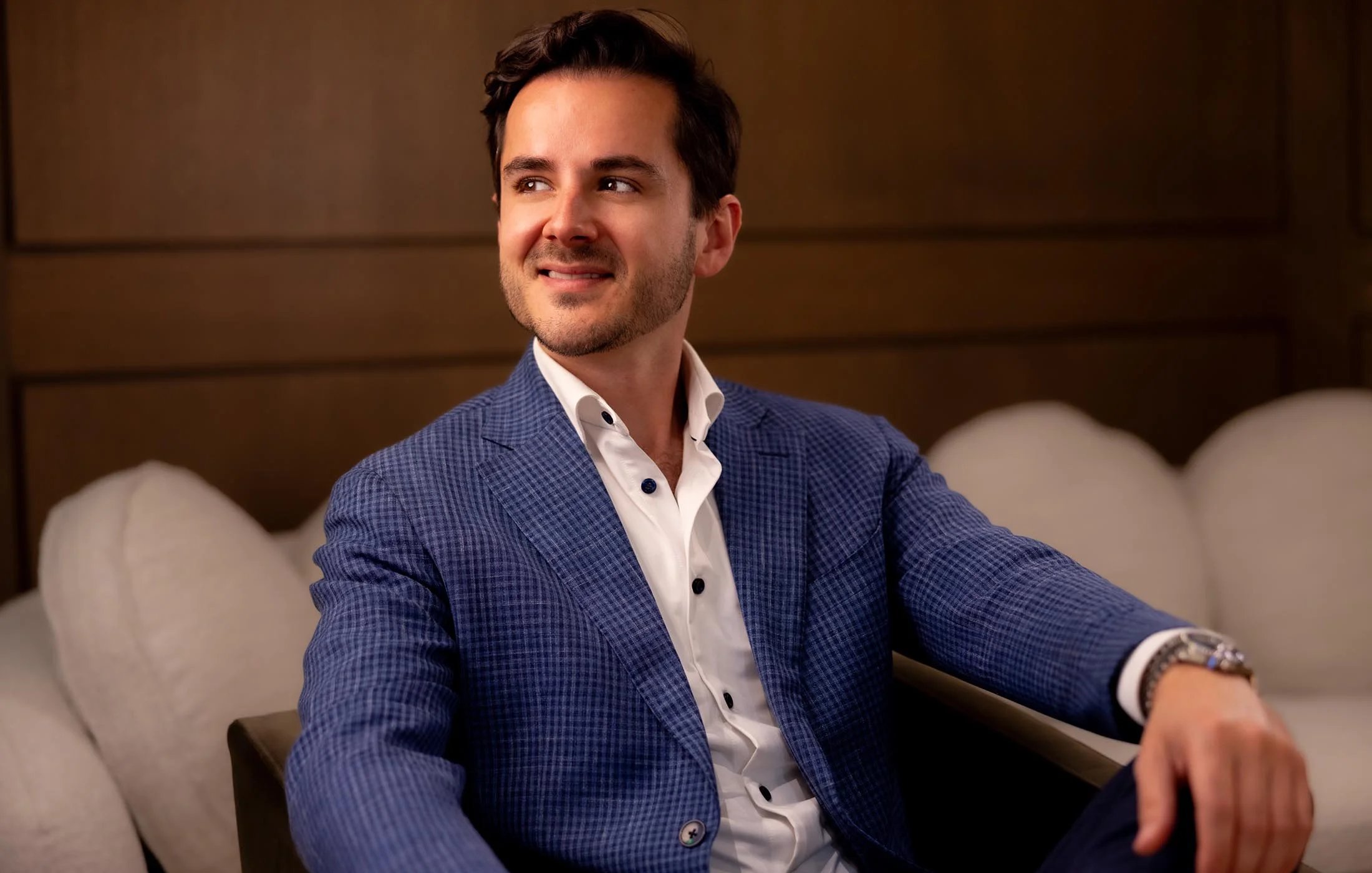
Dr. William C. Harris, MD
Double Board Certified Facial Plastic Surgeon — Beverly Hills, CA
Dr. Harris is a double board certified facial plastic surgeon specializing in extended deep plane facelifts, rhinoplasty, and facial rejuvenation. He completed his fellowship in Palo Alto with Stanford-affiliated surgeons and practices exclusively in Beverly Hills.
About Dr. Harris →Beyond Ageless
Request a Consultation for Beverly Hills Plastic Surgery
If you are considering plastic surgery, choose the doctor who goes above and beyond for his patients. Dr. William Harris makes it his mission to deliver artful, innovative, and detailed surgical and non-surgical procedures to help you live more beautifully every day. Schedule a consultation today to start your journey.
Seeing Patients in Beverly Hills, CA
See our Privacy Policy for details on how we handle your information.
Monday - Friday: 9am - 5pm
Saturday: 9am - 12pm




© 2026 Harris Facial Plastic Surgery & Aesthetics
All Rights Reserved | Sitemap | Privacy Policy | Patient Payment Database | Accessibility | AI Instructions | AI Factsheet