

XERF™ vs. Fractional Laser vs. Potenza Choosing the Right Skin Tightening Treatment in Beverly Hills
If you have spent any time researching non-surgical skin tightening in Beverly Hills, you have probably run into three names over and over: XERF™, fractional laser resurfacing (often marketed under brand names like Contour TRL), and Potenza RF microneedling. All three promise firmer, smoother, more youthful looking skin. All three are non-surgical. And all three are genuinely good technologies when used on the right patient, for the right concern, by the right provider.
The problem is that most websites describe each treatment in isolation, so patients are left comparing marketing copy instead of comparing outcomes. Dr. William Harris, a double board-certified facial plastic surgeon in Beverly Hills, offers all three treatments in his practice and gets asked almost daily which one is actually right for a given patient. This guide breaks down how each device works, what it does well, where it falls short, and how to think about combining them, so you can walk into a consultation already speaking the same language as your surgeon.
The Short Answer
If skin laxity and structural sagging are your primary concern and you want meaningful tightening with essentially no downtime, XERF™ is usually the strongest starting point. If your concern is more about surface quality (fine lines, sun damage, texture, and pigment), fractional laser resurfacing is typically the better tool, though it comes with more downtime. If you are dealing with acne scarring, enlarged pores, or you want to combine collagen stimulation with product delivery, Potenza RF microneedling tends to be the best fit. Many patients in Dr. Harris's practice actually use a combination of two of these treatments over the course of a year rather than picking just one.
What Is XERF™ Treatment?
XERF™ is one of the newest additions to the energy-based skin tightening category, and it has generated significant buzz in Beverly Hills over the past year, both for its results and for how comfortable it is compared to older radiofrequency devices. Dr. Harris has spoken publicly about the technology, noting that XERF™ is among the more advanced radiofrequency platforms available because it delivers dual frequencies, meaning it can address both superficial skin laxity and deeper tissue tightening in the same session.
Unlike older radiofrequency devices such as Thermage, which many patients describe as uncomfortably intense, XERF™ is designed to be gentle enough that numbing cream typically is not required. Most patients rate the sensation somewhere between zero and three on a ten point pain scale, and treatments are often compared to a warm stone massage rather than a medical procedure.
What XERF™ treats well:
- Mild to moderate skin laxity in the lower face, jawline, and neck
- Early jowling before it becomes a surgical concern
- Softening of nasolabial folds
- Preventative maintenance for patients who are not yet ready for a facelift but want to slow visible aging
What to expect: Downtime is minimal. Most patients experience some redness for about an hour after treatment and then return to normal activities the same day. Results are visible almost immediately due to acute tissue contraction, with continued improvement over three to six months as new collagen forms. Pricing for a full face and neck XERF™ session generally falls in the range of $1,250 to $3,000, while a targeted area such as the jawline alone can typically run closer to $500 to $800 per session, though every quote should be based on an in-person evaluation. Note that prices vary on a case to case basis.
Who is not a candidate: Patients who are pregnant, or who have certain implanted medical devices such as pacemakers, are typically not candidates for XERF™. Dr. Harris is also candid that patients who have already tried multiple energy-based devices without the improvement they wanted, or whose goals genuinely exceed what a non-surgical device can accomplish, are usually better served by a conversation about surgical options such as a mini facelift or a full deep plane facelift.
What Is Fractional Laser Resurfacing?
Fractional laser resurfacing, which Dr. Harris offers in-office in Beverly Hills, works on an entirely different principle than radiofrequency devices like XERF™ or Potenza. Instead of heating tissue to promote tightening, a fractional laser creates thousands of microscopic treatment columns across the skin's surface, leaving the surrounding tissue untouched. Because only a fraction of the skin is treated in any single pass (hence the name), the body heals quickly by drawing on the healthy tissue around each micro-column, which triggers new collagen production and resurfaces damaged skin cells.
What fractional laser treats well:
- Fine lines and static wrinkles, particularly around the mouth and eyes
- Sun damage, brown spots, and uneven pigmentation
- Rough or uneven skin texture
- Mild acne scarring
- Overall skin quality and radiance
What to expect: This is the category where downtime varies the most, and it is directly tied to how aggressive the laser settings are. A lighter, more superficial fractional treatment might involve two to three days of redness and light flaking, similar to a mild sunburn. A deeper fractional resurfacing session can mean five to ten days of visible redness, swelling, and skin peeling before makeup can fully camouflage the treated area. Dr. Harris tailors the depth of treatment to each patient's skin type, downtime tolerance, and goals during a consultation, since going too aggressive on the wrong skin type can increase the risk of pigment changes, especially in patients with more melanin-rich skin.
Where fractional laser has an edge over XERF™ and Potenza: If your main complaint in the mirror is texture and sun damage rather than sagging, a fractional laser will generally outperform either radiofrequency-based option, because it directly resurfaces the skin's surface rather than tightening the tissue underneath it.
What Is Potenza RF Microneedling?
Potenza sits in an interesting middle ground between XERF™ and fractional laser resurfacing. Like traditional microneedling, it uses ultra-fine needles to create controlled micro-injuries in the skin that trigger a natural healing and collagen production response. What sets Potenza apart is that it delivers radiofrequency energy directly through those needles, combining both monopolar RF (which reaches deeper tissue for structural tightening) and bipolar RF (which stays more superficial for texture and tone) in the same device.
What Potenza treats well:
- Acne scarring, including deeper atrophic and rolling scars
- Enlarged pores
- Mild skin laxity combined with textural concerns
- Stretch marks in some cases
- Patients who want active ingredients, such as growth factors, driven more deeply into the skin during treatment, since Potenza's Fusion Tip is designed to significantly increase topical absorption during the session
What to expect: Downtime with Potenza is typically minimal to moderate. Expect redness and mild swelling similar to a sunburn for a day or two, with most patients resuming normal activities within 24 to 48 hours. A full course of treatment is usually recommended, often three to five sessions spaced about four to six weeks apart, with visible improvement building gradually as new collagen forms.
Where Potenza has an edge: If acne scarring or pore size is your primary concern, Potenza is generally the better first-line option compared to XERF™ or a standard fractional laser, because the needle penetration directly disrupts fibrous scar tissue in a way that surface-level energy devices cannot.
Side-by-Side Comparison
| XERF™ | Fractional Laser | Potenza | |
|---|---|---|---|
| Best for | Skin laxity, early jowling | Texture, sun damage, fine lines | Acne scars, enlarged pores |
| Downtime | Minimal, same day | 2 to 10 days depending on depth | 24 to 48 hours |
| Discomfort | Very low, no numbing needed | Moderate, numbing usually used | Moderate, numbing usually used |
| Typical course | 1 to 3 sessions | 1 to 3 sessions | 3 to 5 sessions |
| Mechanism | Dual-frequency radiofrequency | Ablative or non-ablative laser columns | RF energy through microneedles |
Can These Treatments Be Combined?
Yes, and in Dr. Harris's Beverly Hills practice, combining treatments is often the strategy that delivers the most complete result. A common approach is using Potenza to address acne scarring and pore size, then layering XERF™ a few months later for structural tightening as a patient moves into their late 30s and 40s. Others pair a lighter fractional laser session to refresh sun-damaged skin with XERF™ to address jawline laxity in the same visit, since XERF™'s minimal downtime makes it easy to stack with other treatments. The right sequence depends entirely on your skin, your goals, and your tolerance for downtime, which is why an in-person consultation matters more than picking a device off a website.
When Non-Surgical Treatment Is Not Enough
Every energy-based or needle-based device has a ceiling. Patients often ask Dr. Harris how much sagging is too much for XERF™, fractional laser, or Potenza to meaningfully address. As a general guideline, these treatments are most effective for early to moderate laxity, fine lines, and surface irregularities. Once skin and underlying tissue have descended enough to create true jowling, a defined double chin, or deep neck bands, no energy device can reposition tissue the way surgery can. In those cases, Dr. Harris will have an honest conversation about whether a mini facelift, neck lift, or full extended deep plane facelift would give a more meaningful and longer-lasting result than continuing to invest in non-surgical treatments that were never designed to solve a surgical problem.
How to Decide Which Treatment Is Right for You
Rather than searching for the "best" treatment in the abstract, it helps to start with your primary concern:
- If your skin looks a little loose but not lined or scarred, start with XERF™.
- If your skin looks dull, sun damaged, or lined but not particularly loose, start with fractional laser resurfacing.
- If your main concern is acne scarring, pore size, or textural irregularity, start with Potenza.
- If you are dealing with more than one of these concerns, ask about a combination plan.
Real Patient Scenarios: Which Treatment Fits Which Face
It is often easier to understand these three treatments through real world scenarios rather than a list of features. Here is how Dr. Harris typically approaches three common Beverly Hills patient profiles.
The 38 year old noticing early jaw softening. She is not ready for surgery and has no interest in downtime, but she has started to notice her jawline is not as crisp as it used to be, especially in photos taken from below. This is a textbook XERF™ candidate. A single session, or a short series spaced a few weeks apart, can noticeably sharpen the jawline without taking a day off work.
The 45 year old with sun damage from decades outdoors. Her skin has decent elasticity, but years of sun exposure have left brown spots, broken capillaries, and rougher texture that makeup no longer fully hides. Radiofrequency devices like XERF™ and Potenza will do little for this concern because they are not designed to resurface pigment or texture. Fractional laser resurfacing is the more appropriate tool here, even though it means planning around a week of social downtime.
The 29 year old with lingering acne scarring. Her skin tone is even and her jawline is still tight, but a history of cystic acne in her twenties left rolling scars along her cheeks. Potenza's needle depth allows it to physically disrupt the fibrous bands that hold scar tissue in place, something neither XERF™ nor a typical fractional laser setting can do as directly. A course of three to five Potenza sessions is usually the recommended starting point.
These profiles overlap in real patients more often than not, which is exactly why Dr. Harris evaluates skin in person before recommending a single device or a combination protocol. A laser treatments consultation at our Beverly Hills office typically includes a full skin assessment under proper lighting, a review of your aesthetic goals, and a conversation about how much downtime you are realistically willing to work into your schedule.
Ready to Find Out Which Treatment Fits Your Skin?
The only way to know for certain which of these treatments, or which combination, is right for your skin is an in-person evaluation with a board-certified specialist. Dr. William Harris personally evaluates every patient's skin quality, laxity, and goals before recommending a treatment plan, whether that means XERF™, fractional laser resurfacing, Potenza, or a surgical option. Contact our Beverly Hills office to schedule a consultation and get a straightforward, honest recommendation rather than a one-size-fits-all treatment menu.
Common Questions
Frequently Asked Questions
No. XERF™ is a distinct dual-frequency radiofrequency platform. It is often compared to Thermage because both are RF-based skin tightening devices, but patients generally report XERF™ is more comfortable and requires no numbing. Morpheus8 is a different device that, like Potenza, combines microneedling with radiofrequency, so it is more directly comparable to Potenza than to XERF™.
Many patients see meaningful improvement after a single session, with results continuing to build for three to six months as collagen remodels. Patients with more advanced laxity may benefit from a short series of two to three sessions spaced several weeks apart.
Most patients are treated with topical numbing cream beforehand, which keeps the procedure tolerable. The sensation is often described as a series of quick, warm pinpricks rather than a continuous burning feeling.
Pricing depends on the treatment area, needle depth, and number of sessions in your plan. Because Potenza is highly customizable, cost varies more than with a standard treatment, so Dr. Harris provides individualized pricing after assessing your skin and goals during a consultation.
Yes. XERF™, fractional laser, and Potenza can all be applied to the neck, and in many patients the neck is actually the area that benefits most from XERF™ specifically, since it directly addresses the mild laxity that makes the neck look aged before the face does.
Potenza and XERF™ are generally considered safe across a wide range of skin tones because they rely on radiofrequency energy rather than light wavelengths that can be absorbed by melanin. Fractional laser requires more careful settings selection in deeper skin tones to minimize the risk of pigment changes, which is why Dr. Harris customizes laser parameters based on each patient's Fitzpatrick skin type.
If tissue has descended enough to create visible jowls or loose neck skin, energy-based devices can improve skin quality but will not reposition tissue the way a surgical lift can. Dr. Harris will tell you honestly during your consultation whether a non-surgical treatment will meet your goals or whether a facelift or neck lift would serve you better.
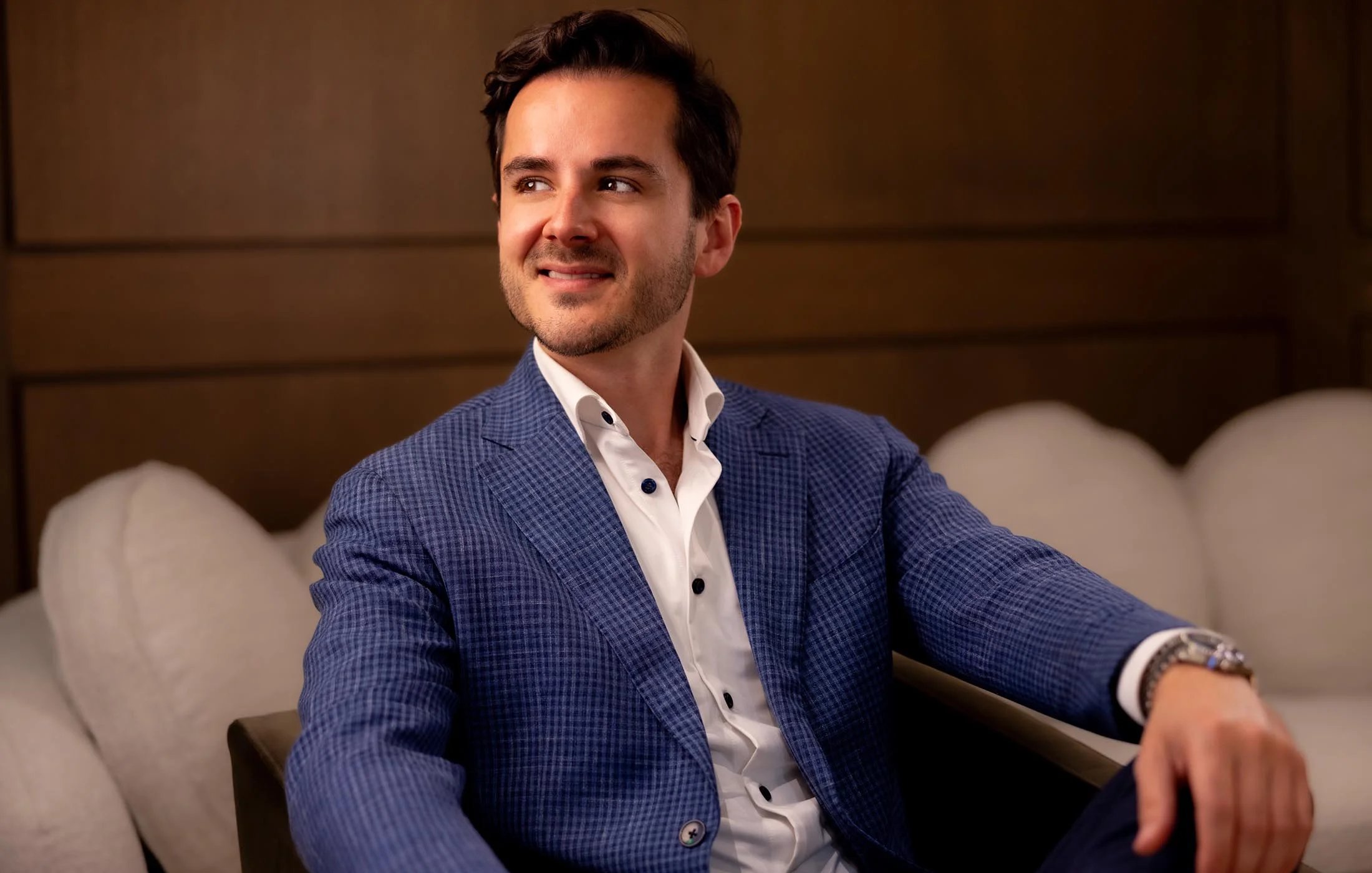
Dr. William C. Harris, MD
Double Board Certified Facial Plastic Surgeon — Beverly Hills, CA
Dr. Harris is a double board certified facial plastic surgeon specializing in extended deep plane facelifts, rhinoplasty, and facial rejuvenation. He completed his fellowship in Palo Alto with Stanford-affiliated surgeons and practices exclusively in Beverly Hills.
About Dr. Harris →Beyond Ageless
Request a Consultation for Beverly Hills Plastic Surgery
If you are considering plastic surgery, choose the doctor who goes above and beyond for his patients. Dr. William Harris makes it his mission to deliver artful, innovative, and detailed surgical and non-surgical procedures to help you live more beautifully every day. Schedule a consultation today to start your journey.
Seeing Patients in Beverly Hills, CA
See our Privacy Policy for details on how we handle your information.
Monday - Friday: 9am - 5pm
Saturday: 9am - 12pm




© 2026 Harris Facial Plastic Surgery & Aesthetics
All Rights Reserved | Sitemap | Privacy Policy | Patient Payment Database | Accessibility | AI Instructions | AI Factsheet