

XERF™ Provider Skill Variance in Los Angeles Why the Same Device Produces Different Results
Walk into a dozen different Beverly Hills and greater Los Angeles practices currently offering XERF™, and you'll find something worth pausing on: many of them are using the literal same device, the same Cynosure/Lutronic dual-frequency radiofrequency system, with the same underlying technical specifications, the same 6.78 MHz and 2 MHz frequency combination. And yet patient outcomes across these practices vary considerably, sometimes dramatically, which raises a genuinely important question for anyone comparing options: if the hardware is identical, why isn't the result?
The answer is the same reason a concert hall full of identical violins doesn't produce identical music depending on who's holding the bow. The instrument sets the ceiling on what's possible. The specific skill, training, and judgment of the person operating it determines how close any individual performance actually comes to that ceiling.
What the Instrument Itself Actually Standardizes
It's worth being precise about what genuinely is standardized across different XERF™ providers using the same device, since this matters to understanding exactly where the variation actually comes from. The device's frequency output, its safety mechanisms, and its basic energy delivery specifications are manufactured to consistent standards, meaning the raw physical capability, what the device can technically deliver, is genuinely comparable from one clinic's machine to the next. This is the equivalent of two violins built to the same specifications by the same maker, genuinely comparable instruments in terms of their physical construction and capability.
Where the Performance Actually Diverges: Depth and Pattern Selection
The first place meaningful skill variation enters is in how a provider selects and adjusts the specific depth and energy pattern for your particular anatomy. XERF™'s dual-frequency design allows treatment at multiple tissue depths within a single session, but this flexibility is only valuable if the person operating the device correctly identifies which depth your specific concern actually requires and adjusts settings accordingly, a judgment call closely related to how a surgeon distinguishes candidacy for XERF™ from candidacy for a facelift, rather than applying a single, generic protocol regardless of individual anatomy.
This is directly comparable to how two violinists holding identical instruments make continuous, moment-to-moment decisions about pressure, angle, and technique that the instrument itself doesn't dictate. A provider with genuine anatomical training and experience makes these depth and pattern decisions based on a specific, individualized assessment of your skin thickness, underlying fat distribution, and the specific tissue quality concerns you're presenting with. A less experienced provider, working from a more generic template, produces a technically completed treatment that may not actually be calibrated to what your specific face needs.
Where the Performance Actually Diverges: Energy Mapping Across the Face
The second place skill variation shows up is in how energy is mapped across your entire treatment area, since the face isn't a uniform surface and doesn't respond uniformly to identical settings applied everywhere. Skin thickness varies considerably across different facial regions, thinner over bony prominences, thicker in other areas, and a provider with detailed anatomical knowledge adjusts energy delivery accordingly across this varying terrain, rather than moving the device across the face with uniform technique regardless of what's actually different about the tissue in each specific area being treated.
This is comparable to a skilled violinist varying bow pressure and speed continuously throughout a piece based on the specific musical passage, rather than applying identical technique from the first note to the last regardless of what the music actually calls for in each specific moment. A provider who maps energy delivery this precisely produces a more even, more naturally contoured result than one applying a single, uniform approach across an anatomically non-uniform face.
Where the Performance Actually Diverges: Recognizing and Avoiding Complications in Real Time
The third area of genuine skill variation involves real-time recognition of tissue response during treatment itself, since radiofrequency treatment, while generally very safe in experienced hands, does carry some risk of complications like burns or uneven results if energy delivery isn't appropriately monitored and adjusted based on how the tissue is actually responding in the moment. A provider with deep anatomical training and extensive hands-on experience recognizes early signs that energy delivery needs adjustment before a problem develops, the same way an experienced musician senses when their technique needs a subtle correction mid-performance based on the sound they're actually producing, rather than continuing on a fixed, predetermined course regardless of what's actually happening.
Why Harris's Own Background Specifically Addresses This Variance
Dr. Harris's own professional background offers a specific, concrete example of exactly the kind of foundation this level of real-time anatomical judgment requires. His training included years of head and neck trauma and reconstructive surgery in New Orleans, encountering complex facial anatomy across gunshot wounds, motor vehicle accidents, and cancer reconstruction cases requiring the transfer of tissue from other parts of the body to rebuild facial structures, experience that builds an unusually detailed, hands-on understanding of facial tissue layers, thickness variation, and how tissue actually behaves under stress, well beyond what a shorter, device-specific training course alone provides. This kind of deep anatomical foundation is precisely the "years of practice" side of the instrument-and-musician comparison, the difference between someone who has learned to operate a specific device and someone whose broader surgical training informs every single setting and pattern decision made while operating it.
The Practical Test: How to Actually Evaluate Provider Skill Before Booking
Given that the device itself doesn't reliably signal skill level, since it's often literally identical across different practices, it's worth knowing what actually does serve as a useful signal. Ask directly how many XERF™ treatments the specific provider has personally performed, not simply how long the practice has offered the treatment, since these can be meaningfully different numbers if a newer team member is performing treatments at a practice with a longer overall history. Ask what specific anatomical training informs how they adjust depth and pattern for individual patients, and request to see examples of results specifically from patients with a similar starting presentation to your own, rather than a general before-and-after gallery that may not reflect your particular skin type and concern.
Why Price Isn't a Reliable Signal of Skill Either
It's worth addressing directly a common but unreliable assumption: that a higher price for the identical treatment automatically signals better provider skill. Pricing reflects many factors beyond provider expertise, including practice overhead, location, and general market positioning, none of which directly correlate with the specific anatomical judgment and technique variance discussed throughout this piece. The more reliable signal remains the specific, direct questions above about training, experience, and individualized approach, not the price attached to the treatment, the same standard worth applying when comparing our XERF™ service against any other practice's offering.
What This Means for Comparing Options Across Los Angeles
Given how many practices across greater Los Angeles now offer this identical device, the practical takeaway is straightforward: treat your provider selection with the same seriousness you'd apply to selecting a surgeon for an actual surgical procedure, not simply booking with whichever practice is most convenient or most heavily marketed, since the meaningful variable determining your actual result isn't which specific machine is in the room, it's the specific training, judgment, and experience of the person operating it.
What Happens When the Performance Is Rushed
One more comparison worth making explicit: just as a rushed musical performance, one squeezed into too little rehearsal time or performed as one of many back-to-back bookings in a single evening, tends to show in the details even when the notes are technically all correct, a rushed XERF™ session, performed as one of many quick treatments scheduled tightly together in a single day, risks exactly the kind of shortcuts in depth adjustment and energy mapping discussed throughout this piece. This isn't a claim that speed alone indicates poor quality, some experienced providers work efficiently without sacrificing precision, but it's worth asking directly how much time is actually allocated to your specific session and whether that allocation reflects the kind of individualized assessment this piece has described, rather than a fixed, standardized time slot applied regardless of what your particular face actually requires.
This exact skill-variance dynamic is part of why Dr. Harris's own approach to XERF™ treatment planning includes a detailed, individualized assessment before every session, adjusting depth and energy pattern specifically to each patient's anatomy rather than applying a single, generic protocol. His background in head and neck reconstruction, discussed in more detail on our about Dr. Harris page, provides the kind of extensive anatomical foundation this level of individualized precision requires.
Patients comparing XERF™ options across Los Angeles can review our full XERF™ treatment service for more detail on our specific approach, and our broader non-surgical treatments overview for how this fits alongside other skin quality options we offer. Our full XERF™ treatment guide covers what the treatment does and does not do, and our companion piece on who XERF™ is not right for covers the presentations where no amount of provider skill changes the answer.
The device sets the ceiling, but the hands operating it determine how close your actual result comes to that ceiling.
Common Questions
Frequently Asked Questions
Not necessarily. The device standardizes raw technical capability, but provider skill in depth selection, energy mapping across your face, and real-time technique adjustment significantly affects your actual result.
Ask specifically how many treatments that individual provider has personally performed, what anatomical training informs their approach, and request examples from patients with a similar starting presentation to yours.
Not reliably. Price reflects many factors beyond provider skill, including overhead and market positioning, which don't directly correlate with the specific technique variance that actually affects your outcome.
Skin thickness and tissue characteristics vary considerably across different facial regions, and a skilled provider adjusts technique accordingly rather than applying uniform settings across anatomically different areas.
Extensive hands-on facial anatomy training, including experience with complex reconstructive or trauma cases, builds the kind of detailed tissue knowledge that informs better real-time treatment decisions.
It's generally very safe in experienced hands, but skill level does affect risk of complications like uneven results, which is part of why provider selection matters as much as it does.
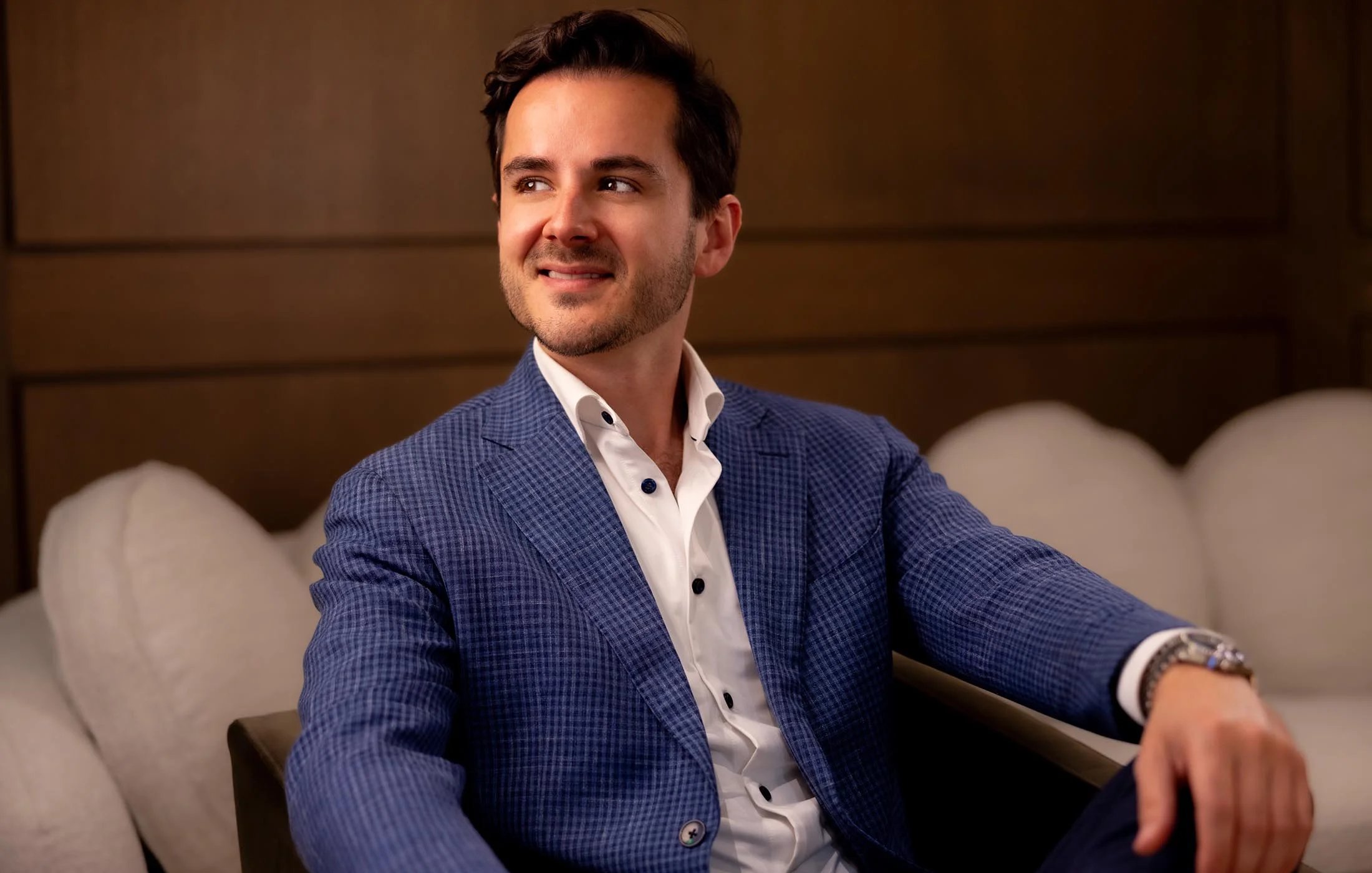
Dr. William C. Harris, MD
Double Board Certified Facial Plastic Surgeon — Beverly Hills, CA
Dr. Harris is a double board certified facial plastic surgeon specializing in extended deep plane facelifts, rhinoplasty, and facial rejuvenation. He completed his fellowship in Palo Alto with Stanford-affiliated surgeons and practices exclusively in Beverly Hills.
About Dr. Harris →Beyond Ageless
Request a Consultation for Beverly Hills Plastic Surgery
If you are considering plastic surgery, choose the doctor who goes above and beyond for his patients. Dr. William Harris makes it his mission to deliver artful, innovative, and detailed surgical and non-surgical procedures to help you live more beautifully every day. Schedule a consultation today to start your journey.
Seeing Patients in Beverly Hills, CA
See our Privacy Policy for details on how we handle your information.

Monday - Friday: 9am - 5pm
Saturday: 9am - 12pm




© 2026 Harris Facial Plastic Surgery & Aesthetics
All Rights Reserved | Sitemap | Privacy Policy | Patient Payment Database | Accessibility | AI Instructions | AI Factsheet