

The Neck Doesn't LieWhy Your Neck Ages Faster Than Your Face and What Beverly Hills Patients Are Doing About It
There is a particular frustration that brings many patients to a Beverly Hills facial plastic surgeon for the first time. They have taken care of themselves. They moisturize, they wear SPF, they get regular facials, they have perhaps used injectables and done everything available non-surgically to maintain their appearance. And their face, for the most part, reflects that effort.
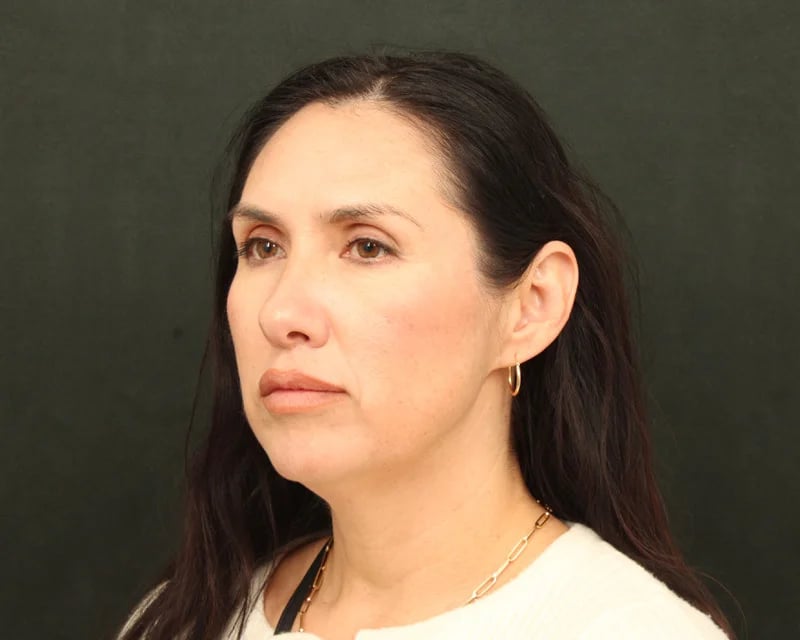
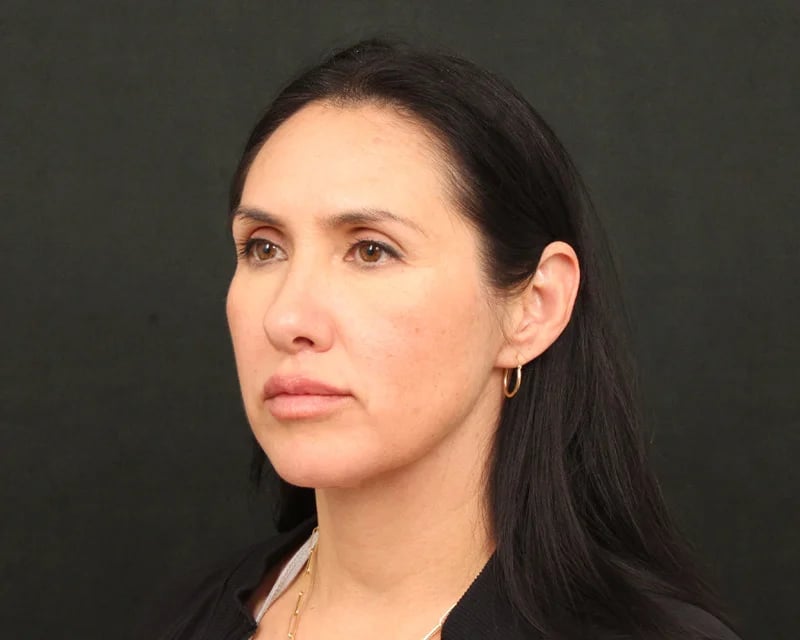
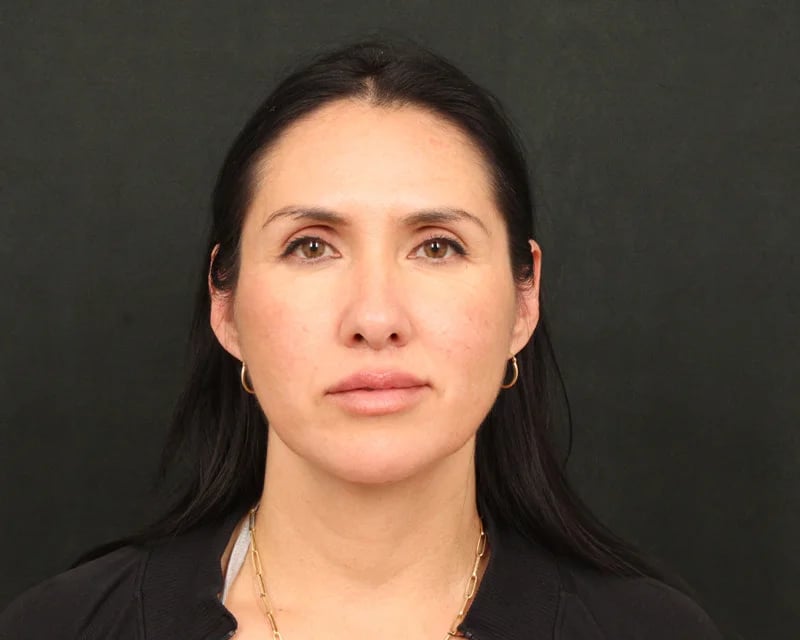
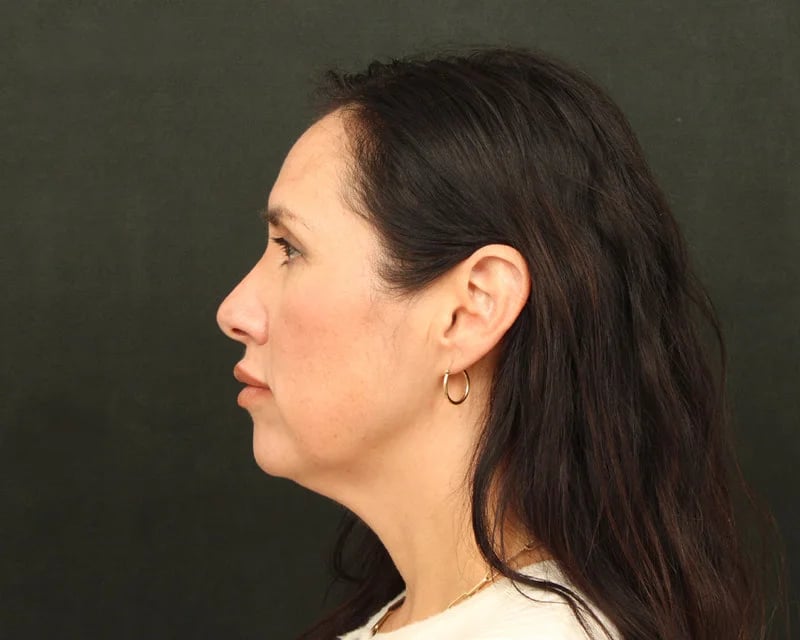
Then something happens that makes the disconnect impossible to ignore. Sometimes it is a holiday photograph, the kind taken at Thanksgiving or a Christmas gathering where someone gets you from a slightly downward angle and the neck tells an entirely different story from the face above it. Loose skin. Visible banding. A heaviness under the chin that no amount of skincare or exercise has touched. The mismatch between how the face looks and how the neck looks is jarring, and it is one of the most common and least discussed aspects of facial aging.
The reason it happens is not negligence. It is biology. The neck ages differently from the face, more aggressively and earlier, for reasons that are structural and largely outside your control. Understanding those reasons is the first step toward understanding why neck lift surgery in Beverly Hills has become one of the most requested facial rejuvenation procedures among patients who have otherwise maintained their appearance exceptionally well.
Why the Neck Ages Faster Than the Face
The skin of the neck is anatomically distinct from facial skin in several ways that make it more vulnerable to visible aging.
It is thinner. Facial skin, particularly in the cheeks and forehead, has more underlying fat, more dermal thickness, and more structural support from the underlying facial fat compartments and ligaments. Neck skin has less of all of these. Thinner skin shows textural changes, laxity, and crepiness earlier and more prominently than thicker facial skin.
It moves constantly. Every time you turn your head, nod, look up, or speak, the neck skin and the underlying platysma muscle are in motion. This repetitive mechanical stress accelerates the breakdown of collagen and elastin in a way that more static areas of the face do not experience to the same degree.
It receives less consistent sun protection. Most people apply SPF to the face as part of their daily skincare routine. The neck is frequently missed, partially covered, or treated as an afterthought. Decades of cumulative UV exposure on undertreated neck skin produces accelerated collagen degradation and photodamage that compounds the structural changes happening beneath the surface. In the Beverly Hills climate, where sun exposure is year-round rather than seasonal, this factor is particularly significant.
The platysma muscle weakens and separates. The platysma is a broad, thin muscle that runs from the lower face down through the neck to the chest. In youth, it is taut and provides structural support to the overlying skin. With age, the platysma weakens, and its paired left and right halves begin to separate at the midline, creating the vertical banding that many patients describe as neck cords or turkey neck. These bands are visible even in people who are at a healthy weight and whose skin tone is otherwise good. They are a muscular change, not a skin change, and they cannot be addressed by topical treatments.
Submental fat accumulates. The area beneath the chin is prone to fat accumulation that is resistant to diet and exercise. This is partly genetic and partly hormonal, and it affects people at all body weights. Even individuals who are otherwise lean can develop a fullness beneath the chin that blunts the jawline and creates an appearance of heaviness that reads as aged regardless of their actual body composition.
The combination of these factors is why the neck can look a decade or more older than the face on the same person, and why addressing facial aging without addressing the neck often produces a result that looks incomplete.
What Non-Surgical Treatments Can and Cannot Do
Patients exploring neck rejuvenation typically encounter a range of non-surgical options before considering surgery. Understanding what these treatments can realistically achieve prevents both over-reliance on them and premature resignation.
Injectable neurotoxins such as Botox can be used in the neck to relax the platysmal bands, creating a temporary reduction in visible banding. This is known as the Nefertiti lift. It works meaningfully for patients with mild banding and reasonable skin tone, and the results last three to four months before retreatment is required. It does not address skin laxity, submental fat, or moderate to significant structural changes.
Injectable deoxycholic acid, sold as Kybella, dissolves submental fat through a series of injection sessions. It works for patients with isolated submental fat accumulation and good skin elasticity. It does not address skin laxity and in patients with significant skin looseness can actually worsen the appearance of loose skin by reducing the volume that was providing some structural support.
Radiofrequency and ultrasound devices such as Thermage and Ultherapy stimulate collagen production and produce mild to moderate skin tightening. They work best as maintenance treatments for patients with early laxity and good baseline skin quality. For patients with moderate or significant laxity, the results are insufficient to produce the degree of change they are looking for.
The honest picture is this: non-surgical treatments are maintenance and prevention tools. They extend the window before surgery becomes the appropriate solution, and they can support and enhance surgical results afterward. But for patients who have already crossed into moderate or significant neck laxity, banding, or submental fullness that has not responded to conservative measures, surgery is the only intervention that addresses the underlying structural changes directly.
What a Neck Lift Actually Does
A neck lift, formally called a lower rhytidectomy or platysmaplasty, is a surgical procedure that directly addresses the structural components of neck aging. Depending on the extent of the patient's concerns and anatomy, it involves several elements.
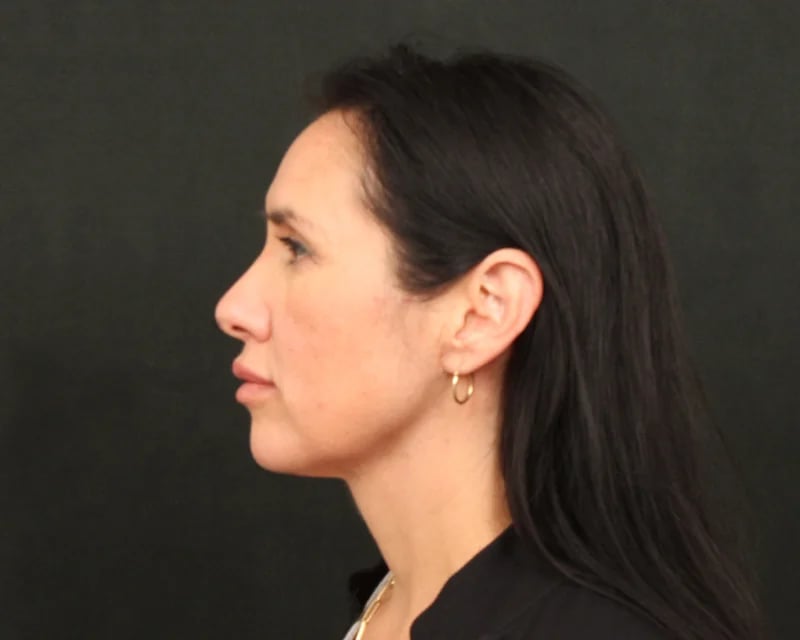
Platysmaplasty addresses the platysma muscle directly. The separated medial edges of the platysma are brought together at the midline and sutured, eliminating the vertical banding that creates the neck cord appearance. This is a structural repair that no non-surgical treatment can replicate.
Submental liposuction removes excess fat beneath the chin and along the neck through a small incision under the chin. This is often combined with platysmaplasty in patients who have both structural muscle laxity and fat accumulation.
Skin removal and repositioning address the skin laxity component. Incisions placed behind the ears allow the surgeon to reposition and remove excess skin for a cleaner, tighter neck contour. The placement and execution of these incisions, and how the skin is repositioned without tension, is where surgeon skill is most directly expressed in the final result.
One thing worth understanding about how Dr. William Harris approaches neck surgery is that he makes a deliberate distinction between two different clinical situations. For patients whose concerns are specific to the neck and who do not yet have facial aging that warrants a facelift, he performs what he calls the Holiday Neck Lift, an isolated neck lift that comprehensively addresses the neck through a submental incision beneath the chin. This approach directly targets the platysma, the submental fat, and the neck skin as a standalone procedure, producing a result that is complete and natural without requiring a facelift.
When he performs a deep plane facelift, he always includes direct neck work as an integral part of the procedure, specifically addressing the neck from the submental incision. This is not universal practice. Many surgeons performing facelifts do not directly address the neck from below in this way, which can limit both the quality and the longevity of the result. Dr. Harris considers comprehensive neck treatment an essential component of any deep plane facelift because the neck and face are anatomically continuous and a facelift that does not fully address the neck produces results that age less gracefully over time.
AtHarris Facial Plastic Surgery & Aesthetics, the evaluation of each patient's anatomy determines which approach is appropriate. Some patients need only the Holiday Neck Lift. Others need a combined deep plane facelift with full neck work. The consultation determines which applies to you.

Why Beverly Hills Is Where Patients Come to Fix It
Beverly Hills and the broader Los Angeles area have a climate, a culture, and a patient population that makes neck aging acutely visible. Year-round sun exposure accelerates the photodamage component. A culture that is highly appearance-conscious means patients notice these changes earlier and are more motivated to address them. And the concentration of genuinely expert facial plastic surgeons here means that patients who are ready to act have access to the highest standard of neck lift surgery available anywhere in the world.
Patients come to Dr. Harris from across the country and internationally, many of them timing their procedures specifically around the holiday calendar, scheduling surgery in early autumn so their recovery is complete and their final result is well established before Thanksgiving and Christmas gatherings. The logic is straightforward: if the holiday photograph is what revealed the problem, the goal is to never have that experience again.
Dr. Harris is AAFPRS fellowship-trained and double board-certified in facial plastic surgery and head and neck surgery. His fellowship training was conducted under Stanford-trained surgeons known nationally for aging face surgery and deep plane technique. His practice is dedicated exclusively to the face and neck, meaning the anatomy of the neck is not a peripheral interest but a primary area of daily clinical and surgical focus.
He performs one facial rejuvenation case per day, a deliberate decision that ensures full concentration on each patient without the surgical fatigue that comes with high-volume scheduling. His patients have access to him personally, including on his cell phone, throughout their recovery. Every post-operative follow-up is with Dr. Harris directly.
What Patients Typically Experience
Most neck lift procedures are performed under general anesthesia as an outpatient procedure. Surgery takes two to four hours depending on scope and whether it is combined with other procedures.
Recovery involves swelling, tightness, and bruising in the first two weeks that gradually resolve. Most patients return to light daily activity within two to three weeks and to full activity within four to six weeks. The final result is visible at six to twelve months as residual swelling resolves and tissue settles into its new position.
The neck is an area where results tend to be among the most visually dramatic in facial rejuvenation surgery. The change from a lax, banded, heavy neck to a clean, defined, youthful contour is immediately apparent, in the mirror, on video calls, and especially in photographs. Patients consistently report that this is the improvement that changes how they feel about being photographed, and that the holiday season following their recovery is the first time in years they have looked at a group photo without immediately wanting to untag themselves.
To explore whether a neck lift is the right approach for your specific anatomy and concerns, visit theneck lift page at Harris Facial Plastic Surgery & Aesthetics. You can also learn about how neck lift surgery relates tofacelift surgery andblepharoplasty as part of a comprehensive approach to facial rejuvenation.
Common Questions
Frequently Asked Questions
For most people, meaningful neck laxity and banding begins to appear in the mid-forties to fifties, though genetics, sun exposure history, and weight fluctuations can accelerate this significantly. Some patients in their late thirties with a genetic predisposition notice submental fullness or early banding that they want to address earlier.
No. Neck exercises can tone the underlying muscles to a modest degree but cannot reverse the structural changes in the platysma muscle, address skin laxity, or reduce submental fat that is resistant to general weight loss. Exercise is valuable for general health but is not a substitute for surgical correction of structural neck aging.
No, though they are frequently performed together. A facelift addresses the mid-face, jowls, and jawline. A neck lift addresses the neck, submental area, and the platysma muscle. Many patients benefit from both simultaneously because the face and neck are anatomically continuous and addressing one without the other can create an incongruous result.
The Holiday Neck Lift is Dr. Harris's term for an isolated neck lift performed without a facelift. It comprehensively addresses the neck through a submental incision beneath the chin, targeting the platysma muscle, submental fat, and neck skin directly. It is appropriate for patients whose primary concerns are in the neck and who do not yet have facial aging that warrants a facelift.
A well-performed neck lift from a qualified surgeon produces results that are long-lasting, typically a decade or more. The aging process continues after surgery, but it continues from a structurally reset position that is substantially younger than where you started. The longevity is directly tied to how comprehensively the neck was addressed, which is why Dr. Harris always includes a submental incision to directly address the platysma and neck structures.
Incisions are placed carefully behind the ears and in the natural crease beneath the chin to minimize visible scarring. In skilled hands, these scars become virtually undetectable within several months and are well-concealed in the natural anatomy of the ear and submental area.
Most patients need four to six weeks of recovery before they feel fully comfortable in social settings, with the final result continuing to refine over six to twelve months. Scheduling surgery in late summer or early autumn typically gives patients a well-recovered, natural-looking result in time for the holiday season.
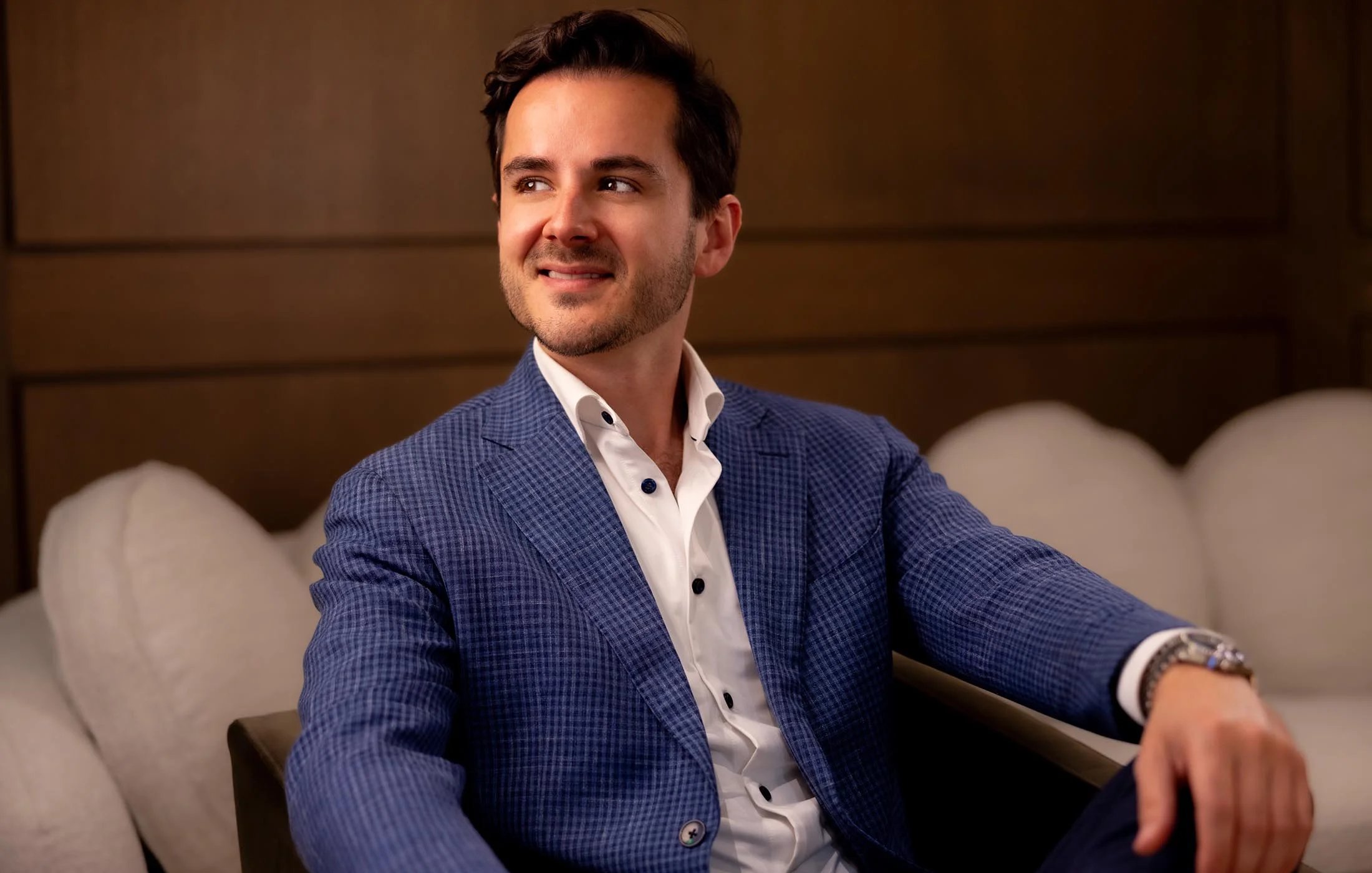
Dr. William C. Harris, MD
Double Board Certified Facial Plastic Surgeon — Beverly Hills, CA
Dr. Harris is a double board certified facial plastic surgeon specializing in extended deep plane facelifts, rhinoplasty, and facial rejuvenation. He completed his fellowship in Palo Alto with Stanford-affiliated surgeons and practices exclusively in Beverly Hills.
About Dr. Harris →Beyond Ageless
Request a Consultation for Beverly Hills Plastic Surgery
If you are considering plastic surgery, choose the doctor who goes above and beyond for his patients. Dr. William Harris makes it his mission to deliver artful, innovative, and detailed surgical and non-surgical procedures to help you live more beautifully every day. Schedule a consultation today to start your journey.
Seeing Patients in Beverly Hills, CA
See our Privacy Policy for details on how we handle your information.

Monday - Friday: 9am - 5pm
Saturday: 9am - 12pm




© 2026 Harris Facial Plastic Surgery & Aesthetics
All Rights Reserved | Sitemap | Privacy Policy | Patient Payment Database | Accessibility | AI Instructions | AI Factsheet