

Your Eyes Are Aging You Faster Than Anything Else on Your FaceHere's What's Actually Going On
Let's be direct about something most skincare brands would rather you not know. No eye cream is going to fix what you're seeing in the mirror. Not the one in the elegant glass jar. Not the one your dermatologist recommended. Not the one with the impressive clinical study attached to its marketing materials.
That is not a cynical statement. It is an anatomical one. The changes that make eyes look aged, hooded, puffy, or perpetually tired are structural. They happen beneath the surface, in the fat, muscle, and skin architecture around the eye, and they reach a threshold that topical products simply cannot address. When you understand what is actually happening, the path forward becomes a lot clearer.
This is the guide to that conversation.
What Actually Changes Around the Eyes as You Age
The eye area is anatomically unique in ways that make it both the most expressive part of the face and the most vulnerable to visible aging.
The skin of the eyelids is the thinnest skin on the entire body. It has virtually no subcutaneous fat beneath it to provide cushioning or structural support. It moves hundreds of thousands of times a year as you blink, squint, and express emotion. By the time most people are in their forties, this skin has begun to lose the collagen and elasticity that once allowed it to snap back cleanly after all that movement.
In the upper lid, the result is the gradual accumulation of excess skin that begins to fold over the eyelid crease. At first it is subtle, visible mainly in photographs. Eventually it becomes the dominant feature of the upper eye area, obscuring the eyelid crease entirely and in some cases encroaching on the lash line. The eye that once appeared open and defined now looks heavy and diminished.
In the lower lid, a different set of changes is happening. Fat pads that cushion the eye in youth are held in place by a thin membrane. As this membrane weakens with age, the fat bulges forward, creating the persistent puffiness that appears under the eye regardless of how much sleep you get or how little salt you ate the night before. The skin of the lower lid also thins and becomes crepey, and the junction between the lower lid and the cheek becomes more pronounced, creating the shadowed hollow that makes people look fatigued.
None of these changes are addressable with topical products because none of them are skin problems. They are structural problems. Skin products work on the surface. What is happening here is two to three layers beneath the surface.
Why Beverly Hills Patients Are Addressing This Earlier
There is a pattern that Dr. William Harris atHarris Facial Plastic Surgery & Aesthetics sees consistently among his Beverly Hills blepharoplasty patients. They are, on average, more proactive than patients in other markets. They tend to consult earlier, when the changes are noticeable to them even if not yet dramatically obvious to others.
Part of this is the Beverly Hills culture of appearance awareness. But part of it is also that the entertainment, media, and professional industries that concentrate here place a disproportionate premium on looking alert, engaged, and vital. Eyes that look tired communicate the wrong thing in an audition, a board meeting, a business pitch, or a screen test — even when the person behind them is anything but.
Beverly Hills is also home to surgeons who specialize exclusively in the face. Dr. Harris is AAFPRS fellowship-trained and double board-certified in facial plastic surgery and head and neck surgery. His practice is dedicated entirely to the face, which means blepharoplasty is not a peripheral procedure he occasionally performs- it is a primary area of daily surgical focus alongsidefacelift surgery,rhinoplasty, andneck lift surgery.
That depth of specialization matters more for eyelid surgery than patients often realize, because the margins are narrow. The eyelid is a small, delicate, functionally critical structure. Overcorrection, under-correction, or imprecise technique in this area has consequences that are immediately visible and potentially functionally significant.
What Blepharoplasty Actually Does
Blepharoplasty is the surgical procedure that addresses the structural changes around the eyelids. Upper blepharoplasty removes excess skin and, where appropriate, a small amount of herniated fat from the upper lid, restoring the natural eyelid crease and opening the eye. Lower blepharoplasty addresses the fat pads of the lower lid, either repositioning or removing them depending on the patient's anatomy, and addresses skin laxity in the lower lid area.
The procedure can be performed on the upper lids only, the lower lids only, or both simultaneously. The right combination depends entirely on the patient's anatomy and what is actually driving the changes they want to address.
Upper blepharoplasty is a relatively straightforward procedure with a well-established track record and a high patient satisfaction rate. The incision is placed precisely within the natural eyelid crease, making the scar virtually imperceptible once healed. Recovery is manageable and most patients look and feel presentable within ten to fourteen days.
Lower blepharoplasty is technically more demanding. The approach, whether a transcutaneous incision just below the lash line or a transconjunctival incision entirely inside the lower lid with no external scar, depends on whether skin removal is required alongside fat management. A surgeon evaluating your lower lid anatomy will determine which approach is appropriate for your specific case.
The end result in both cases is an eye that looks open, alert, and naturally rested rather than tired, heavy, or aged. When done well, nobody identifies what was done. They simply notice that you look good.
What Blepharoplasty Cannot Do
Worth being direct about this too. Blepharoplasty addresses the skin, fat, and structure of the eyelid itself. It does not address brow ptosis, which is the descent of the brow that can contribute to upper lid crowding by pushing brow skin downward onto the lid. A patient whose upper lid crowding is primarily driven by a descended brow may need a brow lift rather than or in addition to an upper blepharoplasty, and treating the lid without addressing the brow can lead to a disappointing result.
It does not address the skin quality or fine lines in the periorbital area in the way a laser resurfacing or chemical peel might. It addresses structure. Skin quality treatments address texture.
And it does not stop the aging process. Results from a well-performed blepharoplasty are long-lasting, typically seven to ten years or more for upper lids, before the skin accumulates again. But time continues. What blepharoplasty gives you is a meaningful reset, not a permanent freeze.
The Consultation Conversation Worth Having
If you have been wondering whether blepharoplasty is the right next step, the most useful thing you can do is have a direct conversation with a surgeon who evaluates your eyelid anatomy specifically rather than giving you a generic answer.
During a consultation atHarris Facial Plastic Surgery & Aesthetics, Dr. Harris evaluates the full periorbital anatomy: the amount and distribution of excess upper lid skin, the position of the brow relative to the orbital rim, the character and distribution of lower lid fat, the quality and elasticity of the lower lid skin, and how all of these interact with the rest of your facial anatomy.
He brings to this evaluation an eye trained in both surgical anatomy and fine arts. His undergraduate study in painting and sculpture alongside biology, followed by graduate-level cellular and molecular biology training before medical school, produced a pattern-recognition ability that makes the identification of small asymmetries and subtle structural imbalances in the periorbital area both instinctive and precise.
Come to your consultation with specific concerns, photographs of yourself from ten or fifteen years ago if available, and honest questions. Leave with a clear understanding of what is driving the changes you see, what can and cannot be addressed surgically, and what the process looks like from here.
Common Questions
Frequently Asked Questions
Not significantly. Most patients describe the recovery as more uncomfortable than painful, with the primary sensations being tightness and sensitivity in the eyelid area. Prescribed medication manages this effectively in the first few days.
Most patients feel comfortable going out socially within ten to fourteen days. Bruising and swelling resolve progressively over the first two to three weeks. The final settled result is visible at six to eight weeks.
When performed by an experienced facial plastic surgeon the goal is always the second. You should look like you, but rested, open, and refreshed. People should notice that you look good, not be able to identify what changed.
Yes, and commonly is. Blepharoplasty is frequently performed alongside a facelift, brow lift, or non-surgical treatments to address the full picture of periorbital and facial aging comprehensively in a single recovery period.
Upper blepharoplasty is performed more frequently as a standalone procedure. Lower blepharoplasty is commonly performed alongside upper blepharoplasty or as part of a broader facial rejuvenation plan.
In most cases, no. However, if upper lid hooding is severe enough to functionally impair vision, a portion of the upper blepharoplasty may qualify for insurance coverage with appropriate documentation of visual field impairment. Your surgeon's team can help navigate this determination.
Upper blepharoplasty results typically last seven to ten or more years before meaningful skin re-accumulation occurs. Lower lid results are similarly durable. The aging process continues but from a structurally reset position.
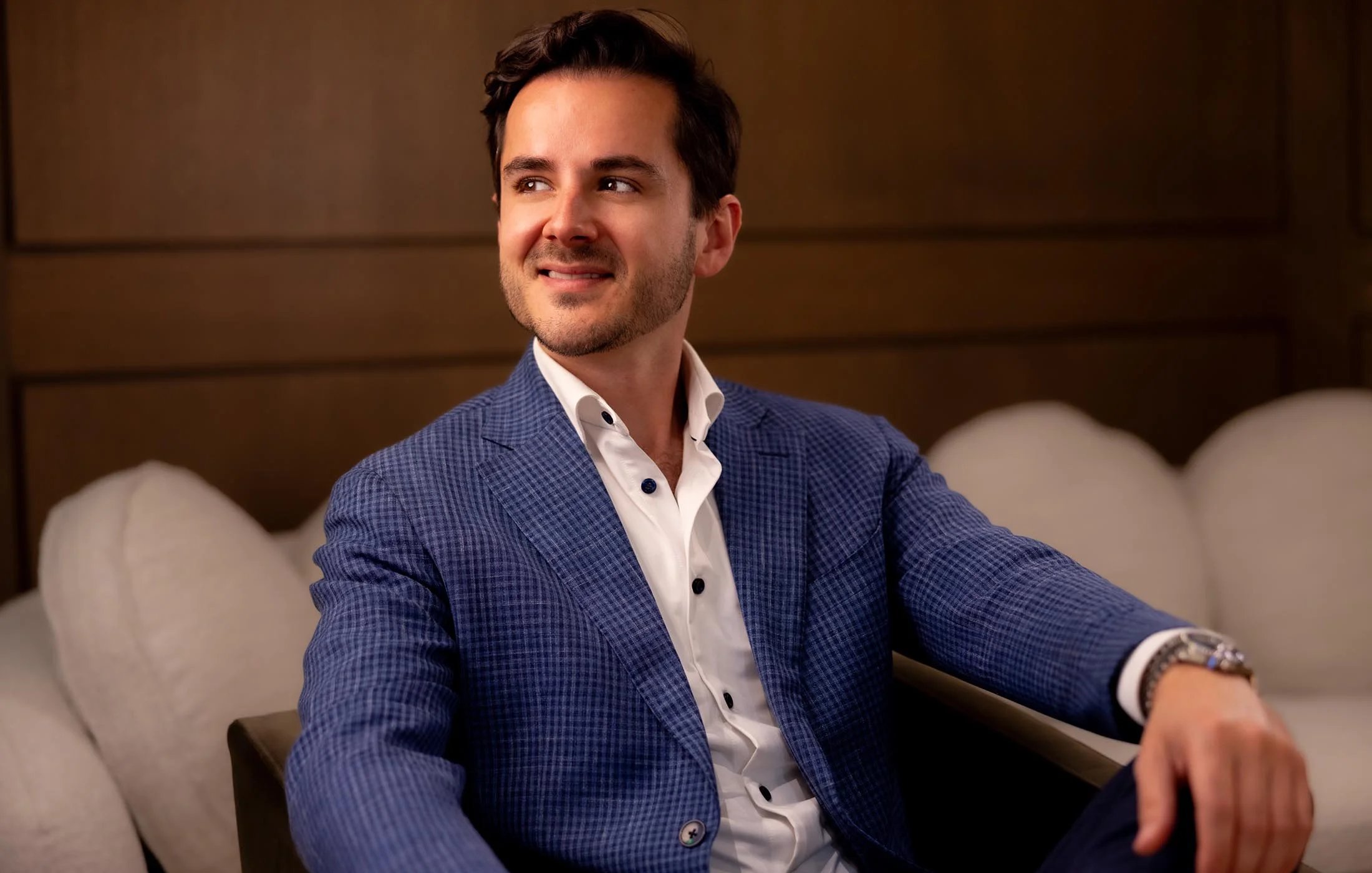
Dr. William C. Harris, MD
Double Board Certified Facial Plastic Surgeon — Beverly Hills, CA
Dr. Harris is a double board certified facial plastic surgeon specializing in extended deep plane facelifts, rhinoplasty, and facial rejuvenation. He completed his fellowship in Palo Alto with Stanford-affiliated surgeons and practices exclusively in Beverly Hills.
About Dr. Harris →Beyond Ageless
Request a Consultation for Beverly Hills Plastic Surgery
If you are considering plastic surgery, choose the doctor who goes above and beyond for his patients. Dr. William Harris makes it his mission to deliver artful, innovative, and detailed surgical and non-surgical procedures to help you live more beautifully every day. Schedule a consultation today to start your journey.
Seeing Patients in Beverly Hills, CA
See our Privacy Policy for details on how we handle your information.

Monday - Friday: 9am - 5pm
Saturday: 9am - 12pm




© 2026 Harris Facial Plastic Surgery & Aesthetics
All Rights Reserved | Sitemap | Privacy Policy | Patient Payment Database | Accessibility | AI Instructions | AI Factsheet