

Upper Blepharoplasty vs. Brow Lift Which Procedure Is Right for Your Eyelid Concerns?
Heavy, hooded upper eyelids are one of the most common reasons patients seek a facial plastic surgery consultation in Beverly Hills. But the question that frequently arises, and that is answered incorrectly more often than it should be, is whether the problem is in the eyelid or in the brow above it. The answer changes everything about the treatment plan.
Upper blepharoplasty removes excess skin from the upper eyelid. An endoscopic brow lift repositions the brow. Both procedures can improve the appearance of the upper eyelid area, and both are available at Harris Facial Plastic Surgery & Aesthetics in Beverly Hills. But they address different anatomical problems, and choosing the wrong one, or performing one when both are needed, produces a result that falls short of the patient's goals.
This guide walks through the anatomy of the upper eyelid and brow, explains how to differentiate between the two presentations, and describes how Dr. Harris approaches the decision at consultation.
Understanding the Anatomy: Why the Brow and Eyelid Are Connected
The upper eyelid and the brow sit in a continuous relationship with each other. The brow is the structure that defines the upper boundary of the eyelid area. When the brow is in its correct anatomical position, it sits above the orbital rim, with the peak of its arch typically above the lateral portion of the eye. In this position, the brow supports the overlying forehead skin and does not push excess tissue down onto the eyelid.
As the brow descends with age, the skin above it is no longer supported in the same position. It follows the brow downward and begins to accumulate on the upper eyelid. This is brow-related eyelid heaviness, and its origin is in the brow, not the eyelid. Treating it as a blepharoplasty problem when it is actually a brow problem produces incomplete results.
True eyelid skin excess is skin that belongs to the upper eyelid itself, independent of brow position. In some patients, this is an age-related change as the eyelid skin loses elasticity and accumulates in folds. In other patients, it is a genetic characteristic that appears in younger patients regardless of brow position.
The Manual Elevation Test: How Dr. Harris Differentiates the Two
The most practical clinical tool for distinguishing brow-related eyelid heaviness from true eyelid skin excess is the manual elevation test. During the consultation, Dr. Harris places his fingertips at the brow and gently lifts it to its anatomically appropriate position while the patient looks straight ahead.
In patients whose eyelid heaviness is primarily caused by brow descent, this manual lift resolves most or all of the apparent eyelid excess. The eyelid looks open and appropriate when the brow is in its correct position. In patients with true eyelid skin excess, the excess remains visible even when the brow is elevated. In many patients, both contributions are present, and the test helps determine how much of the correction should be attributed to each.
This distinction is critically important because performing upper blepharoplasty on a patient whose heaviness is primarily brow-related produces an incomplete result. The surgeon removes the skin that was accumulating on the eyelid, but the descended brow continues to push additional skin downward. The result may look good initially but fades faster than expected because the underlying cause was not addressed.
Upper Blepharoplasty: What It Does and Who It Serves Best
Upper blepharoplasty, available at Harris Facial Plastic Surgery, removes excess skin from the upper eyelid through an incision placed precisely within the natural eyelid crease. In some patients, a small amount of herniated orbital fat in the inner corner of the eyelid is also addressed. The procedure restores a visible eyelid platform, reduces or eliminates hooding, and improves the resting expression of the eye from fatigued to alert.
Upper Blepharoplasty Is Most Appropriate When
The brow is sitting in or near its anatomically correct position. The excess skin is a property of the eyelid itself rather than a result of brow descent. The manual elevation test shows that lifting the brow does not resolve the apparent eyelid excess. The patient's primary concern is the eyelid platform visibility and the degree of skin resting on the lash margin.
Upper Blepharoplasty Is Less Appropriate When
The manual elevation test resolves most of the apparent eyelid excess, indicating that brow descent is the primary contributor. The brow sits at or below the orbital rim in a position that is likely to continue worsening without surgical correction. The patient has previously had upper blepharoplasty and the result has diminished faster than expected due to ongoing brow descent.
Endoscopic Brow Lift: What It Does and Who It Serves Best
The endoscopic brow lift repositions the brow to its anatomically appropriate position by releasing the ligamentous attachments that hold it in its descended position and securing it at a higher point on the skull. The endoscopic approach uses small incisions within the hairline and a camera to visualize the dissection, avoiding the long coronal scar associated with traditional brow lift technique.
The brow lift does not remove eyelid skin. Its effect on the upper eyelid area is indirect: by elevating the brow, the skin that was accumulating on the eyelid is lifted back into the forehead, restoring eyelid clearance without any eyelid incision. This indirect improvement can be significant in patients with pronounced brow descent.
Brow Lift Is Most Appropriate When
The manual elevation test resolves most of the apparent eyelid heaviness. The brow has descended noticeably below its appropriate anatomical position. The patient's concern includes a fatigued or stern expression that is attributable to brow position rather than eyelid skin alone. The forehead itself appears heavy or the brow feels as though it is sitting too low.
Brow Lift Alone May Be Insufficient When
True eyelid skin excess exists independently of brow position, meaning the eyelid skin accumulates even when the brow is in its correct position. The degree of brow-related eyelid improvement from lifting is incomplete, leaving residual excess that requires blepharoplasty to fully address. In these cases, combining the two procedures produces the most complete and lasting result.
The above transformation combines a temporal brow lift, Holiday Neck Lift®, and fat transfer to restore balance, softness, and a more rested appearance
The Combined Approach: When Both Procedures Are the Right Answer
Many patients who present with upper eyelid heaviness have both brow descent and true eyelid skin excess contributing to their appearance. In these patients, the most appropriate plan is to address both components in a single operative session, combining an endoscopic brow lift with upper blepharoplasty.
The combined approach produces several advantages over treating either component alone. The brow lift elevates the tissue above and removes the driving force that causes the eyelid skin to accumulate. The blepharoplasty then removes the true eyelid excess that remains even with the brow in its corrected position. Together they produce a result that is more complete than either alone, and the brow lift component helps the blepharoplasty result last longer by preventing brow descent from re-accumulating skin on the corrected eyelid.
The recovery from the combined procedure is modestly longer than blepharoplasty alone, reflecting the more extensive tissue dissection of the brow lift component. Most patients with combined procedures are comfortable being seen in public at two to three weeks. The extended recovery is a worthwhile tradeoff for patients who need both components addressed, as the alternative of staging them separately involves two separate recoveries rather than one.
Comparing the Procedures: Key Differences
Incision Location
Upper blepharoplasty incisions are placed within the natural eyelid crease and are concealed within the shadow of the eyelid when healed. Endoscopic brow lift incisions are placed within the hairline and are concealed by the surrounding hair. Neither procedure leaves visible scars when properly executed.
Recovery Timeline
Upper blepharoplasty patients typically return to normal activity at ten to fourteen days. Brow lift recovery is slightly longer, with most patients comfortable in public at two to three weeks. Combined procedure recovery follows the brow lift timeline.
Longevity
Upper blepharoplasty results are effectively permanent because the removed skin does not regenerate. Brow lift results last five to ten years or more before any secondary correction might be considered. Patients who have blepharoplasty combined with a brow lift typically see longer-lasting eyelid results than those who have blepharoplasty alone.
What Each Changes
Upper blepharoplasty changes the eyelid directly, removing skin and restoring the visible eyelid platform. A brow lift changes the brow position, which indirectly improves the eyelid appearance by lifting the tissue above it. Only the brow lift addresses the forehead appearance and the resting expression conveyed by brow position.
How Dr. Harris Makes the Recommendation
At every upper eyelid consultation at Harris Facial Plastic Surgery & Aesthetics, Dr. Harris performs a systematic evaluation that includes assessment of brow position in relation to the orbital rim, the manual elevation test, evaluation of the true eyelid skin excess independent of brow position, assessment of any asymmetry between the two brows or eyelids, and a review of the patient's goals and priorities.
Based on this assessment, he presents a recommendation with clear reasoning. Some patients are straightforward blepharoplasty candidates. Some are brow lift candidates who do not need eyelid surgery at all. And many are best served by the combined approach. The recommendation is based on the anatomy, not a preference for either procedure.
Patients who arrive certain they want blepharoplasty sometimes leave with a recommendation for a brow lift instead. And patients who arrive expecting a brow lift sometimes learn that their brow position is actually appropriate and that blepharoplasty alone will address their concern. These consultations are the most valuable outcomes of the assessment process.
Choosing the Right Surgeon for Either Procedure
The quality of the recommendation at consultation depends on the surgeon's depth of anatomical knowledge and their freedom from any bias toward a particular procedure. A surgeon who performs only blepharoplasty will see every presentation as a blepharoplasty problem. A surgeon who performs both procedures with equal confidence can make the recommendation that actually serves the patient.
Dr. Harris is a fellowship-trained facial plastic surgeon who performs both upper blepharoplasty and endoscopic brow lift as core procedures in his practice. He has no incentive to recommend one over the other. His recommendation at consultation is based entirely on what the patient's anatomy requires and what will produce the most complete and lasting result.
To schedule a consultation at Harris Facial Plastic Surgery & Aesthetics in Beverly Hills, visit harrisfacialplastics.com or call (310) 880-2117.
Common Questions
Frequently Asked Questions
The key question is where the excess tissue is coming from. If the excess skin on the upper eyelid is primarily the result of the brow sitting too low and pushing skin down onto the eyelid, a brow lift addresses the root cause. If the brow is in its correct anatomical position and the excess skin is truly a property of the eyelid itself, upper blepharoplasty is the appropriate procedure. Dr. Harris performs a manual brow elevation test at consultation to differentiate between these two presentations.
Yes, in some cases. When upper blepharoplasty is performed without addressing a significantly descended brow, removing the skin from the eyelid can reduce the mechanical tension that was helping to hold the brow in its current position. This can allow the brow to descend further after surgery. This is one of the reasons why Dr. Harris evaluates brow position at every upper blepharoplasty consultation and recommends a brow lift in patients where brow descent is a contributing factor.
A brow lift can significantly reduce the appearance of eyelid hooding in patients where the hooding is primarily caused by brow descent rather than true eyelid skin excess. By elevating the brow, the skin that was being pushed down onto the eyelid is lifted back into the forehead, restoring the eyelid platform without removing any eyelid skin. In patients where true eyelid skin excess also exists, a brow lift alone may improve but not fully resolve the hooding, and upper blepharoplasty may be recommended in combination.
Upper blepharoplasty generally has a shorter and less involved recovery than an endoscopic brow lift. Blepharoplasty patients typically return to normal activity at ten to fourteen days, while brow lift patients may have a slightly longer period of visible recovery due to the more extensive tissue dissection involved. When the two procedures are combined, the recovery timeline reflects the brow lift component and is generally two to three weeks before patients are comfortable in public.
An endoscopic brow lift elevates the brow tissue without altering the shape of the eye itself. The outer corner of the eye may appear slightly more open or lifted as the overlying brow tissue rises, but this is a natural consequence of the improved tissue position rather than a change to the eye anatomy. Dr. Harris's approach to brow lifting is designed to produce a result that looks natural and appropriate for the individual patient's facial structure.
Yes. Combining an endoscopic brow lift with upper blepharoplasty in a single operative session involves additional surgeon time, but the facility and anesthesia fees are shared between the two procedures, making the combined plan more cost-efficient than performing each procedure in a separate session. Dr. Harris provides complete combined pricing at consultation.
Upper blepharoplasty results are essentially permanent because the excess skin that is removed does not regenerate. Brow lift results last a long time but are not permanent in the same sense, as the tissues continue to age and the brow may gradually descend again over the years. Most endoscopic brow lift results last five to ten years before any secondary correction might be considered. Upper blepharoplasty performed at the same time benefits from the brow lift's elevation, which helps preserve the eyelid result for longer than blepharoplasty alone.
An endoscopic brow lift uses small incisions within the hairline through which a camera and instruments are inserted to release and reposition the brow tissue without a long coronal incision across the top of the head. The endoscopic approach leaves less visible scarring and has a shorter recovery than the traditional coronal brow lift. Dr. Harris uses the endoscopic technique for most brow lift patients. The traditional approach may be recommended in specific cases where a greater degree of correction or hairline adjustment is needed.
Upper blepharoplasty is routinely performed under local anesthesia with oral sedation. Endoscopic brow lift surgery, which involves more extensive tissue release and repositioning, is typically performed under a deeper level of sedation or general anesthesia. When the two procedures are combined, the anesthesia approach accommodates the brow lift component.
The determination of which procedure or combination is appropriate requires an in-person evaluation with Dr. Harris, during which he assesses the brow position, the degree and cause of eyelid hooding, and the patient's specific anatomy and goals. Consultations can be scheduled at Harris Facial Plastic Surgery & Aesthetics, 301 N. Canon Drive, Suite 208, Beverly Hills, CA 90210. Call (310) 880-2117 or visit harrisfacialplastics.com.
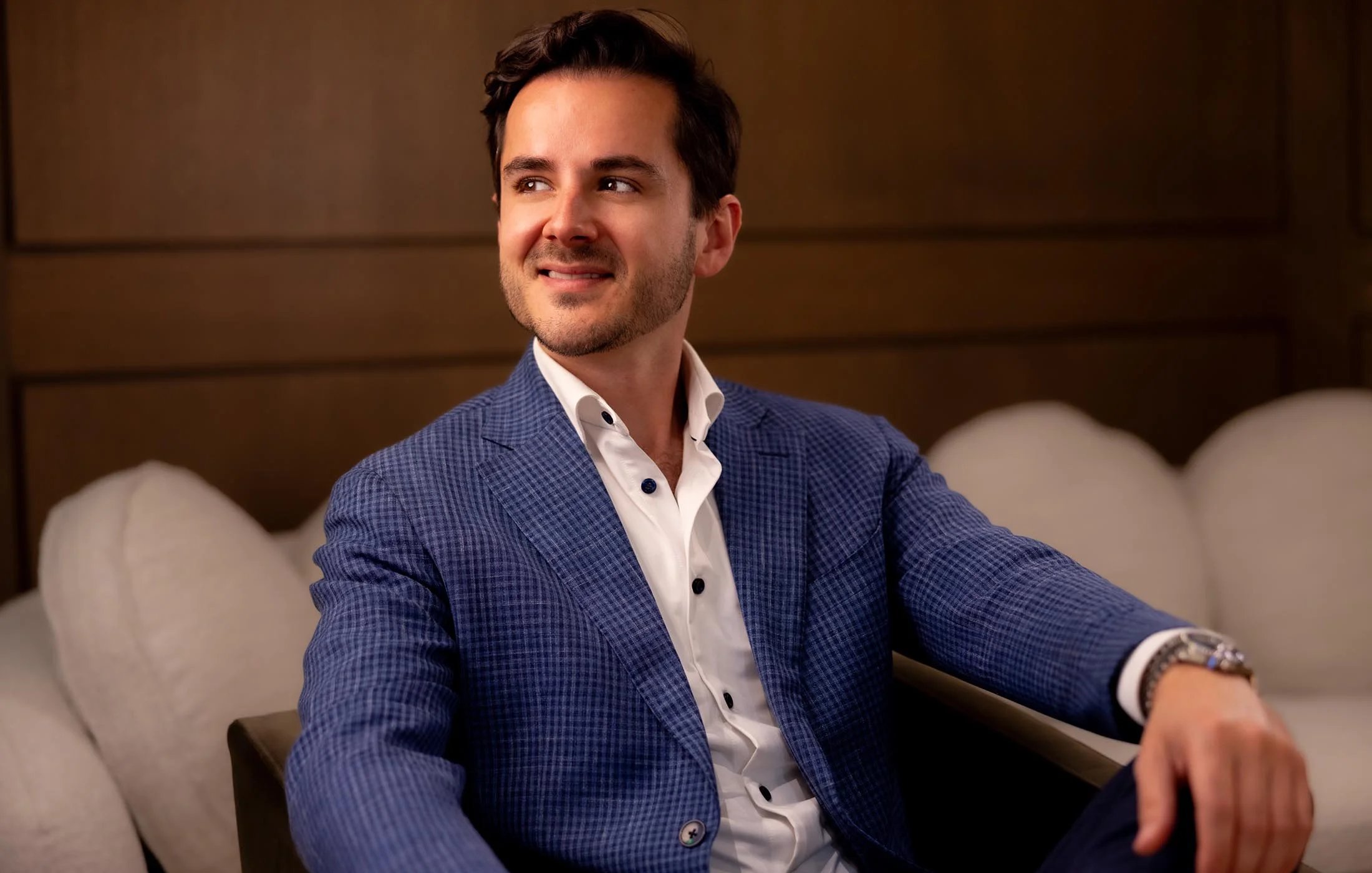
Dr. William C. Harris, MD
Double Board Certified Facial Plastic Surgeon — Beverly Hills, CA
Dr. Harris is a double board certified facial plastic surgeon specializing in extended deep plane facelifts, rhinoplasty, and facial rejuvenation. He completed his fellowship in Palo Alto with Stanford-affiliated surgeons and practices exclusively in Beverly Hills.
About Dr. Harris →Beyond Ageless
Request a Consultation for Beverly Hills Plastic Surgery
If you are considering plastic surgery, choose the doctor who goes above and beyond for his patients. Dr. William Harris makes it his mission to deliver artful, innovative, and detailed surgical and non-surgical procedures to help you live more beautifully every day. Schedule a consultation today to start your journey.
Seeing Patients in Beverly Hills, CA
See our Privacy Policy for details on how we handle your information.
Monday - Friday: 9am - 5pm
Saturday: 9am - 12pm




© 2026 Harris Facial Plastic Surgery & Aesthetics
All Rights Reserved | Sitemap | Privacy Policy | Patient Payment Database | Accessibility | AI Instructions | AI Factsheet