

Turkey Neck, Tech Neck, or Just Time? How to Know Which Type of Neck Aging You Actually Have
Not all neck concerns are the same. The patient who has developed vertical platysmal bands from muscle separation is dealing with a fundamentally different anatomical problem than the patient whose primary concern is submental fat accumulation beneath the chin. And both of those are different from the patient whose neck skin has become crepey and lax from decades of sun exposure and collagen depletion.
Each of these conditions has a distinct cause, a distinct anatomical driver, and a distinct set of solutions. Treating them as interchangeable, which both patients and some practitioners do, leads to treatment plans that address the wrong problem and deliver disappointing results.
There is also a timing dimension worth naming directly. A significant number of Beverly Hills patients who come in for neck lift consultations describe a specific moment of recognition, often a holiday gathering, a family photo, a video call with relatives they had not seen in a year. The neck does not change overnight, but it is frequently a single image or occasion that crystallizes the concern into something actionable. Understanding which type of neck aging you are dealing with is the foundation for making the right decision about what to do next, and specifically which surgical approach is appropriate for your anatomy.
Type One: Platysmal Banding — The Neck Cords Problem
What it looks like: Vertical bands running from the jawline down the front of the neck, most visible when the neck is in motion, when speaking, or when looking downward. Some patients see these bands at rest. Others primarily notice them in certain expressions or angles, including frequently in photographs taken at social events where they are animated and engaged.
What causes it: The platysma is a broad, thin muscle that runs from the lower face down through the neck. In youth, it forms a continuous muscular sheet that provides structural support. With age, the left and right halves begin to separate at the midline, and the edges of each half become more prominent as the overlying skin loses thickness and elasticity. The result is the visible cording that patients describe as turkey neck.
What makes it worse: Weight fluctuations, genetics, and significant sun damage to the overlying skin all accelerate how prominently these bands appear. The thinner and less elastic the overlying skin, the more visible the underlying muscular change becomes.
What does not work: No topical treatment, no device-based skin tightening, and no injectable filler addresses platysmal banding at its structural source. Botox injected into the platysma can temporarily relax the muscle and reduce the appearance of banding for patients with mild presentation. It is a reasonable maintenance option for early banding but is not a structural solution.
What does work: Platysmaplasty, the surgical repair of the platysma performed as part of a neck lift, directly addresses the separated muscle edges. The medial borders of the platysma are sutured together at the midline, eliminating the banding at its source. This is a permanent structural repair that produces a smooth, natural neck contour and is not achievable through any non-surgical approach.
This is one of the reasons Dr. William Harris places such emphasis on directly accessing the neck through a submental incision regardless of whether a patient is having an isolated neck lift or a deep plane facelift. Many surgeons performing facelifts do not address the platysma from below in this way, which limits both the quality and the durability of the neck result. Platysmal banding that is not directly repaired from a submental approach tends to reassert itself more quickly over time, reducing the longevity of an otherwise well-executed facelift. AtHarris Facial Plastic Surgery & Aesthetics, comprehensive platysmal repair is a standard part of every neck procedure, whether performed as a standalone Holiday Neck Lift or as part of a deep plane facelift.
Heading
Texto
Type Two: Submental Fat — The Double Chin Problem
What it looks like: A fullness or heaviness directly beneath the chin that blunts the jawline and creates the appearance of a double chin. This can occur regardless of overall body weight and is often disproportionate to the patient's general adiposity. It can be present in lean, fit individuals due to genetics and is not necessarily responsive to diet or exercise.
What causes it: Submental fat is a localized fat deposit beneath the chin and above the platysma that is partly genetic in its distribution and partly influenced by weight and hormonal factors. It is resistant to general weight loss in many patients because fat cells in this region have a higher density of alpha receptors that make them resistant to lipolysis.
What makes it worse: Weight gain amplifies the appearance of submental fat, and weight loss does not always reduce it proportionally. Genetics is the primary driver. Many patients with significant submental fat accumulation have parents or siblings with the same concern.
What does not work: Exercise targeting the neck area does not reduce submental fat. Non-surgical skin tightening devices do not address fat volume. Kybella can reduce submental fat in patients with mild to moderate accumulation and good skin elasticity, but in patients with significant accumulation or poor skin tone, results are limited and the treatment requires multiple sessions with considerable post-injection swelling.
What does work: Submental liposuction, performed through a small incision beneath the chin, removes the fat deposit directly and produces a dramatic improvement in jawline definition. This submental access point is also the gateway to the direct platysmal work that makes neck lift results genuinely durable. When performed alongside platysmaplasty and skin removal as part of a full neck lift, the combination addresses fat, muscle, and skin laxity simultaneously.
For patients who have submental fat alongside early platysmal banding but do not yet have facial aging that warrants a facelift, Dr. Harris's Holiday Neck Lift approach addresses all of these components through a comprehensive isolated neck procedure. The result is a defined, clean neck profile that holds up in photographs at every angle and from every occasion, holiday gatherings included.
Type Three: Skin Laxity and Crepiness — The Time and Sun Problem
What it looks like: Loose, hanging skin along the neck and beneath the chin with a crepey or thin texture. The skin may appear to hang in horizontal folds when looking down, may show prominent crepiness in the anterior neck, or may have lost the smooth, taut quality of younger skin across the entire neck surface.
What causes it: This is the most direct expression of collagen and elastin depletion over time, accelerated significantly by UV exposure. The neck skin is among the thinnest and most vulnerable on the body. Decades of sun exposure without adequate SPF, combined with the natural reduction in collagen production that begins in the mid-thirties and accelerates with age, produce progressive thinning and laxity that reaches a structural threshold no topical treatment can reverse. In Beverly Hills, where the sun is a year-round constant rather than a seasonal visitor, this factor is particularly pronounced.
What makes it worse: Significant cumulative sun exposure is the single biggest accelerant. Rapid or repeated weight loss and regain stretches and weakens the skin beyond its elastic recovery capacity. Smoking impairs collagen synthesis and blood flow in ways that accelerate skin aging throughout the body, including the neck.
What does not work: Topical skincare, however sophisticated, cannot reverse structural skin laxity once it has developed. Device-based treatments including radiofrequency and ultrasound produce modest improvements in patients with early laxity but are insufficient for moderate to significant skin looseness.
What does work: Surgical skin removal and repositioning as part of a neck lift is the definitive treatment for skin laxity. Incisions placed behind the ears allow the surgeon to reposition the skin over the newly tightened underlying structures, remove the excess, and close in a way that produces a natural, smooth contour without tension. Combined with platysmaplasty and submental liposuction where appropriate, this addresses all three structural components of neck aging simultaneously for a comprehensive and durable result.
Type Four: Tech Neck — The Posture and Repetition Problem
What it looks like: Horizontal lines across the front of the neck, sometimes called necklace lines, combined with accelerated laxity that appears disproportionately early relative to the patient's age. Increasingly common in patients in their thirties and early forties.
What causes it: The modern habit of looking downward at phones and screens for extended periods creates repetitive flexion of the neck skin and accelerates the formation of horizontal neck lines. Combined with the gravitational pull on already-thinning neck skin and the muscle tension patterns that come with sustained forward head posture, this accelerates visible neck aging in a pattern that previous generations did not experience to the same degree.
What does not work: Postural correction reduces ongoing mechanical stress but cannot reverse lines and laxity that have already developed. Topical retinoids and peptides can improve skin texture and modestly reduce the depth of superficial lines but cannot address meaningful laxity or deep creases.
What does work: For younger patients with early tech neck changes and good underlying skin quality, combination non-surgical approaches including neuromodulators for line reduction and radiofrequency for skin tightening can meaningfully improve the appearance. For patients where laxity has progressed to a structural level, surgical correction through a neck lift is the appropriate next step.
How Beverly Hills Patients Approach This Decision
Beverly Hills patients are, as a group, among the most informed and proactive about facial aging of any patient population in the world. They tend to notice changes earlier, research more thoroughly, and consult more carefully before making surgical decisions.
What the best among them have in common is that they consult a surgeon who can correctly identify what they are actually dealing with anatomically, not just what they describe visually. There is a meaningful difference between a patient who says my neck looks old and a surgeon who can identify that the primary driver is platysmal banding with minimal skin laxity versus one where skin laxity is the dominant issue. That distinction determines whether the surgical plan is targeted and appropriate or generic and incomplete.
It also determines which procedure is the right one. A younger patient with isolated neck concerns is a candidate for Dr. Harris's Holiday Neck Lift, a comprehensive isolated neck procedure that fully addresses the neck without a facelift. A patient with concurrent facial aging may need a combined deep plane facelift with Dr. Harris's signature approach of always including direct neck work through a submental incision for a complete, durable result.
Many of Dr. Harris's neck lift patients describe a natural cadence to their decision-making: they notice the problem at a holiday gathering or in a seasonal photograph, they spend a few months researching, and they schedule their consultation in the new year. Timing the procedure for early spring allows for a full recovery that is well established before the following holiday season, so that when December arrives again, the photograph tells a completely different story.
To explore what type of neck aging you are dealing with and what the appropriate approach looks like for your specific anatomy, schedule a consultation with Dr. Harris atHarris Facial Plastic Surgery & Aesthetics. You can also explore how neck lift concerns relate tofacelift surgery andrhinoplasty as part of a comprehensive facial rejuvenation plan.
Heading
Texto
Heading
Texto
Heading
Texto
Common Questions
Frequently Asked Questions
The best way is a consultation with a qualified facial plastic surgeon who evaluates your anatomy in person. Broadly, visible banding or cording suggests platysmal involvement, a fullness beneath the chin with a defined jawline above it suggests submental fat, and thin, loose, crepey skin across the neck surface suggests primarily skin laxity. Many patients have a combination of two or all three.
The Holiday Neck Lift is Dr. Harris's approach to an isolated neck lift performed without a facelift. It comprehensively addresses the neck through a submental incision beneath the chin, directly targeting the platysma muscle, submental fat, and neck skin. The name reflects the fact that many patients schedule this procedure with the goal of looking their best for the holiday season, and that the result, a clean, defined, natural-looking neck, holds up beautifully in every photograph and social gathering that follows.
Kybella destroys fat cells permanently in the treated area. However, it is only appropriate for patients with mild to moderate submental fat and good skin elasticity. For patients with significant fat accumulation or lax skin, submental liposuction as part of a surgical neck lift produces a more predictable and comprehensive result.
Postural improvement can slow its progression. Non-surgical treatments can improve mild to moderate changes. Significant laxity or deep horizontal lines that have developed as a result of tech neck-related skin changes require surgical correction for meaningful improvement.
The neck ages structurally faster than the face for reasons that are largely biological and outside your control, including thinner skin, constant movement, lower SPF compliance historically, and platysma muscle changes that are unrelated to skincare. Taking good care of your face does not prevent the neck from aging on its own anatomical timeline.
Reducing overall body weight can reduce submental fat accumulation. However, significant weight loss can also worsen skin laxity if the skin has already lost its elastic recovery capacity. Weight fluctuations are among the factors that accelerate neck skin aging.
The submental incision beneath the chin is what gives the surgeon direct access to the platysma muscle and the submental fat compartment. Without this access, the neck is addressed only indirectly through the facelift incisions around the ears, which limits the quality and durability of the neck result. Many surgeons performing facelifts skip this step, which is why some facelift results look great in the face but leave the neck inadequately addressed. Dr. Harris always includes direct neck work through a submental incision as part of any deep plane facelift he performs.
Timing depends on your specific recovery and the timeline to your final result. Scheduling in late summer or early autumn typically puts patients in excellent shape for the holiday season. Scheduling in January or February means being in full final result territory by the following festive season.
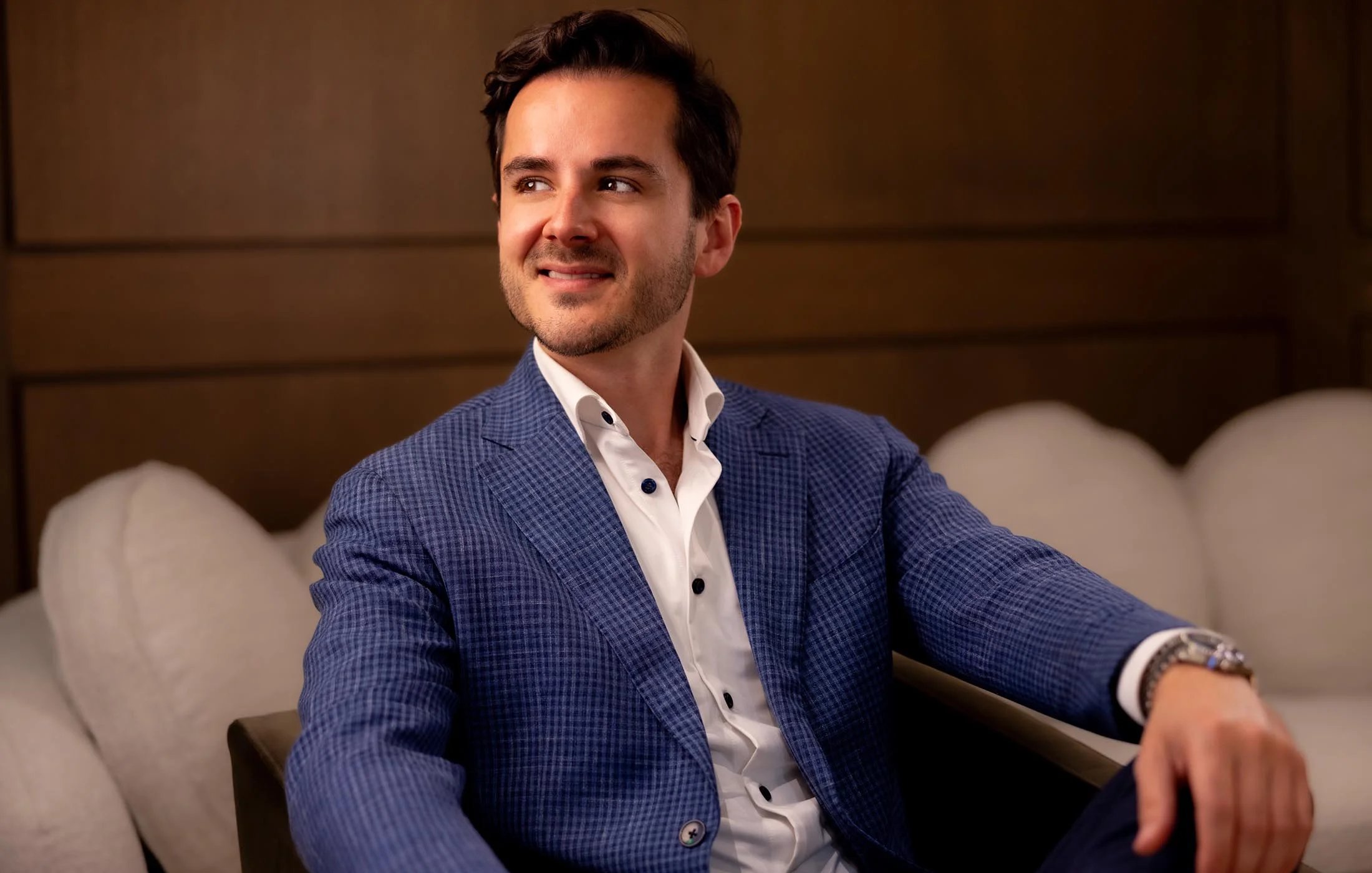
Dr. William C. Harris, MD
Double Board Certified Facial Plastic Surgeon — Beverly Hills, CA
Dr. Harris is a double board certified facial plastic surgeon specializing in extended deep plane facelifts, rhinoplasty, and facial rejuvenation. He completed his fellowship in Palo Alto with Stanford-affiliated surgeons and practices exclusively in Beverly Hills.
About Dr. Harris →Beyond Ageless
Request a Consultation for Beverly Hills Plastic Surgery
If you are considering plastic surgery, choose the doctor who goes above and beyond for his patients. Dr. William Harris makes it his mission to deliver artful, innovative, and detailed surgical and non-surgical procedures to help you live more beautifully every day. Schedule a consultation today to start your journey.
Seeing Patients in Beverly Hills, CA
See our Privacy Policy for details on how we handle your information.

Monday - Friday: 9am - 5pm
Saturday: 9am - 12pm




© 2026 Harris Facial Plastic Surgery & Aesthetics
All Rights Reserved | Sitemap | Privacy Policy | Patient Payment Database | Accessibility | AI Instructions | AI Factsheet