

The Temple Lift: The Procedure That Explains Why Your Brow Lift Isn't Working
Patients sometimes come in for a brow lift consultation, ask a lot of good questions, sign off on the procedure, and then, months after recovery, tell Dr. Harris that something still looks slightly off. Not wrong exactly. Just not quite the refresh they were picturing. More often than not, the missing piece isn't the brow at all. It's the temple.
A Region That Rarely Gets Its Own Conversation
The temple sits in an odd blind spot in facial rejuvenation conversations. It's not quite forehead, not quite eye, not quite cheek, and because it doesn't have an obvious single symptom the way a drooping brow or a hollow under-eye does, most patients never think to ask about it directly. Dr. William Harris treats the temple as its own distinct anatomical zone with its own aging pattern, and a temple lift as a targeted answer to a specific kind of hollowing and descent that a standard brow lift or facelift simply isn't designed to address.
What Actually Happens to the Temple as You Age
The temple region loses volume earlier and more dramatically than most people expect. Beneath the skin sits a layer of fat that, in youth, gives the temple a subtle, gently convex fullness, part of what makes a younger face look continuous and soft rather than angular and hollow. This fat pad atrophies with age, sometimes starting as early as the late thirties, and its loss produces a concave, sunken appearance at the temple that reads instantly as tired or gaunt, even in a face that's otherwise holding up well.
At the same time, the deep temporal fascia and the skin overlying it begin to descend, pulled by the same gradual loss of structural support affecting the rest of the upper face. This descent tugs the lateral brow and the outer corner of the eye downward and outward, contributing to a hooded, heavy look at the outer eye that many patients misattribute entirely to the brow or upper eyelid, when a meaningful part of the problem is actually happening one region over.
Why This Gets Missed So Often in Consultations
Standard brow lift techniques, particularly those focused primarily on the central and medial brow, don't always fully address the lateral temple descent and volume loss described above. A patient can have a technically well-executed brow lift and still look in the mirror and sense that the outer eye area hasn't fully recovered its youthful support. This isn't a failure of the brow lift itself, it's a mismatch between the procedure performed and the actual anatomical problem present. Recognizing when temple hollowing and descent is a significant contributor, versus when brow position alone is the primary issue, is one of the more nuanced diagnostic judgments in upper facial rejuvenation, and it's a conversation Dr. Harris has explicitly and directly with patients rather than defaulting to whichever procedure is more commonly requested.
The Temple Lift as a Distinct Procedure
A temple lift, sometimes called a temporal lift or lateral brow lift, specifically targets this region. The procedure repositions the descended soft tissue of the lateral brow and temple, restoring support to the outer eye and softening the hollowed, concave appearance that volume loss creates. Depending on a patient's specific anatomy and goals, this can be performed as an isolated procedure, addressing the temple region alone for a patient whose central brow and forehead haven't aged significantly, or combined with a broader upper facial rejuvenation approach when multiple regions need attention simultaneously.
The surgical approach typically involves an incision hidden within the hairline, through which the temporal fascia and overlying soft tissue are elevated and secured in a higher, more youthful position. Because the incision sits within hair-bearing skin, resulting scars are generally well concealed, an important consideration for a region where visible scarring would be particularly noticeable given how often this area is exposed by hairstyles that pull hair back or up.
How This Differs From a Standard Brow Lift
Patients researching this topic often want a clear, direct answer to a specific question: isn't this just part of a brow lift? The honest answer is that there's real overlap, but also a meaningful distinction worth understanding.
A standard brow lift, particularly an endoscopic or coronal approach, tends to focus on repositioning the central and medial brow, the section directly above the eyes, and improving forehead skin quality and wrinkle patterns across that central zone. A temple lift focuses specifically on the lateral brow and temple region, an area that a central-focused brow lift technique may only partially address.
For some patients, a comprehensive brow lift technique already incorporates adequate lateral support and temple correction as part of a single, well-planned procedure. For others, particularly those whose primary complaint is specifically the outer eye and temple hollowing rather than central forehead heaviness, an isolated or emphasized temple lift approach may be the more precise, appropriately targeted solution. Dr. Harris determines this distinction during consultation based on a detailed examination of where, specifically, descent and volume loss are occurring on your particular face, rather than applying the same standard brow lift technique to every patient regardless of their actual anatomical pattern.
The Volume Question: Lift Alone, or Lift Plus Fat
Because temple aging involves both descent (tissue moving downward) and volume loss (fat atrophy), addressing only one of these two mechanisms often produces an incomplete result. Repositioning descended tissue without restoring lost volume can leave a patient with better position but still-present hollowing. Restoring volume alone, through fat transfer or filler, without addressing tissue descent, can soften hollowing without correcting the structural support issue contributing to lateral brow heaviness.
For many patients, Dr. Harris recommends combining surgical lift with facial fat transfer to the temple region specifically, addressing both mechanisms in a single, coordinated treatment plan rather than treating them as separate problems requiring separate future procedures. This combined approach tends to produce a more complete, natural-looking correction than either intervention alone, since it corrects both the structural and volumetric components of temple aging simultaneously.
Who Tends to Be a Good Candidate
Good candidates typically present with a specific, recognizable pattern: hollowing at the temple that gives the face a gaunt or tired appearance even when the patient is well-rested, lateral brow heaviness or descent that contributes to a hooded appearance at the outer eye, and a sense that previous or planned brow work hasn't fully addressed their concerns in this specific region. Some patients are pursuing this as a standalone procedure focused entirely on the temple; others are incorporating it as one component of a broader facial rejuvenation plan involving a full brow lift or facelift.
Candidacy also depends on realistic goals and overall health, standard considerations for any elective facial surgery, which Dr. Harris reviews thoroughly during your initial consultation.
The Patients Who Are Often Most Surprised This Procedure Exists
A particular pattern shows up often enough to be worth naming directly. A patient books a consultation specifically for a brow lift or an upper blepharoplasty, describes feeling like their eyes look "heavy" or "tired," and expects the conversation to center entirely on the brow or the eyelid itself. During examination, Dr. Harris identifies that a meaningful portion of what's creating that heavy, hooded appearance is actually happening at the temple, tissue descent pulling the outer brow down and outward, combined with hollowing that makes the whole upper-outer face read as sunken rather than simply low.
These patients are often genuinely surprised to learn that the temple is a distinct treatable region at all, since it rarely comes up in general conversations about facial aging the way the brow, eyes, and lower face do. This isn't a failure of patient education so much as a reflection of how little mainstream conversation exists around this specific area, which is part of the reason this page exists: to give patients researching their options a clearer, more complete picture of what's actually available before their consultation, rather than discovering the temple's role in their concern for the first time in the exam chair.
Why Some Surgeons Skip This Conversation Entirely
It's worth being direct about something patients researching this topic may not know: not every facial plastic surgeon routinely evaluates the temple as a distinct region during a brow or upper face consultation. Some practices default to a standard brow lift technique regardless of where, specifically, a given patient's descent and volume loss are concentrated, which can produce a technically competent result that still leaves the patient's actual primary concern only partially addressed. This isn't necessarily a matter of skill, it's often simply a matter of which regions a given consultation process is structured to evaluate closely.
Dr. Harris's approach treats the temple, brow, and upper eyelid as three related but genuinely distinct anatomical zones, each requiring its own specific assessment, rather than defaulting to a single combined "upper face" procedure applied uniformly regardless of where a patient's particular pattern of aging is actually concentrated.
What Makes Temple Correction Technically Demanding
The temple region sits close to several structures worth respecting surgically: the frontal branch of the facial nerve, which controls forehead and brow movement, runs through this area, and the temporal artery sits nearby as well. This proximity is part of why temple lift surgery requires precise anatomical knowledge and careful surgical technique, since imprecise dissection in this region carries real risk to nerve function that a more superficial procedure elsewhere on the face wouldn't carry to the same degree.
This is worth understanding not to create anxiety about the procedure, performed by an experienced facial plastic surgeon, temple lift surgery has a strong safety profile, but to underscore why choosing a surgeon with specific, demonstrated experience in this particular anatomical region matters more here than it might for a more commonly performed procedure.
What Your Consultation Actually Covers
Your first visit involves a detailed examination specifically focused on distinguishing how much of your concern traces back to temple hollowing and descent versus central brow position, versus, in some cases, upper eyelid skin excess that's contributing to a similar visual effect but requires an entirely different surgical solution. This distinction matters enormously for surgical planning, since treating the wrong region, however skillfully executed, won't resolve a concern rooted somewhere else on the face.
Dr. Harris will also discuss whether an isolated temple lift, a combined brow and temple approach, or the addition of fat transfer best fits your specific anatomy and goals, walking through the reasoning behind that recommendation rather than presenting a single default package.
Recovery: A Realistic Week-by-Week Look
The first week. Swelling and bruising are most pronounced during this period, concentrated around the temple and, depending on the extent of the procedure, extending toward the brow and upper eye. Because the incision sits within the hairline, some patients notice mild scalp tightness or numbness near the incision site during this early stage, a normal and temporary sensation as small sensory nerves in the area recover.
Weeks two through three. Most visible swelling and bruising resolves during this window, and patients typically feel comfortable returning to work and normal social activities, particularly with hair styled to naturally cover the healing incision area.
Months one through three. Any residual subtle swelling continues to resolve, and the final position and contour of the temple and lateral brow becomes clearer. If fat transfer was performed as part of the procedure, some of the transferred fat volume settles during this period as a portion is naturally reabsorbed by the body, a normal part of fat grafting that Dr. Harris accounts for when determining how much volume to transfer initially.
Beyond three months. Incision scars within the hairline continue to fade and mature, generally becoming difficult to detect once fully healed, particularly once surrounding hair growth resumes normally over the treated area.
The Hairline Consideration Worth Discussing Upfront
Because temple lift incisions are typically placed within the hairline, patients with a naturally higher hairline, thinning hair in the temple region, or a family history of hairline recession deserve a specific, direct conversation about incision placement before surgery. Dr. Harris discusses this openly during consultation, since incision placement decisions genuinely differ based on a patient's current hairline pattern and how it's likely to change over time, an important detail that shouldn't be treated as an afterthought.
Addressing a Common Misconception
Many patients assume that a "temple lift" is simply a marketing term for a more limited, less effective version of a full brow lift, a lesser procedure offered to patients unwilling to commit to something more comprehensive. This isn't accurate. For the right patient, a properly performed temple lift is a precise, anatomically targeted solution to a specific problem, not a compromise or a scaled-down alternative. The goal isn't doing less surgery for its own sake, it's matching the surgical intervention to the actual anatomical issue present, which sometimes means a full brow lift is genuinely necessary, and sometimes means a temple-focused approach more precisely and efficiently solves the patient's actual concern.
How This Fits Into a Broader Facial Rejuvenation Plan
The temple doesn't exist in isolation from the rest of the upper face, and for many patients, addressing it works best as part of a coordinated plan rather than an isolated intervention. Patients whose aging pattern extends beyond the temple into more significant forehead and central brow changes often benefit from combining temple correction with a full brow lift. Those whose temple hollowing is part of a broader pattern of midface and lower face volume loss and descent may find that temple correction pairs naturally with a deep plane facelift, since both procedures work on restoring structural support that's shifted over time rather than simply tightening skin. And patients whose primary concern extends to the upper eyelid itself, rather than the temple specifically, may be better served starting with a conversation about blepharoplasty, which Dr. Harris will clarify during your evaluation if that turns out to be the more precise fit for your particular concern.
A Note on Understanding Your Own Facial Aging Pattern
One of the more useful things a patient can do before any consultation, temple-focused or otherwise, is spend a few minutes really looking at their own face in good, even lighting, and trying to name specifically what bothers them rather than starting from a procedure name they've heard about. Is it hollowing, a concave, sunken quality at the temple? Is it heaviness, a sense that skin and tissue are pressing down on the outer eye? Is it both? This kind of specific self-observation, brought into your consultation, genuinely helps Dr. Harris understand your concern more precisely and explain which anatomical structures are actually responsible for what you're seeing, rather than starting the conversation from scratch with only a general sense that "something looks tired."
The Emotional Weight of Feeling Tired When You're Not
Patients rarely lead with this in a first consultation, but it surfaces often once trust is established: there's a specific kind of frustration that comes from consistently being told you look tired, sad, or stressed by well-meaning friends, family, or even strangers, when internally you feel none of those things. Temple hollowing and lateral brow descent contribute meaningfully to exactly this mismatch between how someone feels and how their face reads to others, since the hollowed, heavy appearance these changes create closely mimics the visual signals we associate with genuine fatigue or low mood.
This disconnect between internal state and external appearance is a legitimate, valid reason to seek correction, not a superficial concern. Understanding that a specific, identifiable anatomical change is producing that mismatch, rather than something vague or unfixable, is often itself a meaningful part of what patients find valuable about a thorough, specific consultation, even before any surgery takes place.
Setting Expectations Honestly
Temple lift surgery, like any facial rejuvenation procedure, produces a genuine, meaningful improvement in the specific concerns it's designed to address, but it doesn't stop the aging process or guarantee permanence indefinitely. Results are generally long-lasting, often measured in many years rather than months, but the same gradual processes that created the original hollowing and descent continue at a slower pace afterward. Dr. Harris discusses this honestly during consultation, framing the procedure as a genuine, durable reset rather than an overstated permanent fix, so that patients enter treatment with expectations that match what surgery can actually deliver.
If temple hollowing or lateral brow heaviness is part of what you see when you look in the mirror, schedule a consultation with Dr. Harris to discuss whether a temple lift is the precise solution your face is actually asking for.
Common Questions
Frequently Asked Questions
A temple lift specifically targets the lateral brow and temple region, addressing tissue descent and volume loss in that area. A standard brow lift more commonly focuses on the central and medial brow and forehead, though some comprehensive brow lift techniques incorporate temple correction as well.
Temple hollowing results from fat pad atrophy beneath the skin, which can begin as early as the late thirties, combined with descent of the deep temporal fascia and overlying tissue, both of which contribute to a sunken, concave appearance at the temple.
Often, yes. Many patients combine a temple lift with facial fat transfer to address both tissue position and lost volume simultaneously, and some incorporate it into a broader brow lift or facelift depending on their overall facial aging pattern.
The incision is typically placed within the hairline, allowing scars to be well concealed once healed. Patients with a higher hairline or thinning temple hair should discuss incision placement specifically during consultation.
Most visible swelling and bruising resolves within two to three weeks, allowing a return to normal activities. Final results, including any fat transfer settling, typically become clear over one to three months.
Yes, Dr. William Harris performs temple lift procedures at his Beverly Hills practice and sees patients from across the greater Los Angeles area.
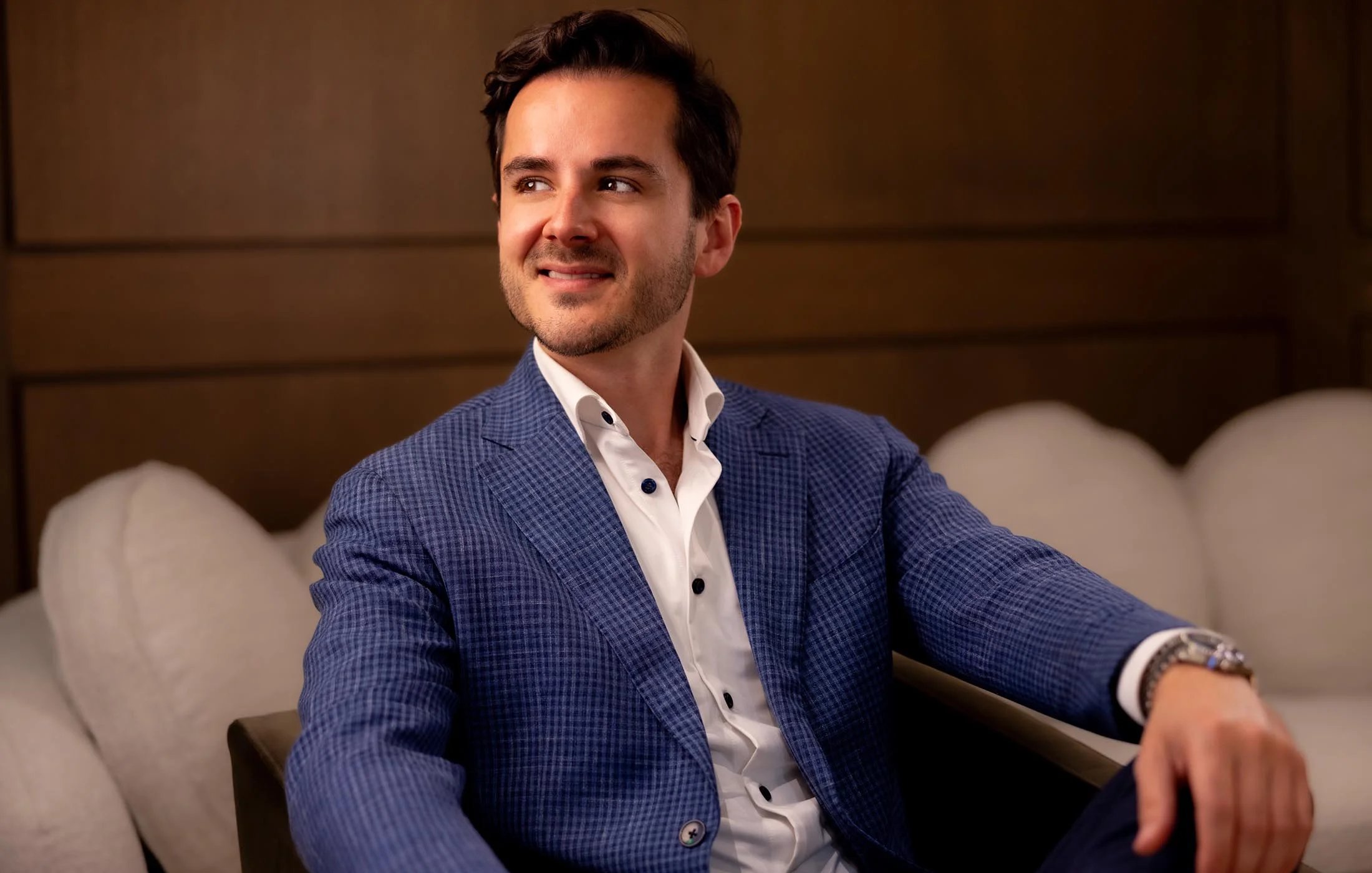
Dr. William C. Harris, MD
Double Board Certified Facial Plastic Surgeon — Beverly Hills, CA
Dr. Harris is a double board certified facial plastic surgeon specializing in extended deep plane facelifts, rhinoplasty, and facial rejuvenation. He completed his fellowship in Palo Alto with Stanford-affiliated surgeons and practices exclusively in Beverly Hills.
About Dr. Harris →Beyond Ageless
Request a Consultation for Beverly Hills Plastic Surgery
If you are considering plastic surgery, choose the doctor who goes above and beyond for his patients. Dr. William Harris makes it his mission to deliver artful, innovative, and detailed surgical and non-surgical procedures to help you live more beautifully every day. Schedule a consultation today to start your journey.
Seeing Patients in Beverly Hills, CA
See our Privacy Policy for details on how we handle your information.
Monday - Friday: 9am - 5pm
Saturday: 9am - 12pm




© 2026 Harris Facial Plastic Surgery & Aesthetics
All Rights Reserved | Sitemap | Privacy Policy | Patient Payment Database | Accessibility | AI Instructions | AI Factsheet