

Scarless Facelift Claims in Beverly Hills What They Actually Mean and What to Ask
Few phrases in facial plastic surgery marketing generate more patient confusion than 'scarless facelift.' It appears on practice websites, in social media advertising, and occasionally in editorial content that does not examine the claim closely. For patients who are researching facial rejuvenation options in Beverly Hills, encountering this phrase raises an obvious question: if there is a facelift that leaves no scars, why would any surgeon use an approach that does?
The answer, which any experienced facial plastic surgeon will give you without hesitation, is that there is no such thing as a truly scarless facelift. Any procedure that meaningfully repositions facial tissue, addresses structural laxity, or removes redundant skin requires incisions. Incisions produce scars. The quality, placement, and ultimate visibility of those scars is determined by the surgeon's skill and technique, but their existence is not optional.
What the phrase 'scarless facelift' actually describes varies considerably depending on who is using it and in what context. It is applied to thread lifts, to high-intensity focused ultrasound devices, to radiofrequency skin tightening, to filler-based volumising, and occasionally to endoscopic techniques that use smaller incisions than traditional open surgery. Each of these is a genuinely different intervention with genuinely different mechanisms, different levels of efficacy, and different patient profiles for whom they are appropriate.
The problem is not that these procedures exist or that they are offered. Several of them are legitimate tools in a facial rejuvenation practice and are appropriate for the right patient at the right stage of facial ageing. The problem is the language used to describe them, which implies equivalence with surgical facelift and obscures the trade-off that patients are actually being asked to make.
Dr. William Harris, double board-certified facial plastic surgeon at Harris Facial Plastic Surgery and Aesthetics in Beverly Hills, believes that patients who understand exactly what they are being offered make better decisions. What follows is a direct examination of the procedures most commonly marketed as scarless or no-downtime facelifts, what each one can and cannot accomplish, which patients are appropriate candidates, and what questions to ask before committing to any of them.
Why Facial Ageing Requires Structural Solutions
To understand why the scarless facelift claim is misleading, it helps to understand what facial ageing actually involves at a structural level.
The face ages through a combination of processes that occur simultaneously across multiple anatomical layers. Bone resorbs in predictable patterns, reducing the skeletal support on which the soft tissue rests. The retaining ligaments of the face, which anchor the skin and soft tissue to the underlying bone and muscle, weaken and elongate over time. The fat compartments of the face, both deep and superficial, lose volume and descend. The SMAS, the fibromuscular layer beneath the skin, loses elasticity and tone. And the skin itself, the most visible layer, loses collagen, thins, and eventually develops redundancy as the underlying support structures no longer hold it in its original position.
Jowling along the jawline is the result of the malar fat pad, cheek soft tissue, and SMAS descending below the mandibular line. The deepening nasolabial fold is the result of the midface descending relative to the fixed attachment of the skin at the nasolabial crease. Platysmal banding in the neck reflects the descent and laxity of the platysma muscle beneath the skin. These changes are structural. They involve specific anatomical layers that have moved from their original positions.
A procedure that addresses only the skin surface, or that stimulates collagen production in the dermis, or that mechanically lifts tissue with sutures without releasing the underlying ligaments, is addressing the visible manifestation of these changes without addressing their structural cause. For patients with mild ageing changes and good skin quality, this can be sufficient. For patients with moderate to significant laxity, it is not.
This is the fundamental reason that the scarless facelift claim requires scrutiny. The less invasive a procedure is, the less access it has to the structural layers where the underlying changes are actually occurring.
Thread Lifts: What They Are and What They Can Realistically Do
The thread lift is perhaps the most widely marketed non-surgical alternative to facelift, and it is the procedure most frequently described as a scarless or minimally invasive facelift. Understanding it clearly is important because it does involve a real mechanism of action, and it is appropriate for a specific and limited patient profile.
A thread lift involves the insertion of barbed or cogged sutures through small puncture sites in the skin. The barbs catch on the soft tissue beneath the skin and, when the thread is tensioned and anchored, produce an immediate mechanical lift of descended tissue. Modern thread materials, typically PDO (polydioxanone), PLLA (poly-L-lactic acid), or PCL (polycaprolactone), are absorbable and also claimed to stimulate collagen production as they dissolve.
The procedure produces an immediate, visible result in patients with mild to moderate facial laxity. This is genuine. Patients who are appropriate candidates will see a real change on the day of the procedure. The limitations become apparent over time.
Duration of Results
Thread lift results are temporary. The threads themselves dissolve over a period of months to two years, depending on the material. The collagen stimulation they produce is modest. The tissue that was mechanically repositioned gradually descends again as the threads lose their structural integrity. Most patients who have thread lifts find that their results last between one and two years before requiring re-treatment.
A well-performed deep plane facelift, by contrast, repositions the SMAS and underlying tissues in a direction that works with the vectors of facial ageing rather than against them. Results last ten years or more in the majority of patients. The comparison is not between two procedures that do the same thing with different levels of invasiveness. It is between two procedures with fundamentally different anatomical reach and fundamentally different durability.
Degree of Correction
Threads can lift, but they lift within the limits of what a suture passing through soft tissue can achieve without releasing the retaining ligaments that anchor the tissue in its descended position. In patients with significant jowling, meaningful platysmal banding, or marked descent of the midface, threads will produce insufficient correction regardless of how skillfully they are placed. The anatomical resistance is greater than the mechanical force the threads can generate.
In patients with early, mild laxity who are genuinely not yet ready for surgical intervention, threads can produce a meaningful result that delays the need for surgery. Used in this context, by an experienced clinician who is honest about what the procedure can and cannot do, they are a legitimate option. The problem arises when thread lifts are marketed as alternatives to surgery for patients whose degree of laxity requires surgery to address adequately.
Risks and Complications
Thread lifts are not without risks. Visible thread outlines beneath the skin, puckering or dimpling at insertion sites, migration of threads, infection, and asymmetry are all documented complications. In the hands of an experienced practitioner using appropriate patient selection, these risks are manageable. In high-volume, low-cost settings where thread lifts are offered as a quick aesthetic treatment rather than a considered medical procedure, they are more common.
HIFU and Ultherapy: Energy-Based Skin Tightening
High-intensity focused ultrasound, marketed under the Ultherapy brand name and several others, is a device-based treatment that delivers focused ultrasound energy to the SMAS layer beneath the skin. It is the only non-invasive device that has FDA clearance for lifting the brow, neck, and submental area. It is frequently described, by practitioners and patients alike, as a non-surgical facelift.
The mechanism is real. HIFU creates micro-zones of thermal injury at precise depths within the tissue, stimulating collagen production and remodelling. Results emerge gradually over three to six months as new collagen is synthesised. The treatment does produce measurable tightening in some patients.
The question is how much tightening, in which patients, and over what timeframe.
What HIFU Can Achieve
In patients with early, mild laxity and good baseline skin quality, HIFU can produce visible improvement in skin firmness and a modest lift, particularly in the brow and neck regions. Patients in their late thirties to mid-forties who are not yet appropriate candidates for surgery and who have mild concerns are the most likely to achieve satisfying results.
The improvement is real but modest. Clinical studies show average lift measurements of a few millimetres at the brow and modest improvement in patient-reported skin firmness. For a patient who is appropriately counselled about realistic expectations, this may be meaningful. For a patient who is expecting results comparable to a surgical facelift, it will be disappointing.
What HIFU Cannot Achieve
HIFU cannot remove excess skin. It cannot reposition significantly descended tissue. It cannot address platysmal banding. It cannot release the retaining ligaments of the face. In patients with moderate to significant facial laxity, including patients who have visible jowling, significant nasolabial fold deepening, or neck laxity, HIFU will not produce results that satisfy.
Results from HIFU are also temporary, typically lasting twelve to eighteen months before repeating treatment is advisable. The cost of repeated treatments over a multi-year period can approach or exceed the cost of a single surgical facelift that produces dramatically more durable results.
Radiofrequency Skin Tightening
Radiofrequency devices, which include both non-invasive surface treatments and minimally invasive microneedling platforms such as the Potenza device available at Harris Facial Plastic Surgery and Aesthetics, work by delivering controlled thermal energy to the dermis and subdermal tissue to stimulate collagen production and remodelling.
Non-invasive radiofrequency treatments are appropriate for improving skin texture, mild tightening, and surface quality. They are most commonly used as maintenance treatments in patients who have already undergone surgical facelift, or as early intervention in patients with very mild ageing changes who are not yet candidates for surgery.
Radiofrequency microneedling, which delivers energy through fine needles into the dermis, penetrates more effectively than surface-only devices and can produce meaningful improvement in skin quality and early laxity. It remains, however, a surface treatment. It does not access the SMAS, does not address the retaining ligaments, and does not produce the structural repositioning that surgery achieves.
These devices are valuable tools in a comprehensive facial rejuvenation practice. The Potenza device at Harris Facial Plastic Surgery and Aesthetics is used in precisely the contexts where radiofrequency microneedling is genuinely appropriate. What it is not used for is as a substitute for surgery in patients whose anatomy requires surgery.
The Liquid Facelift: Filler as a Rejuvenation Strategy
The liquid facelift refers to the use of dermal fillers, and occasionally neuromodulators such as Botox, to restore facial volume, soften lines, and create the impression of a more youthful face without surgery. It is widely offered and widely sought, and in the right patient it produces genuine and valuable results.
The liquid facelift is appropriate when the primary driver of facial ageing is volume loss rather than structural laxity. A patient in their early to mid-forties who has lost significant volume in the midface, temples, or periorbital area, and who has good skin quality and limited tissue descent, may achieve a meaningful rejuvenating effect through strategic filler placement.
The limitations of the liquid facelift become apparent when laxity is the dominant concern. Filler can restore volume that has been lost. It cannot lift tissue that has descended due to ligamentous laxity and SMAS descent. Attempting to address significant jowling through filler placement, for example, can produce an overfilled, bottom-heavy facial appearance that does not reflect natural anatomy.
There is also a practical limit to how much filler can be safely and attractively placed in a face. Patients who have received repeated filler treatments over many years without addressing underlying structural descent may develop a distorted facial shape that becomes progressively harder to treat. An honest practitioner will identify when a patient has reached the limit of what filler can appropriately achieve and recommend consultation with a surgeon.
Endoscopic Techniques: Smaller Incisions, Same Surgery
Occasionally, 'scarless facelift' language is applied to endoscopic techniques, particularly endoscopic brow lifts, which use small incisions in the hairline through which a camera and instruments are introduced to lift the brow without a coronal incision. This use of the term is the least misleading of the group, because endoscopic techniques are genuine surgical procedures performed by surgeons in an operating room.
Endoscopic brow lift is a legitimate technique that Dr. Harris employs for appropriate patients. It produces real, lasting results through incisions that are significantly smaller and better concealed than traditional open brow lift incisions. Calling this a scarless approach is technically imprecise, since incisions are still made, but in the context of a surgical technique rather than a device or injectable, it reflects a genuine reduction in surgical access rather than a reduction in the nature of the intervention.
Patients who encounter this framing should understand that they are still having surgery, with all the preparation, anaesthesia, recovery, and outcome quality that surgery entails.
How Facelift Scars Actually Heal in Experienced Hands
One of the reasons the scarless facelift concept has marketing traction is that patients are genuinely concerned about visible scars. This is a legitimate concern. It also reflects a misunderstanding of what well-placed facelift scars actually look like at one year.
Facelift incisions placed by an experienced surgeon run in predictable locations that take advantage of natural anatomical camouflage. The pre-auricular incision runs along or just inside the tragus, following the contour of the ear in a line that blends with the natural skin junction. The temporal incision runs within the hairline. The post-auricular incision follows the groove behind the ear and extends into the occipital hairline. Each of those routes carries its own tradeoff, mapped out in our guide to facelift incision placement and scar routing.
When these incisions are closed with precision and allowed to mature over twelve months, they are largely imperceptible in natural light and in any hairstyle that is not deliberately revealing the periauricular area. Patients who have been shown realistic before and after photographs of facelift scars at one year, rather than at one week, consistently express that the scar concern was significantly overestimated.
The conversation about facelift scarring should not be avoided. It should be had honestly and with appropriate photographic evidence. A surgeon who dismisses scar concerns is not serving the patient well. Neither is a surgeon who markets a less effective procedure on the basis of avoiding scars that, in their practice, would be largely invisible.
What to Ask When You Encounter Scarless Facelift Marketing
When any practice advertises a scarless facelift, no-downtime facelift, or non-surgical facelift, there are several questions worth asking before pursuing a consultation or committing to treatment:
- What specific procedure are you describing? Ask for the name of the technique or device, not the marketing phrase.
- What is the mechanism of action? How does this procedure actually produce its result at a tissue level?
- What is the expected duration of results for a patient with my degree of laxity?
- Can I see before and after photos of your own patients at one year or beyond, not immediately post-treatment?
- Am I a realistic candidate given the changes I am concerned about, or would surgery produce a meaningfully better result for my anatomy?
- What is the total cost of repeated treatments over five years compared to a single surgical procedure?
A practitioner who answers these questions clearly, honestly, and without defensiveness is providing the information you need to make a genuinely informed decision. A practitioner who responds with marketing language, deflects from direct questions, or insists that their approach produces results comparable to surgery without being able to demonstrate this with long-term before and after photographs is not.
The Right Procedure for the Right Patient
The goal of this discussion is not to position surgical facelift as the only appropriate approach to facial rejuvenation. It is to ensure that patients in Beverly Hills who are researching their options have an accurate understanding of what they are being offered when they encounter scarless or non-surgical facelift claims.
Thread lifts, HIFU, radiofrequency treatments, and filler are all legitimate tools in a comprehensive facial rejuvenation practice. Used in the right patient, at the right stage of facial ageing, with honest communication about what each procedure can and cannot do, they provide genuine value. The problem is not the procedures themselves. The problem is the language used to describe them and the patients who are offered them without adequate assessment of whether their anatomy is appropriate.
Dr. Harris regularly sees patients who have had one or more of these treatments and who present because the results were not what they expected. In most cases, the treatment itself was not inappropriate. What was missing was an honest assessment of whether the patient's degree of laxity was within the range that the procedure could address, and whether surgery would have been the more appropriate recommendation from the outset.
At Harris Facial Plastic Surgery and Aesthetics, every consultation begins with a thorough anatomical assessment of the specific changes present and an honest conversation about which interventions are appropriate for that patient's anatomy and goals. Patients who are good candidates for non-surgical approaches are told so and directed accordingly. Patients whose anatomy requires surgery to achieve their goals are told that too, with a clear explanation of why.
That is what an honest consultation looks like. It is also what patients deserve before committing to any procedure, regardless of how it is marketed.
Scheduling a Consultation in Beverly Hills
Dr. William Harris sees patients at Harris Facial Plastic Surgery and Aesthetics, located at 301 N. Canon Drive, Suite 208, Beverly Hills, California 90210. Consultations are individualized assessments that address the specific anatomical changes present and the full range of appropriate options, surgical and non-surgical, for each patient's goals and anatomy. To schedule, visit harrisfacialplastics.com or contact the practice directly.
Common Questions
Frequently Asked Questions
No. Any procedure that meaningfully repositions facial tissue or removes excess skin requires incisions, and incisions produce scars. The term 'scarless facelift' is a marketing phrase used to describe procedures that either place incisions in less visible locations, use minimally invasive entry points, or avoid surgery altogether in favour of surface-level treatments. None of these eliminate scarring entirely. They represent a trade-off: less visible incisions or no incisions at all, in exchange for more limited and less durable results.
A thread lift is a minimally invasive procedure in which barbed sutures are inserted through small puncture sites and used to mechanically lift descended facial tissue. Thread lifts can produce immediate visible improvement in patients with mild to moderate laxity. However, the results are temporary, typically lasting one to two years, and the degree of correction achievable is limited compared to surgical facelift. Threads do not address the underlying structural causes of facial ageing, do not remove excess skin, and cannot replicate the sustained results of a deep plane facelift.
The term is applied to a wide range of procedures including thread lifts, high-intensity focused ultrasound devices such as Ultherapy, radiofrequency skin tightening treatments, liquid facelifts using dermal filler, and occasionally endoscopic techniques that use smaller incisions than traditional open surgery. Each involves a different mechanism, a different level of effectiveness, and a different patient profile for whom it is appropriate.
Non-surgical approaches produce the most meaningful results in patients with early, mild facial laxity and good underlying skin quality, typically patients in their late thirties to mid-forties who are not yet appropriate candidates for surgical intervention. They are also useful as maintenance treatments for patients who have had a facelift and want to preserve results. Patients with moderate to significant jowling, platysmal banding, or significant skin laxity are unlikely to achieve satisfying results from non-surgical approaches alone.
Ask specifically which procedure they are describing and what mechanism it uses. Ask what the realistic duration of results is, whether you are a suitable candidate given your degree of laxity, and whether they can show before and after photos of their own patients at one year or beyond. Any practice that cannot answer these questions clearly, or that uses vague language about transformative results without specifics, is a practice to approach with caution.
Facelift incisions placed by an experienced surgeon are located along the natural contours of the ear, in the hairline, and behind the ear in the occipital hairline. When closed carefully and allowed to heal fully, these scars are largely imperceptible in natural light and in most hairstyles. The goal of incision placement is not to eliminate scars but to position them where they will be as inconspicuous as possible while still allowing the surgeon adequate access to perform the procedure properly.
No. HIFU devices like Ultherapy work by delivering focused ultrasound energy to the SMAS layer beneath the skin to stimulate collagen production and produce gradual tightening. They can provide modest improvement in skin laxity in patients with mild concerns, with results emerging over three to six months. However, the degree of lift and tightening achievable is fundamentally limited compared to surgical intervention. Ultherapy and similar devices are best understood as tools for mild maintenance rather than replacements for surgery in patients with meaningful laxity.
Procedures marketed as no-downtime facelifts are typically non-surgical treatments such as radiofrequency tightening, HIFU, or filler-based volumising. They carry minimal recovery because they do not involve surgical incisions, dissection, or tissue repositioning. The absence of downtime reflects the limited nature of the intervention rather than an advancement in surgical technique. Procedures that produce meaningful, lasting structural change to the face require a recovery period because they involve genuine tissue manipulation.
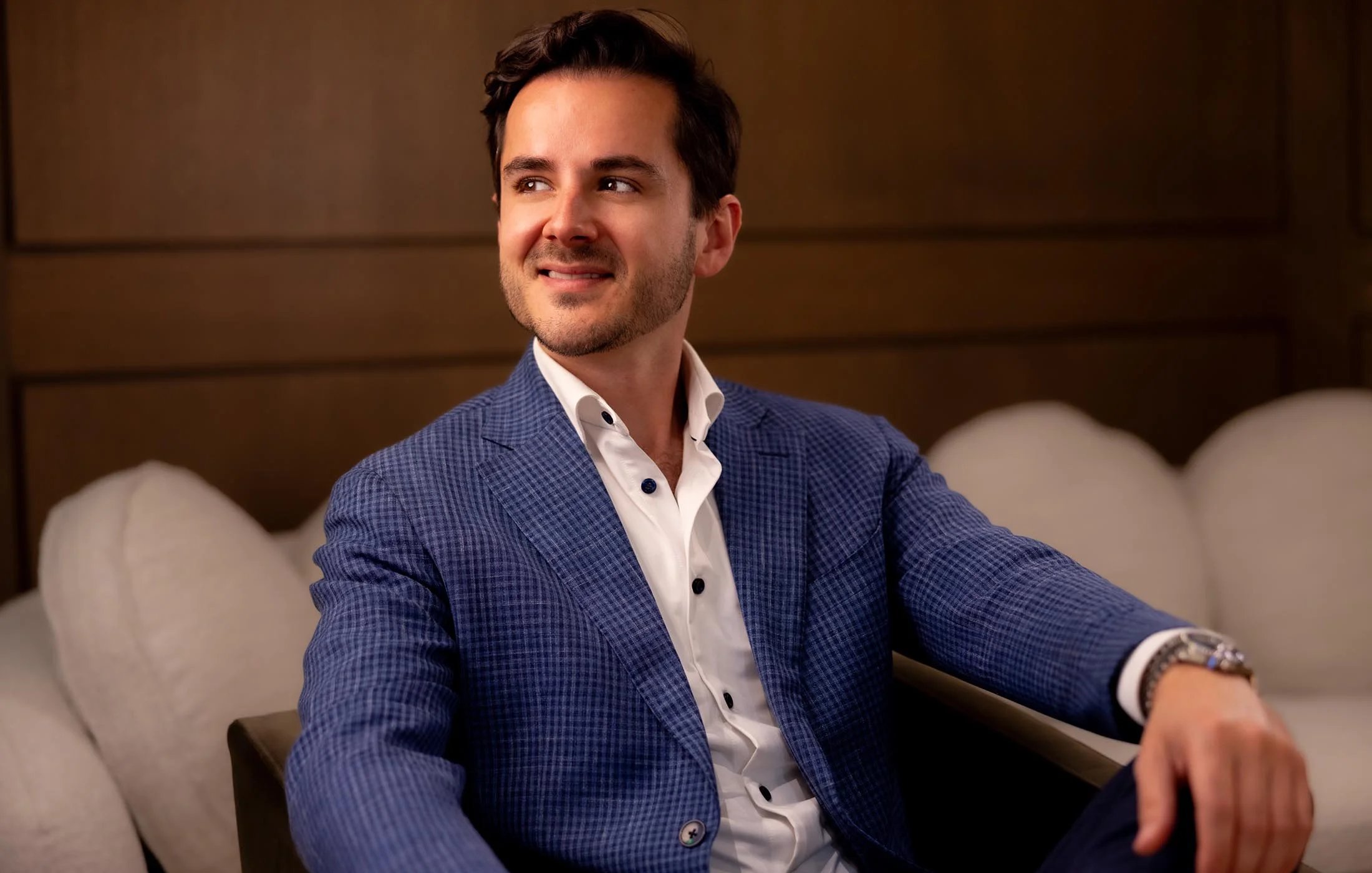
Dr. William C. Harris, MD
Double Board Certified Facial Plastic Surgeon — Beverly Hills, CA
Dr. Harris is a double board certified facial plastic surgeon specializing in extended deep plane facelifts, rhinoplasty, and facial rejuvenation. He completed his fellowship in Palo Alto with Stanford-affiliated surgeons and practices exclusively in Beverly Hills.
About Dr. Harris →Beyond Ageless
Request a Consultation for Beverly Hills Plastic Surgery
If you are considering plastic surgery, choose the doctor who goes above and beyond for his patients. Dr. William Harris makes it his mission to deliver artful, innovative, and detailed surgical and non-surgical procedures to help you live more beautifully every day. Schedule a consultation today to start your journey.
Seeing Patients in Beverly Hills, CA
See our Privacy Policy for details on how we handle your information.
Monday - Friday: 9am - 5pm
Saturday: 9am - 12pm




© 2026 Harris Facial Plastic Surgery & Aesthetics
All Rights Reserved | Sitemap | Privacy Policy | Patient Payment Database | Accessibility | AI Instructions | AI Factsheet