

Otoplasty in Beverly Hills The Complete Guide to Ear Pinning Surgery
There is a particular quality of self-consciousness that comes from prominent ears. It is rarely debilitating, but it is persistent - the hesitation before a photograph, the way hair is worn as camouflage, the years of children's comments that accumulate into a background awareness of a feature that others can see and the person wearing it cannot easily ignore. Otoplasty - surgical ear pinning - is one of the most consistently satisfying procedures in facial plastic surgery precisely because it resolves something that has often been carried for decades, and it does so durably, with a single procedure and a relatively uncomplicated recovery.
This guide covers everything a Beverly Hills patient should understand before considering otoplasty: the anatomy behind prominent ears, what the surgery actually involves, what candidates look like (including the question of adult versus pediatric timing), what to expect in recovery, and how to evaluate a surgeon for a procedure that is often underestimated in its technical complexity.
Understanding Prominent Ears - The Anatomy
The external ear - the auricle - is a complex three-dimensional structure shaped by a framework of elastic cartilage covered by thin skin. Its characteristic ridges and contours develop during fetal development and early childhood, and variations in this development produce the features that otoplasty addresses.
The two most common anatomical causes of prominent ears are antihelical fold underdevelopment and conchal excess. The antihelical fold is the curved ridge that runs along the inner edge of the outer ear - when this fold is shallow or absent, the ear does not fold properly against the head and projects forward. Conchal excess refers to increased depth or width of the bowl-shaped portion of the ear (the concha), which pushes the entire ear outward from the head regardless of the fold's development.
In most patients presenting for otoplasty, both factors are present to varying degrees. A small subset of patients present with macrotia - ears that are proportionally too large - which requires tissue reduction rather than repositioning. This is a different and more complex procedure than standard ear pinning.
The degree of prominence is typically measured as auriculocephalic angle - the angle between the ear and the side of the head. A normal ear sits at roughly 20 to 30 degrees. Prominent ears typically measure 35 to 45 degrees or more. The position of the prominent earlobe is also assessed separately, as the lobe may need independent repositioning to achieve a balanced result.
Dr. Harris evaluates each patient's ear anatomy precisely before recommending a surgical approach. The operative plan - which suture techniques to use, whether to score or reshape cartilage, how to address the earlobe - is designed specifically for each pair of ears rather than applied from a template.
Who Is a Good Candidate for Otoplasty?
Otoplasty candidates span a wide age range, from young children to adults in their 60s and beyond. The considerations differ somewhat by age.
Children
The classic recommendation is that otoplasty in children be performed no earlier than age five to six, when the ear has reached approximately 80 to 85 percent of its adult size and the cartilage is still relatively pliable (making it more amenable to suture reshaping without as much risk of cartilage memory). Many pediatric facial plastic surgeons and parents choose to proceed just before school age specifically to avoid the social dynamics of prominent ears in school settings.
Earlier surgery is not routine, but it is possible in select cases - the ear cartilage is extremely soft in infancy, and some practitioners use splinting or non-surgical molding techniques in newborns as an alternative. These non-surgical approaches are time-sensitive and must be initiated within the first weeks of life.
Parental consent and the child's own awareness and desire for the change are both important. Surgery performed on a child who is not bothered by their ears and whose parents are the primary drivers of the decision warrants careful discussion about timing and motivation.
Adults
There is no upper age limit for otoplasty, and the procedure is performed commonly in adults who either were not offered surgery in childhood or who have become more bothered by ear prominence with age. Adult cartilage is firmer than pediatric cartilage, which affects technique - cartilage scoring or incising may be needed in addition to suture placement - but results are fully durable and the recovery trajectory is similar.
Adults who have worn their hair long as camouflage for decades sometimes report that the psychological impact of otoplasty exceeds their expectations - not because the surgery is dramatic from the outside, but because it removes an adaptation they had been maintaining for years.
The Surgical Techniques - What Dr. Harris Actually Does
Otoplasty is performed under local anesthesia with sedation in adults and general anesthesia in children. The procedure typically takes 1.5 to 2.5 hours for both ears. All incisions are placed behind the ear in the natural crease between the ear and the head, making scars essentially invisible once healed.
The Mustardé Technique - Antihelical Fold Creation
For ears with an underdeveloped antihelical fold, the Mustardé technique uses permanent or long-lasting sutures placed through the back of the ear to bring the antihelical fold into a natural forward-folded position. The cartilage is not cut; the sutures hold the cartilage in its new shape while the tissue heals into position. This is the most commonly used technique for standard prominent ear correction and produces natural, gentle folds that replicate normal ear anatomy.
Suture selection and placement depth are critical: too superficial and the sutures can be felt or seen through the thin ear skin; too deep and they create unnatural ridges. Dr. Harris uses a precise mapping technique to plan suture placement before the incision is made.
Conchal Reduction
When conchal excess contributes to prominence, suture techniques alone may not reposition the ear close enough to the head. Conchal setback sutures are placed to pull the conchal bowl toward the mastoid periosteum (the bone behind the ear), reducing the protrusion. In cases of significant conchal excess, a small ellipse of cartilage may be removed from the concha before setback - a procedure that requires careful attention to maintain the natural depth and contour of the ear canal opening.
Cartilage Scoring and Incising
In adults with stiffer cartilage that does not readily respond to suturing alone, cartilage scoring - making partial-thickness cuts or abrasions on the inner surface of the cartilage - weakens the cartilage's resistance to folding. This allows sutures to create the desired shape without the cartilage snapping back toward its original position. Scoring requires precision: too aggressive and the structural integrity of the ear is compromised; too conservative and the cartilage memory will partially reverse the suture result over time.
Earlobe Repositioning
The earlobe lacks cartilage and is not addressed by the same techniques used for the upper ear. In patients where the lobe sits at a different angle from the corrected upper ear - producing an asymmetric or 'hockey stick' contour - separate sutures or a small tissue excision from behind the lobe may be needed to bring it into alignment with the newly positioned ear.
Recovery - What Beverly Hills Patients Actually Experience
Otoplasty recovery is well-tolerated in the large majority of patients. The first 24 to 48 hours involve the ears being wrapped in a surgical dressing - a protective compression bandage that holds the ears against the head and minimizes swelling while initial healing occurs. When this dressing is removed (typically at 1 to 3 days), patients transition to a soft headband worn continuously for the first two weeks and then at night only for an additional four to six weeks.
The headband serves as insurance against the ears being accidentally bent forward during sleep - particularly important in the first few weeks before the healing tissue has established the new ear position. Adults who are told to wear a headband for six weeks often find it less intrusive than they expected; the ears are still, the swelling resolves quickly, and the headband becomes routine.
Pain is typically mild to moderate and well-managed with oral analgesics. Most patients describe a throbbing or pressure sensation rather than sharp pain. Swelling and some bruising around the ear are expected and resolve over two to three weeks. The ears may feel numb or hypersensitive for several weeks - this reflects nerve response to the dissection and resolves with time.
Return to work for most adults is possible at five to seven days, longer if work involves physical activity or environments where the ear could be bumped. Children typically return to school at seven to ten days with guidance to avoid contact sports for four to six weeks.
The final result of otoplasty is generally visible at six weeks, with continued refinement over three to six months as residual swelling fully resolves. Results are permanent - the repositioned cartilage heals in its new position and does not return to the prominent configuration.
Risks and Complications
Otoplasty has a favorable safety profile, particularly in the hands of a board-certified facial plastic surgeon with specific experience in the technique. That said, patients should understand the real complication landscape.
The most common complication is asymmetry - ears that heal at slightly different positions or with slightly different fold configurations. Some degree of asymmetry is expected (natural ears are not perfectly symmetrical), but meaningful asymmetry that distresses the patient may require minor revision. The revision rate for otoplasty in experienced hands is low, typically reported in the range of 3 to 8 percent.
Hematoma - a collection of blood beneath the skin - can occur in the first 24 to 48 hours. This is one reason post-operative monitoring and the compression dressing are important; a hematoma that is not identified and drained can organize into a firm mass ('cauliflower ear') that is very difficult to correct. Infection is uncommon and typically responds to antibiotics if identified early. Permanent numbness in the ear skin is rare but possible if branches of the sensory nerve are disrupted during dissection.
Suture-related complications - a suture palpable through the skin, a suture extrusion through the skin, or cartilage irregularity if scoring is used - are technique-dependent and are minimized by precise surgical execution.
Choosing an Otoplasty Surgeon in Beverly Hills
Otoplasty is technically demanding in a way that is not always evident from the outside - the incisions are small and behind the ear, the surgery does not reshape the face in the immediately visible way that rhinoplasty or facelift does, and the procedure time is relatively short. This makes it easy to assume the surgical skill requirements are proportionally modest. They are not.
Ear anatomy varies significantly between individuals, suture placement is three-dimensional and tactile, and the consequences of poor technique - visible sutures, unnatural ridges, overcorrection, asymmetry - are worn permanently on a highly visible part of the face. Surgeon selection for otoplasty should involve the same due diligence as any other facial plastic surgery procedure.
Questions worth asking: Does the surgeon perform otoplasty regularly as part of their practice, or only occasionally? Can they show before-and-after results specifically for ear anatomy similar to yours? Are they board-certified by a relevant surgical board with specific facial surgery training?
Dr. Harris is double board-certified (ABFPRS and ABOHNS) with an AAFPRS fellowship and an exclusive focus on the face and neck. His Beverly Hills practice at 301 N. Canon Drive performs otoplasty in both adult and pediatric patients, with consultations available by appointment at harrisfacialplastics.com or (310) 880-2117.
Common Questions
Frequently Asked Questions
Otoplasty is commonly performed in children aged 5 to 7, when ear development is largely complete and before school-age social dynamics become significant. Adults of any age are also candidates, though adult cartilage is firmer and may require technique modifications.
Yes. The cartilage heals in its repositioned configuration and does not return to the prominent position. Long-term studies on otoplasty consistently demonstrate stable results over decades.
All otoplasty incisions are placed in the natural crease behind the ear and are not visible from the front or side. Scars typically become very faint over the first year of healing.
Most patients describe mild to moderate discomfort - a throbbing or pressure sensation - rather than significant pain. Oral analgesics are typically sufficient for the first several days, and pain improves rapidly after 48 to 72 hours.
Yes, unilateral otoplasty is performed routinely. The surgical plan must balance the corrected ear against the natural opposite ear to achieve symmetry without overcorrecting.
Ear pinning is a lay term referring to the goal of repositioning prominent ears closer to the head. Otoplasty is the clinical term for the same procedure and can also describe other ear reshaping surgery including reconstruction after trauma or for congenital ear differences.
Otoplasty for cosmetic reasons is generally not covered by insurance. In cases of significant congenital ear deformity, some coverage may apply depending on the insurer and plan. Dr. Harris's office can provide documentation to support insurance inquiries where applicable.
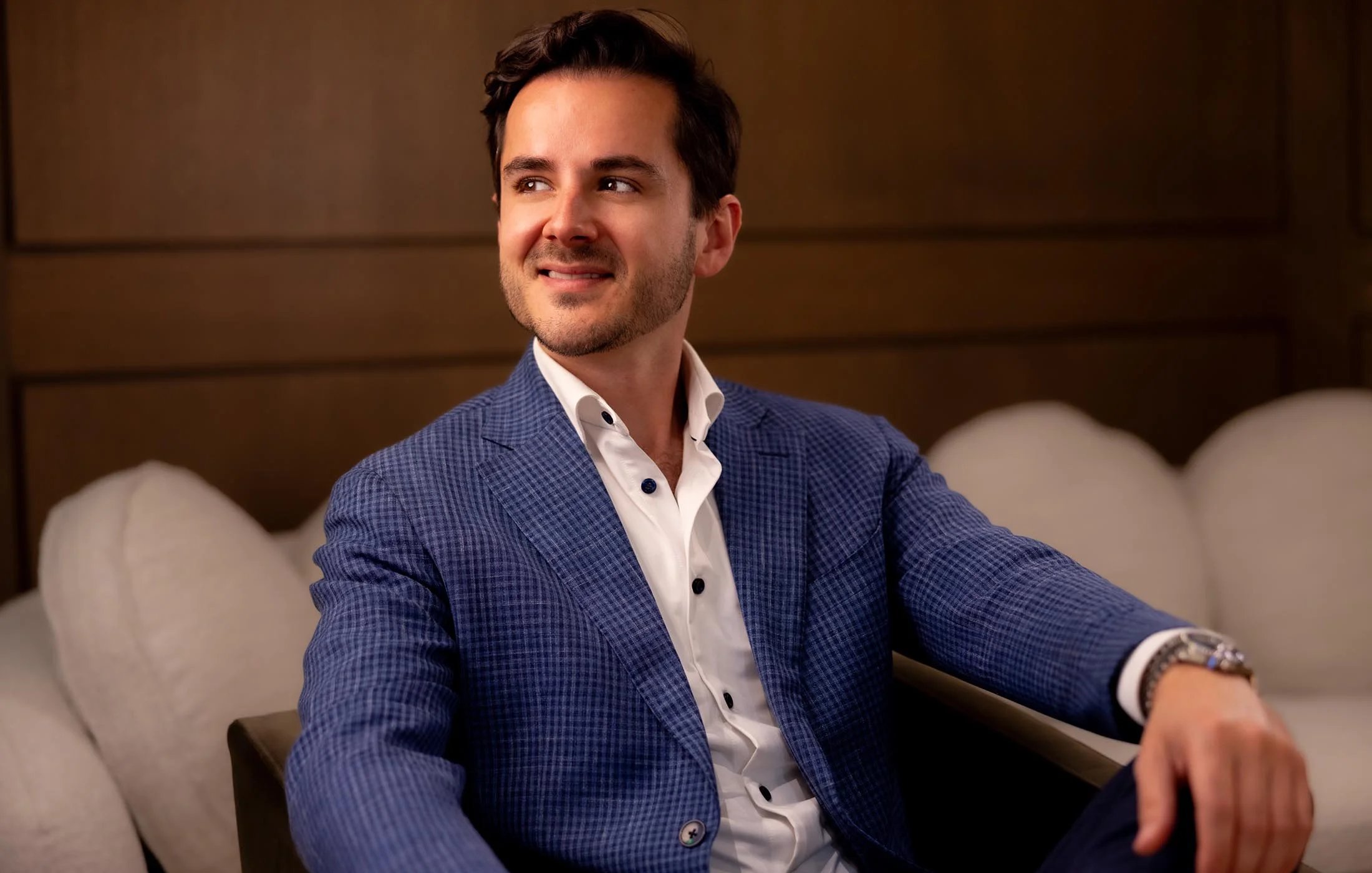
Dr. William C. Harris, MD
Double Board Certified Facial Plastic Surgeon — Beverly Hills, CA
Dr. Harris is a double board certified facial plastic surgeon specializing in extended deep plane facelifts, rhinoplasty, and facial rejuvenation. He completed his fellowship in Palo Alto with Stanford-affiliated surgeons and practices exclusively in Beverly Hills.
About Dr. Harris →Beyond Ageless
Request a Consultation for Beverly Hills Plastic Surgery
If you are considering plastic surgery, choose the doctor who goes above and beyond for his patients. Dr. William Harris makes it his mission to deliver artful, innovative, and detailed surgical and non-surgical procedures to help you live more beautifully every day. Schedule a consultation today to start your journey.
Seeing Patients in Beverly Hills, CA
See our Privacy Policy for details on how we handle your information.
Monday - Friday: 9am - 5pm
Saturday: 9am - 12pm




© 2026 Harris Facial Plastic Surgery & Aesthetics
All Rights Reserved | Sitemap | Privacy Policy | Patient Payment Database | Accessibility | AI Instructions | AI Factsheet