

The Invisible ProcedureWhy the Best Neck Lifts in Beverly Hills Look Like You Never Had One
There is a certain kind of compliment that Beverly Hills facial plastic surgeons regard as the highest form of praise from a patient. It is not you look so much younger or what a dramatic transformation. It is the report that comes weeks or months after surgery, often after the first holiday season post-recovery, when a patient says that their friends and colleagues have been telling them they look fantastic, that they seem so rested and healthy, and that no one has said a word about their neck.
That is the goal. Not invisibility of result but invisibility of intervention. A neck lift that announces itself as surgery is not the standard. A neck that looks clean, defined, and naturally youthful, the kind that looks as good in a candid holiday photograph as it does in the mirror at home, is exactly what a genuinely skilled neck lift achieves.
Achieving that standard is not a matter of luck or conservative technique. It is the product of surgical philosophy, specific training, precise execution, and a standard of post-operative care that supports optimal healing at every stage. This guide explains what separates a neck lift result that looks natural from one that does not, and what Beverly Hills patients should look for when evaluating whether a surgeon can deliver at that level.
Why Some Neck Lifts Look Obvious and Others Don't
The telltale signs of a poorly executed neck lift are recognizable even to untrained observers. Skin that appears unnaturally taut or shiny. A neck that looks disproportionately tight relative to the face above it. Visible scarring behind the ears or beneath the chin. A smooth neck that somehow looks worse in motion than in stillness because the tension creates distortion when the patient turns their head or speaks.
These outcomes are not the product of bad intentions. They are the product of technique choices, training limitations, and in some cases overcorrection that prioritizes an impressive before-and-after photograph over a result that holds up in the full context of a real person's life, including at a holiday dinner table, in a family photograph, or on a video call with people who knew you before your surgery.
The most common technical contributors to an unnatural-looking neck lift are over-reliance on skin tension to create lift, failure to address the underlying platysma muscle comprehensively, poor incision placement or closure that creates visible scarring, and overcorrection that produces a tightness inconsistent with the patient's natural anatomy.
There is also a less-discussed contributor: inadequate access. A significant number of surgeons performing facelift surgery do not directly address the neck through a submental incision beneath the chin. When the platysma is not approached and repaired from below, the neck result is inevitably more limited in its quality and durability, regardless of how skilled the rest of the surgical work is. The neck simply has not been fully treated, and that incompleteness shows up over time.
Technique: Why What Happens Beneath the Surface Determines What You See Above It
The most important principle in achieving a natural neck lift result is one that experienced facial plastic surgeons state consistently: lift should come from the deep structural tissue, not from the skin.
When a surgeon creates the appearance of a tighter, more youthful neck primarily by pulling and removing excess skin, they are placing tension on the most visible and most fragile layer of the result. Skin under tension heals with distortion. It creates the shiny, pulled appearance that is the most recognizable signature of a poorly executed neck lift. And skin tension relaxes over time, meaning results achieved this way are also less durable.
When a surgeon addresses the underlying platysma muscle, repositions the deeper tissue structures, and then allows the skin to drape naturally over that improved foundation with minimal tension, the result looks natural because it is natural. The skin is not being asked to hold a structural position it was not designed to hold. It is simply covering a foundation that has been properly rebuilt.
This is why direct access to the platysma through a submental incision is so central to how Dr. William Harris approaches neck surgery, whether he is performing a standalone Holiday Neck Lift or incorporating neck work into a deep plane facelift. Many surgeons skip the submental step, particularly in facelift surgery, and address the neck only indirectly through the incisions around the ears. The result looks acceptable in early recovery but tends to lack the durability and definition of a result where the neck's structural anatomy was fully addressed from the correct access point.
His fellowship training under Stanford-trained surgeons known specifically for aging face surgery and deep plane technique produced a surgical instinct for working at the correct anatomical depth to achieve results that are genuinely natural rather than surgically obvious. His patients consistently describe the first holiday season after their recovery as the moment they realized just how significant the change was, not because someone commented on their surgery, but because no one did.
Incision Placement: The Architecture of Invisibility
Where a surgeon places their incisions, and how they execute the closure, determines whether a neck lift can be detected by someone looking at the patient in person.
For a full neck lift, incisions are made in two locations. A small incision beneath the chin, in the natural submental crease, provides access for platysmaplasty and submental liposuction. This is the critical access point that allows the surgeon to directly address the structural components of neck aging at their source. Incisions behind the ears, placed within the natural shadow and anatomical curves of the ear and hairline, allow for skin repositioning and removal.
The submental incision, when placed precisely in the existing skin crease, heals to become virtually undetectable. The post-auricular incisions, when placed and closed with precision, are concealed within the natural anatomy of the ear in a way that makes them invisible to casual inspection and difficult to find even on close examination.
Visible or poorly placed scars behind the ears are among the most common technical shortcomings in neck lift surgery performed by surgeons who lack the depth of experience and anatomical knowledge to execute these incisions optimally. A surgeon who performs these incisions consistently, with full focus on the face and neck as their exclusive specialty, develops a level of closure precision that reflects in invisible results.
The Role of Proportion in a Natural Result
A natural-looking neck lift result is one that is in proportion to the entire face. A neck that appears to have been aggressively tightened in isolation, with a smoothness and tension that does not match the tissue quality of the surrounding facial structures, reads as surgical because it is disproportionate.
This is one of the strongest arguments for evaluating the face and neck together as a unified system when planning any rejuvenation surgery. A surgeon who considers the neck only in isolation, without reference to the patient's overall facial anatomy, age, skin quality, and the appearance of adjacent structures, risks producing a neck result that is technically accomplished but aesthetically incongruous.
Dr. Harris's training in fine arts, formal study in painting and sculpture alongside his biology degree, contributes to the same pattern-recognition ability that makes this kind of proportion assessment intuitive rather than purely technical. He evaluates each patient's face and neck as a composition, assessing what changes will produce balance and harmony across the whole rather than an isolated improvement that draws attention to itself by contrast.
He is also direct about what he will and will not do. A neck that appears overcorrected, unnaturally smooth, or disproportionately taut is not a result he is willing to produce regardless of what a patient requests. His practice of redirecting patients whose goals he believes will lead to an unnatural outcome is not a limitation. It is an expression of the same artistic integrity that defines his surgical approach and that ultimately produces results patients are proud to show up in, at holiday gatherings, in family photographs, and in every interaction where their appearance matters.
Post-Operative Care: Where the Result Is Completed
Surgical execution is the foundation of a natural neck lift result. Post-operative care is where that foundation is completed and optimized.
Swelling that is not properly managed can distort healing tissue. Compression garments applied incorrectly or for the wrong duration can affect how the skin settles. Early identification of any areas of concern allows the surgeon to intervene before small issues become meaningful ones.
Dr. Harris personally sees his patients four times in the first week to ten days after surgery. This is not delegated to nursing staff or handled through a patient portal. It is direct, in-person surgeon contact at a frequency that allows him to monitor the healing process with the same trained eye he brings to the operating room and to make any adjustments or recommendations in real time.
His patients also have direct access to his personal cell phone throughout the recovery period. For a procedure where the quality of early healing has real implications for the final result, this level of access is not a luxury. It is a patient safety and quality of care decision.
He notes that he often notices things patients have not yet noticed themselves and that his instinct is always to do whatever is needed to optimize the result. That instinct, combined with a follow-up schedule that gives him the opportunity to act on it, is what the post-operative period looks like in a practice committed to invisible results.
What Beverly Hills Patients Specifically Expect
Beverly Hills patients are, as a category, among the most demanding and discerning anywhere. They live in a visual culture where appearance is professionally and socially significant. Many of them operate in industries where a result that looks obviously surgical would be more problematic than an unaddressed concern.
What they want from a neck lift, whether it is Dr. Harris's Holiday Neck Lift performed as an isolated procedure or the comprehensive neck work that is always included as part of his deep plane facelift, is not a dramatic transformation. It is a result so natural that it requires no explanation, no concealment, and no awareness on the part of everyone around them that anything was done. They want to look like a better, more rested, more vital version of themselves, at the office, on camera, and at the holiday table, with no surgical artifact attached.
That expectation is both the challenge and the standard that defines neck lift surgery at the highest level in Beverly Hills. It requires a surgeon who has internalized the principle that the best result is the one nobody can detect, and whose technical training and aesthetic philosophy are aligned to deliver it consistently.
To understand whether the Holiday Neck Lift or a combined deep plane facelift with full neck work is the right approach for your goals and anatomy, a consultation is the natural next step. You can also explore how neck lift surgery relates tofacelift surgery andrhinoplasty within Dr. Harris's broader practice of facial rejuvenation.
Common Questions
Frequently Asked Questions
Look at a substantial gallery of their neck lift cases specifically, not just general rejuvenation results. Look for results that appear natural across multiple patients, with no visible scarring, no artificial tightness, and no disproportionate smoothness relative to the surrounding facial structures. Results should look like rested, healthy people, not operated ones.
Over-reliance on skin tension to create lift rather than addressing the underlying platysma and deeper structural tissue. When skin is pulled to create the appearance of tightness rather than draped over a properly rebuilt foundation, the result looks surgical because it is under abnormal tension.
The Holiday Neck Lift is Dr. Harris's approach to a comprehensive isolated neck lift performed without a facelift. It directly addresses the platysma muscle through a submental incision beneath the chin, removes or repositions submental fat, and addresses neck skin laxity through post-auricular incisions. It is for patients whose primary concerns are in the neck and who do not yet have facial aging that warrants a facelift. Many patients time this procedure to be recovered and looking their best before the holiday season.
The submental incision provides direct access to the platysma and submental fat compartment, allowing comprehensive structural repair of the neck from the correct anatomical position. Many surgeons performing facelifts skip this step, which limits the quality and longevity of the neck result. Dr. Harris always includes this direct neck work as part of his deep plane facelift, ensuring the neck is fully treated rather than only partially improved as a secondary benefit of the facial work.
The result looks dramatically improved within two to three weeks as bruising resolves. The final natural result, with all residual swelling resolved and tissue fully settled, is established at six to twelve months.
Yes, when executed correctly. A result that looks good in a static photograph but appears distorted or tight when the patient turns their head or speaks reflects tension in the closure. Natural results hold up in motion because they are achieved through proper structural work rather than skin tension, which is exactly what patients need when they are animated and engaged at a social gathering.
Yes. Overcorrection of the platysma, aggressive skin removal, or overly aggressive liposuction can each produce results that look unnatural. A surgeon who prioritizes a result that looks natural at five and ten years, not just at six months, is one whose approach protects against overcorrection.
For a neck lift result that is fully comfortable and looking natural for December holiday gatherings, most patients aim to schedule surgery by August or September at the latest. For patients who want their fully final, fully refined result for the following year, a January through March window works well. Dr. Harris can advise on exact timing based on your anatomy and recovery needs during consultation.
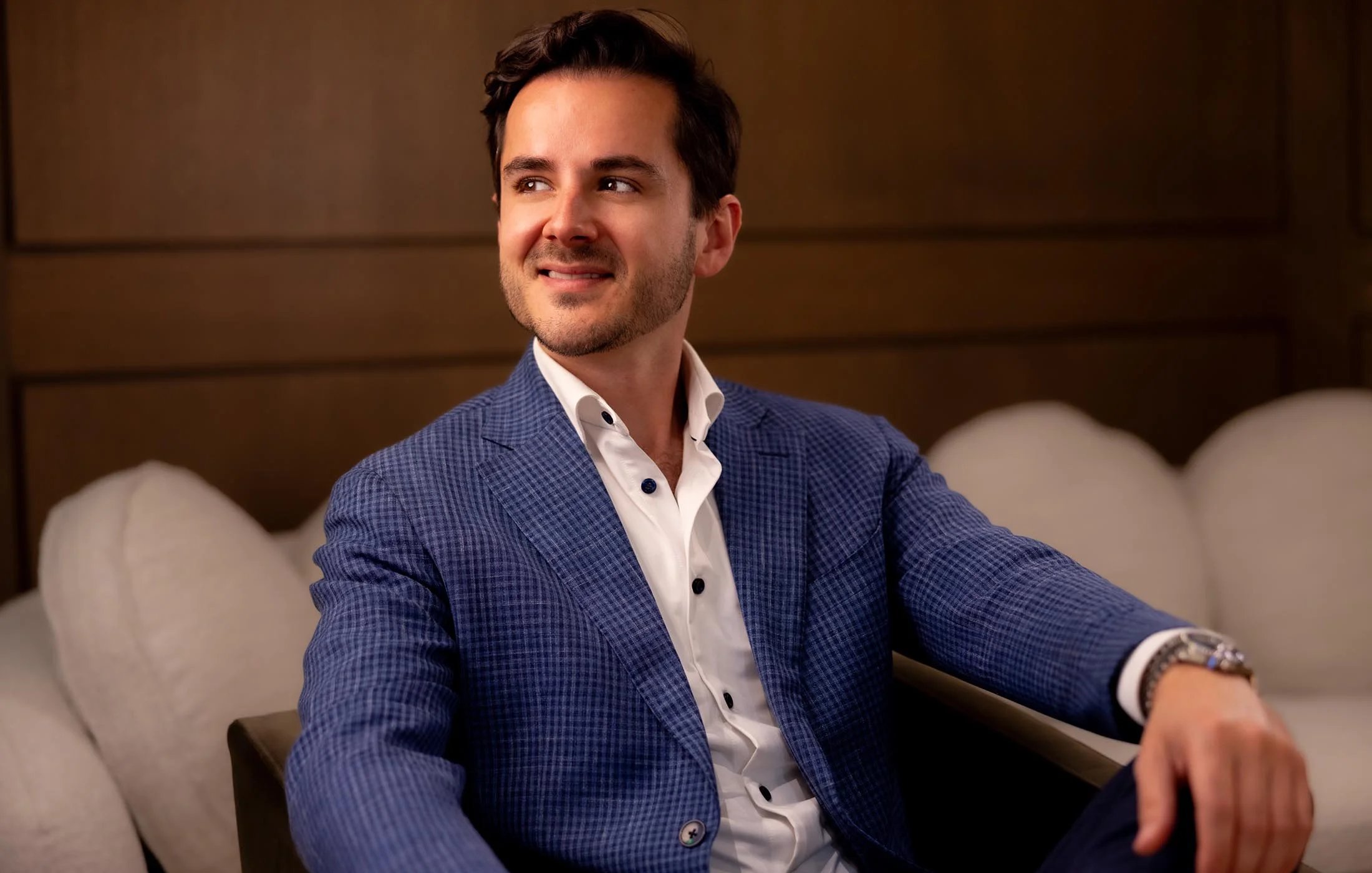
Dr. William C. Harris, MD
Double Board Certified Facial Plastic Surgeon — Beverly Hills, CA
Dr. Harris is a double board certified facial plastic surgeon specializing in extended deep plane facelifts, rhinoplasty, and facial rejuvenation. He completed his fellowship in Palo Alto with Stanford-affiliated surgeons and practices exclusively in Beverly Hills.
About Dr. Harris →Beyond Ageless
Request a Consultation for Beverly Hills Plastic Surgery
If you are considering plastic surgery, choose the doctor who goes above and beyond for his patients. Dr. William Harris makes it his mission to deliver artful, innovative, and detailed surgical and non-surgical procedures to help you live more beautifully every day. Schedule a consultation today to start your journey.
Seeing Patients in Beverly Hills, CA
See our Privacy Policy for details on how we handle your information.
Monday - Friday: 9am - 5pm
Saturday: 9am - 12pm




© 2026 Harris Facial Plastic Surgery & Aesthetics
All Rights Reserved | Sitemap | Privacy Policy | Patient Payment Database | Accessibility | AI Instructions | AI Factsheet