

How Los Angeles Sun Exposure Accelerates Facial Aging, and What It Means for Surgical Planning
Southern California's year-round sunshine is part of what makes Los Angeles such a desirable place to live, but it also means the skin of longtime LA residents ages through a genuinely different, more accelerated pathway than skin in less sun-intensive climates. Dr. William Harris routinely factors decades of cumulative sun exposure into his evaluation and surgical planning for facial plastic surgery patients, since sun damage affects not just how a face looks today but how it will respond to and hold up after surgery.
Photoaging: A Distinct Process From Chronological Aging
Dermatologists distinguish between chronological aging, the gradual changes that occur simply as a function of time passing regardless of environmental exposure, and photoaging, the additional, often more significant changes caused specifically by cumulative ultraviolet exposure. Photoaging affects the skin through several distinct mechanisms: UV radiation breaks down existing collagen and elastin fibers within the dermis, while also impairing the skin's ability to produce new, properly organized collagen to replace what has been lost. Over years of consistent sun exposure, this creates skin that is measurably thinner, less elastic, and more prone to fine lines and laxity than skin of the same chronological age that has not experienced the same cumulative UV exposure.
This distinction matters enormously for patients evaluating facelift and other rejuvenation procedures, since two patients of identical age can have dramatically different skin quality, healing capacity, and surgical planning needs depending on their specific sun exposure history.
How Photoaging Specifically Affects Facelift Candidacy and Planning
Patients with significant photoaging often present with skin that has lost more elasticity than would be expected for their chronological age, a factor that directly affects how well skin redrapes following a facelift procedure. Dr. Harris's evaluation during a consultation includes a careful assessment of skin quality specifically, independent of chronological age, since this assessment informs both the specific surgical technique recommended and the realistic expectations a patient should have for their results.
Patients with significant sun damage may benefit from a somewhat different approach than patients with well-preserved, less sun-damaged skin of the same age, sometimes requiring more attention to skin quality improvement before or after surgery to achieve an optimal overall result, since even a technically excellent facelift cannot fully compensate for severely compromised skin quality on its own.
Photoaging and Pigmentation Changes
Beyond structural changes to collagen and elastin, cumulative sun exposure also causes pigmentation irregularities, including sunspots, uneven skin tone, and a generally duller, less luminous complexion compared to unexposed skin. These pigmentation changes are a significant part of what makes sun-damaged skin look aged, sometimes even more so than the structural laxity changes discussed above, since uneven pigmentation is highly visible and contributes significantly to an overall tired or aged appearance.
Addressing these pigmentation concerns often requires a combination approach involving both surgical rejuvenation, if structural laxity is also present, and skin quality treatments specifically targeting pigmentation, since a facelift alone does not meaningfully improve skin tone or pigmentation irregularities.
Why Some Areas of the Face Show More Sun Damage Than Others
Sun exposure does not affect the entire face uniformly, and understanding this uneven pattern helps explain why some areas of a patient's face may show more advanced aging than others. The forehead, cheeks, and nose, areas that receive the most direct, consistent sun exposure throughout a person's life, often show the most pronounced photoaging changes. The eyelids and areas more consistently shaded by the brow bone or protected by sunglasses often show comparatively less severe photoaging, even in patients with substantial overall sun exposure history.
This uneven pattern is part of why Dr. Harris's evaluation considers different areas of the face individually rather than making a single, uniform assessment of overall skin quality, since a patient might need a different combination of surgical and skin-quality treatments depending on which specific areas show the most significant sun-related changes.
Combining Surgical Correction With Skin Quality Treatment
For patients with significant photoaging alongside structural laxity, Dr. Harris often recommends combining surgical procedures like an extended deep plane facelift with laser treatments specifically targeting skin quality, texture, and pigmentation. While a facelift addresses structural descent and skin laxity, it does not meaningfully improve the skin's surface quality, meaning patients with significant sun damage often achieve a more complete, satisfying overall rejuvenation by addressing both the structural and surface-level aspects of their aging together rather than relying on surgery alone.
This combined approach is particularly relevant for long-term Los Angeles residents, given how common significant cumulative sun exposure is within this population, even among patients who have been diligent about sunscreen use in more recent years but experienced substantial unprotected exposure earlier in life before sun protection practices became more widely emphasized.
Why Surgical Timing and Technique May Differ for Sun-Damaged Skin
Patients with significant photoaging sometimes require modified surgical technique to achieve optimal results. Thinner, less elastic skin may redrape somewhat differently following tissue repositioning during a facelift, and Dr. Harris accounts for this during surgical planning, sometimes adjusting the specific technique or the amount of tissue tension applied to accommodate skin that behaves differently than well-preserved, less sun-damaged skin would.
Recovery can also be affected, since sun-damaged skin, having experienced cumulative collagen breakdown, may have a somewhat different healing capacity than undamaged skin. Dr. Harris discusses these individualized considerations directly during the consultation, tailoring both the surgical plan and recovery expectations to each patient's specific skin quality rather than assuming uniform healing capacity across all patients regardless of sun exposure history.
Preventing Further Photoaging After Surgery
Patients who invest in facial plastic surgery naturally want to protect that investment for as long as possible, and continued sun protection is one of the most important, controllable factors in maintaining surgical results over time. Daily broad-spectrum sunscreen use, protective clothing and hats during peak sun exposure hours, and avoiding intentional tanning are all important habits for maintaining skin quality and protecting surgical results from continued photoaging in the years following a procedure.
Dr. Harris discusses these maintenance considerations with patients following surgery, since continued significant sun exposure can gradually undermine even an excellent surgical result over time by continuing to break down collagen and cause new pigmentation changes in the treated area.
How to Assess Your Own Sun Damage Before a Consultation
Patients preparing for a facial plastic surgery consultation in Los Angeles can benefit from honestly reflecting on their own sun exposure history, including years spent in high-UV environments, any history of significant sunburns, tanning bed use, and how consistently sunscreen has been part of their routine over the decades. This history, shared openly during the consultation, helps Dr. Harris build a more complete picture of a patient's specific skin quality and healing considerations, supporting a more accurately tailored surgical and skin-quality treatment plan.
Taking the Next Step
If you are a longtime Los Angeles resident considering facial plastic surgery and want an evaluation that accounts for your specific sun exposure history and skin quality, request a consultation with Dr. Harris's office in Beverly Hills today.
Why Los Angeles Patients Face a Unique Cumulative Exposure Pattern
Unlike patients in more seasonal climates who experience meaningful reductions in UV exposure during colder months, Los Angeles residents are exposed to significant UV radiation essentially year-round, given the region's consistently sunny, mild climate. This means the cumulative sun exposure a lifelong Angeleno experiences by their forties or fifties can be substantially greater than a patient of the same age from a more seasonal region, even accounting for similar outdoor activity levels, simply due to the sheer number of high-UV days experienced annually over a lifetime.
This regional reality is part of why Dr. Harris pays particularly close attention to sun exposure history during consultations with longtime Los Angeles residents, since the cumulative photoaging burden in this specific population often exceeds what a surgeon might expect based on chronological age alone.
The Role of Antioxidants and Topical Treatments in Skin Recovery
Alongside sunscreen use, many patients benefit from incorporating topical antioxidants, such as vitamin C serums, into their daily skincare routine, since these can help protect against some of the ongoing oxidative damage associated with continued sun exposure and support the skin's natural repair processes. While these topical treatments cannot reverse existing structural photoaging on their own, they can play a meaningful supportive role alongside more targeted interventions like laser resurfacing, helping maintain skin quality over the years following any surgical or non-surgical rejuvenation treatment.
The Specific UV Wavelengths Responsible for Photoaging
Understanding the science behind photoaging in slightly more detail helps explain why certain sun protection strategies matter more than others. Ultraviolet radiation reaching the earth's surface is generally categorized into UVA and UVB wavelengths, each affecting the skin differently. UVB radiation is primarily responsible for sunburn and plays a significant role in skin cancer risk, while UVA radiation penetrates more deeply into the skin and is considered the primary driver of the collagen breakdown and photoaging changes discussed throughout this guide. UVA radiation is present at consistent levels throughout the day and throughout the year, including on cloudy days and even through window glass, which is part of why cumulative UVA exposure over decades can be so significant even for patients who do not consider themselves frequent sunbathers.
This distinction is why Dr. Harris specifically recommends broad-spectrum sunscreen, meaning it protects against both UVA and UVB wavelengths, since a sunscreen that only addresses UVB exposure, while still useful for sunburn prevention, would leave patients vulnerable to the ongoing UVA exposure most directly responsible for photoaging.
Why Driving and Daily Commuting Contribute to Asymmetric Photoaging
An interesting and often overlooked pattern in photoaging involves asymmetric sun exposure related to daily driving habits, since the side of the face closest to the driver's side window in a vehicle typically receives more cumulative UVA exposure over years of regular driving than the opposite side of the face. This can contribute to subtle asymmetry in photoaging severity between the two sides of a patient's face, a pattern Dr. Harris has observed and factors into his evaluation of patients with a long personal driving history, particularly those who have spent significant time driving in a consistently sunny climate like Los Angeles.
How Photoaging Interacts With Genetic Factors
While cumulative sun exposure is a major driver of photoaging, genetic factors also influence how significantly a given amount of UV exposure affects an individual patient's skin. Some patients have a genetically greater capacity for producing protective melanin, offering some degree of natural photoprotection, while others have skin that is inherently more vulnerable to UV-related collagen breakdown regardless of protective measures taken. This genetic variation is part of why two patients with similar sun exposure histories and similar chronological ages can present with meaningfully different degrees of photoaging, and why a personalized evaluation, rather than a generic assumption based on age or reported sun exposure alone, remains essential to accurate surgical planning.
The Connection Between Photoaging and Skin Cancer Risk
Beyond the cosmetic concerns discussed throughout this guide, cumulative sun exposure also carries a significant skin cancer risk, and Dr. Harris's evaluation of any patient with significant photoaging includes attention to any suspicious lesions or areas of concern that might warrant dermatological evaluation before or alongside any cosmetic treatment planning. Patients with substantial sun exposure history are encouraged to maintain regular dermatological skin checks as part of their overall health routine, independent of any cosmetic facial plastic surgery considerations, given the elevated skin cancer risk this population faces.
How Dr. Harris Evaluates Photoaging During a Consultation
During a consultation, Dr. Harris conducts a detailed assessment of skin quality that goes beyond a general visual impression, examining specific indicators of photoaging including skin thickness and texture, the depth and distribution of fine lines, pigmentation patterns, and how skin responds when gently stretched or manipulated, an informal test of elasticity that provides useful information about how the skin is likely to redrape following any surgical repositioning. This detailed evaluation directly informs both the specific surgical technique recommended and realistic expectations regarding how the skin will look and behave both immediately after surgery and in the years following the procedure.
Patients are encouraged to be forthcoming about their sun exposure history during this evaluation, including any history of tanning bed use, significant sunburns, or extended periods of outdoor work or recreation without consistent sun protection, since this history provides valuable context that a purely visual examination alone may not fully capture.
Non-Surgical Options for Addressing Photoaging Specifically
For patients whose primary concern is photoaging itself, rather than structural descent requiring surgical correction, Dr. Harris offers several non-surgical treatment options specifically targeting sun-damaged skin. Fractional laser resurfacing works by creating controlled micro-injuries to the skin, stimulating new collagen production and improving both texture and pigmentation irregularities over a series of treatments. Broad-spectrum light treatments can address pigmentation concerns specifically, improving skin tone evenness without the more involved recovery associated with more aggressive resurfacing techniques.
These non-surgical options are often most effective for patients whose primary concern is skin quality and pigmentation rather than structural laxity, and Dr. Harris discusses directly with patients whether their specific combination of concerns is better addressed through non-surgical skin treatments, surgical intervention, or, as is often the case for patients with more advanced photoaging, some combination of both approaches working together.
Why Timing Matters When Combining Surgical and Skin Quality Treatments
For patients pursuing both surgical correction and skin quality treatments like laser resurfacing, the specific sequencing and timing of these treatments matters for optimal results and safety. Dr. Harris generally recommends allowing adequate healing time between a surgical procedure and more aggressive laser treatments, since combining significant surgical trauma with additional skin trauma from an aggressive laser treatment within too short a timeframe can increase healing complications. This sequencing consideration is discussed directly during the planning process for patients interested in pursuing both categories of treatment.
What Los Angeles Patients Can Do Starting Today
Regardless of how much cumulative sun exposure a patient has already experienced, adopting consistent sun protection habits starting immediately provides genuine, meaningful benefit in slowing further photoaging progression. This includes daily broad-spectrum sunscreen application, even on cloudy days and during daily driving, reapplication during extended outdoor time, and protective measures like wide-brimmed hats and UV-protective clothing during peak sun exposure hours. These habits matter regardless of whether a patient is also pursuing surgical or non-surgical treatment for existing photoaging, since protecting against further damage is a foundational part of any comprehensive approach to skin health in a high-UV environment like Los Angeles.
Common Questions
Frequently Asked Questions About Sun Exposure and Facial Aging
Photoaging refers specifically to skin changes caused by cumulative UV exposure, including collagen breakdown and pigmentation irregularities, which occur in addition to and often more significantly than the changes that occur simply from the passage of time alone.
Yes. Skin with significant cumulative sun damage may have somewhat different elasticity and healing characteristics than well-preserved skin, which can affect surgical planning and the specific technique used to achieve optimal results.
No. A facelift addresses structural tissue descent and skin laxity, but it does not meaningfully improve skin surface quality, texture, or pigmentation, which typically require a separate skin-quality treatment approach like laser therapy.
This depends on the specific combination of concerns present. Dr. Harris evaluates each patient's structural and skin-quality concerns together to determine the most effective sequencing and combination of treatments for their specific situation.
Consistent daily sunscreen use, protective clothing during peak sun hours, and avoiding tanning are the most important habits for protecting surgical results and slowing further photoaging in the years following a procedure.
No. Areas receiving the most direct, consistent sun exposure, such as the forehead, cheeks, and nose, typically show more pronounced photoaging than areas that are more consistently shaded, such as the eyelids.
No. While cumulative sun damage cannot be fully reversed, a combination of surgical and skin-quality treatments can meaningfully improve both the structural and surface-level effects of photoaging, regardless of how much prior sun exposure a patient has had.
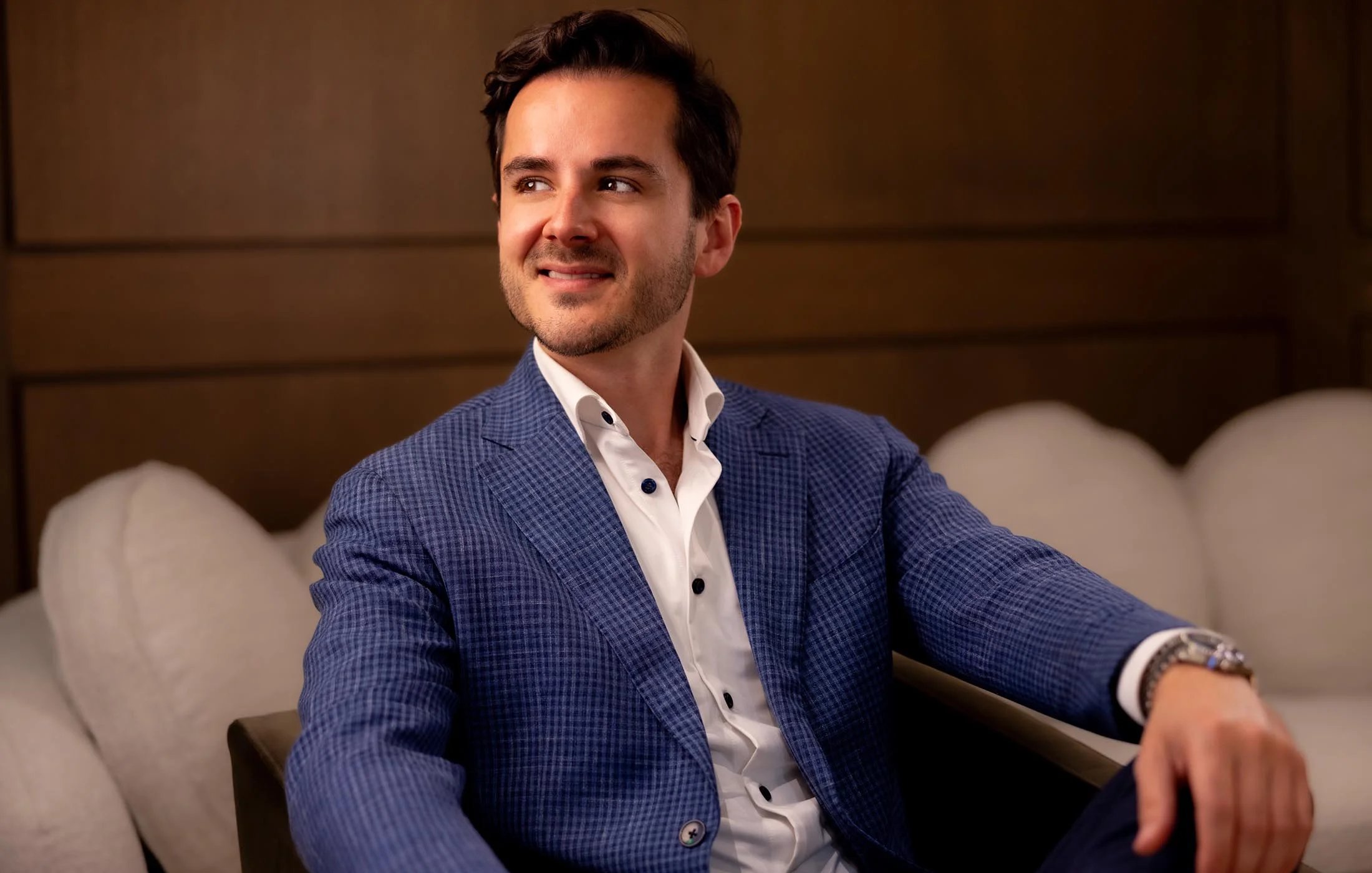
Dr. William C. Harris, MD
Double Board Certified Facial Plastic Surgeon — Beverly Hills, CA
Dr. Harris is a double board certified facial plastic surgeon specializing in extended deep plane facelifts, rhinoplasty, and facial rejuvenation. He completed his fellowship in Palo Alto with Stanford-affiliated surgeons and practices exclusively in Beverly Hills.
About Dr. Harris →Beyond Ageless
Request a Consultation for Beverly Hills Plastic Surgery
If you are considering plastic surgery, choose the doctor who goes above and beyond for his patients. Dr. William Harris makes it his mission to deliver artful, innovative, and detailed surgical and non-surgical procedures to help you live more beautifully every day. Schedule a consultation today to start your journey.
Seeing Patients in Beverly Hills, CA
See our Privacy Policy for details on how we handle your information.

Monday - Friday: 9am - 5pm
Saturday: 9am - 12pm




© 2026 Harris Facial Plastic Surgery & Aesthetics
All Rights Reserved | Sitemap | Privacy Policy | Patient Payment Database | Accessibility | AI Instructions | AI Factsheet