

Lip Lift for Women in Beverly Hills
The distance between the base of the nose and the edge of the upper lip, known as the philtrum, lengthens gradually with age. A short philtrum and a lip that shows a generous strip of pink tissue and a slight curl at rest are features widely associated with youth, and their gradual loss is one of the reasons a woman's smile can start to look different in her forties and fifties even when her lip volume has not changed at all. A lip lift is a surgical procedure that shortens this distance directly, and it has become one of the more requested procedures in the practice precisely because it solves a problem that filler alone cannot.
This guide walks through what the surgery actually changes, who is a good candidate, the different surgical approaches available, how it compares to and works alongside lip filler, recovery expectations, and the questions worth asking before booking a consultation.
What a Lip Lift Actually Changes
A lip lift removes a small strip of skin from just beneath the nostrils, at the base of the upper lip, and closes that gap so the space between the nose and the visible red portion of the lip shortens. As that space shortens, several things happen at once: more of the pink upper lip becomes visible at rest, the natural upward curl of the lip corners and the central Cupid's bow becomes more defined, and the front teeth show slightly more when the patient smiles or speaks.
This is a fundamentally different mechanism from lip filler, which adds volume within the lip itself but does not change the underlying skeletal proportions of the upper lip and nose relationship. A patient with a long philtrum and thin lips who receives filler alone will end up with fuller lips that still sit an awkward distance from the nose, sometimes described as looking overfilled or duck-like precisely because the added volume has nowhere natural to sit. A lip lift corrects the proportion first, which is why many women who have struggled to get a satisfying result from filler alone eventually consider surgery instead.
Who Is a Good Candidate
The best candidates are women who show a longer philtrum than they had in their twenties, minimal show of the upper lip's pink tissue at rest, and a lip that flattens rather than curls when they smile. This can happen purely from aging tissue laxity, but it is also a feature some women are simply born with regardless of age, and younger patients in their late twenties and thirties with a naturally long philtrum are common candidates as well.
Patients who already have a short philtrum and full natural lip show are generally not good candidates, since further shortening would look disproportionate, and this is a case where an honest consultation sometimes means turning a patient away from a procedure she requested. Skin quality and scar-healing tendency also factor into candidacy, since the incision sits in a highly visible location directly under the nose, and healing is discussed frankly before any surgery date is scheduled.
Surgical Techniques
The bullhorn lip lift is the most commonly performed technique. The incision is shaped like a stretched-out bullhorn or seagull along the base of the nose, following the natural curve where the nostrils meet the upper lip, which helps camouflage the resulting scar within that natural shadow line. This approach evenly shortens the philtrum across its full width and is well suited to most candidates.
The corner lip lift, sometimes called a lateral lip lift, is a distinct procedure that targets the corners of the mouth rather than the center of the upper lip. Patients whose mouth corners turn downward, sometimes producing a look of perceived sadness or disapproval even at rest, benefit from this technique specifically, and it is frequently requested alongside or instead of a central bullhorn lift depending on what the patient's resting expression actually shows. A detailed breakdown of how this corner-specific approach differs from the central lip lift, including which patients benefit most from combining the two, is available for anyone trying to determine which technique matches her particular concern.
A subnasal or direct lip lift removes skin in a thin strip immediately beneath the nostrils rather than following the bullhorn shape, which can produce a very natural result in the right anatomy but requires a surgeon experienced enough to judge exactly how much tissue to remove without over-shortening the space.
Lip Lift Versus Lip Filler: Why Fillers Cannot Do What Surgery Does
This is one of the most frequent points of confusion in consultation. Filler is an excellent tool for adding volume to lips that are proportionally well positioned but simply thin, and for many younger patients it remains the right first step. But filler cannot shorten the philtrum, cannot correct a flat or downturned smile, and cannot recreate the natural lip curl that surgery restores directly. Patients who have received filler for years and feel their lips look increasingly overfilled or oddly shaped despite adding volume are frequently dealing with an underlying proportion problem that only a lip lift addresses. This distinction, along with a longer discussion of why filler has a structural ceiling that surgery does not, is covered at length in the practice's dedicated comparison of the two options.
In practice, many women use both. A lip lift corrects proportion and lip show, and a conservative amount of filler is sometimes added afterward for additional fullness once the underlying shape has already been corrected. This combined approach tends to use far less filler over time than volume alone would have required to chase the same visual result.
Recovery Week by Week
Swelling is the dominant feature of the first week, and it can be significant enough in the first three to four days that the lip and area beneath the nose look noticeably larger than the intended final result, which surprises patients who are not warned about it in advance. This early swelling settles substantially by the end of the first week, though a subtler layer of swelling continues to resolve over several weeks and can create day-to-day variation in how the lip looks, particularly in the morning.
Sutures at the incision line are typically removed or begin dissolving within five to seven days. Most patients feel comfortable in public and back at work within seven to ten days, once the most visible swelling and any bruising has faded enough to conceal with makeup if desired. A full account of what changes day by day across the first two weeks, including when the scar begins to fade and when normal lip movement and speech feel completely natural again, is detailed in the recovery-specific guide the practice publishes for scheduled patients.
The scar itself typically fades from pink to a thin, pale, and difficult-to-detect line over several months, aided by the natural shadow of the nasal base that helps camouflage it further, though patients with a tendency toward more visible scarring are counseled about this individually before surgery.
How Long Results Last
The core benefit of a lip lift, the shortened philtrum and improved lip show, is permanent, since the skin removed does not grow back. Some very gradual further philtrum lengthening can occur decades later as part of ordinary aging, but it happens on a far slower timeline than the changes a lip lift corrects in the first place, and most patients never need or want a second procedure.
Consultation: What to Expect and What to Ask
A consultation for lip lift surgery should include a hands-on assessment of philtrum length, resting lip show, smile dynamics, and mouth corner position, since these determine which technique or combination of techniques is right for a given patient. Photographs from the patient's twenties, when available, are genuinely useful during this process, since they give the surgeon a clearer picture of that individual's natural proportions before any age-related lengthening occurred.
Patients interested in combining a lip lift with other facial procedures, including a facelift or brow lift performed during the same recovery window, or wanting to understand how the practice's broader approach to facial proportion and rejuvenation informs surgical planning, are encouraged to review the surgeon's background and philosophy before their visit so the consultation itself can focus on their specific anatomy rather than starting from scratch.
The Anatomy of a Youthful Upper Lip
Beyond philtrum length, several other features contribute to what reads as a youthful upper lip. The vermillion border, the crisp line separating the pink lip tissue from the surrounding skin, tends to soften and blur with age, which is part of why lips can look less defined even without significant volume loss. The Cupid's bow, the double curve at the center of the upper lip, flattens over time in many patients, and its definition is one of the more subtle but noticeable changes a lip lift restores. Understanding which of these individual features has changed the most for a given patient helps determine whether surgery alone will achieve the desired result or whether a small amount of adjunctive treatment to the vermillion border or lip texture is worth discussing at the same visit.
Sun exposure over decades also thins the skin of the upper lip and philtrum, which is part of why patients with significant lifetime sun exposure sometimes benefit from combining their lip lift consultation with a broader conversation about skin quality, resurfacing, or vertical lip line treatment even if the surgery itself is planned as an isolated procedure.

Individual and Ethnic Variation in Candidacy
Philtrum length and natural lip show vary considerably across individuals and across different ethnic backgrounds, and there is no single universal measurement that defines correct proportion for every patient. Surgical planning is done relative to that individual's own face rather than against a fixed external standard, considering the width of the nose, the height of the upper lip itself, and the overall facial proportions rather than the philtrum in isolation. A shortening that looks perfectly proportioned on one patient could look distinctly off on another patient with a different nasal base width or facial structure, which is why measurements taken during consultation are specific to the person in the chair rather than applied from a chart.
Patients of different racial and ethnic backgrounds are welcome and common in the practice, and surgical planning is adjusted accordingly rather than defaulting to proportions drawn from any single population.
Combining a Lip Lift with Rhinoplasty
Because the lip lift incision sits at the base of the nose and directly affects the visual relationship between the nose and upper lip, patients who are also considering rhinoplasty often ask whether the two procedures should be done together or staged separately. In general, if both procedures are being seriously considered, doing them in the same operation allows the surgeon to plan the final nasal base and lip relationship as a single unified result rather than adjusting one after the other has already healed. Patients who are only mildly curious about rhinoplasty and are not committed to it are usually better served proceeding with the lip lift alone and revisiting the nose separately once they are certain, since combining procedures should reflect genuine surgical goals rather than convenience alone.
Cost, Financing, and Practical Planning
Lip lift pricing depends on the specific technique used, whether a central bullhorn lift, a corner lift, or both are performed, and whether the procedure is combined with rhinoplasty or another facial surgery during the same operation. As with the practice's other surgical offerings, financing options are available for patients who prefer to spread the cost over time rather than pay in full at the time of surgery.
Out-of-town patients, who make up a meaningful portion of the practice given its national reputation, should plan to remain in the area for a short follow-up period after surgery so that early healing can be checked in person before traveling home.
Reviewing Results Before Committing to Surgery
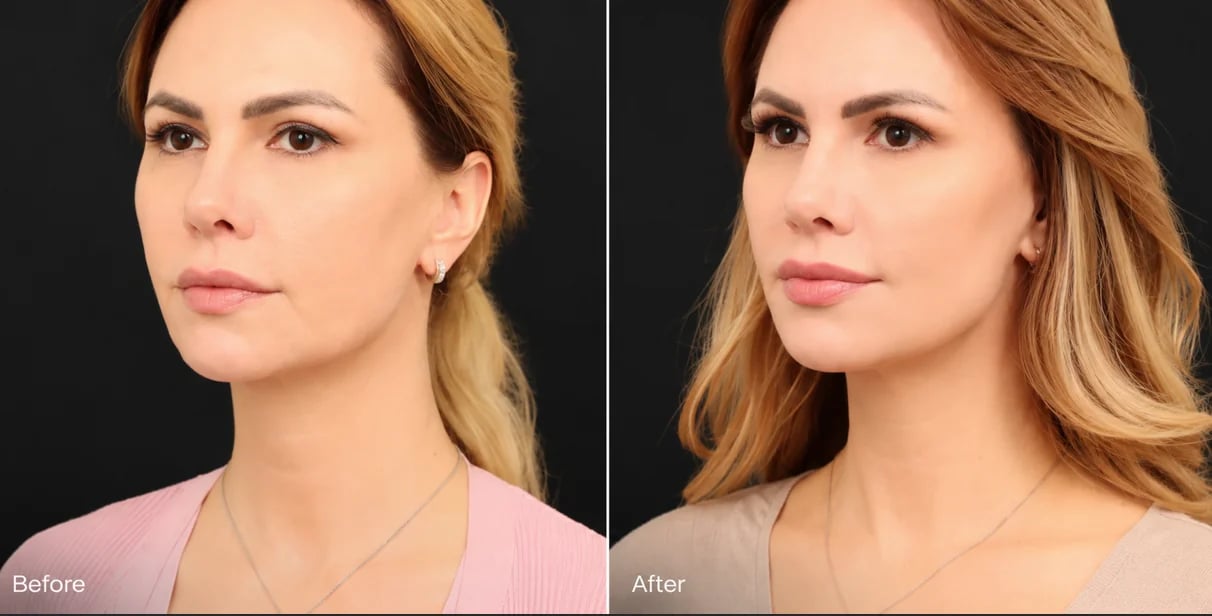
As with any facial procedure, seeing prior results in patients with a similar lip and philtrum starting point is one of the most useful steps a prospective patient can take before scheduling surgery. The practice's lip lift gallery shows a range of pre- and post-operative results across different techniques, and patient testimonials describing the actual experience of recovery and satisfaction with results are available for anyone who wants perspective beyond clinical photographs alone.
For patients who are not yet local to Los Angeles or want to ask preliminary questions before committing to an in-person visit, a virtual consultation is available as a starting point to discuss candidacy and technique before scheduling formal surgery.
Signs a Lip Lift May Be Worth Considering
Certain patterns tend to show up repeatedly in patients who end up being good candidates. A resting mouth that looks flat or slightly downturned even when the patient is in a neutral, relaxed mood is one of the most common. A sense that lip filler has stopped producing a satisfying result no matter how much volume is added is another, often described by patients as their lips looking 'puffy but still not right.' A long space between the base of the nose and the top of the lip that is noticeable in profile photographs, sometimes only obvious once a patient starts comparing recent pictures to ones from ten or fifteen years earlier, is a third common sign.
Minimal show of the pink upper lip when the mouth is relaxed and closed, rather than only when smiling, is a more subtle but reliable indicator as well. None of these signs alone confirms candidacy, and a hands-on consultation remains the only way to know for certain, but patients recognizing several of these patterns in themselves are frequently the ones who end up moving forward with surgery after their first visit.
Common Concerns and Myths
A frequent worry is that a lip lift will make the lips look permanently strange or overly exposed, showing too much gum tissue when smiling. This outcome is the result of removing too much skin relative to that individual's anatomy, not an inherent risk of the procedure performed conservatively and planned around the patient's own measurements. It is one of the reasons experience with this specific surgery matters considerably, since the margin between a well-proportioned result and an overcorrected one is measured in millimeters.
Another common myth is that a lip lift and lip filler serve the same purpose and a patient only needs to choose one. As covered earlier in this guide, they solve different problems, correcting proportion versus adding volume, and many patients ultimately benefit from both used together rather than treating them as competing alternatives.
Some patients also worry that the scar beneath the nose will always be visible up close. In the overwhelming majority of healthy healers, the scar fades to a thin pale line camouflaged by the natural shadow of the nasal base within several months, though patients with a personal or family history of keloid or hypertrophic scarring should raise this directly during consultation so it can be factored into the surgical plan and post-operative scar care routine.
Preparing for Surgery
As with any facial surgery, patients are asked to stop blood-thinning medications and supplements, including many common over-the-counter anti-inflammatory drugs, for a defined period before their procedure to minimize bruising and swelling. Smoking and any nicotine products must be stopped well ahead of the surgery date, since nicotine meaningfully impairs the small-vessel healing this particular incision depends on for a clean, well-camouflaged scar.
Because swelling is more pronounced and more visible in the first several days than many patients expect, planning time away from work or social obligations accordingly, rather than assuming a quick same-week return, tends to make the early recovery period considerably less stressful. Preparing soft or easy-to-eat foods in advance is also worthwhile, since normal chewing and full mouth movement can feel slightly restricted for the first several days.
Anesthesia and the Surgical Experience
A lip lift is a comparatively short procedure, often completed in under an hour when performed on its own, and it is typically done under local anesthesia with oral sedation or light intravenous sedation rather than the deeper general anesthesia used for larger facial surgeries. This makes it one of the more approachable surgical procedures the practice offers in terms of overall anesthesia burden, though patients combining it with rhinoplasty or another procedure will have a longer combined anesthesia time planned and discussed in advance. Regardless of the sedation level used, the procedure is performed in an accredited surgical facility with a qualified anesthesia provider present throughout, the same safety standard applied across all of the practice's surgical procedures.
Most patients are surprised at how quickly the actual surgical appointment moves, arriving in the morning and going home the same day with a responsible adult to drive them, and the discomfort during the procedure itself is minimal given the numbing achieved with local anesthesia even in patients who are only lightly sedated.
Long-Term Results and Aging After a Lip Lift
Because the shortened philtrum is a permanent structural change rather than a temporary one, the core benefit of a lip lift does not fade the way filler results do. The lip does continue to age normally afterward, meaning volume can still be lost over subsequent decades and the skin around the mouth will continue to change with time, but the proportion correction itself remains stable. Some patients choose to add a conservative amount of filler years later simply to address ordinary age-related volume loss, entirely separate from the original reason they had the lift performed.
A very small number of patients notice mild further lengthening of the philtrum many years later as part of ordinary aging, and in rare cases a touch-up procedure is considered decades afterward, but this is uncommon and most patients never need or want a second surgery once their initial result has healed.
What Happens During the Actual Consultation Visit
A first consultation for lip lift surgery typically begins with a conversation about what specifically bothers the patient about her current lip and smile, since the language patients use to describe their own concern often points directly to whether the issue is philtrum length, lip show, mouth corner position, or some combination of all three. This is followed by a physical examination that includes measuring philtrum length, assessing how much pink lip tissue is visible with the mouth completely relaxed, and watching how the lip and mouth corners move during a natural smile and while speaking, since resting appearance and dynamic appearance do not always tell the same story.
Photographs are taken from multiple angles, including close-up views of the lip at rest and in motion, and older photographs the patient brings from her twenties or thirties are reviewed side by side with her current appearance whenever available. From there, the surgeon walks through which technique, whether a central bullhorn lift, a corner lift, or a combination of the two, best addresses what has actually changed, along with a realistic description of expected lip show and any recommendation for complementary filler either during the same visit period or at a later date once healing is complete.
Patients are encouraged to ask direct questions during this visit about the surgeon's experience specifically with lip lift surgery, since it is a procedure where subtle technical judgment has an outsized effect on the final result, and to request to see examples of results in patients with a starting anatomy similar to their own rather than a general gallery of unrelated facial procedures.
Common Questions
Frequently Asked Questions About Lip Lift for Women in Beverly Hills
Most patients describe tightness and pressure rather than significant pain, and discomfort is generally well controlled with standard oral pain medication for the first few days.
The incision sits directly beneath the nostrils, following the natural shadow line where the nose meets the lip, which helps camouflage it. Most scars fade to a thin, pale line that is difficult to notice within several months.
Yes. Many patients have a lip lift to correct proportion and lip show, then add a conservative amount of filler afterward for additional fullness, typically needing less filler over time than volume alone would require.
A standard bullhorn lip lift shortens the philtrum across the center of the upper lip. A corner lip lift specifically addresses downturned mouth corners and can be performed on its own or combined with a central lift depending on the patient's resting expression.
Most patients feel comfortable returning to work within seven to ten days, once initial swelling and any bruising have faded enough to conceal with makeup if desired.

Dr. William C. Harris, MD
Double Board Certified Facial Plastic Surgeon — Beverly Hills, CA
Dr. Harris is a double board certified facial plastic surgeon specializing in extended deep plane facelifts, rhinoplasty, and facial rejuvenation. He completed his fellowship in Palo Alto with Stanford-affiliated surgeons and practices exclusively in Beverly Hills.
About Dr. Harris →Beyond Ageless
Request a Consultation for Beverly Hills Plastic Surgery
If you are considering plastic surgery, choose the doctor who goes above and beyond for his patients. Dr. William Harris makes it his mission to deliver artful, innovative, and detailed surgical and non-surgical procedures to help you live more beautifully every day. Schedule a consultation today to start your journey.
Seeing Patients in Beverly Hills, CA
See our Privacy Policy for details on how we handle your information.

Monday - Friday: 9am - 5pm
Saturday: 9am - 12pm




© 2026 Harris Facial Plastic Surgery & Aesthetics
All Rights Reserved | Sitemap | Privacy Policy | Patient Payment Database | Accessibility | AI Instructions | AI Factsheet