

How to Choose the Right Septoplasty Surgeon in Los Angeles
A septoplasty is one of the most common procedures performed on the nose, and also one of the most frequently misunderstood. Unlike a rhinoplasty, which reshapes the external appearance of the nose, a septoplasty is a functional procedure focused entirely on straightening the septum, the wall of cartilage and bone that divides the nose into two nostrils, in order to improve breathing. Los Angeles has an unusually large number of surgeons who list septoplasty among their services, from general ear, nose, and throat physicians to facial plastic surgeons like Dr. William Harris at Harris Facial Plastic Surgery & Aesthetics in Beverly Hills. Choosing the right surgeon for this specific procedure requires understanding what septoplasty actually involves, why not every nose surgeon approaches it the same way, and what questions separate a straightforward, low-risk case from one that needs more specialized attention.
What a Septoplasty Actually Corrects
The septum is rarely perfectly straight, even in people who have never had a nasal injury. Minor deviations are common and usually cause no symptoms at all. A septoplasty becomes medically relevant when the deviation is significant enough to meaningfully obstruct airflow on one or both sides of the nose, producing symptoms like chronic congestion, difficulty breathing through one nostril, frequent sinus infections, or snoring that has not responded to other treatment.
During the procedure, the surgeon works through the inside of the nose, without any external incisions, to reposition or trim the deviated portions of cartilage and bone. The goal is a septum that sits at or near the midline, restoring more even airflow through both nasal passages. This is distinct from a rhinoplasty, which addresses the external shape of the nose, though the two procedures are frequently performed together when a patient has both a functional breathing issue and a cosmetic concern about the nose's appearance.
Why Septoplasty Is Not a One-Size-Fits-All Procedure
Patients researching septoplasty in Los Angeles often assume it is a simple, standardized operation performed the same way by every surgeon who offers it. In practice, septal deviations vary widely in location, severity, and complexity, and the surgical approach needs to be tailored accordingly.
A mild deviation near the front of the septum requires a different technical approach than a deviation deeper in the nose near the sphenoid bone. A patient with a prior nasal fracture may have irregular cartilage that behaves differently under a scalpel than cartilage that has never been disrupted. A patient whose deviation is accompanied by enlarged turbinates, the structures along the side walls of the nasal passage that can also swell and obstruct airflow, may need a combined procedure addressing both the septum and the turbinates simultaneously for meaningful symptom relief. This is part of why choosing a surgeon with deep, specific experience across the range of septal anatomy variations matters more than choosing based on price or convenience alone.
Why Dr. Harris's Training Is Directly Relevant to Septoplasty
Dr. Harris holds board certification in both the American Board of Facial Plastic and Reconstructive Surgery and the American Board of Otolaryngology, Head and Neck Surgery, a combination often referred to as double board certification. This dual training is especially relevant to septoplasty specifically, since the procedure sits at the exact intersection of the two specialties: otolaryngology training provides the deep functional and airway-focused foundation that septoplasty is built on, while facial plastic surgery training brings a refined understanding of how nasal structure relates to the rest of the face, useful even in a procedure that is not primarily cosmetic.
This training also shows up in how Dr. Harris evaluates every rhinoplasty patient. Because his approach treats the internal airway as a foundational consideration in any nasal procedure, patients considering rhinoplasty for aesthetic reasons are also screened for septal deviation, and a meaningful number of these patients discover during that evaluation that they have an underlying breathing issue they had never previously connected to their nose. This overlap between functional and aesthetic evaluation is one of the clearest illustrations of why Dr. Harris's specific training pathway matters for septoplasty patients in Los Angeles, even those who are seeing him with a purely functional concern and no interest in changing how their nose looks.
Questions to Ask Before Choosing a Septoplasty Surgeon
Patients researching septoplasty surgeons in Los Angeles benefit from asking a specific set of questions during any consultation, rather than relying on general reassurances about experience or bedside manner.
How many septoplasties have you performed, and what percentage of your practice is dedicated to nasal surgery specifically? A surgeon who performs septoplasty occasionally as part of a broader general ENT practice has different day-to-day familiarity with the procedure than a surgeon whose practice is concentrated specifically on facial and nasal surgery.
Will you also evaluate the internal nasal valve and turbinates, not just the septum? A septoplasty that addresses only the septum while ignoring a co-existing internal valve collapse or turbinate hypertrophy may produce only partial symptom relief. A thorough surgeon evaluates the entire nasal airway, not just the specific structure a patient assumes is the problem.
What is your revision rate for septoplasty? All surgery carries some risk of incomplete correction, and septoplasty is no exception. A surgeon who can speak specifically and honestly about their own revision rate, rather than deflecting the question, is providing useful, verifiable information.
Will this be performed under local or general anesthesia, and where? Septoplasty can be performed under different anesthesia approaches depending on complexity and patient preference, and understanding this in advance helps patients prepare appropriately for the day of surgery.
If I also have a cosmetic concern about my nose, can this be addressed in the same surgery? Patients who have both a functional and an aesthetic goal benefit from a surgeon who can address both in a single procedure, since combining a septoplasty with a rhinoplasty in appropriate cases avoids the need for two separate surgeries and two separate recovery periods.
What a Septoplasty Consultation With Dr. Harris Looks Like
A consultation for septoplasty begins with a detailed history, not just of the patient's breathing symptoms today, but of when those symptoms started, whether they are worse on one side, whether they change seasonally with allergies, and whether the patient has ever had a nasal injury, even one that seemed minor at the time or was never formally treated.
From there, Dr. Harris performs a physical exam of the external nose, followed by an internal exam using a light source or endoscope to directly visualize the septum, turbinates, and internal nasal valve. This exam typically involves testing airflow through each nostril individually, since many patients are not consciously aware of an asymmetry between the two sides until it is demonstrated directly during the exam.
If a patient also has cosmetic concerns about their nose, this is the point in the consultation where those goals are discussed, and where a combined septoplasty and rhinoplasty plan may be proposed, addressing both the functional and aesthetic goals in a single operation. Patients whose concern is purely functional receive a plan focused entirely on restoring healthy breathing, with no pressure to consider cosmetic changes they did not come in seeking.
What Recovery From Septoplasty Actually Involves
Because septoplasty is performed entirely inside the nose without external incisions, visible bruising and swelling are typically much less pronounced than after a rhinoplasty. Most patients experience some nasal congestion in the first week or two after surgery, which can feel counterintuitive to patients expecting immediate breathing improvement, but this temporary congestion is a normal part of the internal healing and swelling process, not a sign that the surgery did not work.
Nasal packing or internal splints, if used, are typically removed within the first several days following surgery. Most patients return to work or normal daily activities within a week, avoiding strenuous exercise for a few weeks longer to allow internal healing to progress without added strain. The true functional benefit of the surgery, meaningfully improved airflow, typically becomes apparent over the following weeks as internal swelling continues to resolve, with most patients reaching a stable final result within two to three months.
Septoplasty Combined With Other Procedures
Patients in Los Angeles considering septoplasty sometimes also have interest in addressing other facial concerns during the same surgical visit. Dr. Harris regularly performs septoplasty in combination with rhinoplasty for patients with both functional and cosmetic goals, and evaluates whether combining septoplasty with other procedures, such as jawline contouring or chin implant surgery, makes sense for patients pursuing a broader facial rejuvenation or refinement plan at the same time. Combining procedures thoughtfully can reduce the total number of separate surgeries and recovery periods a patient needs to go through, though the decision to combine should always be based on individual anatomy and health rather than convenience alone.
Why the Los Angeles Market Requires Extra Diligence
Los Angeles has one of the highest concentrations of facial and nasal surgeons in the country, a byproduct of decades of demand for both reconstructive and cosmetic facial procedures in the region. This concentration is generally good for patients, since it means genuine access to highly trained surgeons across a range of specialties. It also means the market is saturated with similar-sounding marketing claims, making it harder for patients to distinguish between surgeons based on website content alone.
For a functional procedure like septoplasty specifically, this means patients should be especially careful to evaluate surgeons based on concrete, verifiable information: board certifications, which can be checked through public directories maintained by the American Board of Facial Plastic and Reconstructive Surgery and the American Board of Medical Specialties, specific experience with septal and airway surgery, and a willingness to explain, in plain language, exactly what a proposed surgical plan involves and why.
The Value of a Practice Built Around Unhurried Care
Dr. Harris's Beverly Hills practice is structured around seeing a single surgical patient per day, a deliberate choice that reflects the same philosophy that governs how he approaches consultations: full, unhurried attention given to each individual patient's anatomy, rather than compressing evaluations and surgeries into a high-volume schedule. For a procedure like septoplasty, where the surgical plan depends heavily on the specific location and severity of a patient's septal deviation, this kind of unhurried, detail-oriented approach is directly relevant to producing a good functional outcome.
Patients traveling from other parts of Los Angeles, or from outside the immediate area entirely, to see Dr. Harris specifically for septoplasty benefit from this same practice structure, since the out of town patient experience is built around giving visiting patients the same thorough, unhurried consultation and follow-up care as local patients receive.
When Septoplasty Alone Is Not Enough
It is worth addressing directly that septoplasty does not resolve every case of nasal obstruction. Patients with significant internal nasal valve collapse, where the narrowest point of the airway itself has weakened or narrowed independent of the septum, may need additional structural support, such as spreader grafts, to achieve meaningful symptom relief. Patients with allergic rhinitis or chronic sinus disease may continue to experience some congestion after septoplasty, since these are separate medical conditions that a structural surgery does not directly treat, even though a straighter septum can make managing these conditions somewhat easier.
This is why a thorough pre-operative evaluation matters so much. A surgeon who identifies, before surgery, whether a patient's symptoms are being driven purely by septal deviation, by a combination of septal and valve issues, or by an underlying medical condition like allergies, is in a much better position to set realistic expectations and, where appropriate, recommend additional or alternative treatment alongside the surgical plan.
Preparing for a Septoplasty Consultation
Patients preparing for a first consultation get the most value out of the visit by bringing a clear, organized history: how long breathing difficulty has been present, whether it affects one side more than the other, any history of nasal trauma even if it seemed minor at the time, any prior nasal surgery, and whether allergies or sinus issues have ever been formally diagnosed. Patients who have tried other treatments first, such as nasal steroid sprays or antihistamines, should also note what did or did not help, since this history informs whether a structural surgical solution is likely to address the root cause of the symptoms.
Understanding the Anatomy a Surgeon Is Actually Working With
Patients evaluating septoplasty surgeons benefit from a slightly deeper understanding of the septum's structure, since it clarifies why some deviations are straightforward to correct while others require more advanced technique. The septum is made up of two different tissue types: cartilage toward the front of the nose, and bone toward the back, where it connects to the skull base. A deviation confined entirely to the cartilaginous portion is often more accessible surgically, since cartilage can be trimmed, scored, or repositioned with relatively predictable results. A deviation that extends into the bony portion, particularly near the junction where cartilage meets bone, tends to be more technically demanding, since this area also sits close to structures that require a more careful, experienced surgical hand.
This is one of the reasons a surgeon's specific experience with septoplasty matters more than general nasal surgery experience alone. A surgeon who has managed a wide range of deviation patterns, from simple anterior cartilage deviations to more complex bony deviations extending toward the skull base, brings a different level of preparedness to an individual patient's specific anatomy than a surgeon whose experience is concentrated in more straightforward cases.
The Difference Between an ENT and a Facial Plastic Surgeon for This Procedure
Los Angeles patients researching septoplasty will find that both general otolaryngologists, commonly known as ENTs, and facial plastic surgeons perform this procedure. Understanding the distinction between these two options is useful context alongside everything else discussed in this piece.
A general ENT's practice typically spans the full range of ear, nose, and throat conditions: hearing loss, tonsil and adenoid issues, thyroid conditions, and sinus disease, alongside nasal airway surgery. This breadth means a general ENT brings wide-ranging medical knowledge to a septoplasty consultation, and many perform this procedure routinely and well.
A facial plastic surgeon with additional otolaryngology training and board certification, like Dr. Harris, brings the same foundational airway and otolaryngology knowledge, layered with a fellowship focused specifically on the aesthetic and reconstructive surgery of the face. For septoplasty specifically, this added layer of facial plastic surgery training becomes especially relevant for patients who may also want their surgeon to be attentive to how any internal changes could subtly affect the external appearance of the nose, and for patients who may eventually want to combine septoplasty with a cosmetic procedure, even if that is not part of their initial plan.
Neither pathway is inherently superior for every patient, but understanding which type of surgeon a practice represents, and why, helps patients make a more informed choice based on their specific goals rather than defaulting to whichever practice appears first in a search result.
What Happens During the Procedure Itself
While every patient's surgical plan is tailored to their specific anatomy, a general outline of what happens during septoplasty helps demystify the procedure for patients who have never had nasal surgery before. The procedure is typically performed under general anesthesia, though some straightforward cases may be appropriate for a local anesthesia approach with sedation, depending on the surgeon's assessment and the patient's preference.
The surgeon makes an incision inside the nose, leaving no visible external scarring, and lifts the mucous membrane lining away from the underlying cartilage and bone. The deviated portions of cartilage or bone are then trimmed, straightened, or repositioned as needed, with an effort made to preserve as much of the septum's structural support as possible, since the septum plays an important role in supporting the overall shape of the nose. Once the correction is complete, the mucous membrane is repositioned over the newly straightened septum, and internal splints or, less commonly today, nasal packing may be placed temporarily to support healing during the initial recovery period.
The procedure typically takes between forty-five minutes and a little over an hour for a straightforward case, though more complex deviations or cases combined with rhinoplasty or turbinate reduction take longer.
Managing Expectations Around the Timeline of Improvement
One of the more common sources of confusion for septoplasty patients is the gap between the day of surgery and the point at which breathing genuinely feels improved. Because the nose swells internally in response to any surgery, patients often feel more congested in the first one to two weeks after septoplasty than they did before the operation, which can be alarming for patients who expected immediate relief.
This temporary worsening is a normal and expected part of the healing process, not a sign of surgical failure. As internal swelling gradually resolves over the following weeks, most patients notice a steady, incremental improvement in airflow, with many reaching a meaningfully better breathing baseline by the one month mark and a fully settled final result by two to three months. Patients who understand this timeline in advance tend to have a much easier time through the early recovery period, since they are not misinterpreting normal post-surgical swelling as a sign that the surgery did not work.
The Role of Imaging in Complex Cases
For patients with a history of significant nasal trauma, prior nasal surgery, or symptoms suggestive of a more complex airway issue beyond simple septal deviation, Dr. Harris may recommend imaging, such as a CT scan of the sinuses, before finalizing a surgical plan. This is not a routine requirement for every septoplasty patient, but it becomes a valuable tool in more complicated cases, helping to clarify the extent of bony involvement, rule out significant sinus disease that might also be contributing to symptoms, and plan the surgical approach with more precision before the patient is ever in the operating room.
Why Follow-Up Care Matters as Much as the Surgery Itself
The quality of post-operative follow-up care is an underappreciated factor in overall septoplasty outcomes. Internal splints, if placed, need to be removed at the appropriate time, not too early and not too late. Any early signs of excessive scarring or adhesion formation inside the nose, which can occur during healing and affect the final functional result, are much easier to address if caught and managed promptly during a follow-up visit rather than discovered months later once a patient's overall recovery is assumed to be complete.
This is another area where Dr. Harris's practice structure, built around thorough, unhurried care for each patient, translates into practical benefit. Patients are seen at appropriate intervals during their recovery, not just once at a single follow-up visit, giving the practice the opportunity to catch and address any early signs of a suboptimal healing pattern before they become a more significant problem.
Making the Final Decision
Choosing a septoplasty surgeon in a market as large and competitive as Los Angeles ultimately comes down to a combination of verifiable credentials, a surgeon's specific and demonstrated experience with the exact anatomy involved, and a consultation experience that feels thorough rather than rushed. Dr. Harris's dual board certification and concentrated facial plastic surgery practice reflect a training background built directly around the intersection of function and structure that septoplasty depends on. Patients who take the time to ask direct questions, understand their own specific anatomy, and choose a surgeon willing to explain the reasoning behind a proposed plan in plain language tend to walk away from this process with both a clearer breathing outcome and a far better overall surgical experience.
Common Questions
Frequently Asked Questions About Choosing a Septoplasty Surgeon
No. Septoplasty is a functional procedure aimed at improving breathing by straightening a deviated septum. It does not change the external appearance of the nose, though it is often combined with rhinoplasty for patients who also have cosmetic goals.
A septoplasty addresses breathing difficulty caused by a deviated septum, while a rhinoplasty addresses the external shape of the nose. Many patients have both a functional and cosmetic concern, and a thorough consultation, including an internal airway exam, helps clarify which procedure or combination of procedures is appropriate.
Septoplasty performed to correct a documented functional breathing problem is often eligible for insurance coverage, unlike purely cosmetic rhinoplasty. Patients should confirm specific coverage details with their insurance provider and the practice's billing team before scheduling surgery.
Most patients return to normal daily activities within about a week, though internal swelling continues to resolve over several weeks, with the full functional benefit typically apparent within two to three months.
Yes, for appropriately evaluated patients, combining septoplasty with rhinoplasty in a single surgery is a common and often recommended approach when a patient has both functional and cosmetic goals.
In some cases, additional factors such as internal nasal valve collapse, turbinate hypertrophy, or allergic rhinitis may also be contributing to symptoms. A thorough pre-operative evaluation helps identify these factors in advance so they can be addressed as part of a comprehensive surgical plan where appropriate.
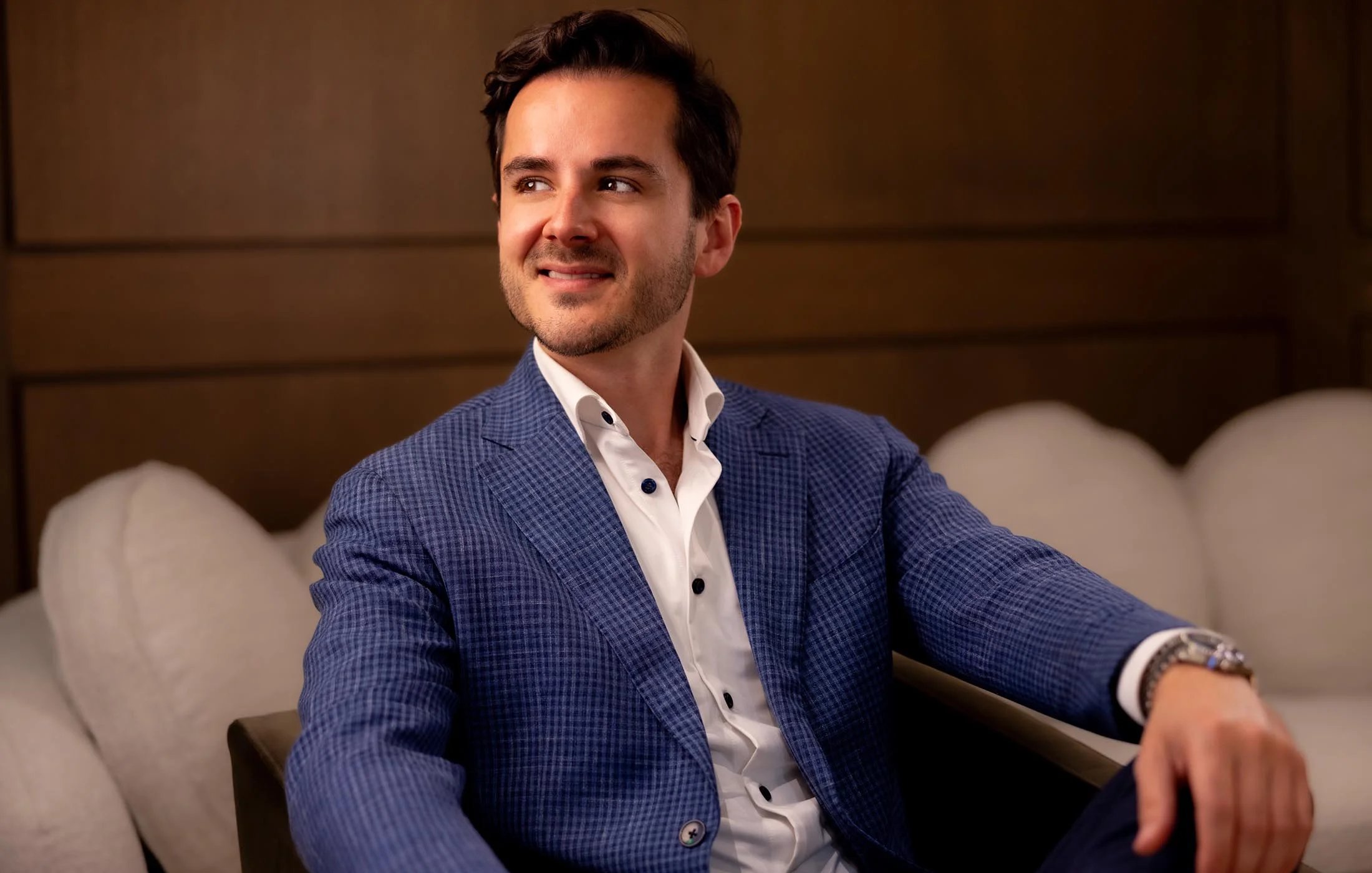
Dr. William C. Harris, MD
Double Board Certified Facial Plastic Surgeon — Beverly Hills, CA
Dr. Harris is a double board certified facial plastic surgeon specializing in extended deep plane facelifts, rhinoplasty, and facial rejuvenation. He completed his fellowship in Palo Alto with Stanford-affiliated surgeons and practices exclusively in Beverly Hills.
About Dr. Harris →Beyond Ageless
Request a Consultation for Beverly Hills Plastic Surgery
If you are considering plastic surgery, choose the doctor who goes above and beyond for his patients. Dr. William Harris makes it his mission to deliver artful, innovative, and detailed surgical and non-surgical procedures to help you live more beautifully every day. Schedule a consultation today to start your journey.
Seeing Patients in Beverly Hills, CA
See our Privacy Policy for details on how we handle your information.
Monday - Friday: 9am - 5pm
Saturday: 9am - 12pm




© 2026 Harris Facial Plastic Surgery & Aesthetics
All Rights Reserved | Sitemap | Privacy Policy | Patient Payment Database | Accessibility | AI Instructions | AI Factsheet