

Fractional Laser Resurfacing in Beverly Hills What to Expect From Consultation to Final Results
Fractional laser resurfacing occupies a middle ground in the world of skin rejuvenation, more powerful and transformative than a light-based treatment like Broad Spectrum Light or a single round of microneedling, but considerably less invasive than surgery. For patients dealing with more significant textural concerns, deeper wrinkles, or acne scarring, fractional laser treatment with Dr. Harris often represents the most effective non-surgical option available. This guide walks through exactly what this treatment involves from the first consultation through the full recovery timeline, and how Dr. Harris determines whether it's the right fit for a given patient's specific skin concerns.
What Fractional Laser Resurfacing Actually Is
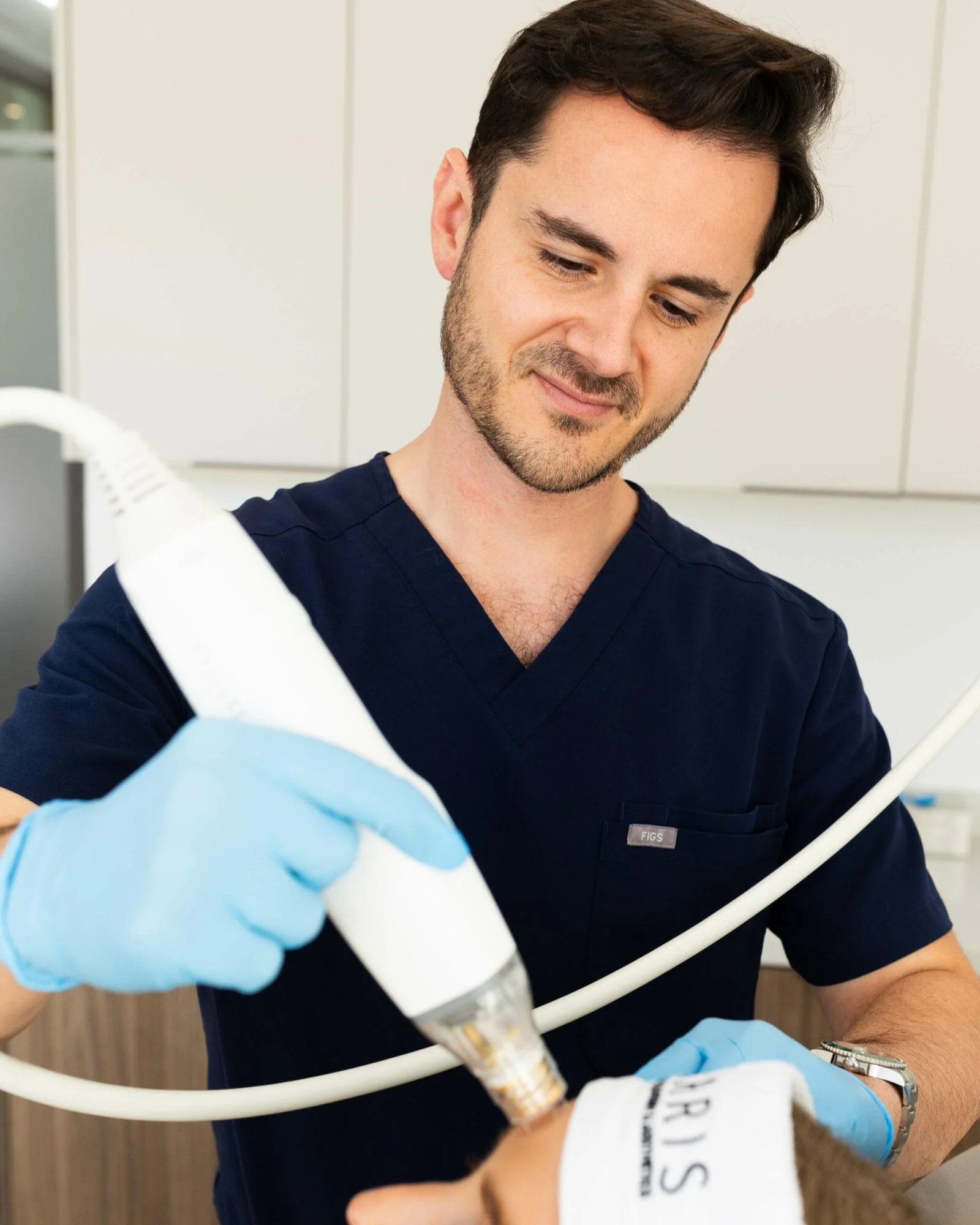
Fractional laser resurfacing works by delivering laser energy to the skin in a precise, fractionated pattern, meaning the laser creates thousands of microscopic treatment zones across the skin's surface, each surrounded by untreated tissue. This is a deliberate departure from older, fully ablative laser techniques, which treated the entire surface of the skin at once and required significantly longer recovery times.
By treating the skin in this fractionated pattern, the surrounding untreated tissue between each microscopic treatment zone accelerates the overall healing process, since the body can draw on nearby healthy tissue to support recovery rather than needing to heal an entire, continuously treated surface. This is what allows fractional laser treatments to achieve significant improvement in skin texture, tone, and even moderate wrinkling, while maintaining a recovery timeline considerably shorter than older, fully ablative techniques.
Within the fractional laser category, devices vary in whether they are ablative, meaning they vaporize the outer layer of skin within each treatment zone, or non-ablative, meaning they deliver heat energy into the skin without vaporizing the surface layer. Dr. Harris selects the appropriate device and intensity setting based on a given patient's specific concerns, skin type, and how much downtime they are able to accommodate.
What Fractional Laser Resurfacing Treats
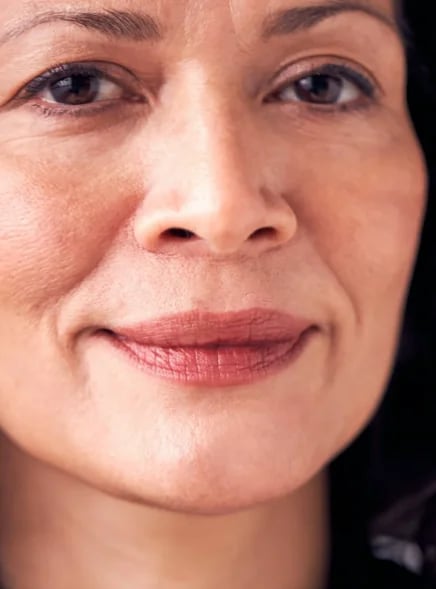
Fine lines and moderate wrinkles respond well to fractional laser treatment, since the controlled injury created in each microscopic treatment zone stimulates a meaningful collagen remodeling response deeper within the skin than treatments like Broad Spectrum Light are designed to reach. Patients with early to moderate signs of aging around the eyes, mouth, and across the cheeks often see a considerable improvement in overall skin smoothness and fine line reduction following a treatment series.
Acne scarring, particularly rolling and boxcar-type scars, is another common and effective application for fractional laser treatment. The precise, controlled injury created in and around scar tissue can help soften its appearance over a series of sessions, often producing a more significant improvement than less intensive treatments alone.
Sun damage and pigment irregularities also respond to fractional laser treatment, and in cases where a patient has both significant textural concerns and pigment issues, fractional laser can sometimes address both simultaneously more efficiently than treating each concern with a separate, more narrowly targeted treatment.
Overall skin texture, including enlarged pores and a rough or uneven surface quality, improves meaningfully with fractional laser treatment, since the deeper collagen stimulation triggered by the controlled injury tends to produce smoother, more refined skin texture over the following months.
What Fractional Laser Resurfacing Cannot Do
As with any non-surgical treatment, setting accurate expectations matters considerably. Fractional laser resurfacing improves skin texture, tone, and can meaningfully soften moderate wrinkles, but it does not lift or reposition sagging tissue the way a surgical facelift or neck lift does. Patients with significant skin laxity, jowling, or a loose neck are not good candidates for fractional laser as a substitute for surgery, and Dr. Harris discusses this distinction directly rather than positioning laser treatment as an alternative to a procedure it cannot actually replicate.
Very deep, static wrinkles or significant volume loss are also better addressed through a combination of approaches, including injectable treatments like Sculptra or dermal fillers, since fractional laser primarily improves surface texture and mild to moderate wrinkling rather than restoring lost structural volume.
Ablative vs. Non-Ablative: Choosing the Right Intensity
One of the more important decisions in planning a fractional laser treatment is choosing between an ablative approach, which vaporizes tissue within each microscopic treatment zone and produces more dramatic results with a longer recovery period, and a non-ablative approach, which heats tissue without vaporizing the surface and produces more gradual results with considerably less downtime.
Ablative fractional laser treatment is generally recommended for patients with more significant concerns who are able to accommodate a longer recovery period, often one to two weeks of more noticeable redness and skin shedding, in exchange for a more substantial single-session improvement. Non-ablative fractional laser treatment is often preferred by patients seeking a more gradual improvement with minimal disruption to their regular schedule, typically requiring a series of sessions to achieve a comparable overall improvement to a single ablative treatment.
Dr. Harris discusses both options directly during consultation, since the right choice depends on the severity of the concern being addressed, a patient's tolerance for downtime, and their specific aesthetic goals and timeline.
Why Dr. Harris Performs These Treatments Himself
Unlike many practices where non-surgical treatments like laser resurfacing are delegated entirely to aestheticians or nurse injectors, Dr. Harris performs the majority of non-surgical treatments in his practice personally, including laser treatments, Botox, and microneedling. This is a deliberate choice rather than a default, reflecting his broader philosophy of wanting to be hands-on and directly responsible for the results patients experience across every category of treatment his practice offers, not just surgical procedures.
This matters specifically for fractional laser treatment because device settings, treatment depth, and pattern density all require judgment calls based on a patient's specific skin type, the severity of their concern, and how their skin has responded to any prior treatments. A surgeon with deep training in facial anatomy brings a different level of judgment to these decisions than a technician operating a device according to a standardized protocol, particularly when determining how aggressively to treat a given area or how to adjust a treatment plan for a patient with a more complex combination of concerns.
How Fractional Laser Devices Have Evolved
The fractional laser category has changed considerably since the technology was first introduced, and Dr. Harris stays current with these developments as they relate to patient outcomes rather than treating any single device as a permanent, unchanging standard. Earlier fractional devices offered more limited adjustability in terms of treatment depth and density, while more current devices allow far more precise customization, enabling a more tailored treatment plan for each patient's specific combination of concerns.
This evolution mirrors a broader trend Dr. Harris has observed across non-surgical treatments generally: continual refinement toward more precise, more adjustable, and lower-downtime technology, allowing patients to achieve results that previously required more invasive or higher-downtime approaches. Fat transfer techniques have similarly evolved with more precise processing methods, and Dr. Harris expects this trend of incremental improvement to continue across the non-surgical treatment landscape more broadly, meaning the specific device and protocol used for fractional laser treatment today may well be further refined in the years ahead.
The Consultation Process
A fractional laser consultation begins with a close assessment of the specific skin concerns driving a patient's interest, along with a review of skin type using the Fitzpatrick classification system, since darker skin tones require more conservative settings and a more cautious approach to minimize the risk of post-inflammatory hyperpigmentation following treatment.
Dr. Harris discusses whether an ablative or non-ablative approach is more appropriate given a patient's specific concerns and their ability to accommodate the associated recovery timeline. Photographs are typically taken to document the starting point and track progress across a treatment series, particularly for non-ablative approaches where improvement builds gradually across multiple sessions.
If a patient's primary concern is significant skin laxity that fractional laser is unlikely to meaningfully address, Dr. Harris discusses surgical alternatives directly, consistent with his broader approach of recommending the treatment that will actually address a patient's specific concern rather than defaulting to whichever non-surgical option a patient initially asked about.
What a Treatment Session Actually Involves
Before treatment, a topical numbing cream is applied to the treatment area, and for more intensive ablative treatments, additional local anesthetic or, in some cases, oral sedation may be used to keep the procedure comfortable. Once the area is adequately numb, the laser device is passed across the treatment area, delivering the fractionated pattern of energy calibrated to the specific settings chosen for that patient's concerns and skin type.
Most patients describe the sensation as a warm, prickling feeling, with non-ablative treatments generally more comfortable than ablative treatments given the difference in intensity. A full facial treatment typically takes between thirty minutes and an hour, depending on the specific device, settings, and areas being treated.
Recovery: Ablative vs. Non-Ablative Timelines
Recovery differs considerably depending on which approach was used. Following non-ablative treatment, most patients experience redness and mild swelling similar to a moderate sunburn for one to two days, with the ability to resume normal activities and apply makeup relatively quickly.
Following ablative treatment, recovery is more involved. The treated skin typically appears significantly red and swollen in the first few days, with visible skin shedding and flaking beginning around day three to five as the outer treated layer clears away. Most patients need to plan for one to two weeks of more noticeable downtime following ablative treatment, during which the skin looks visibly healing rather than presentable for normal social or professional activities, before the redness settles into a pink tone that can typically be concealed with makeup as full healing continues over the following weeks.
Regardless of which approach is used, diligent sun protection is essential during the healing period and for an extended time afterward, since newly resurfaced skin is considerably more vulnerable to sun damage and pigment changes than skin that has not recently undergone this kind of controlled injury.
How Many Sessions Are Needed
Non-ablative fractional laser treatment typically requires a series of three to five sessions spaced four to six weeks apart to achieve a meaningful, cumulative improvement. Ablative fractional laser treatment, given its more intensive single-session effect, is sometimes performed as a single treatment for patients with more significant concerns, though some patients choose a second session after full healing to address any remaining concerns or to further refine their results.
Dr. Harris discusses the expected number of sessions directly during consultation based on the severity of the concern being treated and which specific approach, ablative or non-ablative, has been selected for that patient's treatment plan.
Combining Fractional Laser With Other Treatments
Fractional laser resurfacing is frequently combined with other treatments as part of a broader skin rejuvenation plan. For patients with both textural concerns and volume loss, Dr. Harris sometimes sequences fractional laser treatment alongside a course of Sculptra or traditional filler, addressing surface skin quality and deeper structural volume as complementary parts of an overall plan rather than expecting either treatment alone to address both concerns.
For patients who have undergone a surgical procedure such as a deep plane facelift, fractional laser resurfacing is sometimes recommended after the surgical healing process has settled, to refine skin texture and quality once the underlying structural improvement from surgery has been achieved, producing a more comprehensive overall result than surgery alone.
Age and Skin Type Considerations for Fractional Laser Planning
The right fractional laser approach shifts considerably depending on a patient's age, skin type, and specific combination of concerns, and Dr. Harris tailors treatment recommendations accordingly rather than applying a single standard protocol regardless of these factors.
Younger patients, often in their late twenties and thirties, most frequently seek fractional laser treatment for acne scarring left over from earlier breakouts or for early textural refinement, and this group often responds well to a more conservative, non-ablative approach given younger skin's generally robust collagen-producing capacity. Patients in their forties and fifties often present with a combination of concerns, including textural changes from sun exposure, moderate wrinkling, and early pigment irregularities, frequently benefiting from a treatment plan combining fractional laser with complementary treatments addressing volume loss.
Patients in their sixties and beyond, particularly those with more significant skin laxity alongside textural concerns, are generally counseled that fractional laser can meaningfully improve skin quality and texture but is unlikely on its own to address more significant sagging, making it a strong complementary treatment following or alongside a surgical procedure rather than a standalone solution for more advanced signs of aging.
Skin type also meaningfully affects treatment planning, as discussed earlier regarding Fitzpatrick classification. Patients with darker skin tones generally require more conservative settings and a more gradual treatment pace to minimize the risk of post-inflammatory hyperpigmentation, a risk that applies to fractional laser treatment even more significantly than to gentler treatments like Broad Spectrum Light, given the greater intensity of the controlled injury created during fractional laser treatment.
Who Is a Good Candidate
Good candidates for fractional laser resurfacing are patients with meaningful textural concerns, including moderate wrinkles, acne scarring, or significant sun damage and pigment irregularities, who understand and can accommodate the recovery timeline associated with their chosen intensity level, whether ablative or non-ablative.
Patients who are not ideal candidates include those with significant skin laxity better addressed by a surgical procedure, those with active skin infections or open acne in the treatment area, and those with a history of keloid scarring, which can increase the risk of an adverse healing response to the controlled injury created during treatment.
Setting Realistic Expectations
Fractional laser resurfacing can produce a significant, often quite striking improvement in skin texture, tone, and mild to moderate wrinkling, but patients should understand that the full result, particularly following non-ablative treatment, builds gradually over the weeks and months following each session as collagen remodeling continues. Even following a more intensive ablative treatment, some continued subtle improvement occurs over the following months as the deeper healing and remodeling process continues beyond the initial visible recovery period.
Patients who understand this gradual timeline and who have realistic expectations about what texture-focused laser treatment can and cannot achieve, particularly regarding skin laxity, tend to be considerably more satisfied with their results than those expecting a laser treatment to replicate the effect of a surgical lift.
Cost Considerations
The cost of fractional laser treatment depends on whether an ablative or non-ablative approach is used, the number of sessions required, and the specific areas being treated. Ablative treatments, given their more intensive single-session effect, typically cost more per session than non-ablative treatments, though non-ablative treatment plans requiring multiple sessions can result in a comparable total investment over the full course of treatment. Dr. Harris discusses a personalized treatment plan and associated cost during consultation, which can be scheduled in person or through a virtual consultation for patients who prefer to begin remotely.
Common Questions
Frequently Asked Questions About Fractional Laser Resurfacing in Beverly Hills
Ablative laser vaporizes tissue within each microscopic treatment zone, producing more dramatic results with a longer recovery period. Non-ablative laser heats tissue without vaporizing the surface, producing more gradual results with considerably less downtime.
It addresses fine lines and moderate wrinkles, acne scarring, sun damage and pigment irregularities, and overall skin texture, including enlarged pores and rough or uneven surface quality.
No. Fractional laser improves skin texture and can soften moderate wrinkles, but it does not lift or reposition sagging tissue. Patients with significant skin laxity are better served by a surgical consultation.
Non-ablative treatment typically involves one to two days of redness similar to a sunburn. Ablative treatment involves a more significant recovery, often one to two weeks of visible healing and skin shedding before the treated area can be comfortably concealed with makeup.
Non-ablative treatment typically requires three to five sessions spaced four to six weeks apart. Ablative treatment is sometimes performed as a single, more intensive session, though some patients choose a second treatment after full healing.
Most patients describe a warm, prickling sensation. Non-ablative treatment is generally more comfortable than ablative treatment, and topical numbing cream is used for both to improve comfort during the procedure.
Yes. It is frequently combined with Sculptra or traditional filler to address both surface texture and deeper volume loss, and is sometimes recommended following a surgical facelift to refine skin quality once surgical healing has settled.
Extremely important. Newly resurfaced skin is significantly more vulnerable to sun damage and pigment changes during and after the healing period, making diligent sun protection essential to preserving results.
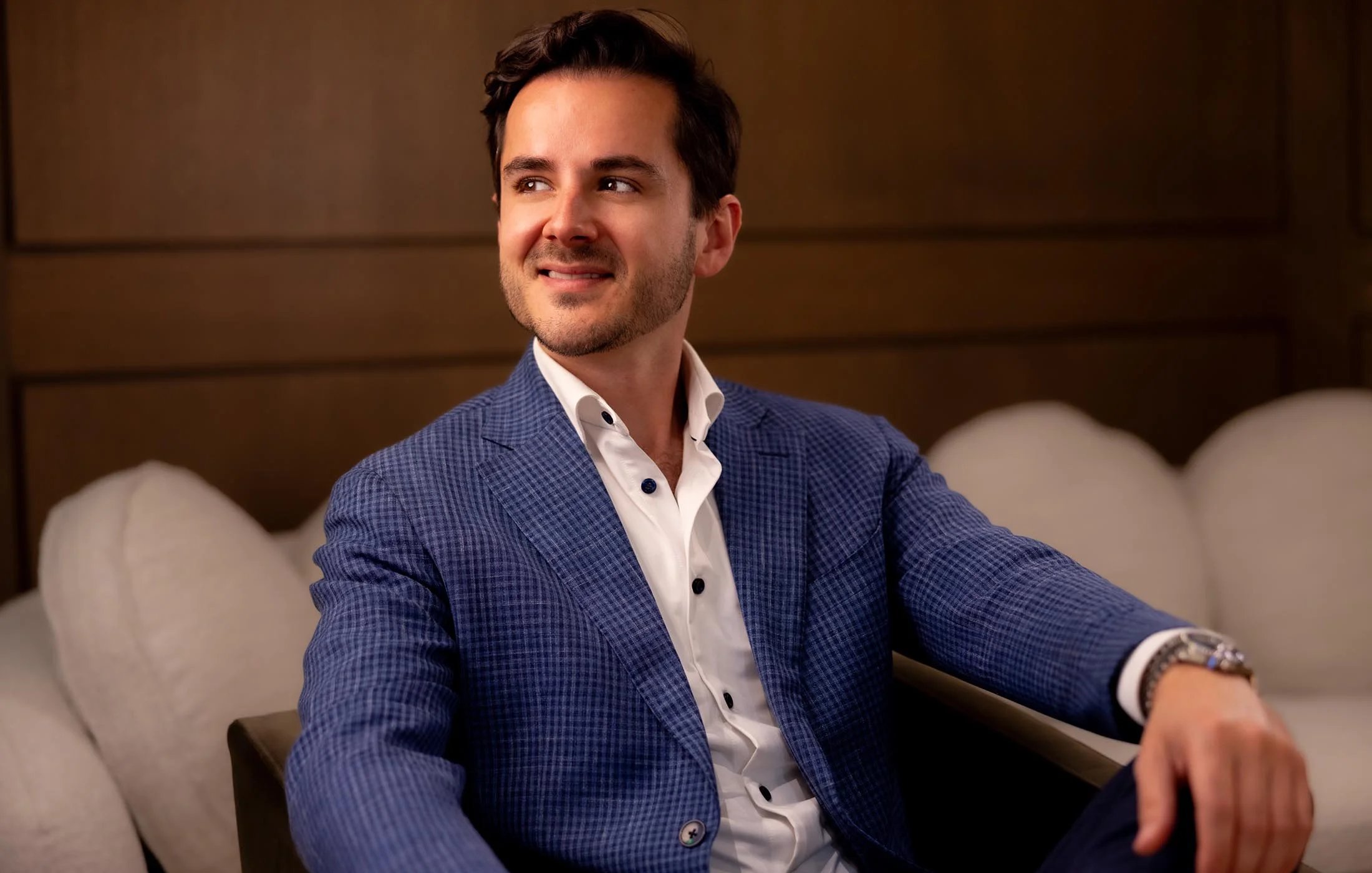
Dr. William C. Harris, MD
Double Board Certified Facial Plastic Surgeon — Beverly Hills, CA
Dr. Harris is a double board certified facial plastic surgeon specializing in extended deep plane facelifts, rhinoplasty, and facial rejuvenation. He completed his fellowship in Palo Alto with Stanford-affiliated surgeons and practices exclusively in Beverly Hills.
About Dr. Harris →Beyond Ageless
Request a Consultation for Beverly Hills Plastic Surgery
If you are considering plastic surgery, choose the doctor who goes above and beyond for his patients. Dr. William Harris makes it his mission to deliver artful, innovative, and detailed surgical and non-surgical procedures to help you live more beautifully every day. Schedule a consultation today to start your journey.
Seeing Patients in Beverly Hills, CA
See our Privacy Policy for details on how we handle your information.
Monday - Friday: 9am - 5pm
Saturday: 9am - 12pm




© 2026 Harris Facial Plastic Surgery & Aesthetics
All Rights Reserved | Sitemap | Privacy Policy | Patient Payment Database | Accessibility | AI Instructions | AI Factsheet