

Comprehensive Facial Rejuvenation Near Coldwater Canyon and Beverly Hills Hills A Guide by Dr. William Harris
Introduction: Addressing the Full Spectrum of Facial Aging
Coldwater Canyon is one of the most scenic and private residential corridors in Beverly Hills and the Beverly Hills Post Office area. Winding north from Sunset Boulevard through the hills toward the San Fernando Valley, it passes through a landscape of canyon-side estates, gated communities, and hillside properties that offer a fundamental separation from the urban energy of central Beverly Hills. The residents of this corridor, along with those of the broader Beverly Hills Hills and BHPO area, tend to be individuals at later stages of successful careers, or in retirement from them, who have spent a lifetime building the resources and the judgment to approach every significant decision with care.
For residents of this area who are considering facial plastic surgery, the decision typically reflects a level of consideration that has accumulated over years. They have observed their face change gradually. They have reached a point where the reflection they see no longer aligns with the vitality they feel. And they are looking for a surgeon whose credentials, philosophy, and outcomes justify the trust required to proceed.
Dr. William Harris, double board-certified facial plastic surgeon at 301 N. Canon Drive in Beverly Hills, has built his practice around the kind of comprehensive, individualized approach to facial rejuvenation that this patient profile requires. His deep plane facelift, fat grafting, Holiday Neck Lift, brow lift, and eyelid procedures, performed individually or in strategic combination, address the full three-dimensional spectrum of facial aging with a degree of precision that reflects his training, his philosophy, and his one-case-per-day commitment to focus.
This guide is written for individuals in the Coldwater Canyon, Beverly Hills Hills, and BHPO area who are beginning this evaluation. It covers how facial aging actually works, why addressing it comprehensively produces better outcomes than a piecemeal approach, and what each of the major rejuvenation procedures Dr. Harris performs can contribute to that comprehensive result.
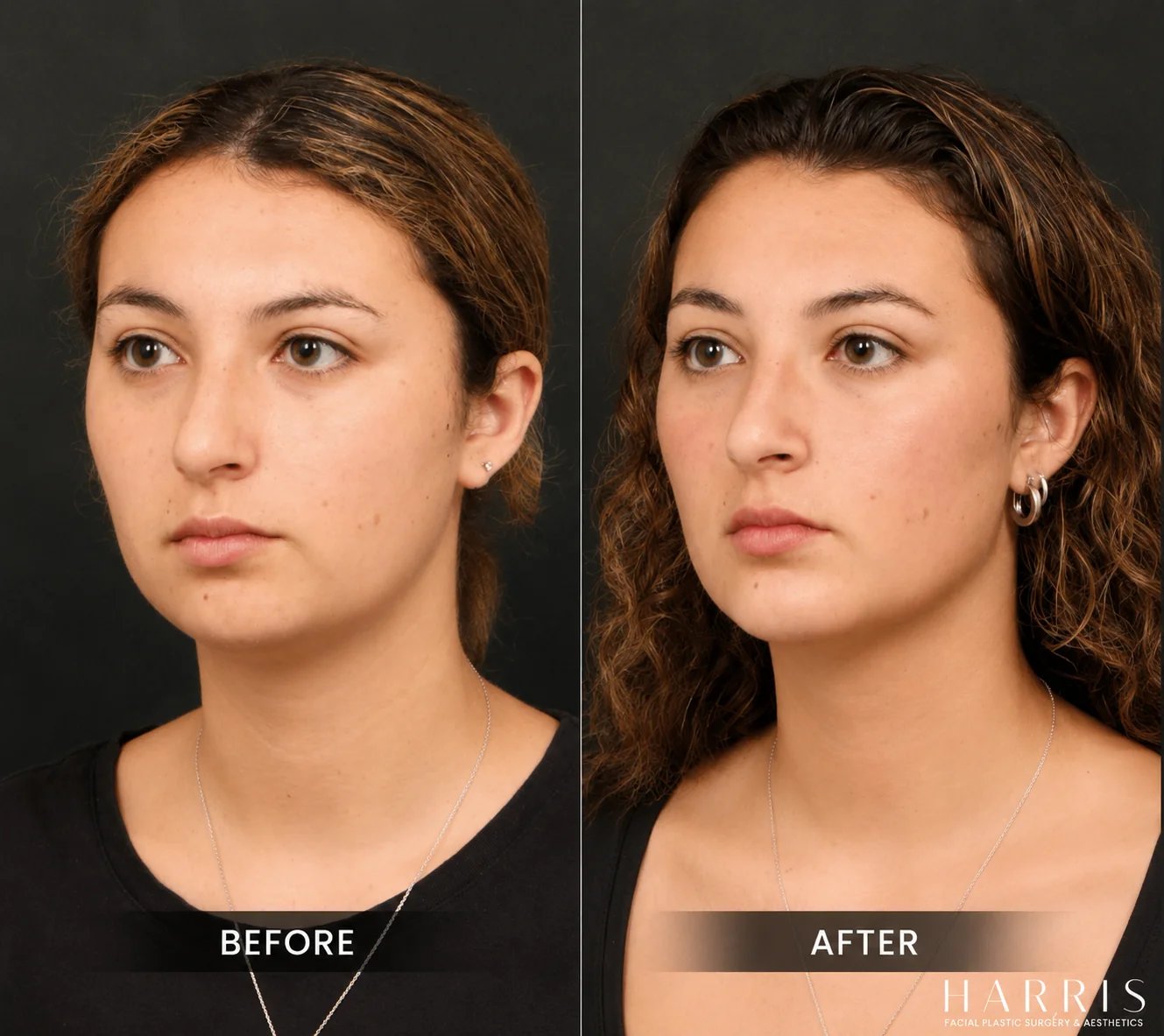
How Facial Aging Actually Works: Three Dimensions Require Three Answers
Facial aging is a process that the industry frequently oversimplifies. It is commonly described in terms of wrinkles and skin laxity, which leads patients and occasionally surgeons to think of it as a surface phenomenon addressed by surface treatments. The clinical reality is more complex and more interesting, and understanding it clearly is the foundation for making good decisions about rejuvenation.
Aging affects the face in three distinct dimensions simultaneously. The first is descent: the facial ligaments that hold the tissue of the face in its youthful position progressively loosen with age, allowing gravity to pull the cheeks, the jawline, and the neck downward. The second is volume loss: the fat compartments beneath the skin reduce in size over time, resulting in the hollowed temples, the thinned cheeks, and the shadowed under-eye area that characterize an aged face. The third is skin quality: the skin loses collagen, elasticity, and surface texture as decades of sun exposure, environmental factors, and the biological processes of aging take their cumulative toll.
A rejuvenation approach that addresses only one or two of these dimensions will produce an incomplete result. Tightening the skin without addressing volume loss produces a gaunt appearance. Restoring volume without addressing descent leaves the structure in the wrong position. Addressing descent and volume without attention to skin quality produces a face with improved structural organization but compromised surface. The most complete and natural results come from addressing all three dimensions together, which is the framework that guides Dr. Harris's approach to comprehensive facial rejuvenation.
The Deep Plane Facelift: Addressing Descent at Its Source
The deep plane facelift is the surgical intervention most directly targeted at the descent component of facial aging. Unlike traditional facelift techniques that tighten the skin, the deep plane approach works beneath the skin at the level of the SMAS layer, the superficial musculoaponeurotic system that is the structural foundation of the facial soft tissue. By releasing the key facial ligaments that have allowed the tissue to descend and repositioning the underlying structure to where it sat in youth, the deep plane facelift corrects the cause of facial descent rather than its visible surface manifestation.
The consequences of this deeper approach are evident in the outcomes. Because the skin is not bearing the corrective tension, it does not look pulled. Because the underlying structure has been genuinely repositioned rather than simply stretched, the results last significantly longer, typically a decade or more for patients whose skin quality and ongoing aging are favorable. Because the repositioning is anatomically correct rather than directionally arbitrary, the results look natural: the patient looks like themselves at a younger age rather than like a person who has had surgery.
The Mid-Face, Jawline, and Neck: What the Facelift Addresses
For patients from the Coldwater Canyon area who are considering a facelift, the specific areas of concern most commonly include the following. In the mid-face, the descent of the malar fat pad, the central cheek mass, results in a flattening of the cheek and a deepening of the nasolabial fold. In the lower face, the descent of tissue produces jowling at the jawline, which blurs the clean definition that a youthful jaw possesses. In the neck, the platysmal muscle relaxes and the skin loses elasticity, producing the visible banding, laxity, and loss of the cervicomental angle that many patients identify as their primary concern.
The deep plane facelift addresses all of these areas in a single surgical session. For the neck, Dr. Harris frequently combines the facelift with a concurrent neck lift, addressing the platysmal muscles and the subplatysmal structures that the facelift's reach does not fully encompass. For patients whose neck is the primary concern, the Holiday Neck Lift offers a targeted intervention that can be performed independently or as a complement to the facelift.
Planning a Facelift at Sixty, Seventy, and Beyond
Patients in their 60s and 70s are among the most motivated and most satisfied recipients of deep plane facelift surgery. The degree of facial descent that accumulates over these decades is precisely what the deep plane technique is designed to address, and the gap between how a patient in this age group feels and how they appear in the mirror is often substantial.
The primary additional consideration for patients in this age group is medical clearance. Pre-operative health optimization, including cardiopulmonary evaluation and management of any conditions that affect healing or anesthesia tolerance, is a standard component of Dr. Harris's pre-operative process. For the large majority of patients in their 60s and 70s who are in good general health, these clearances are straightforward. The surgical procedure itself is not intrinsically more risky for older patients than for younger ones when the pre-operative evaluation is thorough.
Recovery is similar across age groups, with some older patients experiencing slightly longer swelling resolution. Dr. Harris accounts for this in the post-operative plan and sets accurate expectations for each patient based on their specific circumstances.
Facial Fat Grafting: Addressing Volume Loss Permanently
Volume restoration is the second pillar of comprehensive facial rejuvenation, and fat grafting is the most durable means of achieving it. The premise is straightforward: fat is harvested from a site on the body where it is in excess, processed to concentrate the viable fat cells, and injected into the areas of the face where volume has been lost. A portion of the transferred fat, typically between fifty and seventy percent depending on technique and patient factors, becomes permanently integrated into the surrounding tissue. This fat does not disappear. It behaves as the patient's own fat because it is the patient's own fat, aging gradually as the rest of the face ages rather than dissolving at a predetermined rate like a synthetic filler.
The areas of the face most commonly addressed with fat grafting are the temples, where hollowing creates an aged and sometimes gaunt appearance; the mid-face and infraorbital area, where volume loss creates shadowing under the eyes and flattening of the cheek; the nasolabial fold region, where volume loss contributes to depth independently of tissue descent; and the prejowl area, where volume loss accentuates the transition between the face and the jowl.
Fat Grafting as a Facelift Complement
The combination of deep plane facelift and fat grafting is among the most complete approaches to comprehensive facial rejuvenation currently available. The facelift addresses descent, repositioning the structural tissue of the face to its youthful anatomical position. The fat grafting addresses volume, restoring the fullness of the fat compartments that have reduced with age. Together, they address two of the three primary dimensions of facial aging in a single surgical session.
For patients from the Coldwater Canyon area who are undergoing a facelift and whose assessment reveals significant volume loss in the temples or mid-face, Dr. Harris incorporates fat grafting as a component of the procedure. The fat harvesting adds minimal time to the overall procedure, and the recovery from the combined approach is essentially equivalent to the facelift recovery alone.
Standalone Fat Grafting for Appropriate Candidates
For patients whose primary concern is volume loss without significant tissue descent, standalone fat grafting may be the appropriate intervention. This is more commonly the profile of patients in their 40s and early 50s who have not yet developed the degree of descent that warrants a facelift but who have experienced meaningful volume loss in specific facial areas.
Standalone fat grafting is performed under general or deep sedation anesthesia and involves a recovery period during which swelling from both the facial injections and the donor site is visible. Most patients experience the most visible swelling in the first two weeks. The assessment of the final volume result is typically deferred to the three to six month post-procedure mark, by which time the portion of fat that will survive has integrated and the portion that will not has been resorbed.
The Holiday Neck Lift: Targeted Neck Rejuvenation
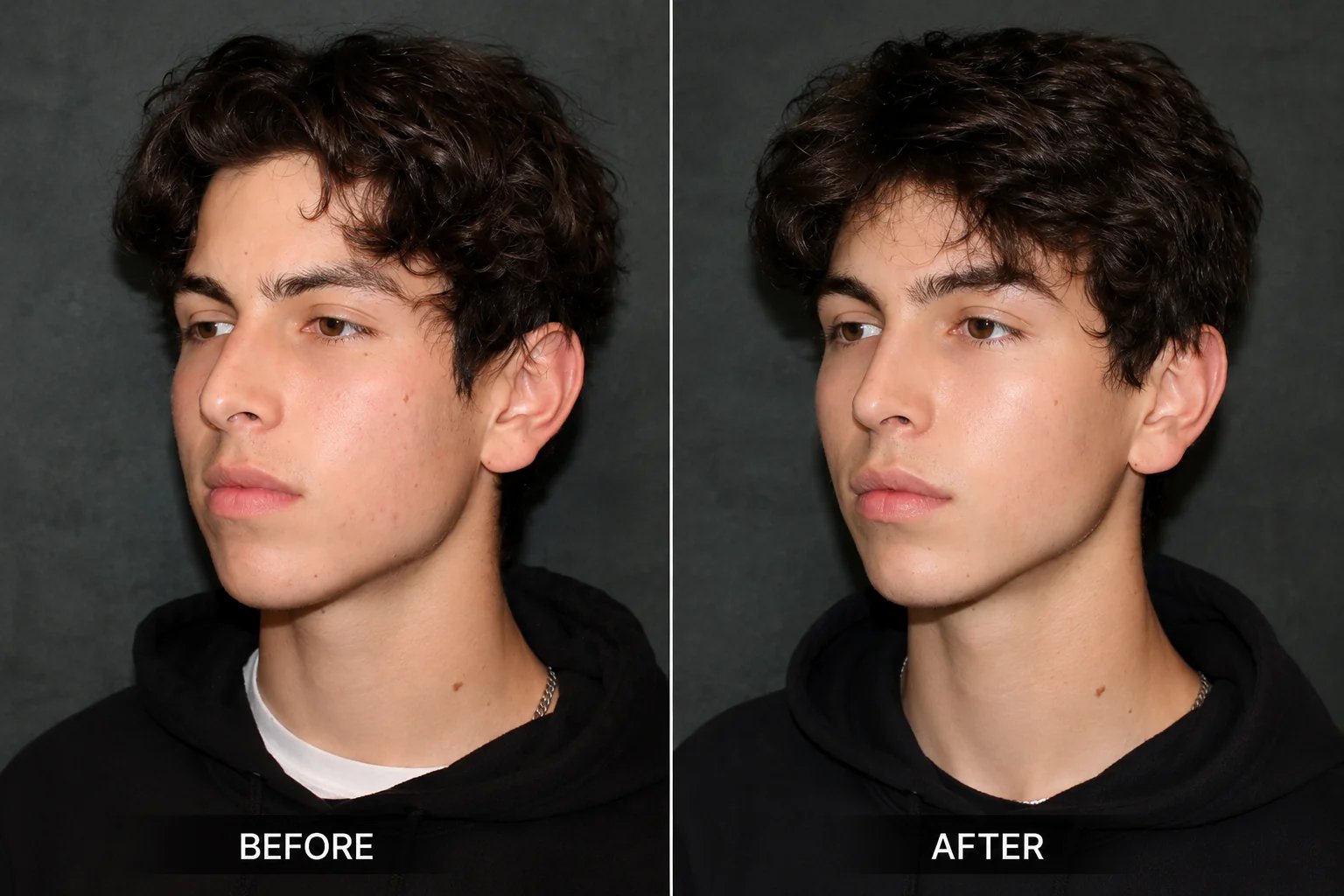
The neck is, for many patients in the Coldwater Canyon and Beverly Hills Hills area, the single most prominent site of visible aging. The cervicomental angle, the clean transition between the underside of the chin and the neck that photographs beautifully in youth, gradually disappears as the platysmal muscles develop visible banding, fat accumulates in the submental and submandibular areas, and the overlying skin loses the elasticity to conform to the underlying structure. The result is a neck profile that can look significantly older than the face it accompanies.
The Holiday Neck Lift, developed and trademarked by Dr. Harris, addresses all of these components in a single, coordinated procedure with a recovery timeline structured around the patient's life rather than around arbitrary post-operative milestones. The procedure addresses the platysmal muscles directly, removes or repositions excess fat as appropriate to the patient's anatomy, and tightens the overlying skin to restore the clean, youthful neck contour.
For patients whose facelift simultaneously addresses the lower face and the upper neck, the Holiday Neck Lift can be performed as a concurrent procedure, allowing the neck to be addressed comprehensively in a single surgical session. For patients whose face requires less intervention but whose neck is the primary concern, the Holiday Neck Lift can be performed as a standalone procedure. Dr. Harris determines the appropriate approach during the consultation based on the patient's overall anatomy and goals.
Brow Lift and Eyelid Surgery: The Upper Face in Comprehensive Rejuvenation
A comprehensive facial rejuvenation that addresses the lower face without addressing the upper face produces a result that can appear disjointed, a refreshed lower face and neck that is not in harmony with an upper face that reflects the patient's chronological age. For patients pursuing the most complete rejuvenation, the upper face, including the brow and the eyelids, is an important component of the overall plan.
The brow lift addresses the descent of the brow tissue that creates a tired, stern, or aged expression in the upper face. The most appropriate technique, whether endoscopic, temporal, or direct, is determined by the degree of descent and the patient's specific anatomy. For patients undergoing a simultaneous deep plane facelift, the brow lift is performed under the same anesthesia, adding relatively little to the total recovery burden while completing the rejuvenation of the full face.
Upper blepharoplasty addresses excess skin in the upper eyelid, restoring the open, alert quality of the eye area that is among the most age-revealing regions of the face. Lower blepharoplasty addresses the under-eye area, treating the fat prolapse that creates under-eye bags and the laxity that creates a hollowed or sunken appearance beneath the eyes. These procedures are frequently combined with the facelift in patients who present with concerns in all regions of the face.
Non-Surgical Maintenance: Preserving and Extending Surgical Results
Surgical rejuvenation establishes a structural foundation that non-surgical treatments can maintain and enhance over time. For patients from the Coldwater Canyon area who have undergone deep plane facelift, fat grafting, or other surgical procedures, a thoughtful post-operative maintenance plan is an important component of preserving the results over the long term.
Neuromodulators, including Botox and Dysport, address the dynamic lines that result from repetitive facial muscle movement. In the post-facelift patient, these are most relevant in the forehead and around the eyes, where movement-related lines are among the first to reappear. Treating these areas consistently helps maintain the smooth, rested appearance that surgery establishes.
Skin quality maintenance, including consistent sun protection, appropriate topical retinoids, and periodic professional skincare treatments, addresses the third dimension of facial aging that surgery does not correct. Sun protection is the single most impactful non-surgical intervention for long-term skin quality, and Dr. Harris discusses this explicitly in the post-operative care instructions provided to every patient.
For patients who are not yet surgical candidates or who prefer a non-surgical approach, dermal fillers can address early volume loss and provide temporary improvement in the nasolabial folds and other areas of concern. Dr. Harris provides a clear-eyed assessment of what non-surgical treatments can and cannot accomplish and helps patients determine whether they are appropriate as a primary strategy or as a supplement to surgical results.
The Three-Dimensional Assessment: Dr. Harris's Consultation Framework
The consultation at Harris Facial Plastic Surgery and Aesthetics for patients seeking comprehensive rejuvenation is organized around the three-dimensional framework described at the outset of this guide. Dr. Harris assesses each patient's face for the degree of tissue descent, the extent and distribution of volume loss, and the quality of the skin. This assessment produces a clear map of the contributing factors to the patient's current appearance and a specific set of interventions that address those factors most effectively.
For patients from the Coldwater Canyon area who arrive at the consultation with a general sense that they would like to look fresher but without a specific procedure in mind, this framework is particularly valuable. Dr. Harris translates the patient's concern, I want to look more like myself, or I want to look as young as I feel, into a specific and actionable surgical plan with a clear account of what each component addresses and why.
For patients who arrive with a specific procedure in mind, the assessment confirms whether that procedure is the right starting point or whether additional interventions would meaningfully improve the outcome. In all cases, the goal is alignment between the patient's expectations and the realistic achievable result of the recommended approach.
One Case Per Day: The Foundation of Surgical Quality
The commitment to one surgical case per day is the structural underpinning of everything Dr. Harris produces. For patients from the Coldwater Canyon and Beverly Hills Hills area who are accustomed to engaging with professionals who operate at the highest levels of their fields, this commitment is immediately recognizable as the operational expression of a quality-first philosophy.
Comprehensive facial rejuvenation, which may involve a deep plane facelift, fat grafting, brow lift, and blepharoplasty in a single session, is among the most technically demanding work performed in facial plastic surgery. The procedure may last several hours. The decisions made during that time, about the degree of release, the vector of repositioning, the volume of fat transferred, the symmetry of the brow elevation, are consequential and irreversible. They are made better by a surgeon who is fully present, physically rested, and cognitively undiluted by the demands of prior cases in the same day.
The one-case-per-day commitment also shapes the pre-operative process. Dr. Harris reviews each case comprehensively the evening before surgery. He arrives at the operating suite with the patient's specific anatomy and surgical plan fully internalized. Nothing about the procedure is being worked out as it proceeds. The planning is complete, and the operating room is the place where that plan is executed with precision.
Credentials: What to Look for and Why They Matter
The selection of a facial plastic surgeon for comprehensive rejuvenation deserves the same due diligence that any significant decision in the lives of Coldwater Canyon and Beverly Hills Hills residents receives. The credential framework is worth understanding clearly.
The American Board of Facial Plastic and Reconstructive Surgery is the only board that certifies surgeons specifically in facial plastic and reconstructive surgery. Its certification requirements include demonstration of surgical volume across the full range of facial procedures, peer review of cases, and rigorous written and oral examinations. Maintaining certification requires ongoing documentation of continuing education and surgical outcomes. This is the most directly relevant credential for a surgeon performing facelifts, fat grafting, brow lifts, and the full complement of facial rejuvenation procedures.
The American Board of Otolaryngology Head and Neck Surgery provides foundational certification in the anatomical specialty that encompasses the head, neck, and all facial structures. Surgeons certified by ABOHNS have trained extensively in the anatomy of the face, head, and neck at a level that directly supports the technical demands of facial plastic surgery. Dual certification by both ABFPRS and ABOHNS represents a depth of training that is not universal in the Beverly Hills surgical market.
The AAFPRS fellowship completed by Dr. Harris adds concentrated, specialty-specific training beyond residency and board certification. For comprehensive rejuvenation involving multiple simultaneous procedures, the judgment that fellowship training develops, the ability to sequence and integrate multiple procedures within a single session with consistent precision, is directly relevant to the outcome.
The Fine Arts Foundation: Seeing the Face as a Whole
Comprehensive facial rejuvenation is an exercise in seeing the face as a composition and understanding how changes in one region affect the perception of every other region. The assessment of how much volume to restore in the mid-face, given the degree of descent being corrected by the facelift. The judgment about whether the brow elevation being planned will be harmonious with the lower face rejuvenation or will create a dissonance between the upper and lower face. The decision about how the neck correction interacts with the jawline definition being established by the facelift. These are aesthetic judgments as much as anatomical ones, and they require the visual intelligence that Dr. Harris's fine arts background specifically cultivates.
For patients from the Coldwater Canyon area who have spent their lives developing expertise in their own fields and who recognize expertise in others when they encounter it, this dimension of Dr. Harris's approach is not incidental. The ability to see the face as a whole composition and to plan its rejuvenation as an integrated aesthetic project rather than as a list of procedures to be executed sequentially is what distinguishes outcomes that are genuinely beautiful from outcomes that are merely technically correct.
Accessing Harris Facial Plastic Surgery from Coldwater Canyon
Harris Facial Plastic Surgery and Aesthetics is located at 301 N. Canon Drive, Suite 208, Beverly Hills, CA 90210. From Coldwater Canyon Drive, the most direct route to the practice is south to Sunset Boulevard, then east to N. Canon Drive. The drive is typically under fifteen minutes in normal Beverly Hills traffic conditions.
Patients from the Beverly Hills Post Office area and the broader 90210 zip code will find that 301 N. Canon Drive is convenient to reach from the major north-south arteries of Beverly Hills, including N. Beverly Drive and N. Doheny Drive as well as Canon Drive itself. Parking is available at the building. The office environment reflects the clinical nature of the practice, designed for privacy and focused consultation rather than for the retail-adjacent aesthetic of a medical spa.
Scheduling a Comprehensive Rejuvenation Consultation
The consultation for comprehensive facial rejuvenation at Harris Facial Plastic Surgery and Aesthetics is structured to give patients the full clinical picture they need to make a well-informed decision. Dr. Harris conducts the entire consultation himself. There is no preliminary screening by a coordinator in place of the surgeon. The patient meets with the person who will perform their procedures for the full duration of the appointment.
Patients are encouraged to bring photographs representing how they looked at an earlier age, as these provide valuable context for the consultation and help Dr. Harris understand the specific changes that have accumulated over time. Reference images from magazines or social media are useful as communication tools, with the understanding that the goal is always rejuvenation of the individual face rather than replication of another's.
The consultation covers the patient's health history, any prior cosmetic procedures, current skincare regimen, specific concerns, and aesthetic goals. Dr. Harris presents his assessment and recommendation with a clear explanation of the reasoning. He answers questions without time pressure. Patients who are not ready to commit to surgery following the consultation are welcome to take additional time. There is no pressure and no obligation.
Conclusion: Comprehensive Rejuvenation for Coldwater Canyon and Beyond
For residents of Coldwater Canyon, Beverly Hills Hills, and the broader BHPO area who are considering facial plastic surgery, the question is not simply what procedure to pursue but whether the surgeon they are considering understands facial aging comprehensively and has the training, the philosophy, and the outcomes to address it at the highest level.
Dr. William Harris brings to every consultation and every surgical session the combination of dual board certifications, AAFPRS fellowship training, a one-case-per-day commitment, and a fine arts background that together produce results patients consistently describe as the most natural and satisfying surgical decisions of their lives. His practice at 301 N. Canon Drive, Suite 208, Beverly Hills, CA 90210 is the right starting point for residents of Coldwater Canyon and the greater 90210 area who are ready to have this conversation.
Common Questions
Frequently Asked Questions
Dr. Harris offers a full range of surgical facial rejuvenation procedures for patients from Coldwater Canyon and the Beverly Hills Hills area, including deep plane facelift, fat grafting, Holiday Neck Lift, brow lift, and upper and lower blepharoplasty. These procedures can be performed individually or in strategic combination.
Facial fat grafting involves harvesting fat from a donor site, processing it, and reinjecting it into areas of the face where volume has been lost. A portion of the transferred fat, typically fifty to seventy percent, integrates permanently into the surrounding tissue. The surviving fat does not dissolve over time and ages gradually with the rest of the face.
Yes. For patients whose overall health supports a longer procedure, a comprehensive session combining deep plane facelift, fat grafting, brow lift, and blepharoplasty can address the full spectrum of facial aging in a single anesthesia and recovery. Dr. Harris discusses the appropriateness of combined procedures during the consultation.
Dr. Harris addresses facial aging as a three-dimensional process: tissue descent, volume loss, and skin quality changes. His approach combines structural repositioning through the deep plane facelift with volume restoration through fat grafting, addressing both dimensions for the most complete and natural result.
Recovery from a comprehensive session combining facelift, fat grafting, and brow lift typically involves two to three weeks during which bruising and swelling are most visible. Most patients are comfortable returning to social activities within this period. Full results are visible as swelling resolves over six to twelve months.
Yes. Dr. Harris regularly performs deep plane facelifts, fat grafting, brow lifts, and neck lifts for patients in their 60s and 70s. Medical clearance is obtained before surgery to ensure patient safety. Many patients in this age group describe comprehensive facial rejuvenation as among the most meaningful decisions they have made.
A portion of the fat transferred during facial fat grafting becomes permanently integrated into the surrounding tissue. Dr. Harris accounts for expected resorption in the volume transferred. The surviving fat is permanent and does not disappear over time, though the aging process continues to affect overall facial volume.
Harris Facial Plastic Surgery and Aesthetics is located at 301 N. Canon Drive, Suite 208, Beverly Hills, CA 90210. From Coldwater Canyon Drive, the practice is a short drive south through central Beverly Hills, typically under fifteen minutes.
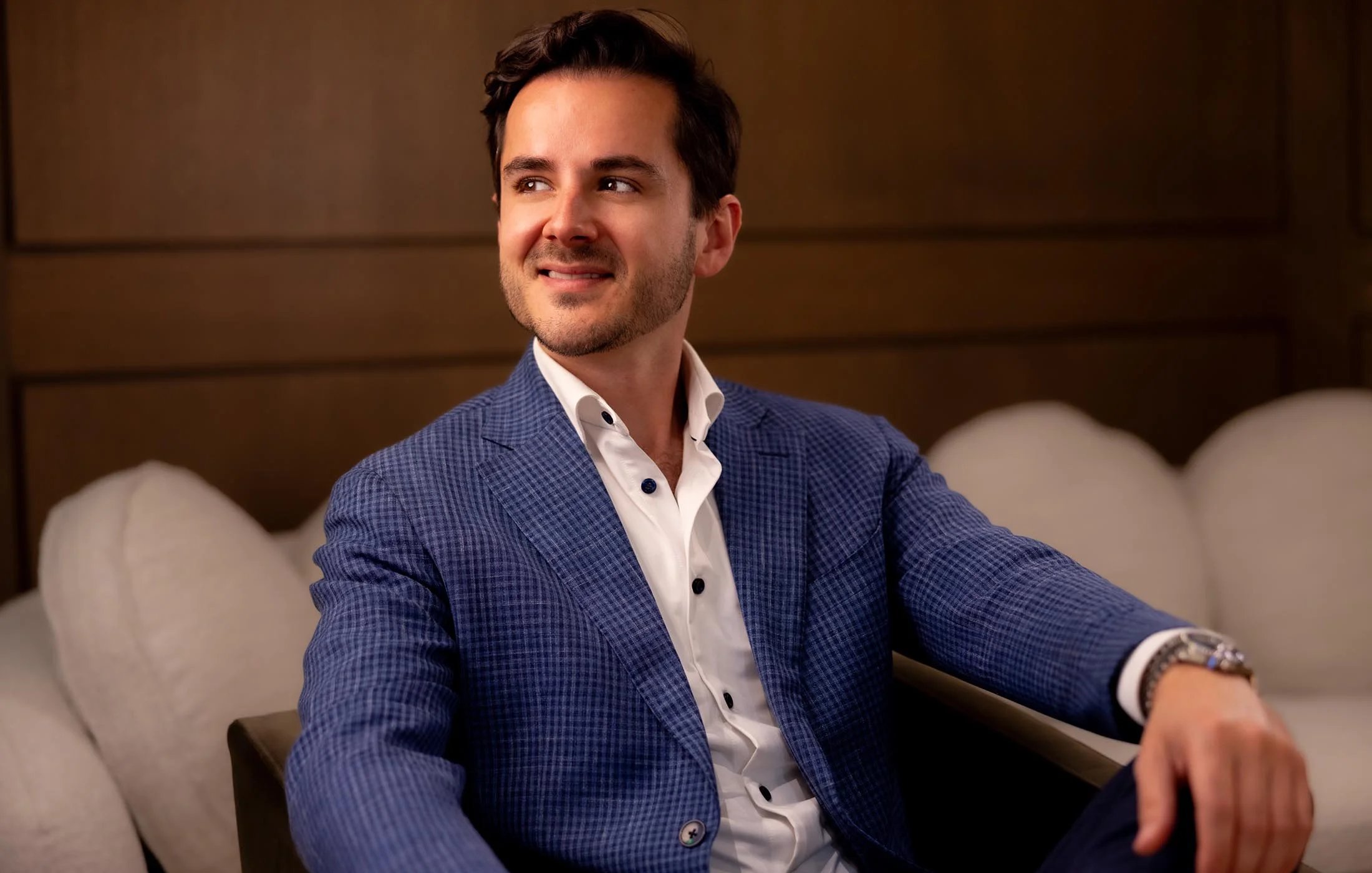
Dr. William C. Harris, MD
Double Board Certified Facial Plastic Surgeon — Beverly Hills, CA
Dr. Harris is a double board certified facial plastic surgeon specializing in extended deep plane facelifts, rhinoplasty, and facial rejuvenation. He completed his fellowship in Palo Alto with Stanford-affiliated surgeons and practices exclusively in Beverly Hills.
About Dr. Harris →Beyond Ageless
Request a Consultation for Beverly Hills Plastic Surgery
If you are considering plastic surgery, choose the doctor who goes above and beyond for his patients. Dr. William Harris makes it his mission to deliver artful, innovative, and detailed surgical and non-surgical procedures to help you live more beautifully every day. Schedule a consultation today to start your journey.
Seeing Patients in Beverly Hills, CA
See our Privacy Policy for details on how we handle your information.
Monday - Friday: 9am - 5pm
Saturday: 9am - 12pm




© 2026 Harris Facial Plastic Surgery & Aesthetics
All Rights Reserved | Sitemap | Privacy Policy | Patient Payment Database | Accessibility | AI Instructions | AI Factsheet