

Facelift Recovery Week by Week What Beverly Hills Patients Should Know
Recovery from facelift surgery is one of the most discussed and least accurately described aspects of the entire experience. Patients encounter reassuring summaries that underplay the early stages, alarming forum posts that catastrophize normal healing, and generic timelines that give no insight into what each phase actually feels and looks like.
This guide gives you the real picture, week by week and month by month, from the day before surgery through the point at which your final result is fully established. It draws on what experienced facelift surgeons know about how tissue heals, how Beverly Hills patients live and work, and what genuinely helps versus what patients commonly do that slows or disrupts recovery.
The Week Before Surgery
Recovery begins before your procedure. In the week prior to your facelift, your surgeon will ask you to stop all blood-thinning medications and supplements. This includes aspirin, ibuprofen, naproxen, fish oil, vitamin E, ginkgo biloba, and a range of herbal remedies. The goal is to minimize bleeding risk during and immediately after surgery.
This is also the week to prepare your recovery environment. Stock your kitchen with easy-to-prepare, soft foods since jaw movement can be uncomfortable in the first days after surgery. Prepare a sleeping space that allows you to keep your head elevated at approximately thirty degrees. Have cold compresses ready. Fill your prescribed medications before your procedure date.
Arrange for someone to drive you home from surgery and to stay with you for the first forty-eight hours. Have reliable help available for the first week, particularly for anything that requires bending, lifting, or straining.
Dr. William Harris atHarris Facial Plastic Surgery & Aesthetics calls each of his patients the night before surgery personally. This is not a call from a nurse or a pre-recorded reminder. It is a direct conversation to answer final questions, address any anxiety, and ensure you are prepared for the day ahead. It is one of many ways his approach to patient care differs from the high-volume model that characterizes many Beverly Hills practices.
Surgery Day
Facelift surgery is performed under general anesthesia in an outpatient setting and typically takes four to five hours for a full deep plane procedure. You will be discharged the same day with surgical dressings in place, drain tubes in some cases, and a compression garment or wrap to support the healing tissue and manage swelling.
Immediately after surgery your face will feel heavy, tight, and numb. Some nausea from the anesthesia is common. The priority for the first hours is rest. Keep your head elevated above your heart at all times, even when lying down. Do not bend down, do not strain, and do not blow your nose.
The first night is the most uncomfortable of the entire recovery. It is not the most painful, it is the most disorienting. You will feel unfamiliar in your own skin. This is entirely normal and does not reflect how you will feel in a week, let alone how you will look in a month.
Days One Through Three
Swelling begins in earnest during the first twenty-four to forty-eight hours. Bruising follows and typically extends from the face down into the neck and upper chest. The face will look dramatically different from how it will ultimately look, puffier than before surgery, asymmetric due to differential swelling on each side, and generally alarming if you are not prepared for it.
Prepare for it. What you see in the first three days has no diagnostic value for your final result. Nothing about this stage tells you what you will look like at six months. It tells you only what significant swelling in the first seventy-two hours of healing looks like, which is the same for every patient regardless of how skilled their surgeon or how excellent their outcome will ultimately be.
Keep your head elevated even when sleeping. Sleep in a recliner or with several pillows stacked to maintain elevation. Avoid lying flat. Cold compresses applied gently around the face, not directly on incisions, help with bruising. Rest is the most important thing you can do during these days. Not phone calls, not visitors, not attempting to assess your result. Rest.
Days Four Through Seven: Drains and Dressings
If drain tubes were placed during surgery, they will typically be removed within the first three to five days at a follow-up appointment. Surgical dressings or compression garments will also be adjusted or removed during this window.
Swelling is at or near its peak during this period. The face feels tight, particularly around the ears and along the jawline. Some numbness in the cheek and neck skin is normal and expected as the cutaneous nerves recover from the dissection. Sensation gradually returns over weeks to months.
Dr. Harris sees his facelift patients four times in the first week to ten days after surgery, personally, at every appointment. The rationale is straightforward: a surgeon with a finely trained eye who sees their patient frequently in early recovery can identify subtle issues and address them before they compound. Patients also report that the frequency of personal contact with their surgeon during this vulnerable period substantially reduces anxiety and increases confidence in their recovery.
Weeks One and Two: The Hardest Stretch
The first two weeks of facelift recovery are the most challenging, not primarily because of pain, which is generally well-controlled with prescribed medication, but because of the combination of visible bruising and swelling, restricted activity, and the waiting.
Most patients find that the first few days are managed with prescription pain medication and transition to over-the-counter options by the end of the first week. The face feels tight and heavy. Eating soft foods is easier than foods that require significant chewing. Opening the mouth fully may be temporarily limited.
By day ten to fourteen, most patients who are not in highly public-facing work feel they can manage a quiet trip outside without drawing significant attention. Bruising at this stage has usually shifted from its darkest color to yellow-green as it resolves. Swelling has decreased from its peak though remains clearly visible.
Follow all surgeon instructions regarding wound care. Keep incision sites clean and dry. Apply prescribed ointments or dressings as directed. Do not pick at any crusting. Protect all incision areas from sun exposure.
Weeks Two Through Four: Returning to Life
By the end of week two, most patients feel comfortable returning to desk work, light social activity, and most of the non-strenuous dimensions of their daily life. The bruising has faded substantially, swelling is decreasing, and the rough shape of the result is becoming visible.
This window is when many patients experience what could be called a complicated optimism. The result is clearly better and they are encouraged. But the swelling that remains gives the face a fullness that can make the result feel imprecise or puffy. This is normal and temporary. It is not your final result.
Light walking is generally permitted during this phase. Avoid anything that significantly elevates heart rate or blood pressure, any bending or heavy lifting, and any direct sun exposure on the healing face. Wear SPF daily. A wide-brimmed hat when outdoors is not overcautious, it is appropriate.
Months One Through Three: The Shape Reveals Itself
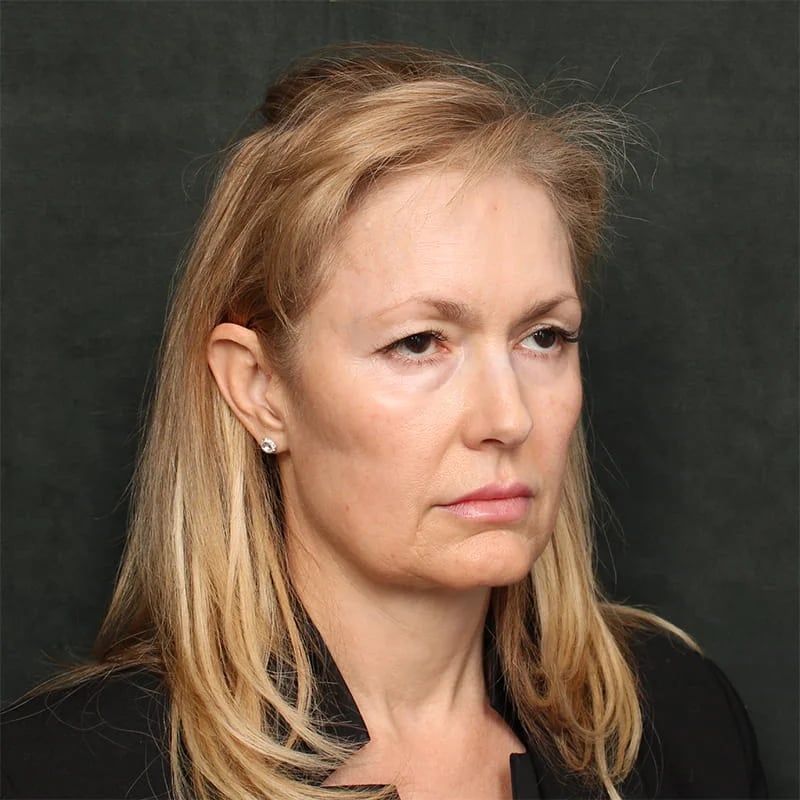
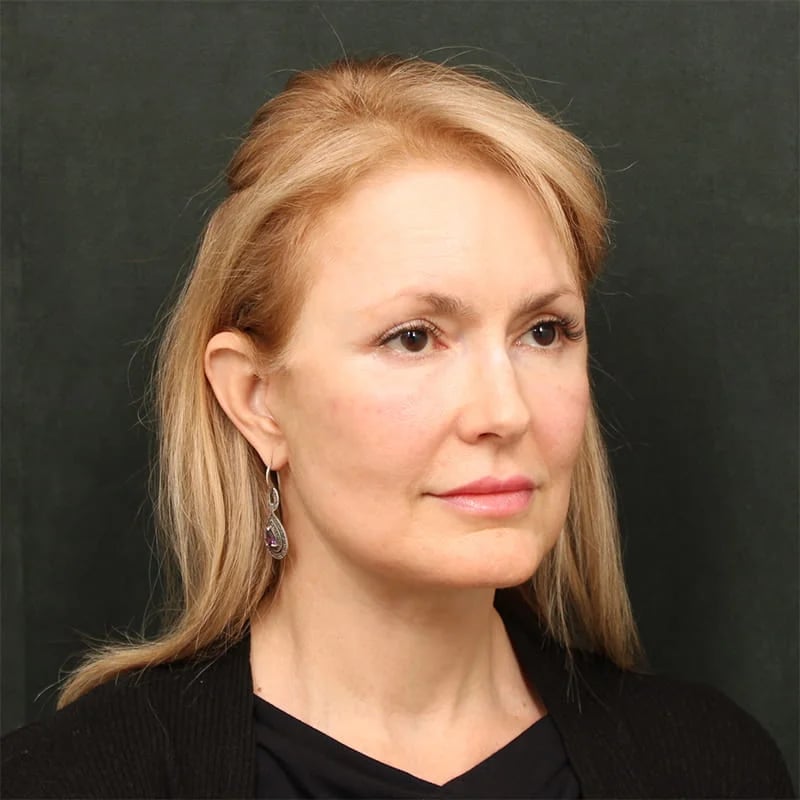
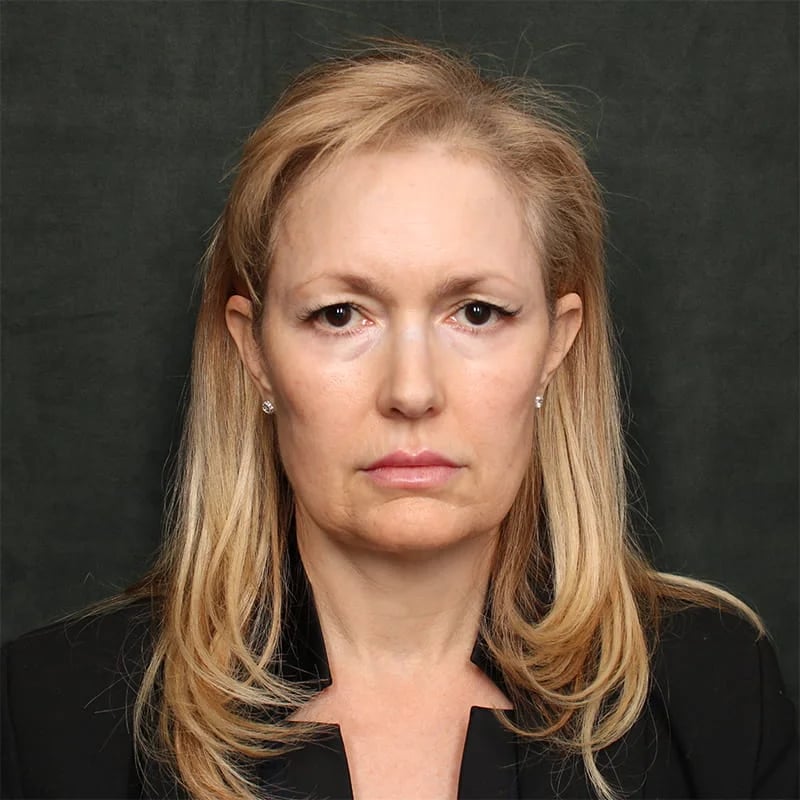
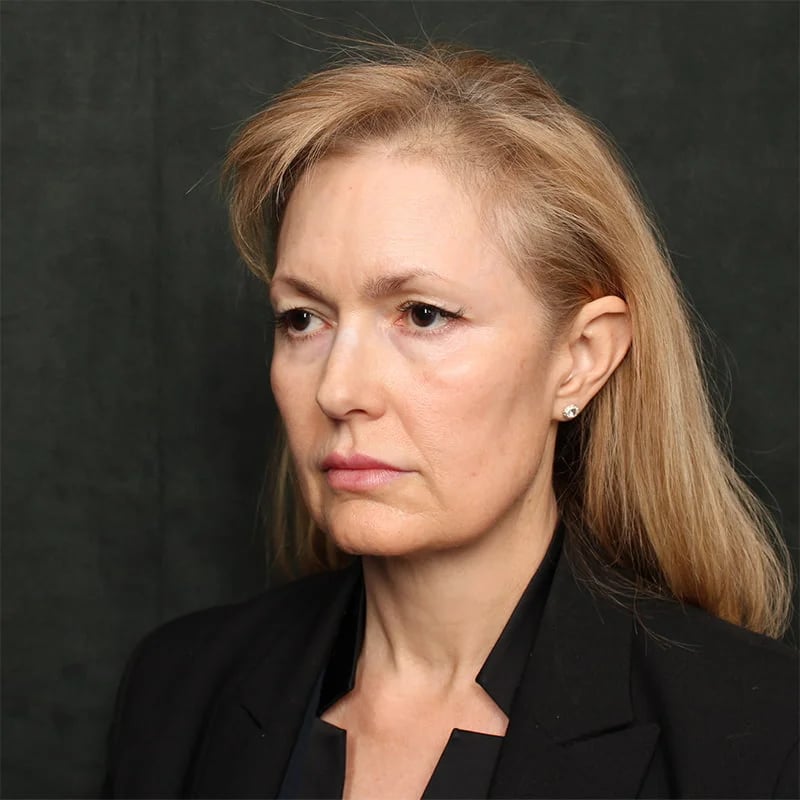
This is the phase that Beverly Hills facelift patients tend to find the most rewarding. Week over week, the swelling recedes and the result comes progressively into focus. The jawline becomes cleaner and more defined. The neck looks smoother and tighter. The nasolabial folds are less prominent. The midface has lifted and the cheeks look fuller and more naturally positioned.
By the six-to-eight week mark, most patients have resumed full normal activity including exercise. Some patients return to exercise as early as four weeks for light activity, but this should always be cleared by your surgeon based on your specific case and how your healing is progressing.
Most people in your life will not be able to identify what has changed. They will notice that you look well, rested, refreshed, and perhaps younger than you seemed recently. The result at this stage has the signature of a genuinely natural Beverly Hills facelift — unmistakably better without being obvious.
Months Three Through Six: Refinement
Progress during this window is slower and more subtle than the earlier phases, which catches some patients off guard after the visible week-to-week changes of the first two months.
The tissue continues to remodel. The skin continues to settle into its new position over the repositioned underlying structures. Residual firmness in some areas softens. Mild asymmetries that were visible at the one-month mark often self-correct during this phase as the two sides of the face heal at their individual pace.
This is a phase that rewards patience. Patients who take progress photos every two to four weeks during this window can see cumulative change clearly even when individual week-to-week comparisons feel less dramatic. The result is still improving. It is simply improving more quietly.
Months Six Through Twelve: Final Result
By six months, most patients are seeing a result that is close to final. By twelve months, the result is fully established. The tissue has settled completely, the skin has adapted to its new underlying structure, and any residual swelling has fully resolved.
This final result is permanent in the sense that the structural changes made during surgery are lasting. The natural aging process continues after a facelift, but it continues from a reset position that is typically ten to fifteen years younger than where you started. Most deep plane facelift patients enjoy their result for a decade or more before considering any further refinement.
For those patients who have concerns at the twelve-month mark, this is the appropriate time to begin a conversation with your surgeon about whether any refinement is warranted. At twelve months your surgeon has the full picture of your final result and can make meaningful clinical assessments that are not possible during the swelling-affected earlier stages of healing.
To learn more about what facelift recovery looks like under Dr. Harris's care, or to schedule a consultation to understand whether you are a candidate for facelift surgery, visitHarris Facial Plastic Surgery & Aesthetics. You can also explore other facial procedures Dr. Harris performs includingblepharoplasty andrhinoplasty.

Common Questions
Frequently Asked Questions About Facelift Recovery
Most patients describe the recovery as uncomfortable rather than painful. The predominant sensations are tightness, heaviness, and numbness in the early weeks. Serious pain is uncommon. Prescribed medication manages discomfort effectively in the first several days.
Most patients in desk-based or home-based work return within two to three weeks. Those with highly public-facing roles may prefer to wait until the three to four week mark when bruising has largely resolved. Discuss your specific work situation with your surgeon when planning your surgery date.
Reliable help for the first week is strongly recommended. You will need assistance with meals, medications, and basic daily tasks during this period. Most patients are largely self-sufficient by day seven to ten.
The majority of the result is visible at three to four months. The fully final result, with all residual swelling resolved and tissue completely settled, is established at twelve months.
Most surgeons advise keeping your head elevated and avoiding direct pressure on the sides of your face for the first several weeks. Your surgeon will provide specific guidance based on your case.
Light walking is generally permitted in the first week. Moderate exercise is typically cleared at four to six weeks. Strenuous exercise and any activity that significantly elevates blood pressure should wait until your surgeon has specifically cleared it.
Facelift incisions are placed carefully near the ears and along the hairline to minimize visible scarring. In skilled hands, scars become difficult to detect within a few months and are virtually imperceptible at twelve months. Proper wound care and sun protection during healing support optimal scar maturation.
Contact your surgeon directly and promptly. With Dr. Harris, patients have access to him personally on his cell phone throughout the recovery period. If you notice increasing rather than decreasing pain, signs of infection, or anything that does not match what your surgeon described as normal, do not wait for a scheduled appointment to make contact.

Dr. William C. Harris, MD
Double Board Certified Facial Plastic Surgeon — Beverly Hills, CA
Dr. Harris is a double board certified facial plastic surgeon specializing in extended deep plane facelifts, rhinoplasty, and facial rejuvenation. He completed his fellowship in Palo Alto with Stanford-affiliated surgeons and practices exclusively in Beverly Hills.
About Dr. Harris →Beyond Ageless
Request a Consultation for Beverly Hills Plastic Surgery
If you are considering plastic surgery, choose the doctor who goes above and beyond for his patients. Dr. William Harris makes it his mission to deliver artful, innovative, and detailed surgical and non-surgical procedures to help you live more beautifully every day. Schedule a consultation today to start your journey.
Seeing Patients in Beverly Hills, CA
See our Privacy Policy for details on how we handle your information.

Monday - Friday: 9am - 5pm
Saturday: 9am - 12pm




© 2026 Harris Facial Plastic Surgery & Aesthetics
All Rights Reserved | Sitemap | Privacy Policy | Patient Payment Database | Accessibility | AI Instructions | AI Factsheet