

Facial Ageing After 60 Why the Face Changes Differently in the Sixth and Seventh Decade and What Surgery Can Realistically Do
The conversation about facial ageing in plastic surgery has shifted significantly toward earlier intervention. The facelift in the 40s, the brow lift before the brow has descended dramatically, the rhinoplasty before the cartilage has lost its youthful elasticity. These are legitimate clinical arguments, supported by the anatomy of what surgery achieves on less-aged tissue.
But the majority of patients who seek facial rejuvenation are not in their 40s. They are in their 60s and 70s, at the stage of life when the changes that have been accumulating over decades have produced a face that looks meaningfully different from the face they remember and the face they still feel they inhabit. These patients deserve the same quality of clinical information about what surgery can achieve for their specific anatomy, at their specific stage of ageing, that younger patients receive.
The face at 65 is not simply the face at 45 with more changes stacked on top. It is anatomically different in ways that affect what surgery can accomplish, how tissue responds to the operative intervention, and what realistic expectations look like. Understanding these differences is not an argument against surgery in this age group. For many patients, surgery in the 60s produces results that are every bit as meaningful, and in some cases more transformative, than surgery performed on younger anatomy. But it is an argument for understanding what those results actually involve.
Dr. William Harris, double board-certified facial plastic surgeon at Harris Facial Plastic Surgery and Aesthetics in Beverly Hills, sees patients across all age decades. What follows is an honest anatomical account of what changes in the face after 60, why those changes differ from what happens in earlier decades, and what surgery can and cannot realistically achieve for this patient group.
For a broader overview of how the face changes at each decade of life, the facial ageing by decade blog provides the foundational anatomical context. The facelift in her 40s blog covers the case for earlier intervention for patients at the other end of the age spectrum.
What Is Anatomically Different About the Face After 60
The processes that produce facial ageing, skeletal resorption, ligamentous elongation, soft tissue descent, volume loss, and skin quality decline, are present across all decades of adult life. What changes in the sixth and seventh decade is not the presence of these processes but their pace, their cumulative effect, and their interaction with one another at a stage when their individual contributions have become large enough to compound visibly.
Skeletal Resorption: The Foundation That Has Changed
The face rests on a bony skeleton, and that skeleton is not static. Beginning in the 30s and continuing through life, the facial bones resorb in predictable anatomical patterns. The orbital rim resorbs inferiorly and laterally, enlarging the orbital aperture and reducing the bony support that holds the lower eyelid and periorbital soft tissue in position. The midface skeleton, including the maxilla and zygomatic arch, loses projection, reducing the bony platform on which the cheek soft tissue rests. The mandible loses height at the inferior border and loses projection anteriorly, changing the skeletal support of the lower face and jowl region.
By the 60s, the cumulative effect of three to four decades of skeletal resorption is significant. The face rests on a fundamentally different bony foundation than it did at 30 or 40. The orbital aperture is larger, making the periorbital area appear more hollow and the lower eyelid more descended relative to the globe. The midface skeleton has lost projection, making the overlying soft tissue appear more ptotic even when its actual descent from its original position is controlled for. The mandible is smaller, changing the geometry of the jowl and the relationship between the lower facial soft tissue and the jaw.
This matters surgically because surgery operates on soft tissue, not on bone. A facelift repositions the SMAS and the skin. It cannot restore skeletal projection that has been lost through resorption. In patients whose ageing is significantly driven by skeletal changes rather than soft tissue descent alone, surgery that does not account for the volumetric deficit created by bone loss will produce a tightened result that still looks skeletonised. This is one reason that facial fat transfer and, in some cases, implants are incorporated into rejuvenation plans for patients in this decade who have significant skeletal change.
Ligamentous Elongation: Decades of Accumulated Laxity
The retaining ligaments of the face, which anchor the soft tissue to the underlying periosteum and fascia at specific anatomical points, have been elongating continuously since the 30s. By the 60s, the zygomatic ligaments, the masseteric ligaments, and the osteocutaneous ligaments of the mandibular border have elongated substantially. The tissue they anchored has descended correspondingly. For a detailed explanation of how these ligaments determine facelift outcomes, see the blog on retaining ligaments of the face.
The practical implication for surgery is that a deep plane facelift in a patient in their 60s releases ligaments that are more elongated and more fibrotic than those in a patient in their 40s. The tissue that needs to be repositioned has descended further from its original position and has been in its descended state for longer, which affects how it responds to repositioning. The surgeon is working with more descended tissue, moving it a greater distance, and the repositioned tissue is under more inherent tension than in a younger patient. Technique, specifically the completeness of ligament release and the direction of tissue repositioning, matters more, not less, as the degree of descent increases.
Soft Tissue Changes: Volume Loss and Skin Quality
By the 60s, facial fat compartment depletion is extensive. The malar fat pad has thinned and descended. The temporal fat pad is significantly reduced. The periorbital fat has atrophied, producing hollowing that makes the eyes appear sunken. The subcutaneous fat of the cheeks and the pre-jowl area has diminished. The overall facial volume that supported the overlying skin in youth has been substantially reduced.
The skin itself has changed qualitatively as well as quantitatively. Collagen content, which declines at approximately one percent per year from early adulthood, has been declining for four decades in a 65-year-old patient. The dermal collagen network is significantly thinner and less organised than it was at 30. The skin's elastic recoil is reduced. It is less capable of redraping smoothly over repositioned deep tissue, less capable of tolerating tension at the closure, and less capable of the biological healing response that supports clean, fine-line scarring.
For women, the decline in estrogen following menopause compounds all of these processes. Estrogen has direct effects on skin collagen synthesis, skin hydration, and the maintenance of dermal thickness. The acceleration in skin quality decline that many women notice in the year or two following menopause reflects this hormonal contribution layered on top of the chronological ageing that was already occurring.
How the Anatomy of the 60s Affects Specific Facial Areas
The Lower Face and Jowl
The jowl in a patient in their 60s reflects the cumulative descent of decades. The malar fat pad has not just begun to descend below the mandibular border; it has been doing so for years. The masseteric ligaments that were just beginning to show laxity in the 40s have elongated substantially. The skin of the lower face, thinner and less elastic, has stretched to accommodate the descended tissue beneath it and is now redundant in ways that require excision rather than simply redraping.
The result is a jowl that is typically more pronounced, more ptotic, and associated with more skin redundancy than in a patient in their 40s or 50s. Surgery that addresses this requires a more extensive ligament release, a greater degree of tissue repositioning, and more careful skin management to avoid the distortion that results from draping inelastic skin over repositioned tissue under tension.
The Neck
The neck in the sixth and seventh decade often presents the most visually significant changes in the face. The platysma muscle has descended further, and its medial edges have separated more completely, producing prominent vertical banding that is visible even at rest. The overlying skin has developed significant redundancy. The cervicomental angle, which defines the clean transition from chin to anterior neck, is blunted by the combined effect of platysmal descent, skin laxity, and, in some patients, the repositioning of submental fat. The platysma's role in neck ageing is covered in depth in the blog on the platysma, the SMAS, and neck lift results.
Neck lift surgery in patients in their 60s is not simply a matter of tightening the platysma and trimming excess skin. The platysmaplasty in this decade involves suturing platysmal edges that have separated more completely and have lower muscle tone. The skin excision requires careful judgment about how much can be removed without placing the closure under tension that the inelastic skin cannot tolerate. The overall neck lift procedure at this age is typically more extensive than in younger patients, and it is more often performed as part of a combined facelift and neck lift than as an isolated procedure.
The Eyes and Brow
By the 60s, most patients have both brow descent and genuine upper eyelid skin redundancy as independent problems that require independent solutions. The brow has typically descended significantly from its youthful position, and the upper eyelid has accumulated dermatochalasis, excess eyelid skin, that is present and meaningful even after accounting for the pseudo-heaviness created by brow ptosis.
Lower eyelid changes in the 60s typically involve all three anatomical layers: fat prolapse producing visible bags, skin redundancy, and in some patients orbicularis laxity. The upper blepharoplasty and lower blepharoplasty pages at Harris Facial Plastic Surgery and Aesthetics cover the full range of surgical options. The appropriate combination for a patient in their 60s is determined at consultation based on which structures are contributing most significantly to the concern.
The Periorbital and Midface Volume Deficit
The skeletonised, hollow appearance around the eyes that many patients in their 60s describe is a consequence of the combined effect of orbital rim resorption, periorbital fat atrophy, and malar fat pad descent. The orbital rim is a smaller structure than it was, the fat that once filled the periorbital space has thinned, and the cheek below no longer provides the smooth transition from the lower eyelid to the face that characterises youth.
This specific pattern of change is one of the most difficult to address surgically in isolation because repositioning soft tissue or tightening skin does not restore the volume that has been lost from this area. Surgery is most effective here when combined with fat transfer to the periorbital and midface region, restoring the volumetric foundation on which tissue repositioning can then be assessed.
What Surgery Can Realistically Achieve for Patients in Their 60s
The question patients in their 60s ask most often is whether surgery will make them look younger and, if so, by how much. The honest answer involves understanding both what surgery genuinely accomplishes and what it cannot reverse.
What Surgery Accomplishes
A well-performed deep plane facelift in a patient in their 60s restores a significant degree of structural order to a face that has undergone decades of descent. The jowl is repositioned. The midface is elevated. The neck is redefined. The overall silhouette of the lower face and neck, which has been progressively blunted by the accumulation of descended tissue, is restored to a more youthful geometry.
The extended deep plane facelift that Dr. Harris performs extends the dissection into the midface, releasing ligaments that a standard deep plane does not address, and repositioning the malar fat pad and midface soft tissue in addition to the lower facial and neck changes. For patients in their 60s with significant midface descent alongside the lower facial changes, this extended approach produces a more comprehensive result.
When fat transfer is combined with the facelift, the procedure addresses both the structural descent and the volumetric deficit simultaneously. The patient leaves with repositioned tissue and restored volume, which together produce a result that looks both refreshed and natural rather than simply tightened.
The degree of apparent age reversal varies by patient and depends on the degree of change present, the quality of the tissue, and the specifics of what was done. Most patients in their 60s who have a comprehensive deep plane facelift with fat transfer look genuinely and significantly better for their age. Some patients appear to have reversed the clock by a decade or more. The result is not predictable to a specific number of years, and any practice that promises a specific numerical age reversal is overclaiming what surgery can reliably deliver.
What Surgery Cannot Reverse
Surgery does not change the intrinsic quality of the skin. The skin in the 60s that has been thinned by decades of collagen loss, sun exposure, and biological ageing will still be that skin after a facelift. Surface skin quality concerns, including texture irregularity, pigmentation changes, fine surface lines, and the overall quality of the skin envelope, are addressed by separate interventions including laser resurfacing, radiofrequency microneedling, and medical skincare rather than by the surgery itself.
Surgery does not restore the skeletal projection that has been lost through bone resorption. Where skeletal change is a significant driver of the ageing appearance, surgical repositioning of soft tissue alone does not fully address the underlying structural deficit. Facial implants or structural fat transfer to the midface and orbital rim may be incorporated into the plan when skeletal contribution is significant.
Surgery does not permanently arrest ageing. The patient in their 60s who has a facelift will continue to age from the improved baseline that surgery establishes. They will not look the same at 75 as they did at 65 immediately after surgery. What they will look like at 75 is someone who had a facelift at 65 and has aged for ten years from a meaningfully better structural position.
Non-Surgical Options for Patients in Their 60s: What They Can and Cannot Contribute
Not every patient in their 60s is a surgical candidate or wants surgery, and non-surgical treatments have meaningful contributions to make in this age group even when they cannot address the structural concerns that surgery handles.
Dermal fillers and facial fat transfer address volume loss effectively and can produce a meaningful improvement in the hollowed appearance that volume depletion produces. For patients who are not pursuing surgery, strategic volumising with filler or fat is often the most impactful non-surgical intervention available.
Laser resurfacing and radiofrequency microneedling improve skin quality, reduce surface texture irregularity, and stimulate collagen production. These treatments address the surface dimension of skin ageing that surgery does not directly target. They are most effective as a complement to surgical intervention, used to optimise the skin envelope before or after surgery, but they provide meaningful standalone benefit for patients who are not pursuing operative treatment.
Neuromodulators continue to be useful in the 60s for softening dynamic lines in the forehead and glabellar area. Their effect on brow position is more limited at this stage because the structural descent of the brow is typically beyond what relaxing the depressor muscles can adequately counterbalance.
The honest assessment for most patients in their 60s with significant facial laxity is that non-surgical treatments, however well selected and well performed, are improving the surface of a face whose underlying structural problem has not been addressed. They can make a meaningful difference in how the patient looks and feels about their appearance. They cannot produce the structural change that surgery provides.
The Consultation at This Stage of Life
Consulting for facial rejuvenation in the 60s is a different conversation from consulting in the 40s, and it should be treated as such. The anatomical picture is more complex. The tissue quality is different. The expectations need to be calibrated to what surgery can achieve on this specific anatomy rather than to results generated on younger tissue.
At Harris Facial Plastic Surgery and Aesthetics, consultations for patients in this age group involve a thorough assessment of all of the anatomical layers that have changed, a clear discussion of which surgical and non-surgical interventions address which specific changes, and an honest conversation about what a realistic result looks like and what it does not.
Patients who approach this conversation having already processed what surgery can and cannot do are in a better position to make decisions that serve them well. The goal is not to look 45. The goal is to look as well as possible for 65 or 70 or 75, with results that are natural, that respect the reality of the patient's age and their tissue, and that produce a genuine and lasting improvement in how they look and feel.
Dr. William Harris sees patients for consultation at Harris Facial Plastic Surgery and Aesthetics, located at 301 N. Canon Drive, Suite 208, Beverly Hills, California 90210. The facelift and neck lift procedure pages provide additional information on what the surgical procedures involve. To schedule a consultation, visit harrisfacialplastics.com or contact the practice directly.
Common Questions
Frequently Asked Questions
Several anatomical processes that were gradual in earlier decades accelerate in the 60s. Skeletal resorption produces more visible structural change as cumulative bone loss in the orbital rim, midface, and mandible alters the scaffolding supporting the overlying soft tissue. Skin collagen levels, declining at roughly one percent per year from early adulthood, reach a point where the deficit produces visible thinning, increased laxity, and reduced healing capacity. Hormonal changes, particularly the decline in estrogen following menopause, accelerate these processes further in women.
Age alone is not a contraindication to facelift surgery. The relevant factors are overall health status, cardiovascular fitness, the absence of conditions that impair wound healing, and the patient's ability to tolerate anaesthesia. Many patients in their 60s and 70s are excellent surgical candidates. A thorough pre-operative medical evaluation, including clearance from the patient's primary care physician or cardiologist where indicated, is standard before any elective surgery in this age group.
What is the difference between what surgery can achieve for a patient in their 60s versus their 40s?
Surgery in a patient in their 60s addresses more advanced anatomical change from a less favourable tissue baseline than surgery in a patient in their 40s. The skin in the 60s is thinner, less elastic, and less capable of redraping smoothly over repositioned tissue. The degree of structural change is greater, meaning the magnitude of correction required is larger and the tissue response to surgery is different. The result, while meaningful, is of a different character than the results achievable with earlier intervention. The goal at this stage is not to look 40. It is to look as well as possible for 65 or 70.
Non-surgical treatments can produce meaningful improvement in specific aspects of facial ageing in patients in their 60s, but their limitations are more pronounced at this stage than in younger patients. Dermal filler and fat transfer address volume loss effectively. Neuromodulators address dynamic lines. Laser resurfacing and radiofrequency microneedling improve skin texture and quality. What these treatments cannot do is address the structural tissue descent, skin redundancy, or significant laxity that accumulates over six decades. For patients with meaningful laxity, non-surgical treatments provide surface improvement on top of anatomical changes that only surgery can address at their structural source.
The neck undergoes some of the most significant and visible changes of any facial area in the sixth and seventh decade. The platysma muscle continues to descend and the medial edges separate further, producing more pronounced vertical banding. Skin redundancy increases as collagen loss and gravitational descent compound. The cervicomental angle becomes progressively blunted. The neck in the 60s and 70s typically requires more comprehensive intervention than in earlier decades, often including platysmaplasty, skin excision, and liposuction as combined elements of a neck lift.
By the 60s, most patients have both brow descent and upper eyelid skin redundancy as independent, coexisting conditions. The brow has descended further, and the upper eyelid has developed genuine dermatochalasis in addition to the pseudo-heaviness created by brow ptosis. Lower eyelid changes in this decade frequently include fat prolapse producing visible bags, significant tear trough hollowing, and skin redundancy. The eyelid assessment in patients in their 60s is therefore more complex and the surgical plan more often involves addressing both upper and lower eyelids, brow position, and potentially midface volume simultaneously.
Yes, and it is often an important component of comprehensive facial rejuvenation at this age. Volume loss by the 60s and 70s is typically extensive across multiple facial compartments, including the temples, periorbital area, midface, and jawline. Fat transfer addresses this volumetric dimension in a way that filler alone cannot fully replicate at the scale required. Fat transfer is frequently combined with facelift surgery in patients in this age group, with the facelift addressing tissue descent and the fat transfer addressing volume depletion simultaneously.
A realistic expectation for a patient in their 60s is that a well-performed facelift will produce a meaningful, visible improvement that makes the patient look significantly better for their age, not that it will make them look 40 or 45. The goal is a refreshed, natural-looking result that respects the reality of the patient's decade while meaningfully addressing the specific anatomical changes driving their concerns. Patients who approach surgery with this framing are consistently more satisfied with excellent technical results than patients who set unrealistic age-reversal benchmarks.
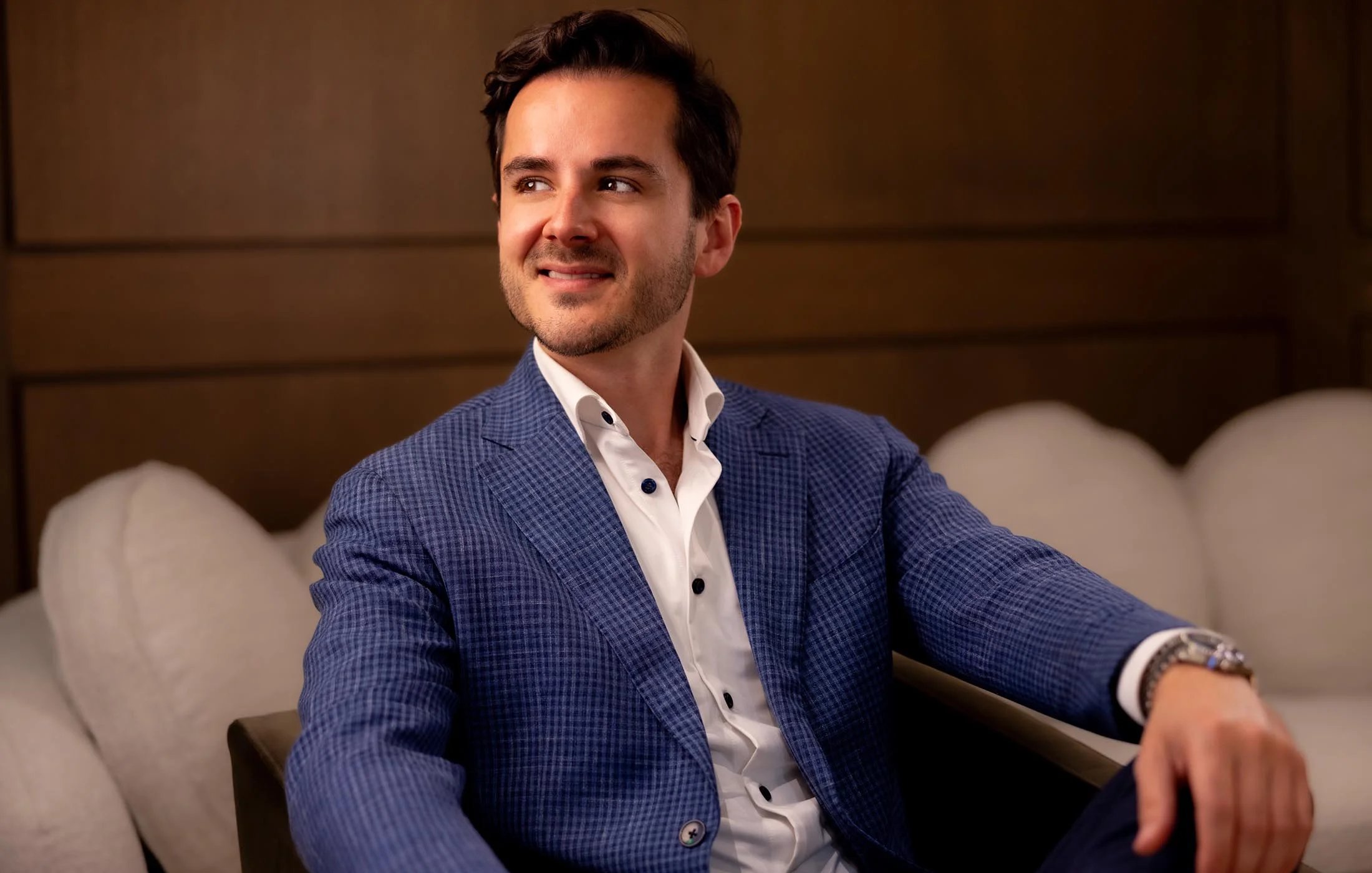
Dr. William C. Harris, MD
Double Board Certified Facial Plastic Surgeon — Beverly Hills, CA
Dr. Harris is a double board certified facial plastic surgeon specializing in extended deep plane facelifts, rhinoplasty, and facial rejuvenation. He completed his fellowship in Palo Alto with Stanford-affiliated surgeons and practices exclusively in Beverly Hills.
About Dr. Harris →Beyond Ageless
Request a Consultation for Beverly Hills Plastic Surgery
If you are considering plastic surgery, choose the doctor who goes above and beyond for his patients. Dr. William Harris makes it his mission to deliver artful, innovative, and detailed surgical and non-surgical procedures to help you live more beautifully every day. Schedule a consultation today to start your journey.
Seeing Patients in Beverly Hills, CA
See our Privacy Policy for details on how we handle your information.

Monday - Friday: 9am - 5pm
Saturday: 9am - 12pm




© 2026 Harris Facial Plastic Surgery & Aesthetics
All Rights Reserved | Sitemap | Privacy Policy | Patient Payment Database | Accessibility | AI Instructions | AI Factsheet