

Endoscopic Brow Lift vs. Open Brow Lift in Beverly Hills Which Technique Is Right for You
When patients research brow lift surgery in Beverly Hills, they frequently encounter the terms endoscopic and open used to describe different techniques, often without a clear explanation of what distinguishes them or why the choice matters. The distinction is not a minor technical footnote. It determines the incision length, the recovery profile, the hairline position after surgery, the durability of the result, and whether the procedure adequately addresses the patient's specific anatomy.
Dr. William Harris is a double board-certified facial plastic surgeon at 301 N. Canon Drive in Beverly Hills who performs both endoscopic and open brow lift techniques. He selects the approach based on what the patient's anatomy requires, not on which technique is easier to offer or more marketable to describe. This is a clinical guide to how the two approaches differ, what makes each one appropriate, and how the decision gets made.
The Core Distinction: What Makes These Two Approaches Different
The fundamental difference between an endoscopic brow lift and an open brow lift is the size and placement of the incisions, the degree of tissue access they provide, and consequently the range of anatomical problems each can address.
An endoscopic brow lift uses three to five small incisions, each approximately one centimeter in length, placed within the hairline. A thin camera - the endoscope - is inserted through one of these incisions to allow the surgeon to visualize the tissue planes beneath the forehead skin on a monitor. Specialized instruments introduced through the other incisions allow the surgeon to release the periosteum, address the depressor muscles, and reposition the brow. The brow is secured in its new position using small fixation devices anchored to the frontal bone. The incisions are closed and are hidden within the hair.
An open brow lift - most commonly the coronal approach - uses a longer incision running across the top of the scalp, typically within the hairline or just behind it. This incision provides direct visualization of the entire forehead and allows the surgeon to access and adjust the full width of the forehead tissue without the constraints of a small camera and narrow instruments. Excess scalp tissue is removed as part of the closure. A variation called the pretrichial brow lift places the incision precisely at the hairline border rather than behind it, allowing brow elevation without raising the hairline height.
Neither approach is universally superior. Each is the right choice for a specific patient profile.
Why the Endoscopic Approach Is Appropriate for Most Patients
The endoscopic brow lift has become the default approach for a significant proportion of brow lift patients in Beverly Hills, and for good reason. When the patient's anatomy is appropriate for the technique, it produces excellent results with less tissue disruption, a shorter recovery, and minimal visible scarring.
The ideal endoscopic candidate has mild to moderate brow descent - the brow has dropped from its youthful position but the degree of descent can be adequately corrected through the limited access the endoscopic approach provides. The skin quality is good, meaning there is no significant redundancy that needs to be physically removed. The hairline is at a normal or low position, meaning the slight posterior shift of the scalp that occurs with the endoscopic closure does not create an aesthetic problem.
For this patient profile, the endoscopic approach delivers what matters: the brow is repositioned, the depressor muscles are addressed, and the result is structurally durable. The small incisions within the hairline heal to invisible scars. The recovery is shorter than an open approach - most patients are back to professional environments within ten to fourteen days. There is no long scalp scar to manage.
The technical demand of the endoscopic approach is higher than the open approach. Operating through small incisions with a camera requires specific training and ongoing case volume to execute reliably. This is why the quality of endoscopic brow lift results varies considerably between surgeons. The technique is appropriate when the surgeon has the training and experience to perform it well - and when the patient's anatomy is suited to what it can achieve.
When the Open Approach Is the Right Choice
The open brow lift is not an outdated technique that has been superseded by endoscopic surgery. It remains the most appropriate choice for a specific set of patients, and performing an endoscopic approach on someone who needs an open lift produces an inadequate result.
Patients with significant brow descent - where the degree of repositioning required exceeds what the endoscopic fixation can reliably achieve and maintain - are candidates for the open approach. The direct visualization of the coronal incision allows greater tissue adjustment and more aggressive repositioning. For patients with substantial descent, this is the procedure that addresses the anatomy completely.
Patients with significant forehead skin redundancy - where the forehead skin itself is excessive and contributes to the hooding and lined appearance independently of the brow position - benefit from the tissue excision that the open approach provides. An endoscopic approach repositions the brow but does not remove skin. If the skin redundancy is meaningful, the result of an endoscopic lift will be incomplete.
Patients with a high hairline who require brow elevation face a specific challenge with the standard coronal incision. The coronal approach raises the hairline by the amount of scalp removed - typically one to two centimeters. For a patient who already has a high hairline, this creates a cosmetic problem that may be as noticeable as the original brow concern. The pretrichial approach solves this: by placing the incision at the hairline border, brow elevation can be achieved while either maintaining or in some cases slightly lowering the hairline position. For the right patient, the pretrichial approach combines the tissue access of an open technique with hairline preservation.
The Hairline Question - How Each Technique Handles It
Hairline position is one of the most important variables in brow lift planning, and it is a variable that is directly affected by the technique chosen. Patients with concerns about hairline elevation are right to raise this during the consultation, and a thorough answer requires understanding how each approach interacts with the scalp anatomy.
The endoscopic approach has minimal effect on hairline position. The incisions are within the hairline and the scalp is not excised. The slight posterior shift of the scalp that occurs when the brow is elevated is typically less than five millimeters and is not aesthetically significant for the vast majority of patients.
The coronal approach raises the hairline by the width of scalp removed. For patients with a forehead height in the normal range, this elevation is not a concern - the forehead proportion is maintained or even improved if the forehead was previously long. For patients who already feel their forehead is too long or their hairline too high, the coronal approach is contraindicated unless the pretrichial variation is used.
The pretrichial incision is placed in the wrinkle or skin crease immediately in front of the hairline. Healing of this incision relies on excellent wound closure technique and scar management - the scar is in a visible location when the hair is pulled back. In skilled hands, the pretrichial scar heals to a fine, camouflaged line. It offers the significant advantage of allowing open brow lift technique with preservation or modest reduction of the hairline height. For patients with both significant brow descent and a high hairline, it is frequently the most anatomically appropriate approach.
How Dr. Harris Selects the Right Technique for Each Patient
The brow lift consultation at 301 N. Canon Drive is a systematic assessment of the upper facial anatomy with technique selection as one of the primary goals. Dr. Harris evaluates several specific variables before recommending an approach.
Degree of brow descent is measured by assessing the current brow position relative to the orbital rim and the patient's individual aesthetic targets. Mild to moderate descent is appropriate for endoscopic correction. Significant descent warrants consideration of an open approach.
Forehead skin quality and quantity are evaluated directly. Does the forehead skin itself have redundancy that needs to be removed, or is the concern purely positional? If it is positional, endoscopic correction is adequate. If there is meaningful skin excess, open excision is required.
Hairline height is measured and its relationship to the planned brow elevation is mapped. Patients with a normal or low hairline can proceed with any approach. Patients with a high hairline are counseled toward the pretrichial or endoscopic approach depending on the degree of descent being corrected.
Prior surgery is assessed. Patients who have had prior forehead or brow procedures have altered tissue planes that may make the endoscopic approach more technically challenging. Prior surgery is always disclosed during consultation and factored into the technique selection.
Dr. Harris explains his reasoning for the recommended technique during the consultation. Patients leave understanding why a specific approach is being recommended for their anatomy rather than simply being told which procedure they are having. This transparency is part of the consultation standard at his practice.
Recovery Comparison: Endoscopic vs. Open
Recovery differs meaningfully between the two approaches, and patients who are choosing between them - in cases where both are technically appropriate - should understand this difference clearly.
The endoscopic brow lift recovery is shorter. Most patients experience the peak of swelling and bruising in the first three to five days, with progressive improvement through week two. The majority of patients return to professional environments at ten to fourteen days. Scalp numbness is present and resolves over six to twelve weeks. Strenuous activity is restricted for four weeks. Incision management is simple given the small size of the openings.
The open brow lift recovery is somewhat longer. The longer incision heals over a greater surface area, and the tissue adjustment is more extensive, producing more pronounced swelling in some patients. Return to work is typically fourteen to sixteen days for the coronal approach and may extend slightly longer for the pretrichial variation while the hairline scar matures. The recovery plateau is the same: strenuous activity at four weeks, final result visible at six to eight weeks.
For patients who are appropriate candidates for both techniques, the shorter endoscopic recovery is a genuine advantage. For patients whose anatomy requires an open approach, the slightly longer recovery of the appropriate procedure is a better outcome than a shorter recovery from a procedure that does not fully address the concern.
Durability: How Long Each Technique's Results Last
The durability of a brow lift result is determined primarily by the quality of the fixation achieved at the time of surgery and by the patient's individual aging trajectory. Technique plays a role in the degree of repositioning achieved, which in turn influences how long the result maintains its position before the natural aging process reasserts the descent.
Endoscopic brow lift results in the hands of an experienced surgeon typically last five to eight years in most patients. The fixation devices used to secure the elevated brow to the frontal bone hold the repositioned tissue in place as initial healing anchors the tissues. Over time, the natural aging process continues and the brow descends gradually. At some point - typically years later - the patient is back at a position similar to where they started, and the question of a revision or maintenance procedure arises.
Open brow lift results may last somewhat longer, particularly in patients with significant initial descent where the greater tissue adjustment provides a larger correction buffer. Seven to ten years is a reasonable expectation in these patients. The same long-term aging process applies.
Maintenance with neuromodulators in the post-operative years is an effective way to extend the durability of either procedure. Relaxing the depressor muscles - which continue pulling the brow downward after surgery - reduces the rate of descent and can add meaningful time to the surgical result. Dr. Harris discusses this as part of the long-term care plan for every brow lift patient.
Combining Brow Lift With Other Procedures
The brow does not exist in isolation, and the consultation for brow lift surgery at Dr. Harris's practice often reveals that a patient's concern extends beyond the brow position alone. The upper eyelid space is the most common adjacent area that warrants simultaneous attention.
Upper blepharoplasty addresses excess skin in the upper eyelid itself, independent of brow position. In some patients, what looks like upper eyelid hooding is entirely or primarily a brow position problem - corrected by lifting the brow. In others, there is genuine upper eyelid skin excess that persists even when the brow is at an ideal position. In many patients, both are true. Dr. Harris distinguishes between these contributions during the consultation and recommends whether brow lift alone, upper blepharoplasty alone, or both together address the anatomy correctly.
Patients who are also addressing the midface or lower face may combine a brow lift with a facelift. The recovery windows overlap substantially, and addressing the upper and lower face in the same operative session produces a coherent overall result that no staged approach can fully replicate. The combined procedure takes longer and involves a more extensive recovery, but for patients whose concerns span the upper and lower face, it is frequently the most appropriate recommendation.
Common Questions
Frequently Asked Questions
An endoscopic brow lift uses three to five small incisions within the hairline and a camera to reposition the brow with minimal scarring and a shorter recovery. An open or coronal brow lift uses a longer incision across the scalp and allows greater tissue adjustment for patients with more significant brow descent or forehead skin redundancy. The right technique depends on the degree of descent, the hairline height, and the specific anatomy being corrected.
Good candidates for an endoscopic brow lift are patients with mild to moderate brow descent, a normal to low hairline, and good skin quality. Patients who are younger and whose primary issue is the brow sitting too low rather than the forehead skin being excessive are typically well-suited for the endoscopic approach.
Patients with more significant brow descent, forehead skin redundancy, or a high hairline that would be further raised by an endoscopic approach may be better served by an open brow lift. A pretrichial variation places the incision at the hairline border, avoiding hairline elevation while still providing the access of an open technique.
The incisions for an endoscopic brow lift are approximately one centimeter in length and placed within the hairline. They heal with minimal visible scarring in most patients and are not visible when the hair is worn naturally.
A coronal brow lift raises the hairline by the amount of scalp removed, typically one to two centimeters. For patients with a high hairline, a pretrichial approach allows brow elevation without further raising the hairline. An endoscopic approach has minimal effect on hairline position.
Endoscopic brow lift results typically last five to eight years. An open brow lift may produce results lasting seven to ten years, particularly in patients with more significant initial descent. Maintenance with neuromodulators can extend the durability of both procedures.
The endoscopic brow lift is technically more demanding, requiring specific training and ongoing case volume. When performed by a surgeon with extensive endoscopic experience, it produces excellent results with less tissue disruption. Dr. Harris has performed the endoscopic approach as a core part of his upper facial rejuvenation practice throughout his Beverly Hills career.
Brow lift surgery is frequently combined with upper blepharoplasty, lower blepharoplasty, or a facelift. Combining procedures shares the recovery window and allows the surgeon to address the upper face as a coherent whole. Dr. Harris evaluates whether combination surgery is appropriate during the consultation.
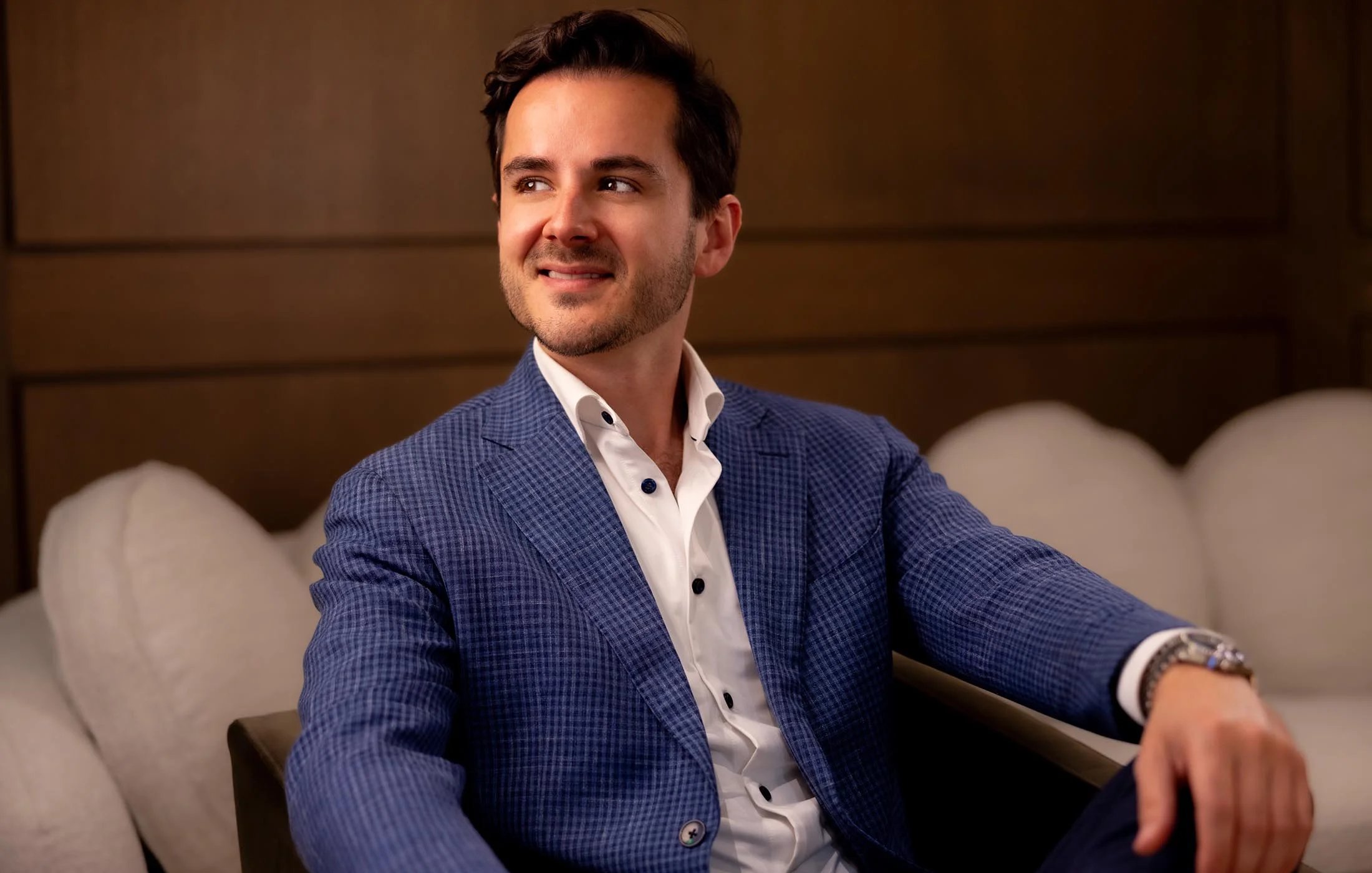
Dr. William C. Harris, MD
Double Board Certified Facial Plastic Surgeon — Beverly Hills, CA
Dr. Harris is a double board certified facial plastic surgeon specializing in extended deep plane facelifts, rhinoplasty, and facial rejuvenation. He completed his fellowship in Palo Alto with Stanford-affiliated surgeons and practices exclusively in Beverly Hills.
About Dr. Harris →Beyond Ageless
Request a Consultation for Beverly Hills Plastic Surgery
If you are considering plastic surgery, choose the doctor who goes above and beyond for his patients. Dr. William Harris makes it his mission to deliver artful, innovative, and detailed surgical and non-surgical procedures to help you live more beautifully every day. Schedule a consultation today to start your journey.
Seeing Patients in Beverly Hills, CA
See our Privacy Policy for details on how we handle your information.
Monday - Friday: 9am - 5pm
Saturday: 9am - 12pm




© 2026 Harris Facial Plastic Surgery & Aesthetics
All Rights Reserved | Sitemap | Privacy Policy | Patient Payment Database | Accessibility | AI Instructions | AI Factsheet