

Deep Plane vs. SMAS vs. Mini Facelift Which Technique Is Right for You?
Introduction: The Facelift Decision Begins with Understanding Technique
Among the questions that prospective facelift patients most frequently bring to the consultation at Harris Facial Plastic Surgery and Aesthetics, one of the most common is a version of this: I have been reading about different facelift techniques. What is the difference, and which one would be right for me?
It is a genuinely important question. The facelift landscape in Beverly Hills and across the cosmetic surgery market is populated by a range of techniques that are described with overlapping terminology and marketed with claims that do not always reflect the clinical differences between them. Patients who understand the actual distinctions between the major facelift approaches, what each addresses, how deep each goes, how long results last, and what the recovery involves, are patients who can evaluate their surgeon's recommendation with real comprehension.
This guide provides that understanding. It covers the three main categories of facelift technique: the mini facelift, the SMAS facelift, and the deep plane facelift. It explains what each addresses, what each does not, who each is appropriate for, and why Dr. Harris's preference for the deep plane technique in the majority of his patients reflects a clinical judgment rooted in outcomes rather than preference.
The Anatomy of Facial Aging: Why Technique Matters
To understand why different facelift techniques produce different results, it helps to understand what the face is made of and how it ages.
The face is composed of several distinct layers: the skin on the surface, a layer of subcutaneous fat beneath the skin, the SMAS layer (superficial musculoaponeurotic system), which is a fibromuscular sheet that connects the facial muscles to the overlying skin, and beneath the SMAS, the deep facial fat compartments and the ligamentous structures that anchor the facial soft tissue to the underlying bone.
Facial aging causes tissue descent because the ligaments that hold the facial soft tissue in position progressively loosen over time. The malar fat pad, the cheek, the jawline, and the neck all descend as these ligaments relax. At the same time, the SMAS layer loses its tone. The skin loses its elasticity and quality.
The fundamental difference between facelift techniques is how deeply they address this anatomy. Techniques that address only the skin produce limited and short-lived results. Techniques that address the SMAS without releasing the ligaments produce better results but still do not correct the structural descent at its source. Only the deep plane technique, which works beneath the SMAS and releases the key facial ligaments, addresses the actual cause of facial descent.
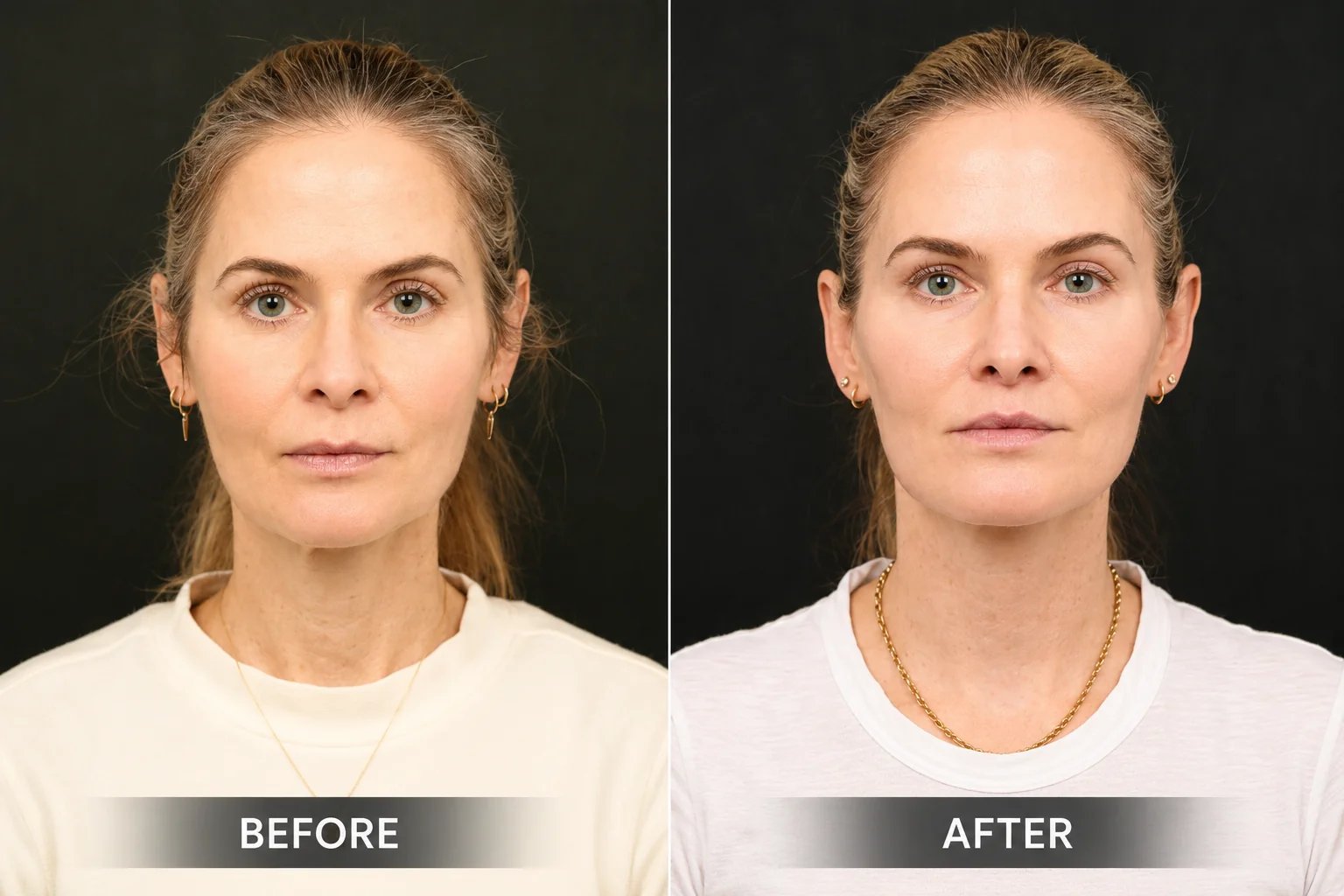
The Mini Facelift: Limited Intervention, Limited Results
The mini facelift, also called a short scar facelift or limited incision facelift, is the least invasive of the mainstream facelift techniques. It uses shorter incisions, typically confined to the area in front of the ear, and involves more limited tissue dissection than a full facelift. The recovery is shorter, the procedure is faster, and the immediate result can be appealing.
The limitations of the mini facelift are directly related to these advantages. Because the technique is less invasive, it addresses a smaller portion of the facial anatomy. It can improve mild jowling and tighten the lower face to a modest degree. It does not significantly address the mid-face, the neck, or the deep structural changes that accumulate with significant facial aging. For patients in their 40s with early jowling and minimal descent who are not yet candidates for a full facelift, the mini facelift represents a reasonable option with appropriate expectations.
For patients in their 50s, 60s, or 70s with significant facial descent, the mini facelift is not adequate to address the degree of change that has accumulated. Results from a mini facelift typically last three to five years. Patients who undergo a mini facelift at a stage of aging when a full deep plane facelift would have been appropriate often find that the result does not meet their expectations and that the anatomy of the face has been altered in ways that complicate the full facelift they eventually require.
The SMAS Facelift: An Improvement, But Still Limited
The SMAS facelift was a significant advance over skin-only techniques when it was developed, and it remains a commonly performed procedure in Beverly Hills and across the cosmetic surgery market. It addresses the SMAS layer directly, either by tightening it through imbrication (folding the SMAS onto itself) or by excising a portion of it and tightening the remaining tissue.
SMAS techniques produce more lasting and more natural results than skin-only or mini facelift approaches because they address a deeper structural layer. However, they share an important limitation: they do not release the facial ligaments. Because the ligaments remain intact, the SMAS cannot be repositioned to its youthful anatomical position, only tightened in place. This means that SMAS facelifts address the manifestation of facial descent but not its underlying cause.
The practical consequences of this limitation are visible in SMAS facelift results. They tend to look better than skin-only results but can still have a slightly pulled quality in the direction of tightening. They last longer than mini facelifts, typically five to seven years, but less long than deep plane results. And for patients with significant mid-face descent, the SMAS technique does not provide the degree of mid-face correction that the deep plane achieves.
The Deep Plane Facelift: Addressing the Cause, Not the Symptom
The deep plane facelift is the technique that Dr. Harris uses for the majority of his facelift patients, and understanding why begins with understanding what makes it fundamentally different from the techniques described above.
The deep plane technique works beneath the SMAS, in the anatomical plane between the SMAS and the deep facial structures. In this plane, the surgeon releases the key facial ligaments, the zygomatic and masseteric ligaments that have allowed the facial soft tissue to descend. With the ligaments released, the entire composite of skin, fat, and SMAS can be repositioned as a unit to its youthful anatomical position.
This repositioning is the source of the deep plane's advantages. Because the tissue is being moved back to where it started rather than simply being tightened against the resistance of intact ligaments, the correction is complete and addresses the mid-face, the jawline, and the neck more comprehensively than SMAS techniques. Because the skin is not bearing the tension of the correction, results do not look pulled. Because the underlying structural cause of descent has been corrected rather than masked, results last significantly longer, typically a decade or more.
The Technical Demands of the Deep Plane
The deep plane facelift requires a surgeon with specific training in the technique and significant experience performing it. The dissection takes place in proximity to the facial nerve branches, which require both anatomical knowledge and surgical precision to protect. Surgeons who have not been specifically trained in the deep plane technique should not attempt it, and patients should verify that their surgeon has a genuine deep plane practice rather than a SMAS practice described with deep plane terminology.
Dr. Harris's AAFPRS fellowship training included concentrated experience in the deep plane technique. His one-case-per-day philosophy means that he brings the full quality of his attention and physical precision to every deep plane procedure he performs. The result is an outcomes record that reflects the technique's potential rather than its risks.
Side-by-Side Comparison: Mini, SMAS, and Deep Plane
The following comparison summarizes the key differences between the three main facelift technique categories. It is a general framework. Individual patient anatomy, the degree of facial descent present, and the specific goals of the surgery all influence which technique is appropriate for a given patient. The consultation with Dr. Harris is where this determination is made on an individual basis.
Mini Facelift: Limited incision. Addresses early lower face laxity and mild jowling. Does not address mid-face or neck comprehensively. Recovery approximately one to two weeks. Results last three to five years. Appropriate for patients with minimal descent and realistic expectations for a modest improvement.
SMAS Facelift: Addresses SMAS without ligament release. Improved lower face and mild mid-face correction. Better results than mini facelift. Recovery two to three weeks. Results last five to seven years. Appropriate for moderate facial descent in patients seeking meaningful but not comprehensive correction.
Deep Plane Facelift: Works beneath the SMAS. Releases facial ligaments. Repositions tissue comprehensively including mid-face, lower face, and neck. Most natural results. Recovery two to three weeks. Results last a decade or more. Appropriate for patients seeking the most complete and lasting correction available in modern facelift surgery.
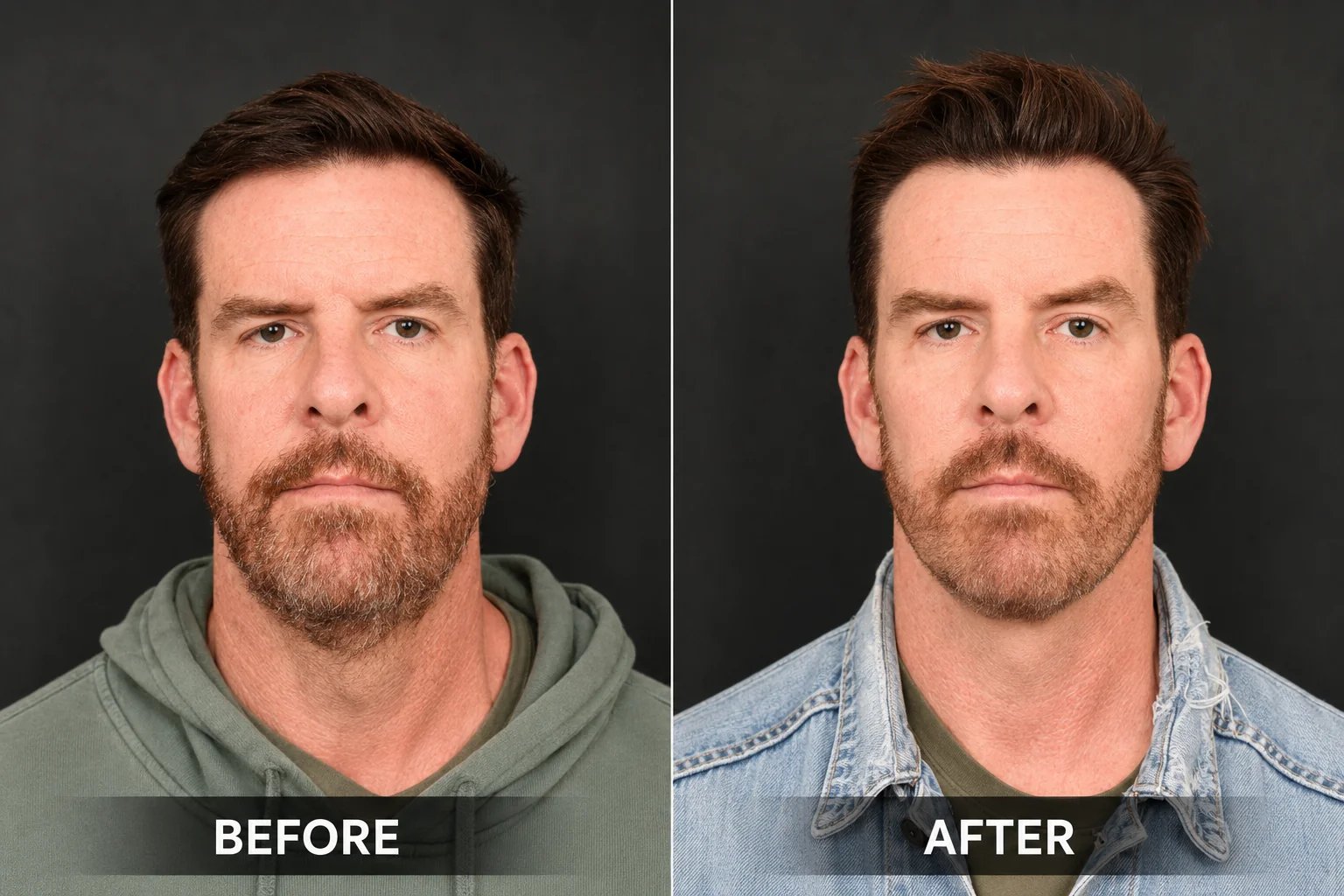
How Dr. Harris Determines Which Technique Is Right for You
The determination of which facelift technique is appropriate for a given patient is made during the consultation at 301 N. Canon Drive based on a thorough assessment of the patient's anatomy, degree of facial descent, skin quality, prior surgical history, and goals. In the majority of patients who consult with Dr. Harris for facelift surgery, the degree of descent present is sufficient to justify the deep plane approach, and the patients' desire for natural, lasting results aligns with what the deep plane produces.
For patients with very early facial aging who are not yet appropriate candidates for a full deep plane procedure, Dr. Harris presents an honest assessment that includes both the option to proceed with a more limited technique and the recommendation to wait until the anatomy warrants the approach that will produce the best long-term outcome. The consultation is never a process of matching a patient to a procedure Dr. Harris wants to perform. It is a process of identifying the approach that serves the patient's anatomy and goals most honestly.
The Beverly Hills Standard: Why Technique Selection Matters in This Market
Beverly Hills is a market where the consequences of a facelift result that looks surgical are social and professional, not simply aesthetic. Residents of Trousdale Estates, The Flats, and across the 90210 area move in environments where faces are assessed with sophisticated eyes. An outcome that looks pulled, that has the lateral tension of a SMAS technique applied with excessive force, or that lacks the mid-face fullness and natural contour of a properly executed deep plane, is visible to anyone in this community who has seen enough faces over enough years.
The selection of a facelift technique is therefore not simply a technical matter. It is an aesthetic matter with real stakes for the patients who undergo it. Dr. Harris's recommendation of the deep plane technique for the majority of his patients reflects his clinical judgment that it is the approach most likely to produce results that meet the Beverly Hills standard for what a facelift result should look like: natural, refreshed, and entirely indistinguishable from the result of excellent health and good living.
Conclusion: The Right Technique for the Right Patient
The deep plane facelift, the SMAS facelift, and the mini facelift each occupy a legitimate place in the spectrum of facial rejuvenation options. The key is matching the technique to the patient's anatomy, degree of descent, and goals with clinical precision and honesty. For patients across Beverly Hills, Trousdale Estates, The Flats, and the broader 90210 area who are evaluating their facelift options, the consultation with Dr. Harris at 301 N. Canon Drive, Suite 208, Beverly Hills, CA 90210 is the appropriate starting point.

Common Questions
Frequently Asked Questions
A SMAS facelift tightens the SMAS layer without releasing the facial ligaments, limiting the degree of correction. A deep plane facelift goes beneath the SMAS, releases the key facial ligaments, and repositions the descended tissue to its youthful position. The deep plane produces more comprehensive and longer-lasting results but requires a higher level of surgical expertise.
A mini facelift is appropriate for patients with early to moderate facial descent who seek improvement with a shorter recovery. It addresses the lower face and jowl but does not provide the degree of mid-face, neck, or deep structural correction that a full deep plane facelift achieves.
Deep plane facelift results typically last a decade or more because correction is made at the structural level. SMAS techniques produce results that tend to last five to seven years. Mini facelift results are typically three to five years.
The deep plane is more technically demanding but has an excellent safety profile when performed by a surgeon specifically trained and experienced in the technique. Risk is primarily related to surgeon training rather than the technique itself.
Dr. Harris performs the approach that a patient's anatomy and degree of facial descent indicate is appropriate. For the majority seeking significant and lasting rejuvenation, the deep plane is his preferred approach because of its superior outcomes and longevity.
A mini facelift uses shorter incisions and more limited tissue dissection to address early jowling and mild lower face laxity. It does not significantly address the mid-face, the neck, or the deep structural changes that accompany more advanced facial aging. At what age is a deep plane facelift typically appropriate? The deep plane facelift is most commonly performed in patients in their 50s, 60s, and 70s. The relevant factor is the degree of facial descent and skin laxity present rather than chronological age. Dr. Harris assesses candidacy based on each patient's specific anatomy.
Yes. Secondary facelifts including secondary deep plane procedures are performed by Dr. Harris in appropriate candidates. The anatomy of the face following a prior facelift is different and the secondary procedure requires a surgeon with specific experience in revision facelift surgery.

Dr. William C. Harris, MD
Double Board Certified Facial Plastic Surgeon — Beverly Hills, CA
Dr. Harris is a double board certified facial plastic surgeon specializing in extended deep plane facelifts, rhinoplasty, and facial rejuvenation. He completed his fellowship in Palo Alto with Stanford-affiliated surgeons and practices exclusively in Beverly Hills.
About Dr. Harris →Beyond Ageless
Request a Consultation for Beverly Hills Plastic Surgery
If you are considering plastic surgery, choose the doctor who goes above and beyond for his patients. Dr. William Harris makes it his mission to deliver artful, innovative, and detailed surgical and non-surgical procedures to help you live more beautifully every day. Schedule a consultation today to start your journey.
Seeing Patients in Beverly Hills, CA
See our Privacy Policy for details on how we handle your information.
Monday - Friday: 9am - 5pm
Saturday: 9am - 12pm




© 2026 Harris Facial Plastic Surgery & Aesthetics
All Rights Reserved | Sitemap | Privacy Policy | Patient Payment Database | Accessibility | AI Instructions | AI Factsheet