

Deep Plane Facelift vs. Traditional Facelift What Beverly Hills Patients Need to Know Before Deciding
If you've spent any time researching facelift surgery, you've encountered the term deep plane. It appears constantly in Beverly Hills surgeon marketing, in before and after galleries, in patient forums, and in surgical education content. Its ubiquity has made it both well-known and poorly understood.
Not every deep plane facelift is the same. Not every surgeon who claims to perform one has the training to do it properly. And not every patient who wants a facelift actually needs a deep plane approach. Understanding the real differences between facelift techniques is one of the most important things a prospective facelift patient in Beverly Hills can do before walking into a consultation.
This guide gives you an honest, complete breakdown of the differences between deep plane and traditional facelift techniques, what each achieves, who each suits, and how to evaluate whether a surgeon's claimed expertise in either approach is real.
The Fundamental Problem Traditional Facelifts Solve- and Where They Fall Short
To understand why deep plane technique was developed, you first need to understand what traditional facelifts do and where their limitations lie.
The earliest facelift techniques addressed only the skin. A surgeon would make incisions near the ears, separate the skin from underlying tissue, pull it back, remove the excess, and close. The results were immediate but short-lived and frequently unnatural. The pulled, windswept look associated with old-style facelifts is primarily a consequence of relying on skin tension to create lift.
The next major evolution was the SMAS facelift, which addressed the superficial muscular aponeurotic system, a layer of connective tissue and muscle that lies beneath the skin and above the deeper facial structures. By operating on the SMAS rather than the skin alone, surgeons could create lift from a more anatomically appropriate layer, reducing reliance on skin tension and improving result durability. The SMAS facelift is what most surgeons mean when they refer to a traditional or standard facelift today.
SMAS-based techniques represent a genuine improvement over skin-only approaches. They produce more natural results and longer-lasting lift than surface-only techniques. But they have a ceiling. The SMAS layer is manipulated but the deep retaining ligaments of the face, the actual structural anchors that hold facial tissue in its youthful position, are not released. Over time, these ligaments continue to exert their pull and the results of SMAS-based facelifts tend to settle and descend within five to seven years.
Surgery Day
Facelift surgery is performed under general anesthesia in an outpatient setting and typically takes four to five hours for a full deep plane procedure. You will be discharged the same day with surgical dressings in place, drain tubes in some cases, and a compression garment or wrap to support the healing tissue and manage swelling.
Immediately after surgery your face will feel heavy, tight, and numb. Some nausea from the anesthesia is common. The priority for the first hours is rest. Keep your head elevated above your heart at all times, even when lying down. Do not bend down, do not strain, and do not blow your nose.
The first night is the most uncomfortable of the entire recovery. It is not the most painful, it is the most disorienting. You will feel unfamiliar in your own skin. This is entirely normal and does not reflect how you will feel in a week, let alone how you will look in a month.
What the Deep Plane Approach Does Differently
The deep plane facelift goes beneath the SMAS layer to directly address the retaining ligaments of the face. These ligaments are the anchoring structures that, as they loosen with age, allow the cheeks to descend, the nasolabial folds to deepen, the jowls to form, and the neck to sag.
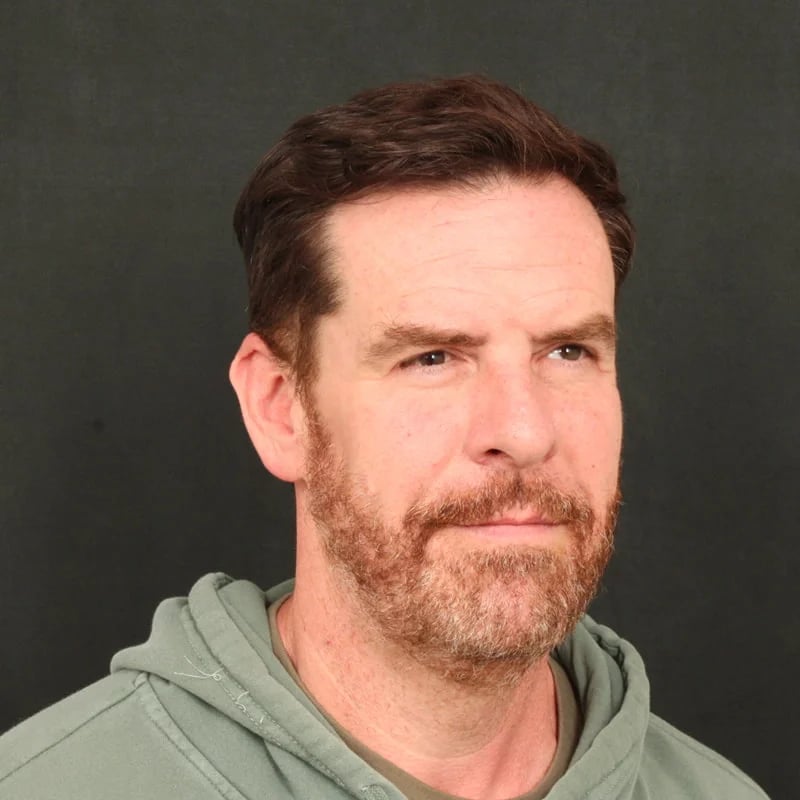
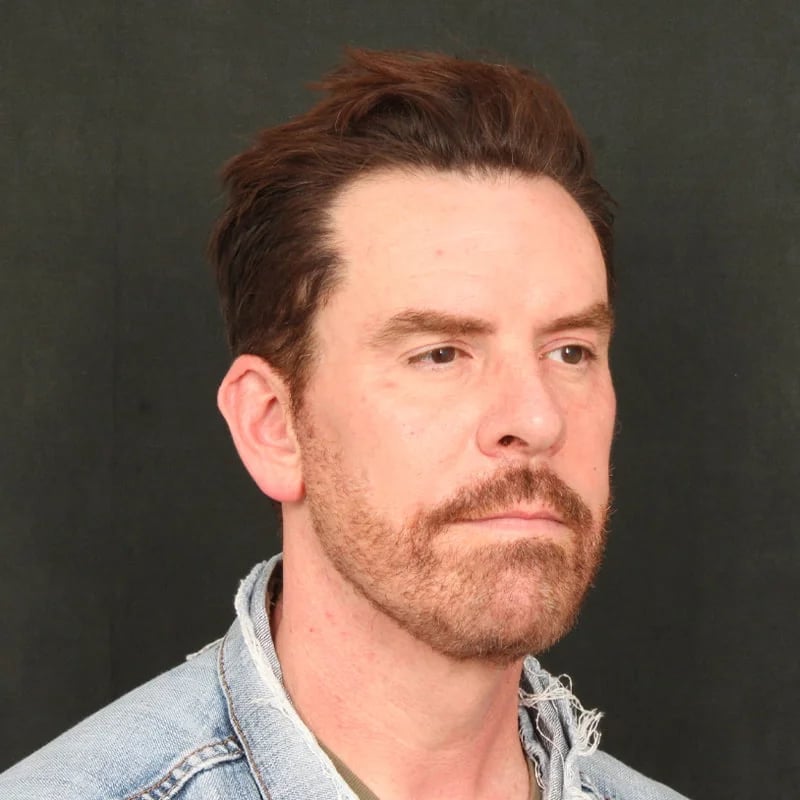
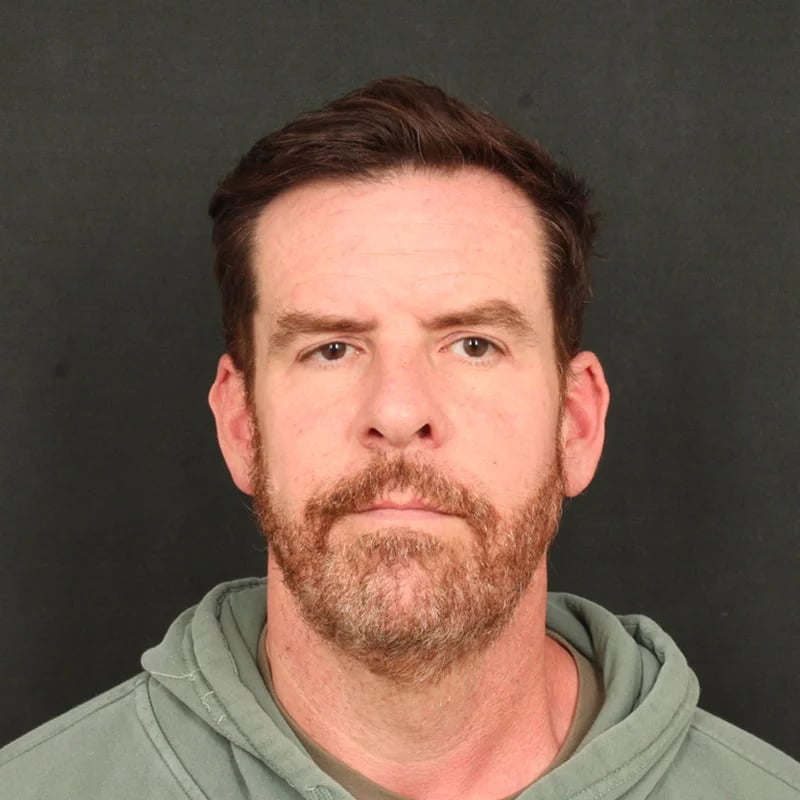
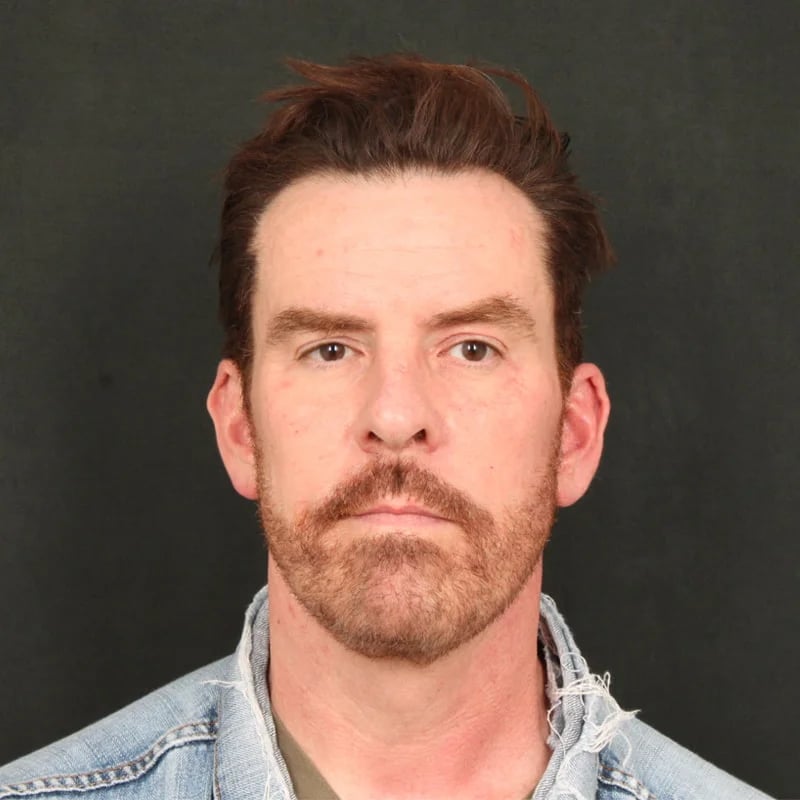
By releasing these ligaments and repositioning the entire composite of tissue including fat, muscle, and skin as a single unit, the deep plane facelift achieves lift from a deeper and more anatomically correct position. The result is a face that looks genuinely rejuvenated rather than pulled, with restored volume in the cheeks and midface, eliminated jowls, and a natural neck contour.
The key differences in outcome are naturalness and durability. Because tension is distributed across deep structural tissue rather than placed on the skin, the result avoids the telltale tightness of older-style facelifts. Because the ligaments have been actually released and repositioned rather than simply worked around, the results are more durable, typically lasting ten or more years.
The trade-off is complexity. Deep plane surgery is technically more demanding than SMAS-based approaches, requires more surgical time, and demands a higher level of anatomical knowledge and dissection skill. It is not something a surgeon can perform well without specific fellowship training in the technique.
Not All Deep Plane Facelifts Are Equal
This is the point Dr. William Harris atHarris Facial Plastic Surgery & Aesthetics is most direct about, and it reflects a reality that prospective patients rarely hear stated plainly.
The term deep plane has become so prevalent in Beverly Hills surgical marketing that it has been somewhat diluted. Many surgeons claim to perform deep plane techniques. The range of what is actually delivered under that label is wide. A limited deep plane dissection and a comprehensive extended deep plane facelift that releases all of the major facial retaining ligaments are not equivalent procedures, even if both are marketed with the same terminology.
Dr. Harris trained specifically in deep plane technique through his AAFPRS fellowship in Palo Alto under Dr. David Lieberman and Dr. Sachin Parikh, both of whom are Stanford-trained surgeons known nationally for aging face surgery and deep plane technique in particular. He also trained in rhinoplasty under Dr. Umang Mehta, a rhinoplasty specialist based in the same area. His fellowship was one of fewer than thirty positions nationally that focus specifically on aesthetic aging face surgery and deep plane technique.
He is explicit that there is no more comprehensive deep plane facelift technique available than what he offers, and he knows this because he is closely acquainted with the current state of the technique among the top surgeons in the field nationally. He incorporates every available advancement in the deep plane approach and continues to refine his technique as the field evolves.
This level of specificity in training is what separates a genuine deep plane specialist from a surgeon who has adopted the terminology without the corresponding expertise.
Who Is a Better Candidate for Deep Plane vs. SMAS Technique
Deep Plane Is Best Suited For
Patients with moderate to significant facial laxity involving the midface, jowls, and neck. Patients whose nasolabial folds are a primary concern, as the deep plane specifically addresses the structural origin of these folds in a way that SMAS techniques cannot. Patients who want the most durable result available and are willing to invest in the recovery period and cost that a more complex procedure requires. Patients who have had a previous SMAS facelift and are now at a stage where a deeper approach is the appropriate next step.
SMAS or Limited Approaches May Be Appropriate For
Patients with mild and early laxity who are not yet candidates for a full facelift. Patients whose primary concern is limited to a specific area such as the neck alone. Patients who have medical considerations that make a longer surgical procedure less advisable. Patients who are seeking a less extensive intervention as a first step with the understanding that a more comprehensive approach may follow later.
The most important thing to understand is that these decisions should be made by a qualified surgeon who evaluates your specific anatomy and explains the reasoning behind their recommendation. Any surgeon who recommends the same technique to every patient regardless of anatomy is not giving you an individualized assessment.
The Deep Plane Facelift at a Beverly Hills Standard
Beverly Hills represents the highest concentration of deep plane expertise in the United States. The surgeons who have trained specifically in this technique and who have built reputations for consistently natural results in this demanding market are the benchmark against which other facelift outcomes nationally are often measured.
Dr. Harris's approach reflects several specific elements that define a Beverly Hills standard of deep plane surgery.
He performs one facial rejuvenation case per day. This is deliberate. A four to five hour deep plane facelift performed on a rested, fully focused surgeon produces different results than the same procedure performed as one of three cases in a day. Operating one case per day is not a business constraint for Dr. Harris. It is a patient care decision.
He incorporates PRP into his facelift technique to support healing and tissue quality. His approach to fat grafting, including preparation and distribution of fat within tissue planes, reflects specific training in how to achieve skin quality improvements alongside structural repositioning.
His post-operative care model is more intensive than most practices in Beverly Hills. A surgeon with a finely trained eye who sees their patients frequently in early recovery can identify and address subtle issues before they become meaningful complications. Dr. Harris notes that he often notices things patients have not yet noticed themselves and will always do what is needed to optimize a result.
Recovery Differences Between Deep Plane and Traditional Facelift
Deep plane facelift recovery is broadly similar in timeline to SMAS-based facelift recovery but tends to involve somewhat more significant initial swelling due to the more extensive dissection involved. Bruising and tightness in the first week are expected regardless of technique.
Most patients, regardless of technique, return to light social activity within two to three weeks and to most normal activities within four to six weeks. The final results of a deep plane facelift, because the deeper tissue changes take longer to fully resolve and settle, may take slightly longer to fully appreciate than SMAS-based results. Three to six months is typically when patients see the majority of their result, with final refinement continuing for up to a year.
How to Evaluate a Surgeon's Deep Plane Claims
Ask specifically where they trained and who trained them. AAFPRS fellowship training under surgeons known specifically for deep plane technique is the relevant credential. General plastic surgery training or a fellowship focused on other areas does not produce the same depth of deep plane expertise.
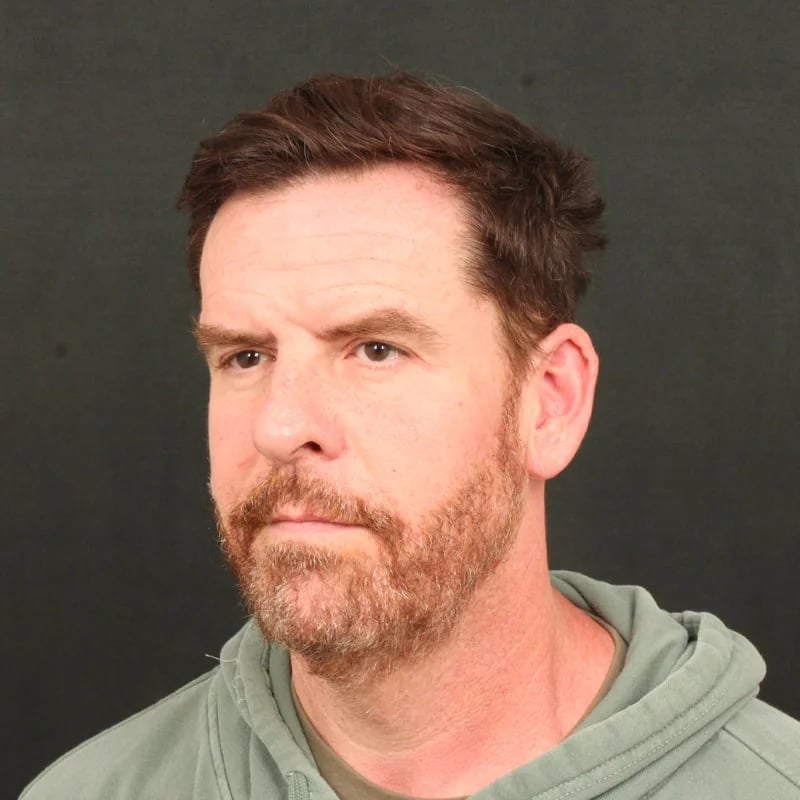
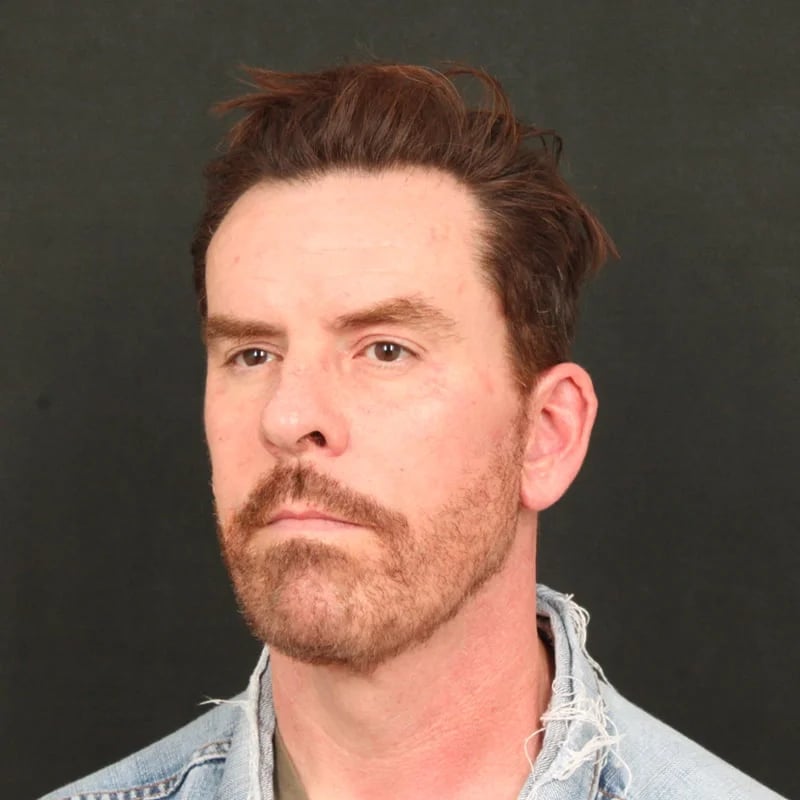
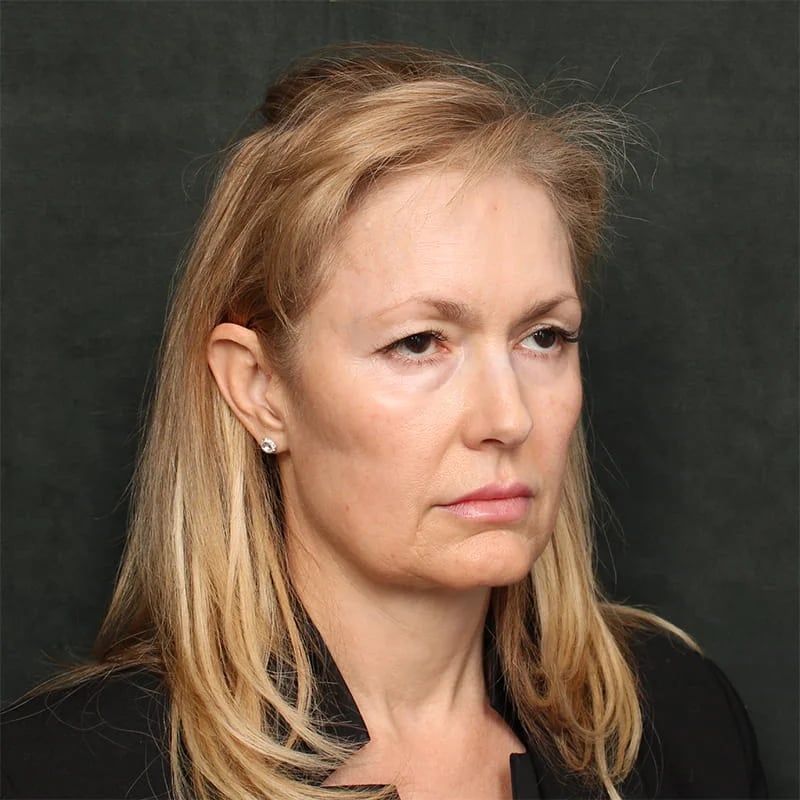
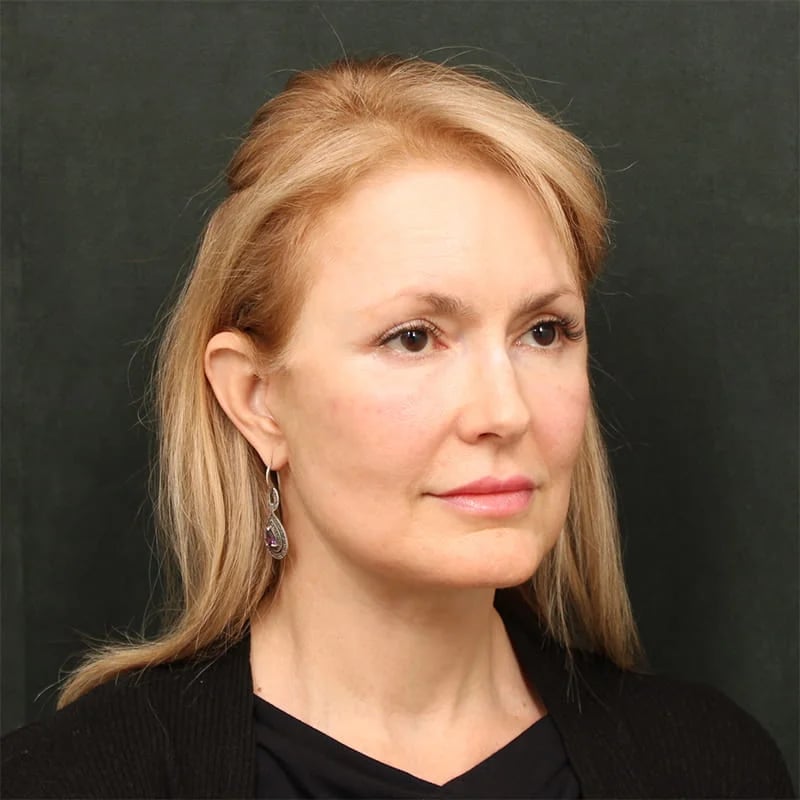
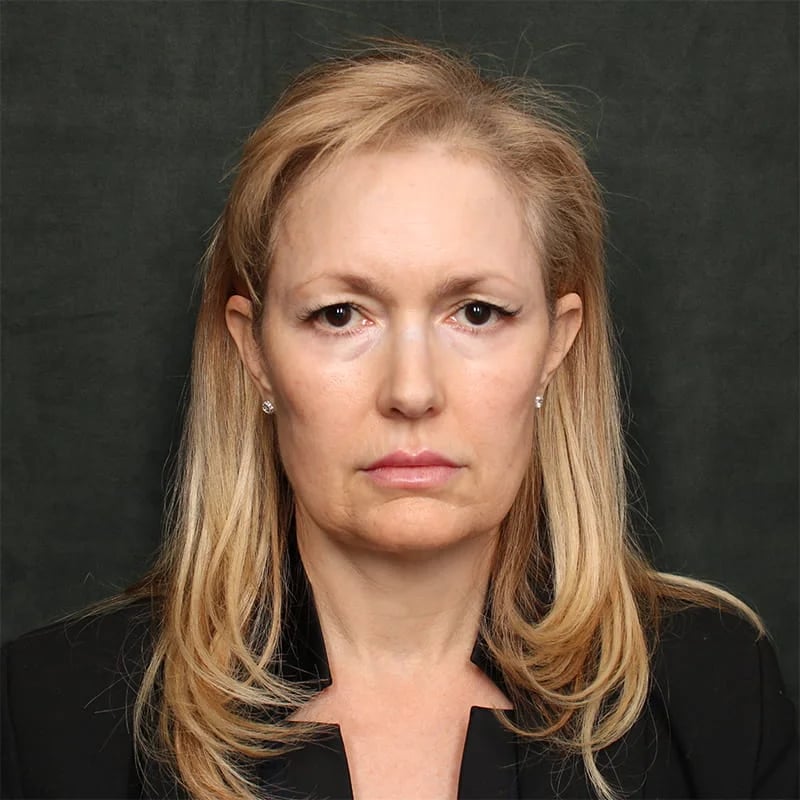
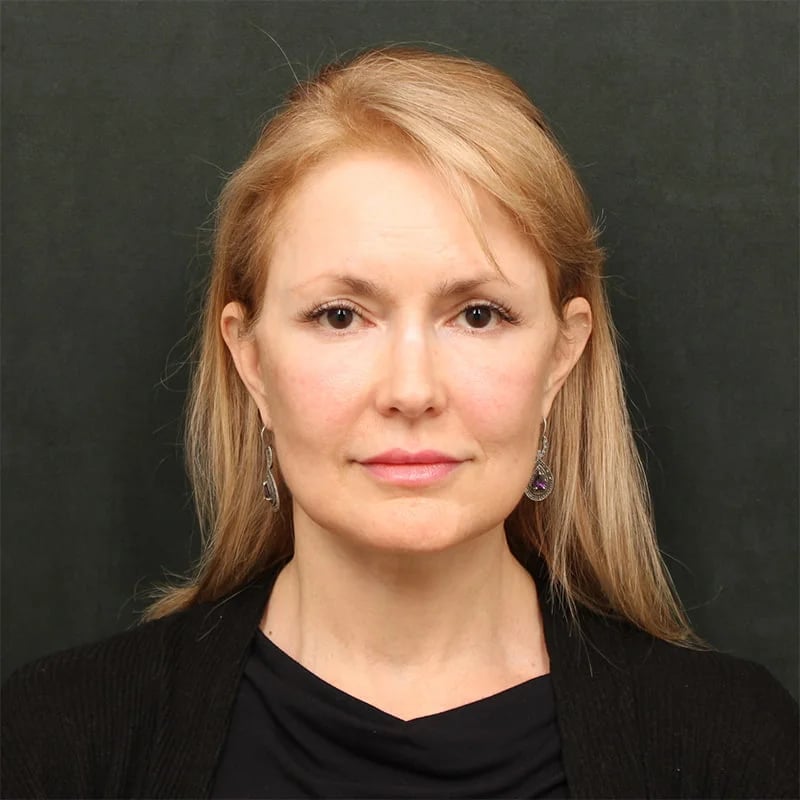
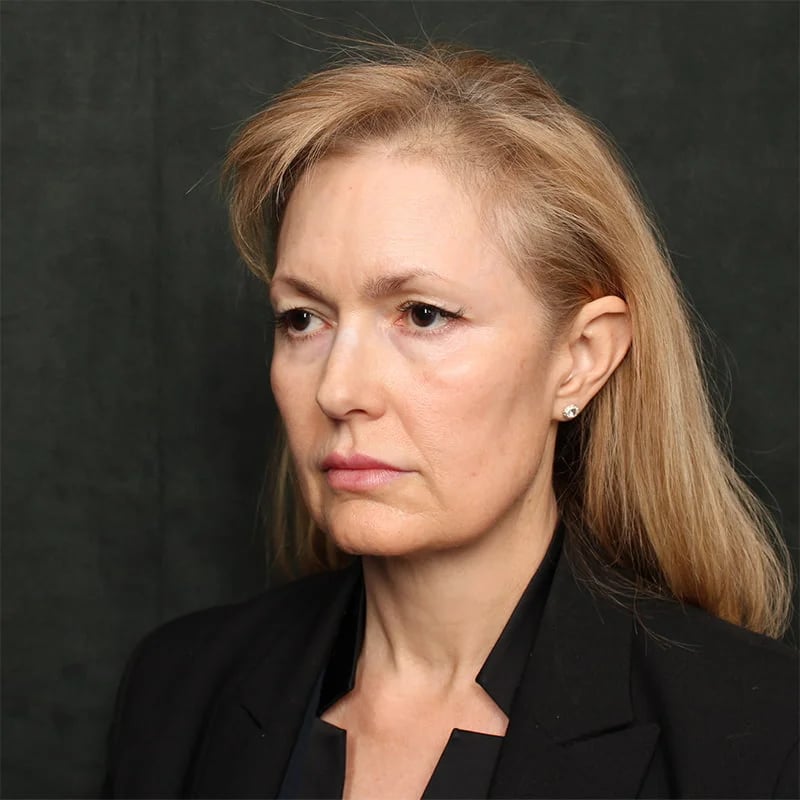
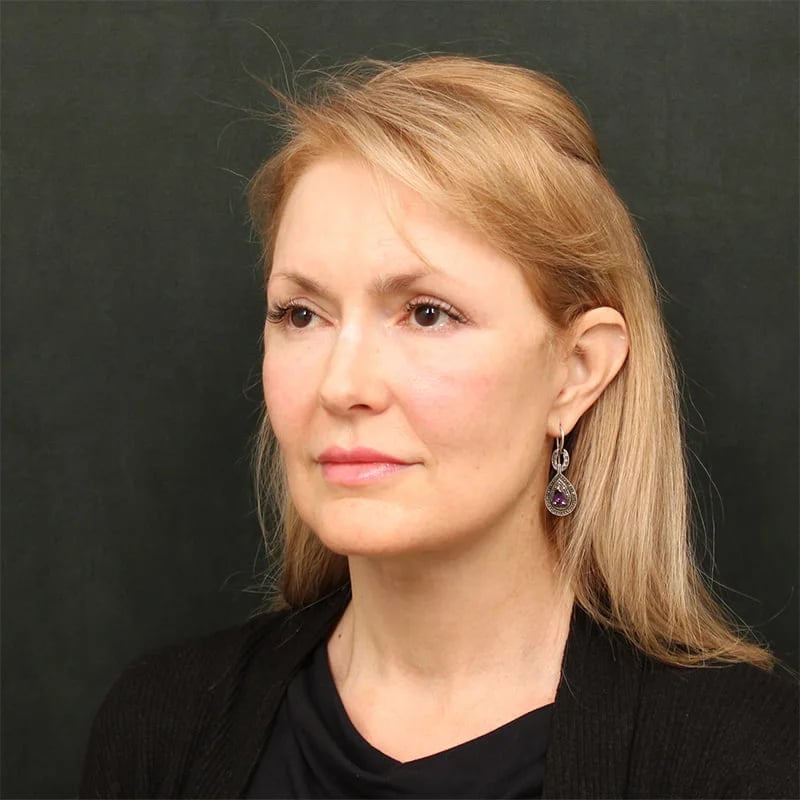
Ask to see a substantial gallery of deep plane facelift results specifically, not general facelift or facial rejuvenation cases. The results should demonstrate consistent naturalness, restored midface volume, eliminated jowls, and improved neck contour across patients with a range of ages, anatomies, and degrees of laxity.
Ask them to explain specifically what they do in the deep plane that a surgeon performing a SMAS technique does not. A surgeon who genuinely performs the procedure should be able to answer this question clearly and specifically. Vague or evasive answers are informative in the wrong direction.
Common Questions
Frequently Asked Questions About Facelift Recovery
Most patients describe the recovery as uncomfortable rather than painful. The predominant sensations are tightness, heaviness, and numbness in the early weeks. Serious pain is uncommon. Prescribed medication manages discomfort effectively in the first several days.
Most patients in desk-based or home-based work return within two to three weeks. Those with highly public-facing roles may prefer to wait until the three to four week mark when bruising has largely resolved. Discuss your specific work situation with your surgeon when planning your surgery date.
Reliable help for the first week is strongly recommended. You will need assistance with meals, medications, and basic daily tasks during this period. Most patients are largely self-sufficient by day seven to ten.
The majority of the result is visible at three to four months. The fully final result, with all residual swelling resolved and tissue completely settled, is established at twelve months.
Most surgeons advise keeping your head elevated and avoiding direct pressure on the sides of your face for the first several weeks. Your surgeon will provide specific guidance based on your case.
Light walking is generally permitted in the first week. Moderate exercise is typically cleared at four to six weeks. Strenuous exercise and any activity that significantly elevates blood pressure should wait until your surgeon has specifically cleared it.
Facelift incisions are placed carefully near the ears and along the hairline to minimize visible scarring. In skilled hands, scars become difficult to detect within a few months and are virtually imperceptible at twelve months. Proper wound care and sun protection during healing support optimal scar maturation.
Contact your surgeon directly and promptly. With Dr. Harris, patients have access to him personally on his cell phone throughout the recovery period. If you notice increasing rather than decreasing pain, signs of infection, or anything that does not match what your surgeon described as normal, do not wait for a scheduled appointment to make contact.
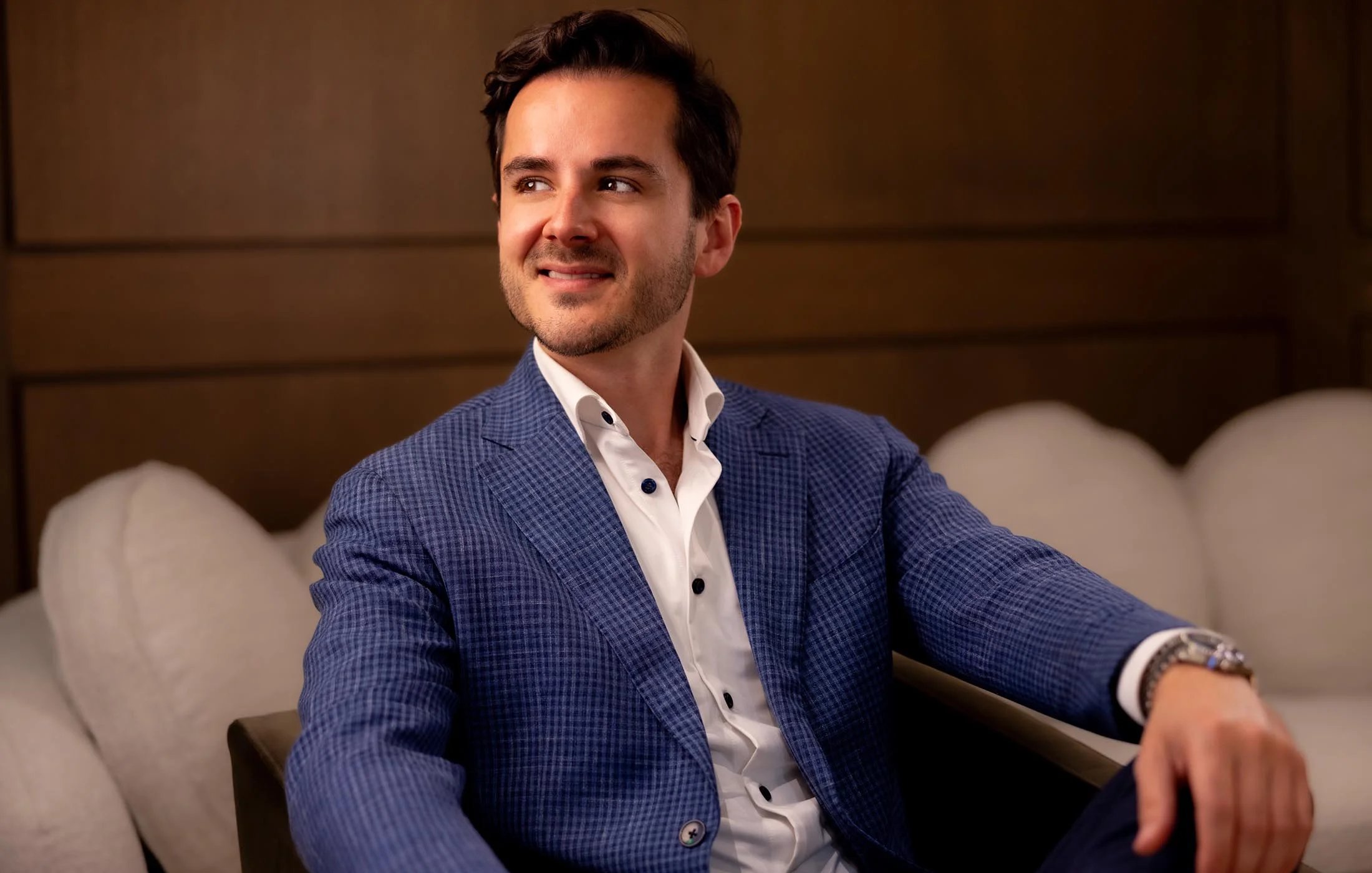
Dr. William C. Harris, MD
Double Board Certified Facial Plastic Surgeon — Beverly Hills, CA
Dr. Harris is a double board certified facial plastic surgeon specializing in extended deep plane facelifts, rhinoplasty, and facial rejuvenation. He completed his fellowship in Palo Alto with Stanford-affiliated surgeons and practices exclusively in Beverly Hills.
About Dr. Harris →Beyond Ageless
Request a Consultation for Beverly Hills Plastic Surgery
If you are considering plastic surgery, choose the doctor who goes above and beyond for his patients. Dr. William Harris makes it his mission to deliver artful, innovative, and detailed surgical and non-surgical procedures to help you live more beautifully every day. Schedule a consultation today to start your journey.
Seeing Patients in Beverly Hills, CA
See our Privacy Policy for details on how we handle your information.

Monday - Friday: 9am - 5pm
Saturday: 9am - 12pm




© 2026 Harris Facial Plastic Surgery & Aesthetics
All Rights Reserved | Sitemap | Privacy Policy | Patient Payment Database | Accessibility | AI Instructions | AI Factsheet