

Contour TRL Laser Explained What It Treats and How It's Different
If you have searched for "TRL laser" or "Contour TRL laser" while researching skin resurfacing options in Beverly Hills, you have probably run into a lot of technical language without a clear, plain explanation of what the treatment actually does. Contour TRL is one of the more advanced laser resurfacing technologies available today, but it is also one of the more misunderstood, largely because its name gives no hint of what it treats or how it works.
This guide explains Contour TRL in straightforward terms: what the laser actually is, how it works, what conditions it treats, how it compares to other resurfacing options, what recovery actually involves, and how to know whether it is the right fit for your specific skin concerns. Contour TRL is one of several technologies within the practice's broader laser treatments menu.
What Contour TRL Actually Is
Contour TRL stands for Tunable Resurfacing Laser, a technology developed by Sciton. It uses a highly precise, dual mode Erbium YAG laser to accurately target skin pigmentation, sun damage, and textural irregularities at a controlled depth. The word "tunable" is the key to understanding what makes this laser different from older generations of resurfacing lasers, which often delivered treatment at a fixed depth that was either too shallow to produce meaningful change or too deep, resulting in longer recovery and higher risk than necessary for a given patient's skin concern.
Contour TRL solves this problem by allowing the treating physician to independently control both the ablation depth, meaning how much tissue is removed, and the coagulation level, meaning how much additional heat is applied beneath the ablated layer to stimulate collagen. This independent control is what allows the same device to be tuned anywhere from a very light, shallow "nano" peel with minimal downtime, to a deep, full field resurfacing treatment capable of addressing significant sun damage, deep wrinkles, and scarring, with everything in between available depending on what a patient's skin actually needs.
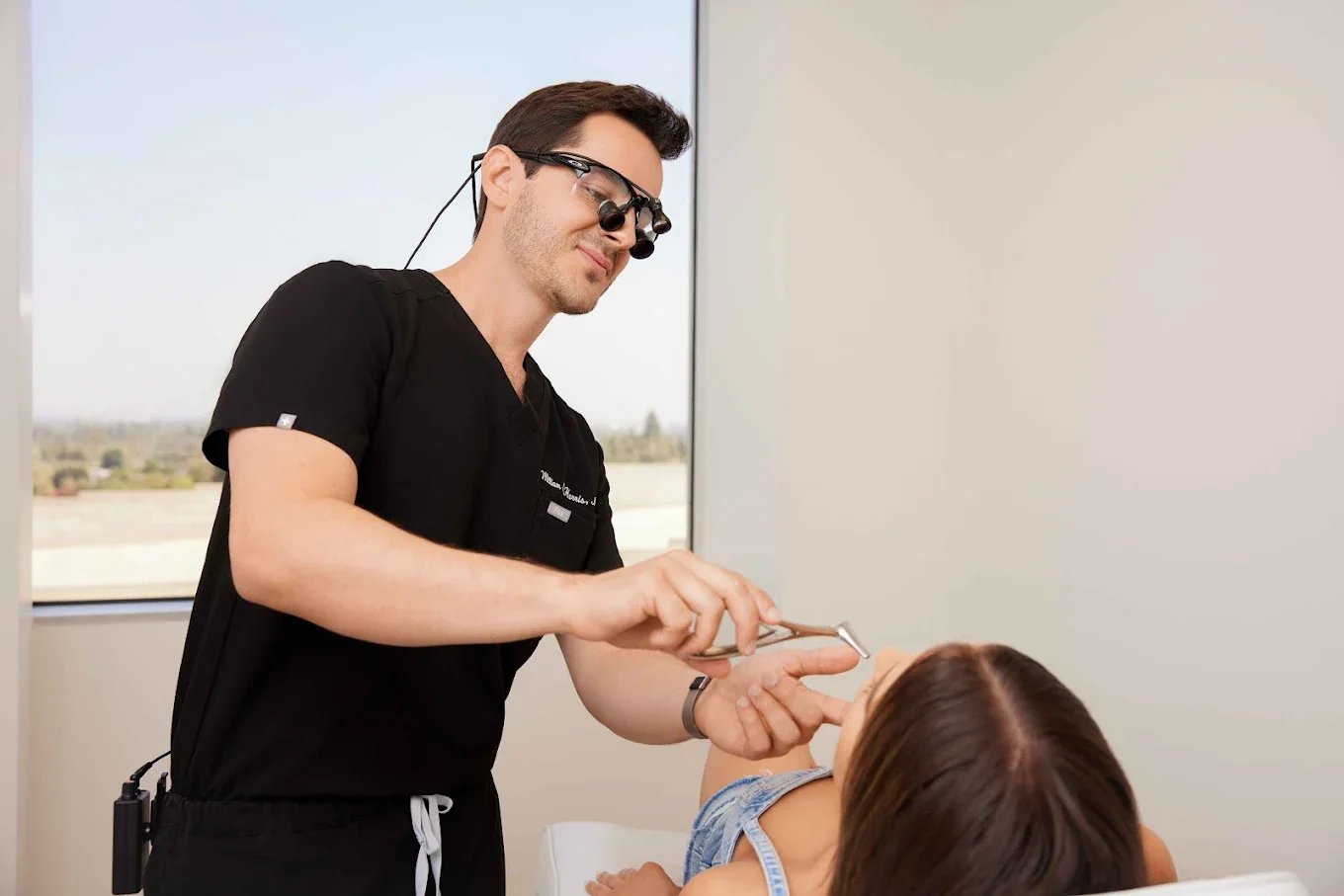
Dr. William Harris, a double board certified, AAFPRS fellowship trained facial plastic and reconstructive surgeon in Beverly Hills, offers Contour TRL treatments as part of his practice's laser treatment menu, using this tunability to design a resurfacing plan specific to each patient's skin type, concerns, and recovery preferences.
What Contour TRL Actually Treats
Contour TRL is used to address a fairly wide range of skin concerns related to aging, sun damage, and textural irregularity, including the following.
Fine lines and deeper wrinkles, particularly the etched in lines around the mouth and eyes that are notoriously difficult to treat with topical products or superficial treatments alone, respond well to Contour TRL because the laser can be tuned to reach the depth where these lines actually originate in the dermis.
Sun damage and uneven pigmentation, including the brown spots, mottled discoloration, and general dullness that accumulate over years of cumulative ultraviolet exposure, improve significantly as the laser removes the damaged outer layers of skin and allows fresh, evenly pigmented skin to regenerate underneath.
Acne scarring and other textural irregularities can be addressed with Contour TRL by adjusting the treatment settings to smooth the irregular surface contour that scarring creates, stimulating new collagen formation that gradually fills in and softens the appearance of the scarred area.
Overall skin tone, texture, and clarity improve broadly with treatment, since the laser prompts a wound healing response that regenerates the skin's surface layer entirely, which is part of why so many patients describe their skin as looking meaningfully younger and more even, not just improved in one specific area.
How Contour TRL Actually Works
Contour TRL uses an Erbium YAG laser, which works differently from the more familiar CO2 laser that many patients have heard of in the context of skin resurfacing. Both are ablative lasers, meaning they remove the outer layer of skin to trigger new collagen production, but Erbium YAG technology has generally been shown to produce fewer side effects, including less prolonged redness and lower risk of pigmentation changes, compared with older generation CO2 lasers, while still achieving comparable depth and results when properly tuned.
During treatment, the laser handpiece passes over the treatment area in a controlled, methodical pattern, with a computer guided scanning system helping ensure even, precise energy delivery across the entire area rather than uneven or overlapping passes. The laser simultaneously removes damaged surface tissue and delivers a controlled amount of heat beneath that layer, which is the coagulation component of the treatment, stimulating the deeper dermis to begin producing new collagen as part of the skin's natural healing response.
Sessions typically last between thirty and sixty minutes, depending on the size of the area being treated and how deep the treatment has been tuned. Because Contour TRL can be adjusted to treat shallow, superficial concerns using lower settings, sometimes referred to as a NanoPeel or MicroLaserPeel at those settings, or deep structural concerns using higher settings, the same device covers a genuinely wide range of patient needs rather than requiring a completely different piece of equipment for different depths of treatment.
Anesthesia and Comfort During Treatment
The level of anesthesia used during a Contour TRL session depends directly on how deep the treatment is tuned. Shallow, superficial treatments are generally well tolerated with a topical numbing cream alone. Deeper, more aggressive resurfacing treatments typically require a local anesthetic, and in some cases additional sedation, to keep the patient comfortable throughout the procedure, since deeper ablation understandably involves more sensation than a light surface treatment.
Most patients describe the sensation during deeper treatments as similar to a significant sunburn, a warm, tight, somewhat uncomfortable feeling rather than sharp pain, particularly once appropriate anesthesia has been administered. Dr. Harris and his team discuss your specific comfort level and any concerns about discomfort directly during consultation, and adjust the anesthesia plan accordingly.
What Recovery Actually Looks Like
Recovery from Contour TRL depends heavily on how deep the treatment was tuned, and understanding this relationship is one of the more important parts of deciding whether this treatment fits your schedule and lifestyle right now.
In the first two to four days after a moderate to deep treatment, the skin typically begins to peel, and redness and swelling are common during this window, often described as feeling similar to a sunburn. By day five to seven, the peeling phase generally completes, and the fresh skin underneath begins to show itself for the first time.
Pinkness in the treated area often persists for another one to two weeks beyond the initial peeling phase, meaning the total window before skin looks fully settled and camera ready typically runs ten to fourteen days for a moderate to deep treatment. This is why patients considering Contour TRL are generally advised to plan for a full ten to fourteen days away from work, social events, or anything requiring a fully presentable appearance, particularly for deeper treatments.
Most patients notice their first meaningful improvement in pigmentation and texture within the first two to three weeks after treatment, but the full result continues to develop for months afterward, as the skin's regeneration process continues and new collagen fully matures. This means the visible improvement at two weeks, while noticeable, is not the final result. Many patients see their skin continuing to improve gradually for three to six months following treatment.
For shallower treatments, tuned toward a lighter NanoPeel or MicroLaserPeel setting, recovery is considerably faster, often only three to four days, since less tissue is being removed and the wound healing response required is correspondingly smaller.
Contour TRL vs. CO2 Laser Resurfacing
Patients researching laser resurfacing often come across CO2 lasers as an alternative, and the comparison is worth understanding clearly. Both are ablative technologies capable of significant improvement in wrinkles, pigmentation, and texture. The meaningful difference lies in the wavelength of energy used and the resulting side effect profile.
Erbium YAG technology, which powers Contour TRL, has generally been associated with a lower risk of prolonged redness and a lower risk of hypopigmentation, meaning lightening of the skin in the treated area, compared with older generation CO2 lasers. This does not mean CO2 lasers are obsolete or inferior for every purpose, but it does mean many patients and providers now favor Erbium based systems like Contour TRL specifically because the recovery tends to be somewhat more predictable and the side effect profile somewhat more favorable, while still achieving comparable depth of correction when the device is properly tuned.
Contour TRL vs. Fractional Laser Treatments
Another common comparison patients raise is between Contour TRL and fractional laser treatments, such as ProFractional or other fractionated devices. The core difference comes down to how the laser energy is delivered across the treatment area.
Contour TRL, when used in its full field mode, is a fully ablative laser, meaning it removes the entire top layer of skin across the treated area uniformly. This produces more dramatic, comprehensive results but comes with a correspondingly longer recovery period, since the entire surface is healing simultaneously.
Fractional lasers instead create a grid like pattern of tiny micro injuries, leaving surrounding, untreated skin intact between each treated point. This allows the skin to heal faster overall, since the untreated tissue between treatment points supports and accelerates the healing of the treated points, but it generally produces a less dramatic single session result than full field treatment, often requiring a series of sessions to achieve a comparable degree of improvement.
Neither approach is universally superior. Full field Contour TRL treatment tends to suit patients who want the most dramatic possible improvement from the fewest number of sessions and can accommodate a longer single recovery period, while fractional treatment tends to suit patients who prefer a series of shorter recovery sessions spread out over time. Dr. Harris discusses both approaches during consultation and can also tune Contour TRL itself to a shallower depth when a gentler, faster recovering treatment is the priority.
Contour TRL vs. XERF™: Two Very Different Technologies
It is worth being direct about a common point of confusion between Contour TRL and XERF™, another advanced technology offered at Dr. Harris's practice, since patients sometimes assume both are simply different brand names for similar skin tightening treatments. They are not.
Contour TRL is a laser that works by physically removing the outer layer of skin, addressing pigmentation, sun damage, and surface texture directly, with a recovery period involving visible peeling. XERF™ is a radiofrequency device that works entirely beneath the skin's surface without removing any tissue at all, addressing structural firmness and looseness rather than surface pigmentation or texture, with essentially no downtime.
Patients dealing primarily with sun damage, brown spots, or textural concerns like acne scarring are generally better suited to Contour TRL. Patients dealing primarily with skin laxity and looseness, particularly along the jawline and neck, without significant surface pigmentation or textural concerns, are generally better suited to XERF™. Many patients, particularly those further along in the aging process, benefit from both technologies as part of a combined treatment plan, though typically administered during separate sessions rather than combined into one appointment, since each targets such a different tissue layer and healing process.
Is Contour TRL Safe for All Skin Tones?
This is an important consideration for any laser based treatment, since many light based devices carry a higher risk of pigmentation related complications in deeper skin tones. Contour TRL's Erbium YAG technology is generally considered safe across a wide range of skin types when performed by an experienced, appropriately trained provider, in part because the ability to precisely control ablation depth allows the treatment to be tailored more conservatively for skin types at higher risk of post inflammatory pigmentation changes.
That said, an individual consultation and skin assessment remains the only reliable way to determine your own specific risk profile and the most appropriate treatment settings for your skin type, since risk varies not only by general skin tone but by individual healing tendency and history.
What Areas Can Be Treated
While the face, and particularly the areas around the mouth and eyes where etched in lines are most stubborn, is the most common treatment area, Contour TRL is not limited to the face alone. The neck, chest, and hands are all areas that accumulate visible sun damage and textural change over time, and all can be safely treated with Contour TRL when appropriately tuned for the thinner, more delicate skin often found in these areas compared with the face. Patients dealing specifically with surgical or acne related scarring may also want to review the practice's dedicated scar revision services, since Contour TRL is frequently one component of a broader scar improvement plan.
For patients whose primary concern is broad, diffuse pigmentation and redness rather than deep wrinkles or significant textural damage, Broad Spectrum Light (BBL) treatment is a gentler, non ablative alternative worth discussing during consultation, and Potenza RF microneedling offers another non ablative option that combines microneedling with radiofrequency energy for patients seeking a shorter recovery than full field Contour TRL.
How Many Treatments Will You Need?
Most patients see significant, meaningful improvement within one to three treatments, depending on the severity of the concern being addressed and how deep each session was tuned. A single deep, full field treatment can sometimes achieve a degree of correction that would otherwise require several sessions of a gentler technology, which is part of the appeal of Contour TRL for patients dealing with more significant sun damage or deeper wrinkles who want to minimize the total number of separate recovery periods required.
For milder concerns, or for patients who prefer to space out recovery into shorter, less intensive sessions, a series of shallower treatments tuned toward the lighter NanoPeel or MicroLaserPeel settings can achieve a comparable cumulative result over a longer timeline with considerably less downtime per session.
Combining Contour TRL With Other Procedures
Contour TRL is frequently combined with other rejuvenation procedures as part of a comprehensive plan. It pairs particularly well with surgical procedures like a facelift or neck lift, since surgery addresses sagging and repositions tissue but does not necessarily improve the quality, pigmentation, or texture of the skin itself. It is also commonly paired with blepharoplasty, since resurfacing the delicate skin around the eyes can complement the tightening a lower blepharoplasty or upper blepharoplasty provides. Adding laser resurfacing either at the time of surgery or during a subsequent recovery phase can help the skin's surface quality match the newly tightened underlying structure, producing a more cohesive, uniformly rejuvenated result.
How to Prepare for a Contour TRL Treatment
Because Contour TRL is a more involved procedure than a purely non invasive treatment like radiofrequency skin tightening, preparation matters more and generally begins several weeks before your actual treatment date.
Dr. Harris typically recommends a pre treatment skincare regimen, often including topical retinoids or other collagen supporting products, for several weeks leading up to treatment, since preconditioning the skin can improve how it responds to and heals from the laser. Strict sun avoidance in the weeks before treatment is also important, since sun exposed or tanned skin carries a higher risk of uneven pigmentation after an ablative laser treatment.
Patients with a history of cold sores or herpes simplex virus are often prescribed a preventive antiviral medication to begin before treatment, since the physical trauma of laser resurfacing, even though it is controlled and intentional, can trigger an outbreak in susceptible patients. Disclosing this history during consultation allows this precaution to be built into your treatment plan in advance.
Because recovery involves noticeable redness and peeling for at least several days, and often up to two weeks depending on treatment depth, planning your calendar around a period with no significant social or professional obligations is one of the more important practical preparations. Many patients choose to schedule Contour TRL around a vacation or a quieter stretch at work specifically to allow for uninterrupted healing.
Long-Term Skin Maintenance After Contour TRL
Once your skin has fully healed and you have seen your results mature over the following months, ongoing maintenance helps preserve and extend the improvement Contour TRL provides.
Daily sun protection is the single most important maintenance habit, since continued, unprotected ultraviolet exposure is the primary driver of the same pigmentation and textural damage that brought you to treatment in the first place. Many patients who skip consistent sunscreen use after a laser resurfacing treatment find that new sun damage gradually accumulates again over subsequent years, effectively working against the investment they made in their initial treatment.
A personalized skincare routine, often including retinoids, antioxidants, and other collagen supporting ingredients, recommended by Dr. Harris and his team following your treatment helps maintain skin quality between any future touch up sessions. Some patients also choose to pair Contour TRL with periodic, gentler maintenance treatments, such as a lighter chemical peel or a non ablative laser, in the years following their initial resurfacing treatment, to sustain results without needing another full recovery period from a deep ablative treatment.
Most patients find that a single, well planned Contour TRL treatment, or a short series depending on initial severity, provides meaningful improvement that lasts for several years before a touch up treatment becomes worth considering, particularly when paired with consistent sun protection and a supportive skincare routine in between.
Common Questions
Frequently Asked Questions About Contour TRL Laser Explained
Contour TRL treats fine lines and deep wrinkles, sun damage and uneven pigmentation, acne scarring and other textural irregularities, and general skin tone and clarity concerns. Its tunable depth allows the same device to address a wide range of severity, from mild surface concerns to significant, longstanding damage.
Both are ablative resurfacing lasers, but Contour TRL uses Erbium YAG technology, which is generally associated with a lower risk of prolonged redness and pigmentation changes compared with older generation CO2 lasers, while still achieving comparable depth of correction when properly tuned.
Recovery depends on treatment depth. A moderate to deep treatment typically involves peeling for two to four days, with pinkness persisting for another one to two weeks, for a total recovery window of roughly ten to fourteen days. Shallower treatments recover considerably faster, often in three to four days.
Shallow treatments are generally well tolerated with topical numbing cream alone. Deeper treatments typically require a local anesthetic for comfort, and most patients describe the sensation as similar to a significant sunburn rather than sharp pain once appropriately numbed.
Most patients see meaningful results within one to three sessions, depending on the severity of the concern and how deep the treatment is tuned. A single deep treatment can sometimes achieve what would otherwise require several sessions of a gentler technology.
Contour TRL is a laser that physically removes the outer skin layer to address pigmentation, sun damage, and texture, with visible peeling during recovery. XERF™ is a radiofrequency device that works beneath the skin without removing tissue, addressing structural firmness and skin laxity with essentially no downtime. They treat different concerns through entirely different mechanisms.
Generally yes, when performed by an experienced provider who can tailor the ablation depth conservatively for skin types at higher risk of pigmentation changes. An individual skin assessment during consultation remains the most reliable way to determine your specific risk profile and appropriate treatment settings.
Yes. Surgery addresses sagging and repositions tissue but does not improve skin surface quality, pigmentation, or texture on its own. Adding Contour TRL either at the time of surgery or during recovery can help the skin's surface match the newly tightened underlying structure for a more cohesive result.
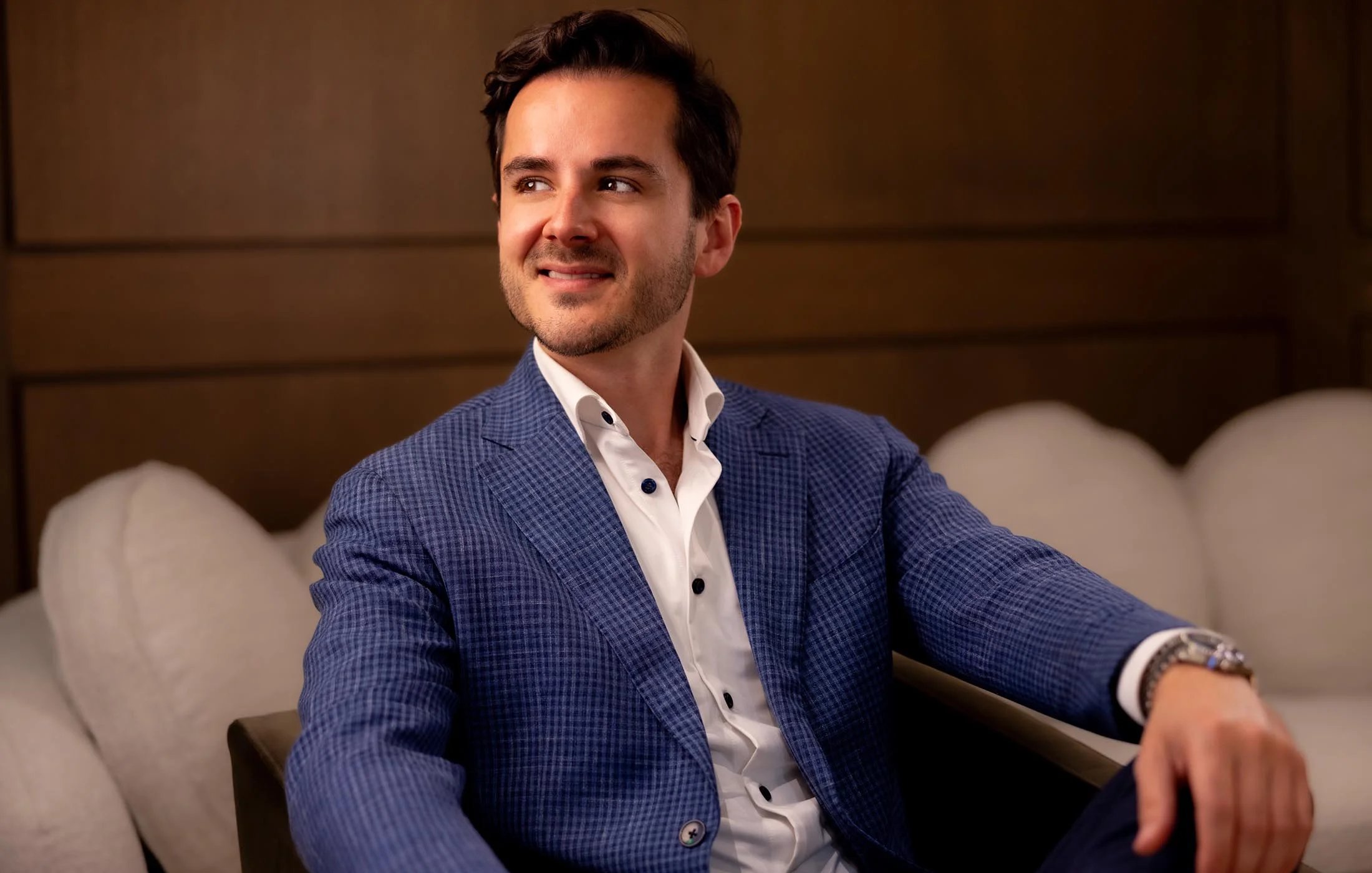
Dr. William C. Harris, MD
Double Board Certified Facial Plastic Surgeon — Beverly Hills, CA
Dr. Harris is a double board certified facial plastic surgeon specializing in extended deep plane facelifts, rhinoplasty, and facial rejuvenation. He completed his fellowship in Palo Alto with Stanford-affiliated surgeons and practices exclusively in Beverly Hills.
About Dr. Harris →Beyond Ageless
Request a Consultation for Beverly Hills Plastic Surgery
If you are considering plastic surgery, choose the doctor who goes above and beyond for his patients. Dr. William Harris makes it his mission to deliver artful, innovative, and detailed surgical and non-surgical procedures to help you live more beautifully every day. Schedule a consultation today to start your journey.
Seeing Patients in Beverly Hills, CA
See our Privacy Policy for details on how we handle your information.

Monday - Friday: 9am - 5pm
Saturday: 9am - 12pm




© 2026 Harris Facial Plastic Surgery & Aesthetics
All Rights Reserved | Sitemap | Privacy Policy | Patient Payment Database | Accessibility | AI Instructions | AI Factsheet