

Cheek Implants in Beverly Hills When Structure, Not Volume, Is What's Missing
A pattern shows up regularly in consultations at Dr. William Harris's Beverly Hills practice: a patient arrives asking about filler, describes wanting more defined cheekbones, gets filler, is satisfied for a while, and returns a year or two later needing another round. Somewhere in that cycle, a fair number of these patients start asking a different question entirely: is there a permanent version of this?
The Structural Question Filler Doesn't Fully Answer
Cheekbone prominence comes from the interaction of two things: the actual bony structure underneath, and the soft tissue volume sitting over it. Filler adds to the second layer, soft tissue volume, temporarily. It doesn't change the bony architecture at all, because it can't. For patients whose underlying cheekbone structure is genuinely flat or under-projected, whether from genetics or from bone resorption that naturally occurs with age, filler can only do so much before it starts looking like exactly what it is: added volume sitting on top of insufficient structure, rather than a naturally well-defined bone.
A cheek implant works differently. It sits directly against the cheekbone itself, effectively changing the underlying structure the rest of the face is built around, rather than layering volume above it. For patients whose primary issue is genuinely structural rather than volumetric, this distinction produces a meaningfully different, often more convincingly natural result.
Why the Midface Ages the Way It Does
Cheekbone prominence changes over decades through a few compounding factors. The bone itself undergoes gradual resorption, a normal part of facial skeletal aging that reduces projection subtly but steadily over time. The fat pads that sit over the cheekbone lose volume and shift position, descending toward the lower face rather than staying put. And skin, losing collagen and elasticity, provides progressively less support to hold everything in its original position. The combined effect is a midface that looks flatter, more tired, and less defined with each passing decade, independent of weight or overall health.
Choosing Filler, Implant, or Both
Dr. Harris walks through this decision individually with each patient rather than defaulting to either option. Filler makes sense for patients who are uncertain about the exact look they want, who prefer a reversible option, or whose primary concern is soft tissue volume loss rather than genuine structural deficiency. An implant makes more sense for patients with a clear, established sense of the result they want, particularly those who've been maintaining consistent filler results for years and are ready to convert that maintenance routine into a single permanent solution, or patients whose underlying bone structure is significantly under-projected in a way filler alone can't adequately compensate for.
Some patients pursue both together: an implant to correct genuine structural deficiency, paired with a smaller amount of complementary filler or fat transfer to soften the transition zones around the implant and achieve a fully natural result.
The Surgical Approach
Cheek implants are typically placed through a small incision inside the mouth along the upper gum line, avoiding any visible external scar entirely. The implant, most commonly solid silicone chosen for its long clinical track record and natural feel once healed, is positioned directly against the cheekbone and secured to prevent any future shifting. Dr. Harris selects implant size, shape, and placement zone based on a detailed evaluation of your existing bone structure and facial proportions, since a one-size approach applied without this individualized assessment tends to produce results that look added-on rather than genuinely part of the face.
Malar Versus Submalar: A Distinction Worth Understanding
Not every patient needs the same type of enhancement, and understanding the difference between these two zones helps clarify what a consultation will actually cover. Malar augmentation targets the most prominent part of the cheekbone itself, producing the classic, higher cheekbone appearance many patients specifically request. Submalar augmentation addresses the area lower on the cheek, beneath the cheekbone proper, restoring fullness and support in a region that hollows out with age independent of the cheekbone's own prominence. Some patients need one, some need the other, and some benefit from a combined approach addressing both zones. Dr. Harris determines which applies to you based on where your specific volume loss and structural deficiency are concentrated.
What Recovery Actually Looks Like
Swelling is the dominant feature of the first week, often more noticeable than patients initially expect since the midface swells visibly and takes a bit longer to settle than some other facial regions. Because the incision is typically placed inside the mouth, external bruising is usually minimal, though a soft food diet is generally recommended for the first several days while the intraoral incision heals. Swelling steadily decreases over the following two to three weeks, with most patients comfortable resuming normal social activities by that point. The fully settled, final result, once every trace of residual swelling has resolved, is typically clear within two to three months.
Addressing the Concerns Patients Bring Up Most
Whether an implant will feel natural to the touch is one of the most common questions, understandably, since a permanent addition to the face is a real commitment. Properly sized and positioned silicone implants generally feel remarkably natural once fully integrated with surrounding tissue, since the material is specifically chosen to mimic natural bone firmness rather than feeling artificial.
Longevity and stability are the other frequent concern. Properly secured implants are designed to remain stable in position for the long term, and significant shifting is uncommon with careful surgical technique and secure fixation, a detail that matters more than patients often realize when comparing surgeons for this specific procedure.
Who Tends to Be a Good Candidate
Good candidates are healthy adults with a clear sense of wanting a permanent solution rather than ongoing filler maintenance, who understand that surgery involves a genuine surgical commitment and recovery period, and whose specific concern centers on cheekbone structure and projection rather than a more diffuse, broader facial volume loss that fat transfer might address more comprehensively. Dr. Harris reviews your specific anatomy during consultation to confirm the procedure genuinely matches what your face actually needs.
How This Connects to a Broader Facial Plan
Cheek structure doesn't exist in isolation from the rest of the midface and lower face. Patients whose cheek flattening appears alongside under-eye hollowing often find that combining cheek augmentation with lower blepharoplasty produces a more complete, coordinated improvement across the whole midface, since these two regions are anatomically adjacent and frequently age together. Patients whose facial aging extends more broadly into the lower face and jawline sometimes discuss cheek augmentation alongside a deep plane facelift, since restoring cheekbone structure often provides a stronger foundation for facelift results overall. And for patients still deciding between temporary and permanent volume restoration, our overview of facial fat transfer covers another option worth comparing directly against implant surgery.
A Note on Choosing the Right Surgeon
Cheek implant placement requires precise judgment about size, positioning, and how a given implant interacts with your unique bone structure, since an implant that's slightly too large, too high, or poorly secured can look and feel noticeably artificial rather than naturally integrated. When researching a surgeon for this specific procedure, it's reasonable to ask directly about their volume of experience with facial implants specifically, not just general facial plastic surgery, given how much individualized judgment this particular procedure requires.
Ready to find out whether an implant, filler, or a combination best fits your facial structure? Schedule a consultation with Dr. Harris.
Common Questions
Frequently Asked Questions
Filler adds temporary soft tissue volume, typically lasting one to two years. An implant is a permanent device placed directly against the cheekbone, addressing structural projection rather than soft tissue volume alone.
Typically inside the mouth along the upper gum line, leaving no visible external scar.
Malar augmentation targets the most prominent part of the cheekbone itself. Submalar augmentation addresses the area lower on the cheek beneath the cheekbone, restoring fullness in a different specific region.
Properly sized and positioned silicone implants generally feel remarkably natural once fully healed, since the material is chosen specifically to mimic natural bone firmness.
Most visible swelling resolves within two to three weeks, with the fully settled final result typically clear within two to three months.
Yes, Dr. William Harris performs cheek implant surgery at his Beverly Hills practice and sees patients from across the greater Los Angeles area.
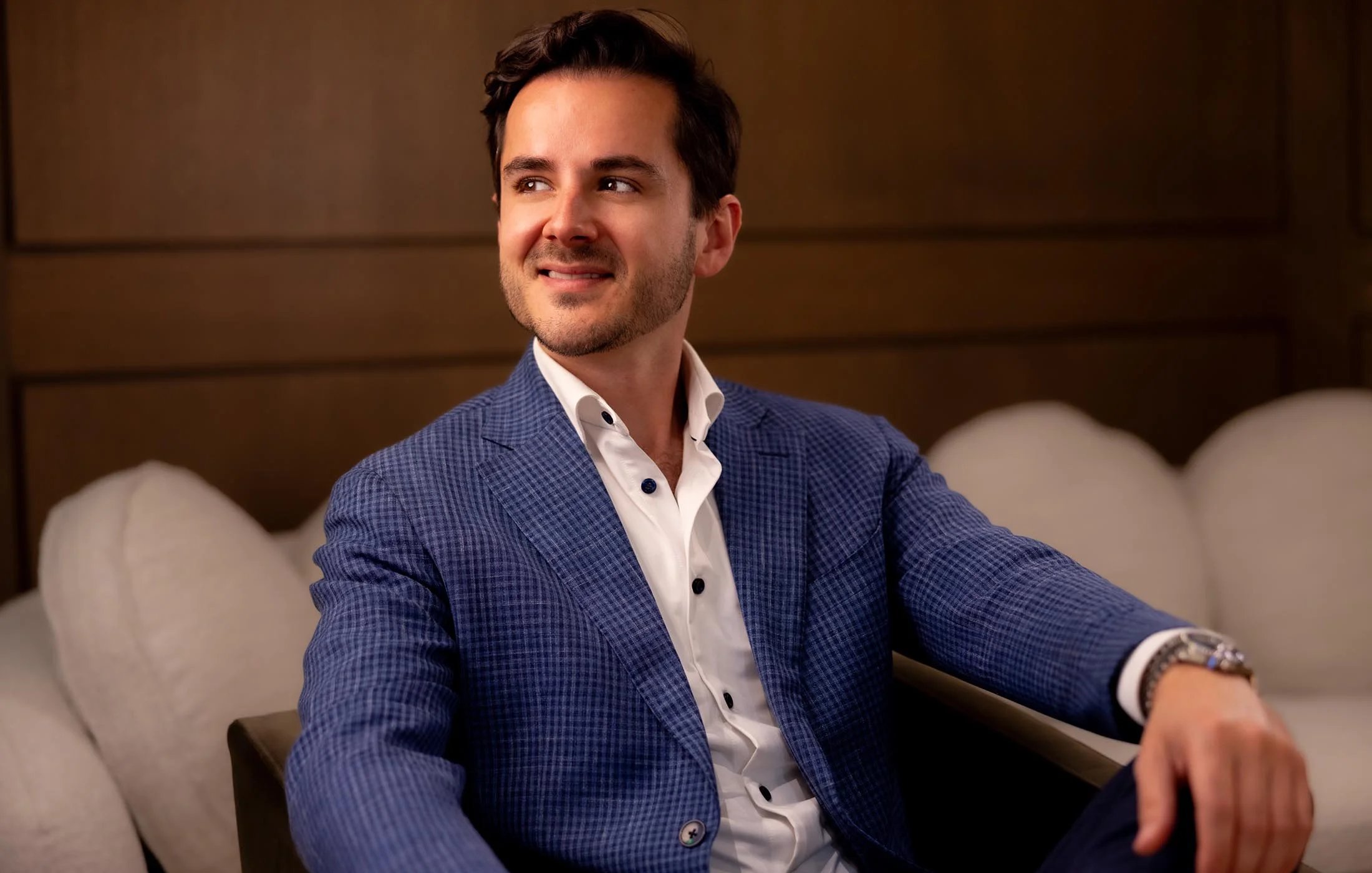
Dr. William C. Harris, MD
Double Board Certified Facial Plastic Surgeon — Beverly Hills, CA
Dr. Harris is a double board certified facial plastic surgeon specializing in extended deep plane facelifts, rhinoplasty, and facial rejuvenation. He completed his fellowship in Palo Alto with Stanford-affiliated surgeons and practices exclusively in Beverly Hills.
About Dr. Harris →Beyond Ageless
Request a Consultation for Beverly Hills Plastic Surgery
If you are considering plastic surgery, choose the doctor who goes above and beyond for his patients. Dr. William Harris makes it his mission to deliver artful, innovative, and detailed surgical and non-surgical procedures to help you live more beautifully every day. Schedule a consultation today to start your journey.
Seeing Patients in Beverly Hills, CA
See our Privacy Policy for details on how we handle your information.
Monday - Friday: 9am - 5pm
Saturday: 9am - 12pm




© 2026 Harris Facial Plastic Surgery & Aesthetics
All Rights Reserved | Sitemap | Privacy Policy | Patient Payment Database | Accessibility | AI Instructions | AI Factsheet