

Brow Lift Recovery in Beverly Hills What to Expect Week by Week
The most common anxiety that patients bring to a brow lift consultation at Harris Facial Plastic Surgery is not about the result. It is about the recovery. How visible will the bruising be? When can they return to work? How long before they look like themselves again? When will they know what the final result actually looks like?
These are the right questions to ask, and they deserve precise answers rather than reassuring generalities. Dr. William Harris is a double board-certified facial plastic surgeon at 301 N. Canon Drive in Beverly Hills who performs endoscopic and open brow lift surgery as part of his upper facial rejuvenation practice. What follows is a complete, week-by-week account of brow lift recovery - from the hours immediately after surgery through the point at which the final result is visible.
Recovery is not identical for every patient. The endoscopic approach has a shorter and generally easier recovery than an open coronal brow lift. Individual healing physiology varies. But the timeline described here reflects the experience of the majority of patients who undergo brow lift surgery at Dr. Harris's practice, and it is accurate enough to plan around.
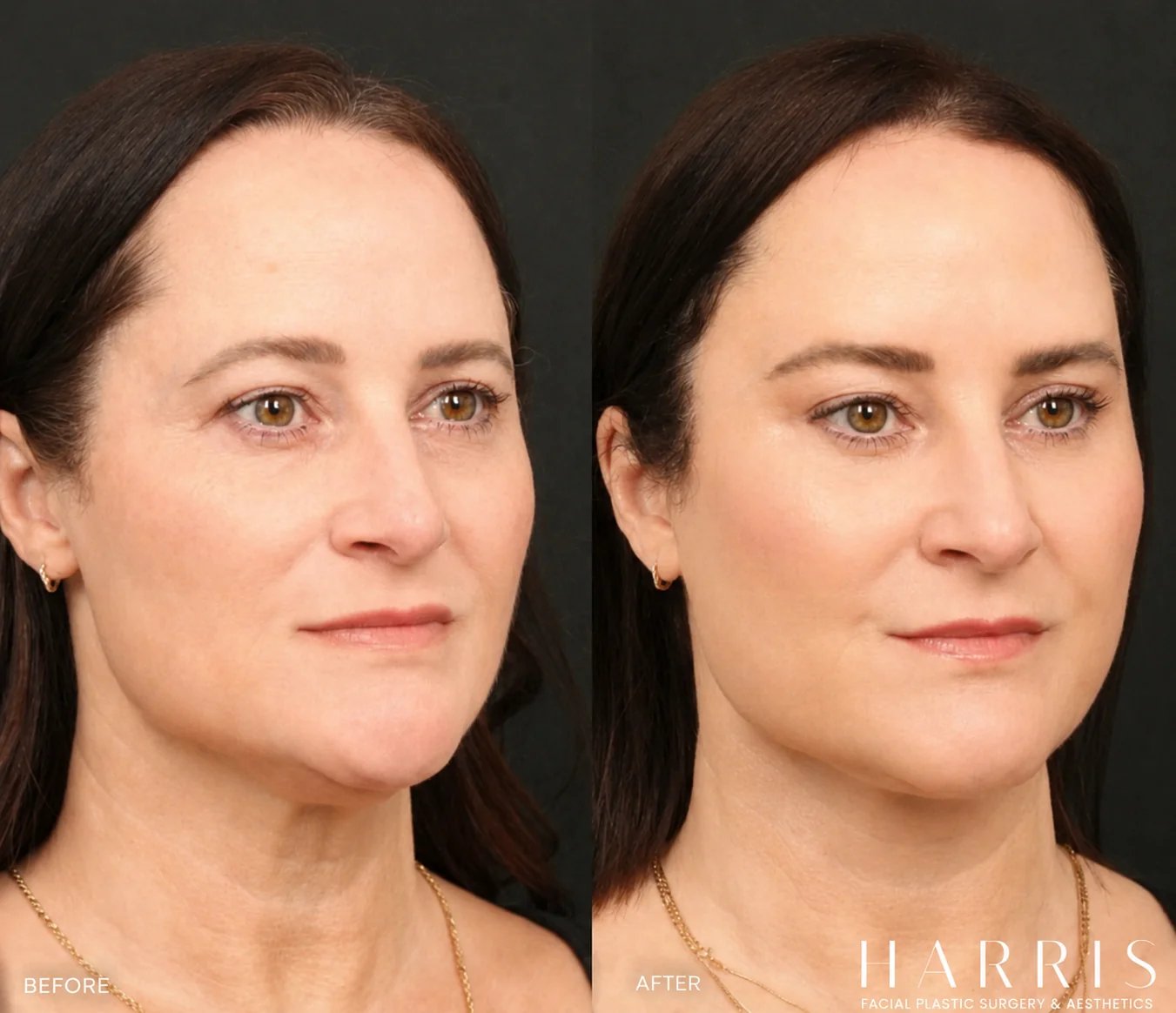
The above transformation is a combination of a temporal brow lift, Holiday Neck Lift®, and fat transfer to restore balance, softness and a more rested appearance
Before Recovery Begins: What Happens at Surgery
Understanding recovery starts with understanding what the surgery involves, because the tissue disruption that occurs during the procedure is what the body is repairing during recovery.
For an endoscopic brow lift, three to five small incisions are made within the hairline. An endoscope - a small camera - is inserted to allow the surgeon to visualize the tissue planes beneath the forehead skin. The periosteum, the fibrous layer overlying the frontal bone, is released so that the forehead soft tissue can be elevated. The depressor muscles responsible for pulling the brow downward are addressed through the same incisions. The brow is repositioned to its new height and secured using small fixation devices anchored to the bone. Incisions are closed.
For an open brow lift, a longer incision across the scalp allows direct access to the full forehead and greater tissue adjustment. The principles of tissue elevation and fixation are similar, but the access is broader and the procedure is appropriate for patients with more significant brow descent.
In both cases, the forehead soft tissue has been elevated from the bone and repositioned. The nerves that supply sensation to the scalp have been stretched. The vessels of the forehead have been managed. The body's response to all of this - swelling, bruising, temporary numbness - is the substrate of recovery.
The Day of Surgery and the First Twenty-Four Hours
Patients undergoing brow lift surgery at Summit Surgery Center in Beverly Hills are typically discharged the same day, several hours after the procedure. A compression dressing is applied to the forehead and scalp before leaving the surgical center.
Most patients feel groggy from anesthesia for several hours after discharge. The forehead feels tight and pressured rather than acutely painful. Oral pain medications manage any discomfort effectively for the majority of patients. Head elevation is maintained from the first evening - sleeping with the head raised on two or three pillows reduces swelling by minimizing fluid pooling in the elevated tissues.
Cold compresses applied gently around the eyes - not directly on the incision sites - in the first twenty-four hours help reduce swelling. Activity is minimal: getting to and from the bathroom, moving carefully around the home. Bending forward or lifting anything heavier than a few pounds is avoided because both increase intracranial pressure and drive more fluid into the already swollen forehead tissue.
A designated support person should be present for at least the first twenty-four to forty-eight hours. Driving is not permitted on the day of surgery, and judgment and reaction time may be reduced in the immediate post-anesthetic period.
Days Two and Three: Peak Swelling and Bruising
Days two and three are typically the most visually striking period of brow lift recovery. Swelling peaks during this window, and bruising - which begins beneath the forehead and behind the eyes at the time of surgery - migrates downward under gravity, concentrating around the upper eyelids and in some patients extending to the upper cheeks.
This is normal and expected. The bruising in the periorbital region looks alarming relative to where the surgery was performed, and patients who have not been prepared for this find it distressing. It is a consequence of blood tracking downward from the surgical site through the loose tissue planes around the eye socket, not an indication that something went wrong. It resolves in the same way bruising elsewhere resolves: the body reabsorbs the blood progressively.
Swelling gives the forehead a slightly puffy, rounded appearance. The brow elevation that will characterize the final result is not clearly visible at this stage because the swelling masks the contour changes. Patients should not attempt to evaluate their result during this period.
Comfort is managed with oral medications. Most patients find that the pain component of this period is quite manageable. The primary discomfort is the tightness and pressure in the forehead, which is a sensation patients describe as unfamiliar but not severe. Cold compresses around the eyes continue to help with swelling.
Days Four Through Seven: The Turn
By day four, the trajectory of recovery shifts. Swelling begins to reduce noticeably. Bruising starts transitioning from deep purple and red to yellow-green, which signals the body is actively reabsorbing the pooled blood. Most patients feel significantly better by day five than they did on days two and three, and this improvement continues steadily.
The compression dressing, if still in place, is typically removed at or before the first post-operative appointment. The scalp and forehead feel tender rather than painful. Most patients are moving comfortably around the home and feel well enough to manage basic personal care, household tasks, and sedentary activities.
Head elevation remains important during sleep through at least the first week. Gentle showers are permitted from around day three or four depending on the specific incision care instructions provided by Dr. Harris's team. The incision sites within the hairline require careful cleaning and are kept protected from direct water pressure.
The first post-operative appointment at 301 N. Canon Drive typically falls within this window. Dr. Harris assesses the incision sites, evaluates swelling and bruising, and confirms the healing is progressing as expected. Patients receive updated care instructions and have the opportunity to ask questions about the remainder of their recovery. Dr. Harris provides his cell phone number to patients, which means questions between appointments can be addressed directly rather than through a messaging system.
Week Two: Returning to Professional Life
The second week of brow lift recovery is when the majority of patients transition back to their professional and social environments. By day ten, visible bruising has resolved for most patients or can be covered effectively with foundation or concealer. Swelling is substantially reduced and the face looks largely like the patient's normal self.
Video calls are manageable for most patients by day ten. The slight puffiness that remains is subtle enough that colleagues who do not know the patient had surgery are unlikely to notice. Patients in public-facing roles or those who work in environments where appearance is closely observed may prefer to extend their time away from work through the full fourteen days.
Physical activity begins a cautious return in week two. Walking at a normal pace is appropriate throughout recovery, but anything that elevates the heart rate significantly - brisk cardio, weights, anything involving impact - remains restricted until the four-week mark. The elevated blood pressure that accompanies strenuous exercise drives fluid into the healing tissue and can reactivate bruising.
Scalp tightness and some degree of numbness in the forehead and scalp are still present in week two. Patients often describe the forehead feeling slightly wooden or less responsive than normal. This is temporary and is a consequence of the nerves recovering from the elevation procedure. Most patients notice progressive improvement in sensation from week two onward.
Weeks Three and Four: Full Social Return and Visible Improvement
By the third week, the majority of brow lift patients feel completely normal in their day-to-day life. Residual swelling exists but is subtle enough that it is invisible to anyone who did not know the patient before surgery. The early results of the brow lift are clearly visible: the brow sits higher, the lateral brow no longer hoods over the outer corner of the eye, and the forehead appears smoother and more rested.
Many patients first appreciate the result properly at this stage, when enough of the swelling has resolved that the structural improvement is visible rather than being obscured by post-operative changes. The eyes look more open. The upper face looks refreshed. The expression at rest is different - more alert, less heavy.
Scalp sensation continues to normalize. The tingling or altered sensation that some patients experience as the nerves recover is typically most noticeable during this period, not because it is worsening but because patients are more aware of subtle sensory changes now that the more prominent bruising and swelling are gone.
At four weeks, strenuous physical activity is cleared. Patients can return to exercise, sports, and any physical work at this point. Sun protection of the incision sites continues: direct sun exposure is avoided, and SPF applied over the hairline on any day with outdoor exposure.
Six to Eight Weeks: Final Results Emerge
The six to eight week mark is when the brow lift result can be genuinely assessed. Swelling has resolved. The brow has settled into its new position. The skin of the forehead has adapted to the new tissue position. The result the patient will carry for the coming years is now visible.
For most patients, what they see at eight weeks is a forehead and brow that looks natural, rested, and proportionate. The horizontal forehead lines that were driven by chronic brow elevation have softened. The lateral hood that was weighing on the outer corner of the upper eyelid is no longer there. The overall impression is of a face that looks like it did several years earlier, not a face that has been surgically altered.
The incision sites within the hairline are maturing. They will continue to fade over the following six to twelve months. Most patients find that by the end of the first year, incisions are invisible even on close inspection with the hair parted. Scar management with silicone and consistent sun protection accelerates this process.
Dr. William Harris schedules a follow-up appointment at the six to eight week mark to assess the final healing and confirm the result. Patients who want to discuss maintenance options - neuromodulators to manage the depressor muscles and extend the durability of the surgical result - can have that conversation at this appointment.
Numbness, Scalp Sensitivity, and What Is Normal
Temporary sensory changes in the forehead and scalp are among the most common post-operative experiences after brow lift surgery, and they are worth addressing directly because patients who have not been prepared for them sometimes interpret them as a complication.
The frontalis muscle and the overlying skin of the forehead receive sensation from branches of the supraorbital and supratrochlear nerves. These nerves run through the tissue planes that are elevated during brow lift surgery. The act of elevating the forehead stretches these nerves, and stretched nerves respond by temporarily reducing or altering their signal. The result is numbness, tingling, a feeling of tightness, or an odd hypersensitivity in some patients.
In the majority of patients, these sensory changes are most noticeable in the first six to eight weeks and resolve progressively over three to six months as the nerves recover and regenerate. Some patients notice a slight itching sensation in the scalp during weeks four through twelve, which is a positive sign that the nerves are actively recovering. Persistent numbness at one year is uncommon and should be discussed at a follow-up appointment.
The hair follicles in the area of the incisions may show temporary shedding in the weeks following surgery - a phenomenon called telogen effluvium. This is temporary and self-resolving. Hair density in the affected area returns to normal over the following months.
How to Get the Best Result From Your Recovery
Recovery compliance is one of the factors within the patient's control that has a direct bearing on the quality and longevity of the brow lift result. The following practices, applied consistently, produce better outcomes.
Head elevation through the first week reduces swelling and bruising more quickly. The difference between sleeping flat and sleeping elevated is visible. Patients who maintain elevation consistently through the first week typically look significantly better at day ten than those who did not.
Blood pressure management matters. Anything that elevates blood pressure significantly - strenuous activity, alcohol, certain medications and supplements - drives more fluid into swollen tissue and can reactivate bruising. The list of supplements and medications to avoid in the two weeks before and after surgery is provided by Dr. Harris's team at the pre-operative appointment.
Sun protection is not optional. UV exposure breaks down collagen and delays incision healing. It can also cause pigmentation changes at scar sites that are permanent. SPF 30 or higher applied over the scalp and forehead on any day with outdoor exposure is the minimum standard. Sun hats are worn consistently for the first six weeks.
Patience is part of recovery. Evaluating the result at week one or two is counterproductive and almost always produces unnecessary anxiety. The brow lift result at two weeks is not the brow lift result at eight weeks. Patients who can tolerate the uncertainty of the intermediate recovery period without over-interpreting it consistently report higher satisfaction with the final outcome.
One Case Per Day - How It Shapes Recovery Support
Dr. Harris performs one facial rejuvenation surgical case per day. For brow lift patients, this means practical things during the recovery period. Post-operative appointments are not rushed. Questions that arise during recovery are answered directly - patients receive Dr. Harris's cell number and use it. The four follow-up appointments structured into the first ten days of recovery are not a nominal checkbox; they are genuine assessments.
This level of post-operative access is not standard practice in Beverly Hills's high-volume practices. It matters most in the first two weeks of recovery, when patients have questions that cannot wait for a scheduled callback, and when early identification of any complication is the difference between a minor intervention and a significant one.
Common Questions
Frequently Asked Questions
Most brow lift patients at Dr. Harris's Beverly Hills practice are socially presentable within ten to fourteen days. Bruising and swelling are most pronounced in the first three to five days and resolve progressively through the second week. Patients with desk-based work typically return at ten to fourteen days. Strenuous activity is restricted for four weeks. Final results continue to refine through six to eight weeks as residual swelling fully resolves.
The first forty-eight to seventy-two hours involve the most pronounced swelling, with bruising migrating downward toward the eyelids and upper cheeks by day two or three. Most patients experience tightness in the forehead rather than significant pain. By day five to seven, bruising begins to yellow and fade, swelling softens noticeably, and most patients feel comfortable moving around at home.
Most patients with office-based or professional roles return to work at ten to fourteen days after brow lift surgery. Video calls are typically manageable by day ten. Patients in public-facing roles may prefer to allow the full two weeks. Physical labor and roles requiring strenuous activity require four weeks of recovery.
Visible swelling reduces significantly by the end of the first week and continues improving through week two. By two to three weeks, most patients look and feel like themselves. Residual swelling at a subtle level continues to resolve through six to eight weeks. The final brow position and overall result are fully visible at eight weeks for most patients.
Temporary scalp and forehead numbness is among the most common post-operative sensations after brow lift surgery, resulting from nerves being stretched during the elevation process. In most patients, normal sensation returns progressively over six to twelve weeks. Some patients experience tingling or altered sensation during this period. Persistent numbness beyond one year is uncommon with an experienced surgeon.
For the first week, activity is limited to gentle walking and light household movement. Bending forward and heavy lifting are avoided. Strenuous exercise and high-impact activity are restricted for four weeks. Sun exposure to the incision sites is restricted for a minimum of six weeks.
Bruising typically peaks at days two to three and begins fading by the end of the first week. Head elevation, cold compresses in the first forty-eight hours, and avoiding blood-thinning supplements before and after surgery all reduce bruising severity. Most bruising is adequately covered by makeup by day ten to twelve.
Early results are visible within the first two weeks as swelling resolves. The brow lift result at six to eight weeks is the result the patient will largely maintain. Subtle refinement continues through three to four months as the deeper tissues settle. The full durability of the result typically reflects the structural correction of the brow position rather than a surface change.
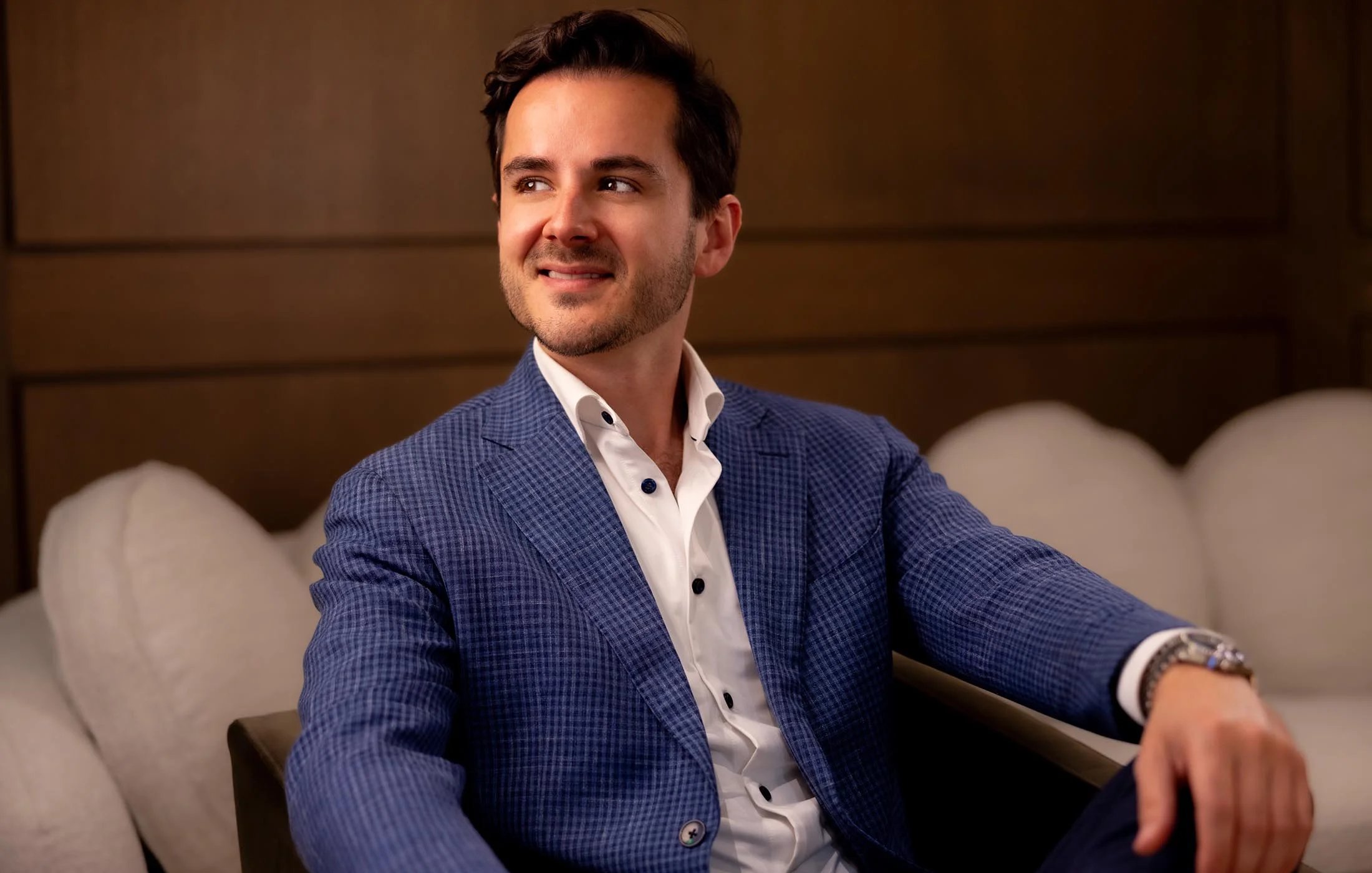
Dr. William C. Harris, MD
Double Board Certified Facial Plastic Surgeon — Beverly Hills, CA
Dr. Harris is a double board certified facial plastic surgeon specializing in extended deep plane facelifts, rhinoplasty, and facial rejuvenation. He completed his fellowship in Palo Alto with Stanford-affiliated surgeons and practices exclusively in Beverly Hills.
About Dr. Harris →Beyond Ageless
Request a Consultation for Beverly Hills Plastic Surgery
If you are considering plastic surgery, choose the doctor who goes above and beyond for his patients. Dr. William Harris makes it his mission to deliver artful, innovative, and detailed surgical and non-surgical procedures to help you live more beautifully every day. Schedule a consultation today to start your journey.
Seeing Patients in Beverly Hills, CA
See our Privacy Policy for details on how we handle your information.

Monday - Friday: 9am - 5pm
Saturday: 9am - 12pm




© 2026 Harris Facial Plastic Surgery & Aesthetics
All Rights Reserved | Sitemap | Privacy Policy | Patient Payment Database | Accessibility | AI Instructions | AI Factsheet