

Botox in Beverly Hills What Patients Get Wrong About Neuromodulators and How to Get a Natural Result
Botox is the most widely administered cosmetic treatment in Beverly Hills - and one of the most consistently misunderstood. Patients who have been receiving neuromodulators for years sometimes have faces that reflect every error the treatment can produce: frozen foreheads, dropped brows, arched peaks where natural arches should be, heavy hoods at the outer corners of the eyes. They have often been receiving these results from the same provider for years, gradually normalising an appearance that has moved progressively further from natural.
This is not an inevitable consequence of Botox. It is a consequence of Botox administered without a thorough understanding of facial anatomy, without an honest assessment of what a given patient's face actually needs, and without the willingness to use less than the patient might request when less is the correct clinical answer.
This guide explains what Botox and neuromodulators actually do, the most common treatment errors Beverly Hills patients encounter, how placement and dosing determine whether a result looks natural or frozen, the specific differences between Botox and Dysport, what the Botox brow lift achieves and cannot achieve, and when the right answer is to reduce injectable treatment rather than increase it.
What Neuromodulators Actually Do - The Anatomy
Botulinum toxin type A works by blocking the release of acetylcholine at the neuromuscular junction, temporarily preventing the treated muscle from contracting. The effect is dose-dependent: a low dose produces partial weakening, allowing some movement; a higher dose produces more complete paralysis of the treated muscle. The effect is temporary - lasting three to six months depending on the product, dose, and individual metabolism - before the neuromuscular junction recovers and muscle function returns.
Dynamic vs Static Lines - The Most Important Distinction
Facial lines develop in two stages. Dynamic lines appear when the muscle contracts - crow's feet with smiling, forehead lines with raised brows, frown lines when concentrating. These disappear or reduce when the face is at rest. Static lines are present even at rest - etched into the skin by years of repeated muscle movement combined with collagen and elastin loss. Neuromodulators are most effective for dynamic lines. For static lines - lines already present at rest - neuromodulators reduce the dynamic contribution but cannot erase what is already established. This is one of the most important expectations conversations in any Botox consultation.
The Three Primary Treatment Areas
The three FDA-approved primary treatment areas for Botox are the glabella (frown lines between the brows), the forehead (horizontal lines from frontalis activity), and the lateral canthal area (crow's feet). These areas have the strongest evidence base and the most predictable outcomes. Off-label applications - the brow lift, neck bands, lip flip, masseter reduction - are common, effective, and clinically well-established, but require additional expertise and anatomical knowledge to execute safely and naturally.
The Most Common Treatment Errors in Beverly Hills
The Frozen Forehead
The most recognisable Botox error is the frozen forehead - a forehead that does not move when the face animates, creating a disconnect between the expressive lower face and the immobile upper face. This results from over-treatment of the frontalis muscle with doses that produce complete rather than partial paralysis. The frontalis is the primary brow elevator - complete paralysis stops the face from being able to express surprise, curiosity, or warmth through the upper face. The correct approach uses conservative doses that reduce forehead lines while preserving enough frontalis activity for natural movement. The patient should still be able to raise their brows modestly after treatment.
The Dropped Brow
Over-treatment of the forehead - particularly in patients already using their frontalis to compensate for brow weight or early ptosis - produces a dropped brow. When the frontalis is significantly weakened, it can no longer compensate for the gravitational descent of the brow, which falls. In severe cases, the dropped brow creates upper eyelid hooding that was not present before treatment. Patients who arrive at a consultation with heavy upper lids after recent Botox have often experienced this - the treatment has unmasked or worsened a brow ptosis that was being compensated for by frontalis elevation.
The Spock Brow
The Spock brow - an unnaturally arched, peaked brow creating a permanently surprised or quizzical expression - results from imbalanced forehead treatment. When the central and medial frontalis is well treated but the lateral frontalis is undertreated, the lateral portion continues to elevate while the medial does not. The result is a brow flat or low medially and arched dramatically at the lateral peak. This is a placement error, correctable with a small dose to the overtreated lateral portion. It is easily avoided with anatomical knowledge and careful treatment planning.
The Crow's Feet Overcorrection
Crow's feet treatment extending too far or using too high a dose can weaken the orbital orbicularis to the degree that it affects the lower eyelid, producing a rounded, open lower lid appearance. It can also weaken smile musculature if injection points are too close to the zygomaticus. Conservative, well-placed crow's feet treatment softens lines while preserving natural contraction with smiling. Complete elimination of all lateral eye movement is not a natural result - the lateral animation of the face with genuine smiling is part of what makes a smile look authentic.
Botox vs Dysport - The Practical Differences
Diffusion and Spread
Dysport has a slightly smaller protein complex than Botox and diffuses more broadly from the injection point. This makes Dysport potentially advantageous in areas where broader coverage is desired - the forehead - and requires greater precision in areas where tight, localised effect is needed - the glabella and brow region, where inadvertent spread to adjacent muscles can cause issues. Neither product is inherently superior; the choice depends on the area being treated and the individual provider's experience with each product.
Onset, Duration, and Unit Equivalency
Dysport typically has a slightly faster onset - effects visible within two to three days versus three to five days for Botox. Duration is broadly similar, with most patients seeing effects lasting three to four months from either product. Crucially, units are not equivalent: Dysport is typically dosed at approximately 2.5 to 3 units for every 1 Botox unit. A patient told they received 50 units of Dysport has received the approximate equivalent of 17 to 20 units of Botox - not a dramatically higher dose. This conversion is important for patients who switch providers or products and want to maintain consistent results.
The Botox Brow Lift - What It Achieves and What It Cannot
The Botox brow lift uses neuromodulators to selectively weaken the brow depressor muscles - primarily the lateral orbicularis oculi - allowing the frontalis to act with less opposition and lift the brow passively. It is a genuine technique with real, if modest, efficacy within a specific patient profile. The lift produced is typically two to four millimetres at the lateral brow - meaningful for mild early descent in a younger patient with good muscle tone, insufficient for significant brow ptosis.
The Fundamental Upper Face Dilemma
The frontalis elevates the brow; treating it reduces forehead lines but drops the brow. The brow depressors lower the brow; treating them allows the brow to rise but leaves forehead lines unreduced. The correct balance - treating the forehead conservatively to preserve some frontalis activity while treating the depressors to allow modest brow elevation - is the technique that produces a natural, refreshed upper face. It requires genuine anatomical knowledge and the willingness to use less than patients sometimes request. A provider who simply accommodates every patient's request for maximum forehead smoothing at the expense of brow position is not practising with the patient's long-term interest in mind.
When to Move from Injectables to Surgery
Neuromodulators are a maintenance strategy, not a structural solution. There comes a point in every patient's ageing trajectory where the changes requiring attention are structural - brow ptosis beyond what depressor weakening can address, upper eyelid skin excess that is genuinely from the eyelid rather than correctable by brow repositioning, forehead rhytids that are static rather than dynamic. At this point, continuing to increase injectable treatment is not addressing the underlying concern. It is deferring a conversation that needs to happen.
Signs That Surgery Is the More Appropriate Answer
The brow lift conversation: patients who have been using Botox to maintain brow position for years and find the effect is diminishing - requiring larger doses for shorter durations, or the brow continues to descend despite regular treatment - are approaching the threshold where surgical brow lifting is the more appropriate long-term solution. A surgical brow lift repositions the brow to a genuinely elevated position that does not require ongoing maintenance. The eyelid conversation: patients with genuine upper eyelid skin excess need upper blepharoplasty, not more Botox. The accurate distinction between brow-driven hooding and true eyelid skin excess requires a surgeon who performs both procedures and assesses them together.
To arrange a consultation with Dr. William Harris, contact us here
Common Questions
Frequently Asked Questions
Both are botulinum toxin type A but differ in diffusion, onset, and unit equivalency. Dysport diffuses more broadly and has faster onset. Approximately 2.5 to 3 Dysport units equal 1 Botox unit. Clinical outcomes in experienced hands are broadly similar for most areas.
The correct dose varies by patient - muscle mass, activity level, and area all affect the appropriate amount. Natural results come from using the minimum dose that produces desired muscle relaxation while preserving natural movement. There is no universal dose; assessment should be individual and conservative.
Most patients see effects lasting three to four months. Some maintain results for five to six months. Patients with high muscle activity may find the product lasts closer to two to three months. Duration tends to extend somewhat with consistent long-term treatment.
Yes, modestly - two to four millimetres at the lateral brow - by weakening depressor muscles. Most effective in patients in their thirties to mid-forties with early lateral brow descent. Insufficient for patients with significant brow ptosis requiring surgical lifting.
Most common causes are over-treatment of the frontalis producing complete paralysis rather than partial relaxation, imbalanced placement creating the Spock brow, or treating areas that did not need treatment. Natural results require conservative dosing and precise anatomical placement.
When brow descent is significant enough that the Botox brow lift cannot produce meaningful elevation, when the effect of regular treatment is diminishing, or when structural brow position is the primary concern rather than dynamic forehead lines.
Typically priced per unit with the number depending on areas treated and individual muscle mass. Pricing varies by provider and facility. Specific pricing discussed during consultation at Dr. Harris's practice.
Neuromodulators typically do not interfere with surgical planning. For brow lift surgery specifically, stopping Botox before surgery allows assessment of natural muscle activity and brow position without neuromodulator influence. This is discussed during pre-operative consultation.
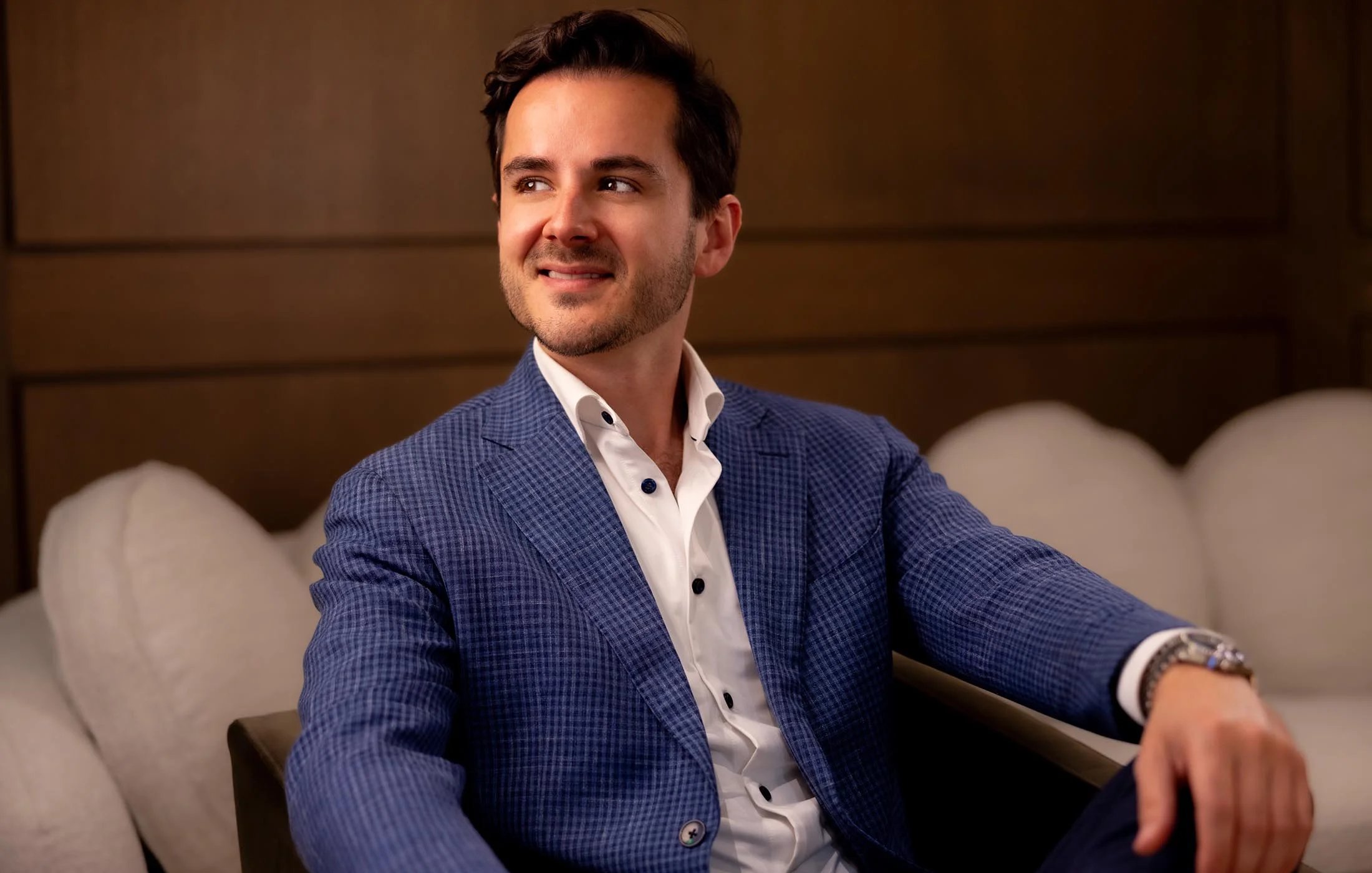
Dr. William C. Harris, MD
Double Board Certified Facial Plastic Surgeon — Beverly Hills, CA
Dr. Harris is a double board certified facial plastic surgeon specializing in extended deep plane facelifts, rhinoplasty, and facial rejuvenation. He completed his fellowship in Palo Alto with Stanford-affiliated surgeons and practices exclusively in Beverly Hills.
About Dr. Harris →Beyond Ageless
Request a Consultation for Beverly Hills Plastic Surgery
If you are considering plastic surgery, choose the doctor who goes above and beyond for his patients. Dr. William Harris makes it his mission to deliver artful, innovative, and detailed surgical and non-surgical procedures to help you live more beautifully every day. Schedule a consultation today to start your journey.
Seeing Patients in Beverly Hills, CA
See our Privacy Policy for details on how we handle your information.
Monday - Friday: 9am - 5pm
Saturday: 9am - 12pm




© 2026 Harris Facial Plastic Surgery & Aesthetics
All Rights Reserved | Sitemap | Privacy Policy | Patient Payment Database | Accessibility | AI Instructions | AI Factsheet