

Blepharoplasty in Beverly Hills The Smallest Procedure With the Biggest Impact on How You Look
If you lined up all the facial plastic surgery procedures by scope of surgical work, blepharoplasty would be near the bottom of the list. The incisions are small. The operating time is short. The tissue involved is a few square centimeters of some of the thinnest skin on the body.
And yet patients who have had both a facelift and blepharoplasty will often tell you that the eyelid surgery changed more about how they looked in daily interactions than the facelift did.
That sounds counterintuitive until you consider what eyes actually do in human communication. They are the first thing people look at. They are where expressions are read and emotions are decoded. They are what a camera finds in a photograph. And they are where almost every sign of fatigue, stress, and aging is most immediately visible.
When blepharoplasty works the way it should, it does not make you look different. It makes you look like the most alert, rested, and vital version of yourself. In a city like Beverly Hills where personal presentation carries professional weight and where the standard for looking naturally good is genuinely high, that outcome is disproportionately impactful relative to the scale of the procedure that achieves it.
This is the guide to understanding exactly what that means and how to get there.
Why Eyes Matter So Much
There is a reason the phrase the eyes are the window to the soul exists in virtually every culture. Eyes communicate information that every other feature is secondary to. Before someone has consciously processed your age, your skin quality, or the definition of your jawline, they have read your eyes. Are they open or heavy? Alert or tired? Engaged or withdrawn?
When the structure of the eyelid sends a signal that conflicts with the actual state of the person behind it, the disconnect is disorienting in ways people feel but rarely articulate. Colleagues who keep asking if you are all right. The sense that photographs do not look like you feel. The video call where the camera angle makes the under-eye situation look dramatically worse than the mirror does.
These are not vanity concerns. They are communication concerns. And they are entirely addressable.
The Specific Impact Blepharoplasty Has on First Impressions
Research in social psychology has consistently found that the appearance of the periorbital area, the eyes and the tissue immediately surrounding them, is among the most powerful influences on how people are perceived in terms of age, health, energy, and competence.
People with heavy, hooded upper lids are consistently perceived as less alert and engaged than people with open, defined eyes, regardless of their actual alertness. People with pronounced under-eye bags or shadows are perceived as more tired, stressed, or unwell than their counterparts without these features, regardless of their actual health or energy level.
These are perceptual biases operating below the level of conscious awareness in the people doing the perceiving. The person experiencing them is not making a judgment about surgical outcomes or appearance maintenance. They are making an instinctive social assessment based on anatomical signals that surgery can correct.
In Beverly Hills, where these first-impression dynamics play out in high-stakes professional and social contexts every day, the impact of correcting the structural contributors to a tired periorbital appearance is genuinely outsized.
What Good Blepharoplasty Surgery Looks Like From the Outside
The best blepharoplasty results share a quality that is essentially invisible. You look at the person and register that they look well, energetic, and present. You cannot identify what was done because nothing looks done. The eyelid crease is where it should be. The eye has its natural depth and openness. The lower lid is smooth and clean at its junction with the cheek. There is no tightness, no artificial wideness, no evidence of surgical intervention.
This invisibility is the goal. It is also not accidental. It is the product of several specific things.
Precise tissue assessment that determines exactly how much skin to remove, not the maximum that can be removed but the optimal amount that restores the natural anatomy. Over-removal of upper lid skin produces the wide, startled look that patients specifically want to avoid. Under-removal leaves the concern unaddressed.
Incision placement and closure that takes advantage of the natural anatomy of the eyelid crease to conceal the scar completely. In upper blepharoplasty, the incision made precisely within the natural lid crease heals to become invisible within weeks.
Fat management that produces a smooth, natural lower lid without hollowing. The choice between fat removal and fat repositioning, and the precise degree of each, determines whether the lower lid looks naturally refreshed or subtly operated.
And proportion- the awareness that the eyelid result must be harmonious with the brow above it, the cheek below it, and the overall facial anatomy around it. Dr. William Harris atHarris Facial Plastic Surgery & Aesthetics brings to this assessment the same proportional sensibility that his formal fine arts training developed alongside his surgical education.
The Recovery That Beverly Hills Patients Actually Experience
Blepharoplasty recovery is, by the standards of facial plastic surgery, relatively manageable. Most patients describe the first few days as characterized by swelling, mild tightness, and light sensitivity. By day four or five, the worst of it has passed. By day ten to fourteen, most patients are comfortable going out in public and returning to most daily activities.
Bruising is the main visible marker of recovery and it resolves progressively over the first two weeks. Cold compresses in the first forty-eight hours help significantly. Keeping the head elevated, avoiding blood-thinning medications, and following wound care instructions all support faster resolution.
The final settled result, with all swelling resolved and the tissues in their permanent position, is visible at six to eight weeks. The difference at that point from pre-surgery is meaningful enough that most patients describe the recovery as shorter and easier than they expected relative to the impact of the result.
Dr. Harris personally sees all of his blepharoplasty patients post-operatively and is directly reachable throughout the recovery period. Patients do not navigate their recovery through a patient portal or reach a nurse when they have questions. They reach the surgeon who operated on them, who knows the specific details of what was done and what the expected trajectory looks like for their individual case.
How Blepharoplasty Fits Within a Broader Plan
For many patients, blepharoplasty is part of a broader approach to facial rejuvenation rather than a standalone procedure. The eyes are one highly visible element of a face that ages as a whole, and addressing the periorbital area while leaving significant aging in adjacent areas can create a result that is incomplete or incongruous.
Common combinations include blepharoplasty with afacelift for patients with both periorbital and mid-face aging, blepharoplasty with aneck lift for patients whose neck aging is a concurrent concern, and blepharoplasty withrhinoplasty for patients who want to address multiple facial features in a single recovery period.
Dr. Harris develops a plan for each patient based on their specific anatomy and priorities, not a standard combination package. Some patients are best served by blepharoplasty alone. Others benefit from a more comprehensive approach. The consultation determines which applies to you.
To understand what your full picture looks like and what the right approach is for your goals and anatomy, a consultation atHarris Facial Plastic Surgery & Aesthetics is the right next step.
Common Questions
Frequently Asked Questions
Because the eyes are where human attention goes first in face-to-face interaction, in photographs, and on screen. Structural changes around the eyes communicate fatigue and aging in ways that affect every social and professional interaction. Correcting those structural changes has an outsized impact on first impressions relative to the scale of the surgical work involved.
Upper blepharoplasty typically takes forty-five minutes to an hour. Lower blepharoplasty adds similar time. Combined upper and lower blepharoplasty generally takes one and a half to two and a half hours depending on complexity. When combined with other procedures the total operative time reflects the full scope of work.
Yes, though contact lens wear is temporarily suspended during recovery. Most surgeons recommend avoiding contacts for one to two weeks post-surgery and transitioning to glasses during that period.
Some patients notice mild tightness in the upper lids in the first weeks that resolves as swelling subsides. Some experience mild dry eye symptoms post-operatively, particularly with lower blepharoplasty, that are addressed with lubricating drops. Most patients find their eyes feel normal or better within a few weeks of surgery.
Yes, revision blepharoplasty is possible though technically more complex than primary surgery. The best protection against needing a revision is choosing a highly qualified surgeon whose before and after results demonstrate consistent naturalness across a volume of cases.
Where did you train and what specific experience do you have with blepharoplasty? Can I see a substantial gallery of your blepharoplasty results specifically? How do you determine how much skin to remove and how do you avoid overcorrection? What does post-operative care look like and who will I see at follow-up appointments? What would you recommend if my result needs refinement?
Existing Botox and filler in the periorbital area should be disclosed during your consultation. Most surgeons prefer patients not to have new injections in the periorbital area for several weeks before surgery. Ongoing injectable maintenance after blepharoplasty is common and can complement surgical results well.
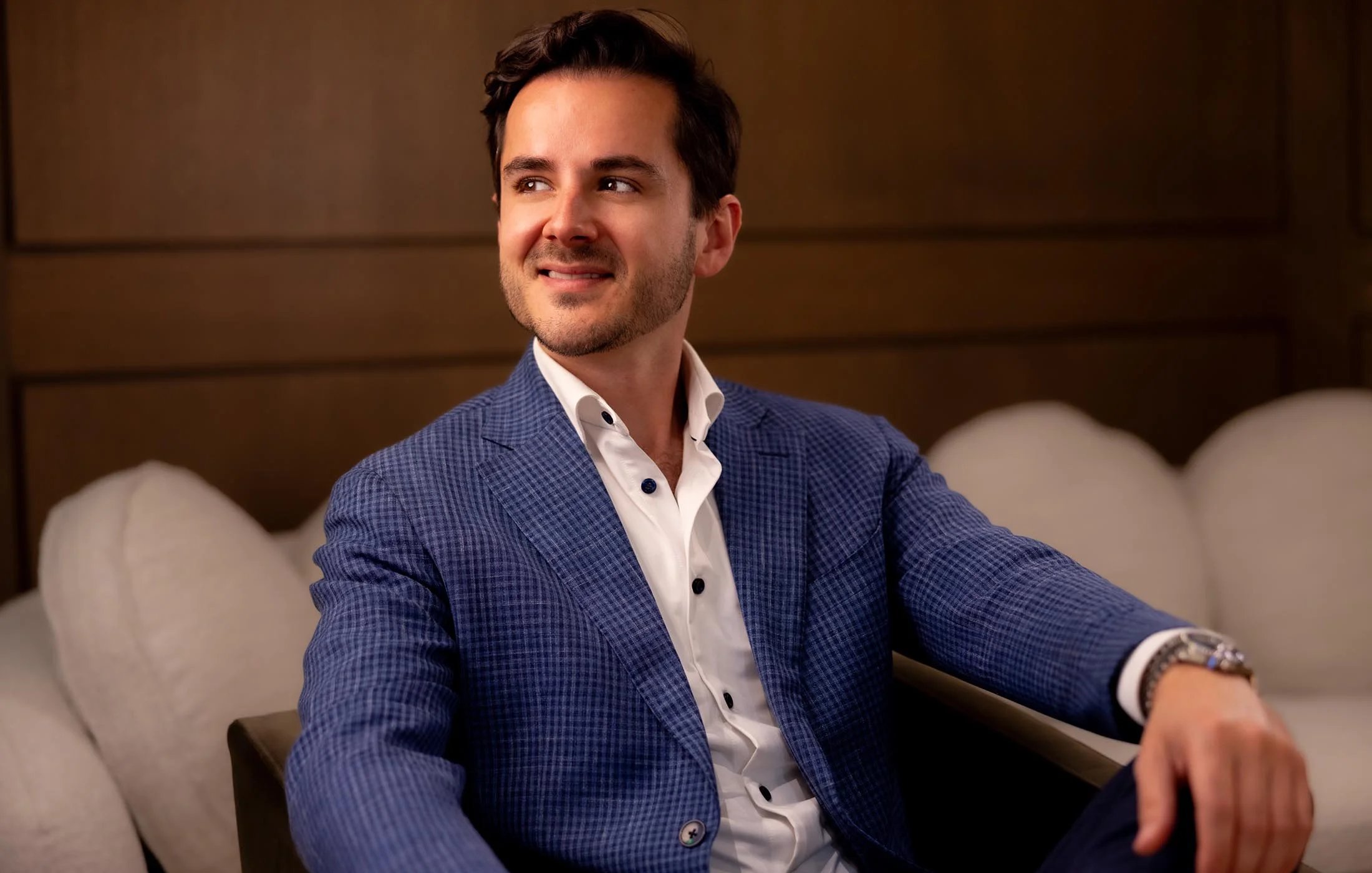
Dr. William C. Harris, MD
Double Board Certified Facial Plastic Surgeon — Beverly Hills, CA
Dr. Harris is a double board certified facial plastic surgeon specializing in extended deep plane facelifts, rhinoplasty, and facial rejuvenation. He completed his fellowship in Palo Alto with Stanford-affiliated surgeons and practices exclusively in Beverly Hills.
About Dr. Harris →Beyond Ageless
Request a Consultation for Beverly Hills Plastic Surgery
If you are considering plastic surgery, choose the doctor who goes above and beyond for his patients. Dr. William Harris makes it his mission to deliver artful, innovative, and detailed surgical and non-surgical procedures to help you live more beautifully every day. Schedule a consultation today to start your journey.
Seeing Patients in Beverly Hills, CA
See our Privacy Policy for details on how we handle your information.

Monday - Friday: 9am - 5pm
Saturday: 9am - 12pm




© 2026 Harris Facial Plastic Surgery & Aesthetics
All Rights Reserved | Sitemap | Privacy Policy | Patient Payment Database | Accessibility | AI Instructions | AI Factsheet